



🎯 The Main Takeaway
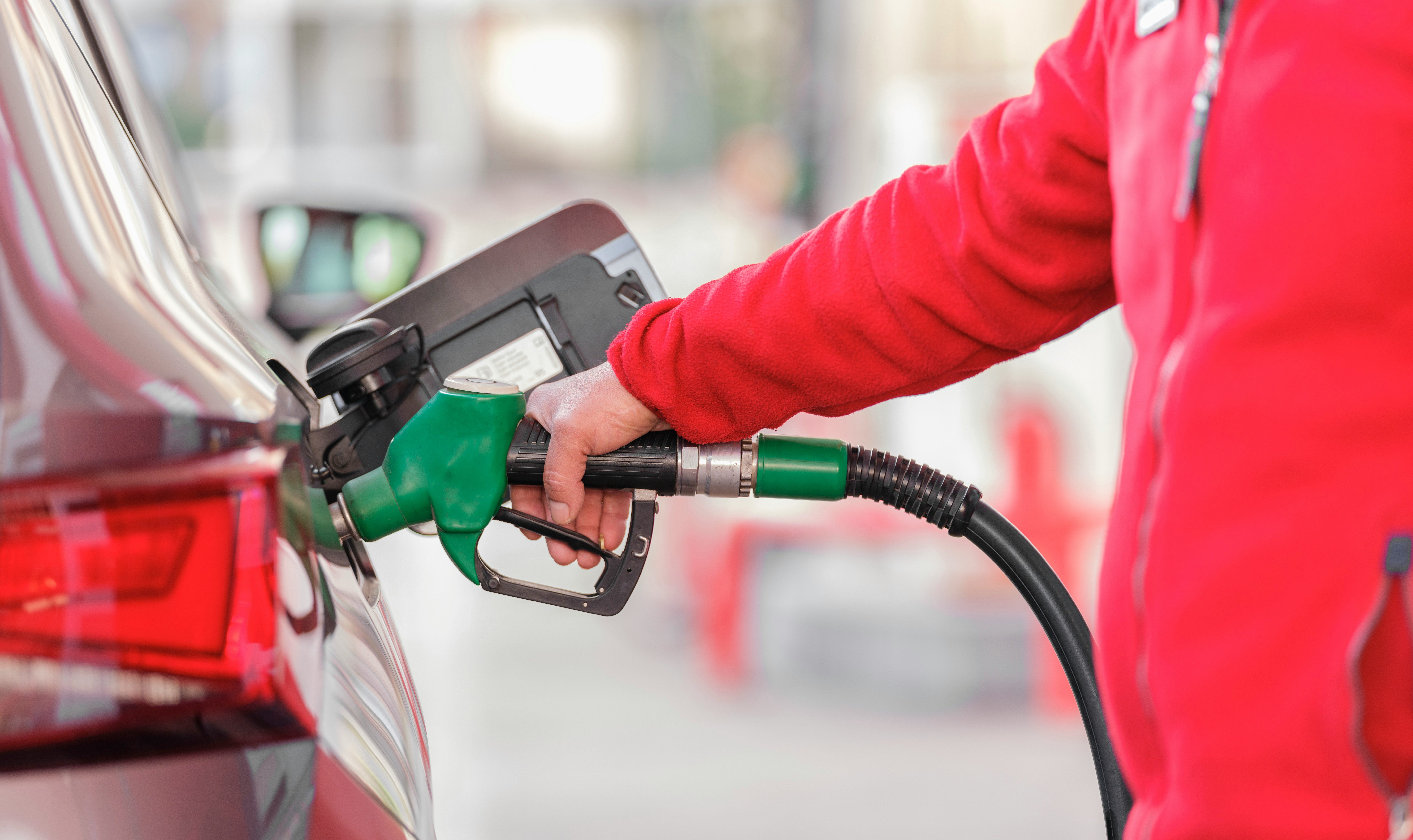
Indonesia’s state energy company Pertamina raised Pertamax (RON 92) prices by 32.1% to Rp16,250 per liter on June 10, ending months of government-imposed price freezes that had shielded consumers from global oil volatility.
The government defended the move as a necessary fiscal safeguard, with Cabinet Secretary Teddy Indra Wijaya noting that global oil prices had “risen sharply since March” and that the government had “held back price increases for months.”
Yet economists warn the real burden falls on Indonesia’s middle class—the primary users of non-subsidized fuel—potentially slowing domestic consumption and economic growth.
The political fallout is already visible. On June 15, hundreds of students took to the streets of Central Jakarta, demanding a halt to costly flagship programs, lower fuel prices, and a clear strategy to strengthen the rupiah. Police deployed around 6,600 security personnel across the city as protests spread to the State Palace and Senayan Legislative Complex.
Read more: How Southeast Asia is scrambling amid the oil crisis and the documentary challenging power in Papua.
📡 Why It’s on Our Radar
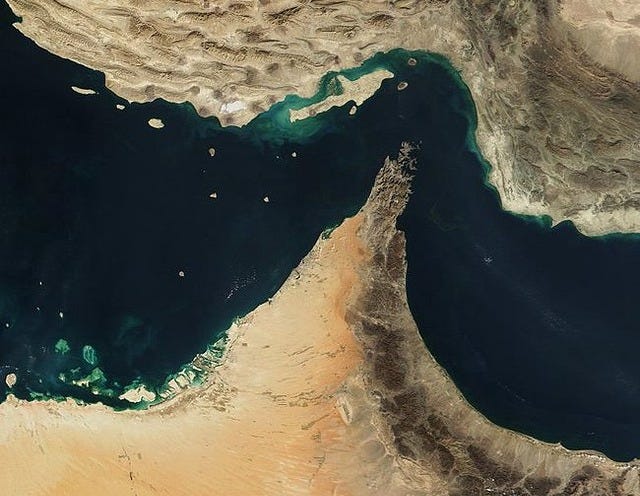
The conflict between the US-Israel and Iran, which erupted on February 28, effectively closed the Strait of Hormuz—a chokepoint that normally handles about 20% of global oil and LNG supplies.
The disruption sent global oil prices soaring, with Brent crude peaking at around $120 per barrel, up from approximately $70 before the war.
Southeast Asia, heavily reliant on Middle Eastern oil, has been hit disproportionately hard. A tentative US-Iran framework deal announced on June 14 has since sent oil prices tumbling—Brent fell to around $83 per barrel—but experts warn that normal shipping flows and price stability could take months to restore.
🌍 The Global Oil Market Context: A Fragile Truce with Lingering Effects
The fuel price shocks gripping Southeast Asia are a direct consequence of the US-Israel war on Iran that began on February 28, 2026. The conflict effectively closed the Strait of Hormuz, a chokepoint through which roughly 20% of the world’s oil and LNG supplies normally pass.
Brent crude, the global oil benchmark, surged from around $70 per barrel before the war to a peak of about $120 during the height of the conflict.
A Framework Deal, but Not Yet Normalcy
On June 14, a tentative US-Iran framework deal was announced, sparking a rapid market reaction. Brent crude fell by more than 5% to $82.84 a barrel, and global stock markets rallied sharply. The official signing ceremony, brokered by Pakistan, is scheduled for June 19 in Switzerland.
However, analysts caution that a return to pre-war shipping levels will not be immediate. Key challenges remain:
Demining and Safety: Mines must be cleared from the strait, a process that could take weeks to six months, before shipping can resume safely. Shipping companies have been largely reluctant to move their vessels during the ceasefire, and hundreds of tankers remain stuck in the Gulf.
Logistical Backlog: Restarting oil production, loading ships, and clearing the backlog of vessels will take weeks.
Market Volatility: The lack of detailed terms in the deal has injected “unease and uncertainty.” A full-scale peace agreement may still be a long way off, and a toll system or other Iranian demands could re-emerge.
Food Prices and Fertiliser: The war has also disrupted fertiliser supplies, a by-product of oil, putting pressure on global food prices. While the ceasefire “should help ease immediate pressure,” the crop season has already begun in several regions, meaning deliveries will likely be too late for some agricultural crops.
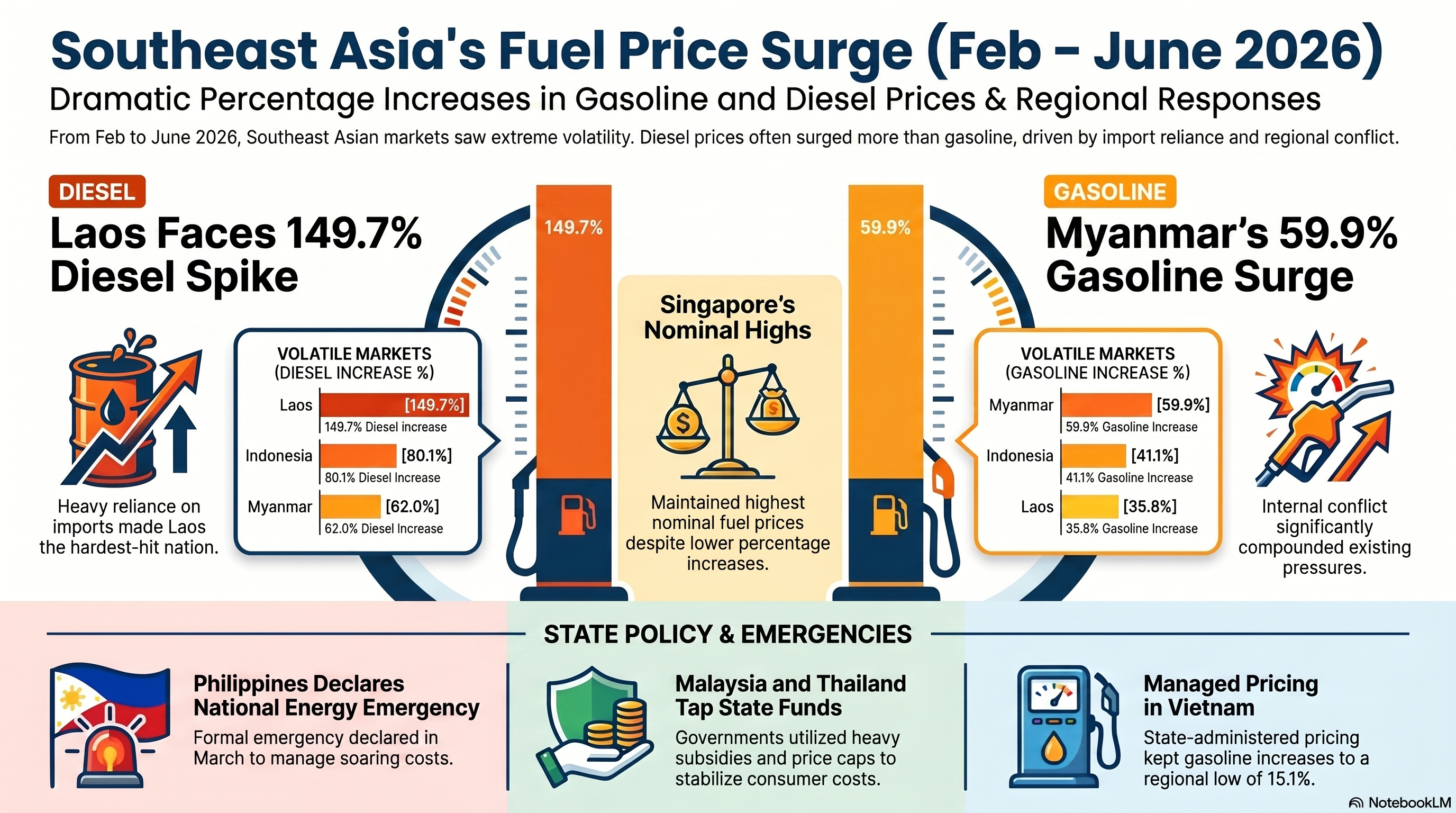
The regional impacts of these global trends are now visible in local fuel price data across Southeast Asia, which shows a wide divergence in retail price increases over the war period.
📊 The Regional Snapshot: Diverging Fates
⚖️ What’s at Stake: Indonesia’s Middle-Class Squeeze
Purchasing Power at Risk
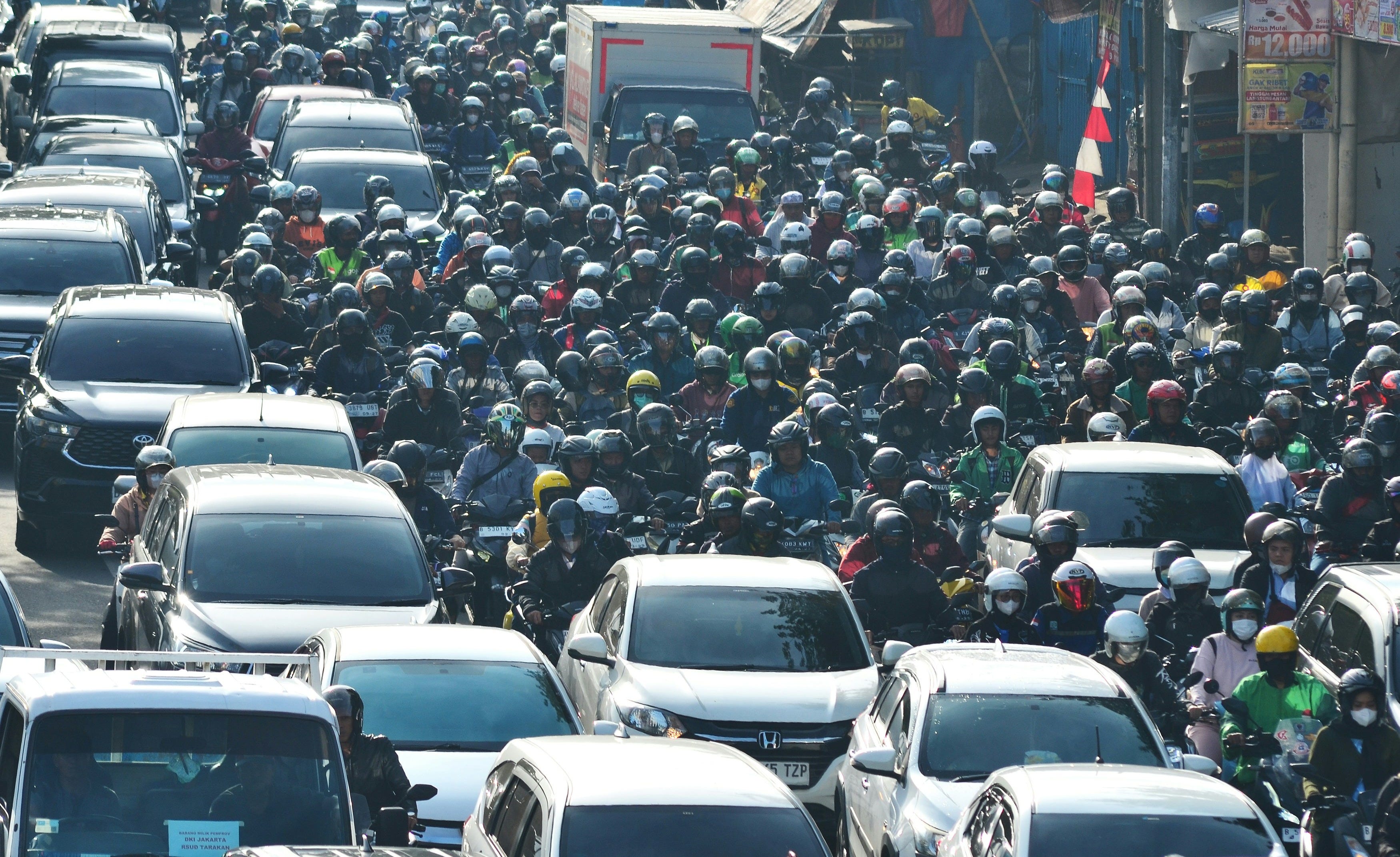
The Institute for Development of Economics and Finance (Indef) warns that the hike’s “main impact” will be on middle-class purchasing power, not inflation. With Bank Indonesia’s benchmark rate at 5.5% and the rupiah under pressure, higher fuel costs reduce real income and could slow domestic consumption, which accounts for over 50% of GDP.
A Shift to Subsidized Fuel
Padjadjaran University economist Yayan Satyakti projects 10% of Pertamax users will switch to subsidized Pertalite (Rp10,000 per liter)—a move that could strain government quotas. The Rp6,250 gap between Pertamax and Pertalite is “quite significant,” Satyakti noted.
Budgetary Impact
For a household filling 100 liters monthly, the hike adds Rp395,000 to monthly expenses; for motorcycles consuming 30 liters, it’s an extra Rp119,000. Economist Rahma Gafmi from Airlangga University warns this could force middle-class households to delay non-essential spending on holidays, dining out, and electronics.
🏠 Why This Hits Home
For Indonesian consumers, the Pertamax hike is a direct hit to household budgets at a time when the annual inflation rate had already hit an 8-month high of 3.08% in May.
While Finance Minister Purbaya Yudhi Sadewa insists the inflationary impact will be “minimal” since Pertamax isn’t used for public transport or freight, economists warn of secondary effects: higher operational costs for businesses that rely on private vehicles for logistics.
The government maintains that subsidized fuels (Pertalite and Biosolar) remain unchanged at Rp10,000 and Rp6,800 per liter, respectively. This suggests a policy of targeting relief at lower-income groups while shifting market costs to those who can better absorb them—a strategy that may yet prove politically sustainable if the Hormuz truce holds.

🔮 The Bottom Line
Indonesia’s fuel price adjustment is a painful correction after months of absorbing global oil shocks. However, the government now faces a dual challenge: managing the economic fallout of high energy costs while containing growing public discontent.
The student protests on June 15—demanding lower fuel prices, a halt to costly flagship programs like the free nutritional meal initiative, and a clear economic strategy—signal that political pressure is mounting. With around 6,600 security personnel deployed across Jakarta, the government is clearly taking the unrest seriously.
The broader ASEAN region faces a defining moment: the Iran war has exposed the fragility of energy systems built on imported fossil fuels and vulnerable chokepoints. Even with a Hormuz deal, high prices and supply chain disruptions are likely to persist for months.
For Indonesia’s middle class, the immediate challenge is absorbing a 32% hike while navigating rising living costs and stagnant wage growth.
Need More Angles
Bangkok Post Thai fuel prices to stay high until Q4
BBC How could the US-Iran deal affect oil prices and the cost of food?
BBC Oil prices fall and shares jump after US-Iran deal announced
Cambodianess Cambodia Could See 1.1 Million More People Fall Into Poverty, World Bank Warns
CNA Indonesia raises price of widely used fuel by 32%, adds to cost-of-living concerns
Edge, The Opinion: When fuel prices sting, subsidies alone won't do
GMA News Diesel, kerosene rollback set Tuesday, June 16, 2026; gasoline mixed
Global New Light of Myanmar Fuel prices fall for 3 straight weeks
Jakarta Post, The More student protests against costly programs, fuel price hikes
Khmer Times Fuel prices drop in Cambodia
Nation, The OR and Bangchak cut Thai petrol, gasohol and diesel prices
New Strait Times, The Vietnam says fuel costs widen first-half trade deficit, 2026 GDP target maintained
PrabowoSubianto.com Why Has Pertamax Price Been Adjusted? Understanding the Difference Between Subsidized and Non-Subsidized Fuel
Rappler DOE: Bringing fuel prices to pre-war levels may take up to 12 months
South China Morning Post Iran war ‘stark wake-up call’ for fossil fuel-dependent Southeast Asia: IEA report
Star, The Fuel prices June 11-17: Unchanged across the board
Strait Times, The Shock at the pump: Indonesia’s Pertamax price hike fuels cost worries for middle class
Tempo Indonesia’s Middle Class Faces Biggest Hit From Pertamax Fuel Price Hike
VNExpress Gasoline prices fall 1.21%
(ELS/QOB)