



🎯 The Main Takeaway
The effective closure of the Strait of Hormuz following the US-Israel war on Iran on 28 February 2026 has sent shockwaves through Southeast Asia, exposing the region’s acute vulnerability to imported energy.
With about 84% of crude oil and 83% of LNG passing through the strait bound for Asia, countries including the Philippines, Thailand, Malaysia, and Vietnam have been forced to implement emergency conservation measures, ranging from four-day workweeks to fuel subsidies and export bans.
Even oil-producing Indonesia relies on imports for more than one-third of its crude needs.
📡 Why It’s on Our Radar
This crisis is not a distant geopolitical event—it is a direct economic shock arriving at petrol stations, factory floors, and household budgets across Southeast Asia. The International Energy Agency has called this the largest supply disruption in global oil market history.
For a region built on cross-border manufacturing, tourism, and logistics, prolonged disruptions threaten to stall growth, accelerate inflation, and expose long-standing vulnerabilities in energy infrastructure.
⚠️ What’s at Stake
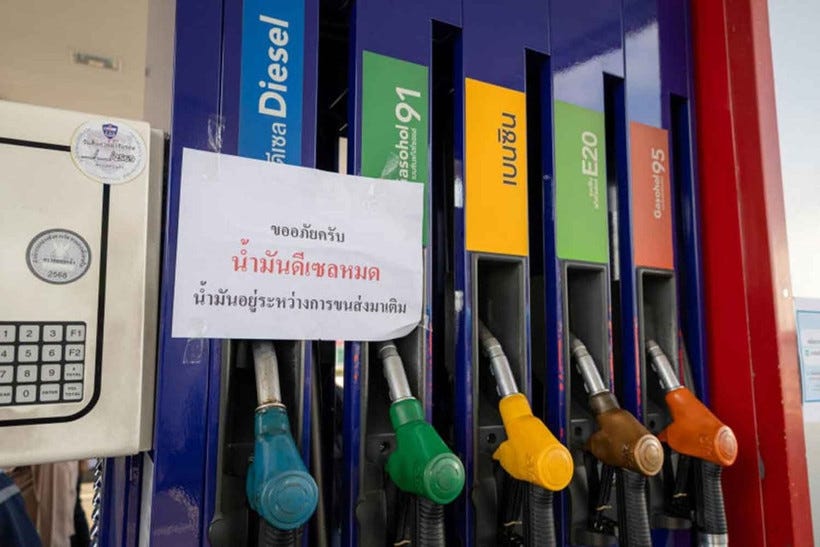
⛽ Fuel shortages & price spikes: In Laos, queues stretch for hours at the handful of stations still open. In Cambodia, nearly 2,000 of 6,300 fuel stations have shut temporarily. Diesel prices in Vietnam have surged 84% since the conflict began.
🏭 Industrial disruption: Thailand’s Rayong Olefins suspended plant operations due to feedstock shortages. Fertiliser makers have halted new orders. Transport costs are forcing food manufacturers to choose between closing or raising prices.
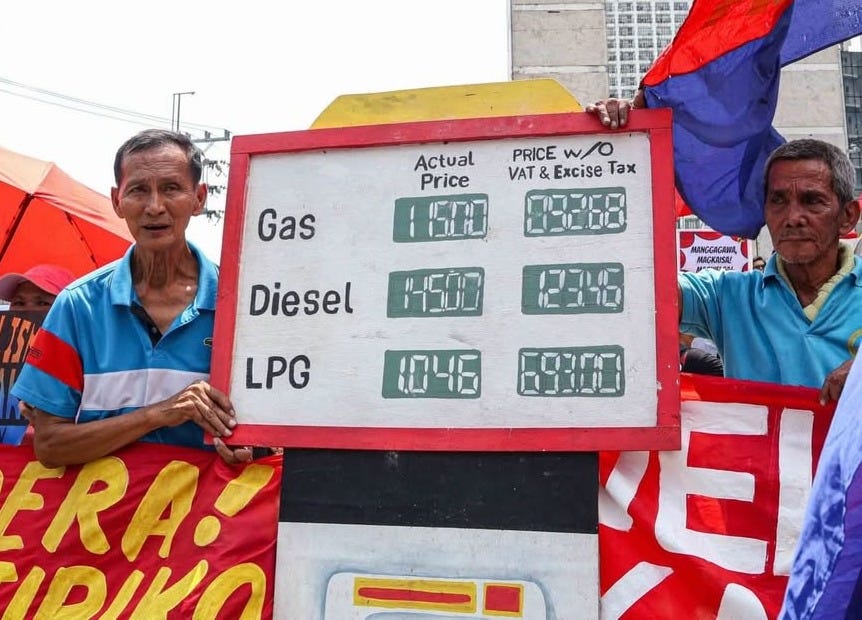
🚛 Transport & livelihoods: Philippine jeepney drivers now take home just 400 pesos (£8.80) per day—down from 1,000—as fuel costs have doubled.
🛢️ Limited strategic reserves: Unlike Japan (254 days) or South Korea (208 days), Southeast Asian reserves are dangerously thin: Indonesia (21-23 days), the Philippines (45-60 days in commercial hands), and Vietnam (65 days combined, but only 5-7 days in state reserves).
🗺️ Country-by-Country Snapshot
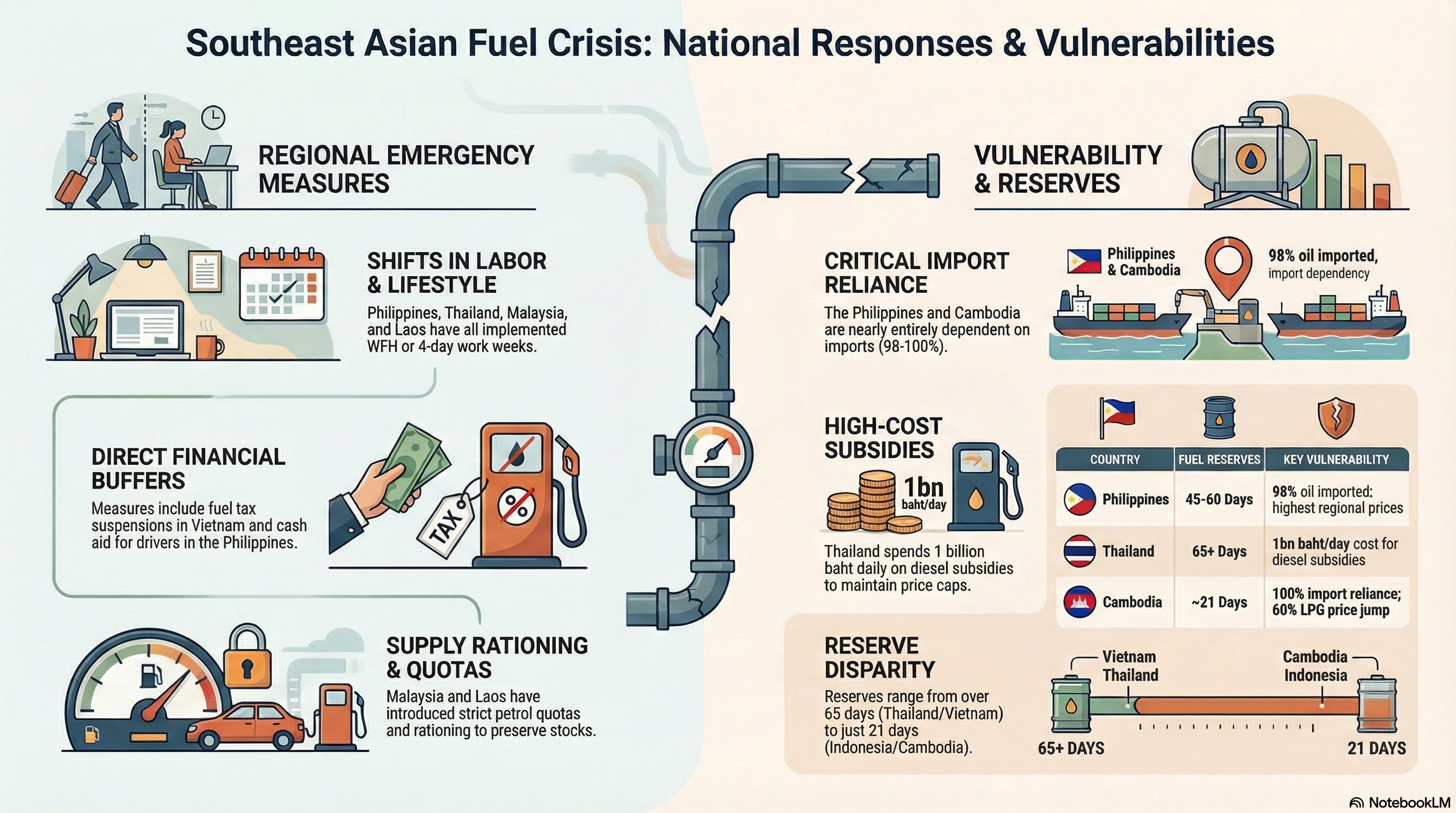
🇰🇭 Cambodia – Suspended all traffic fines to avoid adding pressure on drivers. Eliminated import duties and VAT on gasoline and diesel, and maintained a fuel subsidy of 6.5 US cents per litre. Nearly 2,000 of 6,300 fuel stations shut temporarily in mid-March. LPG prices have surged 60%, with major distributor Sokimex halting LPG sales from 1 April. Holds roughly 21 days of strategic reserves.
🇮🇩 Indonesia – Assures national fuel stocks remain safe at 21–23 days. Accelerating the B50 biodiesel programme (50% palm oil-based) and redirecting imports from the Middle East to other countries. Plans to build additional strategic storage, but faces funding constraints.
🇱🇦 Laos – Long queues and hour-long waits at petrol stations across Vientiane, with more than 40% of filling stations closed at one point. The government banned filling containers (such as water bottles) to prevent hoarding and urged a switch to electric vehicles. Saw the world’s second-biggest increase in premium petrol prices in the early days of the conflict. Depends almost entirely on fuel imports from Thailand.
🇲🇾 Malaysia – Cut the monthly subsidised petrol (BUDI95) quota from 300 to 200 litres per household, effective 1 April. Announced work-from-home arrangements for civil servants and urged the private sector to follow. Food manufacturers warn of closures or price hikes amid rising diesel costs. Secured passage for Malaysian vessels through the Strait following diplomatic talks with Iran.
🇵🇭 Philippines – Declared a national energy emergency, the first in Southeast Asia. Implemented a four-day work week for government workers and offered cash aid to transport drivers. Imports 98% of its oil, with petrol and diesel prices now among the highest in the region (diesel ~$2.30 per litre). Holds commercial reserves for 45–60 days, but the government has little direct control over them.
🇸🇬 Singapore – Fuel supply remains stable for now, with Acting Transport Minister Jeffrey Siow stating stockpiles are “not being eroded”. Petrol prices have risen to about S$3.47 per litre for 95-octane (up from S$2.88 before the war). Airlines have raised ticket prices, and platform operators have offered driver subsidies. The government is monitoring closely but has not yet intervened directly.
🇹🇭 Thailand – Introduced a temporary diesel price cap and banned most oil exports, except to Laos and Myanmar, due to energy cooperation agreements. Urged officials to work from home, wear short-sleeved shirts to reduce air conditioning use, and limit overseas travel. Subsidies are costing over 1 billion baht (£22 million) per day. Holds reserves for about 65 days, seeking an additional 30 days.
🇻🇳 Vietnam – Suspended environmental and consumption taxes on gasoline, diesel, and jet fuel until 15 April. Activated the fuel price stabilisation fund and cut preferential import tariffs to zero for non-FTA partners. The Dung Quất and Nghi Sơn refineries cover about 68% of domestic demand. Holds combined reserves of about 65 days (national reserve covers only 5–7 days of net imports).
🌏 The Bigger Picture: A Structural Wake-Up Call
The crisis has exposed a fundamental asymmetry: Southeast Asia’s economic model is built on connectivity, but its energy infrastructure is built on vulnerability. As Priyanka Kishore, director and principal economist at Asia Decoded in Singapore, told Al Jazeera: “In three weeks, or maybe even in two weeks, we will be hearing a lot more about it” if the strait remains closed.
Thailand’s decision to continue exporting about 5 million litres of oil daily to Laos and Myanmar illustrates the region’s deep interdependence. As NESDC Secretary-General Danucha Pichayanan explained, these shipments are tied to hydropower imports from Laos and natural gas imports from Myanmar—energy cooperation cuts both ways.
🏠 Why This Hits Home
For ordinary citizens, the crisis means higher prices, longer queues, and difficult trade-offs. In Thailand, news anchors have ditched their jackets to reduce air conditioning use.
In Cambodia, tuk-tuk drivers are rushing to fill LPG tanks before supplies run out. In the Philippines, jeepney drivers are striking, demanding price controls and higher wages.
“I can’t even afford my kid’s lunch money,” Manila jeepney driver Arturo Modelo told Al Jazeera.
🔮 The Bottom Line
The Strait of Hormuz crisis has revealed Southeast Asia’s energy Achilles heel with brutal clarity.
While governments scramble with short-term fixes—subsidies, rationing, work-from-home orders—the deeper challenge remains unresolved: building strategic reserves, diversifying supply sources, and accelerating the transition to domestic renewable energy.
🔎 Need More Angles?
Al Jazeera Philippine transport strikers say Marcos Jr failing to control oil prices
Al Jazeera Southeast Asia shuts offices, limits travel as oil crisis deepens
Asia News Network Thailand’s special Cabinet approves 7-step oil crisis relief
BBC Marcos promises ‘flow of oil’ as Philippines declares energy emergency
Khmer Times Government institutions tighten fuel usage as energy crisis sets in
Kompas The Threat of a Fuel Crisis and the Vulnerability of Indonesia’s Energy Storage Capacity
Malay Mail Why Malaysia still feels global oil shocks despite producing its own, Anwar explains
Nikkei Asia LPG shortage hits Cambodian public transport, households
Pattaya Mail Thailand adjusts to prolonged oil crisis PM apologizes and calls for consumption cuts
Reuters Vietnam suspends some fuel taxes to stabilise domestic market
South China Morning Post Iran crisis bites into Malaysia’s supply chain as Anwar cuts fuel subsidy quota
Tempo English Energy Minister Asserts Indonesia’s Fuel Resilience Amid Middle East Crisis
Thai PBS World Hours-long fuel queues in Laos capital Vientiane
The Business Times Fuel supply stable, but government keeping watch on need to intervene amid price hikes: Jeffrey Siow
The Guardian Fuel rations and no air con: south-east Asian nations race to conserve energy
The Nation Thailand clarifies oil exports to Lao PDR and Myanmar amid crisis
The Strait Times S’pore Govt to address concerns over impacts of Middle East conflict: PM Wong
Việt Nam News Việt Nam shields economy from oil shocks
(ELS/QOB)