



🎯 The Main Takeaway
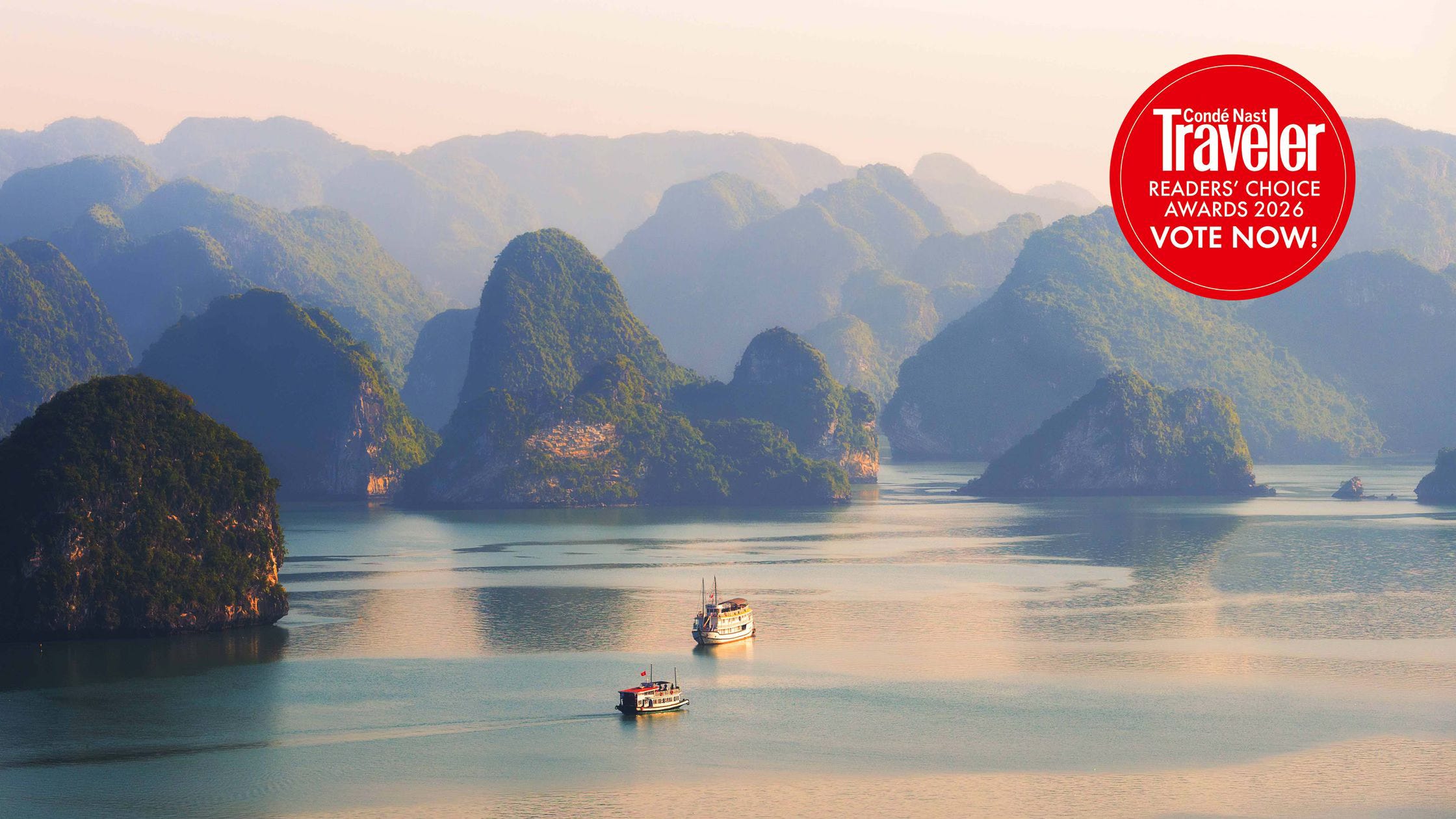
Southeast Asia has officially locked down its status as the ultimate global playground. In the latest Condé Nast Traveler Readers’ Choice Awards, the region completely swept the board, securing the top five spots for Asia’s most beautiful islands. This clean sweep signals a massive structural shift in where global travelers are choosing to spend their time and money.
Loved this? Explore Southeast Asia's top Michelin food cities and Malaysia's tourism boom.
🔍 Why It’s on Our Radar
The regional numbers are skyrocketing across the board. Across these top-tier destinations, massive spikes in both domestic and high-spending international arrivals are shattering previous records.
Crucially, it is not just footfall that is up—tourism-generated revenue is seeing exponential year-on-year growth. This surge proves that global travelers are looking past traditional hotspots and actively seeking out premium, curated island experiences.
🗳️ How the Ballot Works
Democracy in travel data. Unlike insider-only panels, the Readers’ Choice Awards are determined entirely by a public vote, drawing responses from over half a million global travelers annually. The final rankings are based on a meticulous scoring system evaluating location, service, atmosphere, and infrastructure. Because it reflects genuine consumer behavior rather than industry spin, a high placement serves as direct evidence of a destination’s true market popularity.
⚖️ What’s at Stake
Balancing hyper-growth with long-term infrastructure. With aggressive targets set for the coming years, these island destinations face a delicate balancing act. The boom is being fast-tracked by aggressive policy shifts, from expanding direct international flight routes that bypass capital cities to introducing zero-friction visa exemptions. The stakes lie in whether these tropical havens can scale up their eco-tourism safeguards quickly enough to prevent pristine coastlines from becoming overcrowded.
🌏 The Big Picture
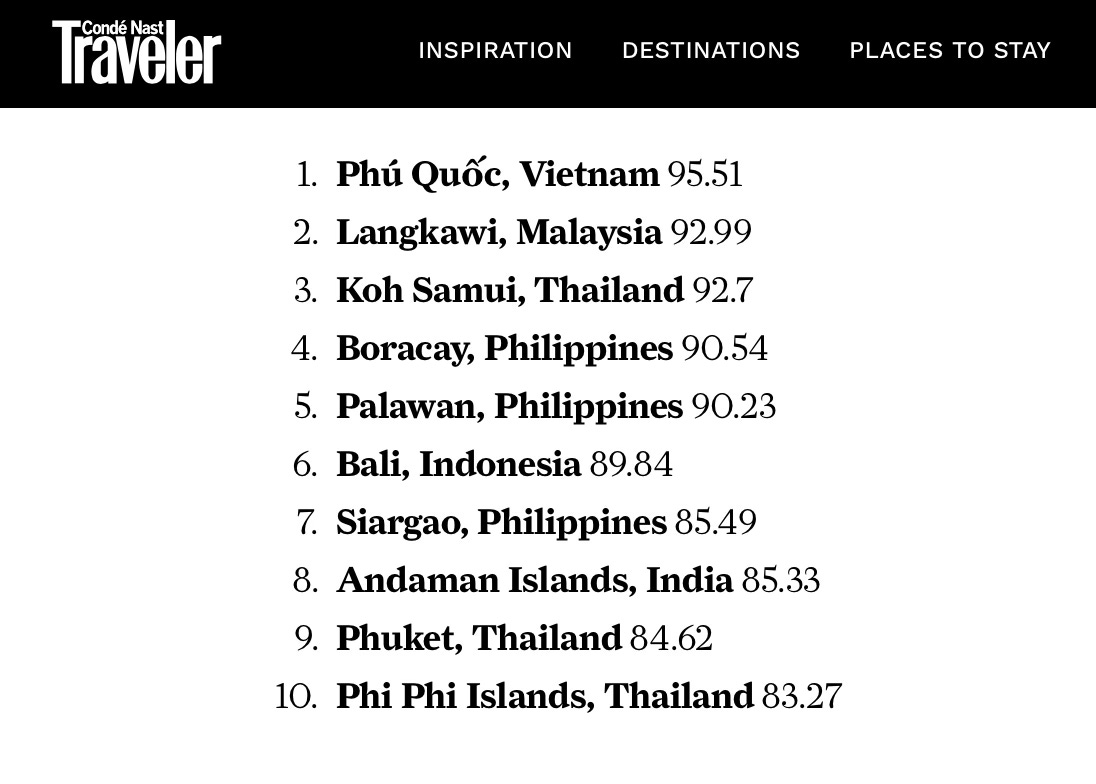
Southeast Asian destinations are no longer just recovering—they are rewriting the global luxury leaderboard. The top five regional winners selected by Condé Nast Traveler readers reflect a highly diversified tourism market, backed by massive visitor volumes and foreign exchange returns.
🇻🇳 Vietnam
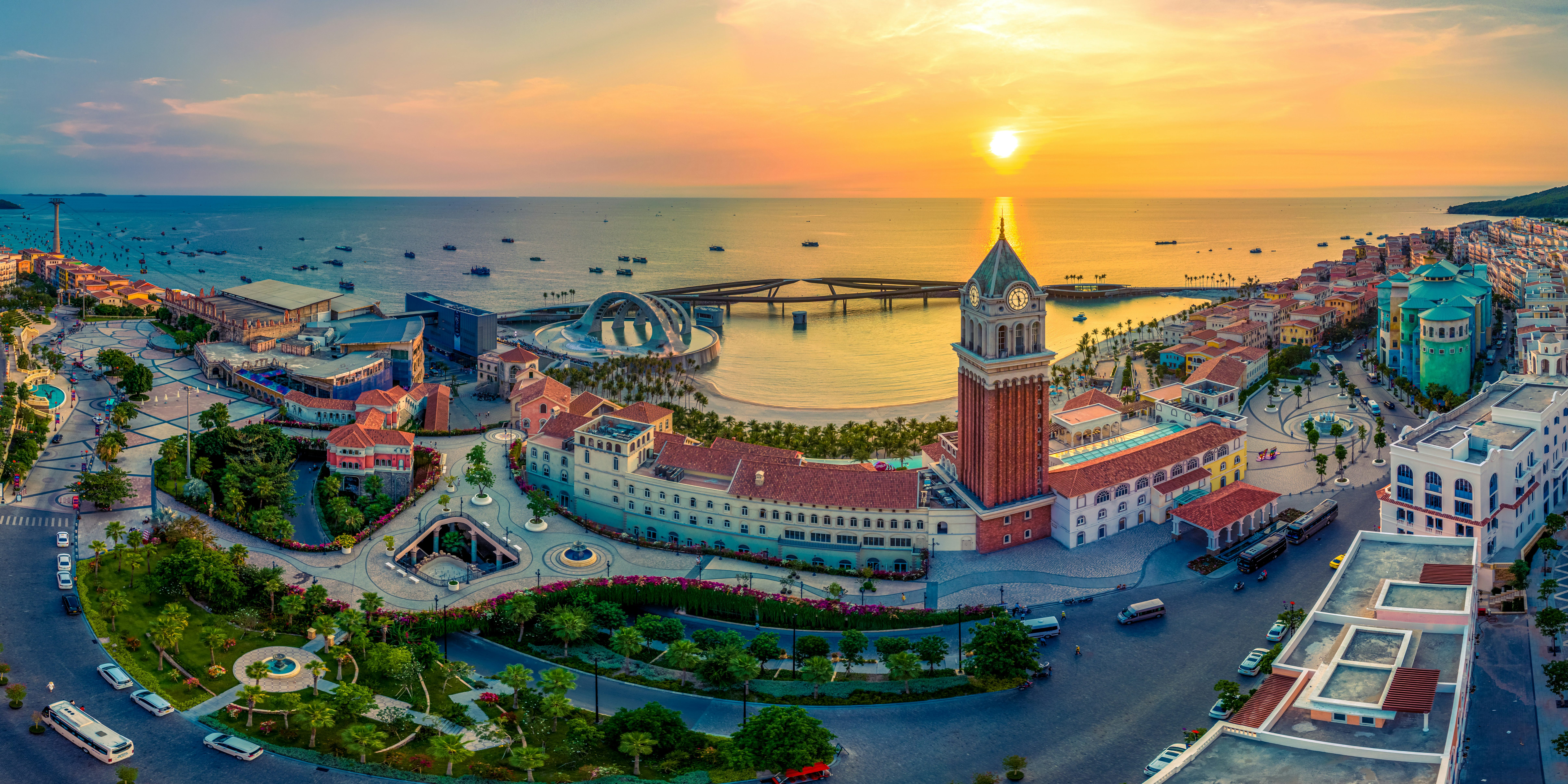
Phú Quốc (Score: 95.51): The undisputed continental champion. Moving toward an annual target of 8.5 million visitors, the island welcomed 4.76 million tourists in the first five months of 2026 alone (up 34% year-on-year). This influx generated an astounding VND 26,900 billion (~£830 million) in revenue—a massive 50.4% surge in devisa earnings.
🇲🇾 Malaysia
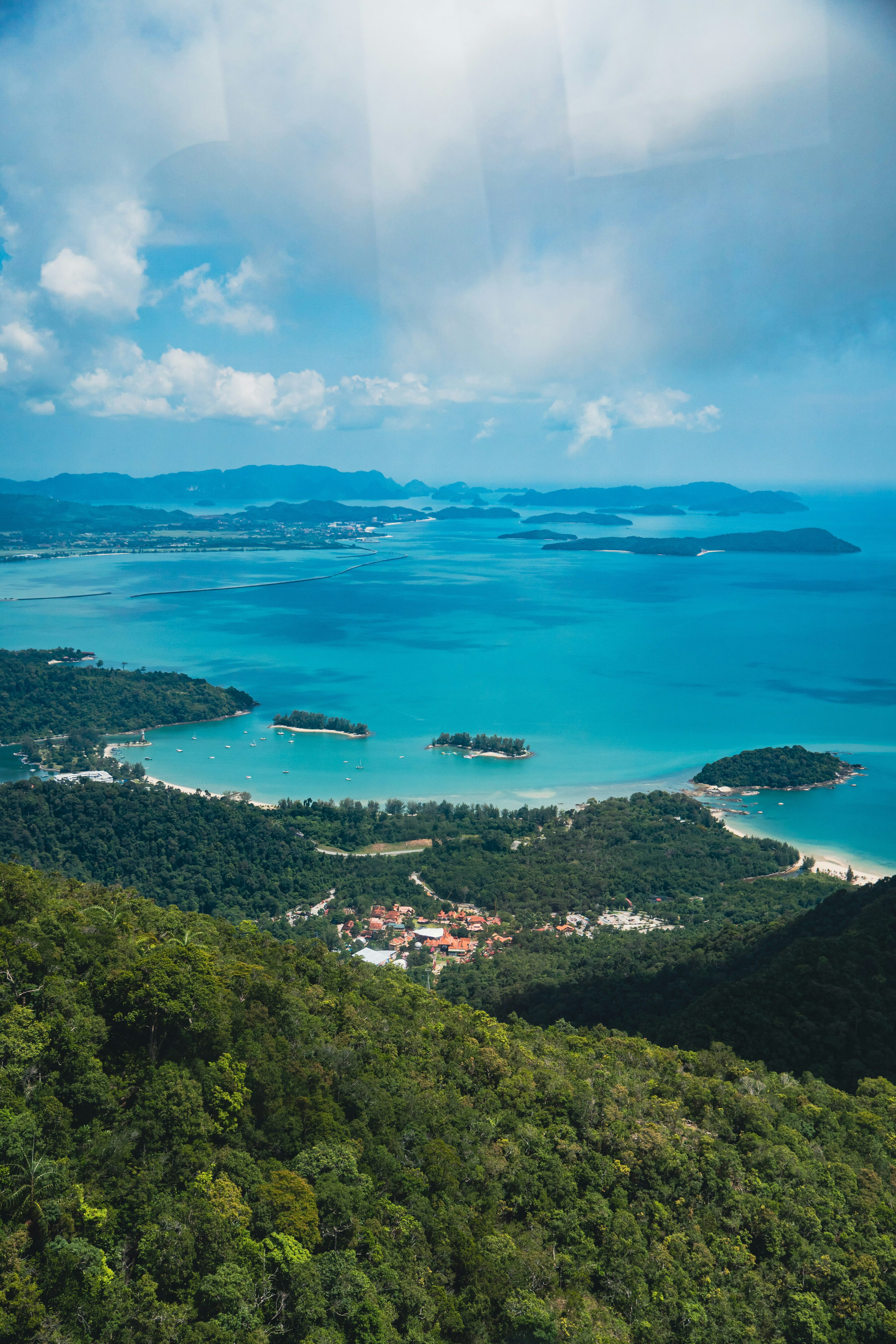
Langkawi (Score: 92.99): Securing the second spot, this pristine UNESCO Global Geopark drew 3.2 million visitor arrivals over the last annual cycle. The destination is successfully shifting toward high-value devisa, driven by longer-staying European travelers who balance seasonal volume with premium spend.
🇹🇭 Thailand
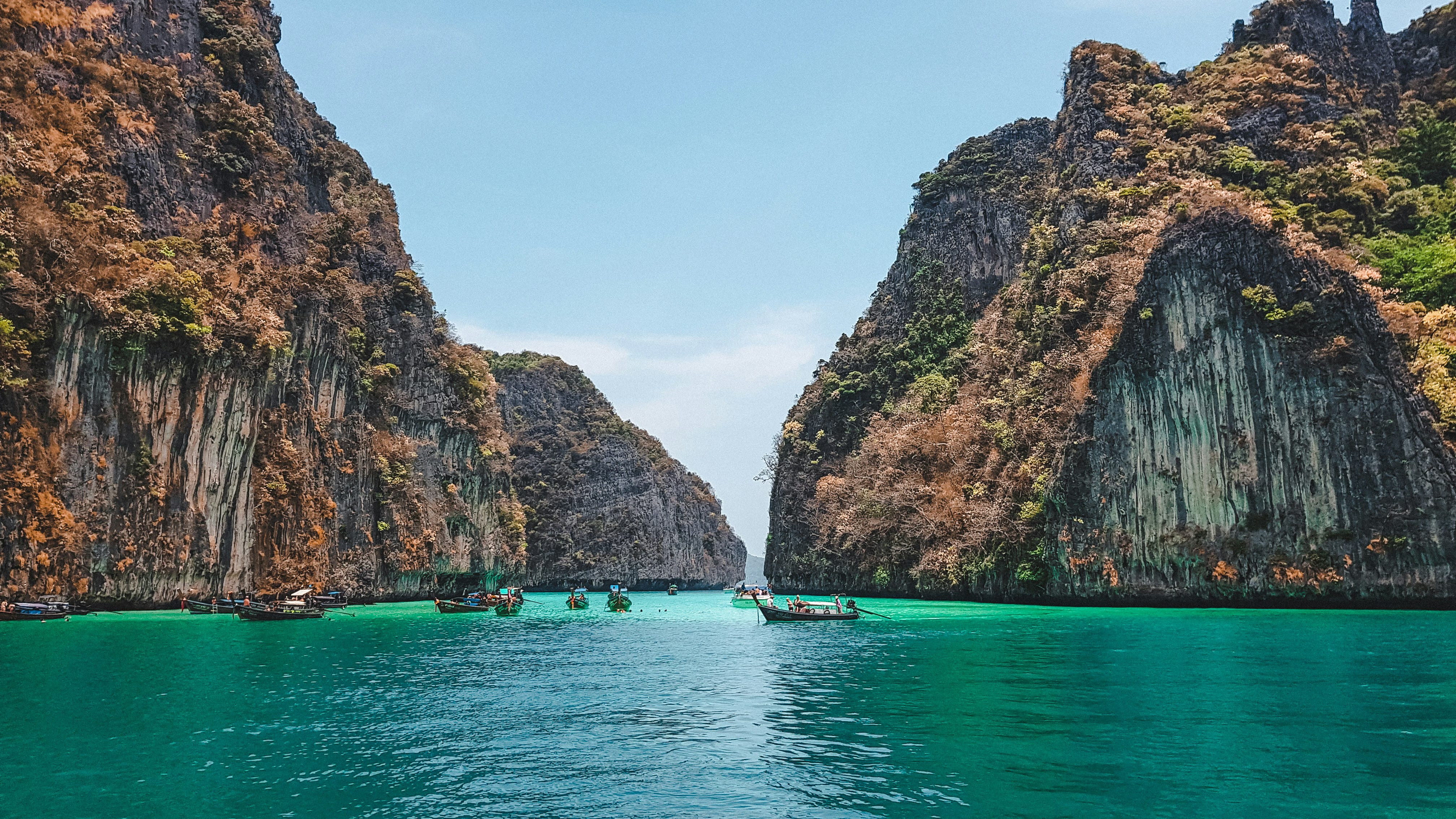
Koh Samui (Score: 92.70): Holding the bronze, Samui remains the luxury vanguard of a Thai tourism economy targeting 3.4 trillion Baht (~£73 billion) in total reven
ue for 2026. The island recorded 1.13 million passenger arrivals in its early-year peak months alone, with over half of its international arrivals originating from high-spending European markets.
🇵🇭 The Philippines
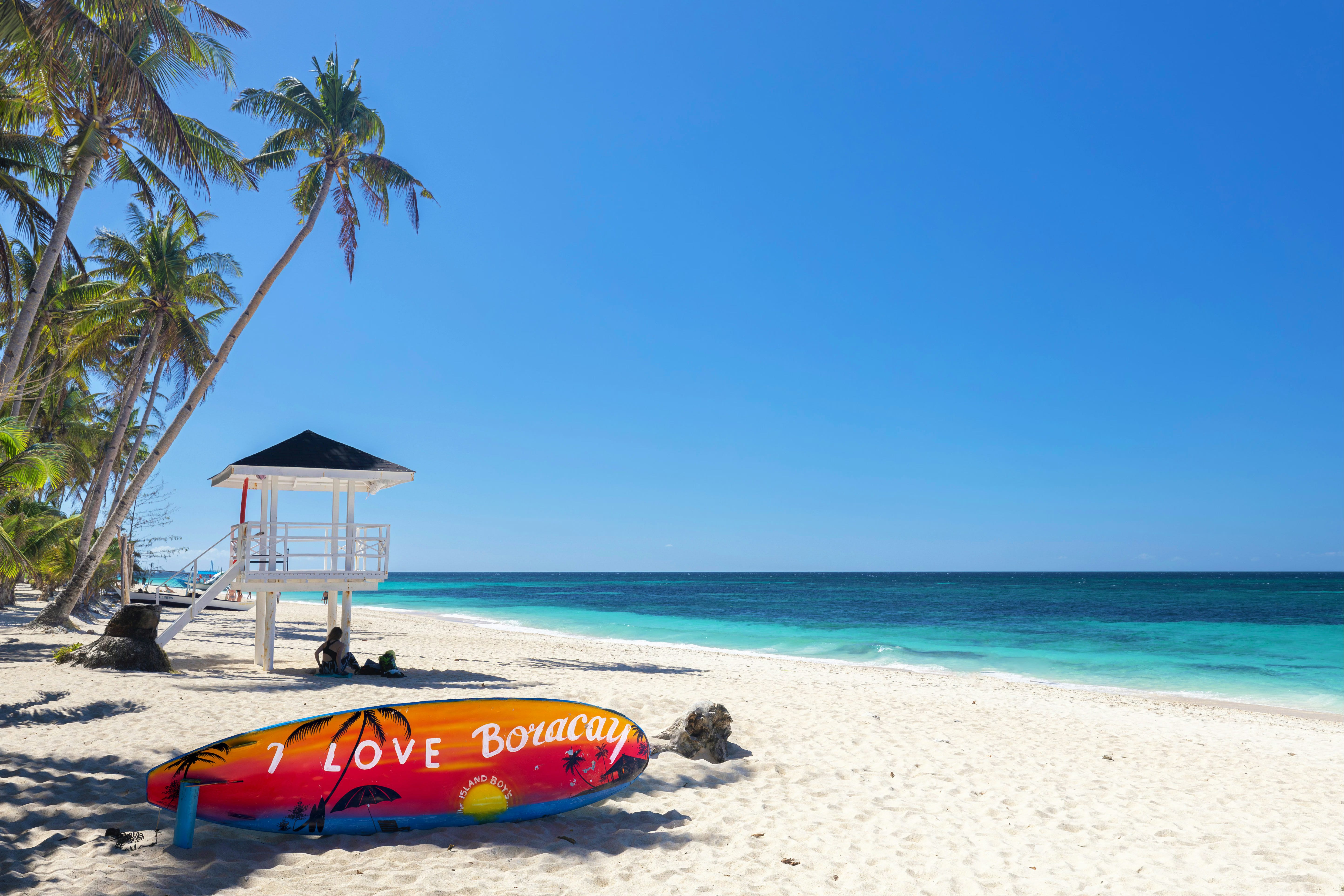
Boracay (Score: 90.54): Taking fourth place, it remains the gold standard for beach relaxation, welcoming 2.15 million tourists over its full annual calendar. The island generated PHP 47 billion (~£640 million) in tourism-related revenue, proving the financial power of its successful environmental rehabilitation.
Palawan (Score: 90.23): Rounding out the top five, this legendary archipelago cements the Philippines’ double-win, acting as a critical eco-adventure frontier that captures high-value diving and cruise tourism capital.
🏛️ Knowing Your Awards
To understand the weight of this win, it helps to look at Condé Nast Traveler’s distinct award ecosystem. The publication splits its honours to capture two completely different perspectives:
The Readers’ Choice Awards: The populist vote. It charts where people are actually going, spending money, and voting with their feet.
The Gold List: The elite insider choice. This is a highly subjective, curated list selected exclusively by the magazine’s global editorial team, focusing on enduring heritage, architecture, and craftsmanship.
💡 The Ultimate Prize: Properties that manage to win both of these over time—alongside the Hot List for best new openings—earn the newly launched, ultra-exclusive “Triple Crown” status, representing the absolute pinnacle of global hospitality.
🏠 Why This Hits Home
For travelers and local hospitality operators alike, the landscape has completely shifted. Visas are no longer the barrier they used to be, and direct regional connectivity means bypassing traditional hubs entirely. Travelers can finish breakfast in a major global city and be sitting on a pristine beach in Southeast Asia by afternoon tea.
🗺️ The Regional Stakes
This is a friendly but fierce race for global tourism capital. Aggressive policy plays—like unilateral visa waivers and dedicated island development funds—are putting immense pressure on neighboring countries to loosen their own border controls and offer sweeter incentives to capture the lucrative European, American, and Asian long-haul markets.
🏁 The Bottom Line
Accessibility builds empires. The transition of these regional islands from quiet paradises to multi-billion-pound economic assets proves that when you pair natural beauty with smart visa policies and direct aviation links, global travelers will show up in their millions.
(ZIL/VBD/EL)