



📌 The Main Takeaway
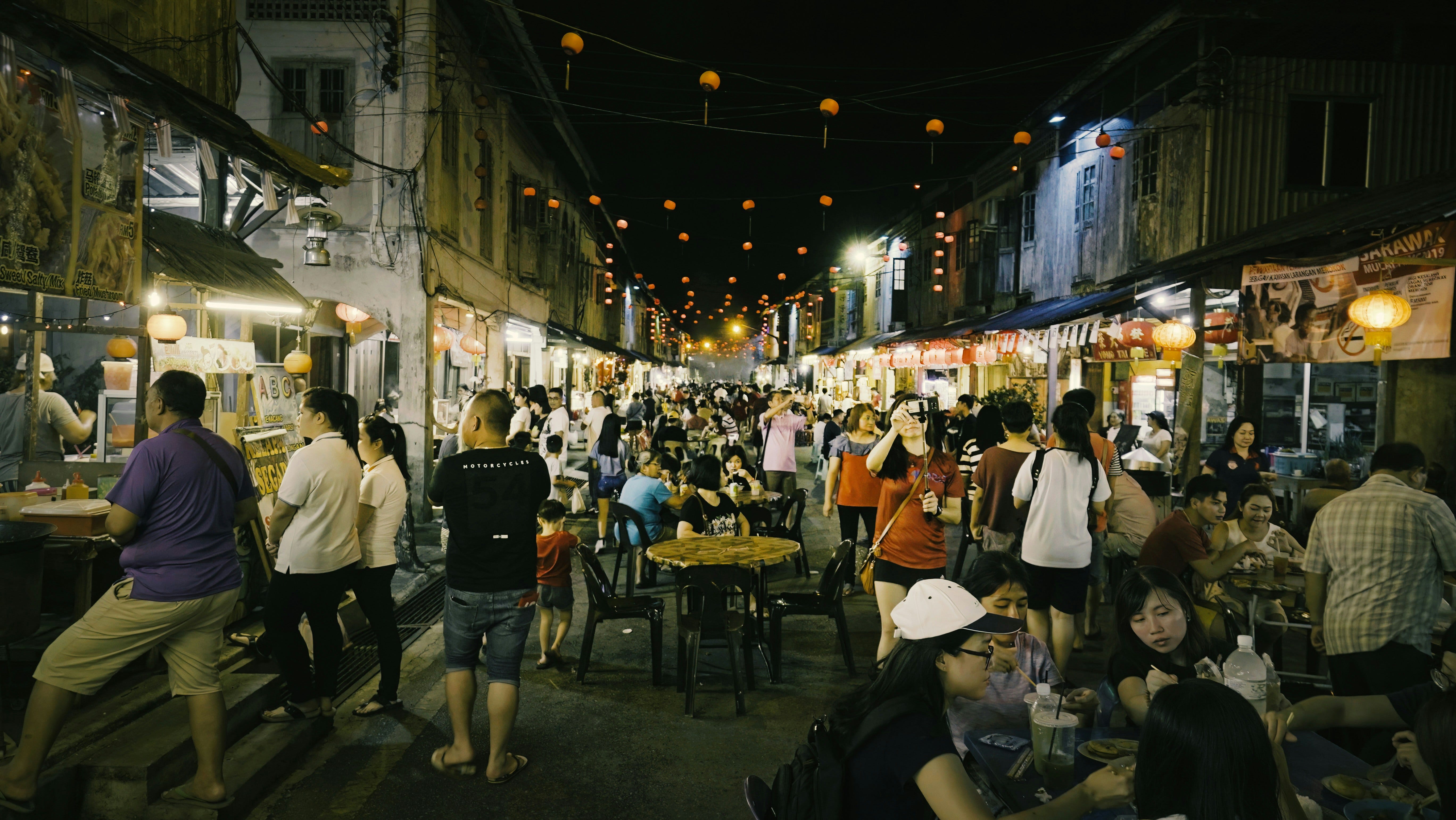
Southeast Asia is shedding its reputation as just a budget holiday stop to emerge as the world’s culinary hub for 2026. The Michelin Guide’s official recognition validates what locals have long known: the region's vibrant street food ecosystem rivals European fine dining. Cities like Bangkok, Penang, and Manila prove that traditional, pavement-served recipes meet the highest technical standards and command global attention.
🔍 Why It’s on Our Radar
Southeast Asia’s culinary rise isn't born from critics’ curation or corporate strategy; it grew organically from community kitchens. Its strength lies in a food ecosystem that is authentic, democratic, and deeply rooted in heritage.
From Singapore's hawker centres to Bangkok's street stalls, this culture has evolved from a budget alternative into a new, globally recognised standard of excellence.
🍽️ Why Street Food Matters in Southeast Asia
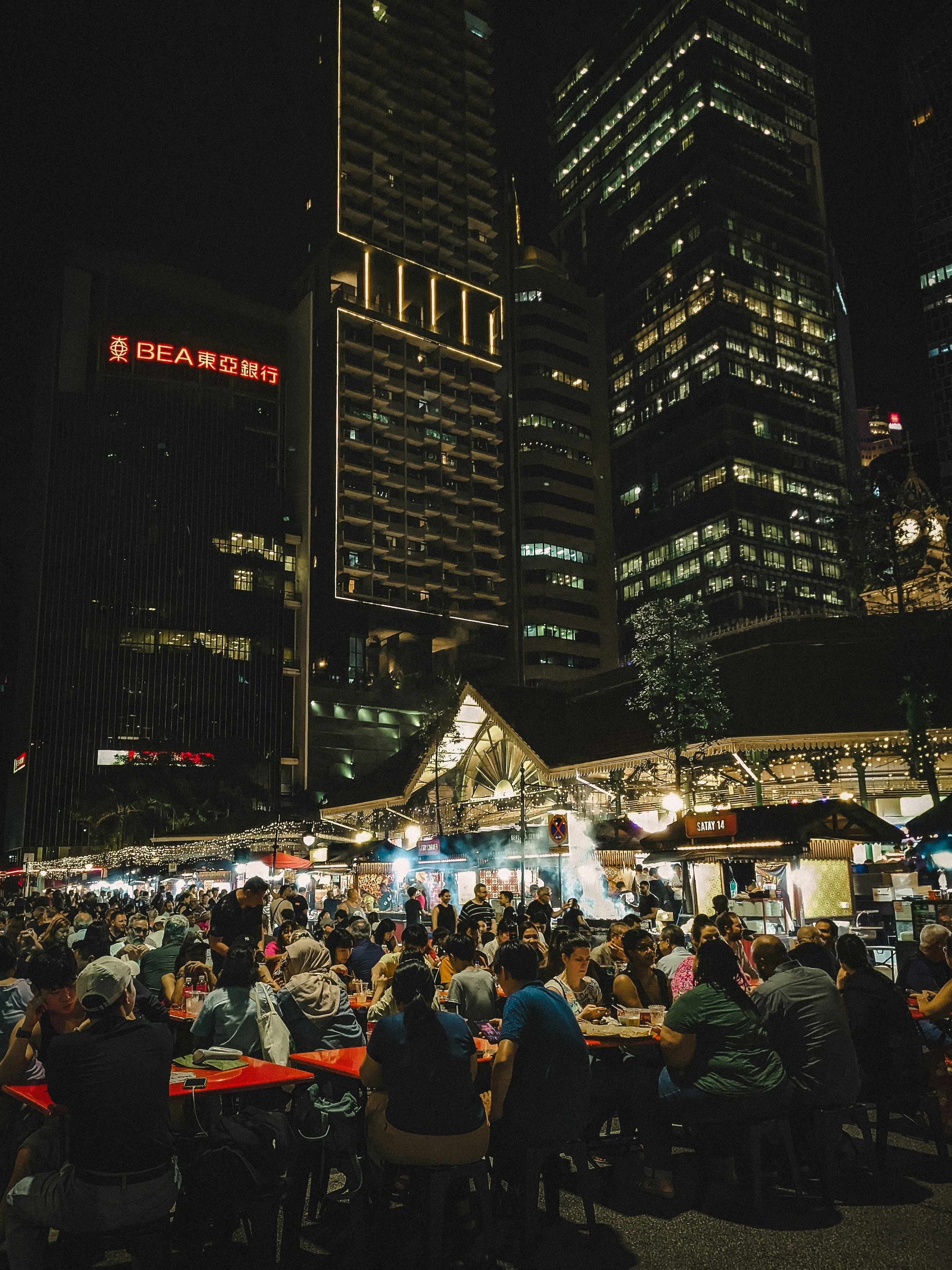
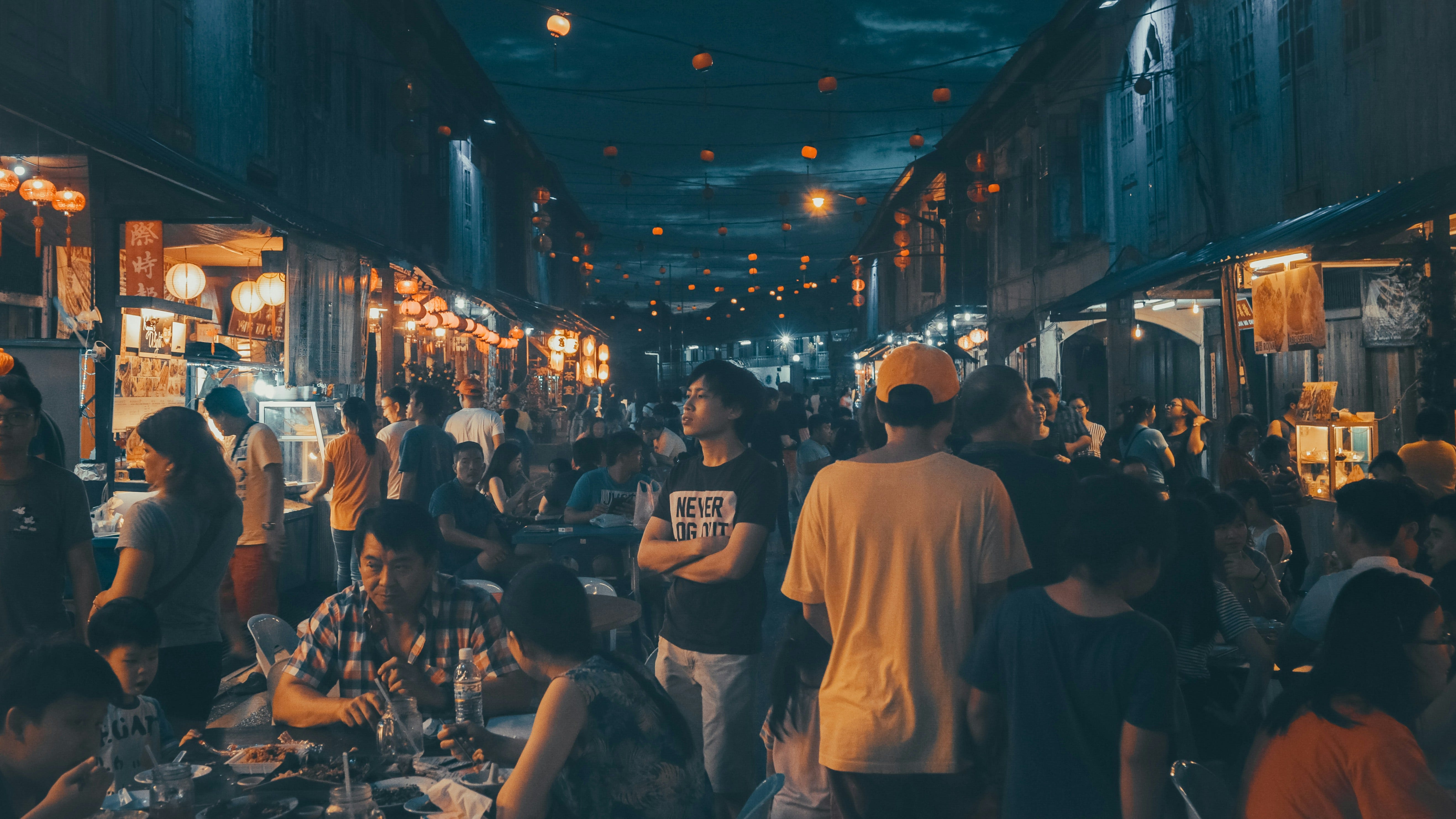
Street food in this region is the rhythm of daily life. While eating out is an occasional luxury in other parts of the world, millions across Southeast Asia rely heavily on street stalls, traditional markets, and hawker centres for breakfast, lunch, and dinner.
🏛️ A Living Heritage: This culture is forged by historical trade routes, rapid urbanisation, and deep ethnic diversity. UNESCO’s recognition of 🇸🇬 Singapore’s Hawker Culture as Intangible Cultural Heritage highlights its role as a vital social equalizer 🤝 where diverse communities gather and preserve traditions.
🎯 Hyper-Specialisation: The true uniqueness of Southeast Asian street food lies in vendor focus. Many hawkers spend decades perfecting a single family recipe 👨🍳. This yields a consistency and depth of flavour born not from culinary institutes, but from public-square tradition 🥘.
🌆 Beyond the Plate: Michelin’s validation is significant because it honours more than just taste. It recognises a resilient cultural ecosystem that allows generational craftsmanship to survive and thrive alongside the relentless modernisation of Asia’s megacities 🏙️.
📝 The 2026 Michelin Top 5 Southeast Asian Culinary Capitals to Explore
🇲🇾 Penang, Malaysia: The Living Flavour Museum
Penang is a living archive where history is tasted on every plate in George Town.
🏅 The Michelin Edge: The preservation of ancient charcoal cooking methods, imparting a smoky profile impossible to replicate with modern technology.
🍽️ Must-Eat:
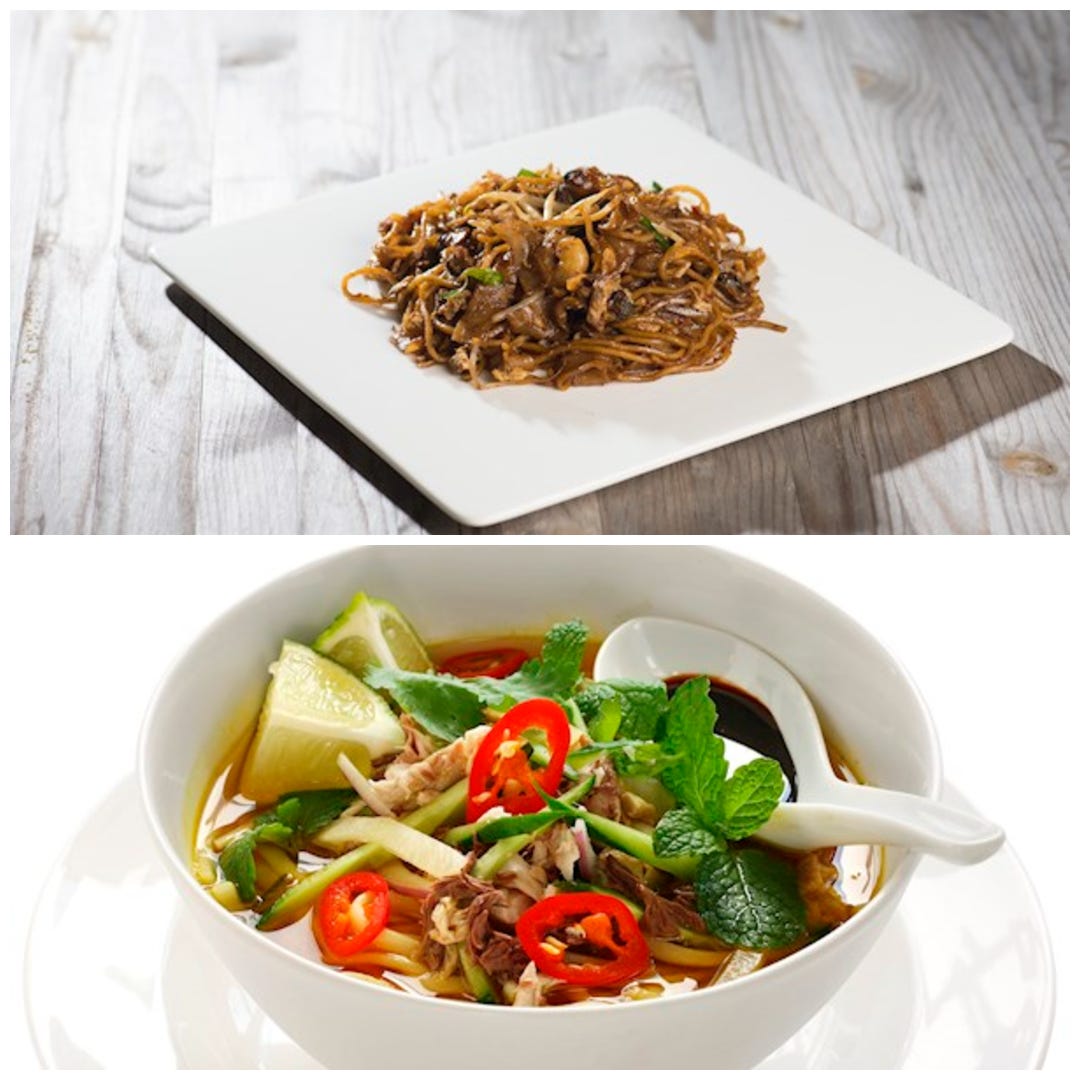
🦐 Char Koay Teow: Fried noodles with fresh prawns—the ultimate reward for braving the scorching sun in hours-long queues.
🍜 Asam Laksa: A complex, spicy, and sour fish soup frequently hailed as one of the world’s most dynamic dishes.
🇵🇭 Manila, Philippines: The Dynamic Newcomer
Manila emerges as the biggest surprise of 2026, driven by a new generation of chefs proudly championing local ingredients.
🏅 The Michelin Edge: A bold fusion of traditional Filipino techniques and modern presentation across districts like BGC and Makati.
🍽️ Must-Eat:
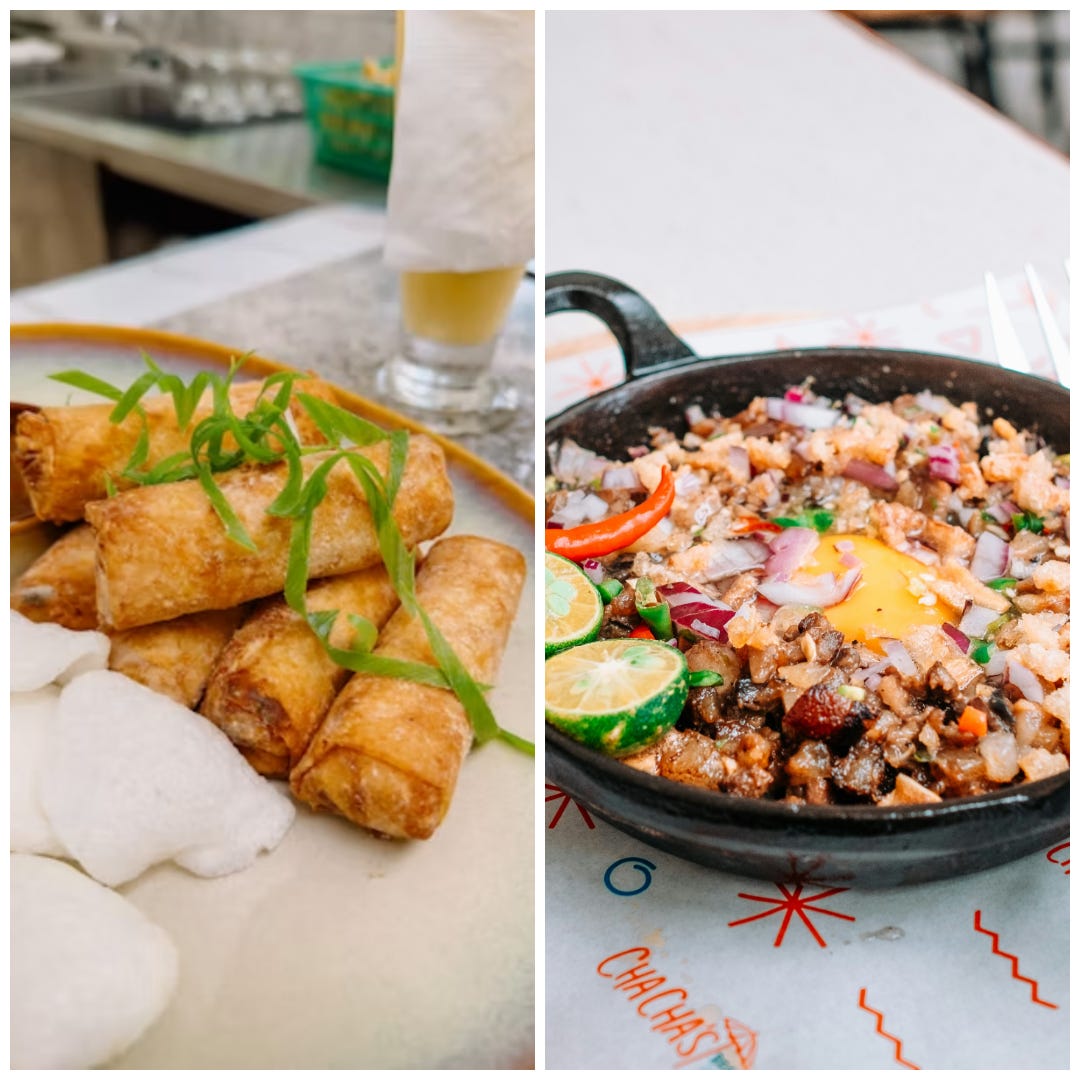
🔥 Sizzling Sisig: Celebrated globally as a premier pork dish, served crackling on a hot plate as a testament to local culinary resilience.
🌯 Lumpiang Shanghai: Meat-filled egg rolls fried to an impeccable crisp, securing its spot as a universally beloved staple.
🇸🇬 Singapore: Precision Behind the Counter
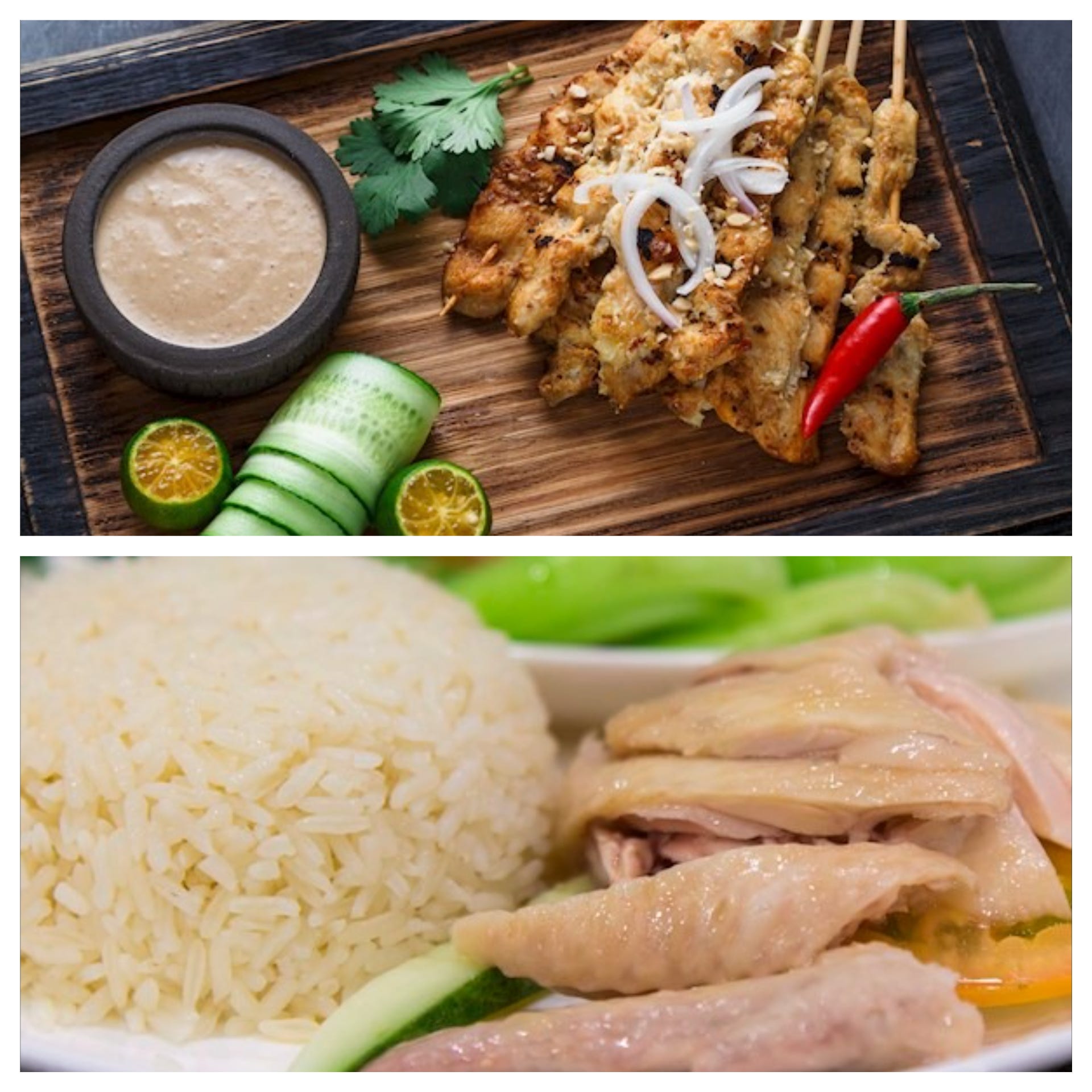
The city-state proves that relentless urban efficiency and deep, soulful flavour can perfectly coexist in bustling food centres.
🏅 The Michelin Edge: Uncompromising hygiene standards and extraordinary seasoning precision, executed at breakneck service speeds.
🍽️ Must-Eat:
🍗 Hainanese Chicken Rice: Savoury broth-infused rice paired with succulent chicken—a masterclass in unrivaled simplicity.
🍢 Satay: Grilled meat skewers drenched in richly spiced peanut sauce, acting as the very soul of the hawker centre.
🇹🇭 Bangkok, Thailand: The Heavyweight Champion
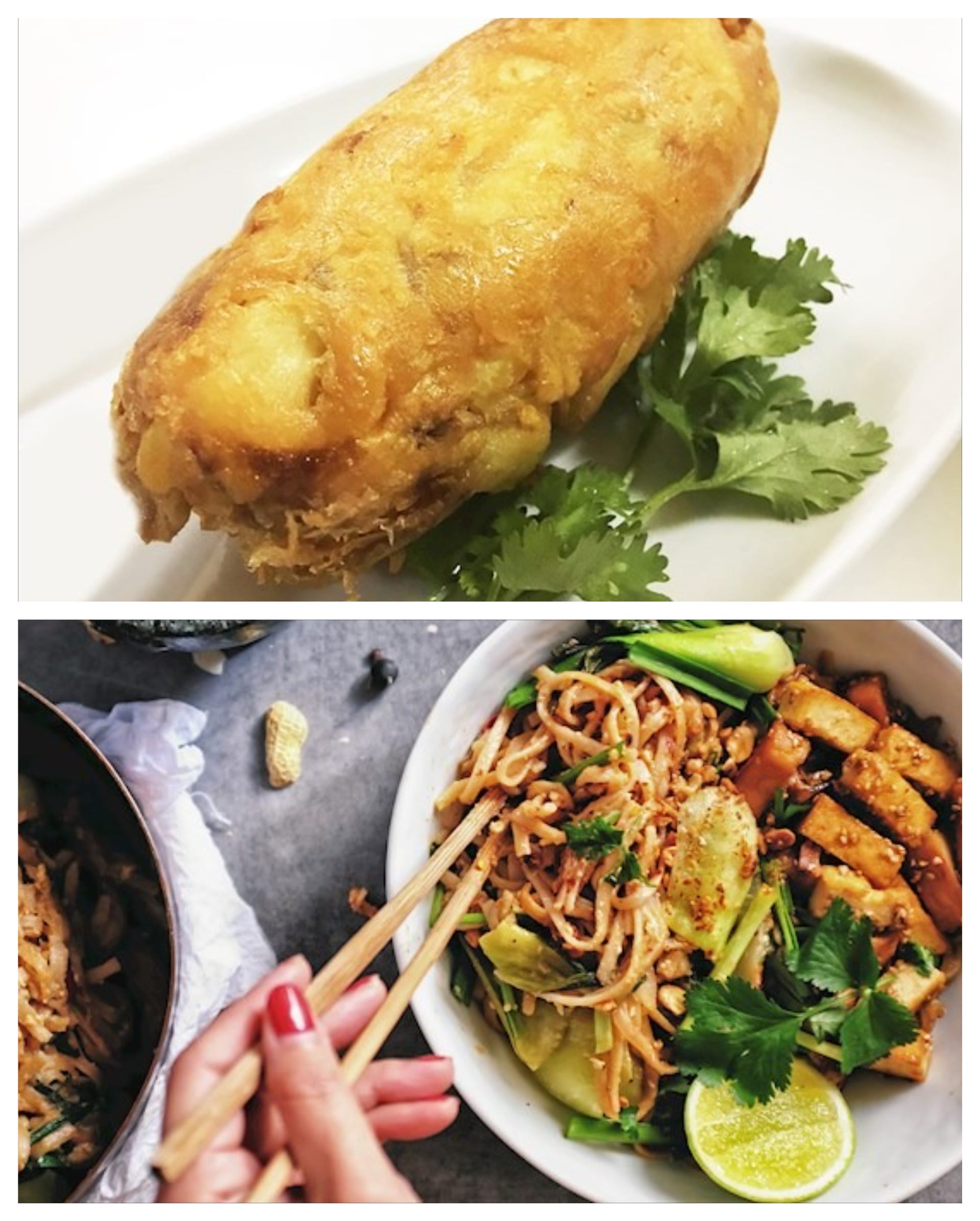
Far more than just a city, Bangkok operates as the world’s largest open kitchen, fiercely maintaining its dominance atop global culinary rankings.
🏅 The Michelin Edge: Decades of consistency in preserving the Wok Hei (breath of the wok) technique keeps Michelin inspectors coming back.
🍽️ Must-Eat:
🍳 Khai Jiao Pu: Jay Fai’s legendary thick crab omelette, proving that street food execution is high art.
🥢 Pad Thai: A flawless balance of sweet, sour, and savoury that remains the ultimate gateway dish for global food lovers.
🇻🇳 Ho Chi Minh City, Vietnam: Freshness in Every Alley
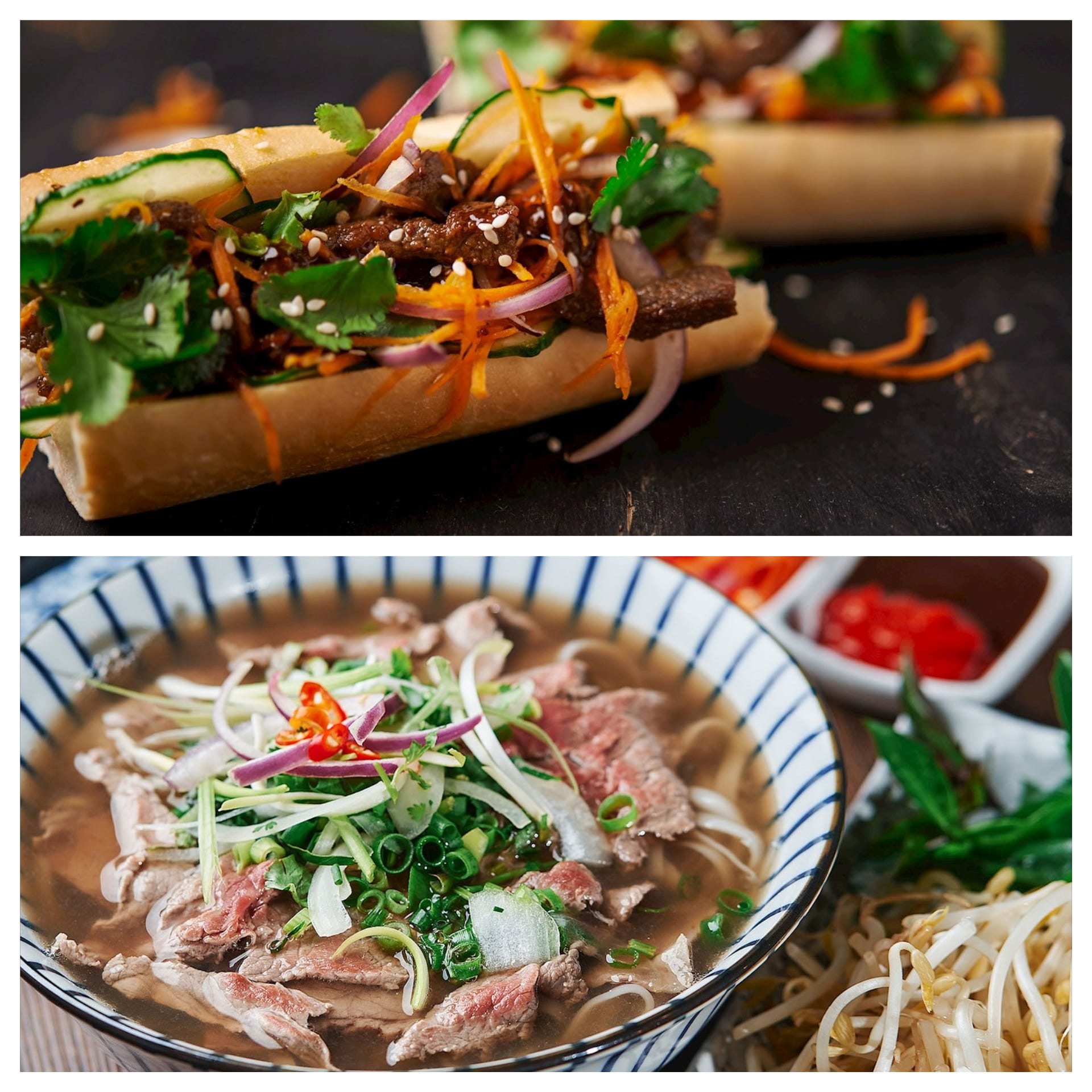
Vietnam’s culinary philosophy shines through the delicate harmony between ultra-fresh herbs and the profound depth of an honest broth.
🏅 The Michelin Edge: An unwavering focus on abundant fresh foliage and the clarity of broths simmered with extraordinary patience.
🍽️ Must-Eat:
🥖 Bánh Mì: A signature sandwich marrying crackling, airy baguettes with intensely flavourful local fillings.
🍲 Phở: A masterfully crafted beef noodle soup that defines comfort in a bowl.
🌎 The Missing Half of Southeast Asia’s Culinary Map
While Bangkok and Penang grab the Michelin headlines, six Southeast Asian nations remain conspicuously absent from the prestigious guide: Indonesia, Cambodia, Laos, Myanmar, Brunei, and Timor-Leste.
If you’ve ever savoured a deeply fragrant bowl of Kuy Teav in a Phnom Penh alleyway or queued for legendary, slow-cooked Gudeg in Yogyakarta, you might be scratching your head. This absence certainly does not signify a lack of flavour. Instead, the story behind these “missing stars” reveals a fascinating intersection of modern culinary economics, infrastructure, and geopolitical realities.
Here is why some of the region’s most soul-stirring food remains off the Michelin radar:
💰 The Multi-Million Dollar Entry Ticket: Today, Michelin Guide expansions are rarely just organic discoveries; they are heavily funded, strategic partnerships. Nations like Thailand and Vietnam secured their guides through multi-year investments by their national tourism boards. While Cambodia, Laos, and Indonesia possess staggering culinary wealth, they simply have not directed massive state budgets to subsidise a foreign rating agency.
👨🍳 Intuition vs. Standardisation: Michelin inspectors demand absolute consistency during repeated anonymous visits. But across Indonesia (home to globally beloved dishes like Rawon and Siomay), Cambodia, and Laos, street food is a soulful, fluid art. Vendors cook by “feel” and generationally honed instincts rather than strict measuring cups. This produces brilliant, deeply human food that naturally clashes with rigid institutional metrics.
🗺️ Scattered Infrastructure & Market Size: A dedicated Guide requires a critical mass of structured, accessible dining. Unlike Singapore’s highly regulated hawker centres, the street food scenes in these unlisted nations are vibrantly wild and wonderfully decentralised. Furthermore, smaller markets like Brunei and Timor-Leste simply lack the sheer volume of commercial high-end establishments needed to sustain a standalone guide ecosystem.
🚧 Geopolitical Realities: Operating a global dining guide requires baseline stability for inspectors to safely conduct year-round assessments. In Myanmar, ongoing severe internal conflicts make international culinary tourism campaigns and consistent inspector deployments completely unfeasible.
♨️ The Bottom Line
The 2026 Michelin Guide’s embrace of Southeast Asia proves that street food has officially conquered the global gastronomic stage. From the sizzling woks of Bangkok to the charcoal fires of Penang, these pavement-side meals are no longer seen as just budget-friendly options. They are powerful representations of culture, tradition, and local identity that demand the world’s attention. 🥢
However, for the region’s “missing half” spanning Cambodia, Laos, Indonesia, and beyond this evolving landscape presents a broader challenge. Their vibrant, organic food scenes easily rival their Michelin-starred neighbours in depth and soul. Yet, bridging the gap to institutional global recognition requires more than just incredible flavour; it demands strategic tourism investments, structured infrastructure, and a cohesive international narrative.
Until then, their rich culinary heritage remains Southeast Asia’s most delicious, unstarred secret. 🚀
Need More Angles?
Asia Inspirations Hawker Centres: The Street Food Havens of Southeast Asia
Condé Nast Traveler These Countries Have the Most Michelin-Starred Street Food Spots in the World
Food & Beverage Outlook Southeast Asia Street Food : An Intersection of Culture and History
Michelin Guide The 9 Most Exciting Food Cities in Asia to Visit in 2026
Mozaic Bali Why Are There No Michelin Star Restaurants in Indonesia Yet?
Taste Atlas Top 100 Southeast Asian Street Food
Time Out 10 best street food cities in Asia you need to eat through