



🎯 The Main Takeaway
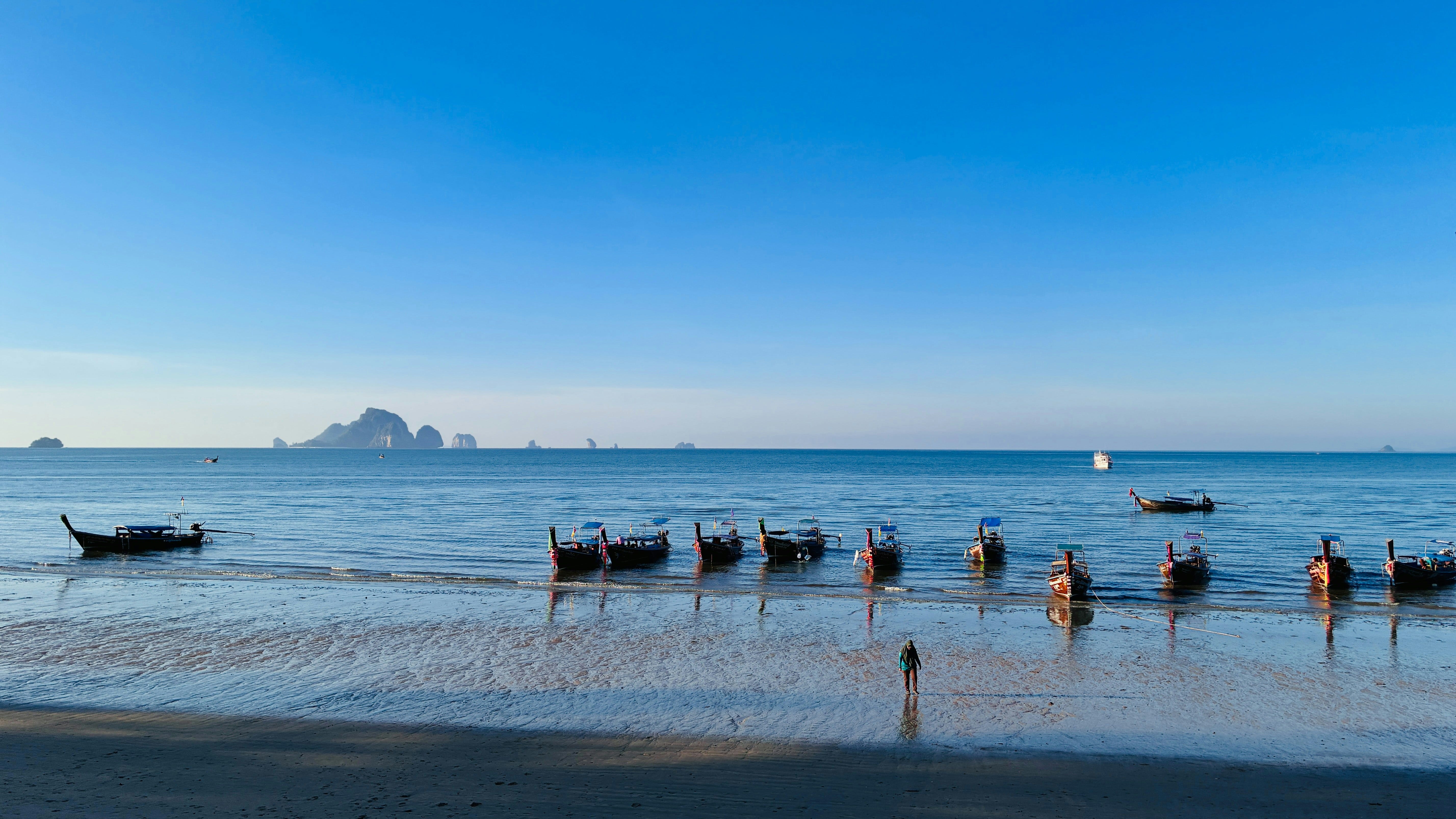
The waters of Southeast Asia are a major driver of the region's economy. The Strait of Malacca is one of the world's busiest and most important shipping routes, carrying about a quarter of global maritime trade, and also plays a vital role in transporting oil and natural gas to countries across Asia.
However, climate change and growing pressure to decarbonize are threatening this economic engine. Rising sea levels are damaging coastal infrastructure, especially in Indonesia. At the same time, stricter global carbon rules are putting pressure on high-emission ports in countries such as Singapore and Malaysia.
As these challenges grow, Southeast Asia is taking steps to make its maritime sector more sustainable. The goal is to protect coastal areas from climate change, while keeping the region’s maritime economy strong.
Curious how Indonesia is embedding sustainability into its governance systems? Read our deep dive on SLPI Phase II here.
📡 Why It’s On Our Radar
In April 2025, the International Maritime Organization (IMO) approved a legally binding framework to cut greenhouse gas emissions from ships, with the goal of reaching net-zero emissions by around 2050.
After the rules were adopted in October 2025, countries such as Singapore began strengthening their maritime strategies by investing in research on zero-emission technologies and alternative fuels for ships.
This is a clear sign that the new rules will have a major economic impact on Southeast Asia. For the region’s maritime industry, sustainability is no longer a choice—it is essential for long-term growth and survival.
⚠️ Why it’s Important
Rising sea levels caused by climate change have become a serious challenge across Southeast Asia, especially in Indonesia. For years, reports have warned that Jakarta, the country’s capital, has been sinking by as much as 30 centimeters each year.
Other areas, including Bangkok in Thailand, the Mekong Delta in Vietnam, and Manila in the Philippines, are also at risk from rising sea levels.
This shows that Southeast Asia faces two major challenges. The region must respond to stricter global climate rules, while also protecting its coastlines from the growing impacts of climate change.
🏡 Why This Hits Home?
Southeast Asia is uniquely located between the Pacific Ocean and the Indian Ocean, making the region one of the world’s most important maritime crossroads.
The region covers about 8.94 million square kilometers, or 2.5% of the world’s ocean surface, and has a coastline stretching more than 173,000 kilometers.
These waters are among the richest marine ecosystems on Earth. They are home to 76% of the world’s coral species, 37% of coral reef fish species, and 23 seagrass species.
Around 700 million people also depend on the ocean for their livelihoods through fisheries, ecotourism, and other marine-based industries.
As the impacts of climate change intensifies, Southeast Asia faces growing risks to its economy, coastal communities, and marine resources. Strong and sustainable maritime policies are essential to protect the region's future.
🚢 Latest Maritime Policies from Southeast Asia
🇮🇩 Indonesia: Seawall Project
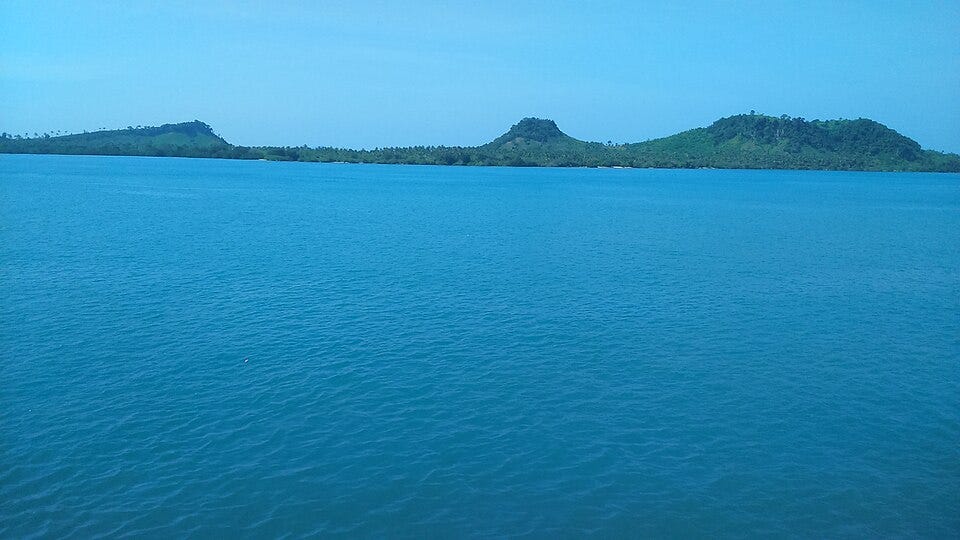
Indonesia has sped up its long-delayed Seawall Project, with construction expected to begin in September 2026. The USD 80 billion project will build a 575-kilometer seawall along the northern coast of Java to protect the area from land subsidence, and rising sea levels.
Minister for Infrastructure and Regional Development Agus Harimurti Yudhoyono, said the project will also include large-scale mangrove restoration. This shows that Indonesia is combining major infrastructure with nature-based solutions, to build a more sustainable future.
🇸🇬 Singapore: Maritime Technology & Research Roadmap 2026
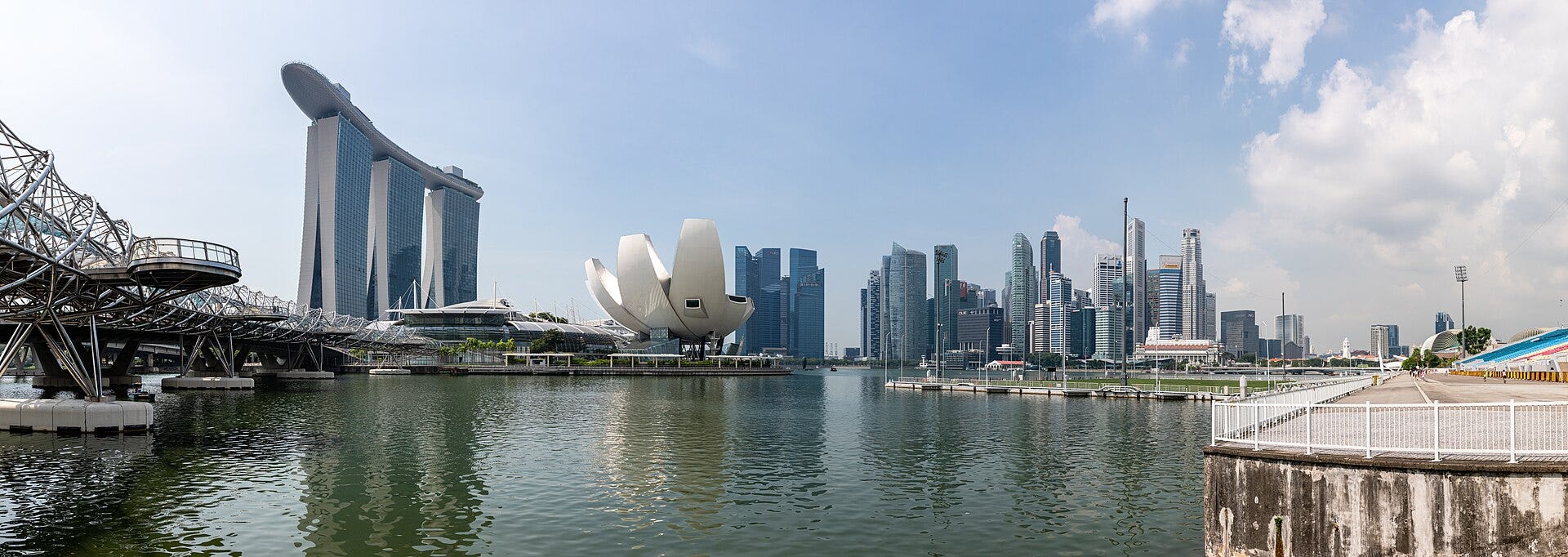
Maritime and Port Authority of Singapore (MPA) and Singapore Maritime Institute (SMI) have unveiled Singapore’s maritime research roadmap for 2026.
Backed by more than SGD 100 million in research funding, the roadmap shows Singapore’s commitment to meeting the International Maritime Organization’s global emissions targets. The roadmap focuses on four key priorities:
Autonomous port operations: Using automation and artificial intelligence to make port operations safer and more efficient.
Safe and efficient alternative fuels: Developing a reliable fuel ecosystem to support cleaner shipping.
Smart ships: Building more connected and intelligent ships with advanced digital technologies.
Smarter port services: Improving port services to create a faster, smoother, and more coordinated experience for ships.
The 2026 roadmap builds on Singapore's 2019 plan with new priorities for the maritime sector. The focus on alternative energy sets a clear sign, that Singapore is taking a sustainable approach towards its maritime policies.
🇲🇾 Malaysia: Maritime Masterplan 2026-2040
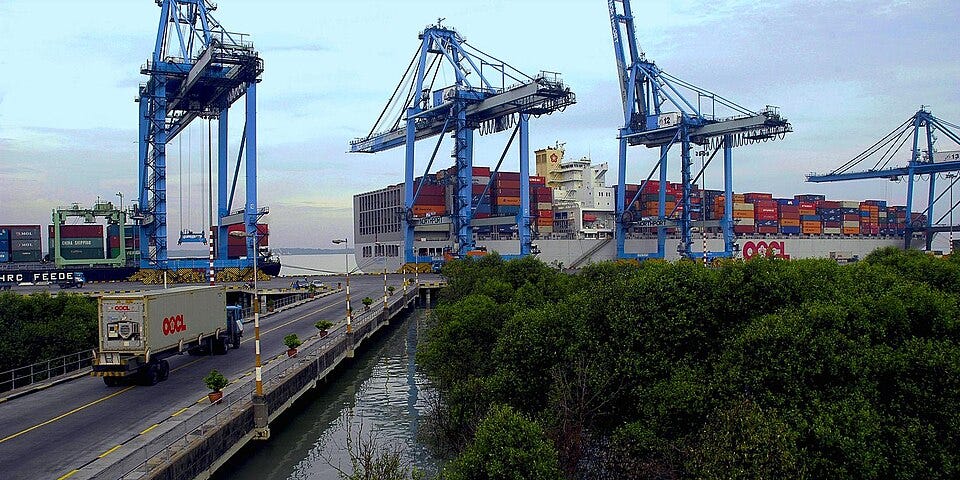
During Malaysia Maritime Week 2025, Malaysia introduced its new maritime policy framework, the Malaysia Maritime Masterplan 2026–2035. The plan highlights the government’s commitment to climate action, sustainability, and long-term growth in the maritime sector.
The masterplan focuses on three key priorities:
Digitalization: Modernizing ports and maritime services through digital technology to improve port operations.
Maritime decarbonization: Reducing carbon emissions from the shipping sector and supporting the transition to cleaner energy, in line with International Maritime Organization targets.
Strategic fleet development: Strengthening Malaysia's domestic shipping fleet, to reduce reliance on foreign vessels and improve maritime resilience.
On 12 March 2026, Anwar Ibrahim also stressed the importance of sustainability in Malaysia’s blue economy. He highlighted blue renewable energy as a key sector to support the country’s future economic growth.
📌 The Bottom Line
At first glance, stricter climate rules may seem like a threat to Southeast Asia’s maritime economy. In reality, they are becoming a driver of innovation.
As Indonesia, Singapore, and Malaysia reshape their maritime policies, sustainability is no longer slowing economic growth—it is helping secure the future of ports, shipping, and regional trade.
The countries that lead in green ports, clean shipping, and climate-resilient infrastructure, will be better positioned to strengthen their competitiveness, protect their coastlines, and keep Southeast Asia at the center of global maritime trade.
🔍 Need More Angles?
Antara News Giant Sea Wall to be combined with mangrove restoration : Minister
Bernama Sailing Toward Sustainability Via Malaysia Maritime Masterplan 2026–2040
Jakarta Globe Jakarta Is Sinking: Sea Levels Now Higher Than the City’s Coastline
Jakarta Globe Prabowo to Kick Off $80 Billion Seawall Project after 30-Year Delay
International Maritime Organization Draft regulations will set mandatory marine fuel standard and GHG emissions pricing for shipping to address climate change
Sea Asia The Malacca Strait: Southeast Asia’s Quiet Grip on the World Economy
The ASEAN Magazine One ASEAN Sea: Harnessing Regional Collaboration for Our Shared Future
Watter Issues Indonesia to build a giant sea wall. It is meant to protect Java from rising sea levels
(FRD/NGO/ELS)