



📌 Main Takeaway
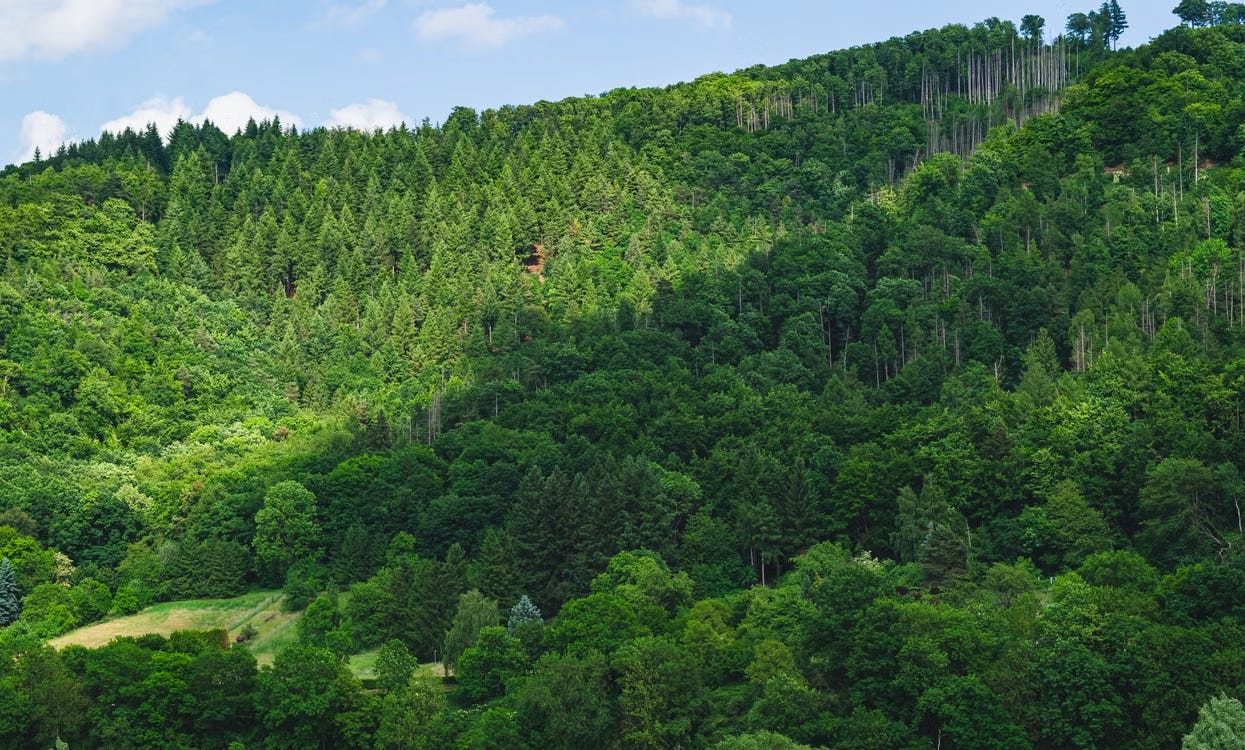
Southeast Asia is home to nearly 15% of the world’s tropical forests and at least four of its 25 most important biodiversity regions.
Yet, it remains a major centre of deforestation.
From shaping wartime strategies to sustaining wildlife and protecting communities, these forests have long played a vital role in the region’s life, making their continued loss all the more concerning.
🔎 Why It’s On Our Radar
Southeast Asia lost its forests at a scale that is hard to ignore, even as they continue to support life in ways many people may not realise.
A 2020 European Parliament briefing estimated that Southeast Asia lost more forest than the size of Germany between 1990 and 2020, with more than half of that loss in Indonesia.
Specifically, Greenpeace reported Indonesia as a main forest loss contributor in Southeast Asia, with more than 30.8 million hectares between 2001 and 2023
Agricultural expansion, including the growth of oil palm plantations, and logging have placed significant pressure on the region’s forests.
However, many people don’t realise that forests are worth far more than the land they occupy or the resources they provide. They play a bigger role in keeping Southeast Asia healthy and resilient.
🪖 How Forests Shaped the Vietnam War
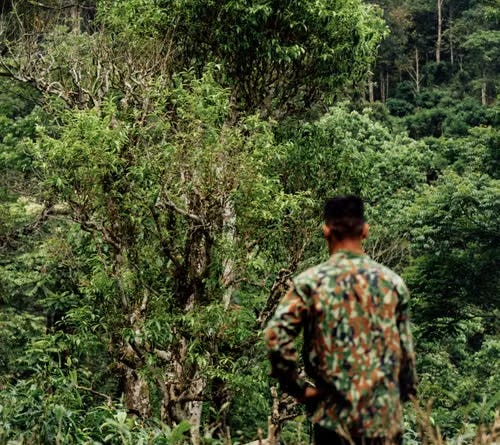
Forests were more than a backdrop to the Vietnam War; dense vegetation shaped how soldiers moved, hid, and launched attacks.
Vietnamese guerrilla fighters used the forests for cover. Thick vegetation made it harder for opposing troops to spot them from a distance. Hidden traps added another danger for troops unfamiliar with the terrain.
Besides, they also built interconnected underground tunnels that provided shelter, storage, and routes for movement. Fighters could hide underground, emerge to launch attacks, and disappear again, making them hard for opposing forces to locate.
Vietnamese terrain also challenged allied troops. Dense vegetation restricted visibility, while tropical heat, heavy rains, and muddy ground could make movement and operations more difficult.
🌿 Peatlands: Nature’s Carbon and Water Stores
Indonesia and Malaysia are home to extensive tropical peatlands, where layers of partially decomposed plant material build up over thousands of years and store enormous amounts of carbon.
Peatlands cover only about 3% of Earth’s land surface, yet hold roughly 30% of the world’s soil carbon; nearly twice the carbon stored in all the world’s forest biomass.
They also act like natural sponges, absorbing and holding large amounts of water. This helps regulate water flows, reduce flood risks during wet periods, and maintain moisture during drier seasons.
But when peatlands are drained or degraded, they can lose these benefits and release stored carbon into the atmosphere. When they dry out, they also become more vulnerable to fires, which can produce haze that spreads across national borders.
In a region that regularly faces seasonal flooding, drought, and haze, healthy peatlands matter for both climate protection and the communities that depend on them.
🌊 Mangroves as Natural Coastal Defences
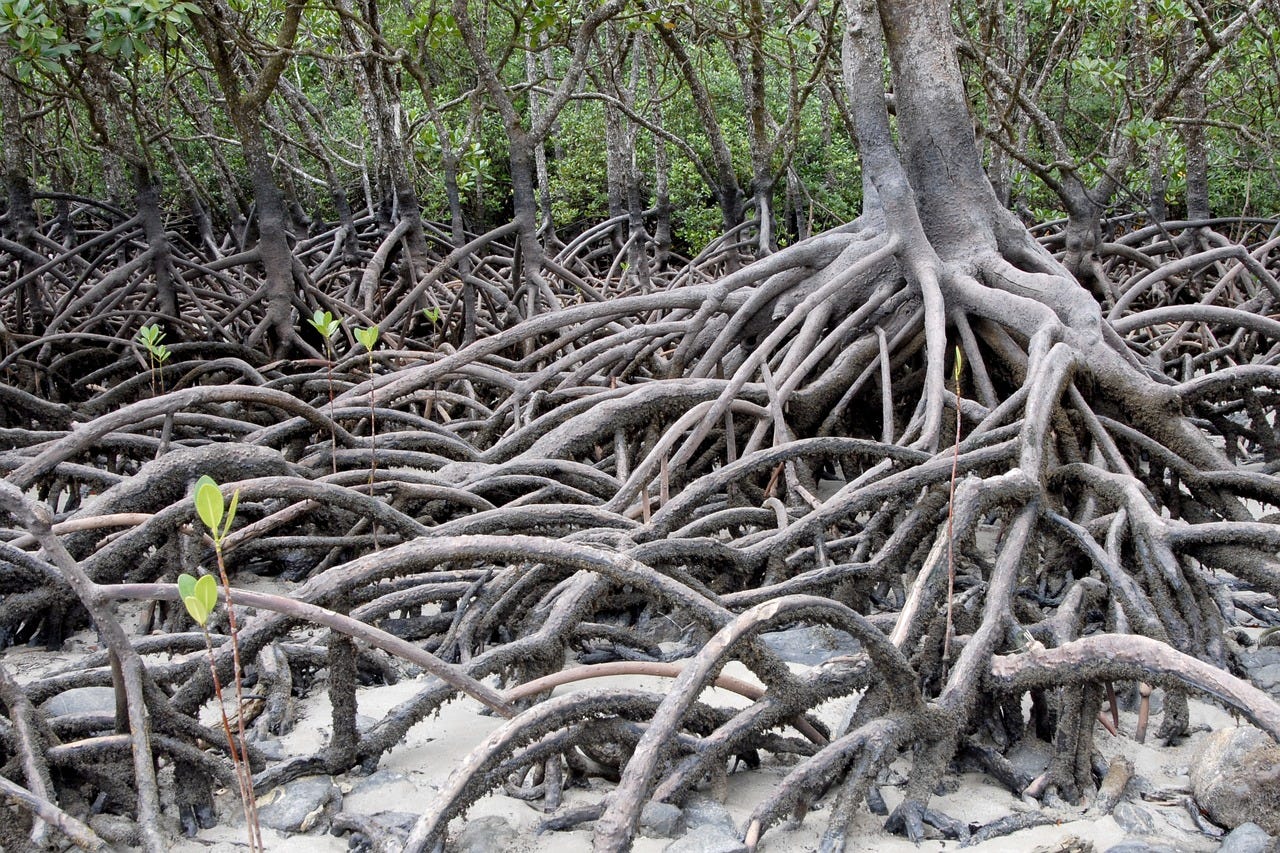
As archipelagic domains in Indonesia and the Philippines, and in densely populated coastal areas in Vietnam, mangrove forests play an important role in protecting Southeast Asia’s coastlines.
Their tangled roots and dense vegetation act as natural buffers, slowing waves and trapping sediment to help stabilise shorelines and reduce erosion. Mangroves can also lessen the impact of storm surges and coastal flooding, although they cannot prevent every flood or storm.
Beyond coastal protection, mangroves provide shelter and nursery grounds for young fish, crabs, and shrimp before they move into other marine habitats. Their roots also trap sediments and help filter coastal waters, benefiting nearby ecosystems such as coral reefs and seagrass beds.
Coastal communities consider that mangroves do more than protect the land. They also support marine biodiversity, local fisheries, and the livelihoods of people who depend on the sea.
💧 Forests as Natural Water Regulators
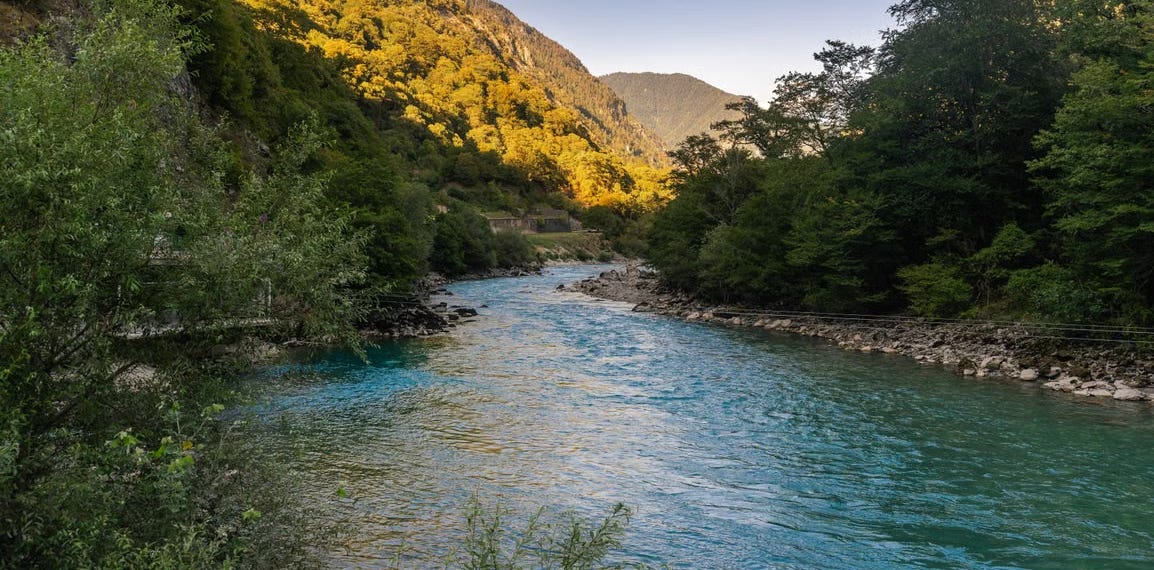
In the mountainous regions of Thailand, Laos, and Vietnam, forests help regulate water flow.
Tree roots hold soil in place, while forest soil absorbs rainwater and slows runoff, reducing erosion and sediment flowing into rivers.
These rivers supply water to farms, towns, and communities downstream. When forests are cleared, more soil can wash into waterways, affecting water quality and aquatic habitats.
Although forests cannot prevent every flood, protecting them helps maintain healthy watersheds and the freshwater systems people depend on.
🦧 Forests as Wildlife Sanctuaries
Southeast Asia is home to remarkable wildlife, including species found nowhere else on Earth.
Borneo, shared by Indonesia, Malaysia, and Brunei, is one example, with forests that shelter orangutans, proboscis monkeys, and countless other species.
When these forests are cleared, wildlife loses the habitat it needs to survive. For species found only in this region, continued forest loss could mean losing them forever.
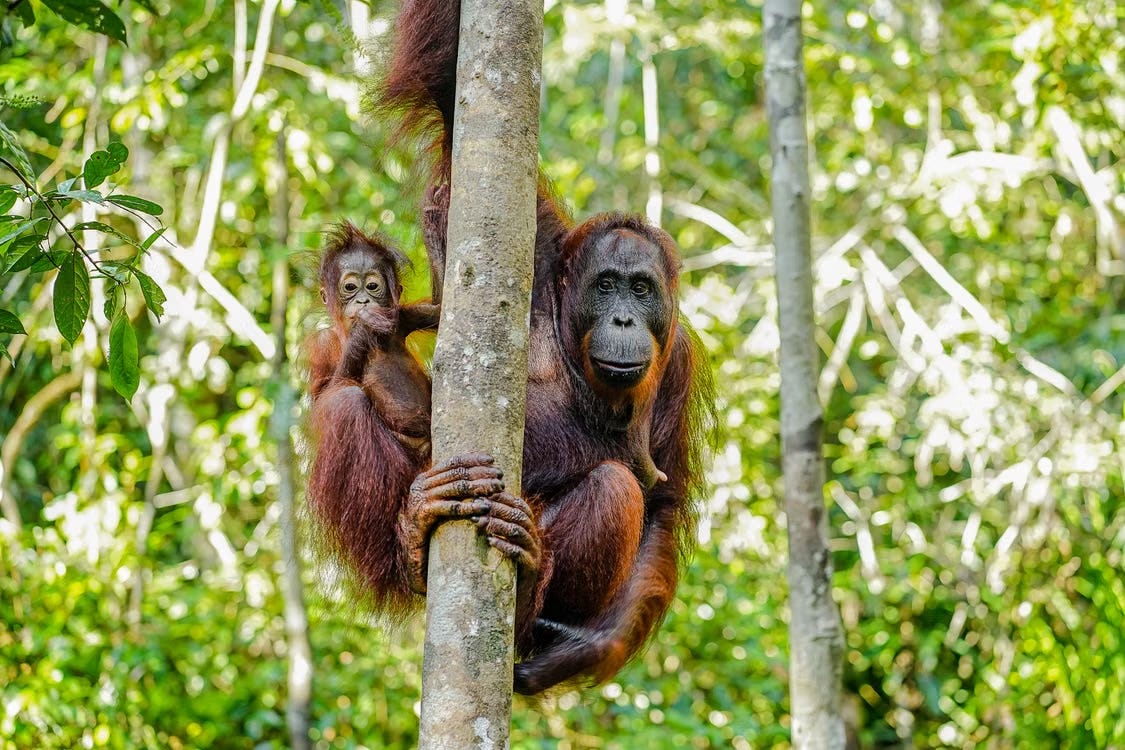
🐾 Want to meet Southeast Asia’s unique wildlife?
Read our previous Weekend Brew and discover the region’s extraordinary creatures, from dragons, unicorns, and giant birds to tiny primates.
🪵 Forests as Sources of Livelihood
For many communities across Southeast Asia, forests are part of everyday life, providing food, income, and materials for daily use.
In Indonesia, Dayak communities in Labian gather wild fruits and medicinal plants alongside farming and fishing.
In Laos, Hmong, Khmu, and Tai Deng communities rely on bamboo forests for food, household materials, and income.
In Cambodia’s Mondulkiri province, Phnong Indigenous communities tap resin from forest trees to earn a living.
Meanwhile, in the Philippines, Pala’wan communities collect forest products such as tigergrass, buri leaves, and almaciga resin for household use and income.
The forests support livelihoods, preserve traditional knowledge, and sustain cultural connections to the land. When forests disappear, communities can lose not only valuable resources but also part of their way of life.
🔥 What’s at Stake
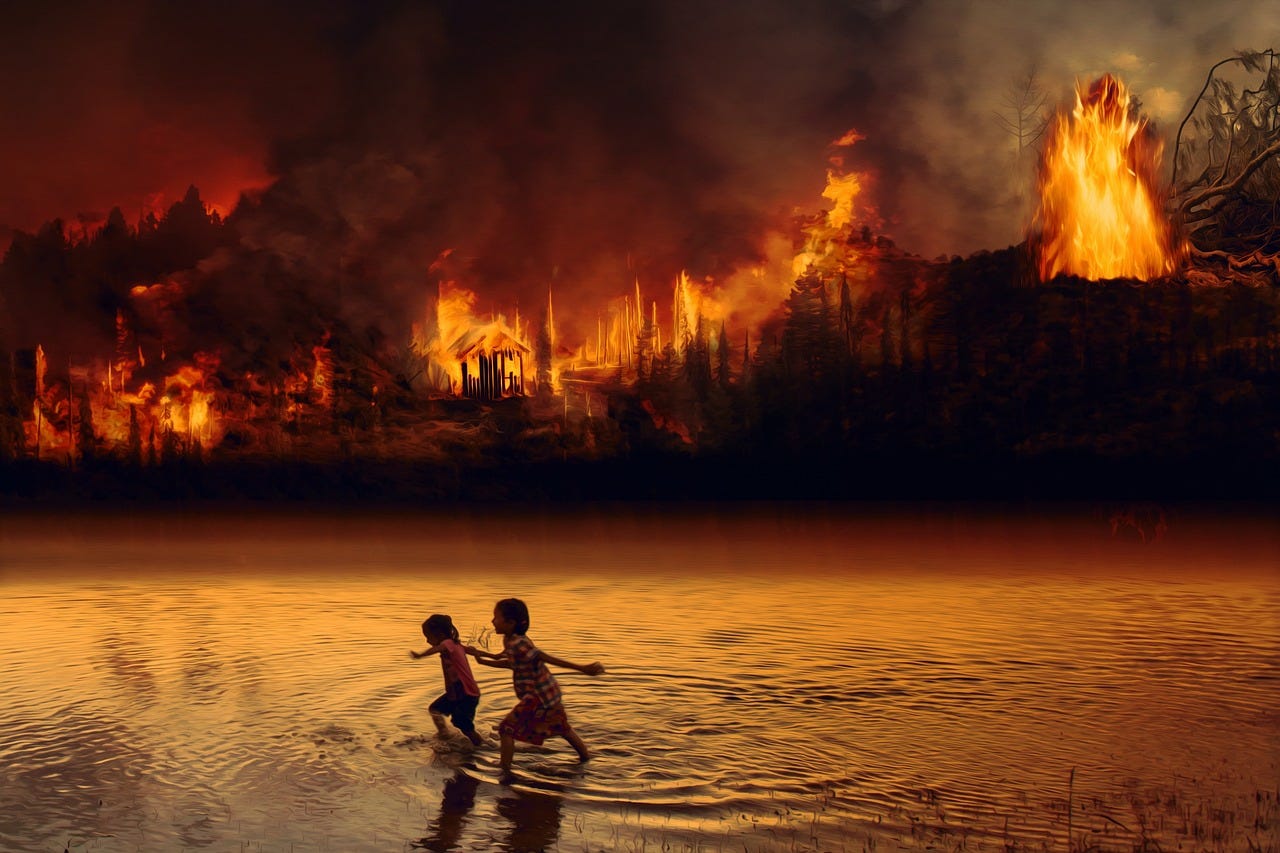
Borneo’s rainforests have a long history, with some of their dominant tree groups dating back millions of years. Yet, even these ancient ecosystems are vulnerable to destruction.
For months, Indonesia has been battling severe forest and land fires, particularly across Kalimantan. Prolonged dry conditions linked to El Niño have worsened the fires, producing haze that has spread across Southeast Asia and affecting air quality and public health.
The damage goes beyond the burned trees.
Fires threaten wildlife habitats, release stored carbon, especially from peatlands, and disrupt the lives of communities that depend on forests.
Their effects can also cross national borders, turning a local environmental crisis into a regional concern, affecting Malaysia, Singapore, and the Philippines
Forests that have evolved over millions of years cannot simply be replaced overnight. When they disappear, we risk losing not only their remarkable biodiversity but also the daily benefits they provide.
🌱 The Bottom Line
Forests give us clean air, water, homes for wildlife, and natural protection against environmental threats—often without us even noticing.
Protecting them is how we give back.
That means stopping destructive deforestation driven by short-term gains and restoring forests already lost.
After all, forests are more than just trees; they are living ecosystems that sustain countless lives, including our own. We cannot keep taking from forests without protecting what keeps giving.
🔍 Need More Angles?
China Daily Deforestation in Southeast Asia causes more deaths than in other tropical areas
European Parliament Forests in Southeast Asia: Can they be saved?
Greenpeace Protect the Forests
(VNS/ADE/QOB)