



🌱Main Takeaway
Southeast Asia packs an outsized share of the world’s wildlife into its forests, islands and mountains. Indonesia, Malaysia and the Philippines are all on the list of the world’s 17 megadiverse countries, and the region holds four global biodiversity hotspots. Many species evolved in isolation, so some live on a single island or mountain range and nowhere else.
That makes them fascinating, but also fragile. As habitats change, these animals show how closely wildlife depends on the places it calls home.
🔎Why It’s On Our Radar
For some of these animals, “nowhere else” is more than a geographical fact. A small range is what makes a species special, and it is also what makes it vulnerable. When one forest is cleared or one mountain is hunted out, an entire species can be at risk.
🦅 The Giant Eagle — Philippine eagle
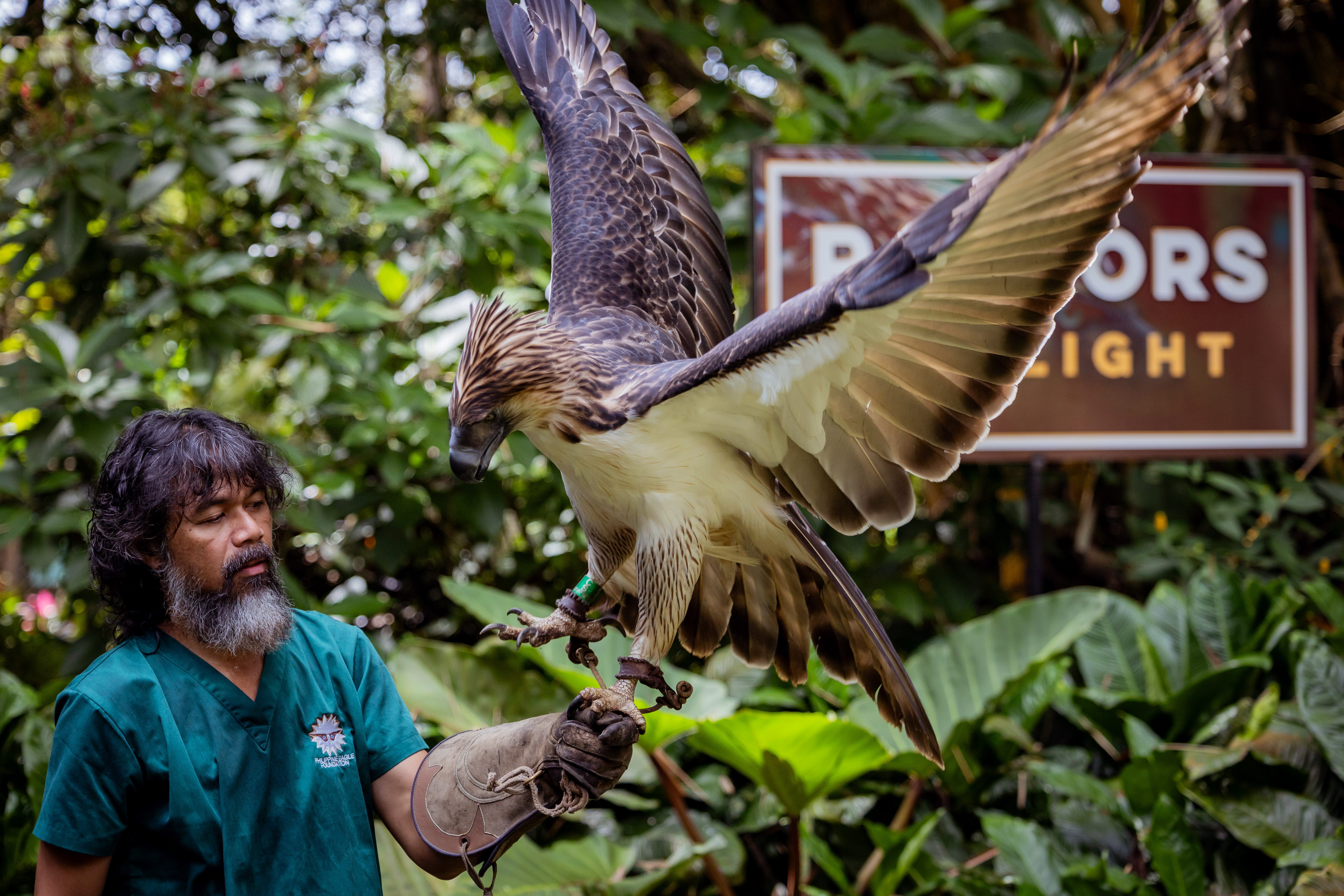
Standing around a metre tall, the Philippine eagle is one of the largest and most powerful eagles on Earth. It was once called the “monkey-eating eagle,” though it also hunts flying lemurs, snakes and other forest animals. Found only in the Philippines, it lives on Luzon, Leyte, Samar and Mindanao. It was named the national bird in 1995. Filipinos know it as haribon, “king of birds.”
However, it is classified as Critically Endangered by the IUCN. Only a few hundred mature individuals are estimated to remain in the wild, mainly because of forest loss and hunting.
🦄 The Asian Unicorn — Saola

Often nicknamed the “Asian unicorn,” the saola is one of the rarest mammals in the world. Scientists first documented it in 1992 in Vietnam, making it one of the biggest large-mammal discoveries of the 20th century. It lives only in the Annamite Mountains of Laos and Vietnam. It looks like an antelope but is more closely related to cattle, and its two long, straight horns can look like a single one from the side.
It is classified as Critically Endangered. The last confirmed sighting in the wild was a camera-trap photo in Vietnam in 2013, and no one knows exactly how many remain.
🐒 The Big Nose — Proboscis monkey
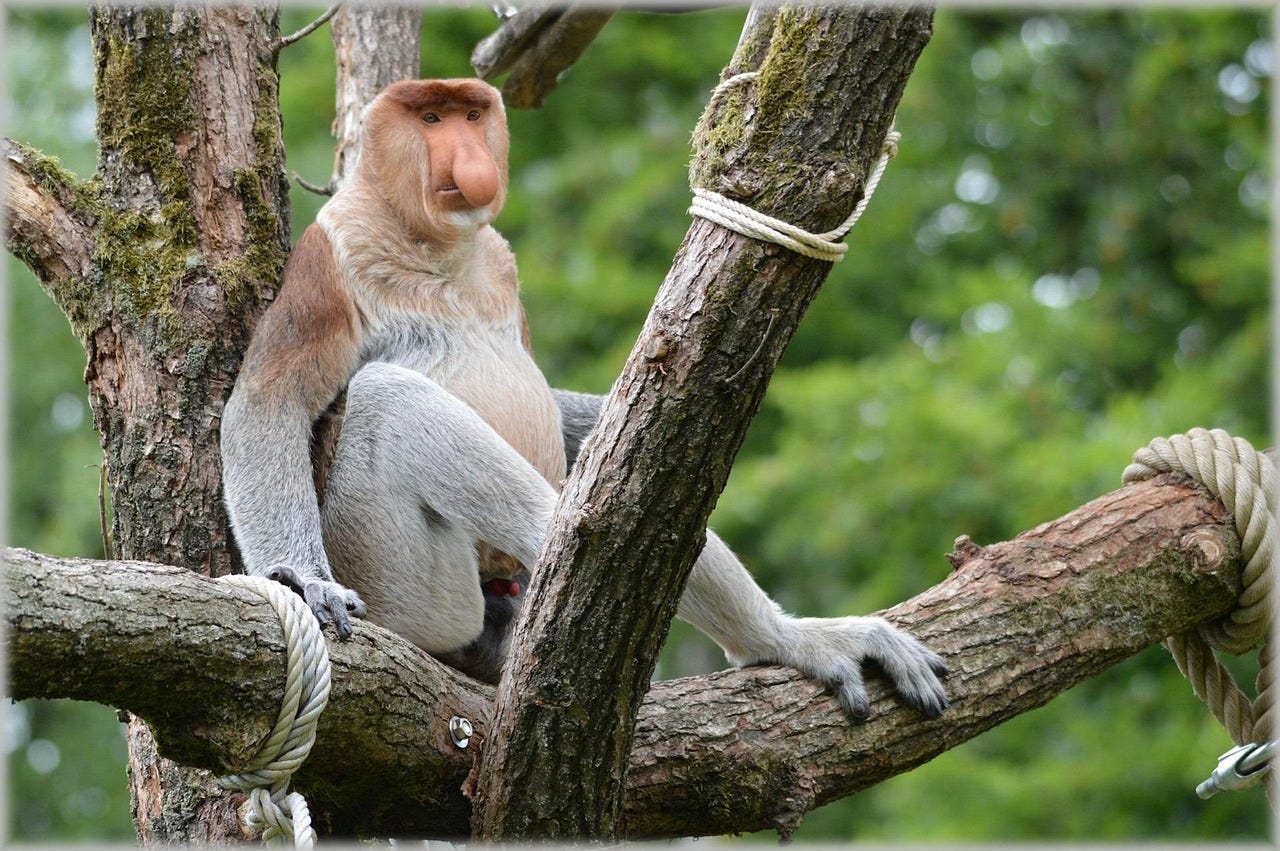
Famous for their big noses, only male proboscis monkeys have them. Their oversized noses are thought to help attract females and make their calls louder. A male’s nose can reach around 17 cm. Found only on Borneo, these monkeys roam parts of Indonesia, Malaysia and Brunei. They live along rivers and mangroves, swim well thanks to partly webbed feet, and are known in Indonesian as monyet belanda, the “Dutch monkey.”
Classified as Endangered by the IUCN, proboscis monkeys face threats from deforestation, plantations and habitat loss.
Sadly, wildfires in Kalimantan have also taken a toll on proboscis monkeys. In Balimau, South Kalimantan, 11 were found dead after being trapped by the flames on September 13, 2026. The BKSDA recorded 12 affected, with the fire leaving the animals little chance to escape.
🐃 The Mini Buffalo — Tamaraw
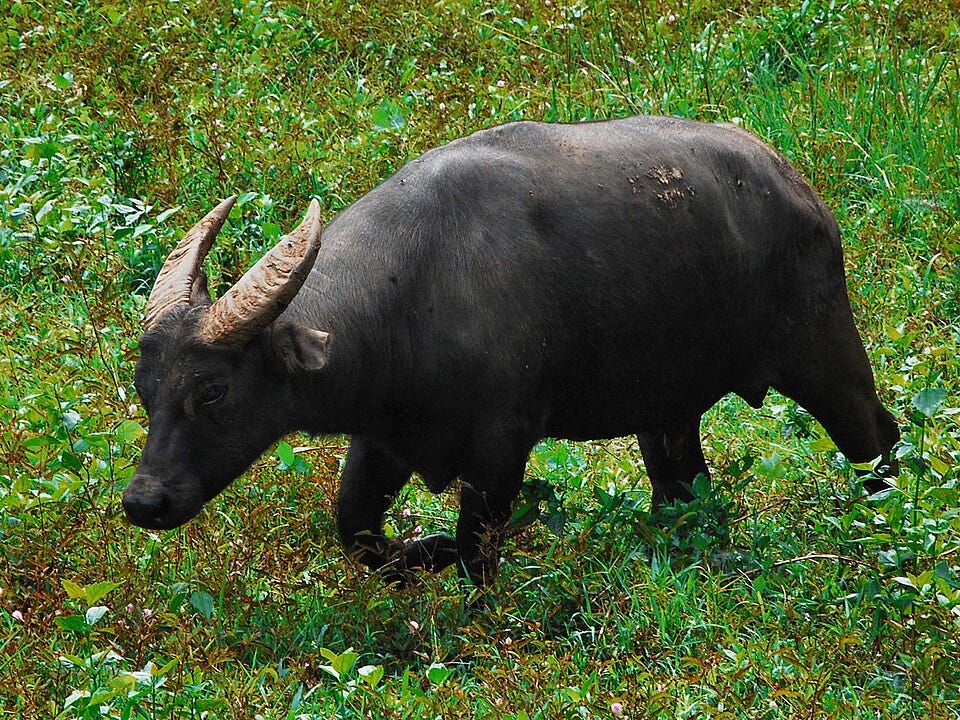
Small but mighty, the tamaraw is a miniature buffalo found only on the Philippine island of Mindoro. It is much smaller than a water buffalo, with short, V-shaped horns and a stocky build. It is one of the largest land animals native to the Philippines.
Classified as Critically Endangered, the tamaraw faces threats from habitat loss and hunting. Its numbers fell to around 100 in the 1990s. Protection efforts have helped, and recent counts reach into the hundreds.
🐉 The Dragon — Komodo Dragon
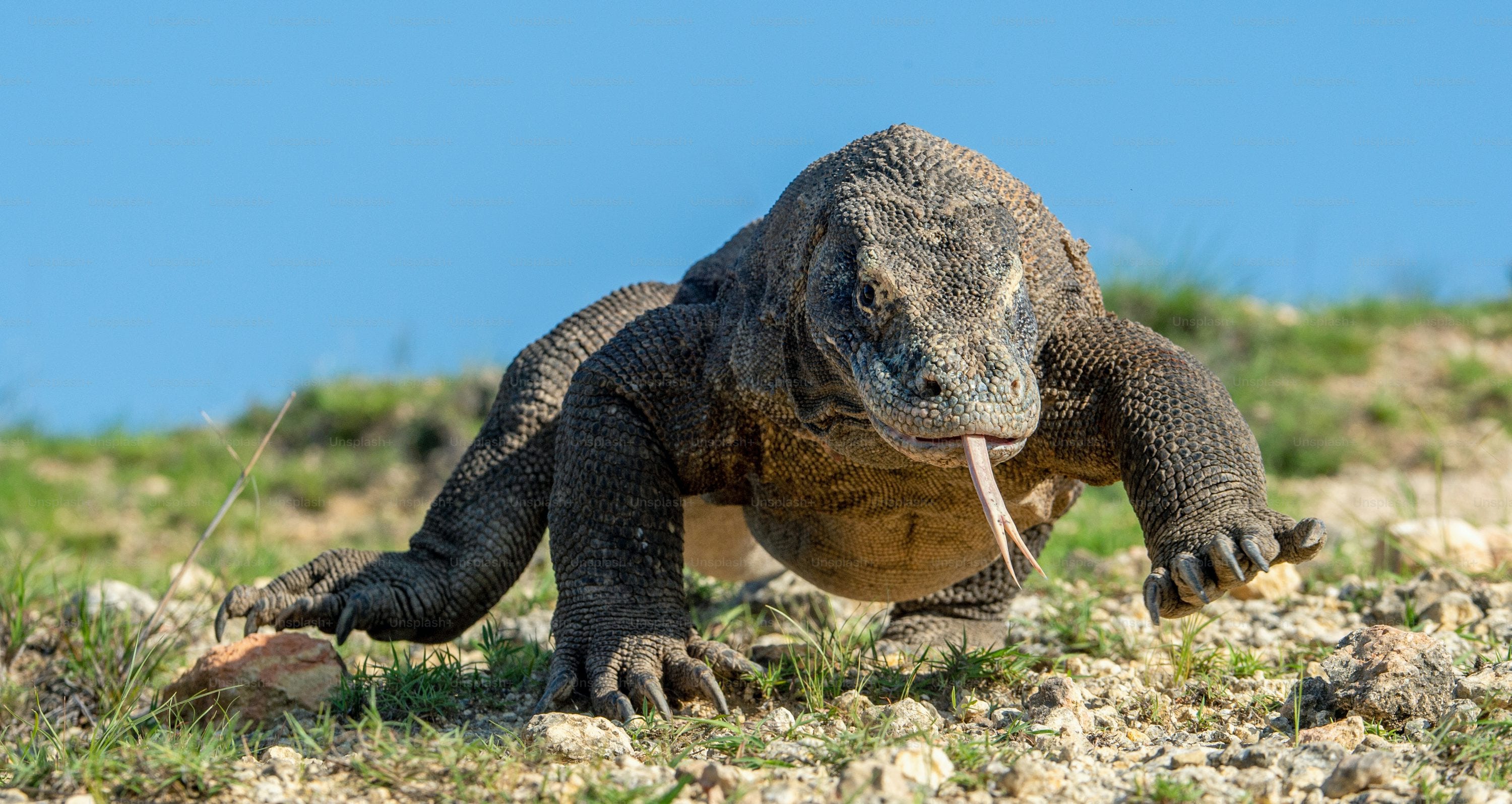
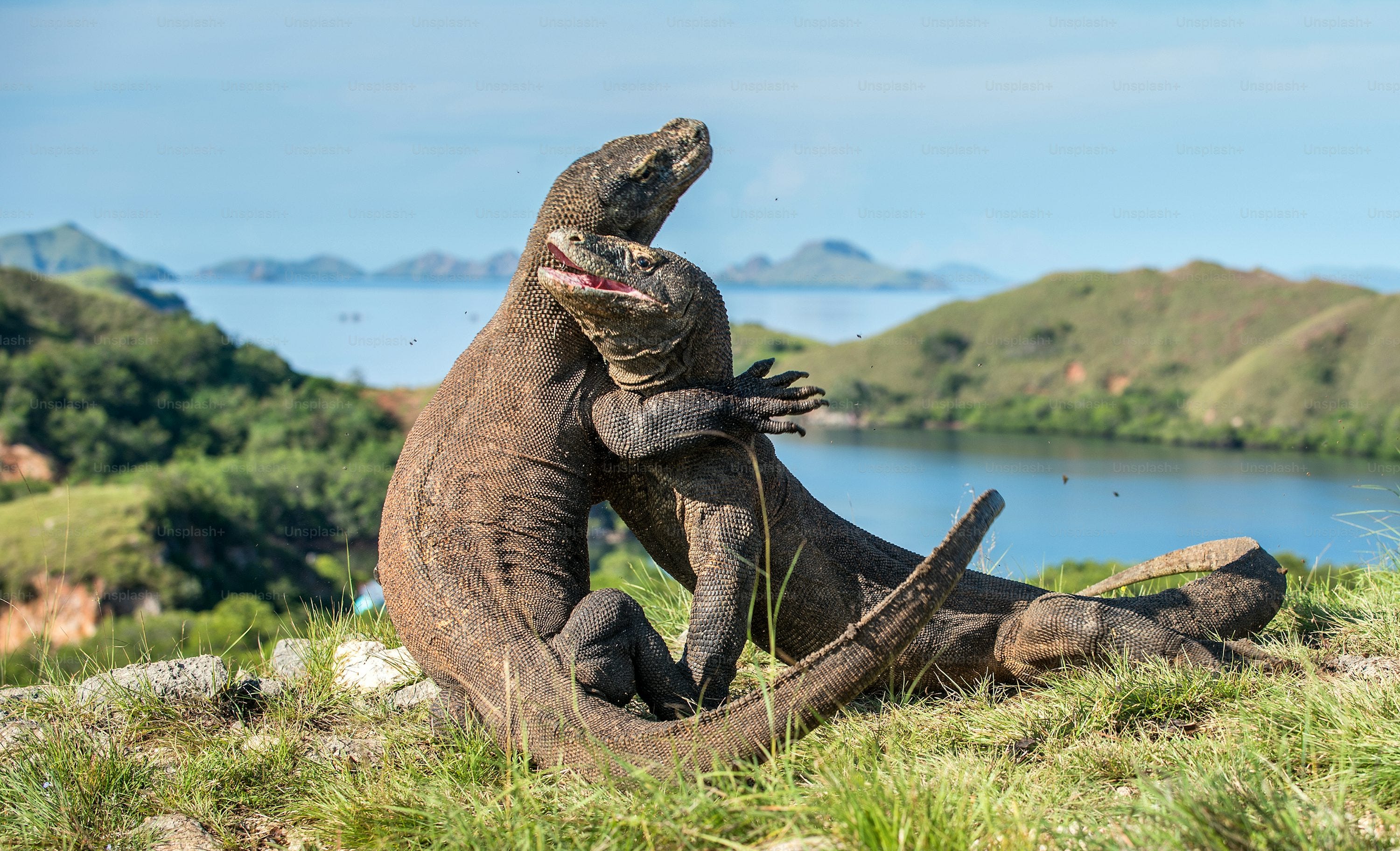
With its huge size, powerful jaws and venom, the Komodo dragon is the world’s largest living lizard. It can grow up to about 3 metres long. Early visitors thought its fierce appearance resembled a mythical dragon, giving the species its famous name.
Found only on a few Indonesian islands (Komodo, Rinca, Gili Motang and parts of Flores), the Komodo dragon is classified as Endangered by the IUCN. It faces threats from habitat changes, prey loss and climate change. It was uplisted to Endangered in 2021, largely because rising seas are expected to shrink its habitat.
For your information, this rare species is also vulnerable to illegal hunting, as well as the impacts of climate change and shrinking habitats. The current Komodo population is estimated at only 3,319 individuals.
👀 The Wide-Eyed One — Tarsier
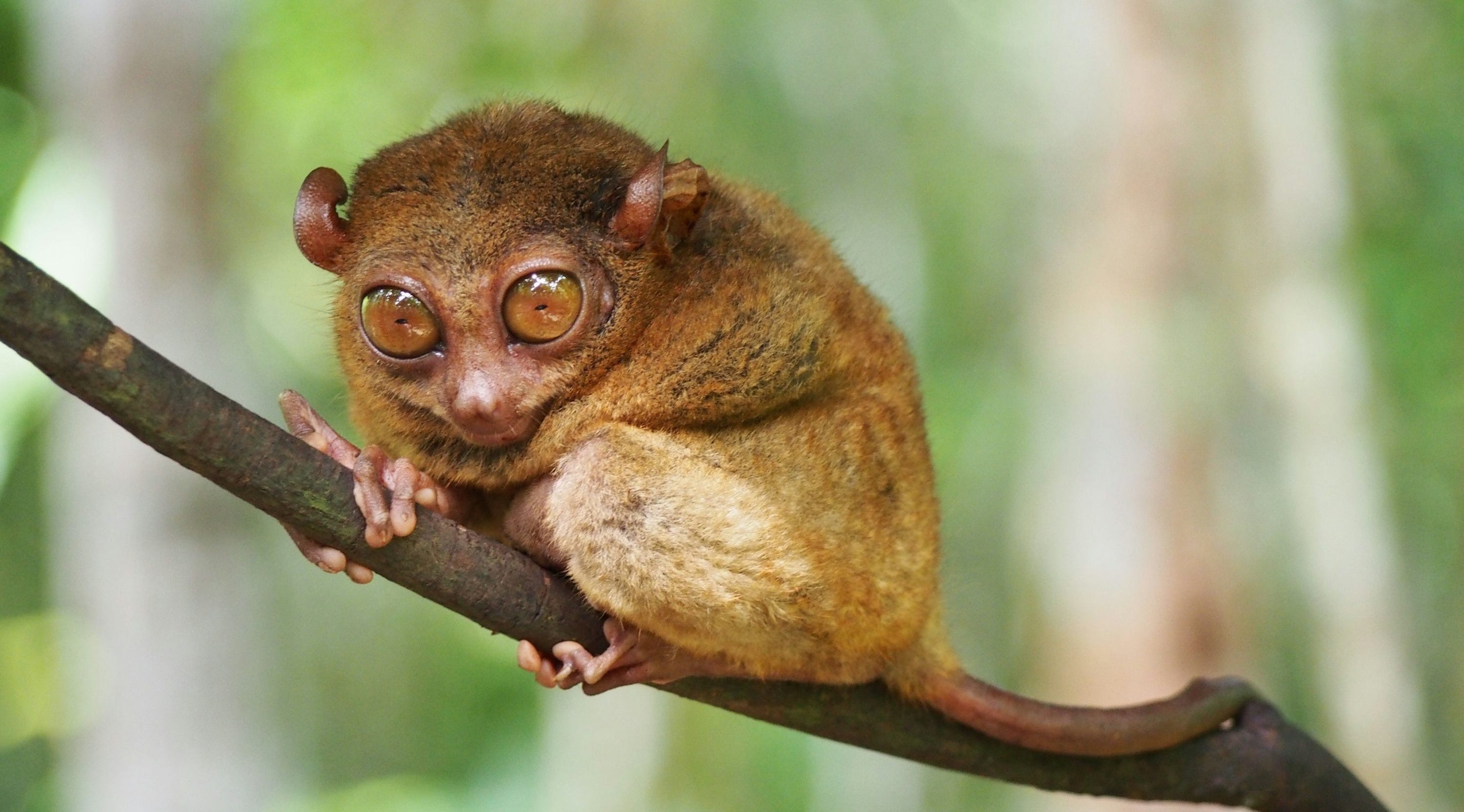
Each of a tarsier’s eyes is roughly as big as its brain, making them one of Southeast Asia’s most unusual little primates. Their eyes can’t move in the socket, so they turn their heads nearly 180 degrees instead. They are also the only primates that live entirely on animal prey, mostly insects.
These tiny primates are found across parts of the Philippines, Indonesia and Malaysia, with different species living on different islands. Their conservation status also varies by species, with some facing threats from habitat loss and the illegal pet trade. Tarsiers stress easily and rarely survive in captivity, which is one more reason they don’t make pets.
🐢🌟 The Star — Burmese star tortoise
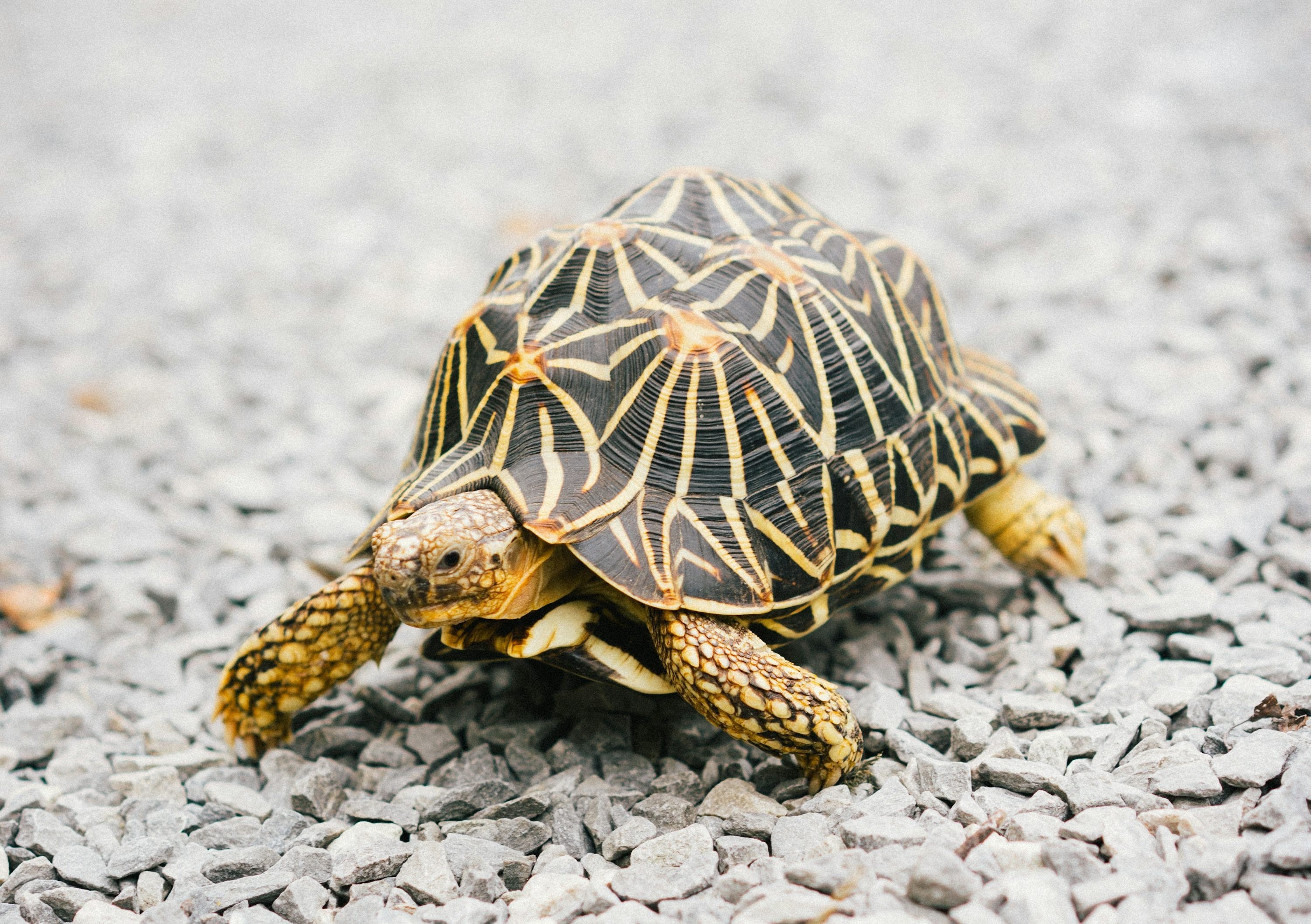
The Burmese star tortoise is found only in Myanmar’s central dry zone. Its shell is marked with golden star-shaped patterns, as if painted by hand.
Hunting and the illegal wildlife trade once pushed it to the brink of disappearing from the wild. Breeding programs and reintroductions into protected areas have since turned it into one of the region’s rare conservation success stories, though it is still classified as Critically Endangered.
🚨What’s at stake
These animals are more than unusual creatures. Many can only survive in specific habitats, so they are especially vulnerable when those places are damaged or lost. The threats repeat across species: forest loss, hunting, the illegal wildlife trade and a changing climate.
Knowing about these species helps us understand what is at risk, from unique wildlife to the ecosystems they depend on.
Once these animals disappear, they are gone for goof. They can’t be found somewhere else.
💡The Bottom Line
Southeast Asia’s wildlife is full of animals you won’t find anywhere else. From giant lizards to tiny primates, each one is part of what makes the region unique. Their strange shapes, surprising habits, and one-of-a-kind stories make them more than just wildlife—they are part of Southeast Asia’s natural heritage.
The more we know about them, the more we can appreciate why protecting the places they call home matters. Which one surprised you most? Send this to someone who thinks they know Southeast Asia.
(VNS/ZIL/VBD)