



🎯 Main Takeaway
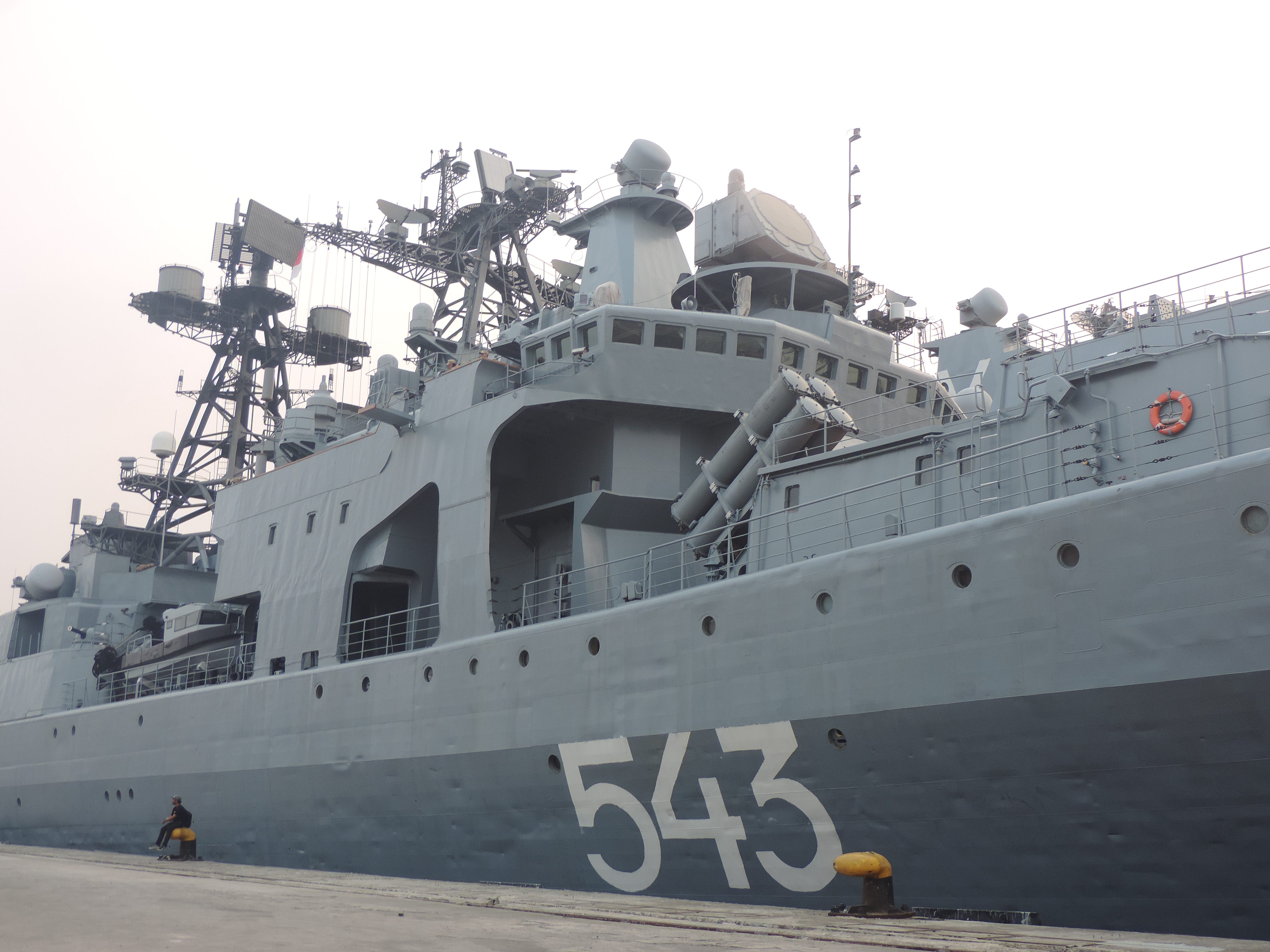
What if a warship could build bridges instead of walls? That was the message behind the Russian Navy’s Pacific Fleet visit to Jakarta, where the modernized multipurpose frigate Marshal Shaposhnikov opened for the Open Ship Day event at Tanjung Priok Port on 2 October 2026. The ship’s arrival was positioned as an anchor event within a regularized, institutionalized naval diplomacy circuit across ASEAN, marking a shift from high-level multilateralism to an active, multi-dimensional presence on the ground.
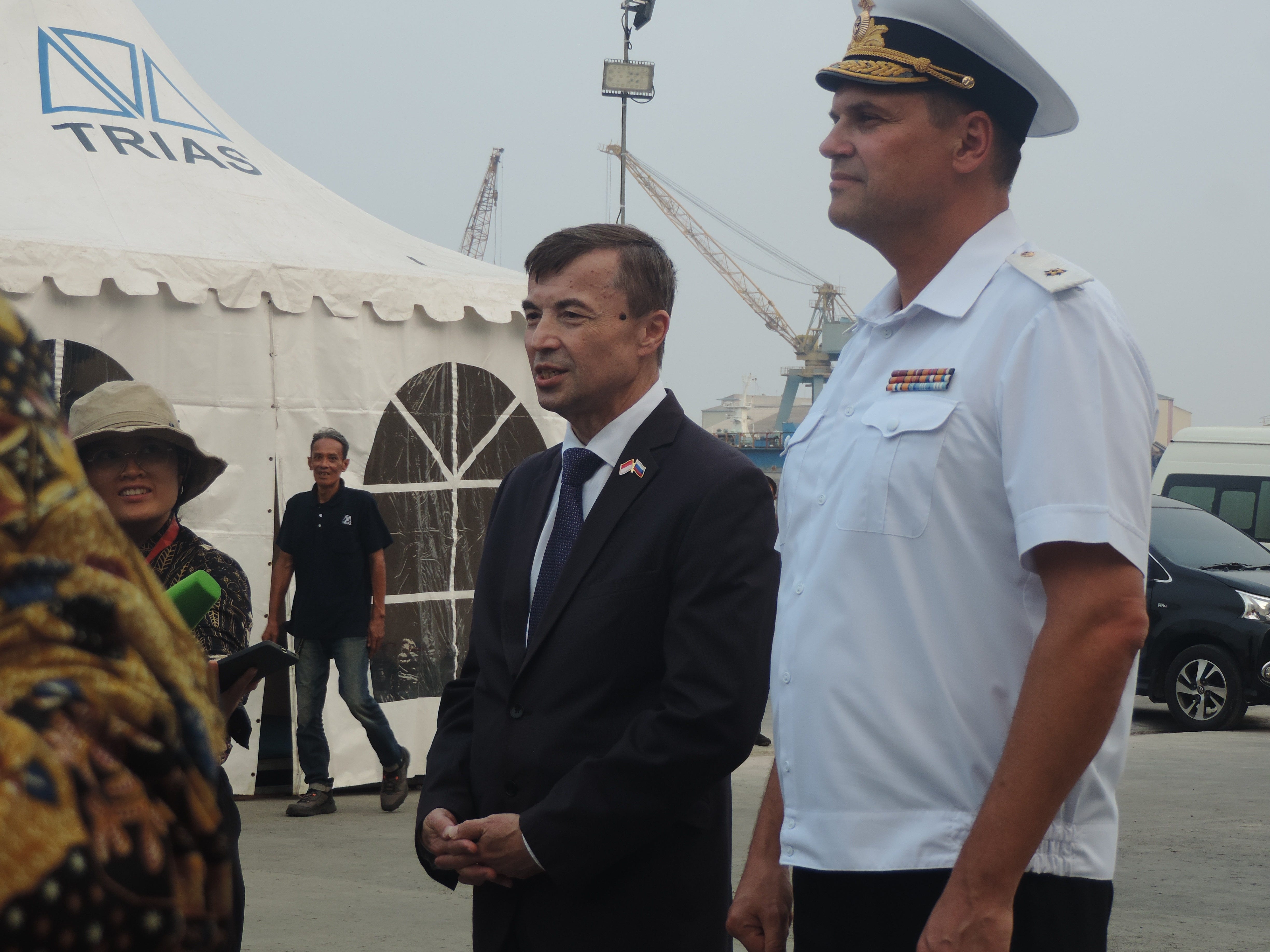
Deputy Commander of the Russian Pacific Fleet’s Northeastern Forces, Rear Admiral Evgeny Myasoedov, speaking at the event, invoked the words of Indonesia’s president to frame the visit: the Pacific Ocean does not divide the two nations but unites them, and while others build walls, Russia and Indonesia are building bridges. He added that the visit was a fitting expression of that sentiment—strengthening ties and deepening cooperation between the two navies and their publics.
📡 Why It’s on Our Radar
Traditionally, naval port calls have leaned heavily on high-level security and defense dialogue, but Russia's arrival showed how it can be seen as a way to cultivate a “heart-to-heart” connection with the Indonesian public and regional observers
From rigid relationship to heart-to-heart relationship: Russia is striving to expand its regional footprint beyond a conventional defense approach using cultural touchpoints, media access, dialogues, and trade mechanisms
Alignment with Indonesia's Bebas-Aktif: Engaging with Russia aligns with the Bebas-Aktif foreign policy principles of Indonesia, allowing Jakarta to maintain open, non-aligned partnerships with all major powers while exercising strategic autonomy amid escalating global geopolitical shifts.
⚠️ Why It’s Important
Indonesia-Russia relations are built upon a profound decades-long history of strategic trust and military partnership that laid the groundwork for the relationship in the modern era.
Foundation of Indonesia-Russia strategic support: This relationship dates back to the early Cold War era, when the Soviet Union became a primary ally in defending Indonesia’s territorial integrity and became one of Indonesia's first military partners.
Modern continuity under Prabowo Subianto: As Indonesia celebrates over 75 years of formal diplomatic relations with Russia, President Prabowo Subianto’s administration views Russia as a proven, historical partner. This can be seen in the Orruda 2026 joint naval exercise, a military collaboration between the Indonesian Navy and the Russian Navy.
A non-coercive partnership: Ambassador Tolchenov stressed that Russia develops its Pacific Fleet for self-defense and friendly cooperation rather than regional arms races. Russia frames its cooperation around ASEAN centrality, non-interference, and flexible defense trade, positioning itself as a pragmatic partner for non-aligned nations
🤝 What Comes with the Visit
The 2 October 2026 Open Ship Day was surrounded by structured military, cultural, and sports diplomacy activities designed to build personal and in-depth relations between the two navies.
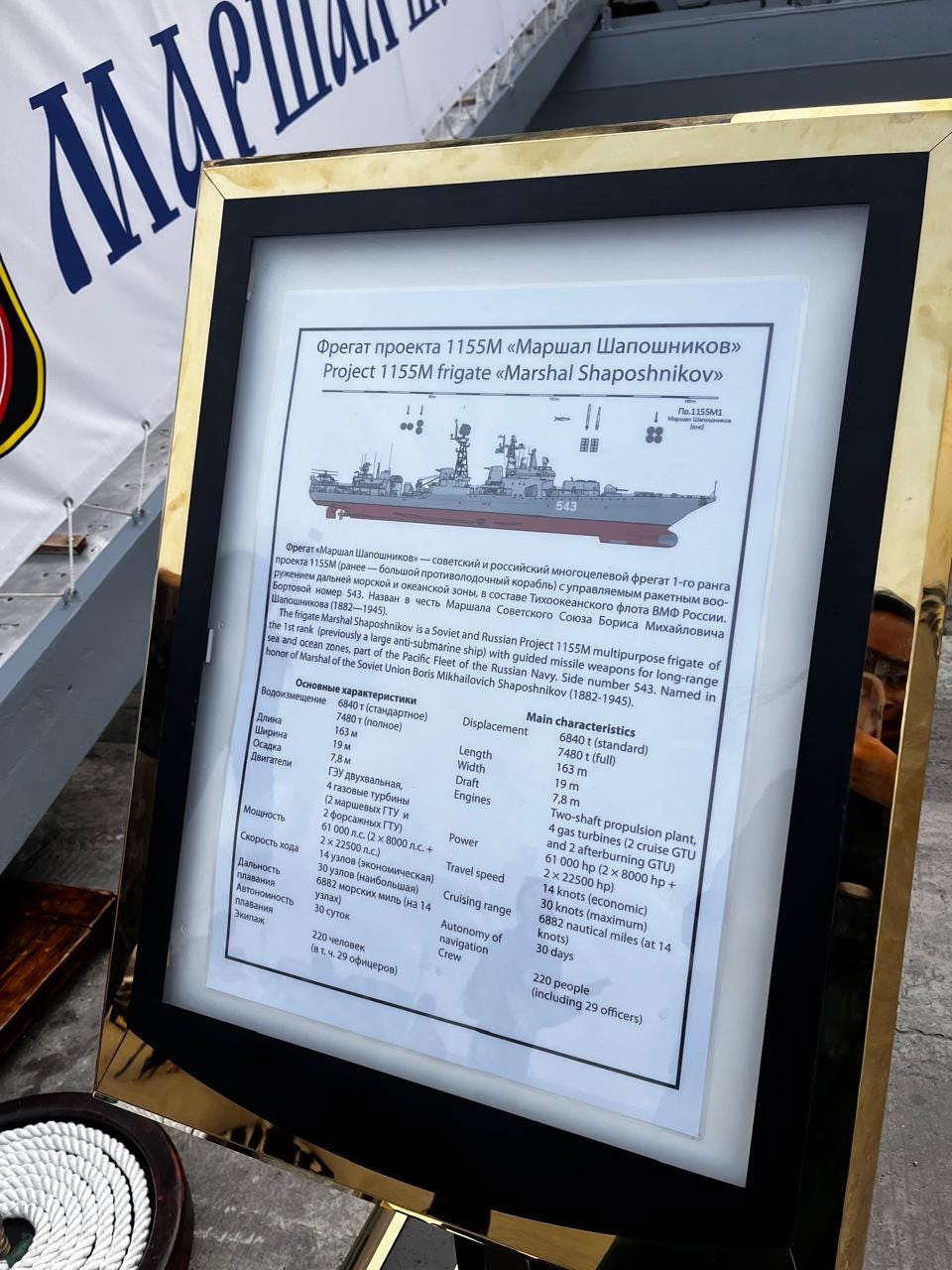
Naval Hardware & Public Engagement: Displays highlighted its modern weapon upgrades, transitioning it from a Soviet-era anti-submarine ship to a guided-missile multipurpose frigate; it also provided dockside bilingual display boards with information about the ship.
Sport and cultural exchange: Russian and Indonesian Navy personnel participated in friendly soccer matches in Jakarta, replacing strict military formality with informal camaraderie and team-building. The embassy also hosted friendly matches with local media organizations like Kompas.
Defense & civil cooperation: Ambassador Tolchenov reiterated Russia’s openness to supporting Indonesia’s military modernization, highlighting recent deliveries of Russian Mi-series helicopters to the Indonesian Army, while stressing that active defense talks remain confidential until finalized.
Broad Socio-Economic Outreach:
Media & Digital Ties: MoU signing between state news agencies MIA Russia Segodnya and Indonesia’s Antara.
Youth & Cultural Exchanges: Participation of 94 Indonesian youth delegates in the International Youth Festival in Yekaterinburg, language summer camps, and cultural competitions.
🕰️ Past and Future Visits
Pattern of Previous Port Calls: Rear Admiral Myasoedov highlighted that this was the Pacific Fleet’s second major visit to Jakarta in 2026.
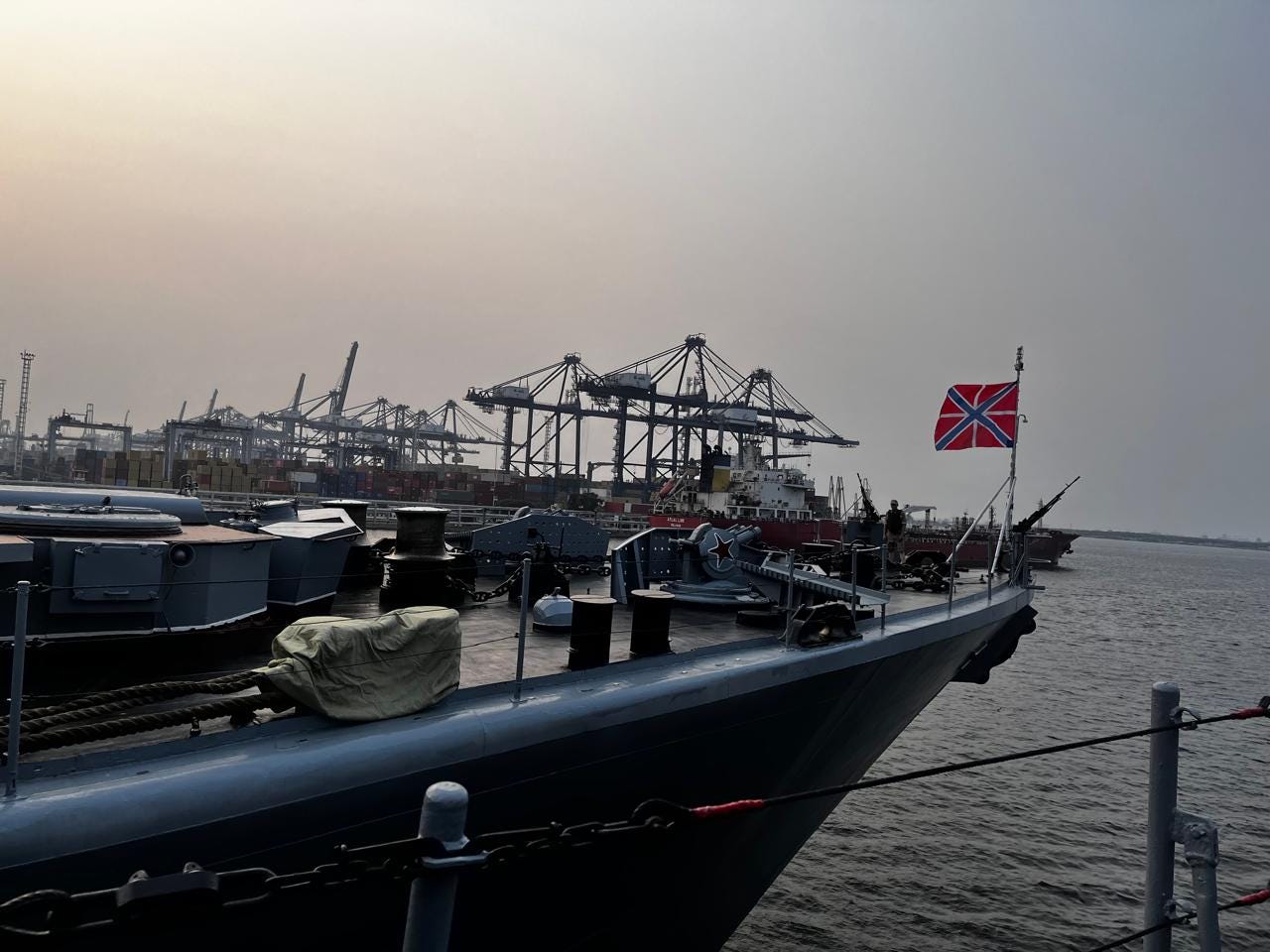
Deployment Origin & Transit: The task force departed its home base in Vladivostok, Russia, on 10 September 2026, making a 20-day direct transit across the Pacific before making Jakarta its first major port call.
Next Destination: Following their departure from Tanjung Priok on 4 October 2026, the task force sailed north through the Malacca Strait to George Town, Penang, Malaysia, for its next 10-day diplomatic and replenishment stopover.
🏝️ The Regional Stake
Provides ASEAN nations with an alternative external defense partner, supporting regional equilibrium without forcing exclusive alignment.
Opens flexible avenues for non-traditional security drills, joint training, and local currency trade mechanisms.
Russia’s broader influence remains challenged by economic capacity limitations, defense export competition, and lower trade volumes relative to other major ASEAN dialogue partners.
“We develop our Russian Navy not against any country, not to participate in any competition or arms race here in the Pacific, but to ensure the defense of our country... and to promote friendly cooperation with our friends.” — Sergei Tolchenov, Russian Ambassador to Indonesia
🏁 Bottom Line
The 2 October Open Ship Day demonstrated how naval platforms can serve as instruments of soft power, public connection, and historical reassurance. Russia is neither retreating from Southeast Asia nor seeking regional dominance; instead, it is solidifying its position as a persistent, balancing actor anchored in long-standing historical trust.
Looking ahead, Russia will maintain regular naval rotations, joint maritime exercises, and multi-sectoral diplomacy, leveraging its shared history with Indonesia to ensure its strategic presence across the Indo-Pacific remains firm, visible, and active.
(DEV/ELS)