



🎯 The Main Takeaway
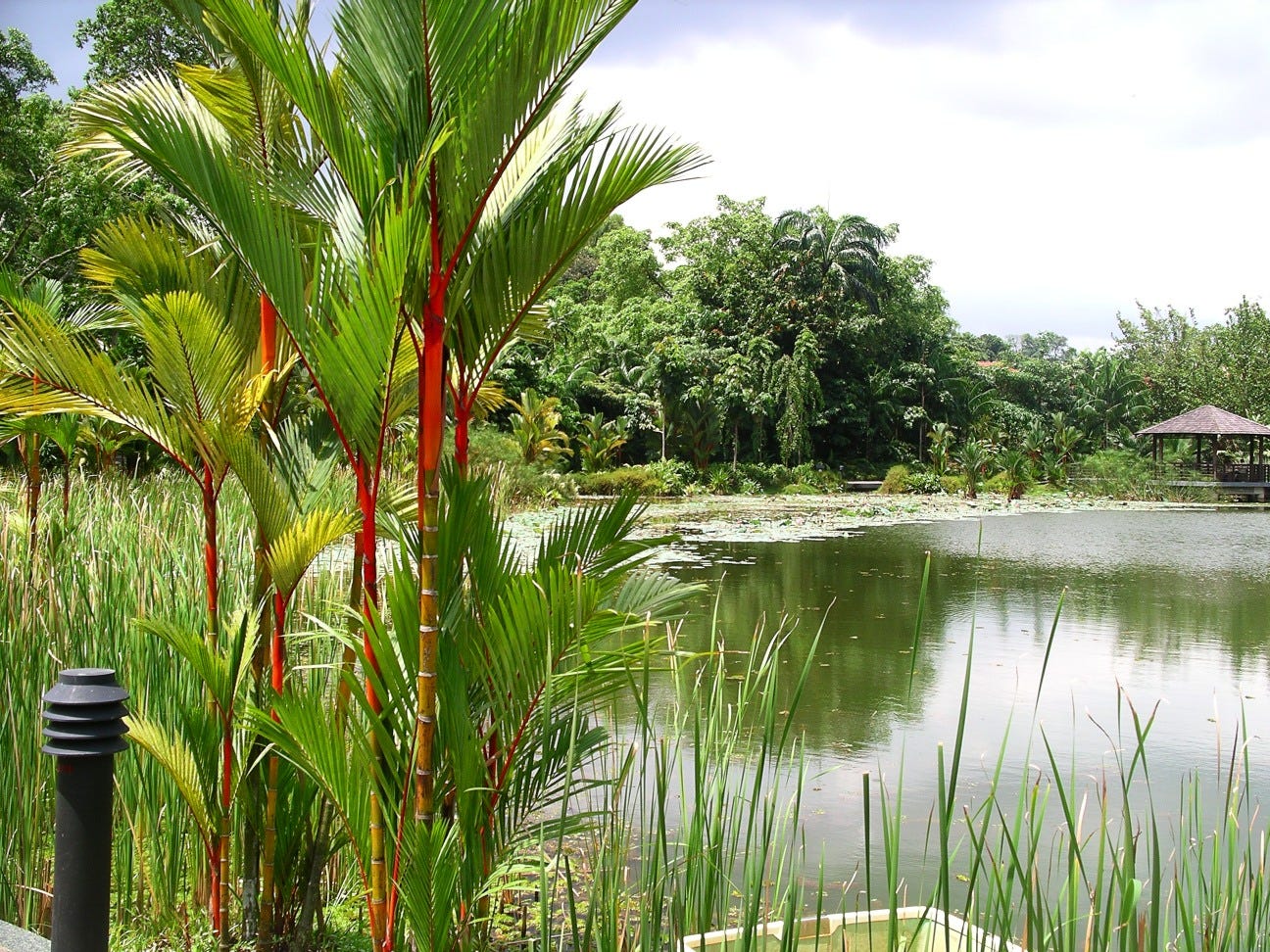
Located in Southeast Asia, one of the few ecological engines, Singapore is entering a high-stakes era of co-living with wildlife.
Rather than pushing animals behind perimeter fences or banishing them to isolated reserves, Singapore successfully transformed the hyper-dense city by re-engineering its concrete infrastructure and urban mindset to share space with the island’s original inhabitants.
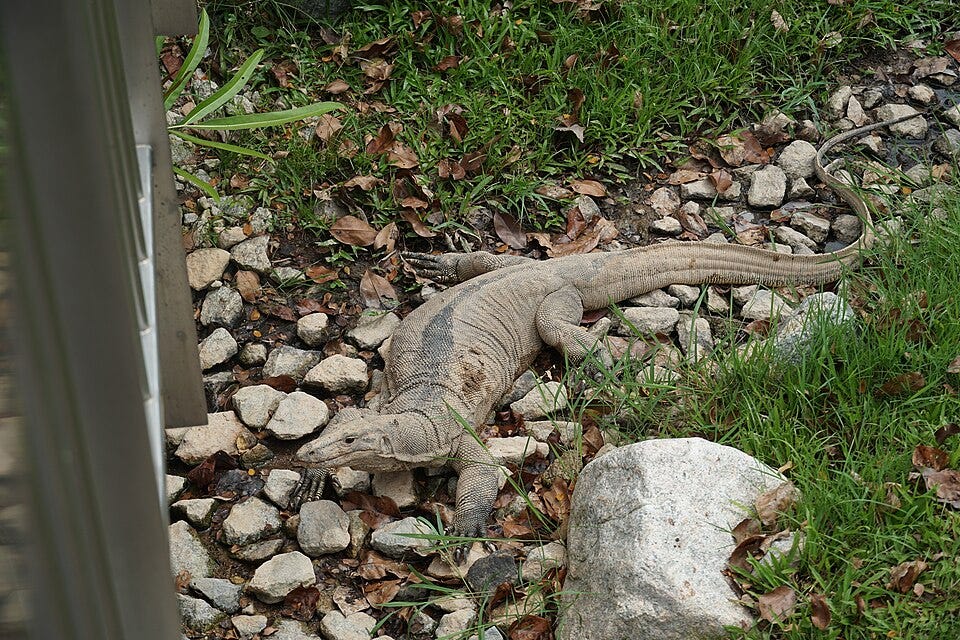
📡 Why It Matters
Historically, development and urbanism followed a rigid binary: either pave the jungle or preserve it behind a wall, but Singapore has proven that a better solution exists.
Proving that dense urbanism can be alongside and layered over active ecosystems, integrating rather than isolating nature with daily life.
With the region’s unique and fragile biodiversity under threat, this co-living model offers another solution for preserving sensitive species in a human-dominated landscape.
🇸🇬 How has Singapore done it?
This transformation did not happen overnight; it is built on a solid foundation of calculated state planning and law, civil society cooperation and support, and targeted environmental engineering.
Naturalized Infrastructure: Singapore has successfully modified its built environment to serve as a safe space for both humans and animals. Replacing concrete drainage canals with bio-engineered, soil-and-plant waterways allowed species to use urban infrastructure as ecological highways.
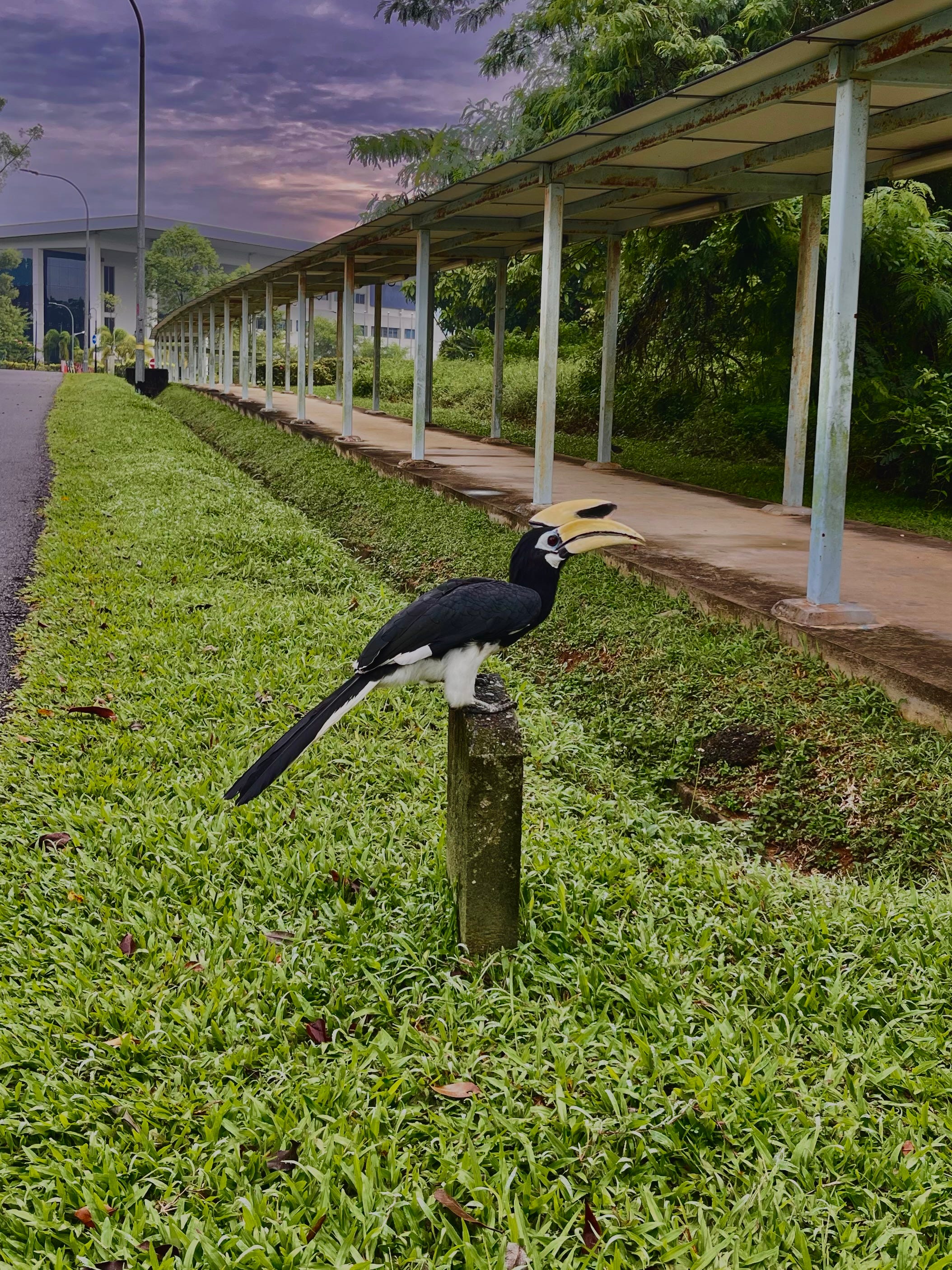
Targeted Species Recovery: Singapore actively adapts its urban architecture to accommodate wildlife nesting needs. The Singapore Hornbill Project deployed artificial nest boxes on mature urban trees, successfully bringing the oriental pied hornbill back from local extinction.
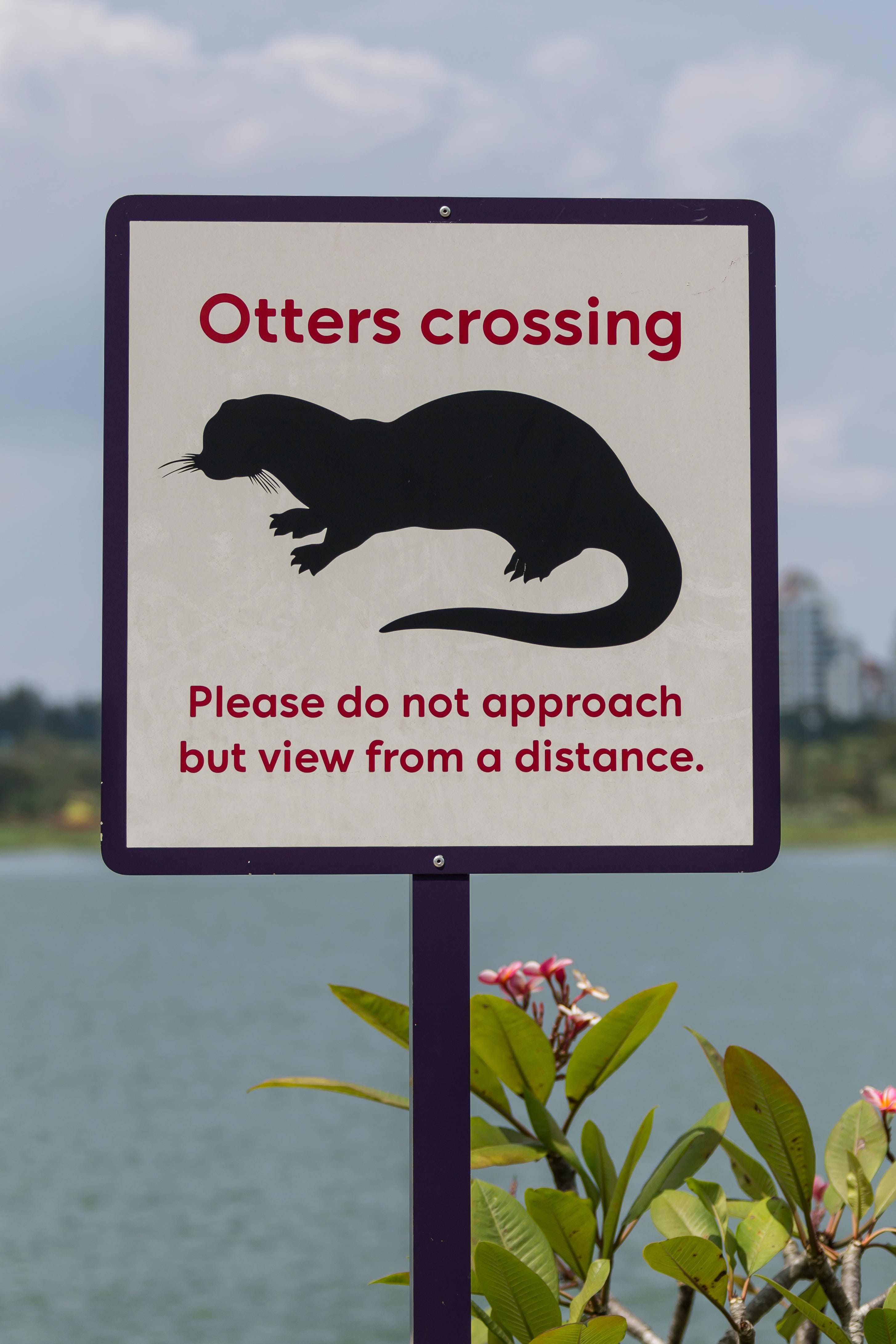
The Legislative Framework: The Wildlife Act (2020) institutionalized strict penalties against feeding, releasing, or harming wild animals, legally shifting public behavior from exploitation to hands-off coexistence.
🌏Regional Constraints: Tougher Path
Singapore’s template is highly effective, but it operates under artificial conditions that are incredibly difficult to replicate in neighboring countries, especially with dense capitals like Jakarta, Manila, or Bangkok.
Budget Restriction: While cities struggle to fund basic civic utilities and disaster mitigation, allocating millions to eco-corridors and urban wildlife has become a rare priority.
Vast Geographical Scale: Managing wildlife across various territories is exponentially more complex than enforcing policies on a compact.
Socio-Economic Friction: In areas where wildlife directly threatens livelihoods or property, getting communities to cooperate with conservation mandates is an uphill battle.
Ambiguous Legal Enforcement: Environmental laws across the region are often crippled by overlapping jurisdictions, weak penalties, and inconsistent local enforcement.
🌱The ASEAN Biodiversity Plan 2024–2030
The ASEAN Biodiversity Plan 2024–2030 moves away from vague preservation goals to establish concrete regional benchmarks that support urban integration.
TARGET 4 (Halt Species Extinction, Protect Genetic Diversity, and Manage Human Wildlife Interactions): To build active response frameworks to mitigate escalating human-wildlife conflicts as cities expand safely.
TARGET 12 (Enhance Green Spaces and Urban Planning for Human Well-Being and Biodiversity): Calls for integrating native biodiversity directly into dense urban planning to improve human well-being and restore urban ecosystems.
TARGET 14 (Integrate Biodiversity in Decision-Making at Every Level): Forces the government to embed biodiversity values into national development policies.
🏠 Why This Hits Home
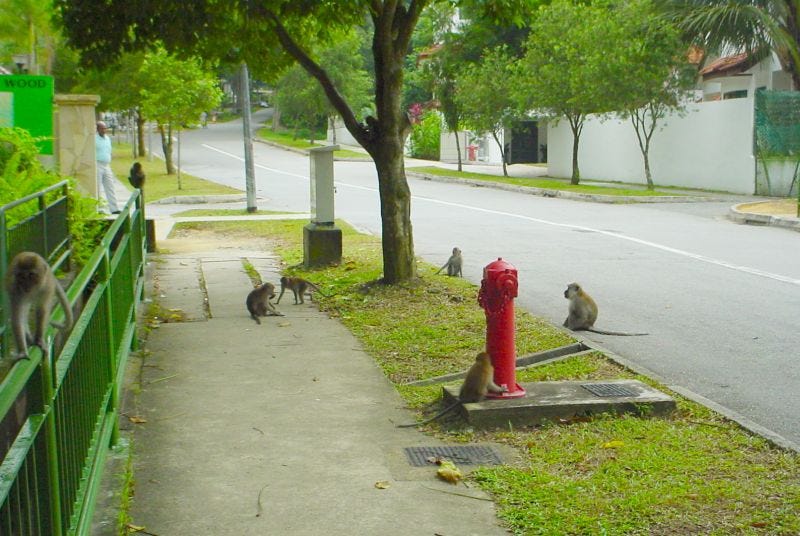
To address the surrounding issues, it is never entirely seamless; the closer it is to our doorstep, the more friction it generates.
True coexistence requires massive cooperation beyond policy alone, and a psychological shift toward viewing the urban environment as a healthy ecosystem, including wild, unpredictable, and sometimes inconvenient neighbors.
🔮 The Bottom Line
Singapore proves that green urban planning can successfully bring species back from the brink of local extinction.
However, true harmony cannot be engineered by state policy alone; the long-term success of this model rests entirely on the public's willingness to tolerate the occasional messiness of a truly wild neighborhood.
Need More Angles?
ASEAN Main Portal ASEAN Biodiversity Plan 2024 – 2030
Asia-Pacific Climate Change Adaptation Information Platform (AP-PLAT) ASEAN Biodiversity Plan 2024–2030: Advancing Adaptation Through Ecosystem Restoration
Channel News Asia IN FOCUS: How urbanised Singapore is learning to live with its wildlife
Our Wild Neighbors City In Nature – Finding Solutions to Coexistence
South China Morning Post Singapore aims to be a ‘City in Nature’, but can residents and wildlife coexist in harmony?
(DEV/QOB)