



🎯The Main Takeaway
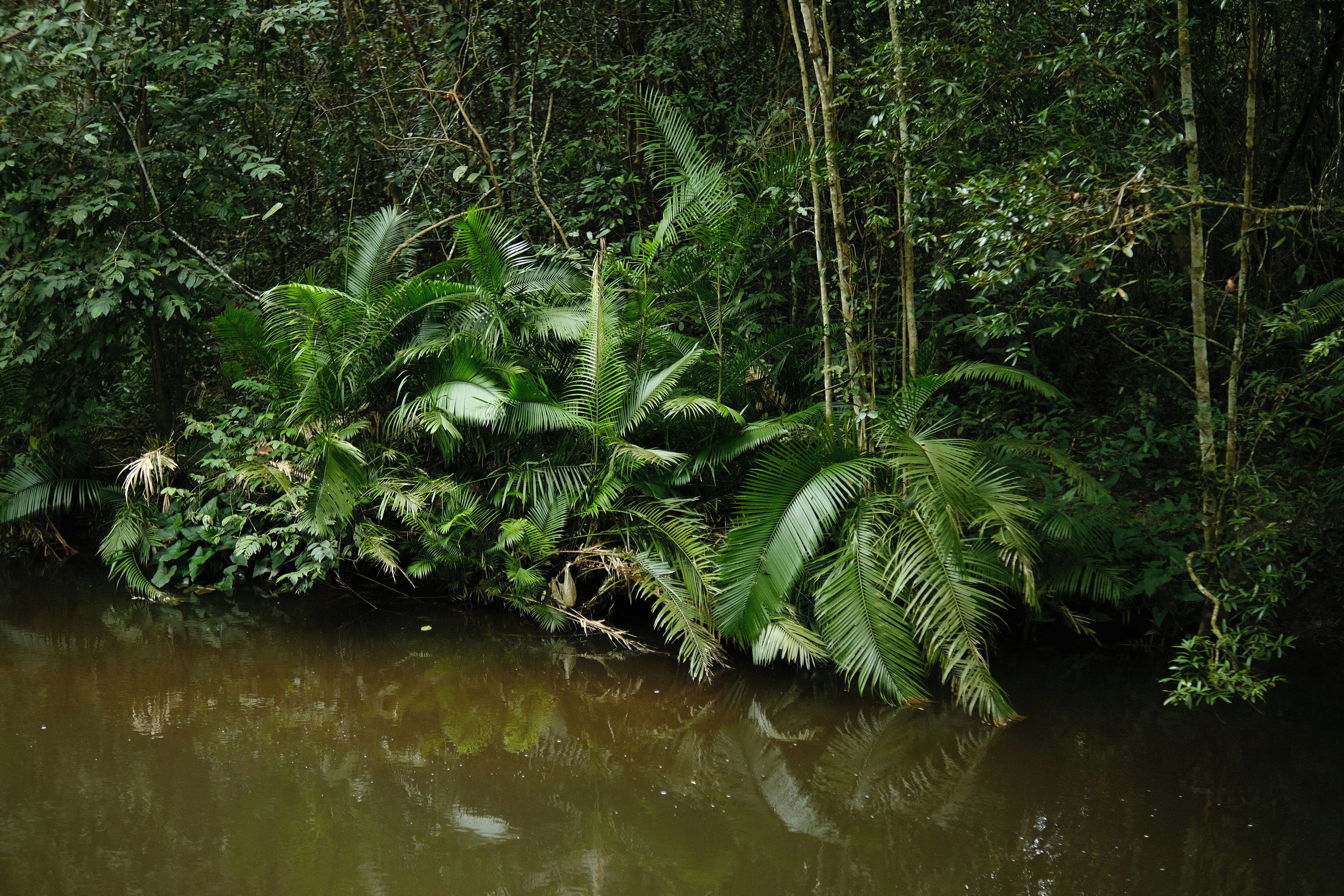
As one of the world's biodiversity hotspots, Southeast Asia has now identified multiple species in 2025, from coastal zones to deep rainforests and up to river systems. This signals us more than just scientific discovery.
Constant new discoveries and the identification of species reaffirm Southeast Asia as a hotspot of biodiversity
Scientific progress is increasingly shaped by public awareness and the educational level
Taxonomy shifted from exploration to documentation and urgency due to habitat loss
📡 Why It’s on Our Radar
Technological advancements have helped Southeast Asian countries accelerate their efforts to identify species in the region.
Yet this also became an eye-opening event as it exposed the structural problem that the biodiversity knowledge is growing at the same pace as environmental degradation.
Some of the rising questions are about what the issues are:
Environmental degradation threatens species endangerment, especially before fully understood and documented
The highly budgeted exploration often involves a global north institution and a standard of knowledge production
Governance issues around the conservation of ownership and support
🦀 Emerita Pangandaran - Indonesia
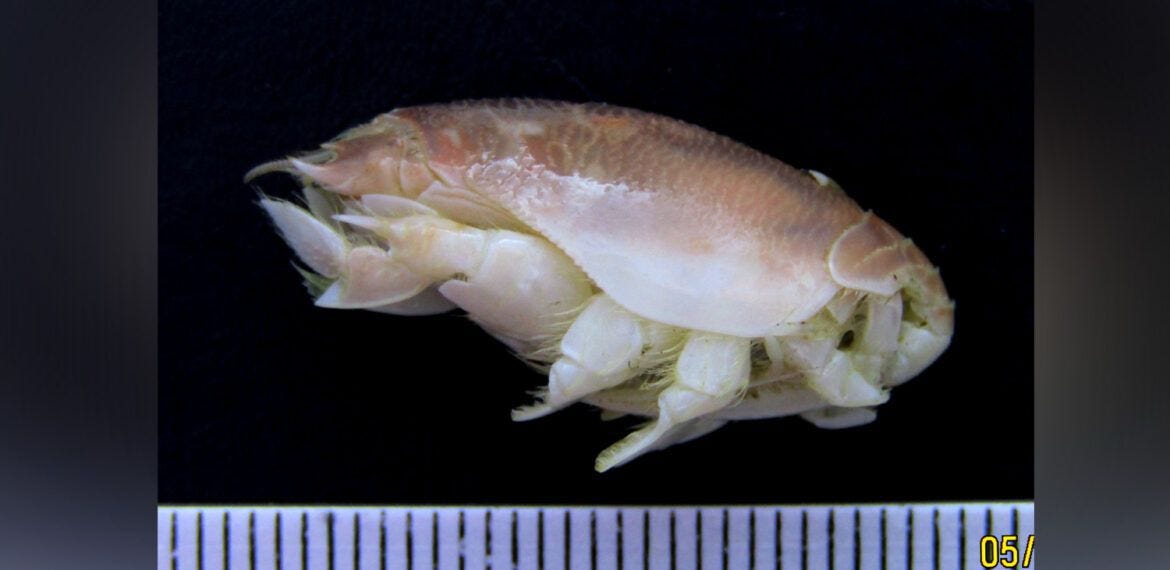
Previously, the mole crab known to inhabit Indonesian waters, named Emerita emeritus, have now been found on coarse-sand beaches in Pangandaran and Cilacap, and a newly identified mole crab species, named Emerita pangandaran, has been found there.
The Emerita pangandaran has distinctive serrated edge on the front of its back shell unlike Eremita emeritus, this finding also supported by mitrocondrial DNA analysis which revealed a genetic distance of 15 up to 16% between the two species signaling a significant evolutionary divergence.
🐟 Sewellia pudens - Laos
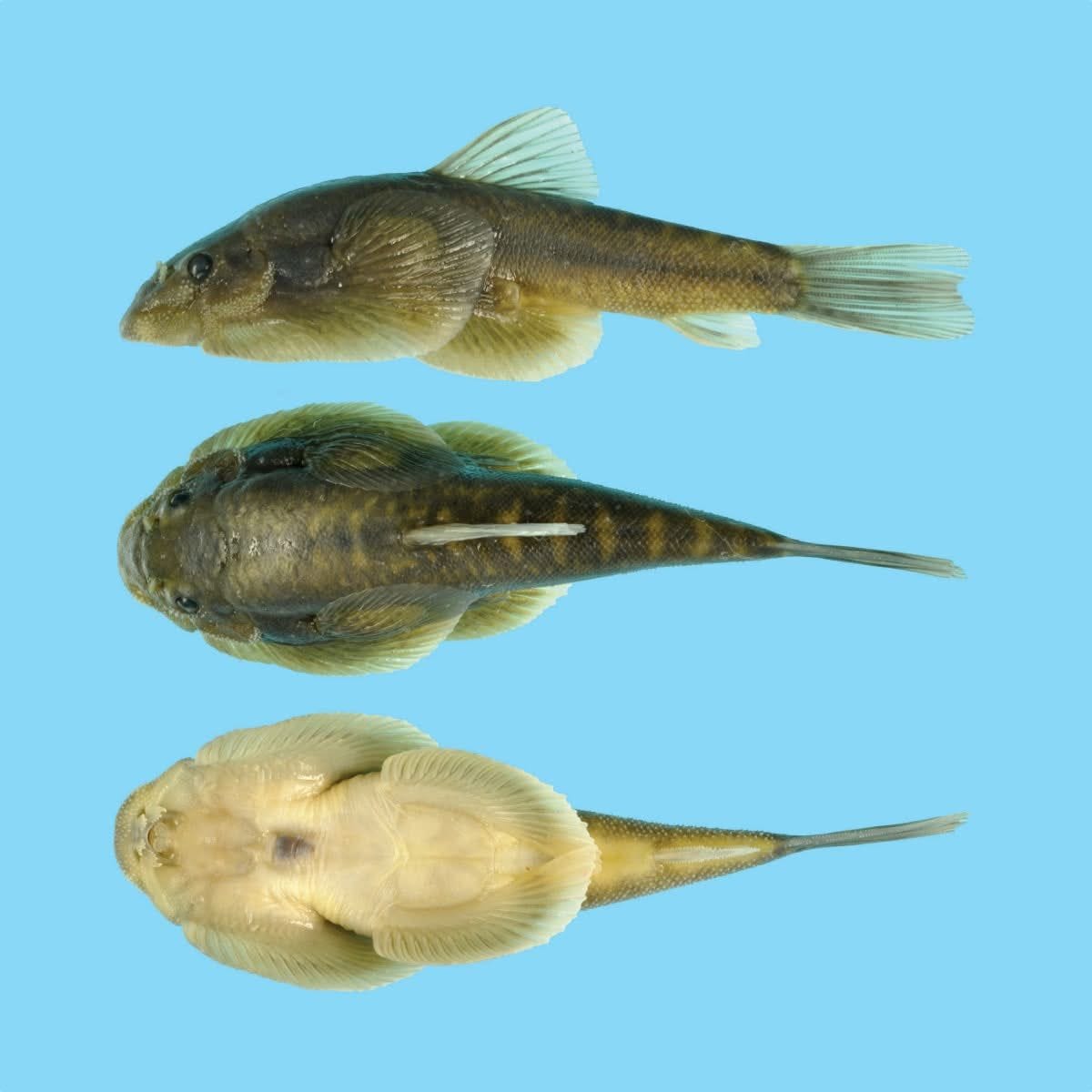
From the Xe Kaman watershed on the Dakching Plateau, Sekong, Laos, the species is distinct from other species within the same genus. Its main characteristic is a yellowish-brown body, no markings on the fins, and a main difference in the organization of tubercles and uculi, as it adapts to fast-flowing rivers.
Its morphology is flattened, and its body and sucking capabilities demonstrate evolutionary and specialized adaptations.
🌴 Nepenther megastona - The Philippines
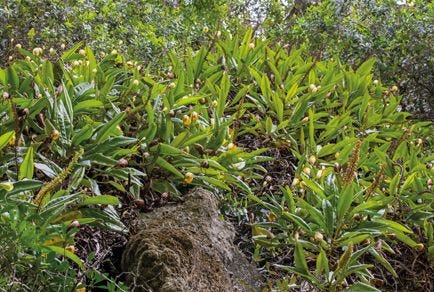
A carnivorous tropical pitcher plant that grows on vertical limestone walls is known to grow in only three locations in Palawan, Philippines. This pitcher plant is characterized by its highly branched stems, campanulated pitchers, peltate tendril exsertion, dimorphic upper pitchers, and undirectionally upturned female flowers.
It is assessed as Critically Endangered on the International Union for Conservation of Nature (IUCN) Red List, with its overall morphology indicating close affinity with the widespread Palawan endemic N. Philippinensis.
🍄 Thismia selangorensis - Malaysia
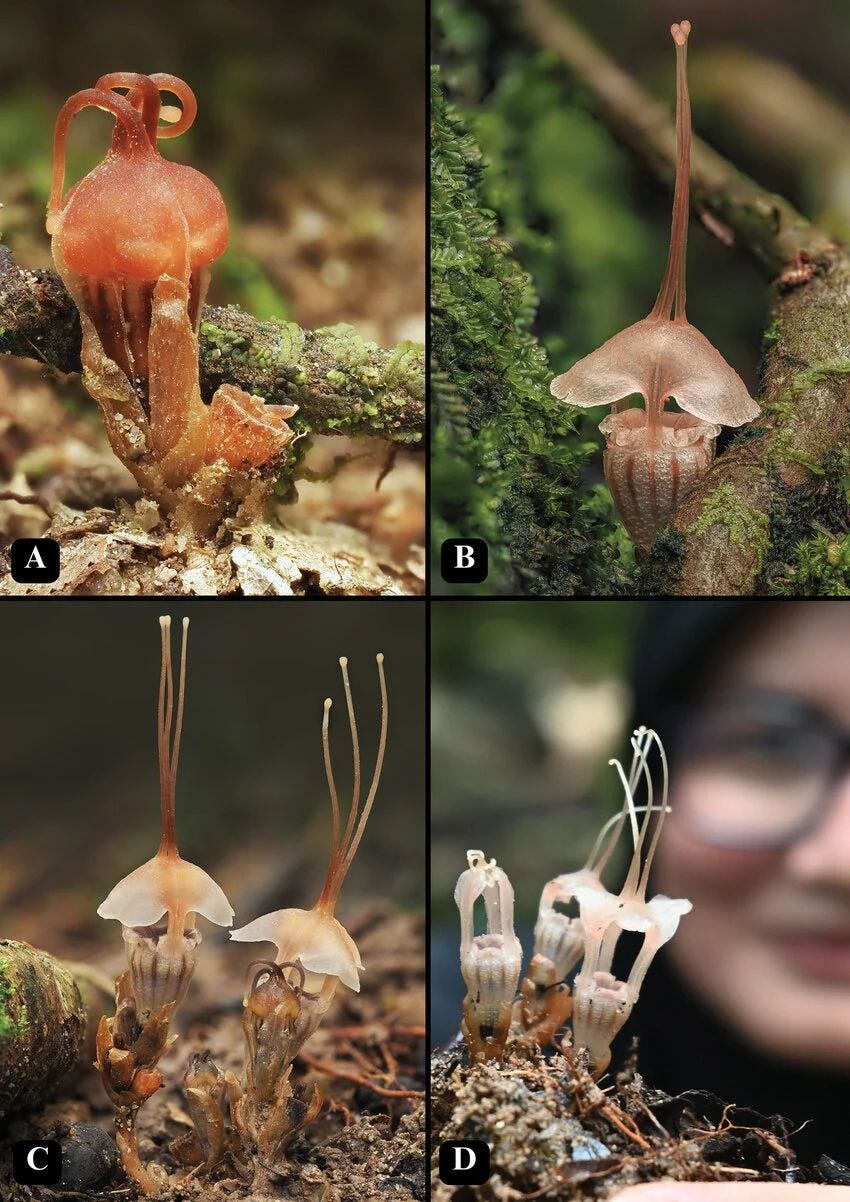
While its counterpart is often found in remote forests, this species was discovered in a Malaysian recreation park, where it revealed itself by a walking path, hiding under the leaves. The plant belongs to the Thismia genus, which does not depend on photosynthesis as a food source; it siphons energy from underground fungi and grows in muted shades, as it lacks chlorophyll.
The plant measures about 10 cm tall and has coral-like roots and a peach-colored flower that forms an umbrella-shaped structure known as a miter. Listed as critically endangered by IUNC, this new species adds to the roughly 120 known Thismia species worldwide.
🕷️ Damarchus Inazuma - Thailand
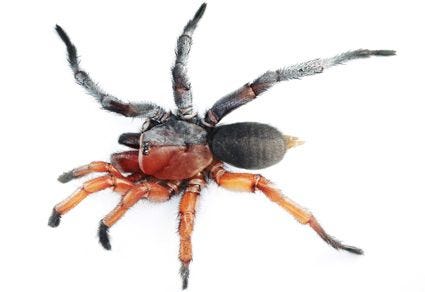
Near a roadway in the forest of Kanchanaburi, Thailand, a new species of spider has been discovered. The identified spider belongs to the genus Damarchus, a borrowing spider that builds a wishbone-shaped, silk-lined burrow in the ground to ambush passing prey.
What really makes the species shocking is that it is the first recorded biological phenomenon of bilateral gynandromorphism, meaning it can change between male and female.
🐍 Lycodon latifasciatus - Myanmar
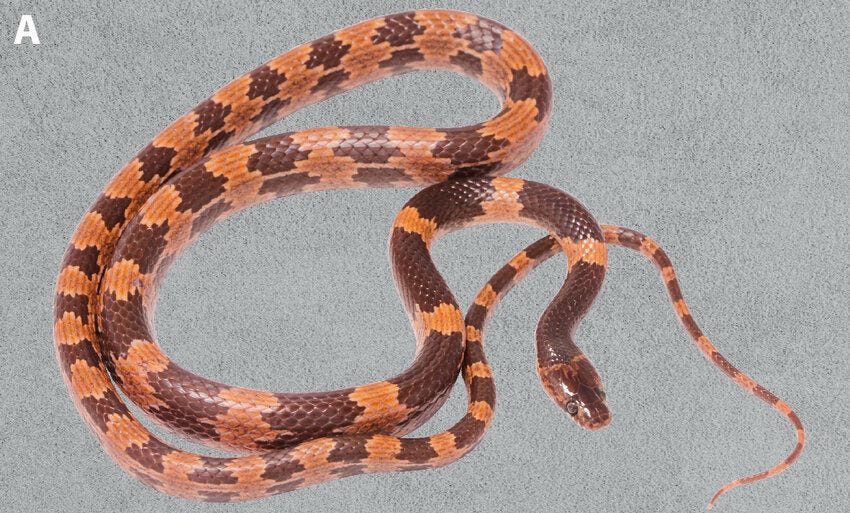
A new species of snake group, also known as wolf snakes, has been identified in Myanmar. Initially identified as a known and widely spread species, scientists found, after DNA testing and further research, that it is a different species. Lycodon latifasciatus, or the East Himalayan banded wolf snake, is characterized by medium size, elongated snouts, vertical pupils, and distinct alternating brown and orange stripes.
It has been found at only three sites in northern Myanmar and Tibet, roughly 200 miles apart, so it is possible that the new species may be more widespread within the area.
🐝Habropoda pierwolae - Vietnam
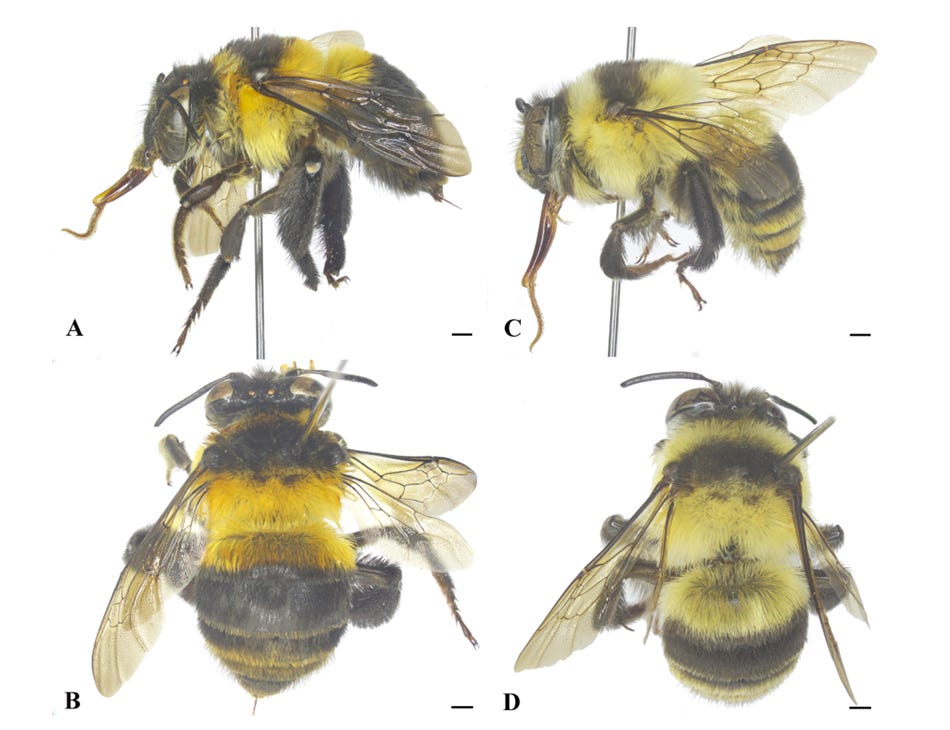
The American Museum of Natural History announced a list of new species identified in 2025, including 2 Vietnam representative which, one of which is a bee species with a teddy bear-like appearance known as Habropoda pierwolae.
This bee is known to scientists for its thick body and chubby appearance, earning it the nickname “teddy bear bee”. The species can be found in northern Vietnam and the central Highlands. This finding is good news in the global decline of pollinators.
🏠 Why this hits home
Biodiversity in Southeast Asia is not just a scientific discovery. It is central to the life of people there.
These discoveries expose a structural imbalance: local ecosystems and species are globally significant, yet in the era of environmental degradation and a lack of infrastructure for local scientists, they become merely a data source and hub.
Need More Angles?
Forbes, Damarchus inazuma
IPB University, Emerita pangadaran
Miami Herald, Lycodon latifasciatus
NUS, Sewellia pudens
Phytotaxa, Nepenther megastona
VICE, Thismia selangorensis
Vietnam NBCA, Habropoda pierwolae
(DEV/QOB)