



🎯 The Main Takeaway
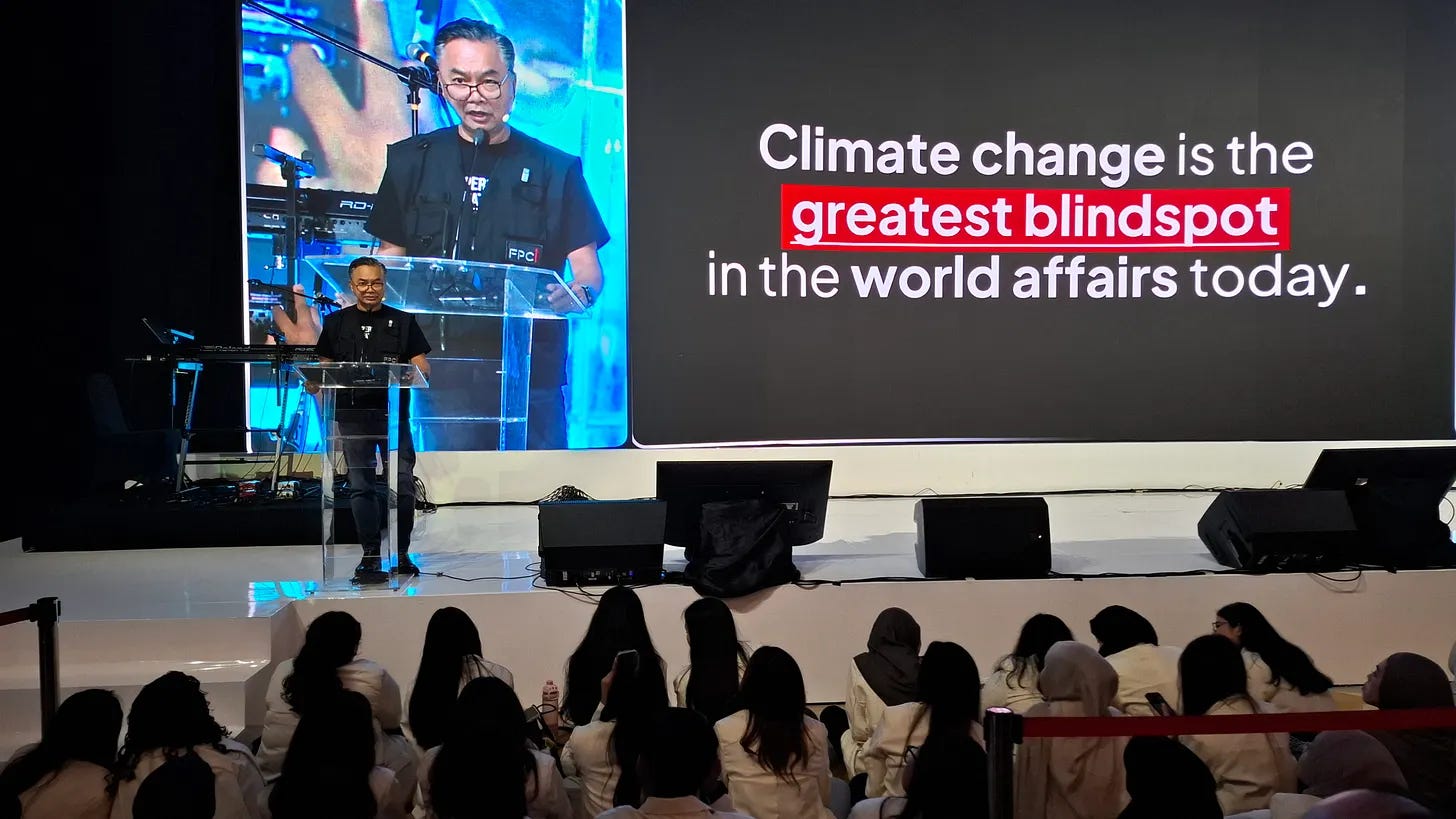
The Foreign Policy Community of Indonesia (FPCI) hosted the Indonesia Net-Zero Summit (INZS) 2026 on Saturday, August 1, 2026, at Balai Kartini, Jakarta, bringing together nearly 10,000 attendees, 130 partners, and over 60 high-profile speakers under the theme “It’s Time to Deliver!”
Amid geopolitical fragmentation, economic instability, and escalating global temperatures, the summit emphasised that climate action can no longer be delayed as a distant goal. Leaders across government, civil society, international organisations, and the arts delivered a unified verdict: climate resilience is directly tied to national security, economic competitiveness, and human survival.
Curious how ASEAN can build a resilient energy future? Read our analysis here.
📡 Why It’s on Our Radar
The climate crisis is no longer a future projection—it is an active, compounding crisis already damaging supply chains, food security, and human life:
Mathematical Reality: To remain within the 1.5°C threshold, humanity has a remaining carbon budget of only 200 gigatons. At current global emissions (~40–42 gigatons/year), the budget will be exhausted in less than five years (by 2030).
The Current Trajectory: Even if all 133 countries fully implement their Nationally Determined Contributions (NDCs) submitted to the UNFCCC, the world is still headed toward a 2.3°C to 2.5°C temperature rise—a scenario that would eradicate 99% of global coral reefs.
Severe Local Impacts: Extreme weather, heatwaves, and flooding are escalating in Indonesia. Recent climate-induced agricultural disasters caused IDR 25.2 billion in crop loss, while forest fires scorched over 32,000 hectares in early 2026 alone. Without aggressive interventions, climate-related economic losses in Indonesia could exceed IDR 2,000 trillion by 2029.
⚠️ Key Challenges & Geopolitical Friction
Despite clear scientific warnings, several key obstacles threaten progress:
The U.S. Exit: The United States’ withdrawal from the Paris Climate Accord was called out by climate leaders as irresponsible and unfair, putting extra pressure on developing nations to absorb the remaining carbon budget.
The Water Crisis: 90% of natural disasters are water-related. Today, 2.2 billion people lack safe drinking water and 4 billion experience water scarcity—a crisis exacerbated by climate change (a threat multiplier).
Implementation Gap: High-level policy promises frequently fail to translate into tangible actions on the ground or reach local communities at the site (masyarakat tapak).
🚀 Key Leaders & Their Delivery Messages
🎙️ Dr. Dino Patti Djalal — Founder & Chairman, FPCI
Dr. Dino framed climate change as the “greatest blind spot in world affairs today,” arguing that it should be elevated to Goal #1 above all other Sustainable Development Goals (SDGs).
“Climate change is the superstructure that determines your health, politics, peace, security, economy, industry, migration, and food. If we don’t get the climate right, we get everything else wrong. A 3-degree world will hurt all of us, and it will be public enemy number one. And once you hit a 3-degree world, we are stuck with it forever.”
— Dr. Dino Patti Djalal
Key takeaways from Dr. Dino’s address:
2030 is the Final Window: Extreme heat waves and flash floods are “messages from the future” signaling that we are running out of time.
The New Climate Heroes: Hope now relies on a network of progressive nations—such as China, India, Uruguay, Kenya, and Bhutan—taking action at different speeds.
Urgent Priorities for Indonesia: Realize President Prabowo’s 100 GW solar plan; strictly protect forests/peatlands (warning specifically against deforestation in Papua); expand IDX Carbon; lead climate diplomacy in the G20; and partner actively with civil society.
💧 Retno Marsudi — UN Secretary-General’s Special Envoy on Water
Retno Marsudi highlighted the undeniable connection between net-zero targets and global water security, emphasizing that there is no net-zero without water safety.
“Water allows mitigation, water allows adaptation, and water ecosystems are the ultimate climate solution. Water is life, and there is no life without water. The human population is growing, and the demand for water is increasing, yet its availability is highly limited and continuously declining—and this is being constantly exacerbated by climate change.”
— Retno Marsudi
Key water crisis indicators raised:
Food & Population: By 2050, a population of 9.7 billion will require 50% more food and 25% more fresh water (72% of freshwater is currently drawn by agriculture).
AI & Digital Infrastructure: Artificial Intelligence processing will increase water demand by 129% across its value chain, yet 40% of global data centres currently operate in high water-stress regions.
The Financing Gap: Achieving SDG 6 requires $6.7 trillion by 2030. Currently, 86% of funding comes from public coffers, while private sector participation sits at a meager 2%.
🌿 Moh. Jumhur Hidayat — Minister of Environment / Head of BPLH RI
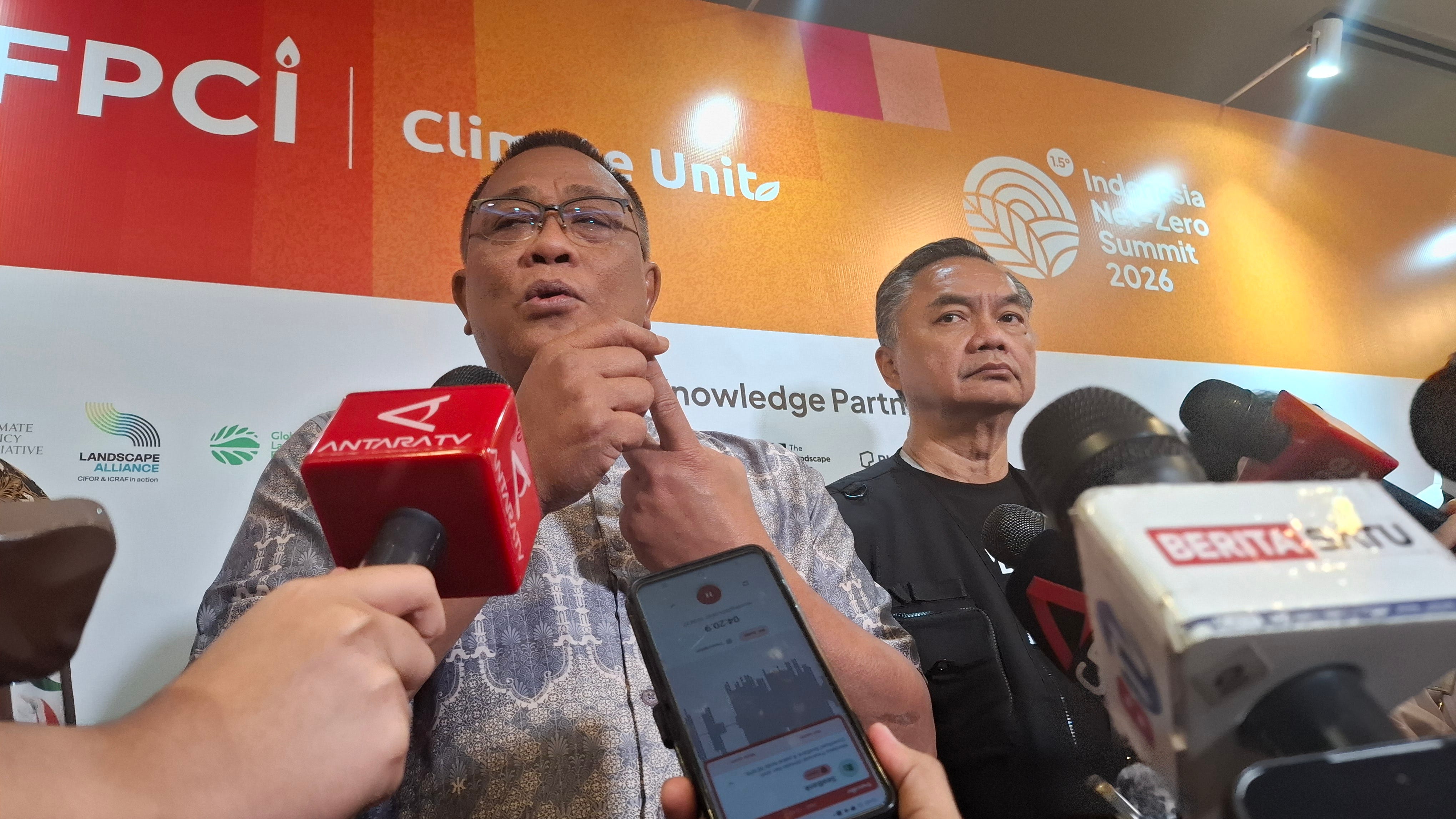
Minister Jumhur advocated for a fundamental shift in development paradigms: moving away from “growth first, clean up later” to growing through environmental restoration.
“Amidst an uncertain world, the climate agenda and the green transition have actually become part of our national strategy. The transition towards net-zero is not an additional burden, but rather our way of protecting the future. In Indonesia, we must add one more action beyond just mitigation and adaptation: the Prosperity Action.”
— Moh. Jumhur Hidayat
Strategic updates & policies revealed:
Prosperity via Carbon Markets: Revenue from carbon trading must directly empower local communities and small businesses (MSMEs/cooperatives) at the ground level rather than speculative carbon traders.
Mangrove Investment Model: A Rp200 million investment in mangrove restoration over 3 years yields 3,000–5,000 tons of carbon offsets—worth ~$100,000 on global markets while creating local green jobs.
Doorstop Policy Announcement (”Water Farming”): The Ministry of Environment is finalizing a mandatory water farming policy requiring any commercial entity extracting groundwater to recharge it back into the soil via biopores or massive tree planting.
El Niño Peatland Protection: Over 400 concession owners (covering ~80% of Indonesia’s plantation/forestry land) have been mandated to conduct canal blocking and re-wet peatlands, while taking responsibility for a 5-km buffer zone around their concessions.
🌐 Ana Toni — CEO of COP30 (Video Address)
Ana Toni outlined the progress made at COP30 and set the agenda moving toward COP31 in partnership with Turkey and Australia.
“Looking at which type of investment emerging countries like Brazil or Indonesia may need, which may be different from what small islands or least developed countries need... We are going a step deeper on the implementation of mobilisation of 1.3 trillion dollars to developing countries.”
— Ana Toni
Three Strategic Roadmaps:
Fossil Fuel Transition: Establishing clear implementation milestones following COP28 commitments.
Halting Deforestation: Scaling up forest protection, bioeconomy, and land restoration.
Mobilising $1.3 Trillion: Designing concrete financing streams tailored to the unique economic realities of developing nations.
🎭 Reza Rahadian — Actor & Cultural Figure
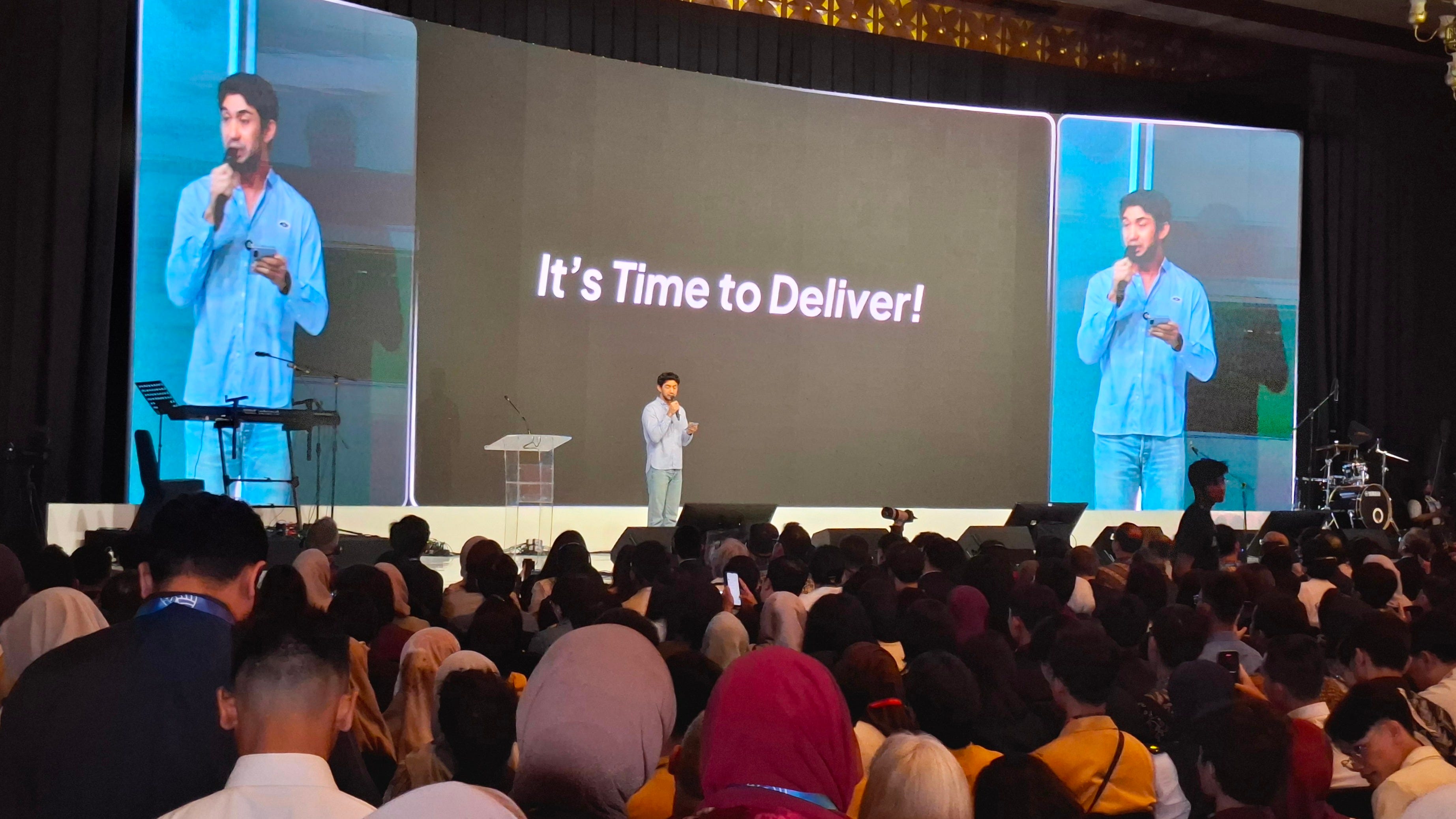
Reza Rahadian brought an urgent, humanised message on behalf of Indonesian civil society and younger generations, warning that climate change is already eating into household budgets and dining tables.
“When we talk about the climate crisis, we are no longer talking about a future threat. This crisis is already happening, right here, right now, and right before our eyes. This is not just a random disaster that suddenly appears without cause; it is the result of what we humans have done... The clock is ticking, and it’s time to deliver.”
— Reza Rahadian
Key takeaways from the cultural movement:
Economic Urgency: Global clean energy is now the most economical choice: 80% of solar and wind power is cheaper than fossil fuels, and battery prices dropped 75% over the last decade.
Call for Multi-Generational Action (Gotong Royong): Citizens must hold leaders accountable, reduce emissions directly, restore damaged ecosystems, and utilize public platforms to demand immediate policy delivery.
🤝 Panel Focus: ASEAN’s Energy and Climate Security
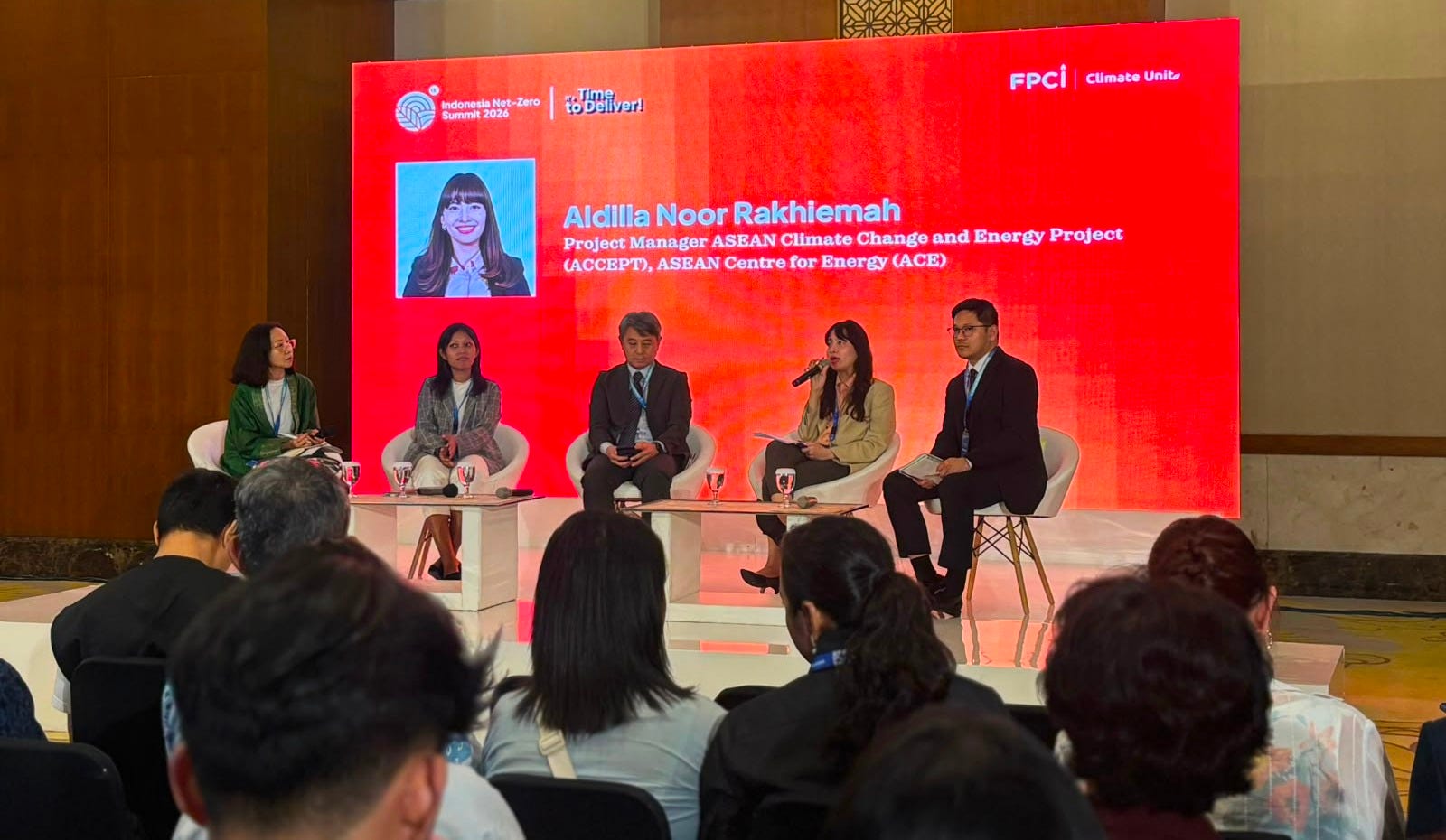
In a dedicated session moderated by Dayu Nirma Amurwanti (World Bank/FPCI), regional experts debated whether Southeast Asia is prepared to navigate the energy transition together or if fragmented national policies are holding the bloc back.
Dr. Dinita Setyawati — Senior Energy Analyst, Asia at Ember:
“ASEAN is a bit vulnerable to the energy crisis, and we need to transition immediately. Our resilience to climate change is not good, as ASEAN has only set up short-term energy policies. How we can afford renewable energy while ensuring security is the critical question we must manage to solve.”
Dr. Christopher Len — Policy Director, FESSIA & Senior Fellow, ISEAS:
“ASEAN should ensure an energy resilience architecture related to the power grid, energy storage, and system integration that is not yet regionally fully ready to deliver... Progress is slow, with major barriers in vision and implementation, and a lack of market signals to address these issues.”
Aldilla Noor Rakhiemah — Project Manager ACCEPT, ASEAN Centre for Energy (ACE):
“There are several barriers we face: the gap between energy prices in each member state, commitment issues, translating regional policies into national-level agendas, and communication among policymakers. For the next year, the idea must focus on harmonizing policies, enhancing MoUs, and coordinating regulations among stakeholders so we can reach agreed workplans.”
Rexor Amancio — Regional Lead Asia Pacific, Global Renewable Alliance (GRA):
“From an investment and money perspective, ASEAN and Indonesia have immense potential with their natural resources. We have to translate this for the private sector into a national-level industry and integrate power grids at the regional level, planning for grids that will be electrified by clean energy.”
🎵 Cultural Movement: “No Music on A Dead Planet”
The summit concluded with a special musical performance by artist Teddy Adhitya supporting the global campaign “No Music on A Dead Planet.” The initiative leverages arts and culture to rally youth engagement around environmental protection and climate justice.
🏁 The Bottom Line
INZS 2026 sent a clear signal to decision-makers in Jakarta and worldwide: The era of setting distant targets is over.
2030 is the Critical Horizon: Indonesia has less than five years to execute its 100 GW solar rollout, enforce peatland re-wetting, and operationalize robust carbon markets.
Economic Alignment: Green transitions must deliver tangible prosperity (prosperity pillar) to local communities to maintain public support and political viability.
Regional Integration: For ASEAN to survive the energy crisis, member states must move beyond fragmented, short-term national policies and build a unified, cross-border clean energy grid.
Civil Society Mandate: With 80% of Indonesian Gen Z deeply concerned about the environment, the government and private sector are under direct pressure to translate policy decrees into verifiable emission reductions.
(JUN/NGO/AKO/FRD/DEV/ELS)