



🎯 Main Takeaway
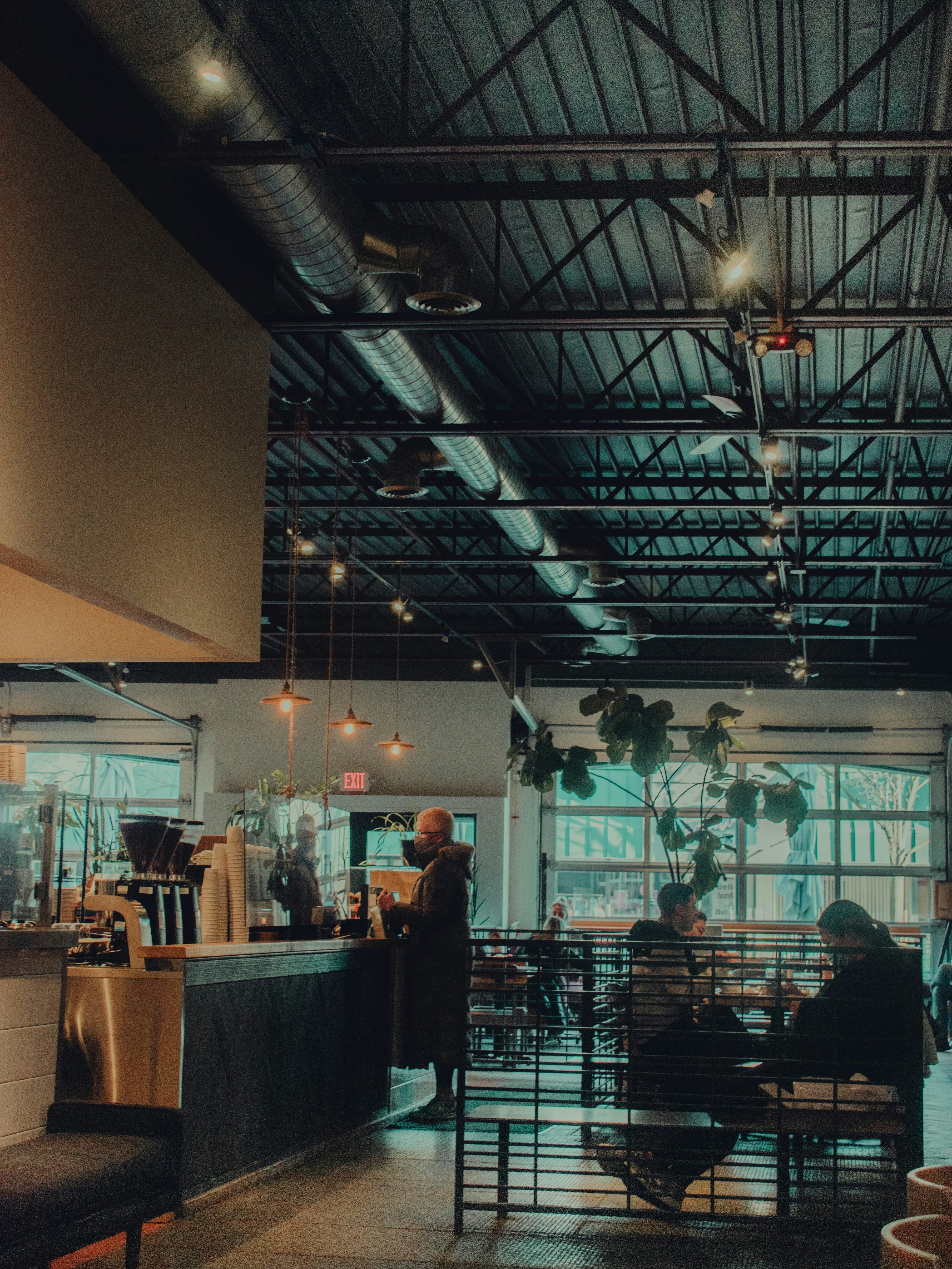
The current café trend in Southeast Asia is no longer limited to simply drinking coffee.
In major cities such as Jakarta, Bangkok, Ho Chi Minh City, Kuala Lumpur and Singapore, cafés have grown and evolved into workspaces, meeting places, tourist destinations, cultural landmarks and even symbols of the ever-expanding urban middle-class lifestyle.
Driven by a growing interest in speciality coffee, a digital lifestyle and exposure via social media, the Southeast Asian region is no longer merely a coffee producer. Instead, it is offering cultural experiences and flavours through café brands that are gaining recognition and achieving global acclaim.
Curious which Southeast Asian cities made the Michelin cut? Read our full guide here.
🔍 Why It’s on Our Radar
☕ Southeast Asia is building its own coffee culture
Indonesia and Vietnam are the world’s fourth and second-largest coffee producers, with Indonesia alone producing 12 million 60 kg bags in 2022/2023 (about 6% of global supply). But increasingly, high-quality beans are staying local—absorbed by specialty coffee networks, roasteries, and cafes across major cities. Coffee is no longer just an export commodity; it’s an experience, a community, and a lifestyle.
📈 The specialty coffee market is growing with the urban middle class
Urbanisation and rising purchasing power are driving demand for single-origin coffee and manual brewing methods. The global specialty coffee market is projected to grow from US$22.7 billion in 2026 to US$51.7 billion by 2033, signalling that premium coffee has significant room to grow. Cafes have become part of the region’s experience economy.
💯 Southeast Asian cafes are gaining global recognition
Singapore’s Apartment Coffee ranked #6 on the World’s 100 Best Coffee Shops 2026 list—the highest-ranked cafe in Asia. Indonesia’s Anomali Coffee also made the top 100 in the previous edition. Southeast Asia is no longer just following global coffee trends; it’s starting to shape them.
✈️ Cafes have become part of the travel experience
Cafe-hopping is now a tourist activity in its own right—from Bangkok’s Ari district to Bali’s coffee shops and Ho Chi Minh City’s egg coffee ritual. A city’s appeal is no longer defined solely by beaches, temples, or malls, but also by its social spaces: cafes, street food, night markets, and creative districts.
🌏 Regional Snapshot: How Southeast Asians Made Cafés Part of Daily Life
Although they all have a growing café culture trend, each country offers a different ambience and story. Across Southeast Asia, cafés are becoming everyday social infrastructure—places where people work, meet, create, and spend their leisure time. Despite these differences, one common thread connects them all: cafés are increasingly embedded in the daily lives of urban communities.
🇮🇩 Indonesia - A blend of local coffee and modern lifestyle
In Indonesia, many cafes highlight the regional identity of coffee beans, from Gayo, Toraja, to Kintamani, while also offering comfortable spaces for working and gathering. In cities like Jakarta, Bandung, and Surabaya, cafes have become informal workspaces for students, freelancers, and startup employees. With relatively affordable prices, adequate internet, and a wide selection of speciality coffee, the work-from-café culture is becoming increasingly common.
🇸🇬 Singapore - Productivity and quality in one space
Although not a coffee producer, Singapore has managed to build one of the most advanced speciality coffee ecosystems in Asia. Additionally, space limitations have driven cafes to evolve into multifunctional places. Many young professionals utilise cafes for informal meetings, flexible work, or building professional networks. Cafes have become part of the work ecosystem and the increasingly integrated urban lifestyle.
🇹🇭 Thailand - Cafes as Destinations and Creative Spaces
In Thailand, cafes often become primary destinations, not just places to stop by. Starting from cafes with industrial designs, minimalist buildings hidden in small alleys of Bangkok, to coffee houses in Chiang Mai surrounded by mountains. Many popular cafes in Thailand have become tourist destinations in their own right due to their photogenic designs and concepts.
🇻🇳 Vietnam - When coffee culture meets the rhythm of the city
Unlike many other countries, coffee culture in Vietnam has been deeply rooted for decades. Vietnamese coffee traditions, from cà phê sữa đá to egg coffee, have become a strong foundation for the development of modern cafes and speciality coffee. Moreover, more and more workers and students are using cafes as places to study, work, or simply spend hours at the cafe. Coffee has become a part of the daily rhythm of society.
☕ Café List: Some of Southeast Asia’s Most Notable Cafés
🇸🇬 Apartment Coffee - Singapore
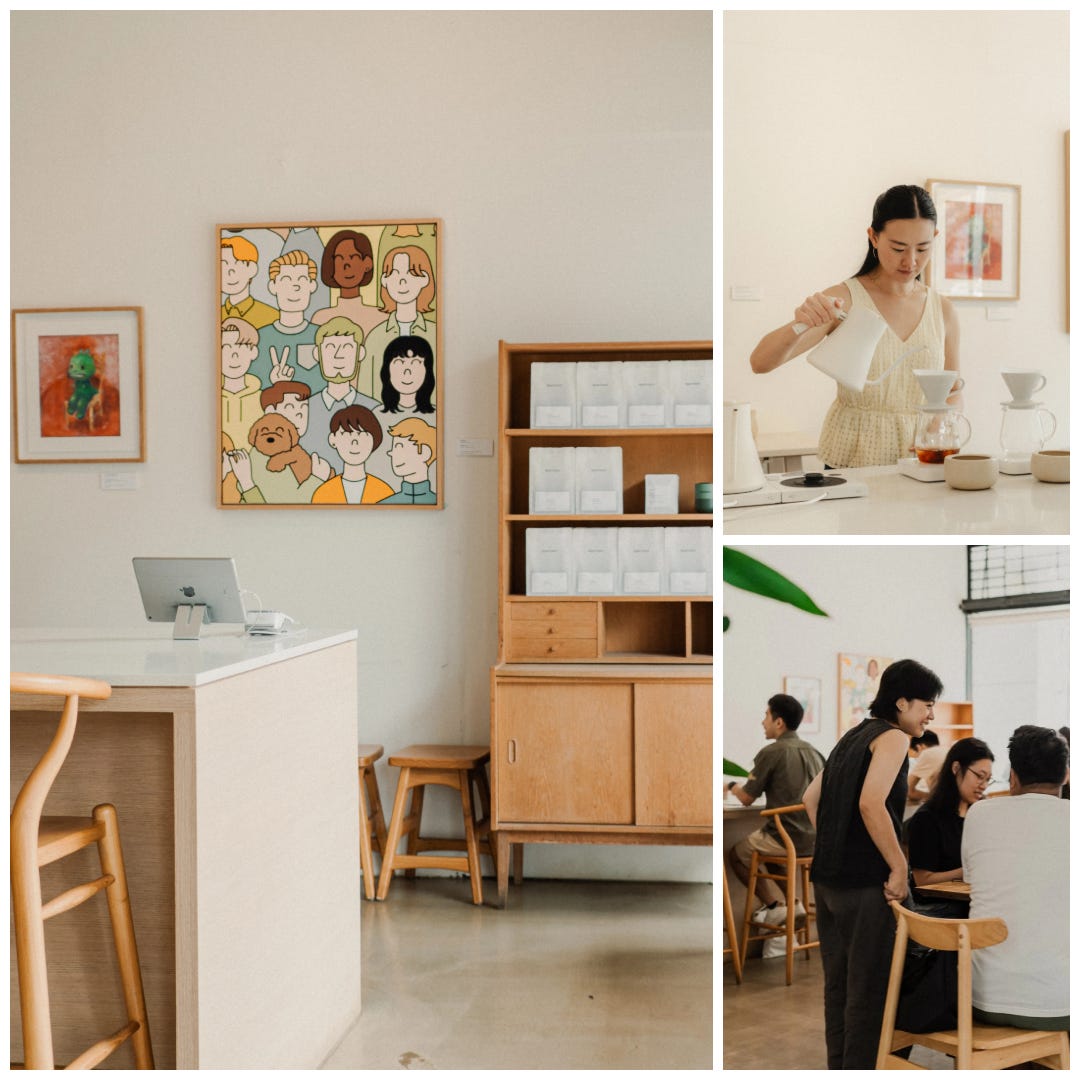
Apartment Coffee has become one of the influential names in speciality coffee in Asia. This café has even made it onto the list of the best cafés in Asia for two consecutive years and ranked #6 on the World’s 100 Best Coffee Shops list. Amid the trend of cafes increasingly relying on design and visuals, Apartment Coffee still prioritises product quality through brew quality, personal service, and an experience that makes customers feel as if they are enjoying coffee at a friend’s house.
🇲🇾 Story of Ono - Malaysia
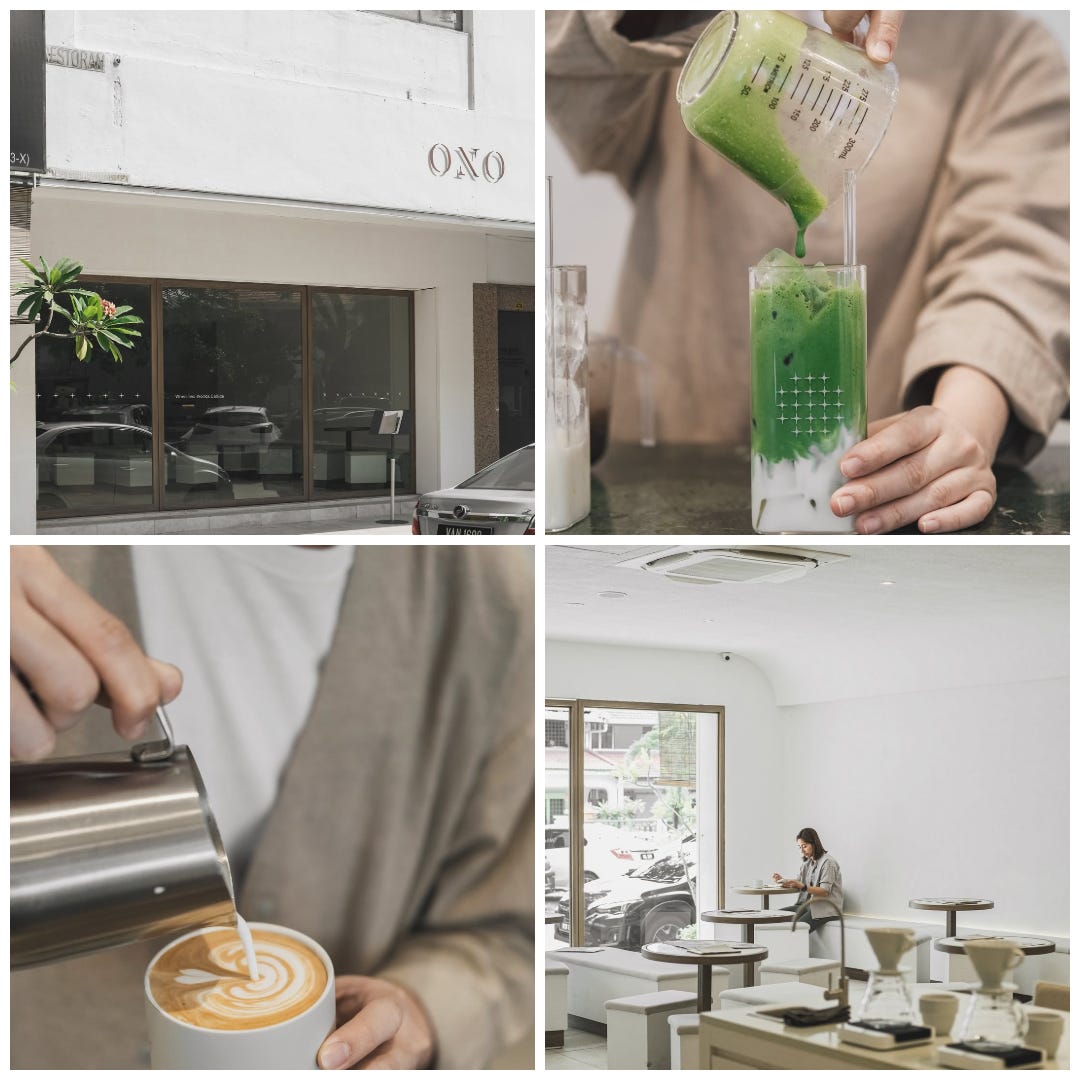
Story of Ono, based in Petaling Jaya, is among the Southeast Asian cafes with the highest position on the World’s 100 Best Coffee Shops list, following Apartment Coffee. This cafe has successfully attracted the attention and interest of the international speciality coffee community due to its combination of high-quality coffee, a strong matcha menu, and minimalist space design.
🇵🇭 Yardstick Coffee - Philippines
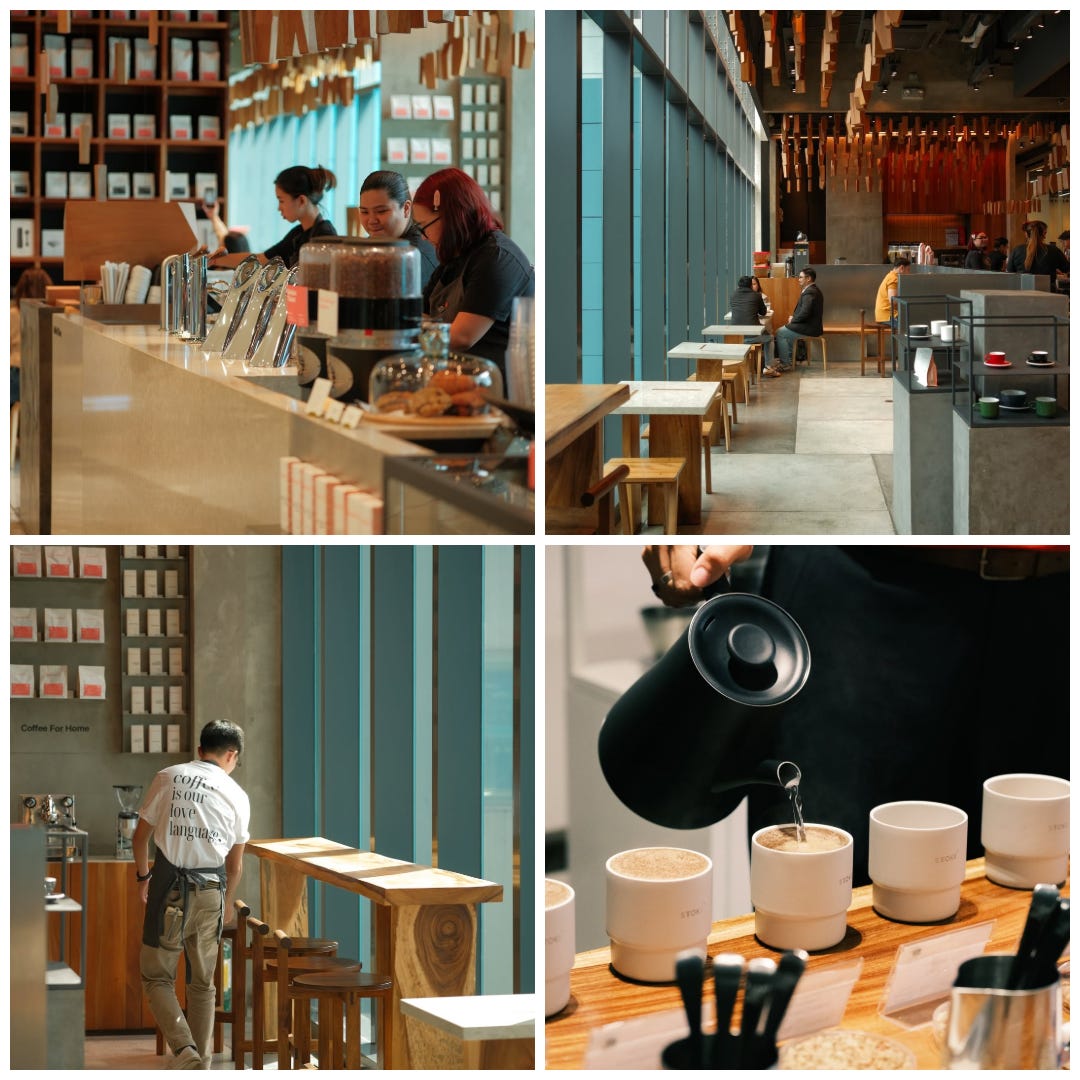
Yardstick Coffee is one of the influential names in the local speciality coffee industry. Starting as an independent roastery, Yardstick Coffee has managed to develop into one of the most well-known coffee destinations in Manila and has made it onto the list of Best Coffee Shops in Asia 2026. The main attraction lies in coffee education, relationships with farmers and coffee bean suppliers, as well as efforts to introduce speciality coffee culture to a wider audience.
🇹🇭 Fika & Co. Cafe - Thailand
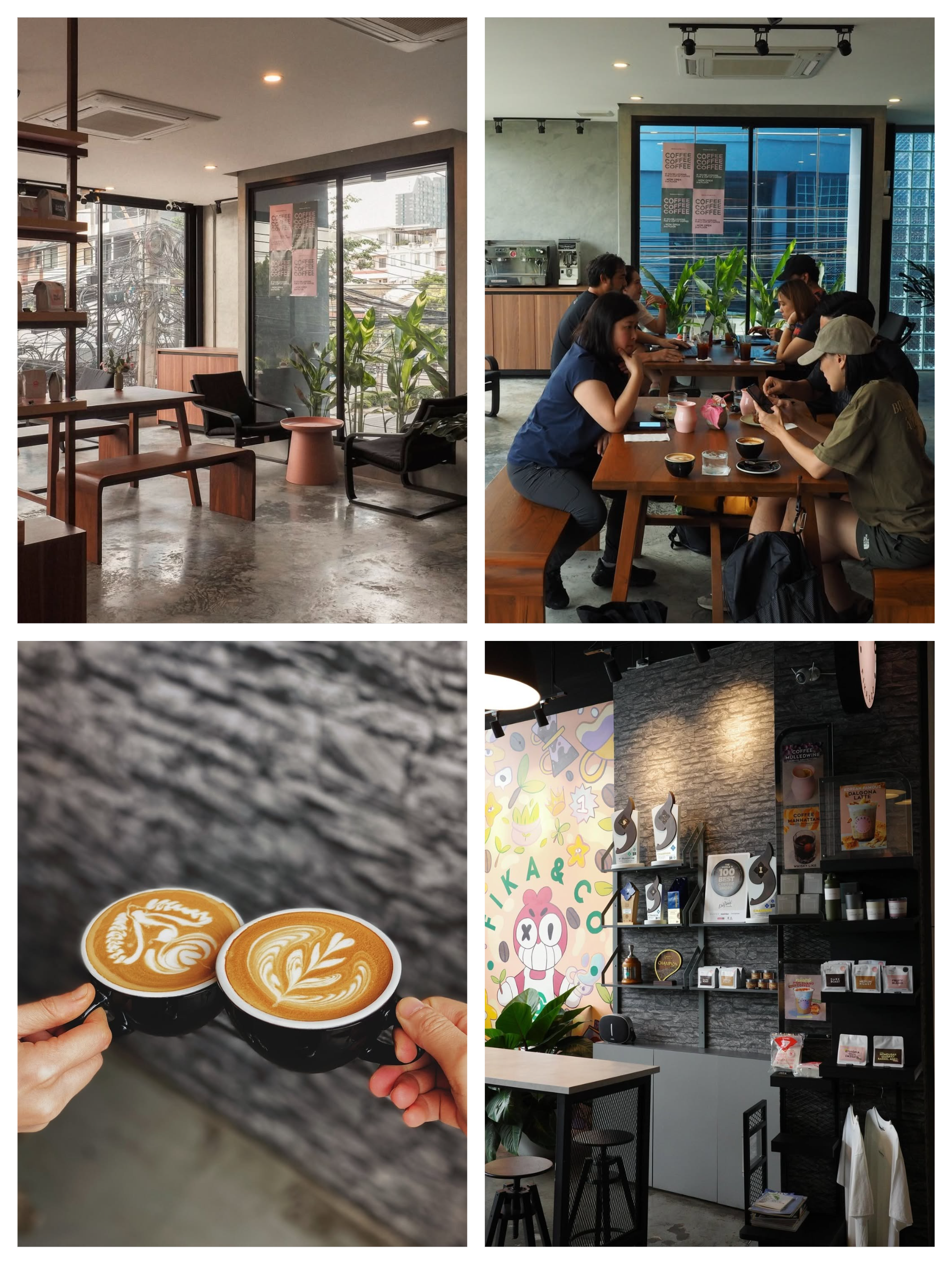
Thailand has long been known for its strong café culture, and Fika & Co. has become one of the latest examples to gain global attention. The inclusion of this café in the World’s 100 Best Coffee Shops list shows how Bangkok is increasingly being recognised as one of the centers of speciality coffee in Asia. This café is known for its balance between coffee quality, comfortable space design, and an atmosphere that supports the growing work-from-café culture in Bangkok.
🇮🇩 Anomali Coffee - Indonesia
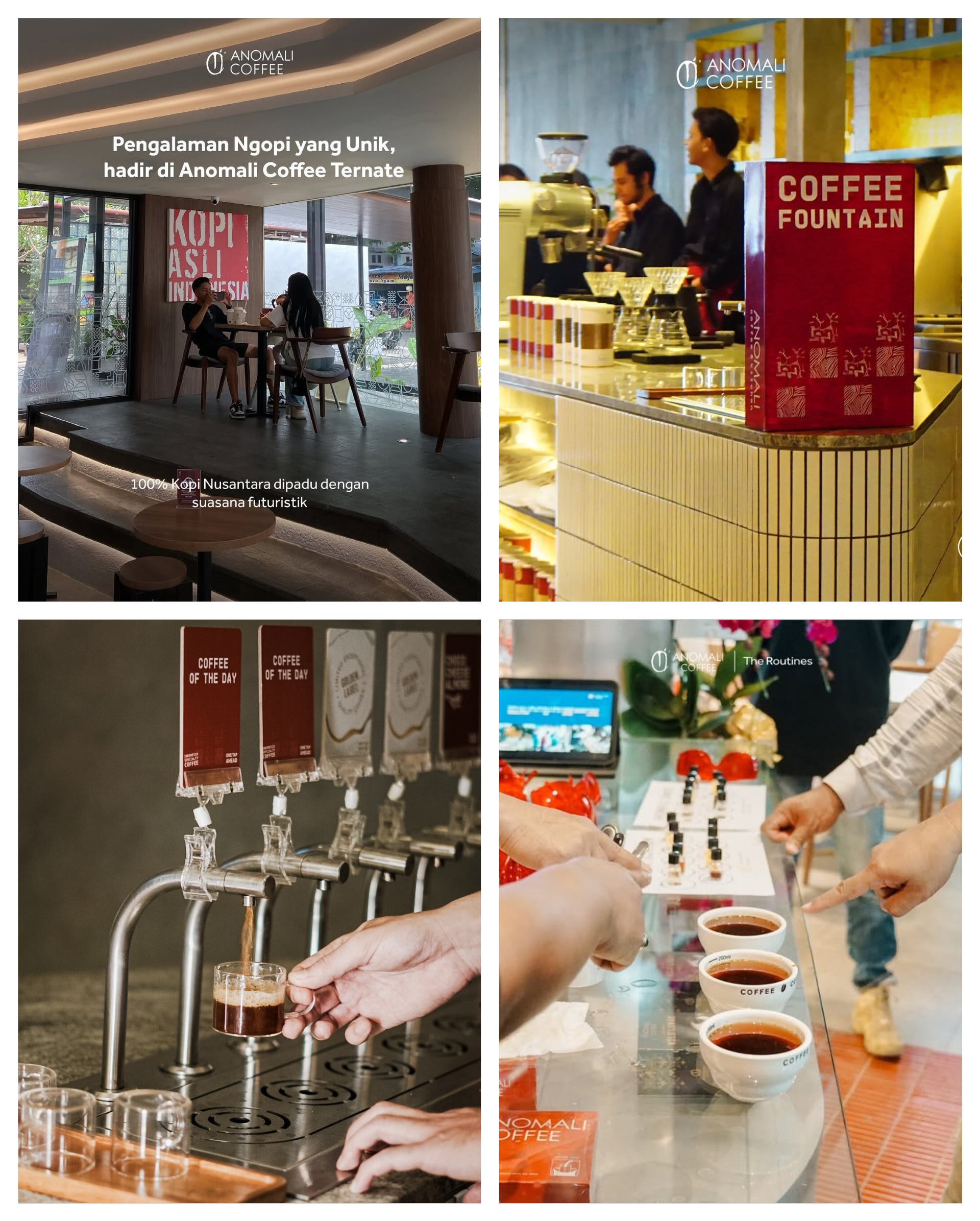
As one of the pioneers of speciality coffee in Indonesia, Anomali Coffee plays an important role in introducing Indonesian coffee to a wider market. This café is known for showcasing various origins of Indonesian coffee, from Gayo to Toraja. Anomali helps elevate the diversity of Indonesian coffee and is the only Indonesian representative to be included in the World’s 100 Best Coffee Shops list in 2025.
🇻🇳 Cong Caphe - Vietnam
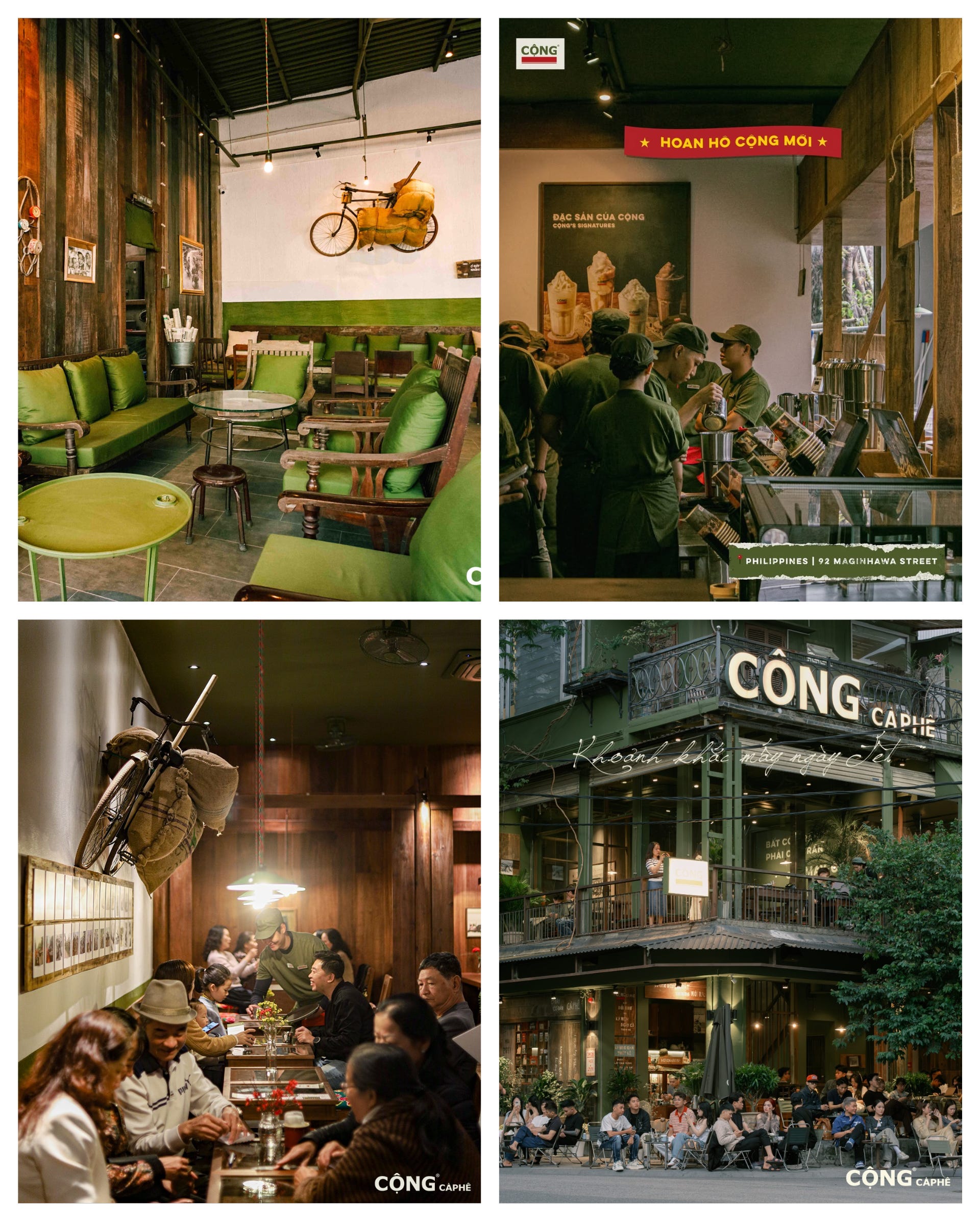
Not many coffee brands are as closely tied to their country’s cultural identity as Cong Caphe. With a design inspired by 1980s Vietnam and iconic menu items like coconut coffee, Cong Caphe has successfully transformed the coffee-drinking experience into a way for tourists to feel the nostalgic and local cultural side of Vietnam.
🌐 Bigger Picture
The massive café culture in Southeast Asia reflects a broader shift in the economy. As urban lifestyles continue to rise and cities become more digitally connected, consumers today are spending more money on experiences rather than just products. Coffee is one of the examples.
Before the café culture went viral, the economic value of coffee only came from the coffee beans that were harvested and exported. However, now the value of coffee has increased with branding, visual space design, hospitality, community, and the experience gained from a cup of coffee.
Southeast Asia is no longer just exporting coffee, but creating its own coffee culture.
📌 Bottom Line
The story of coffee in Southeast Asia is no longer just about what is grown on plantations. However, the story is now increasingly centred on what happens in cafes.
From Jakarta to Singapore, from Bangkok to Ho Chi Minh City, cafes have evolved into social spaces, workspaces, tourist destinations, and symbols of the region’s economic and cultural transformation.
🚀 Amid the growing speciality coffee market and changing urban lifestyles, café culture may become one of Southeast Asia’s most influential modern cultural exports in the coming decade.
🔗 Need More Angle?
Cong Capche Our Story
Food and Beverage Asia South East Asia’s cafe culture revolution: A blend of tradition, innovation, and technology
Fulcrum SG Café Culture and Sustainable Development in Southeast Asia
Grand View Research Specialty Coffee Market Size & Share | Industry Report, 2033
Intelligence Coffee Asia’s coffee boom: the new centre of gravity?
Perfect Daily Grind How specialty coffee is transforming Southeast Asian café culture
Perfect Daily Grind Indonesia’s specialty coffee market is thriving
Thaifex Horec Asia Southeast Asia’s Café Culture: Blending Tradition, Innovation, and Technology
Time Out 13 Asian cafés make it to the World’s 100 Best Coffee Shops list
Time Out Singapore’s Apartment Coffee is the number one coffee shop in Asia – for the second year in a row
Tuktuk Box Coffee Culture in Southeast Asia
(DHM/BRZ/ELS)