



🎯 Main Takeaway
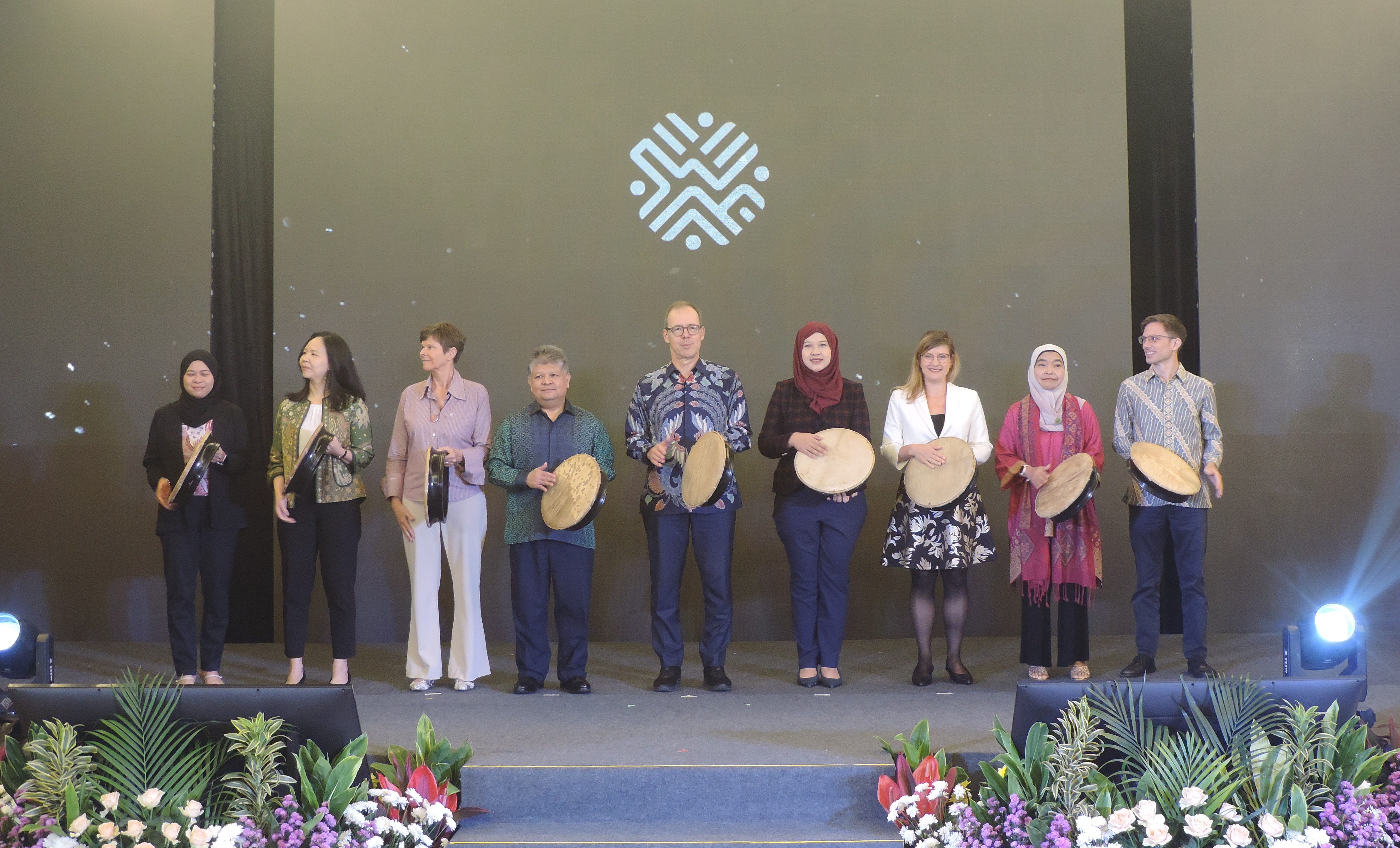
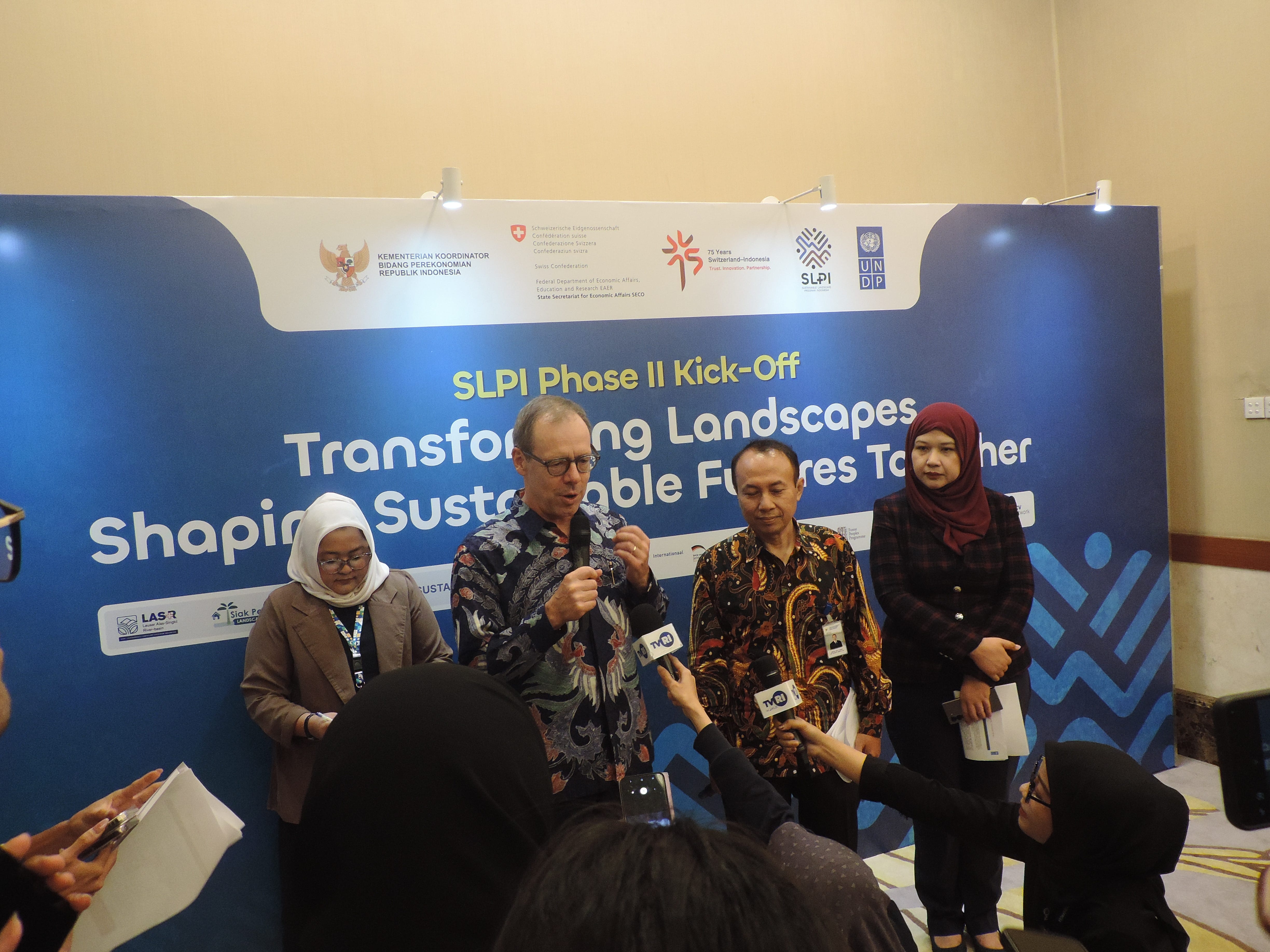
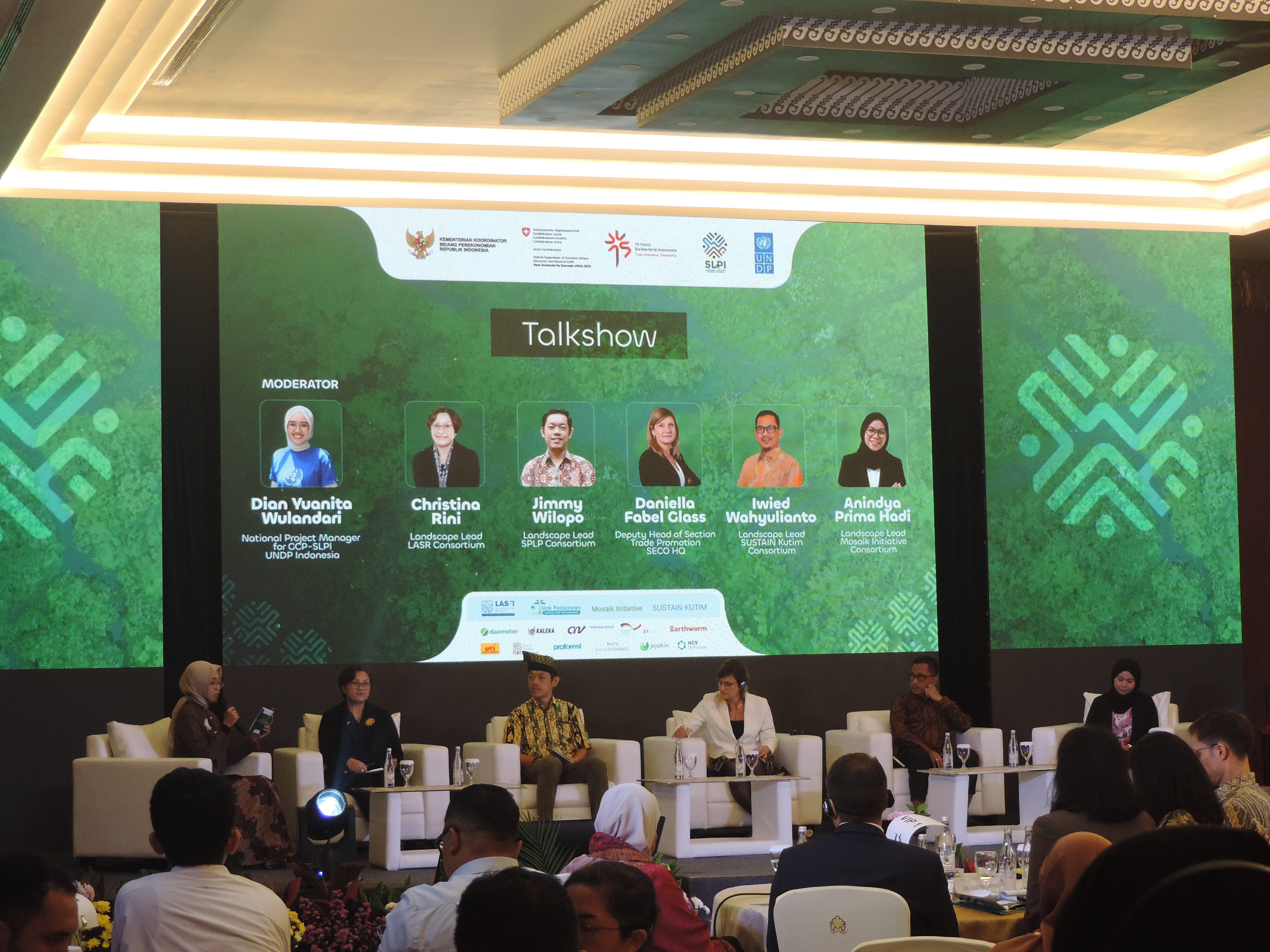
On 22 June 2026, Indonesia’s Coordinating Ministry for Economic Affairs, the Embassy of Switzerland, and the United Nations Development Programme (UNDP) officially launched the second phase of the Sustainable Landscape Programme Indonesia (SLPI). As Indonesia and Switzerland celebrate 75 years of diplomatic relations, the continuation of this programme marks a milestone for efforts in strengthening sustainable landscape governance, rural community livelihoods, and resilient commodity value chains in Indonesia.
The achievements made during SLPI Phase I paved the way for SLPI Phase II. The continuation of this programme sends a clear signal that Indonesia is committed to protecting the landscapes that sustain its communities, which also opens job markets for many Indonesians in the present and for future generations.
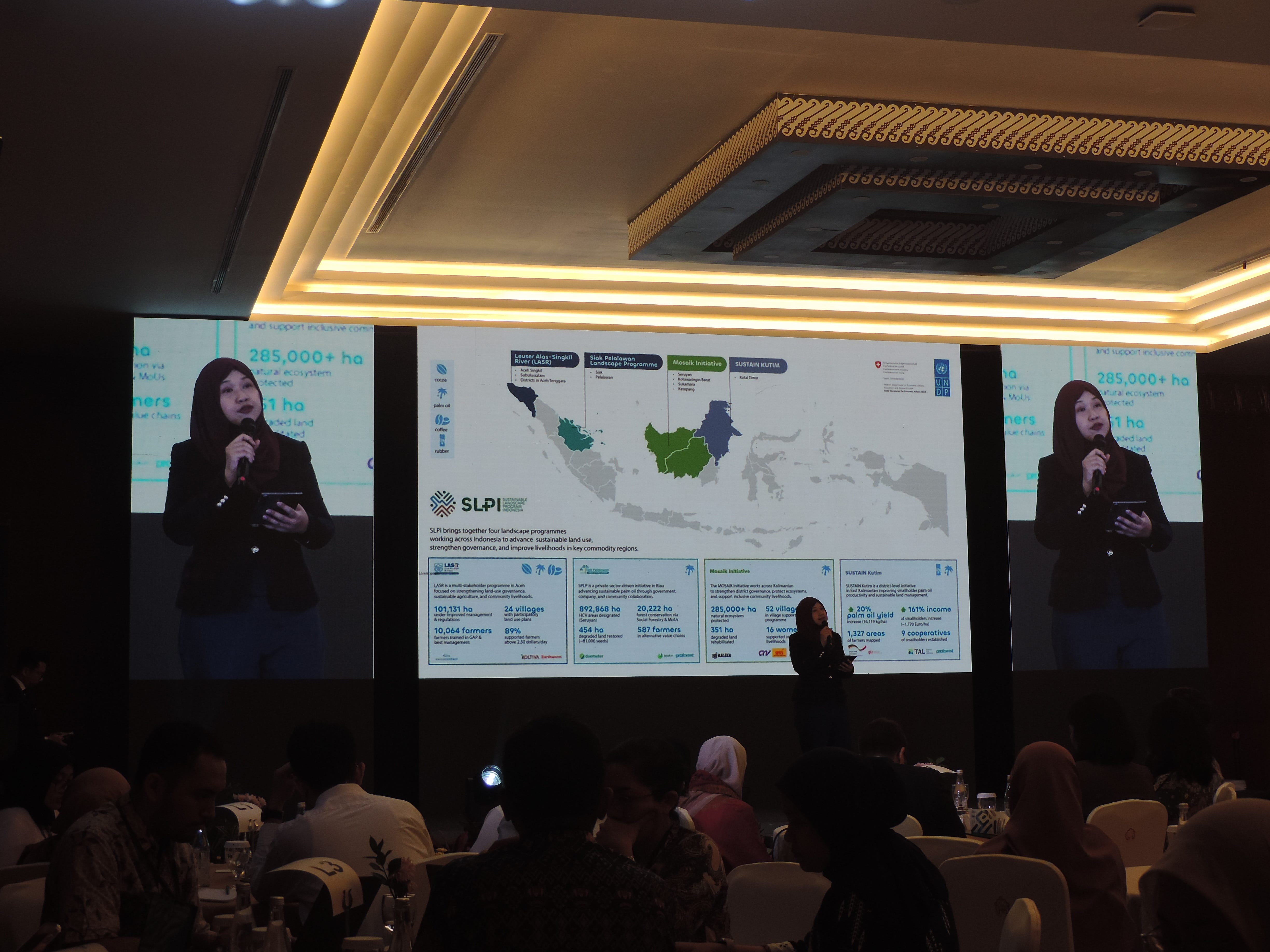
With a commitment of CHF 1.6 million in funding, SLPI Phase II is set to run from 2026 to 2029, aiming to support five regions in Indonesia: Aceh, Riau, Central Kalimantan, West Kalimantan, and East Kalimantan. The programme links local action with national development goals and strengthens collaboration between relevant stakeholders. Despite their widely different climates, Indonesia and Switzerland share a partnership through SLPI, showing that committed international cooperation can effectively protect crucial landscapes that millions of people rely upon for their livelihoods.
“As Switzerland and Indonesia celebrate 75 years of diplomatic relations, we see SLPI as a strong example of how our partnership delivers practical results. Through Phase I, we demonstrated that sustainable landscape management can protect forests, improve livelihoods, and strengthen market opportunities. Through Phase II, we aim to sustain and scale these gains and embed them in the systems that will carry them forward.”
— H.E. Olivier Zehnder, Ambassador of Switzerland to Indonesia
Curious how ASEAN is advancing the SDGs? Read our coverage of the Global Sustainable Development Congress 2026.
🌴 What is SLPI?
The Sustainable Landscape Programme Indonesia (SLPI) is a partnership between the Government of Indonesia, the Swiss State Secretariat for Economic Affairs (SECO) , and UNDP Indonesia, working together to support sustainable landscape management through multi-stakeholder collaboration across selected landscapes.
The first phase of SLPI was implemented from 2023 to 2025 and achieved significant progress in improving Indonesia’s sustainable landscape practices, including:
1.79 million hectares of forest conserved
CHF 8.94 million in private co-investment
Over 42 companies adopting sustainable practices
Many workers reporting improved working conditions
The launch of Phase II signals that Phase I’s achievements were effective enough for the parties involved to move forward.
The transition to Phase II is important for Indonesia’s efforts to increase the sustainability of its landscapes, marked by changes in how SLPI approaches its supporting role. While Phase I proved that sustainable landscape management is effective and improves community wellbeing, Phase II aims to scale up and integrate these practices into the system.
“Phase II is our opportunity to showcase what sustainable landscape management looks like at the grassroots level, and to turn these lessons into institutional practice—formalising multi-stakeholder platforms within government and embedding them into our financing and planning systems so sustainable landscape management becomes the norm.”
— Dida Gardera, Senior Advisor to the Coordinating Minister for Connectivity and Service Sector, Coordinating Ministry of Economic Affairs
⚠️ Why It’s Important
For commodity-producing nations such as Indonesia, addressing the diverse issues of land management is not a single-stakeholder issue. The challenge is not solely about rising global demand for commodities and reducing carbon emissions; it is also about safeguarding vital forests and respecting the culture and traditions of local communities. Often, this becomes a conflict between the government and local communities, as different interests and visions clash over the best solutions.
The big question is whether the three aspects of sustainability—economic, social, and ecological—can ever align.
Small and large stakeholders face their own dilemmas. Indigenous communities must choose between protecting their forests or pursuing economic benefits. Companies committed to ethical, sustainable sourcing may find that there are not enough certified products to continue production. At a larger scale, for the “green economy and development,” there are few platforms or mechanisms that coordinate institutional capacity, community connection, and company partnerships.
SLPI positions itself as the bridge to build a comprehensive system that integrates the economy, community, and ecology for all stakeholders.
“Sustainable development can only succeed when communities are part of the solution. Through SLPI, UNDP supports multi-stakeholder platforms that bring farmers, government institutions, and private sector actors together to share knowledge, align efforts, and work towards common goals that benefit both people and nature.”
— Aretha Aprilia, Head of Nature and Low Carbon Development, UNDP Indonesia
🌱 Transforming Landscape Governance
Sustainable landscape management should start with changing how landscapes are governed and managed. This new approach should embed an inclusive mindset that recognises the diverse stakeholders who shape and depend on the landscape.
The Siak Pelalawan Landscape Programme exemplifies this transformation by having communities’ land-use rules officially embedded in regulations. As a result, 52 villages across two districts passed regulations protecting forests, peatlands, and mangroves. What were once informal agreements within community memory now exist as written law.
The Mosaik Initiative ensures that no voice is left behind. It creates opportunities for traditionally underrepresented groups by connecting smallholders to certified markets. For a long time, farmer associations have been barred by limited financial resources and technical knowledge from gaining the certification needed to secure international production standards.
💪 Strengthening Systems
Within a nation, long-term sustainability depends on strong institutions and effective governance. It is important to have capable coordination, knowledge, and understanding for managing multi-stakeholder arrangements. SLPI has invested in building local capacities, fostering collaboration, and encouraging knowledge exchange.
The SUSTAIN Kutim Initiative recognised the need for capable staff and partnered with UNDP to equip district government staff with essential facilitation and coordination skills. Staff learned to coordinate, prepare materials, facilitate sessions, and document activities without depending on external support. Thus, the skills remained within government institutions, enabling them to be applied to other challenges.
Leuser Alas-Singkil River Basin (LASR) : Strengthening facilitation capacities can transform stakeholder engagement and collaboration. A notable example took place during a UNDP-supported workshop in Subulussalam in December 2024, where facilitators used “The Circle” technique to reduce hierarchy, encourage equal participation, and foster open dialogue, ultimately strengthening coordination and collaboration among stakeholders.
🌳 Sustaining impact
The long-term success of sustainable landscape initiatives depends on their ability to create lasting change beyond project timelines. Many initiatives deliver results while a project is running but struggle to maintain them once external support ends. SLPI shows that sustainable practices can become embedded within local systems and continue generating benefits long after external support ends.
In Aceh, community leaders and district governments worked together to secure legal recognition for customary forests. In Siak and Pelalawan, farmers, companies, and technology providers developed digital traceability systems to strengthen sustainable supply chains. Similar collective efforts in Seruyan and Kutai Timur enabled farmers to access certification, legal recognition, and financial resources.
Sustainable landscapes are built not only through short-term interventions but through locally driven collaboration that continues to deliver social, economic, and environmental benefits for years to come.
⏳ What was learned from SLPI I
Sustainable landscape management is not simply about bringing together skilled individuals and organisations. SLPI Phase I demonstrated that even when stakeholders share the same commitment, coordination remains a major challenge. Different actors often work with their own priorities, approaches, and timelines, making it difficult to align partners toward a common goal. Furthermore, what is planned at the policy level does not always translate smoothly into implementation on the ground, as local realities frequently create gaps between regulations and practice.
Another important lesson was that sustainable landscapes cannot be achieved by a single actor alone. Local communities, companies, and governments often hold different interests that must be continuously negotiated and aligned. At the same time, challenges related to infrastructure, facilitation, and capacity building can limit implementation efforts. Land-use conflicts further illustrate the complexity of landscape governance, showing that lasting solutions can only emerge through collaboration, continuous dialogue, and shared responsibility.
⭐ Beyond the Headlines
Sustainability is not just about surviving; nowadays, it has become a requirement to enter the global market. The world is changing. Technological advancement and social awareness are at their highest points. People realise that what they buy and use might not only impact themselves but also the future of humanity.
Partnerships and transactions may be cancelled as companies, governments, and consumers diligently work to track and verify the legal and sustainable origins of every commodity that passes through their doors. Beyond the headlines and market demands lies a much bigger challenge: ensuring that sustainability is not achieved at the expense of local communities, economic development, or environmental protection. The question is no longer whether sustainability matters, but how different stakeholders can work together to make it a reality.
🏠 The Regional Stakes
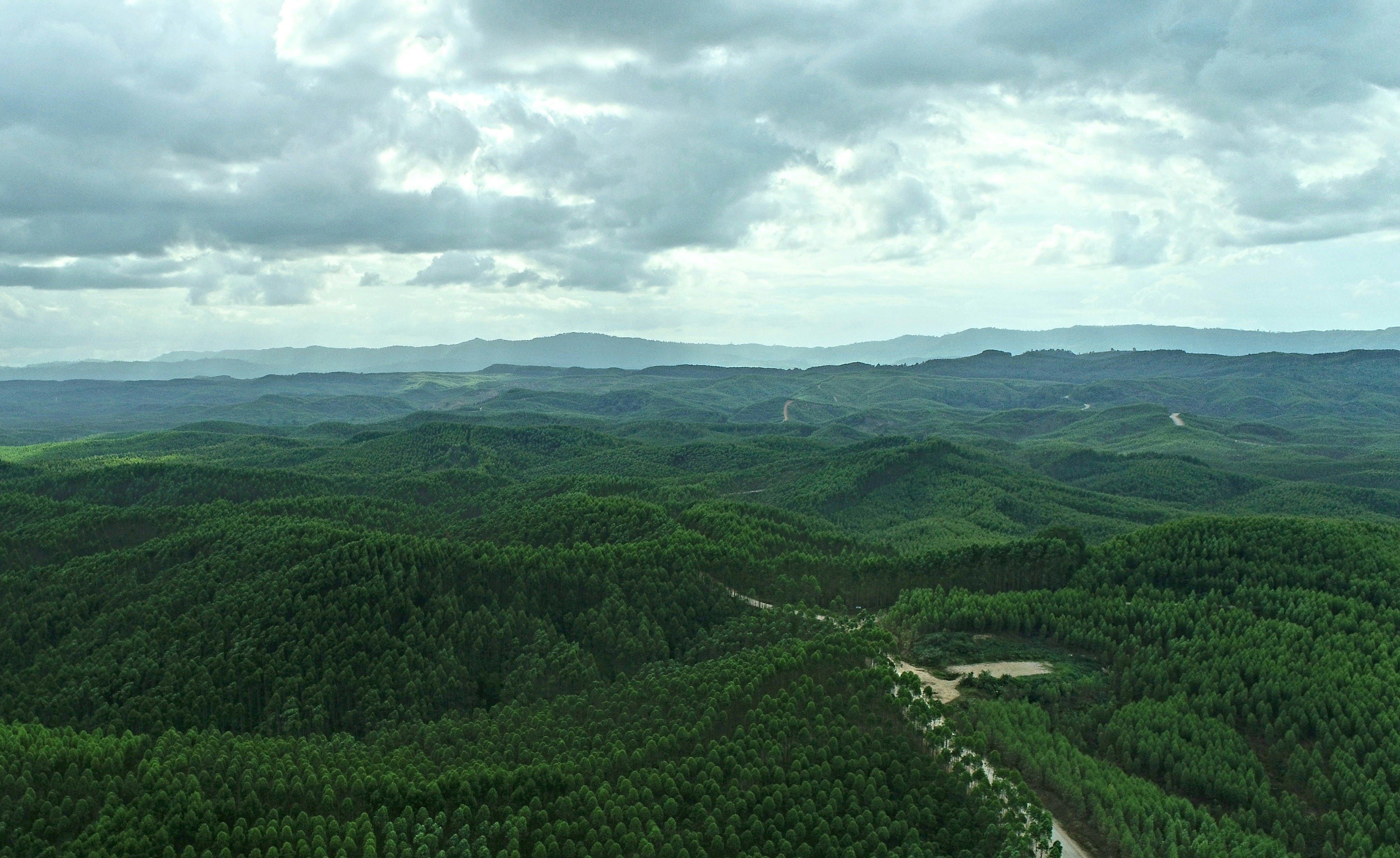
Southeast Asia is home to some of the world’s most important tropical forests and commodity-producing landscapes. The region supplies a significant share of global commodities such as palm oil, rubber, timber, and coffee, making it a crucial player in both the global economy and climate agenda. However, rapid economic growth, expanding agricultural production, and increasing global demand continue to place enormous pressure on forests, biodiversity, and local communities across the region.
Despite differences in geography, political systems, and levels of development, countries across Southeast Asia face remarkably similar challenges. As sustainability standards become increasingly important in international markets, the ability of Southeast Asian countries to balance economic growth with environmental protection and social inclusion will shape the future of the region nationally and internationally.
🏁 The Bottom Line
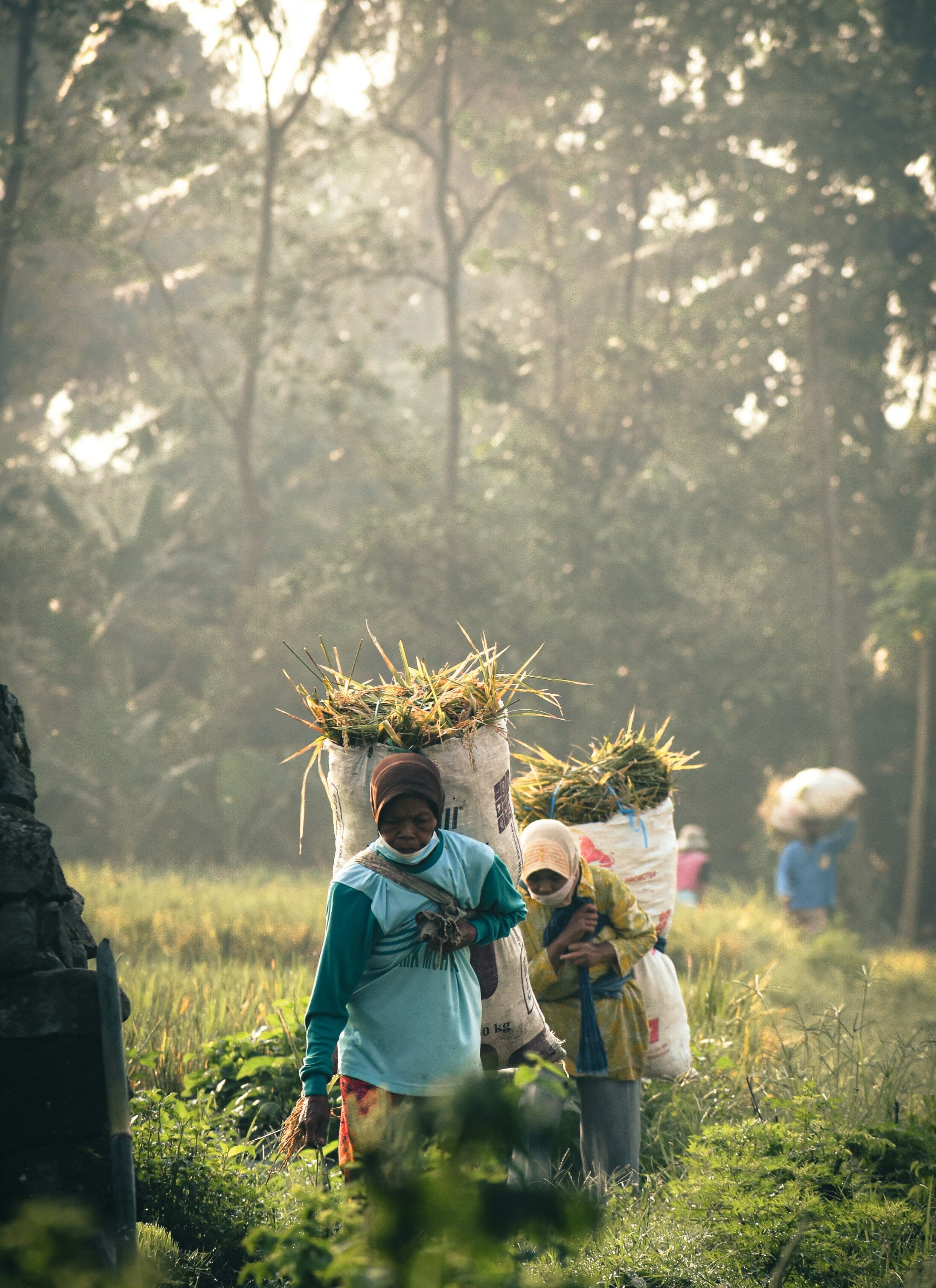
The continuation of SLPI, facilitated by the Indonesian government, the Embassy of Switzerland, and UNDP, sends a clear signal that transitioning towards sustainable landscape management has become a priority for Indonesia as markets shift towards viewing sustainable practices not just favourably but as mandatory.
SLPI Phase II has come at a crucial moment, when Indonesia is seeking to strengthen areas such as food security, climate change resilience, sustainable commodity production, economic opportunities for rural communities, and the preservation of natural resources that are fundamental to Indonesia’s long-term prosperity.
(FRD/DEV/ELS)