



🎯 The Main Takeaway
Solving global challenges takes more than good ideas—it requires collaboration.
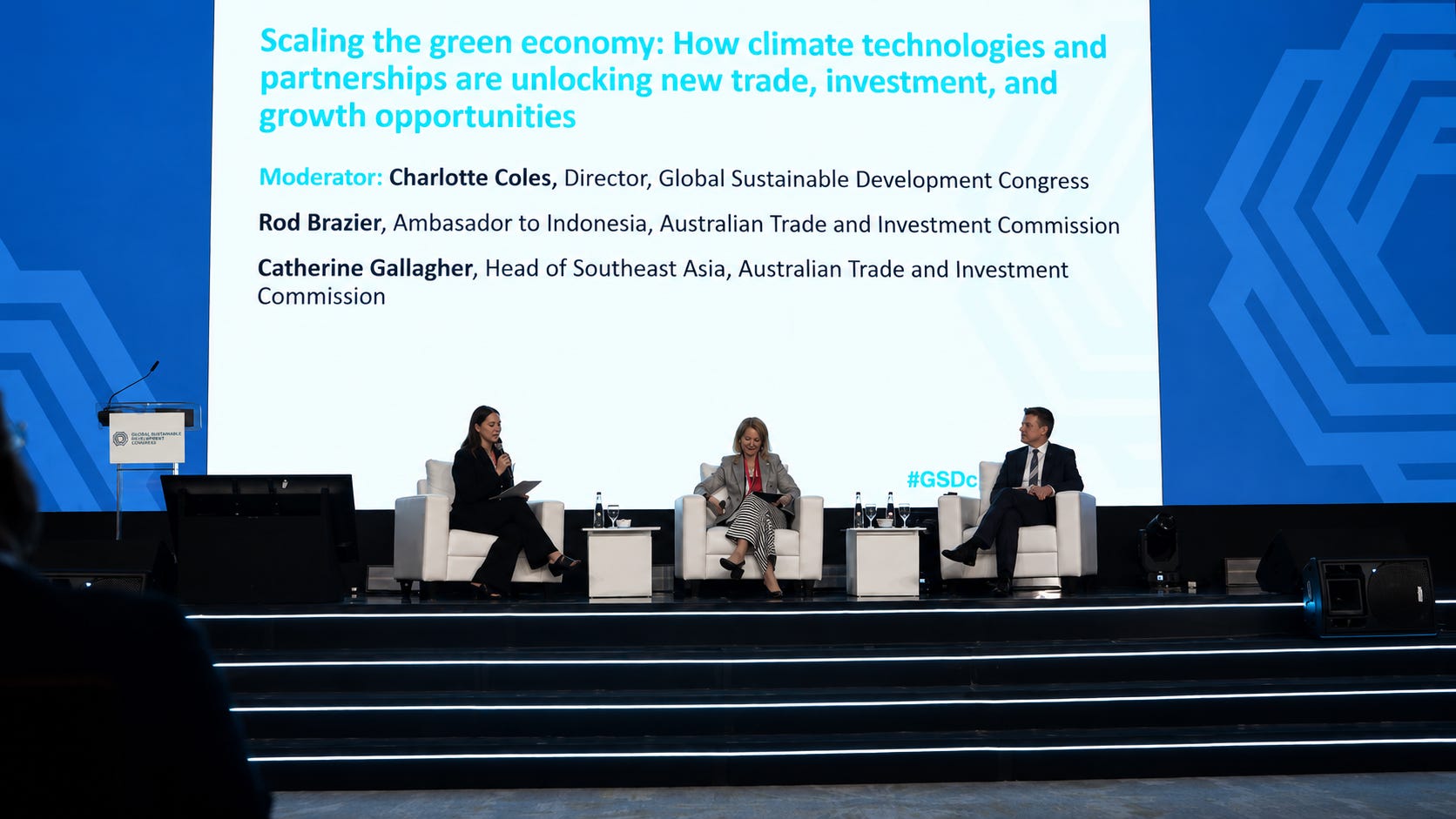
That was the message behind the Global Sustainable Development Congress (GSDC) 2026, which brought together more than 5,000 participants from over 100 countries in Tangerang, Banten, from June 22 to 25.
Hosted by Times Higher Education (THE) in partnership with SEAMEO, Indonesia’s Ministry of National Development Planning (Bappenas), and Sinar Mas Land, the congress featured 500 speakers and 200 exhibitors, bringing together government officials, policymakers, university leaders, researchers, business leaders, and civil society.
Under the theme “Collective Action for a Sustainable Future,” participants exchanged ideas, forged new partnerships, and identified practical actions to tackle climate change, accelerate the clean energy transition, reduce social inequality, and build more sustainable cities.
📡 Why It’s On Our Radar?
In September 2015, the United Nations (UN) adopted the 2030 Agenda for Sustainable Development, which officially came into effect on January 1, 2016.
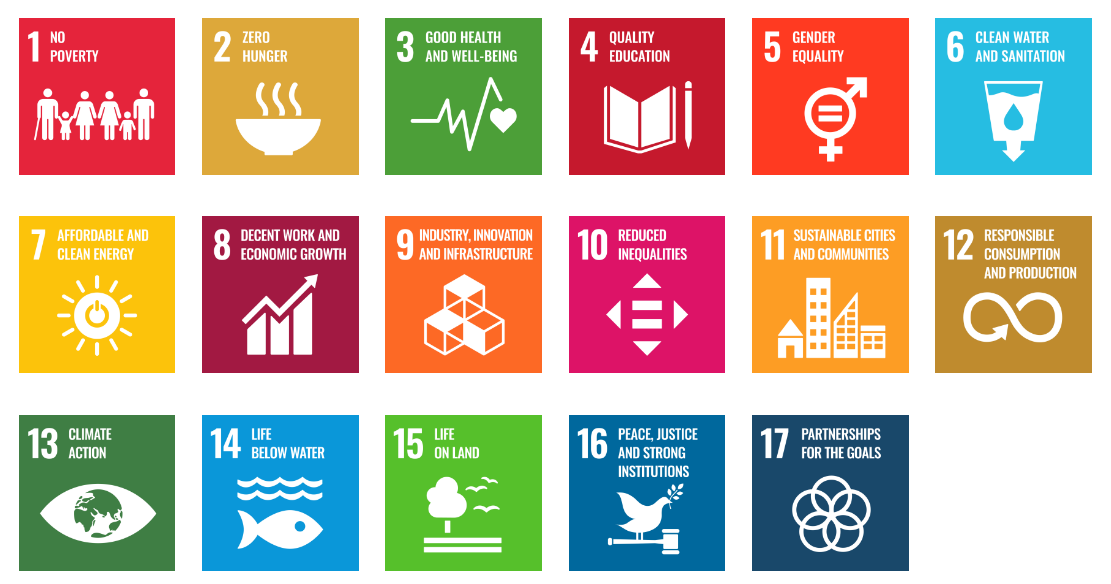
The agenda outlines 17 Sustainable Development Goals (SDGs)—a shared global blueprint to protect the planet and improve people’s lives by 2030. It calls on both developed and developing countries to work together through stronger international partnerships.
The goals are supported by 169 targets that focus on ending poverty, improving healthcare and education, reducing inequality, expanding access to affordable and clean energy, combating climate change, protecting forests and oceans, and promoting sustainable economic growth.
⚠️ However…
Achieving the SDGs targets faces several key challenges, including:
Ongoing conflicts: The global economy remains uncertain amid ongoing geopolitical tensions and regional conflicts.
Funding shortage: The SDGs need over USD 5 trillion in annual funding. placing a heavy burden on government budgets.
Growing inequality: Global wealth remains highly concentrated. The richest 10% own nearly 75% of global wealth, while the top 1% alone controls at least 37%.
Rising temperatures: The global average near-surface temperature reached 1.43°C in 2025, ranking among the warmest years in 176 years of recorded observations.
Transition costs: The global energy transition cost reached USD 2.3 trillion in 2025, and will need an average of USD 2.9 trillion annually from 2026 to 2030.
Limited coordination: Governments, universities, companies, and NGOs often work toward similar goals with limited coordination.
📉 As the Result…
These challenges are affecting the world in several ways, including:
Global uncertainty: Ongoing regional conflicts disrupt global supply chains and investment, slowing economic growth, while forcing millions of people to flee their homes and increasing the risk of poverty.
Middle-income trap: Around 89% of the world’s adults remain in the middle- and lower-income groups, together holding only 25% of global wealth, limiting economic mobility and widening inequality.
Partnership push: Funding shortages are pushing governments to work more closely with businesses, investors, and international partners to achieve the SDGs and finance the clean energy transition.
Agriculture & health risks: Rising temperatures and extreme drought threaten food production and increase the spread of climate-related diseases such as dengue.
Fragmented efforts: Fragmentation can slow implementation and reduce impact.
💡 To Solve the Problem…
The congress launched the Sustainability Impact Network, a global coalition of more than 1,600 universities from 116 countries, alongside policymakers, business leaders, and NGOs working toward the UN SDGs.
By linking university research with policymaking, business innovation, and community action, the initiative aims to turn ideas into long-term, measurable solutions, strengthen global collaboration, mobilize funding, and accelerate progress toward the 2030 Agenda for Sustainable Development.
The forum also launched the Sustainability Impact Ratings 2026, a global ranking that measures how universities contribute to the UN SDGs through their research, teaching, community engagement, and institutional stewardship.
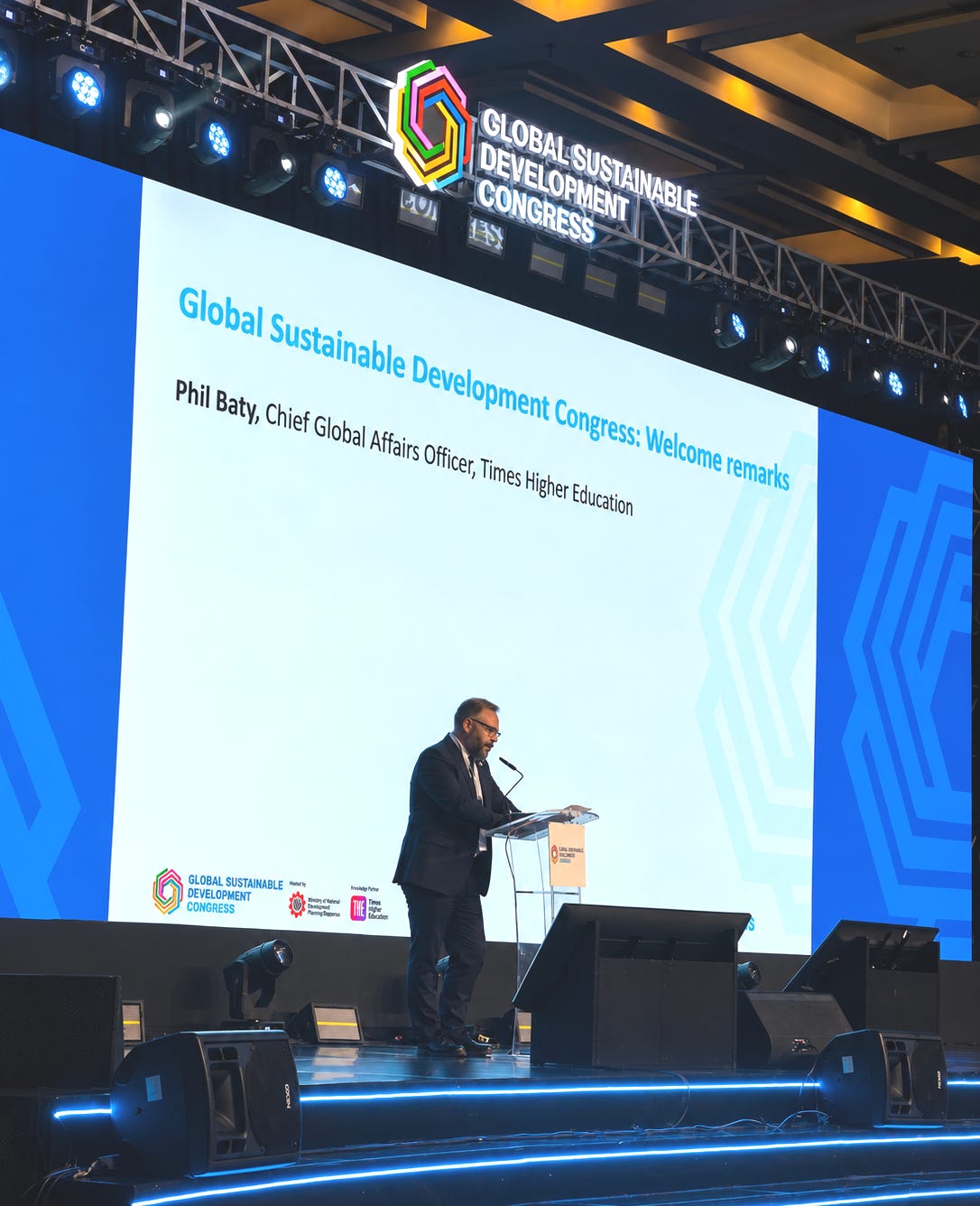
“True sustainability cannot be achieved in isolation by any single sector, and it cannot be dictated solely from the Global North. By bringing this congress to Southeast Asia, a region at the absolute frontline of both climate vulnerability and sustainable innovation, we are bridging the gap between strategic intent and real-world implementation.” - Phil Baty, Chief Global Affairs Officer at Times Higher Education.
🧘 In Addition...
The four-day congress also featured the One Health and Well-being Zone, highlighting the importance of human health, resilience, and well-being in achieving the Sustainable Development Goals (SDGs).
Hosted by Hong Kong Baptist University (HKBU), the interactive space offered traditional Chinese massage, Tai Chi, Baduanjin, mindfulness, Karate, and the daily “Walk to Live Well” campaign led by senior university representatives.
The zone gave participants the opportunity to engage in practical wellness activities while exploring how research and innovation can improve public health and support sustainable development.
“True global sustainability is highly dependent on the health, wellness, and structural resilience of the individuals driving change on the ground. By embedding transdisciplinary health research and practical wellness strategies directly into the summit ecosystem, we aim to equip global leaders with the physical and mental stamina required to translate data-driven insights into sustained, real-world impact.” - Alexander Ping-Kong Wai, President and Vice-Chancellor of Hong Kong Baptist University.
📈 Even More…
The Asia-Pacific Sustainable Business Summit was also launched during the congress, bringing together more than 1,000 senior leaders from 650 companies and brands. The summit focused on developing long-term practical solutions and sustainable business models to support low-carbon, inclusive, and resilient economies across the Asia-Pacific.
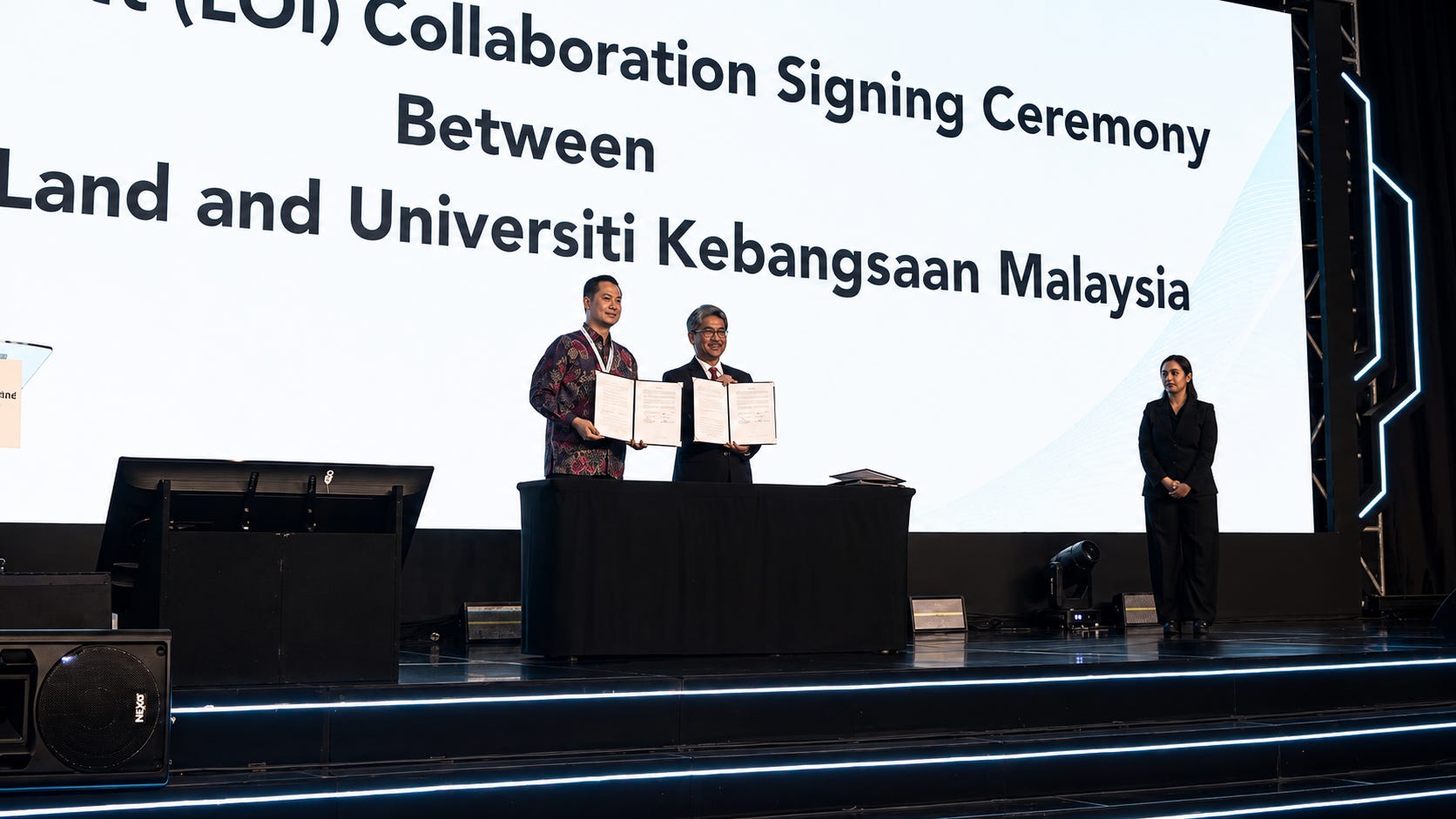
The event also saw the signing of several memorandums of understanding (MoUs) and partnerships on green city development and sustainable urban planning. The agreements involved C40 Cities, the Jakarta provincial government, and international partners, strengthening collaboration to build more sustainable and climate-resilient cities.
🏡 Why This Hits Home?
ASEAN leaders adopted the ASEAN Community Vision 2025 in November 2015 and renewed it with the ASEAN Community Vision 2045 in May 2025. The long-term roadmap aligns with the UN 2030 Agenda for Sustainable Development and strengthens the region’s commitment to the Sustainable Development Goals (SDGs).
The vision is built on five pillars: Political-Security, Economic, Socio-Cultural, Connectivity, and Institutional Strengthening. Together, they aim to improve living standards, promote peace and sustainable development, deepen regional integration, and strengthen ASEAN’s centrality, connectivity, and resilience.
Indonesia has also aligned its development agenda with the UN Sustainable Development Goals (SDGs) through the National Medium-Term Development Plan (2025–2029) and the National Long-Term Development Plan (2025–2045).
The roadmap aims to raise income per capita, boost competitiveness, reduce poverty, inequality, and greenhouse gas emissions, while improving people’s wellbeing, expand access to education, jobs, and technology, fostering innovation, strengthening Indonesia’s global role, and achieving net-zero emissions by 2060.
🌍 The Regional Stake
Government officials, policymakers, business leaders, academics, and civil society across Southeast Asia are encouraged to contribute by sharing ideas, research, data, insights, and practical solutions. Their input can help strengthen policies, improve implementation, and accelerate progress toward the Sustainable Development Goals.
Stakeholders from outside Southeast Asia are also welcome to join through partnerships and cross-border collaboration. Together, they can strengthen education, skills development, build a future-ready workforce, advance sustainable development, promote shared prosperity, and support the transition to a net-zero economy.
📌 The Bottom Line
The GSDC is not just a forum where leaders exchange ideas. It is a foundation for turning research into policy, partnerships into investment, and shared ambitions into measurable action.
As global challenges become more complex, solving them requires governments, universities, businesses, and communities to work together with a common purpose to create lasting global impact.
The congress offers optimism that, despite conflict, inequality, and climate risks, collective action can still accelerate progress toward the SDGs and build a more resilient, inclusive, and sustainable future for Southeast Asia and beyond.
🔍 Need More Angles?
ASEAN Secretariat ASEAN Community Vision 2045
Bappenas RPJPN 2025-2045
BloombergNEF Energy Transition Investment Trends
Global Sustainable Development Congress Collective action for a sustainable future
United Nations The Sustainable Development Agenda
United Nations Transforming our World: the 2030 Agenda for Sustainable Development
UN Statistics The Sustainable Development Goals Report 2025
UN Trade and Development The costs of achieving the SDGs: About
World Bank March 2026 Global Poverty update from the World Bank: New data and updated poverty numbers
World Inequality Report Global Economic Inequality
World Inequality Report World Inequality Report 2026
World Meteorological Organization State of the Global Climate 2025
(NGO/QOB)