




🎙️ Opening
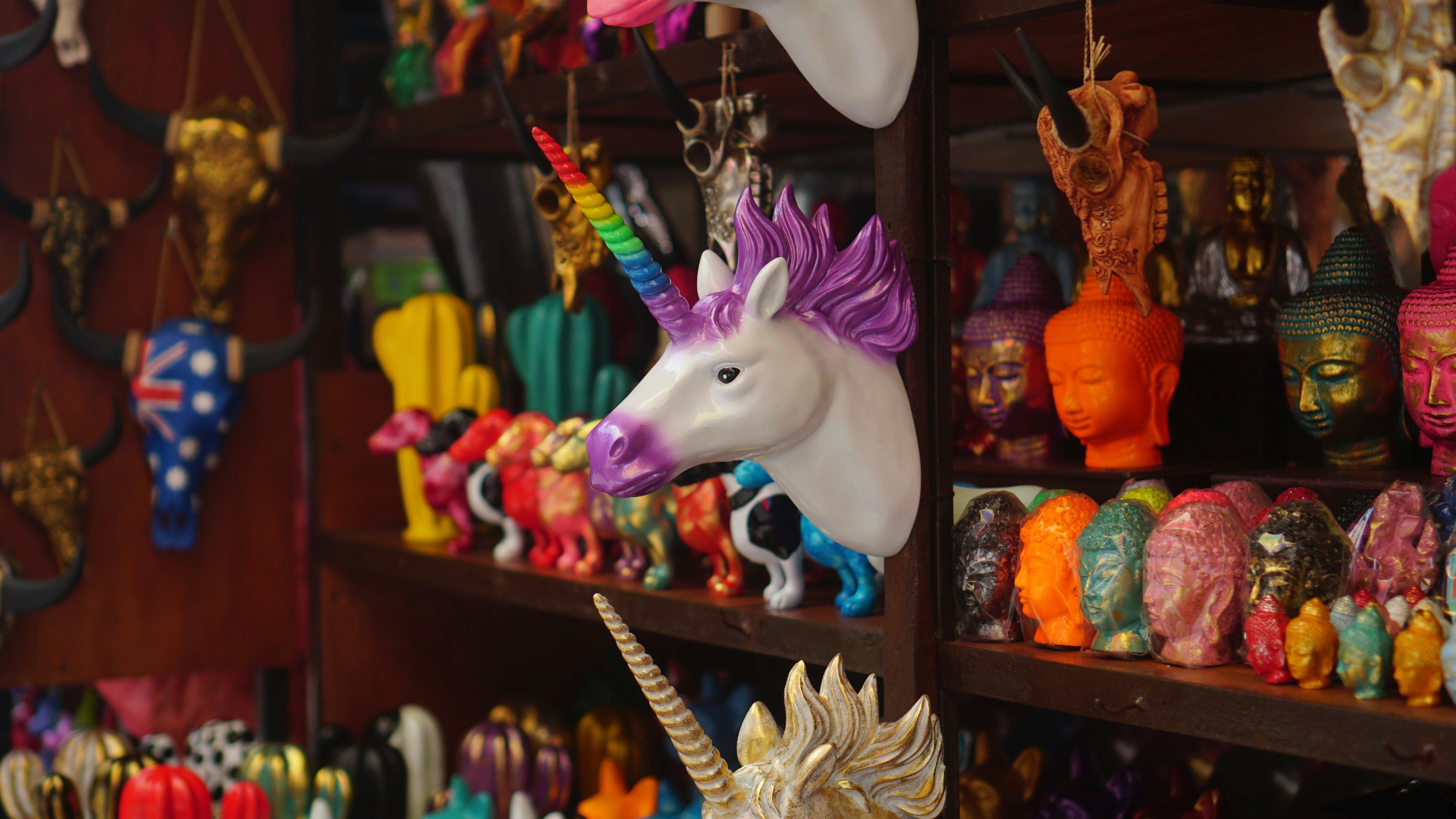
🤔 What if I told you that you could find a real-life dragon, an Asian unicorn, and a tiny primate with eyes almost as big as its brain, all in Southeast Asia?
🐉 No, these are not creatures from a fantasy movie, and you won’t need a magic spell to find them.
🌏 They are real animals that live in the forests, mountains, and islands of our region.
🦅 Some are so unusual that scientists only discovered them relatively recently, while others have become national symbols.
🐒 And some are so rare that protecting their homes could determine whether future generations ever get to see them.
🎧 So, let’s meet incredible animals that show just how extraordinary Southeast Asia’s wildlife can be.
👋 Hello and welcome to The Southeast Asia Desk Weekly Dispatch Podcast. I’m Dilla Sunarya.
🧭 This is where we slow down the headlines and make sense of the stories shaping Southeast Asia.
🐉 Indonesia’s Real-Life Dragon
🇮🇩 Let’s start with Indonesia, home to an animal that looks like it walked straight out of a fantasy book: the Komodo dragon.
🦎 Found on a small number of Indonesian islands, including Komodo and Rinca, this giant reptile is the world’s largest living lizard.
📏 It can grow to around three metres long, which is about the length of a small car.
👅 But here’s the interesting part: Komodo dragons do not rely on their eyes alone to find food.
👃 They use their forked tongues to collect scent particles from the air and deliver them to a special sensory organ, helping them detect food from a distance.
🍖 They can also swallow enormous meals, sometimes consuming up to 80 percent of their own body weight in a single feeding.
🤯 Imagine eating a meal that weighs almost as much as you do!
🌿 But being the king of the island does not mean the dragon is safe.
⚠️ Komodo dragons face threats from habitat changes, declining prey, and climate change, which could shrink some of the islands they depend on.
🐉 So, this famous dragon is not just a tourist attraction; it is also a reminder of how unique and fragile island wildlife can be.
🦄Vietnam and Laos’ Mysterious Asian Unicorn
🇻🇳🇱🇦 Next, we travel to the mountains along the border of Vietnam and Laos to look for an animal known as the saola.
🦌 At first glance, it looks a little like an antelope, with two long, straight horns and white markings on its face.
🦄 But its nickname is much more magical: the Asian unicorn.
🔎 The saola was documented by scientists in 1992, after researchers found unusual animal remains during a survey in Vietnam.
😮 That discovery was remarkable because it was the first large mammal new to science in more than 50 years.
🌳 The saola lives in the Annamite Mountains, where thick forests make it extremely difficult to observe.
📸 In fact, scientists have recorded very few images of it in the wild, and its population remains uncertain.
🤫 The animal is so elusive that researchers still know surprisingly little about its behaviour and daily life.
⚠️ Hunting, snares, and habitat loss have put the saola at serious risk of extinction.
🦄 In other words, this is a real animal that is harder to find than many fictional creatures.
🦅The Philippines’ Giant Forest Eagle
🇵🇭 Now, let’s head to the Philippines, where one of the world’s most impressive birds of prey lives high in the forest canopy.
🦅 Meet the Philippine eagle, also known as the monkey-eating eagle.
📏 It can reach around one metre in body length, making it one of the largest and most powerful forest eagles in the world.
👑 The bird is also the Philippines’ national bird, known locally as haribon, a name associated with the idea of a king of birds.
🐒 Its famous nickname comes from reports of it hunting monkeys, but monkeys are not its only prey.
🦎 The Philippine eagle also hunts other animals, including reptiles and smaller mammals.
🌳 These birds need large areas of forest to find food, raise their young, and survive.
🥚 Here’s another surprising fact: a breeding pair generally lays just one egg every two years.
⏳ That means their population cannot recover quickly when adult birds or their habitats are lost.
⚠️ The Philippine eagle is critically endangered, with forest destruction and hunting among its major threats.
🦅 It may be a powerful hunter, but even the king of the forest needs our help to survive.
🐒Borneo’s Big-Nosed Swimmer
🇮🇩🇲🇾🇧🇳 From the skies, let’s move to the rivers and mangrove forests of Borneo, an island shared by Indonesia, Malaysia, and Brunei.
🐒 This is where we find the proboscis monkey, famous for its unusually large nose.
👃 In males, the nose can become so prominent that it hangs down over the mouth.
😂 It might look funny to us, but the nose is a natural feature of the species, and its size is linked to communication and mate attraction.
🌊 Here’s another fun fact: proboscis monkeys are surprisingly good swimmers.
🏊 They can swim across rivers, and their partly webbed feet help them move through the water.
🌳 They often live near rivers, swamps, and mangroves, where they feed mainly on leaves, seeds, and unripe fruit.
🐒 Their local Indonesian nickname, monyet belanda, literally means “Dutch monkey,” referring to the animal’s distinctive appearance.
🌿 Unfortunately, deforestation and habitat loss have made life harder for these unusual primates.
🌏 And because Borneo is shared by three countries, protecting its wildlife also means protecting habitats across national borders.
👀 The Tiny Primates with Giant Eyes
🇮🇩🇵🇭 Finally, let’s meet one of Southeast Asia’s smallest and strangest-looking primates: the tarsier.
🐒 Tarsiers live on several islands in maritime Southeast Asia, including parts of Indonesia and the Philippines.
👀 Their most striking feature is their enormous eyes, with each eye roughly as large as its brain.
🌙 Those big eyes help them see in low light, because many tarsier species are active at night.
😲 But their eyes cannot rotate freely inside their sockets.
🔄 Instead, tarsiers turn their heads to look around, much like owls do.
🦗 And unlike most primates, tarsiers are entirely animal-eating, feeding mainly on insects and other small animals.
🐸 Some can even leap several times their own body length to catch prey or move between branches.
🤏 They may look like tiny, harmless toys, but tarsiers are skilled hunters in their own little world.
💚 Still, these delicate animals can be stressed by captivity, and habitat loss and the illegal pet trade threaten some populations.
🐒 So, if you ever see one in the wild, the best thing you can do is admire it from a respectful distance.
🎙️ Closing
🌏 From Indonesia’s giant Komodo dragon to the Philippines’ tiny tarsier, Southeast Asia is full of animals that challenge what we think we know about the natural world.
🦄 Some look mythical, some have extraordinary abilities, and others are found in only one small corner of the planet.
🌿 But there is one thing they all have in common: their survival depends on the habitats they call home.
🤔 And perhaps that is the most fascinating fact of all.
🌏 Southeast Asia is not just a region of beautiful islands, busy cities, and diverse cultures; it is also a home to wildlife found nowhere else on Earth.
💚 Protecting these animals means protecting the forests, mountains, rivers, and islands that make our region so special.
🎙️ I’m Dilla Sunarya, and this has been The Southeast Asia Desk Weekly Dispatch Podcast, where we slow down the noise and follow the region’s compass.
📬 If you enjoyed this episode, make sure to subscribe to our weekly newsletter at thesoutheastasiadesk.com, and join us again next weekend for stories to linger over, one weekend at a time.
This episode is also available on Spotify:


