



🎯 The Main Takeaway
ASEAN is asking the region’s media to do more than just report on summits, declarations, and diplomatic statements.
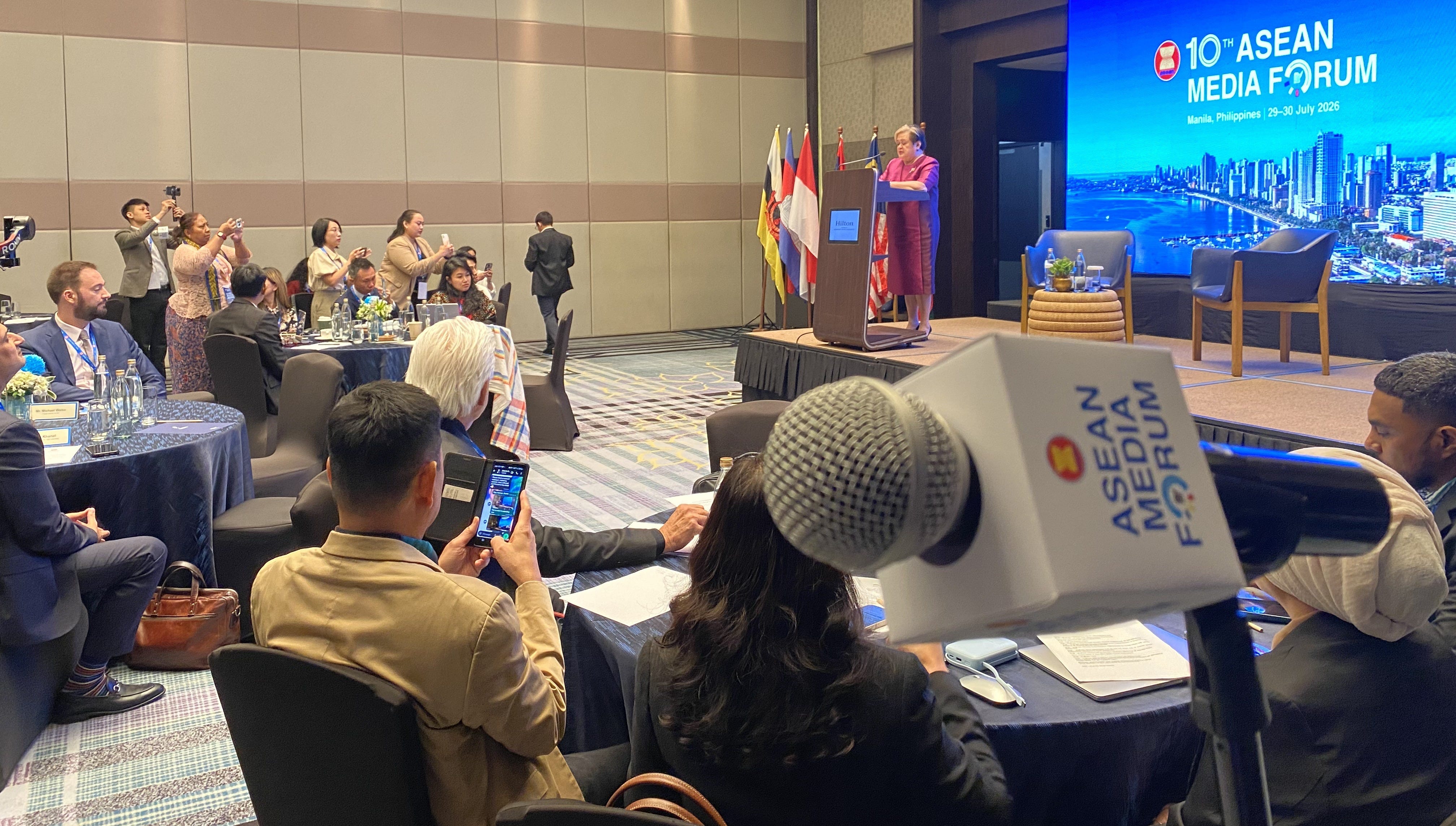
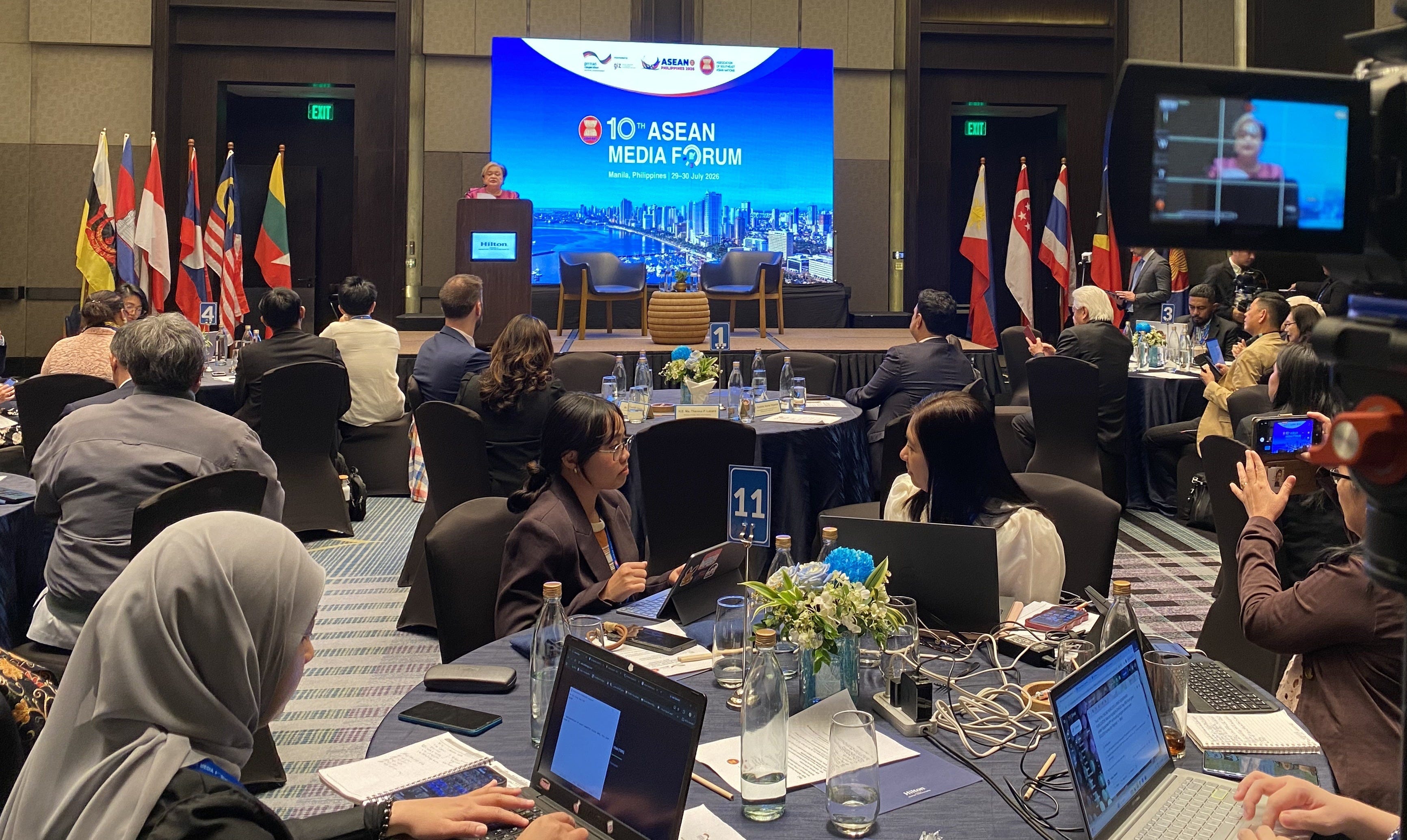
At the 10th ASEAN Media Forum, held in Manila on 29–30 July 2026, ASEAN Secretary-General Dr. Kao Kim Hourn described the media as an indispensable partner in connecting regional policies with citizens’ everyday lives.
His message reflected a genuine communications problem: ASEAN decisions are often negotiated over years, implemented unevenly and written in language far removed from ordinary people.
Without journalists explaining what those decisions mean, much of ASEAN’s work remains visible only to officials and specialists.
But there is an important distinction.
Journalists can help the public understand ASEAN without becoming an extension of ASEAN’s public diplomacy machinery.
The strongest partnership between institutions and the press is not built on agreement. It is built on access, transparency and the freedom to scrutinise whether official commitments produce tangible results.
Curious about ASEAN's latest diplomatic moves on Myanmar, the South China Sea, and new dialogue partners? Read our full analysis here.
📡 Why It’s on Our Radar
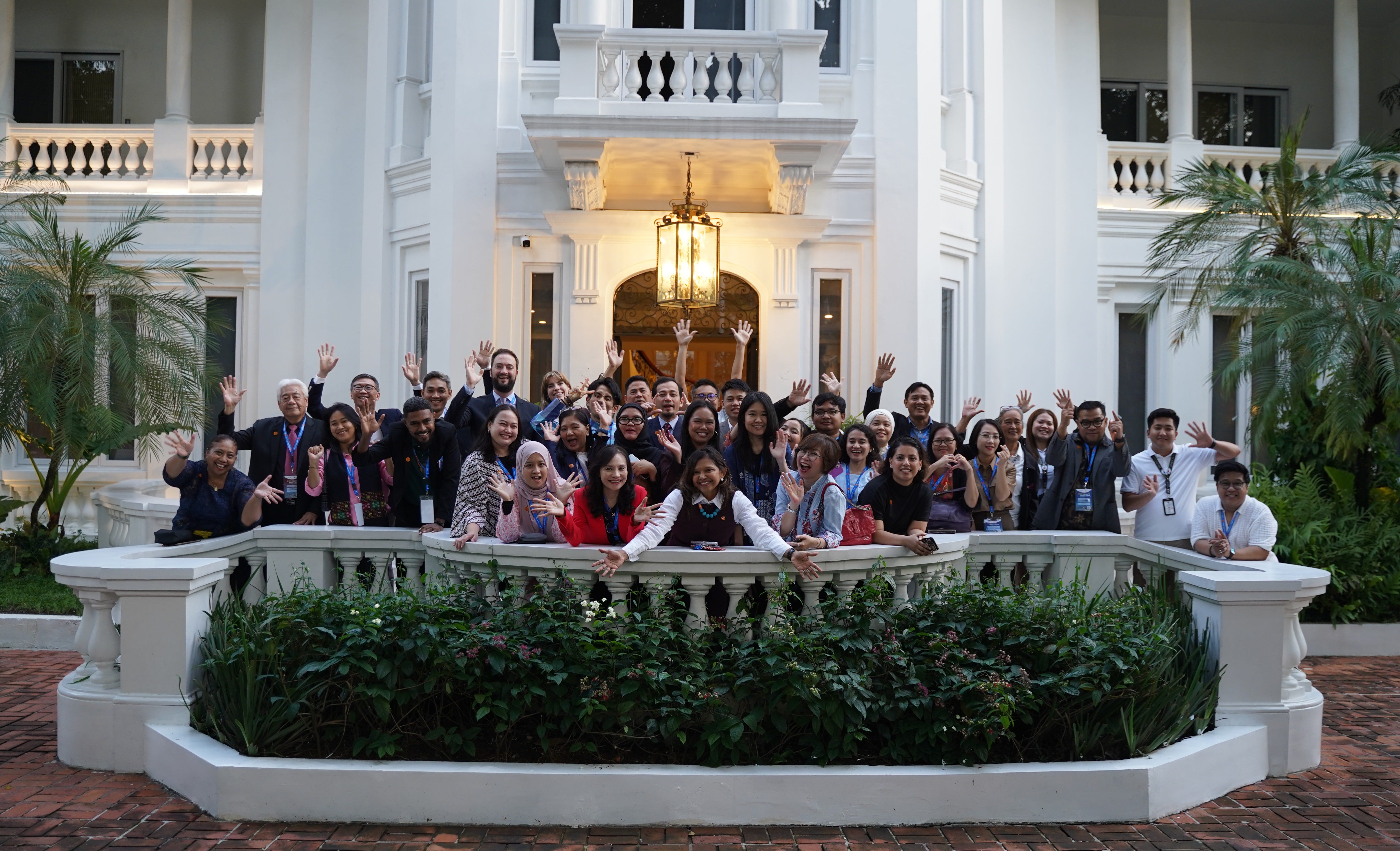
The forum marked the 10-year anniversary of the ASEAN Media Forum, first convened in 2017.
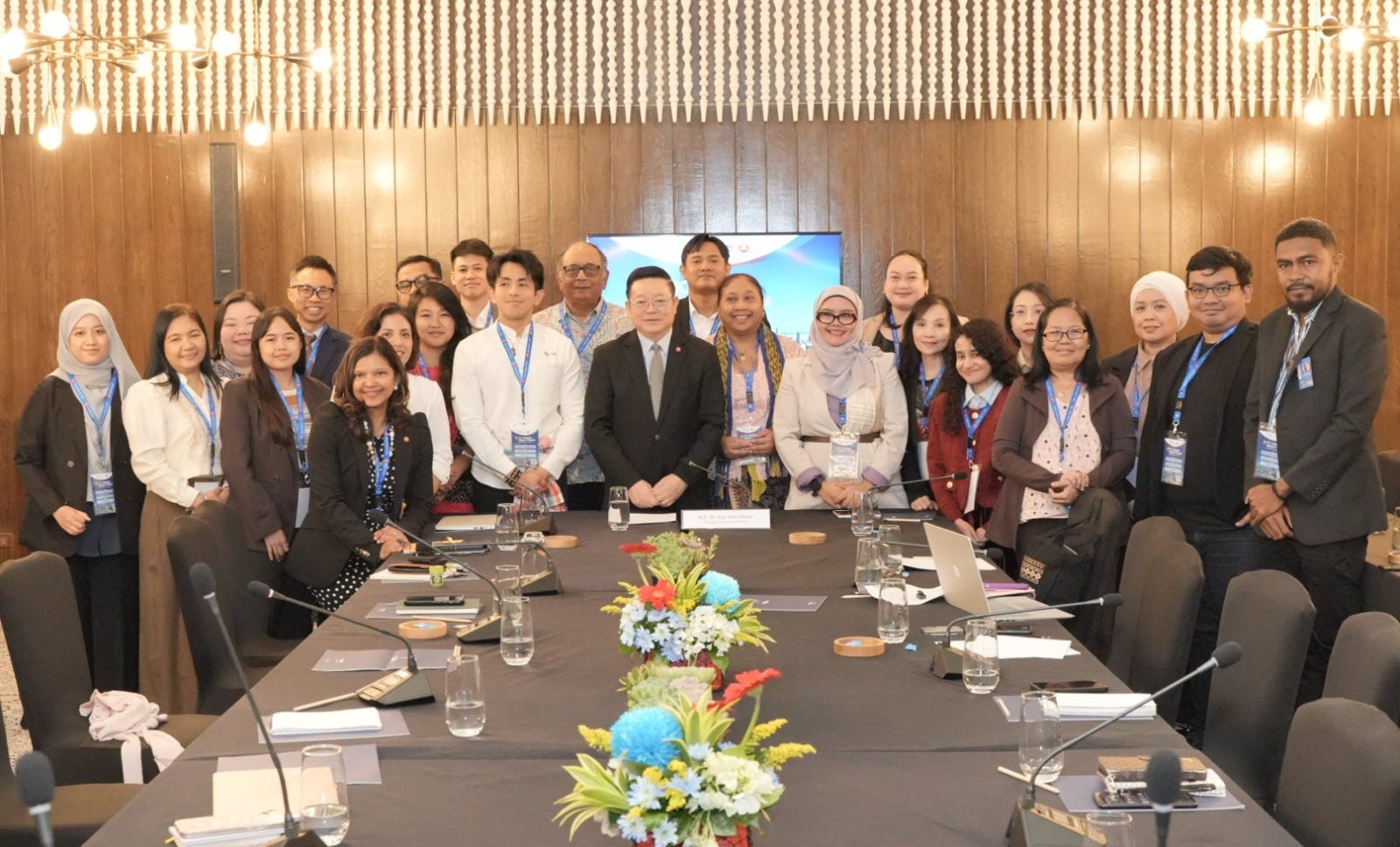
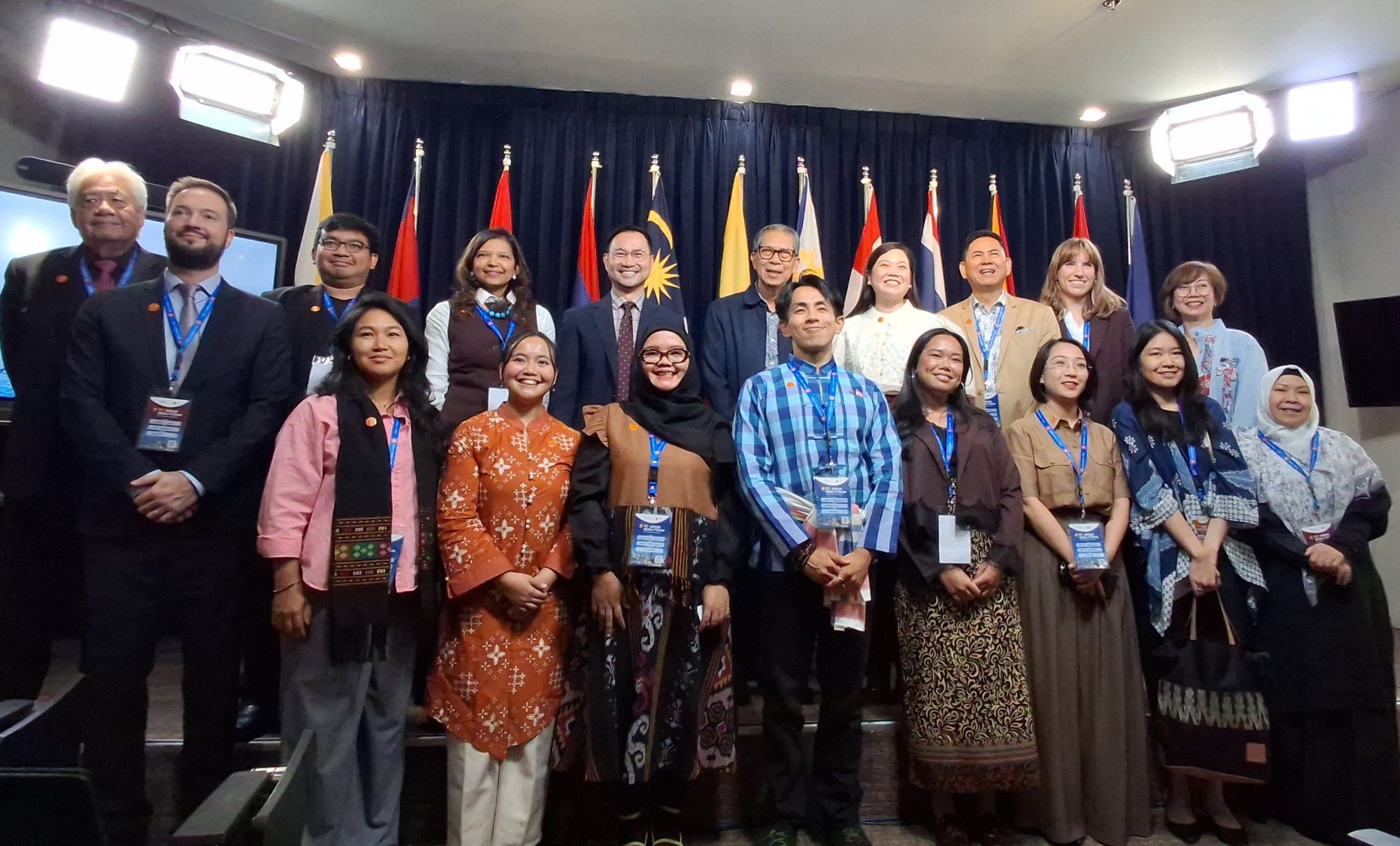
Its tenth edition brought together 35 journalists from all 11 ASEAN member states, including Timor-Leste journalists participating for the first time after the country became ASEAN’s newest member, though they had already been present in previous editions.
The two-day programme went beyond ceremonial speeches. It included direct interfaces with the ASEAN Secretary-General and the Philippine Chair, alongside discussions on:
🤖 Generative AI and information integrity
⚡ Geopolitics and energy security
🌊 Maritime cooperation and the South China Sea
📰 The media’s role in explaining ASEAN
🤝 The future of regional media engagement
The programme, therefore, treated information not as a supporting concern, but as part of ASEAN’s response to geopolitical competition, technological disruption and declining public trust.
The forum also coincided with the first year of implementation of the ASEAN Community Vision 2045 and the launch of the ASEAN Work Plan for Information and Media 2026–2035.
Together, they signal that ASEAN increasingly sees control over information, public understanding and regional narratives as strategic issues.
🧭 From Reporting ASEAN to Explaining ASEAN
In his remarks, Dr. Kao argued that journalists should help connect complex regional policies with citizens’ everyday experiences.
He also emphasised that professional journalism involves more than reporting events. It requires verifying information, examining competing claims, providing context and helping citizens make informed judgments.
That diagnosis is difficult to dispute.
ASEAN’s work is often communicated through lengthy declarations and carefully negotiated language. The political compromises behind those documents may be significant, but their practical consequences are rarely immediately clear.
Reporting around the forum demonstrated what more accessible ASEAN journalism can look like.
Coverage emerging from direct media interfaces included:
The Philippines’ interest in pursuing mutual recognition of halal certification with Indonesia and eventually developing more integrated regional standards.
German development agency GIZ’s support for Timor-Leste’s integration into regional mechanisms, including a learning-management system connected to ASEAN disaster cooperation.
Philippine Foreign Secretary Maria Theresa Lazaro’s argument that the success of an ASEAN chairship should be measured by its impact on ordinary citizens rather than by the number of meetings organised.
These are more tangible stories than a summit communiqué.
They connect regional institutions with standards affecting businesses, disaster response capacity, and public expectations of government.
But effective explanation must include examination.
A report on a proposed agreement should also address when it will be concluded, how it will be implemented, who will bear its costs, and which communities may remain excluded.
Institutions communicate purpose. Journalism tests performance.
📰 ASEAN’s New Media Roadmap
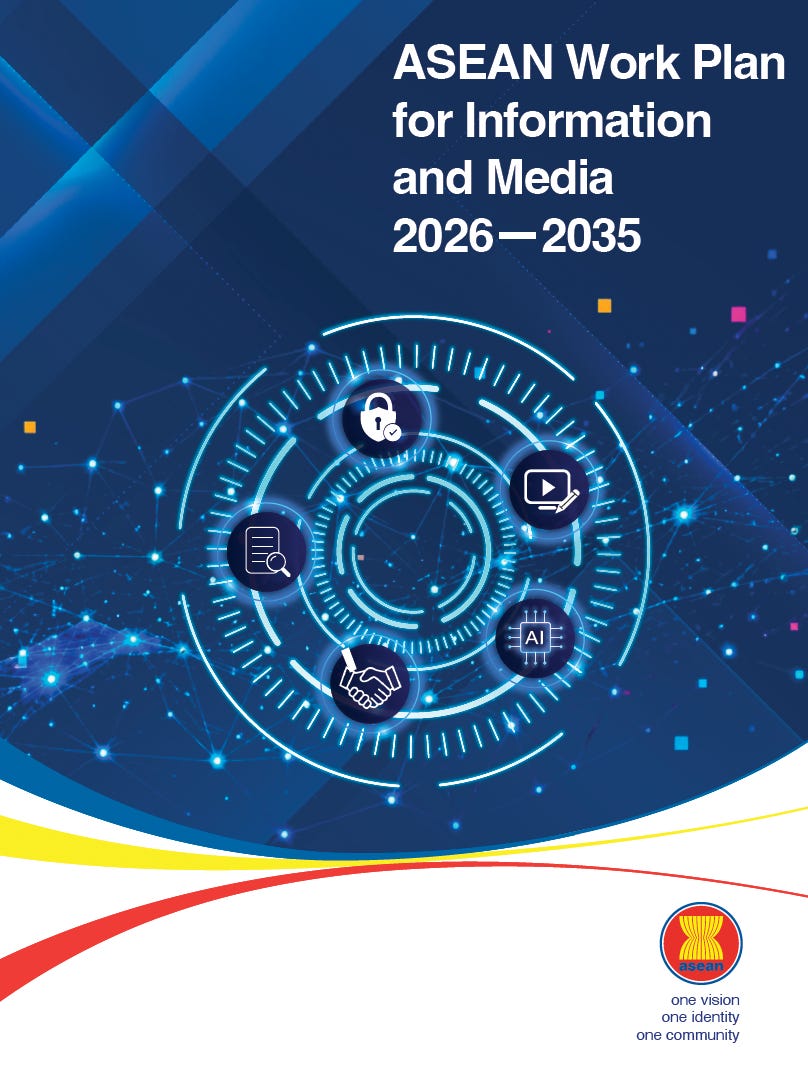
The ASEAN Work Plan for Information and Media 2026–2035 is expansive.
It recognises that the region’s information environment has been transformed by affordable smartphones, algorithm-driven platforms, artificial intelligence, social commerce and the ability of almost anyone to produce and distribute content.
It also identifies structural weaknesses within Southeast Asia’s media ecosystem, including:
⚠️ Disinformation and manipulated content
📉 Declining institutional and media trust
🧠 Uneven information literacy
💼 Weak investigative-newsroom capacity
🧩 Fragmented regional governance
📱 Algorithmic bias and the attention economy
🎥 Blurred boundaries between journalism, advertising and creators
🌐 Unequal digital access
The work plan organises ASEAN’s response around five strategic goals:
Access to information
Information integrity
Content production and development
AI and digital transformation
Partnerships and cross-cutting cooperation
Its overarching ambition is to create a more accessible, trusted and connected regional information environment while strengthening ASEAN identity.
This is broader than a government communications plan.
It addresses journalistic ethics, newsroom capacity, platform accountability, local-language information, digital inclusion and cross-border cooperation.
The document proposes initiatives such as:
🔎 Data-driven and evidence-based journalism
✅ Regional fact-checking and AI training hubs
📘 ASEAN guidelines on ethical journalism
🤖 Frameworks for responsible AI-generated content
🧑🏫 Public information-literacy programmes
📊 Greater transparency from social-media platforms
🎬 Cross-border content production and distribution
🛡 Training on digital safety and online harms
The breadth of the roadmap is a strength.
It is also an implementation risk.
⚖️ The Partnership Dilemma?
ASEAN officials repeatedly described journalists as partners in communicating regional cooperation.
Partnership can be valuable when it means:
Better access to policymakers
Earlier access to documents and data
More substantive briefings
Regional journalist exchanges
Translation and multilingual support
Protection and professional development
ASEAN’s own language sometimes moves between two different objectives:
Strengthening independent journalism and advancing ASEAN public diplomacy.
Those objectives may overlap, but they are not identical.
Public diplomacy seeks to explain and build support for institutional priorities. Journalism must remain free to investigate failures, contradictions and competing interests, including those of ASEAN governments.
A regional identity built only through affirmative stories would be fragile. Citizens are unlikely to trust ASEAN more simply because they receive more positive content about it.
Trust is more likely to grow when institutions:
📂 Release useful information
🗣 Answer difficult questions
📏 Publish measurable commitments
🔍 Permit independent examination
📝 Correct inaccurate or incomplete claims
The media’s value to ASEAN, therefore, comes partly from its “distance” from ASEAN.
ASEAN Work Plan for Information and Media 2026-2035 can be downloaded here.
🤖 AI Raises the Stakes
Generative AI was one of the forum’s central concerns.
Dr. Kao acknowledged its potential to improve newsroom efficiency and expand multilingual reporting, while warning about authenticity, copyright, editorial accountability, synthetic media and deepfakes.
The ASEAN Work Plan similarly treats AI as both an opportunity and a threat.
It proposes ethical frameworks, capacity-building programmes and voluntary standards for responsible technology adoption. It also identifies the need to modernise traditional newsrooms and to improve journalists' ability to identify manipulated content.
These are useful starting points, but “responsible AI” will need to be translated into newsroom practice.
That should include clear standards covering:
Human verification before publication
Disclosure of significant AI use
Protection of confidential sources and personal data
Verification of synthetic images, audio and video
Responsibility for AI-generated errors
Copyright and attribution
Transparent correction procedures
Regional guidance could reduce uncertainty, particularly for smaller newsrooms that cannot build their own AI-governance systems.
However, any ASEAN framework must be developed with journalists, editors, technologists, and civil society groups, not solely by government information agencies.
Otherwise, tools introduced in the name of information integrity could blur the line between addressing demonstrably false content and regulating legitimate criticism.
🧱 The Real Challenge is Implementation
ASEAN’s new work plan includes short-, medium-, and long-term actions extending to 2035.
Its flexible structure recognises the major differences in capacity, infrastructure and regulation among member states. Not every country will implement every measure at the same speed.
That flexibility is practical.
It can also weaken accountability.
A strategy covering almost a decade requires more than conferences, training sessions and aspirational frameworks. ASEAN will need publicly understandable indicators showing whether the plan is actually improving:
📈 Access to trusted information
📰 Newsroom capacity
🧑💻 Digital and media literacy
🛡 Journalist safety
🌐 Multilingual accessibility
🤖 Responsible AI adoption
🔍 Platform transparency
Funding will come from a mixture of ASEAN mechanisms, member states, dialogue partners, international organisations and public or private institutions.
External support can provide expertise and resources that regional newsrooms urgently need. The ASEAN Media Forum itself has received sustained German support through GIZ.
Capacity-building programmes must strengthen journalists’ independence rather than quietly shape editorial priorities around the preferences of governments or development partners.
🌏 Timor-Leste’s Participation Matters
The inclusion of Timor-Leste journalists gave the forum particular significance.
Representation at a regional meeting is symbolically important, but meaningful media integration requires more than adding another seat at the table.
Timor-Leste’s journalists will need sustainable access to:
🗣 Multilingual regional information
🎓 Training and exchange programmes
📡 Distribution and digital infrastructure
🤝 Cross-border newsroom networks
💰 Funding opportunities
📂 ASEAN documents and policymakers
GIZ said it had involved Timor-Leste in regional activities even before its full membership and intends to expand that cooperation as the country integrates into ASEAN mechanisms.
The same inclusion test applies across the region.
ASEAN’s media agenda should not primarily benefit large metropolitan broadcasters and established national outlets. Smaller independent, community, and local-language newsrooms are often closer to the people ASEAN claims to want to reach.
Yet they also have fewer resources to absorb new digital, verification and compliance requirements.
❤️ Why This Hits Home
Most people do not experience ASEAN through declarations.
They experience it through:
⛽ Fuel and electricity prices
🍚 Food availability
💼 Jobs and investment
🛂 Borders and migration
🌊 Maritime livelihoods
📱 Digital platforms
🌪 Disaster responses
🎓 Education and mobility
Journalism provides the link between these lived realities and the regional decisions that shape them.
Without credible reporting, ASEAN can appear distant, ceremonial and dominated by closed-door meetings.
Without institutional transparency, even the best journalists cannot explain what governments refuse to disclose.
And without viable newsrooms, citizens may increasingly receive information from partisan influencers, synthetic content, or algorithmically amplified rumours.
The information crisis is therefore not only a content problem.
It is also a problem of institutions, economics and trust.
📌 The Bottom Line
ASEAN is right that how regional cooperation is reported and understood matters almost as much as the agreements themselves.
Its new media work plan correctly recognises that AI, disinformation, fragmented governance and weak newsroom capacity cannot be addressed through isolated national initiatives.
The press can partner with institutions to defend factual information, expand access, and improve public understanding.
It cannot surrender its responsibility to investigate, challenge and independently assess those institutions.
A credible ASEAN media ecosystem will not be built around a single regional narrative. It will be built around shared access to facts, professional standards and the freedom to ask whether ASEAN is delivering what it promises.
The region does not need a common script.
It needs a stronger community of journalists capable of examining a common future.
🔎 Need More Angles?
ASEAN Secretariat The 10th ASEAN Media Forum
ASEAN Secretariat A Decade of Media Engagement: 10 Years of ASEAN Media Forum
ASEAN Secretariat Get to Know ASEAN Media Forum
ASEAN Secretariat Secretary-General of ASEAN engages regional media at the 10th ASEAN Media Forum
ASEAN Secretariat Secretary-General of ASEAN officiates the 10th ASEAN Media Forum
Cambodianess ASEAN Forum Marks Decade with Call for Credible Journalism
In Diplomacy 10th ASEAN Media Forum Opens in Manila with Focus on Strengthening ASEAN Public Engagement
Vietnam+ 10th ASEAN Media Forum held in Philippines
Vietnam+ ASEAN media urged to uphold trust, embrace AI responsibly
(QOB/ELS)