



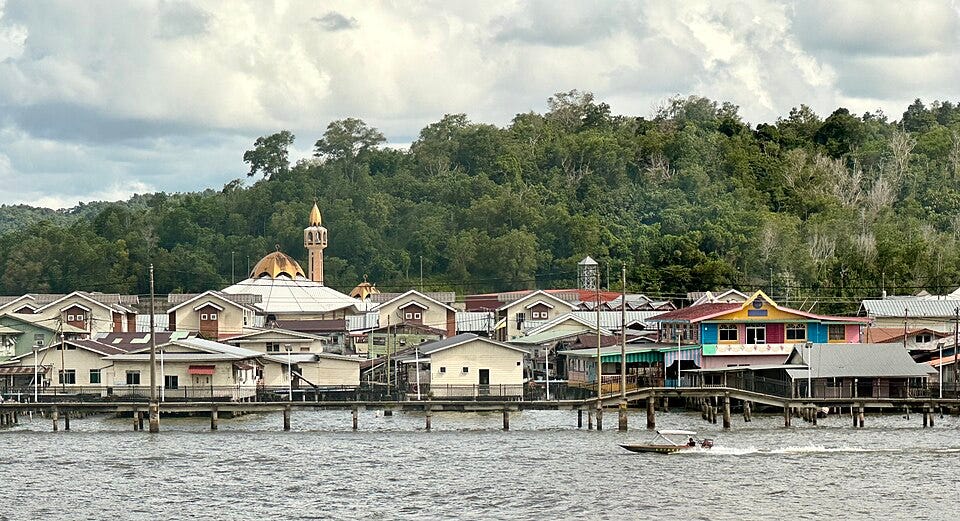
Southeast Asia has always had a knack for holding on to its roots 🌳. Amid gleaming skyscrapers 🏙️, buzzing cafés ☕, and the fast pace of modern life, the region’s most fascinating stories can often be found off the mainland where entire communities live, work, and raise families on the water 💧.
🌊 The Main Takeaway
Imagine trading asphalt for waterways, where the morning commute involves a wooden boat 🛶 and your front porch hovers directly over the tide. Long before concrete dominated the skyline, communities across Southeast Asia mastered the art of living on rivers, lakes, and the sea. These floating villages aren’t just relics of the past; they are breathing, dynamic neighborhoods that invite you to experience a rhythm of life dictated by nature, not traffic 🛑.
Curious which Southeast Asian islands topped the global travel charts? Read our full coverage here.
👀 Why It's on Our Radar
We often measure a region's progress by its urban development 🏗️, but its soul is anchored in its heritage ⚓. These water-bound communities are masterclasses in resilience, holding the line against rapid globalization 🌍. They actively preserve centuries-old customs from indigenous celestial navigation ✨ and specialized fishing techniques 🎣 to adaptive stilt-house architecture 🛖. By maintaining these practices, they serve as a living archive of Southeast Asia’s deep maritime history.
🌏 What's at Stake
A delicate equilibrium is under threat ⚖️. Rising seasonal waters 🌧️, encroaching urban development, and the double-edged sword of mass tourism 🧳 place immense pressure on these communities. Protecting these villages means safeguarding indigenous knowledge, sustainable ecosystems 🌿, and the distinct identities of the people who call the water home.
From Indonesia’s deep-sea divers to Cambodia's migrating lake towns, here are the Southeast Asia's most remarkable water-bound settlements where this extraordinary way of life endures:
Bajo Mola, Indonesia 🇮🇩
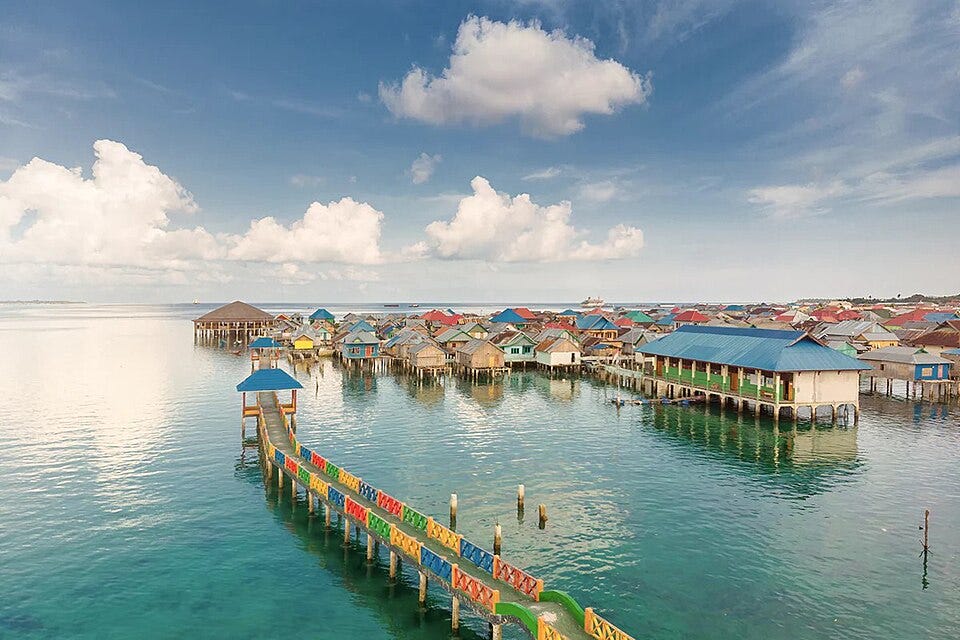
Located in Wakatobi, Mola Village is home to the Bajo people (the "Sea Gypsies") ⛵. Rather than just fishing, the Bajo possess legendary maritime skills, including celestial navigation 🌌 and world-class freediving abilities 🤿 passed down through lineages. Their stilt houses offer a rare window into one of the world's most enduring ocean-bound cultures.
Kampong Ayer, Brunei Darussalam 🇧🇳
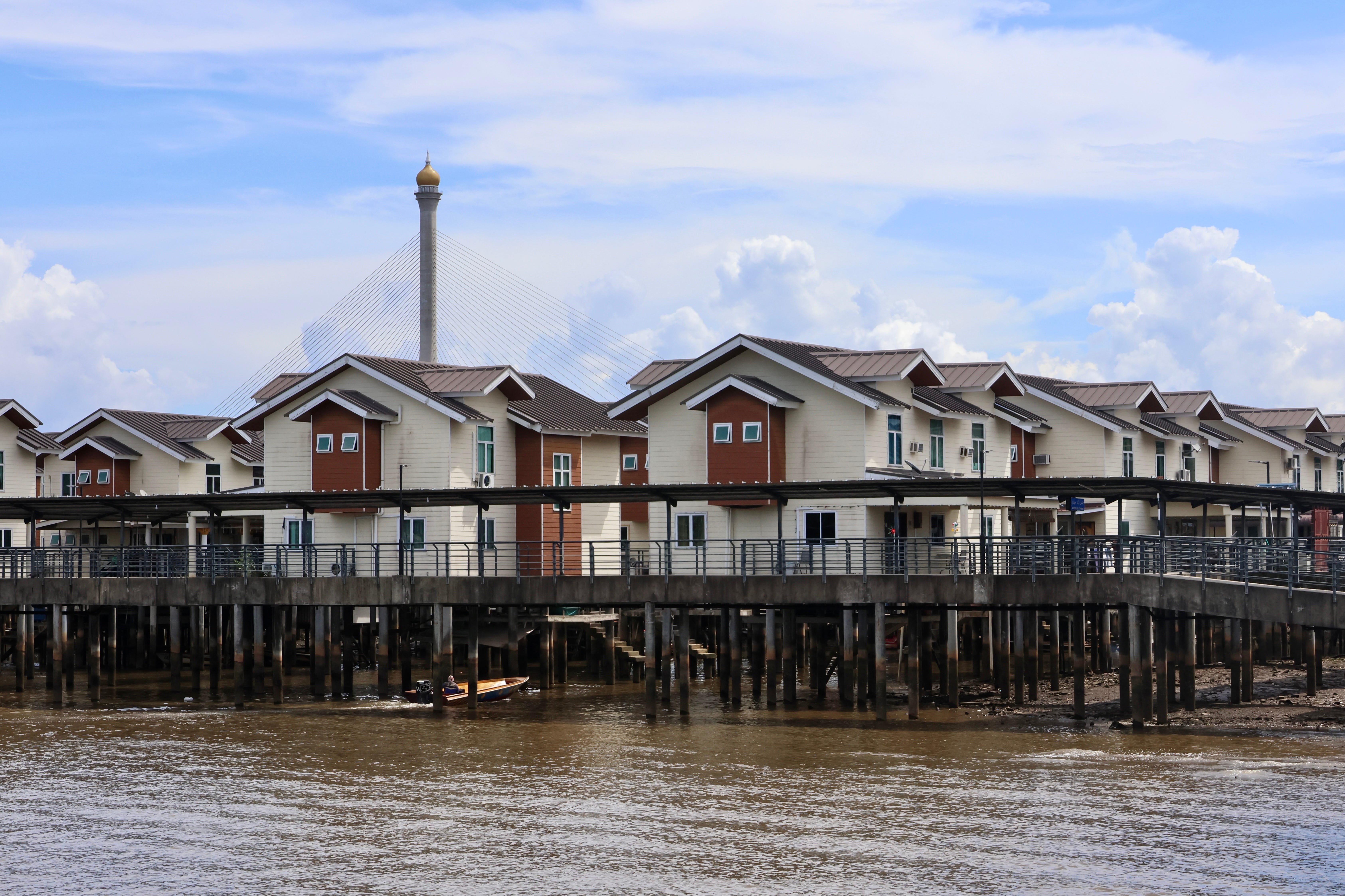
Often called the "Venice of the East," this sprawling settlement has stood along the Brunei River for over a millennium ⏳. What makes Kampong Ayer fascinating is its contrast: traditional wooden walkways connect centuries-old stilt homes 🛖 that are fully equipped with Wi-Fi 📶, air conditioning, modern health clinics 🏥, and schools.
Kampong Phlouk, Cambodia 🇰🇭
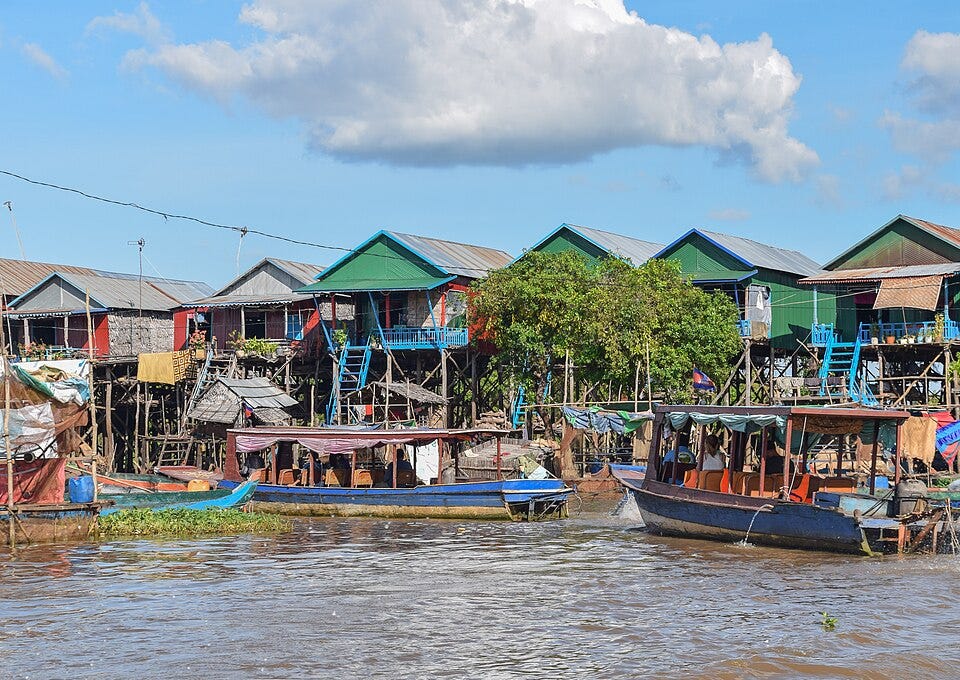
Set on the edge of Tonlé Sap Lake, Kompong Phluk is defined by its towering stilts, built to survive dramatic seasonal floods that can raise water levels up to 10 meters 🌊. During the wet season 🌧️, the streets disappear completely, transforming the surrounding mangrove forests 🌳 into a surreal, navigable waterway.
Koh Panyee, Thailand 🇹🇭
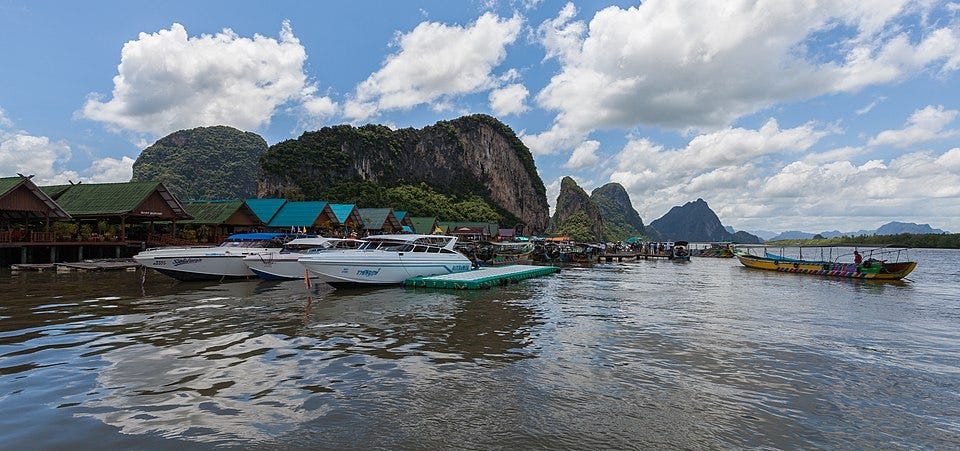
Built over the sheltered waters of Phang Nga Bay, this village was founded two centuries ago by three Javanese Muslim fishing families 🛶. Koh Panyee is a testament to human ingenuity best exemplified by its famous floating football pitch ⚽, built by local children from scraps of wood and fishing rafts, operating alongside their thriving fishing and tourism industries 🐟.
Chong Kneas, Cambodia 🇰🇭
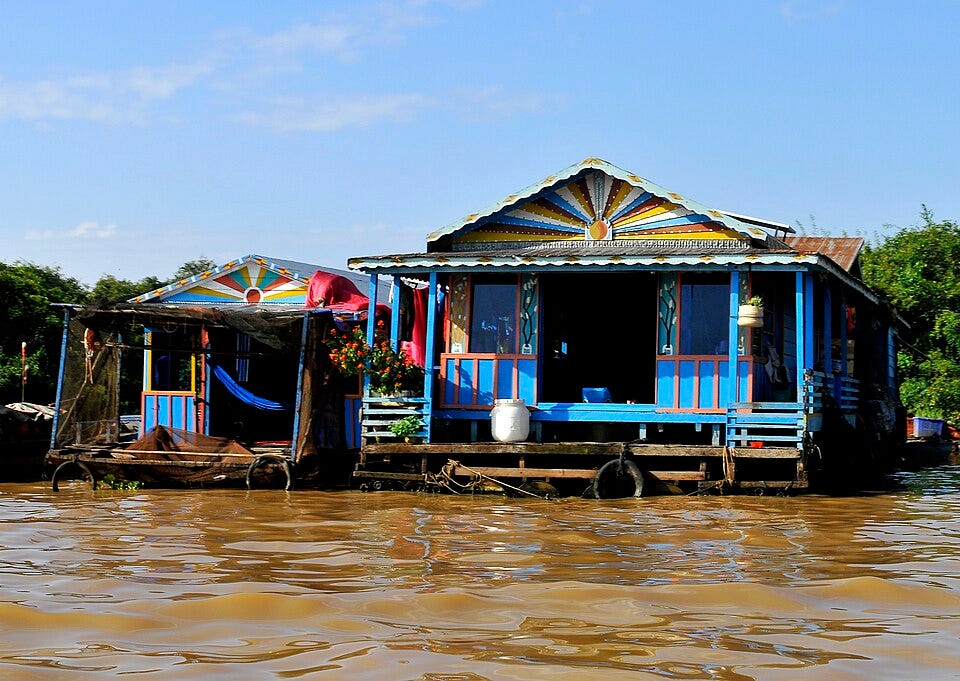
Floating houses in Tonle Sap Lake, Cambodia (Photo: LBM1948/commons.wikimedia.org) Unlike the stilt homes of Kampong Phlouk, Chong Kneas is entirely buoyant ⚓. This self-sustaining community of Cambodian and ethnic Vietnamese families literally moves with the changing water levels of Tonlé Sap Lake 🔄. Homes, schools 🏫, and even a floating basketball court 🏀 are towed to different locations depending on the season, making the lake the fluid heart of their economy.
✨ Beyond the Headlines
These communities are not frozen in time; they are actively adapting to a changing world while keeping their heritage intact 🚀. Visiting them isn’t just about snapping a photo of a wooden boat 📸 it’s about witnessing the incredible adaptability of human life and a way of existing that perfectly mirrors the ebb and flow of nature 🌊.
Which floating village would you love to visit first? Let us know your top pick!
(VIL/ARS)