




📌 The Main Takeaway
The World Bank has reclassified Vietnam and the Philippines as upper-middle income economies in its latest income classification, released on 1 July 2026 based on 2025 Gross National Income (GNI) per capita.
While both crossed the same threshold, Vietnam did so through export-led industrial expansion, while the Philippines advanced through broad-based growth across its economy.
📈 Why It Matters
🌍 Beyond a Label: Upper-middle income status signals stronger economic capacity and deeper global integration, but it does not mean a country has become a “developed” nation.
💰 Global Benchmark: The classification influences how governments, investors, credit rating agencies, and multilateral lenders assess a country’s economic standing, financing needs, and risk profile.
📉 A New Trade-off: Moving beyond lower-middle income may reduce access to concessional financing, requiring countries to rely more on domestic resources and market-based funding.
🌐 More Than Statistics: Income classifications are widely used as a reference by policymakers, investors, and development institutions around the world.
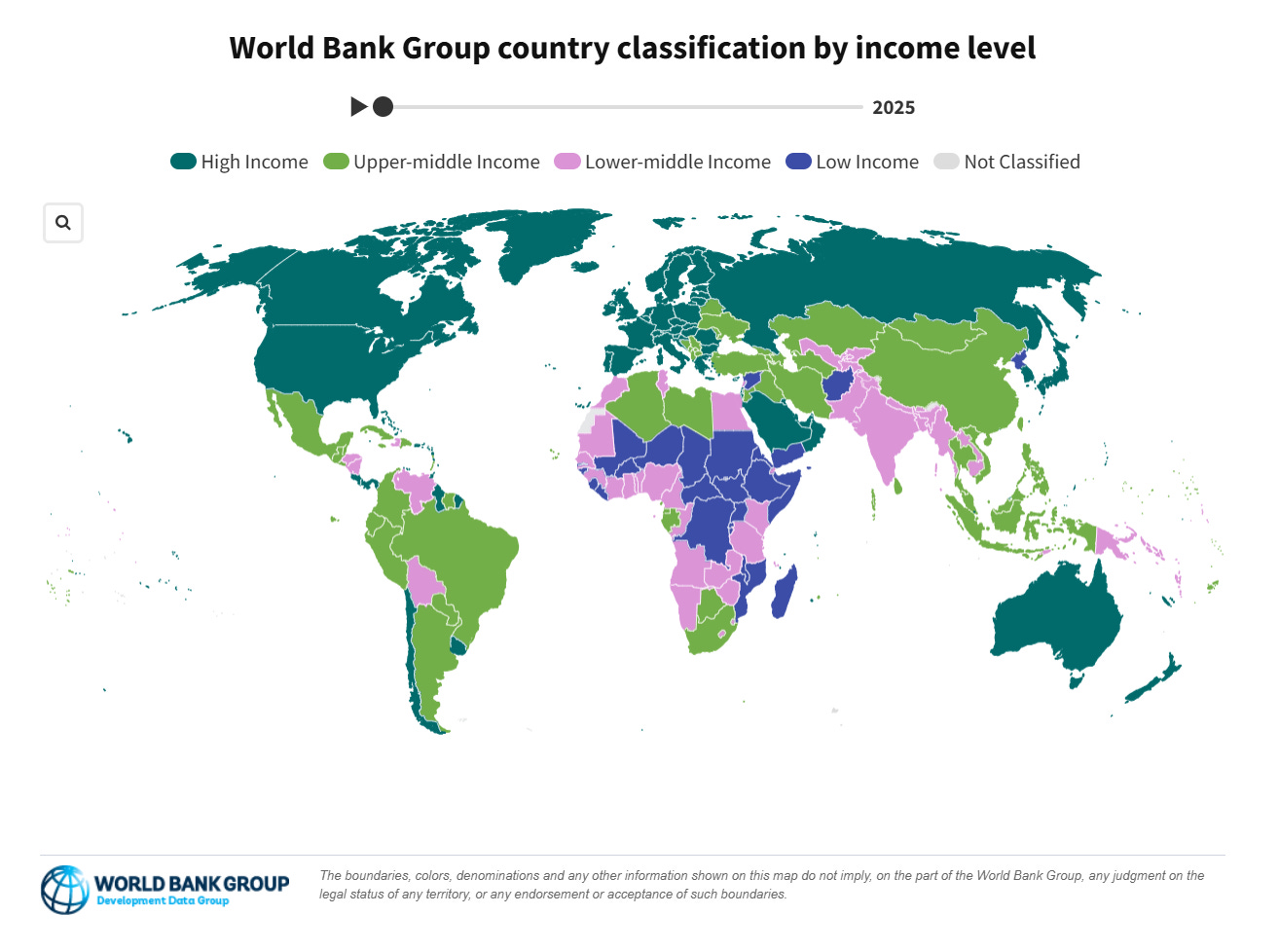
🏦 The World Bank Countries Classification
📅 Annual Update: The World Bank revises country income classifications every 1 July using the latest available GNI per capita data.
📊 The Method: Rankings are based on Gross National Income (GNI) per capita calculated through the Atlas Method, which reduces the impact of exchange-rate volatility.
🌍 Four Income Groups: Economies are classified as low, lower-middle, upper-middle, or high income.
💵 2026 Threshold: Economies with a GNI per capita between US$4,636 and US$14,375 are classified as upper-middle income.
📌 What It Measures: The system tracks income levels, not overall development outcomes such as inequality, education, healthcare, or governance.
🔄 This Year’s Results: Of 218 economies, five advanced to upper-middle income, one moved from low to lower-middle income, and none were downgraded.
✨ Key Highlights
🌍 Five countries moved into upper-middle income, with no economy downgraded.
🇻🇳 Vietnam recorded one of Asia’s fastest growth performances to secure the upgrade.
🇵🇭 The Philippines returned after narrowly missing last year’s threshold by US$26.

🇻🇳 Vietnam: Export-Led Growth Continues to Deliver
📈 New Status: Reclassified from lower-middle to upper-middle income after its 2025 GNI per capita reached US$4,970, up from US$4,490 in 2024.
🚢 Export Boom: Merchandise exports expanded by more than 15% in both 2024 and 2025, underscoring the strength of its export-oriented manufacturing model.
🏭 Manufacturing Powerhouse: Electronics, machinery, smartphones, textiles, and footwear remain among Viet Nam’s leading exports, cementing its role in global supply chains.
📊 Rapid Growth: GDP grew by 7% in 2024 and 8% in 2025, making Viet Nam the fastest-growing economy in Southeast Asia last year.
💰 Rising National Income: Gross National Income increased by an average of 10% annually between 2021 and 2025, one of the strongest sustained growth performances in the region.
🎯 Looking Ahead: The government aims to sustain 10% average annual GDP growth through the rest of the decade as it pursues high-income status by 2045.

🇵🇭 The Philippines: Broad-Based Growth Across the Economy
📈 New Status: Reclassified from lower-middle to upper-middle income after recording a 2025 GNI per capita of US$4,850, up from US$4,470 a year earlier.
😮 A Narrow Miss: The Philippines missed last year’s upper-middle income threshold by just US$26, making this year’s upgrade especially notable.
📊 Steady Expansion: Real GDP grew by an average of 5.8% annually over the past five years.
🏗️ Economy-Wide Growth: Expansion across industry, services, agriculture, construction, and domestic demand led the World Bank to describe the country’s progress as an “economy-wide shift,” rather than a commodity boom or export surge.
🏢 Services Lead: The services sector remained the Philippines’ largest economic engine, contributing roughly 62% of GDP while industry and construction also posted solid gains.
🧑🌾 A Stable Income Source: Remittances from overseas Filipino workers (OFWs) continued to support national income, complementing domestic economic growth.
🏛️ Government View: The Department of Economy, Planning, and Development (DEPDev) attributed the upgrade to sustained growth, sound macroeconomic management, and long-term structural reforms, adding that the new status could strengthen the country’s credit profile and attract higher-quality investment.
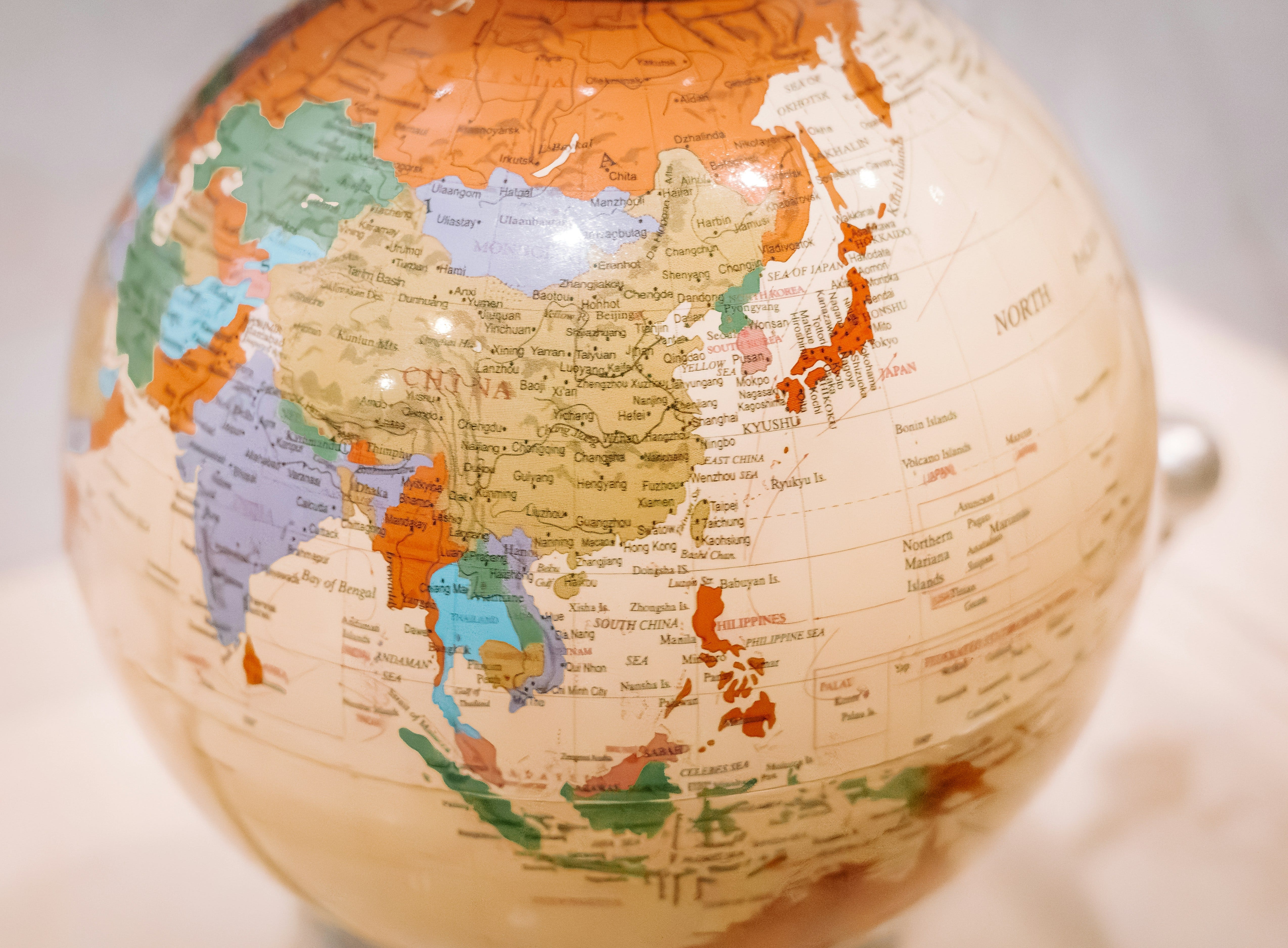
🌏 What It Means for Southeast Asia
📈 A Stronger ASEAN: With Vietnam and the Philippines joining the upper-middle income group, seven of ASEAN’s eleven members are now classified as upper-middle or high income.
🚀 Growth Momentum Continues: The ASEAN+3 Macroeconomic Research Office (AMRO) projects Vietnam (7.4%) and the Philippines (5.3%) to remain among ASEAN's fastest-growing economies in 2026, well above the regional average of 4.6%.
🤝 No Single Path: Despite following different development models, both countries reached the same milestone, reinforcing that Southeast Asia has no one-size-fits-all blueprint for economic development.
⚠️ The Bigger Picture: Escaping the Middle-Income Trap
🚧 A New Challenge: Reaching upper-middle income is a major milestone—but advancing to high-income status is often far more difficult.
🇲🇾🇹🇭🇮🇩 ASEAN’s Experience: Malaysia has remained upper-middle income for 37 years, Thailand for 15 years, and Indonesia for 6 years, illustrating how countries can spend decades in the same income bracket.
🎓 The Expert View: Vu Khuong Minh of the Lee Kuan Yew School of Public Policy described the upgrade as an important milestone, but also the beginning of a much more demanding phase of development.
🏭 The Next Test: Sustaining progress will require stronger productivity, innovation, and higher-value industries—not just growth driven by low-cost labour or manufacturing expansion.
🏦 Fewer Safety Nets: As countries become wealthier, they typically gain less access to concessional financing, increasing pressure to finance development through domestic resources and private investment.
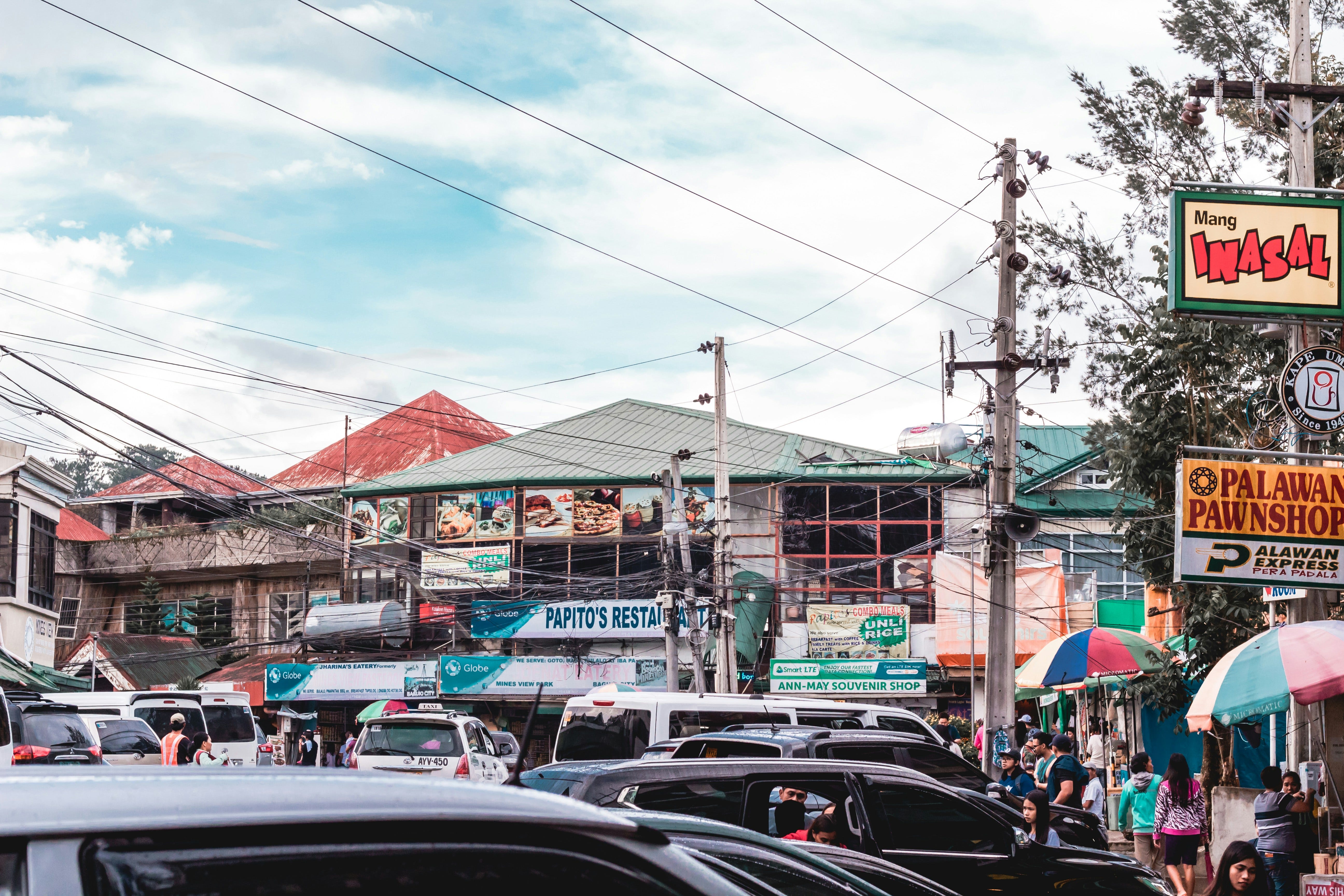
🤝 Beyond the Numbers
Moving into the upper-middle income category marks years of sustained economic progress, driven by stronger industries, rising incomes, and expanding opportunities.
But the bigger challenge lies ahead. Malaysia, Thailand, and Indonesia all reached this milestone years ago and remain in the same income bracket today.
For Vietnam and the Philippines, the next chapter is no longer about moving up, but about staying competitive and eventually breaking into the high-income group.
📰 Need More Angle?
AMRO Asia Macroeconomic Prospects and Challenges
The Straits Times Vietnam, Philippines raised to World Bank’s upper-middle-income status
World Bank World Bank Country and Lending Groups
World Bank Group The Middle-Income Trap: Myth or Reality?
(BRZ/QOB)