




📌 The Main Takeaway
The global remote work boom is transforming Southeast Asia from a traditional tourist destination into a premier long-term talent hub.
Cities like Bali, Bangkok, Da Nang, and Kuala Lumpur are aggressively courting digital nomads, offering a potent mix of low living costs, lifestyle perks, and tailored visa policies that benefit both the remote workers and the regional economies.
📡 Why It’s on Our Radar
🌍 The Post-Pandemic Shift: COVID-19 permanently altered work paradigms, accelerating a lifestyle where professionals trade traditional offices for global mobility.
✨ The Regional Draw: Southeast Asia dominates the nomad map, blending unmatched affordability with high-quality, flexible living.
💰 Economic Leverage: Remote workers enjoy a significantly lower cost of living than in Western hubs without sacrificing their standard of living.
💻 Built for Work: Major hubs now boast robust digital infrastructure, from fibre-optic internet to sprawling, world-class coworking ecosystems.
🌴 Lifestyle Premium: The region offers deep contrasts—from dense, dynamic mega-cities to laid-back tropical coastlines.
📍 Emerging Hubs: This demand has catalysed specific cities into specialised hubs, each catering to different professional needs and work styles.
☕ Key Digital Nomad Hubs in Southeast Asia
Across the region, cities have developed distinct identities as remote-work destinations, shaped by their unique infrastructure, culture, and government policies.
🇮🇩 Bali, Indonesia
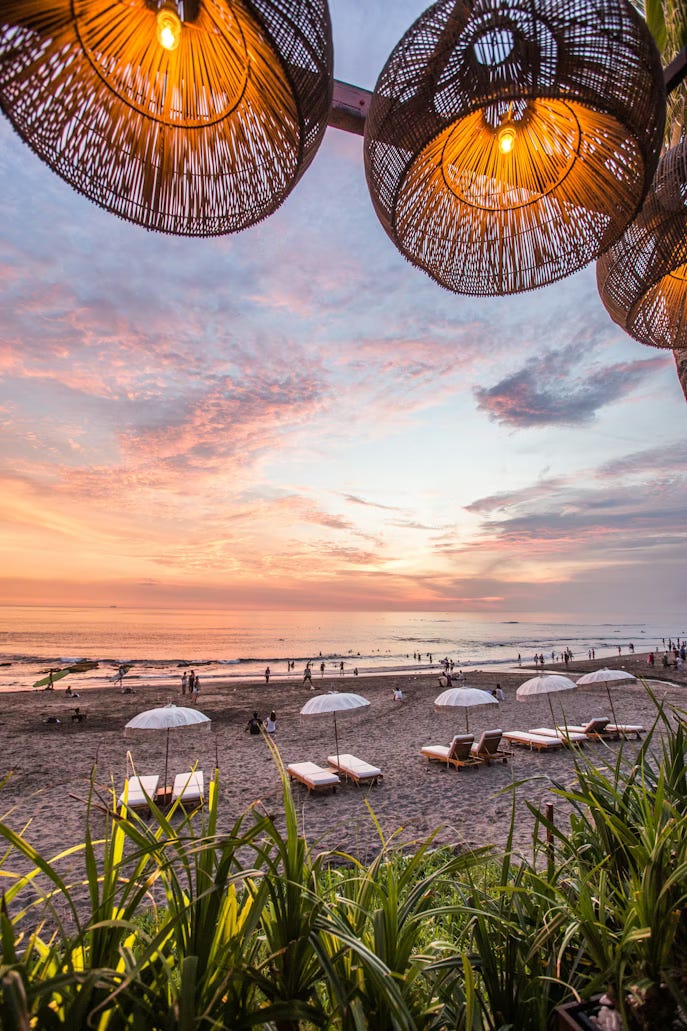
The undisputed veteran of the nomad trail, balancing deep wellness culture with heavy international traffic.
🌴 The Epicentre: Canggu and Ubud offer dense, mature networks of coworking spaces and globally connected communities.
🧘 The Vibe: A unique synthesis of tropical landscapes, creative energy, and wellness culture.
📈 The Surge: Post-pandemic popularity has solidified its status as a global heavyweight for remote work.
⚠️ The Catch: Surging demand has triggered steep rent increases, overtourism, and severe infrastructure strain.
🇹🇭 Bangkok, Thailand
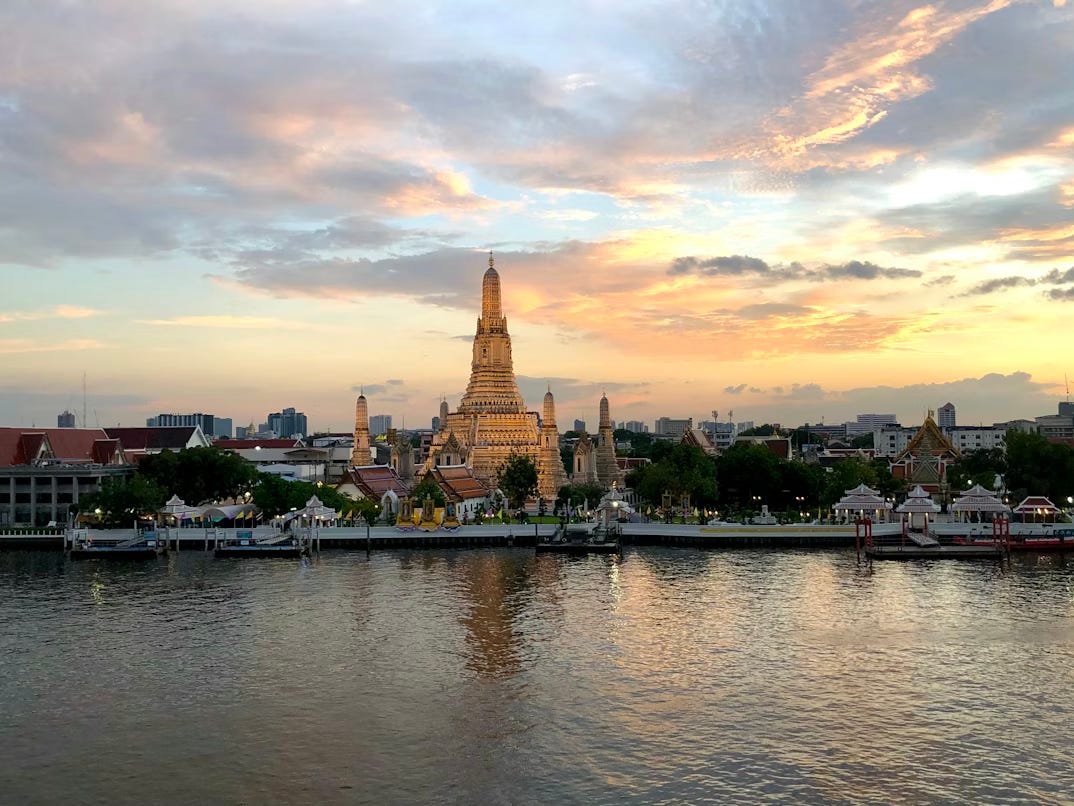
High-voltage urban living tailored for remote workers who thrive in metropolitan environments.
🌆 The Setup: Elite digital infrastructure paired with limitless coworking and cafe options.
🚌 The Grid: Seamless public transit makes long-term city living highly efficient and accessible.
🍜 The Culture: Unrivalled culinary diversity and a vibrant night economy.
📄 The Policy: Thailand’s new Destination Thailand Visa (DTV) actively encourages and sanctions extended stays.
🌫️ The Catch: Extreme urban density and seasonal air quality dips aren’t for everyone.
🇲🇾 Kuala Lumpur, Malaysia
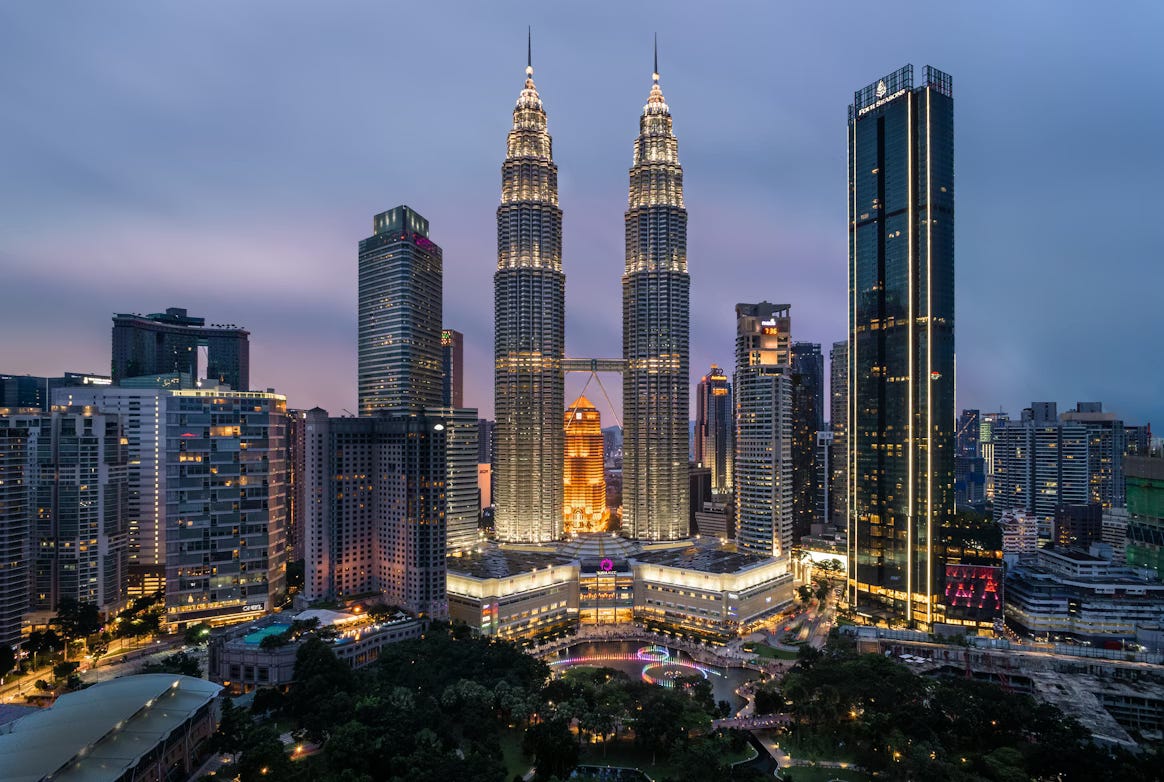
A pragmatic, modern metropolis offering a highly structured and comfortable entry point into Southeast Asia.
🏙️ The Standard: High living standards, widespread English proficiency, and rock-solid infrastructure.
🌐 The Environment: A deeply multicultural society that is highly receptive to international workers.
💼 The Policy: Malaysia officially sanctions remote work through the DE Rantau Nomad Pass, designed for long-term stays.
📊 The Vibe: Leans heavily toward a structured, corporate-friendly lifestyle rather than traditional beach culture.
🤏 The Catch: The dedicated nomad ecosystem is still emerging compared to the deeply entrenched communities in Bali or Thailand.
🇻🇳 Da Nang, Vietnam
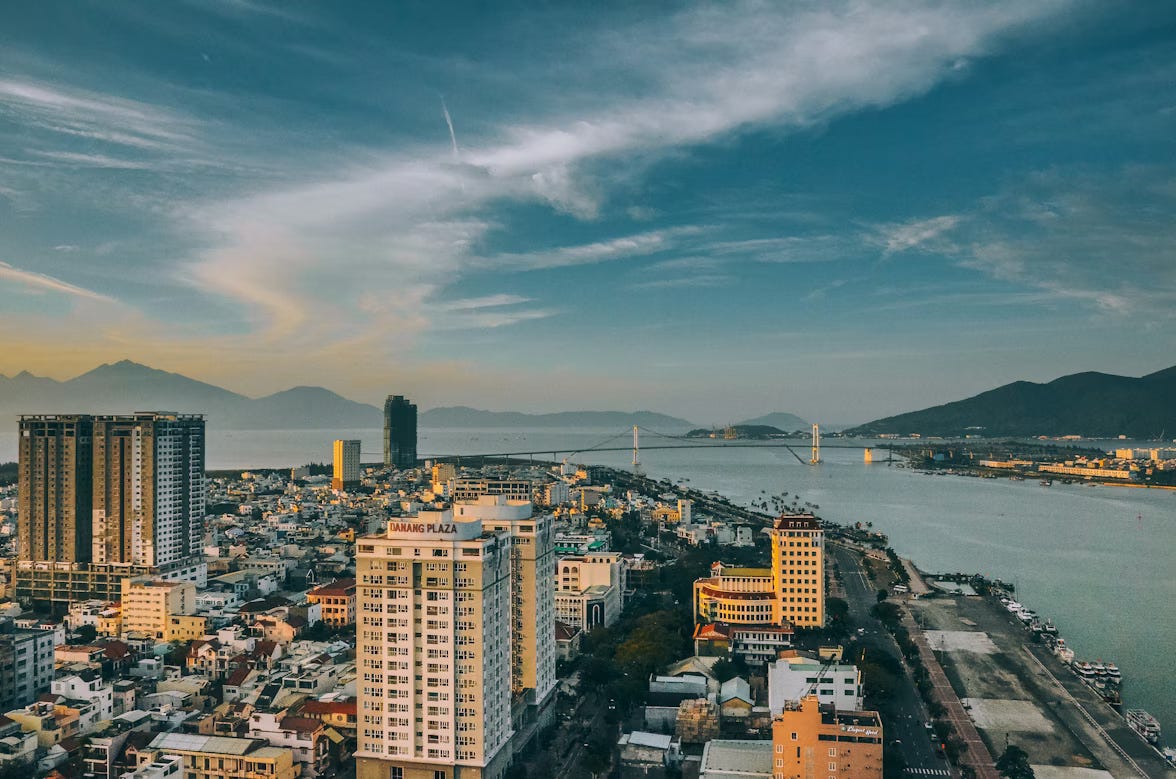
The region’s rising star, offering an optimal balance of coastal living and rapid urban development.
🌊 The Balance: Fuses laid-back beach geography with rapidly modernising urban amenities.
💻 The Ecosystem: A burgeoning startup scene is accelerating the growth of tech-friendly infrastructure and workspaces.
📉 The Advantage: A significantly lower cost of living than established hubs, making it ideal for bootstrapping entrepreneurs.
📈 The Trajectory: Rapidly capturing market share from more crowded, expensive regional destinations.
📄 The Catch: Visa frameworks remain restrictive for long-term residency, and the community is still in its infancy.
🇹🇭 Chiang Mai, Thailand
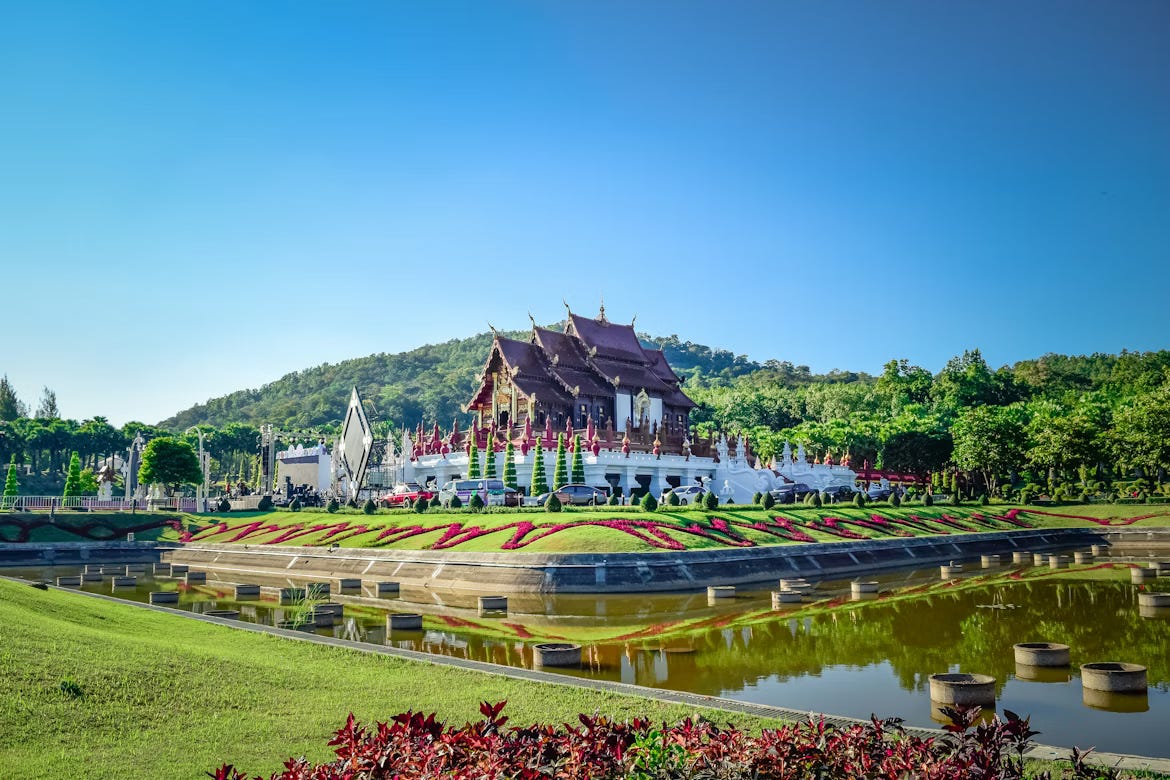
The legacy hub for independent creators, prized for its deliberate pace and highly collaborative community.
🌿 The Pace: A relaxed, focused environment inherently designed for deep work.
💸 The Value: Historically, one of the most cost-effective and accessible bases in the region.
👩💻 The Network: Boasts a deeply entrenched, veteran nomad community that actively fosters networking.
🏡 The Scale: Highly manageable and walkable compared to larger metropolitan centres.
🌫️ The Catch: Severe seasonal air pollution (the “burning season”) strictly dictates when nomads can safely stay.
☕ The Bottom Line
The digital nomad phenomenon in Southeast Asia has matured beyond a fleeting trend into a permanent economic fixture.
Whether seeking the structured urbanity of Kuala Lumpur, the legacy networks of Chiang Mai, or the rising shores of Da Nang, remote workers have turned the region into the world's most dynamic laboratory for the future of work.
Need More Angles?
ASEAN BAC From Talent Gaps to Talent Hubs: Rethinking Mobility in ASEAN’s Digital Economy
Asean Tourism Travel Digital Nomadism in Southeast Asia
Asia Lifestyle Magazine Best Cities in Asia for Digital Nomads 2026: Bangkok vs Bali, Chiang Mai vs Da Nang, plus a Kuala Lumpur Digital Nomad Guide
Business Insider An unspoiled haven for digital nomads still exists — for now
Travel and Tour World Bangkok joins Kuala Lumpur and Bali into offering new digital nomad paradises with remote work revolution lures global talent with irresistible visas what you need to know
(DHM/AKS/ARS)