



🎯 The Main Takeaway
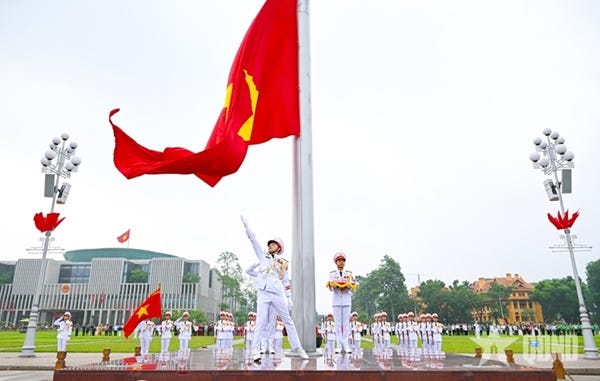
On 2 September 2026, Vietnam marked its 81st National Day with solemn flag-raising at Ba Dinh Square, where thousands gathered before the Ho Chi Minh Mausoleum.
In Ca Mau, the southernmost province, a record 2,025-square-meter flag was raised.
In Fukuoka, Japan, the Consulate General held a commemoration for the diaspora. Hanoi lit up with fireworks across five locations.
And in Da Nang, a VR experience transported visitors back to 2 September 1945, when President Ho Chi Minh proclaimed independence.
But beneath the pageantry lies a more complex reality.
Vietnam has achieved what few nations have: a transition from war-torn poverty to upper-middle-income status, with the World Bank reclassifying it in July 2026.
Exports expanded by more than 15% in both 2024 and 2025, GDP grew by 7% and 8% respectively, and Standard Chartered now forecasts 9.5% growth for 2026.
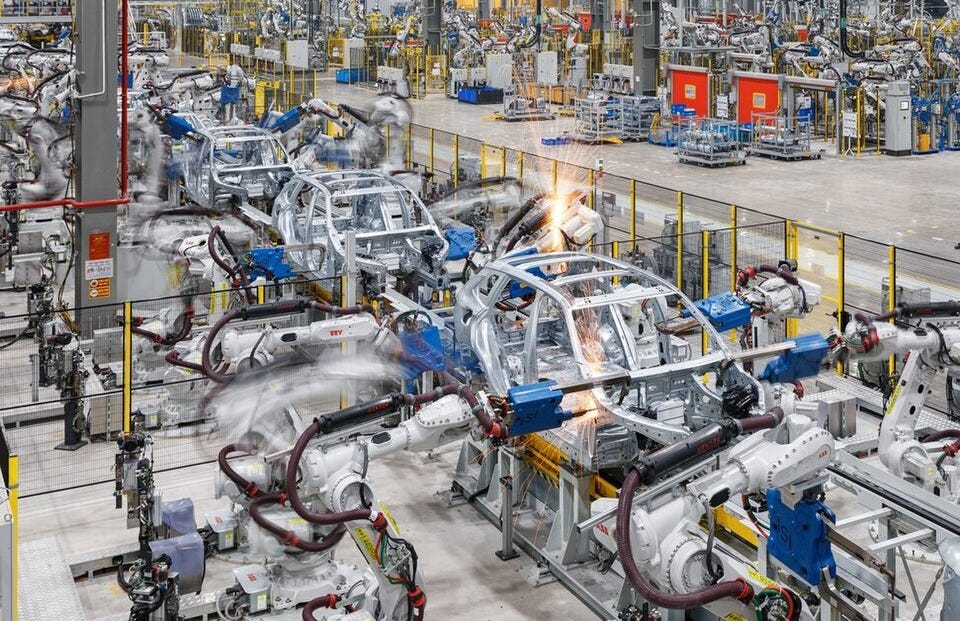
Yet the very model that delivered this success, export-led industrialisation, heavy reliance on foreign direct investment, and a low-cost labour advantage, is showing signs of strain.
The demographic dividend that powered Vietnam’s rise is fading.
Global trade uncertainty persists. And the path from upper-middle to high-income status by 2045 demands a fundamental shift in how growth is generated and shared.
The story of Vietnam’s National Day is not just about the past. It is about whether the country can summon the same unity and resolve that won independence to win the battle for long-term prosperity.
Vietnam's leap to upper-middle-income status — Read the full analysis here.
🕰️ The Making of a Nation: From Colony to Independence
The Vietnam that celebrates its 81st National Day is a nation forged in struggle.
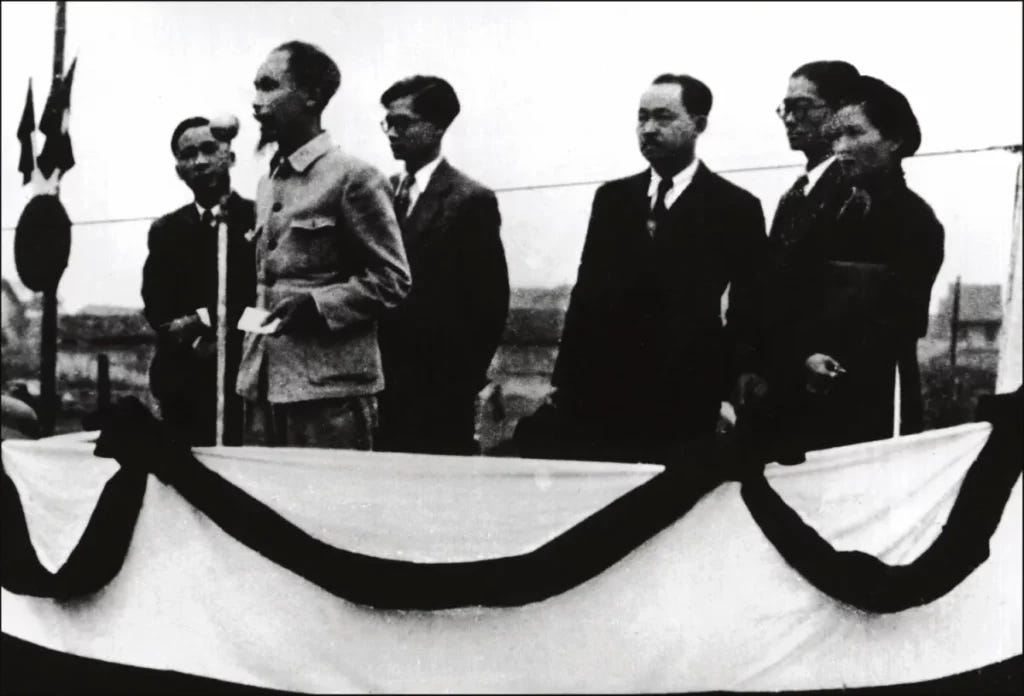
On 2 September 1945, at Ba Dinh Square in Hanoi, President Ho Chi Minh read the Declaration of Independence, proclaiming the birth of the Democratic Republic of Vietnam.
The moment was the culmination of decades of anti-colonial resistance, and the beginning of decades more of war.
The August Revolution succeeded because of three factors:
A seized opportunity: As World War II ended and Japanese forces surrendered, the Viet Minh, led by the Communist Party, acted swiftly. The general uprising took just days.
Mass mobilisation: The Party, with only some 5,000 members at the time, united workers, peasants, intellectuals, and patriotic forces under the Viet Minh umbrella.
The people’s will: As one reflection piece put it, independence was “not a gift bestowed”. It was built on “the strength accumulated over thousands of years of nation-building and defence”.
🎆 A National Day of Contrasts: Celebration and Challenge
This year’s National Day celebrations reflected both pride and a quiet recognition of unfinished business.
The flag-raising ceremony at Ba Dinh Square drew crowds from early morning. The in-flight concert by the Army Ceremonial Band turned a commercial flight into a flying celebration.
The sign-language performance of the national anthem by children with hearing and speech impairments at a social protection centre in Gia Lai Province moved the hearts of many people.
World leaders, including those from China, Russia, and the United States, sent congratulatory messages, praising Vietnam’s achievements and reaffirming bilateral ties.
Yet the messages also carried an implicit acknowledgement: Vietnam’s rising international standing brings heightened expectations, not just goodwill.
The National Day address was a reminder that the will of the people, the same force that won independence, remains the country’s most important strategic resource. But whether that will is being channelled effectively into the next phase of development is an open question.
📊 The Economic Story: A Remarkable Ascent
Vietnam’s economic transformation over the past four decades is one of the most dramatic in modern history.
From an economy facing severe difficulties and food shortages after the war, it has become a manufacturing powerhouse integrated into global supply chains.
Key achievements:
World Bank reclassification: Vietnam moved to upper-middle-income status in July 2026, with GNI per capita reaching US$4,970.
Export-led growth: Merchandise exports expanded by more than 15% in both 2024 and 2025, driven by electronics, machinery, smartphones, textiles, and footwear.
Rapid GDP growth: GDP grew by 7% in 2024 and 8% in 2025, the fastest in Southeast Asia.
Rising national income: GNI increased by an average of 10% annually between 2021 and 2025.
The government has set its sights even higher: 10% average annual GDP growth through the rest of the decade, with a target of high-income status by 2045.
Standard Chartered has sharply raised its 2026 GDP growth forecast to 9.5%, citing strong momentum and a supportive policy environment.
⚠️ The Coming Challenges: Where the Model Breaks Down
Yet even as the numbers impress, structural weaknesses are becoming harder to ignore. The very model that delivered Vietnam’s rise may not be the one that sustains it.
Dependence on FDI and exports
Vietnam’s growth remains heavily reliant on foreign direct investment and export-oriented manufacturing. This model leaves little value captured domestically and makes the economy vulnerable to external shocks. As one analysis put it, “the demographic forces that powered Vietnam’s economic rise over the past decades are fading”.
Global trade uncertainty
The external environment has become more challenging in 2026. US tariffs remain higher than pre-2025 levels, putting pressure on highly open economies like Vietnam. The Middle East conflict poses “significant challenges to the country’s 2026 growth outlook”.
The middle-income trap
Economists warn that Vietnam has a “narrow window to find new drivers of growth before it risks getting stuck in the so-called middle-income trap”. To escape it, Vietnam must move beyond its current growth model toward “a knowledge-based, digital, green and circular economy”.
Human capital and innovation gaps
Despite its economic success, Vietnam faces a shortage of skilled labour. Science and technology spending remains below 2% of GDP, and cumbersome administrative procedures hamper researchers. As one delegate noted, Vietnam must “abandon old growth models” and embrace innovation-driven growth.
Inequality and regional disparities
Concerns also persist over a widening gap between rich and poor. As growth becomes more concentrated in urban, industrial centres, the benefits are not reaching all regions and communities equally.
🏠 Why This Hits Home
For ordinary Vietnamese, the National Day celebrations are a moment of pride, a reminder of how far the country has come. But they are also a moment of reflection.
The “Tet Doc Lap” (Independence Festival) is not just about remembering the past; it is about asking what independence means in a new era.
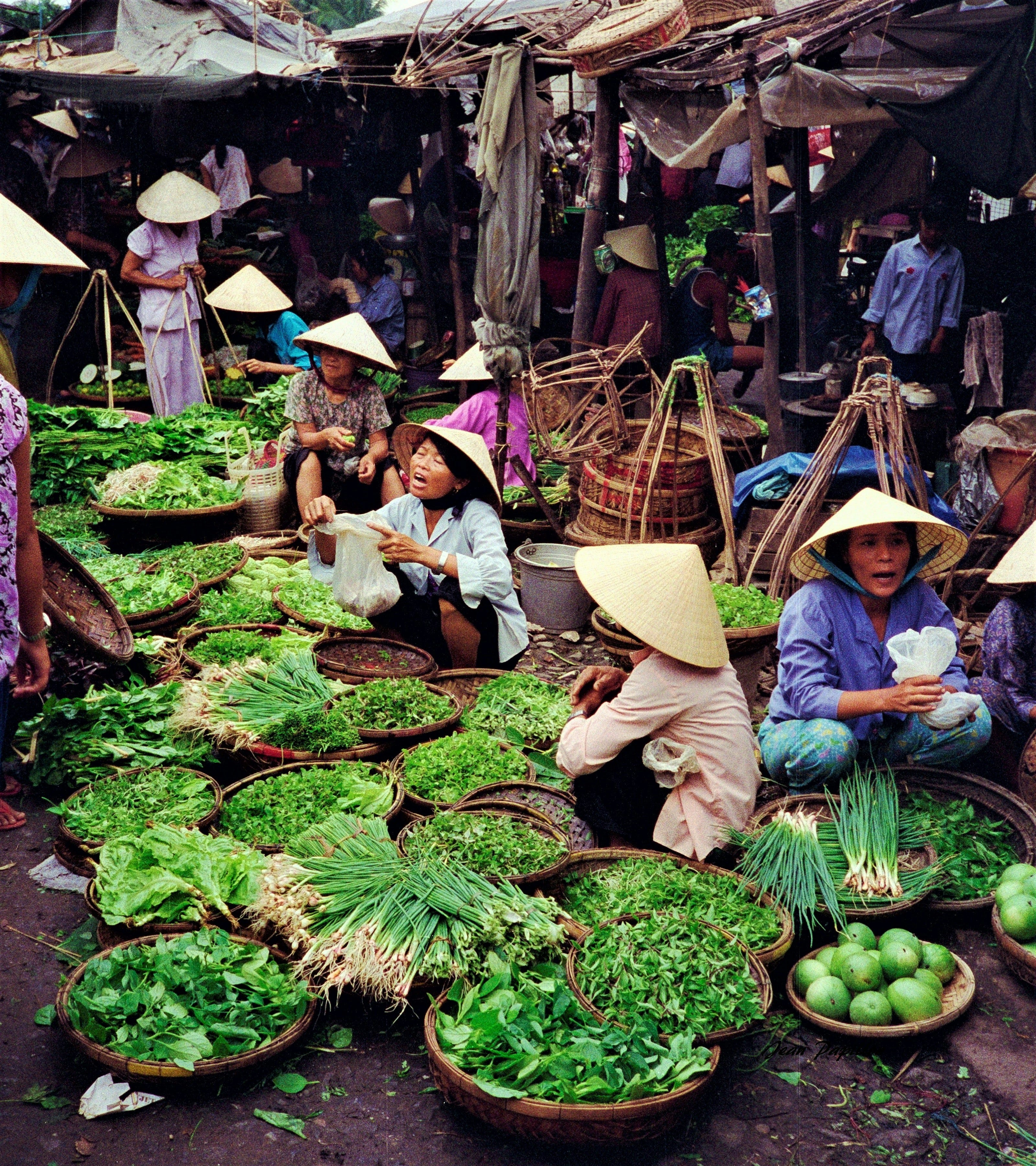
For the millions of Vietnamese workers in factories, the question is whether growth translates into better wages, working conditions, and opportunities.
For farmers in the Mekong Delta, it is whether the benefits of development reach them.
For young people entering the workforce, it is whether Vietnam can create high-quality jobs that match their aspirations.
The lesson of 1945 is that the people’s will is a powerful force. The question for 2026 is whether that will is being mobilised to address the challenges of the present, or whether it is being taken for granted.
🏁 The Bottom Line
Vietnam’s 81st National Day is a celebration of achievement, but it is also a reminder of the work that remains.
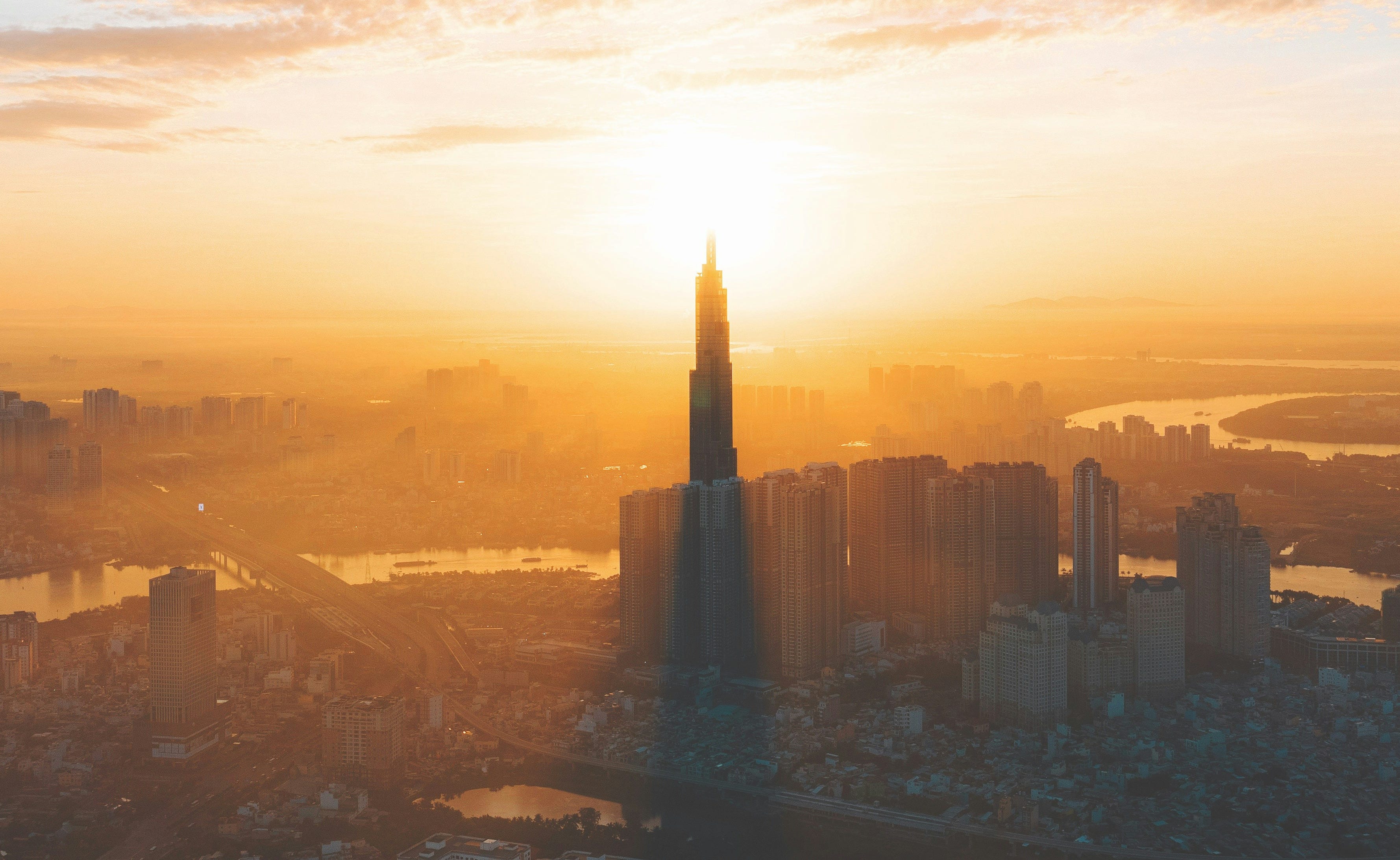
The country has outperformed nearly all its peers, moving from poverty to middle-income status in a single generation. It has integrated into global supply chains, attracted record investment, and built a manufacturing base that rivals its neighbours.
But the next phase will be harder. The low-cost labour advantage is fading. Global trade is becoming more uncertain. The middle-income trap looms.
Vietnam’s leaders frequently invoke the spirit of 1945—the unity, the sacrifice, the determination. But spirit alone will not sustain growth.
What Vietnam needs now is a new economic model: one that moves beyond export-led industrialisation, captures more value domestically, invests in human capital, and ensures that prosperity is shared.
The Declaration of Independence proclaimed that “all people are created equal”. The task of the next 81 years is to make that equality real in economic terms, not just in law, but in the lives of ordinary Vietnamese.
Need More Angles?
Asia News Network Leaders of nations extend congratulations to Vietnam on National Day
Eurasia Review The Vietnamese Economy And The Coming Challenges – Analysis
Star, The Solemn flag-raising ceremony marks Vietnam’s 81st National Day
Tuoi Tre News Vietnam’s National Day marked by stirring songs in sky, sign language on ground
VietnamNet Developing a ‘low-altitude economy’: What is the roadmap for Vietnam?
VnEconomy A bright historic milestone
#VietnamNationalDay #81stIndependenceDay #Vietnam #HoChiMinh #VietnamEconomy #GDPGrowth #MiddleIncomeTrap #IndependenceDay #ASEAN #SoutheastAsia #VietnamDevelopment
(ELS/QOB)