



The Main Takeaway 🎯
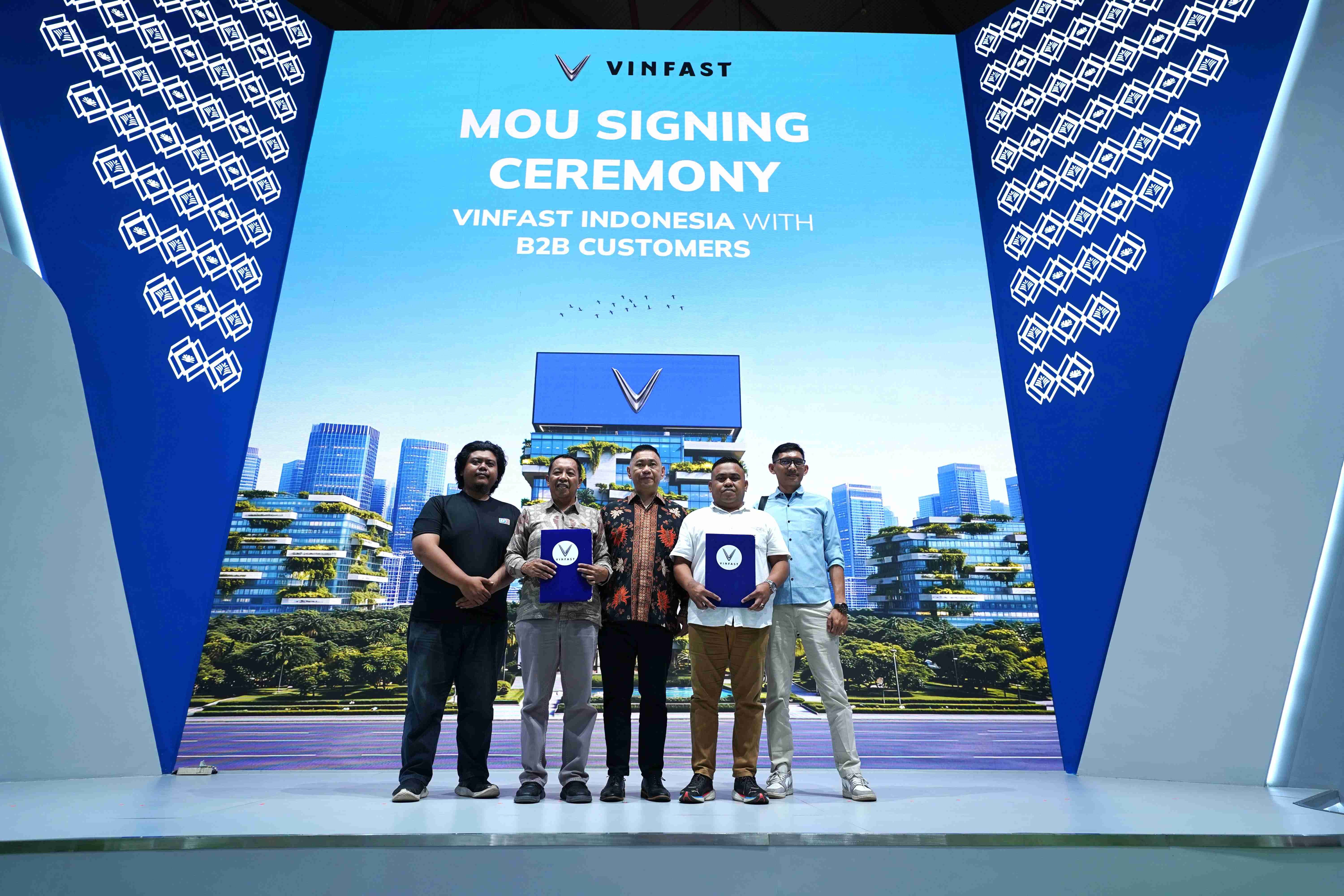
Vietnamese EV maker VinFast signed a memorandum of understanding (MoU) to supply 400 electric MPVs to Indonesian fleet operators during the Indonesia International Motor Show 2026 (IIMS) — an annual automotive showcase in Jakarta.
The agreement highlights how fleet electrification is emerging as one of the earliest pathways for EV adoption in Southeast Asia’s largest automotive market.
⚠️ Why It Matters
🚐 Fleet deployment: The MoU involves 200 vehicles for Riline Velocity Express and 200 for PT Sentrik Persada Nusantara, with deliveries expected to roll out gradually as both companies expand passenger transport and B2B rental fleets.
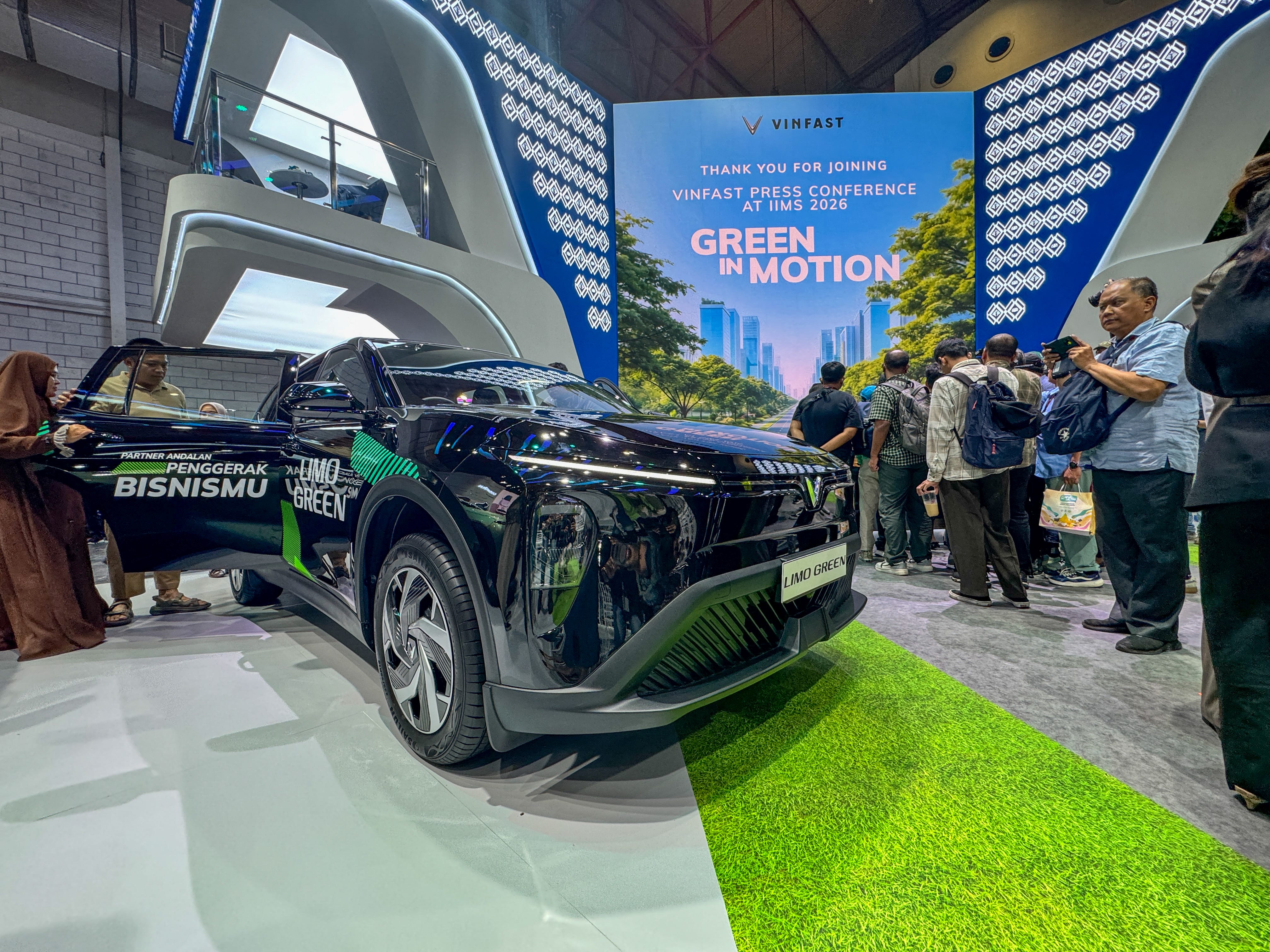
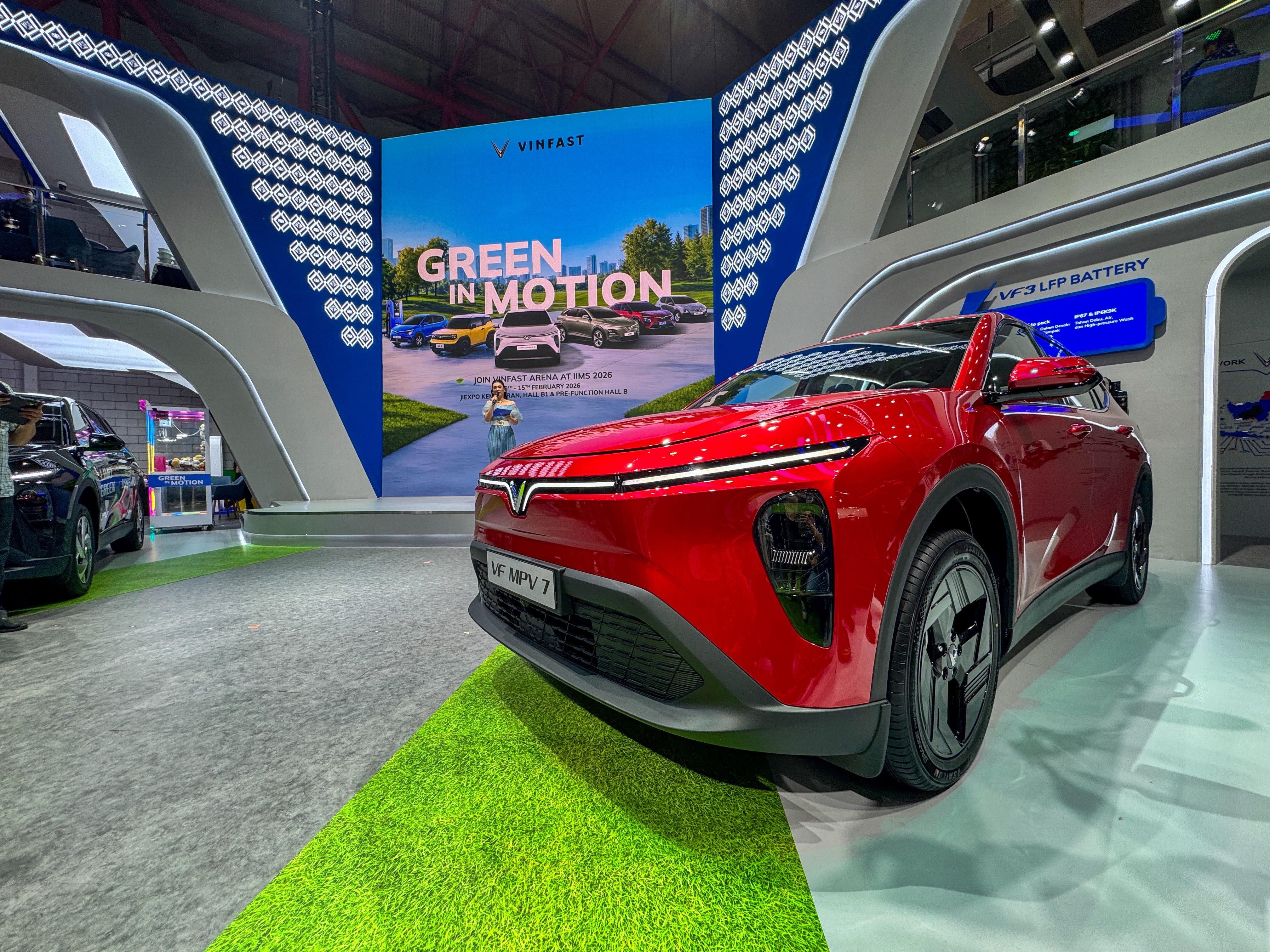
🚗 Commercial EV design: The vehicle, VinFast’s Limo Green, is a seven-seat electric MPV designed for high-intensity passenger transport operations.
🔋 Operational range: Equipped with a lithium iron phosphate (LFP) battery, the vehicle can travel up to 450 km per charge, potentially helping fleets reduce downtime and operating costs.
⚡ EV momentum builds: Indonesia’s EV segment grew 49% in 2025, even as the broader automotive market slowed.
🏭 Industrial push: Jakarta aims to build a fully integrated EV supply chain — from nickel mining to battery recycling — with a target of 140 GWh battery capacity by 2030, starting from virtually zero domestic production today.
🌱 Climate driver: Indonesia has pledged to cut greenhouse-gas emissions 29% by 2030 — or up to 41% with international support, with transport electrification seen as a key pathway.
🚦 Urban pressure: Severe congestion and air pollution in cities like Jakarta have prompted EV incentives and traffic controls such as the odd-even license plate system.
🔍 Why It’s on Our Radar
🚕 Fleet-first electrification: Ride-hailing, taxi, and corporate transport fleets are emerging as testing grounds for EV adoption before mass consumer uptake.
⛽ Fuel cost pressure: Rising fuel prices and operating expenses are pushing transport operators to explore EVs as a way to stabilize long-term costs.
📉 ASEAN still early-stage: Despite rapid global EV growth, Southeast Asia remains in the early phase of electrification, with internal-combustion vehicles still dominating the market.
🧪 Pilot adoption: The MoU represents a small-scale rollout, testing how electric fleets perform in Indonesia’s dense urban transport environment.
⚖️ What’s at Stake
🇻🇳 Regional expansion: Vietnam’s EV maker VinFast is pushing beyond its home market, reflecting a broader trend of Southeast Asian companies scaling across the region.
🇮🇩 EV battleground: Indonesia’s large consumer market and abundant resources are attracting investment from global automakers and battery producers.
🔋 Battery ambitions: Jakarta aims to become a major EV battery exporter, with about one-third of its planned 140 GWh battery production capacity by 2030 intended for global markets.
🪨 Nickel leverage: As the world’s largest nickel producer, Indonesia is seeking to move up the value chain by processing battery materials domestically instead of exporting raw ore.
🚗 Adoption targets: The government aims to put 2.2 million electric cars and 13 million electric motorcycles on the road by 2030.
🌏 Regional Stakes
🤝 Intra-ASEAN investment: The partnership reflects a broader trend of regional companies expanding within Southeast Asia, not just relying on Western or Chinese capital.
🔗 Supply chain integration: Battery materials, EV manufacturing, and charging infrastructure are gradually forming cross-border industrial networks across ASEAN.
🌐 Strategic positioning: Indonesia’s resource-driven EV strategy could reshape regional supply chains — particularly for battery materials such as nickel and cobalt.
📸 The Bigger Picture
🚗 Chinese brands lead rollout: Much of Indonesia’s EV lineup comes from Chinese manufacturers such as BYD, Geely, Wuling Motors, Jaecoo, etc.
🇩🇪 Premium segment entry: European automakers such as BMW are entering Indonesia’s EV market mainly through luxury models.
🚕 Fleet-first strategy: Rather than targeting private buyers initially, VinFast is entering through fleet and taxi services — a rollout model often used in markets where EV adoption is still emerging.
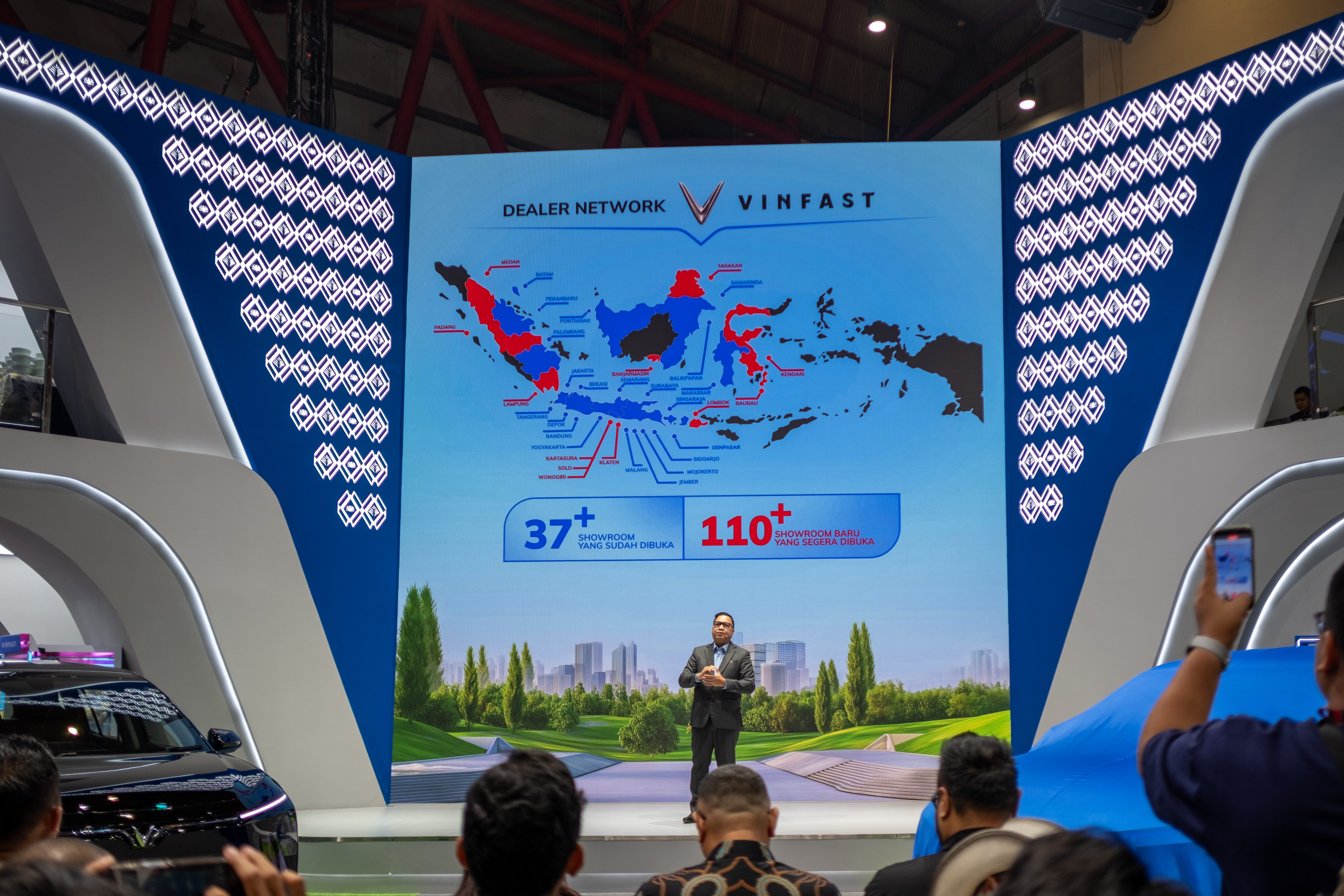
📍 Market foothold: VinFast says it has opened 37+ showrooms across Indonesia and plans more than 110 additional outlets, underscoring how automakers are racing to secure early market presence in Southeast Asia’s EV transition.
🏭 Battery investments underway: Global players including Hyundai Motor Company, LG Energy Solution, and CATL have announced projects tied to Indonesia’s EV battery ecosystem.
⚡ Technology uncertainty: The resurgence of lithium iron phosphate (LFP) batteries — cheaper and widely produced in China — could challenge Indonesia’s strategy built around nickel-rich batteries.

❤️ Why This Hits Home
Indonesia’s roads are among the most congested in Southeast Asia, and air pollution remains a persistent concern in major cities.
If electric fleets gain traction — from taxis to corporate transport — they could gradually reshape mobility patterns in Indonesia and potentially across the ASEAN region.
🚖 The Bottom Line
Electric vehicles are slowly moving from policy ambition to real-world experimentation in Southeast Asia.
As companies test fleet electrification and regional investment strategies, Indonesia is emerging as a critical proving ground for the region’s transport transition.
📰 Need More Angle?
(BRZ/LAN/QOB)