



🎯 The Main Takeaway
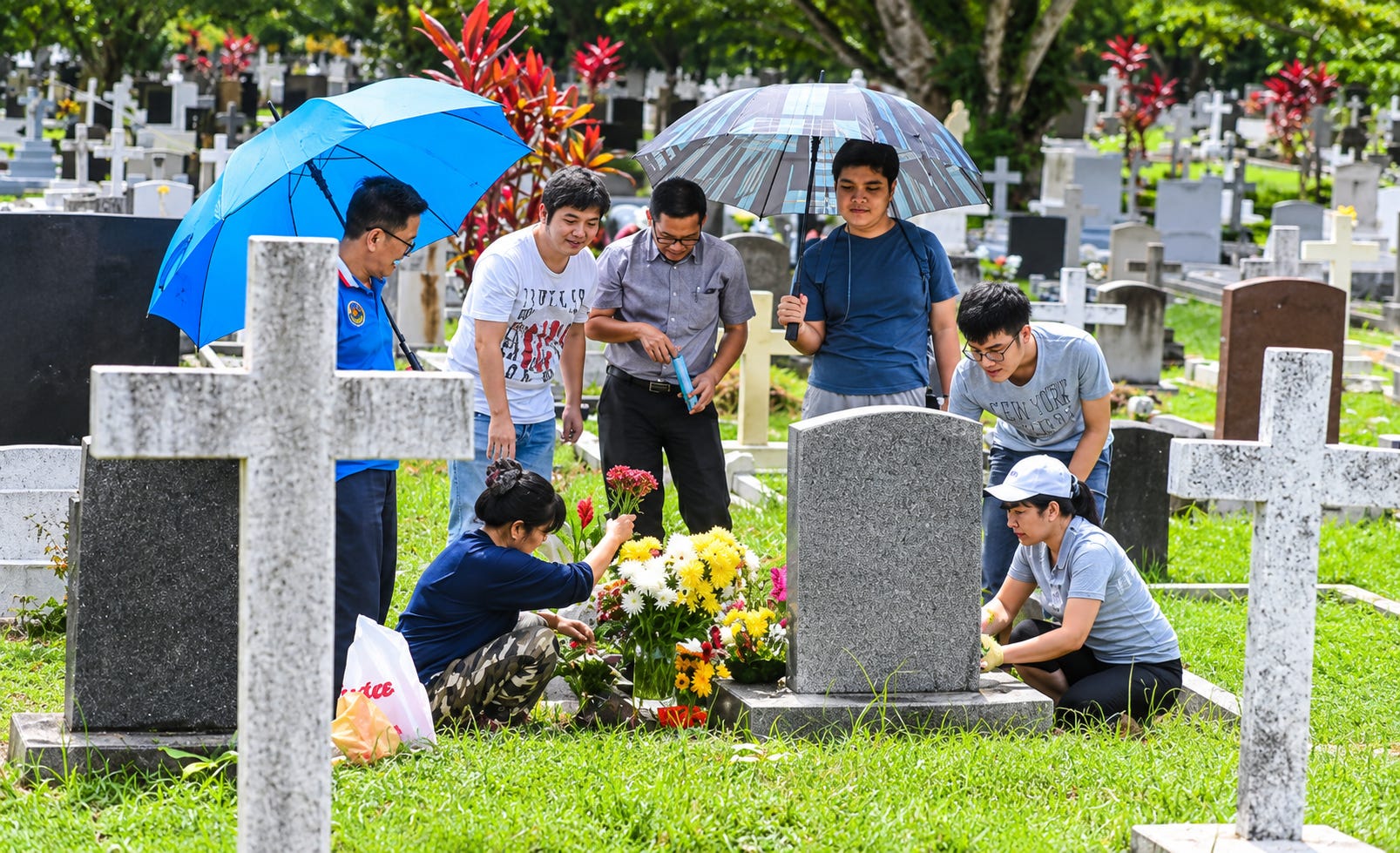
Filipinos around the world came together to celebrate Undas, an annual tradition and special holiday in the Philippines held in early November, to remember and honour loved ones who have passed away.
During the celebrations, families and friends visit cemeteries to pay their respects, offer prayers and remember those who are no longer with them.
It is also a meaningful time for families to come together, share memories and keep the memory of their loved ones alive for generations to come.
📡 Why It’s on Our Radar?
During the pre-colonial era, many indigenous Filipinos followed animism and polytheism, believing in various deities and nature spirits known as diwata and anito.
When a family member died, their body was placed in a designated burial site. Some were buried beneath their homes, while others were laid to rest in sacred natural areas, including forests and wooded landscapes.
For many indigenous Filipinos, death did not mean that their loved ones had disappeared forever. They believed that the spirits of the deceased continued to exist, watching over and protecting their surviving family members.
As a result, families often offered food and drinks at household altars to honour deities, ancestral spirits, and deceased loved ones.
These offerings were believed to maintain harmony with the spiritual world, protect families and bring blessings, including good harvests.
🇪🇸 After the Colonisers Arrived…
The Philippines was under Spanish colonial rule for more than 300 years. Spain’s involvement began in March 1521, when Portuguese explorer Ferdinand Magellan arrived in the archipelago during his expedition and claimed the islands for the Spanish Crown.
However, Spanish colonisation did not begin until 1565, when King Philip II of Spain sent Miguel López de Legazpi to establish the first permanent Spanish settlement in Cebu.
Six years later, in 1571, the Spanish established Manila, which eventually became the centre of colonial administration in the Philippines.
One of Spain’s main objectives was to spread Roman Catholicism among the local population. At the time, indigenous communities followed various beliefs and religions, including animism, Islam, Hinduism and Buddhism.
Over time, Catholicism became deeply rooted in Filipino culture and traditions.
Beyond religion, Spanish colonisers also established a maritime trade route connecting Manila in the Philippines with Acapulco in Mexico. Known as the Manila-Acapulco Galleon Trade, this route operated for more than two centuries, connecting Asia and the Americas.
It also helped bring Mexican religious customs and traditions to the Philippines, further shaping the country’s religious practices and celebrations.
⚠️ As a Result…
During Spanish colonial rule, colonial authorities and missionaries encouraged and pressured indigenous Filipino communities to convert to Roman Catholicism.
As Catholicism spread across the archipelago, some local languages, cultural practices and traditions gradually faded, while others blended with Catholic beliefs and customs, allowing parts of the Philippines’ indigenous identity to survive.
Over time, Roman Catholicism became the dominant religion in the Philippines. According to the Philippine Statistics Authority (PSA), the country had a population of around 108.6 million in 2020.
Of this number, approximately 85.6 million people (78.8%) identified as Roman Catholic, followed by 6.9 million Muslims (6.4%) and 2.8 million members of Iglesia ni Cristo (2.6%).
One example of how indigenous Filipino traditions blended with Roman Catholic practices is Undas, a centuries-old tradition still observed across the Philippines today.
🕯️ What Is Undas?
Undas is a Filipino tradition associated with remembering and honouring loved ones who have passed away. The name is often linked to the Spanish phrase Día de los Muertos, meaning “Day of the Dead”.
The tradition is observed annually on 1 and 2 November, following the Catholic calendar of All Saints’ Day and All Souls’ Day.
Its customs reflect centuries of Spanish colonial influence, alongside the cultural exchanges between the Philippines and Mexico through the Manila-Acapulco Galleon Trade.
The two-day observance consists of two important religious celebrations:
All Saints’ Day (1 November): A day to honour all saints of the Catholic Church, including those not formally canonised and those believed to be in heaven.
All Souls’ Day (2 November): A day dedicated to praying for the souls of the deceased, particularly those believed to be in purgatory, as they undergo purification before entering heaven, according to Catholic belief.
🤲 What Filipinos Do During Undas?
Millions of Filipinos take part in various activities to celebrate Undas, turning the annual tradition into a meaningful time for family reunions, remembrance and religious observance.
The Great Homecoming: Many Filipinos travel back to their hometowns to reunite with family members and loved ones, making the holiday a special time to reconnect.
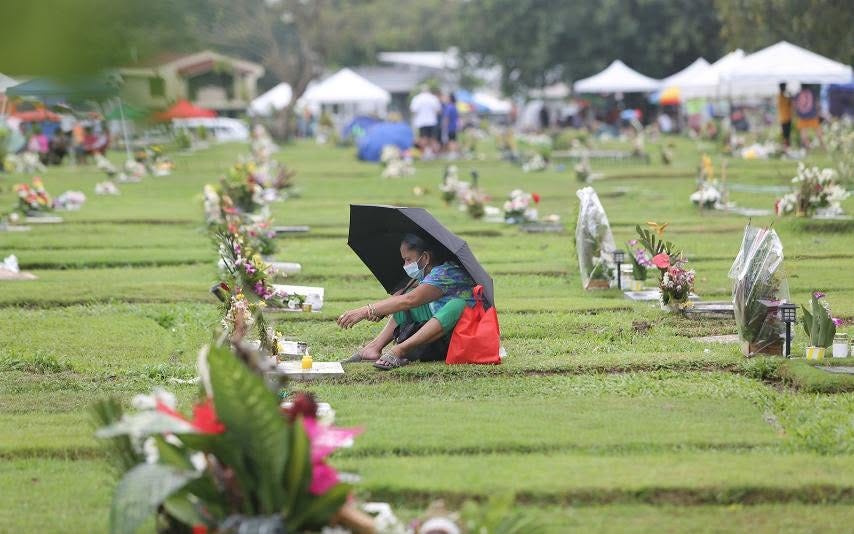
A Visit to Remember: Families visit cemeteries to pay their respects, offer prayers and remember relatives who have passed away.
Flowers, Candles and Memories: Before the celebrations, families often clean and decorate their relatives’ graves with colourful flowers and candles, making the memorial sites look beautiful and well cared for.
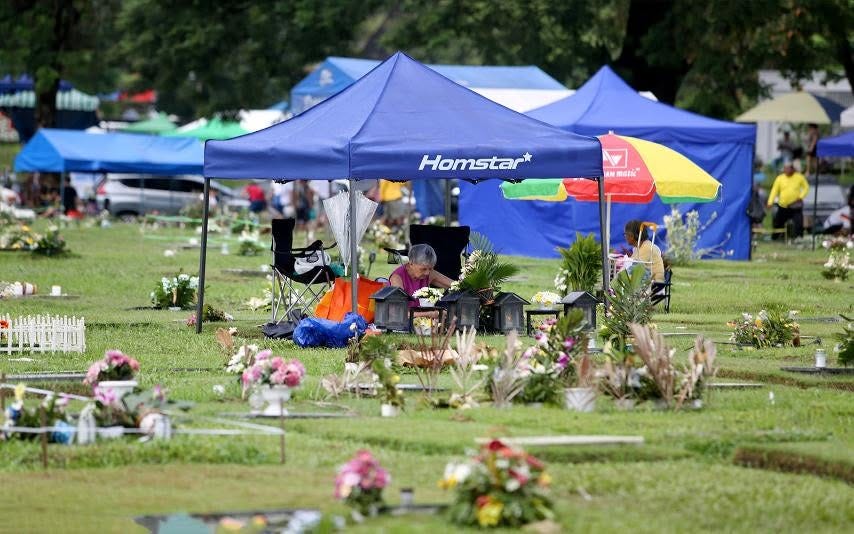
Sharing Love Beyond Life: Some families bring food, drinks and personal items that their deceased loved ones once enjoyed. They also share meals with relatives and friends, turning the occasion into a moment of togetherness and remembrance.
A Night with the Departed: Some families spend the night at cemeteries, gathering around their relatives’ graves to pray, light candles and burn incense. It is a meaningful way to honour their ancestors, express gratitude and remember the bonds that remain even after death.
👨🏫 Why Is the Undas Tradition Important?
Beyond remembering loved ones who have passed away, Undas carries valuable lessons that Filipino families can pass down to younger generations.
Through this annual tradition, children and young people learn about family ties, respect, gratitude and the importance of keeping their cultural roots alive.
Stronger Family Bonds: Undas brings family members of all ages together to share stories, remember loved ones and learn about their family history, roots and identity, while strengthening family bonds.
Love Beyond Generations: Spending time with family during Undas teaches children the importance of empathy, compassion and belonging. It reminds them to care for one another and build meaningful relationships that extend beyond the annual celebrations.
Honouring Our Roots: The tradition teaches younger generations to respect their ancestors, appreciate their legacy and recognise the sacrifices they made for their families. It is also an opportunity to pass down family values, stories and life lessons.
Time to Pause and Reflect: Taking part in prayers and quiet moments of remembrance encourages children to slow down, practise patience and reflect on life. It also helps them develop mindfulness and think beyond their own daily activities.
Sharing Food and Kindness: Bringing food and drinks to cemeteries is a way to remember loved ones and share with family, friends and other visitors. These simple acts encourage kindness, generosity and togetherness.
Memories That Never Die: Visiting cemeteries teaches younger generations to respect and remember those who passed away, including relatives and others outside their immediate families. Above all, Undas reminds Filipinos that love and family bonds live on even after death.
🌏 Undas-Style Traditions Across Southeast Asia
With a population of around 700 million and a rich mix of cultures and religions, Southeast Asia has many traditions for remembering and honouring the dead.
Many of these customs have been shaped by centuries of colonial influence, particularly from the British, Dutch, French, Spanish and Portuguese.
Over time, colonial powers introduced their own religious beliefs and cultural practices, which blended with local customs and traditions.
As a result, several Southeast Asian countries developed similar ways of remembering their deceased loved ones, influenced by shared indigenous roots, religious beliefs and colonial history.
Here is a closer look at how these traditions compare across Southeast Asia:
🇧🇳 Brunei Darussalam, 🇮🇩 Indonesia, 🇲🇾 Malaysia: Balik Kampung and Ziarah Kubur
As Muslim-majority countries with shared Malay cultural roots, Brunei Darussalam, Indonesia, and Malaysia share traditions of returning home to reunite with family and visiting cemeteries to remember loved ones.
The homecoming tradition is known as mudik in Indonesia and balik kampung in Brunei Darussalam and Malaysia. Although the names differ, the meaning is the same: people travel from cities, other provinces and even overseas to return to their hometowns and reunite with their families.
This usually happens during Eid al-Fitr, when families celebrate the religious holiday together, pray, and ask one another for forgiveness.
People from minority religious communities also take part in similar homecoming traditions, particularly during Christmas, Chinese New Year and Deepavali.
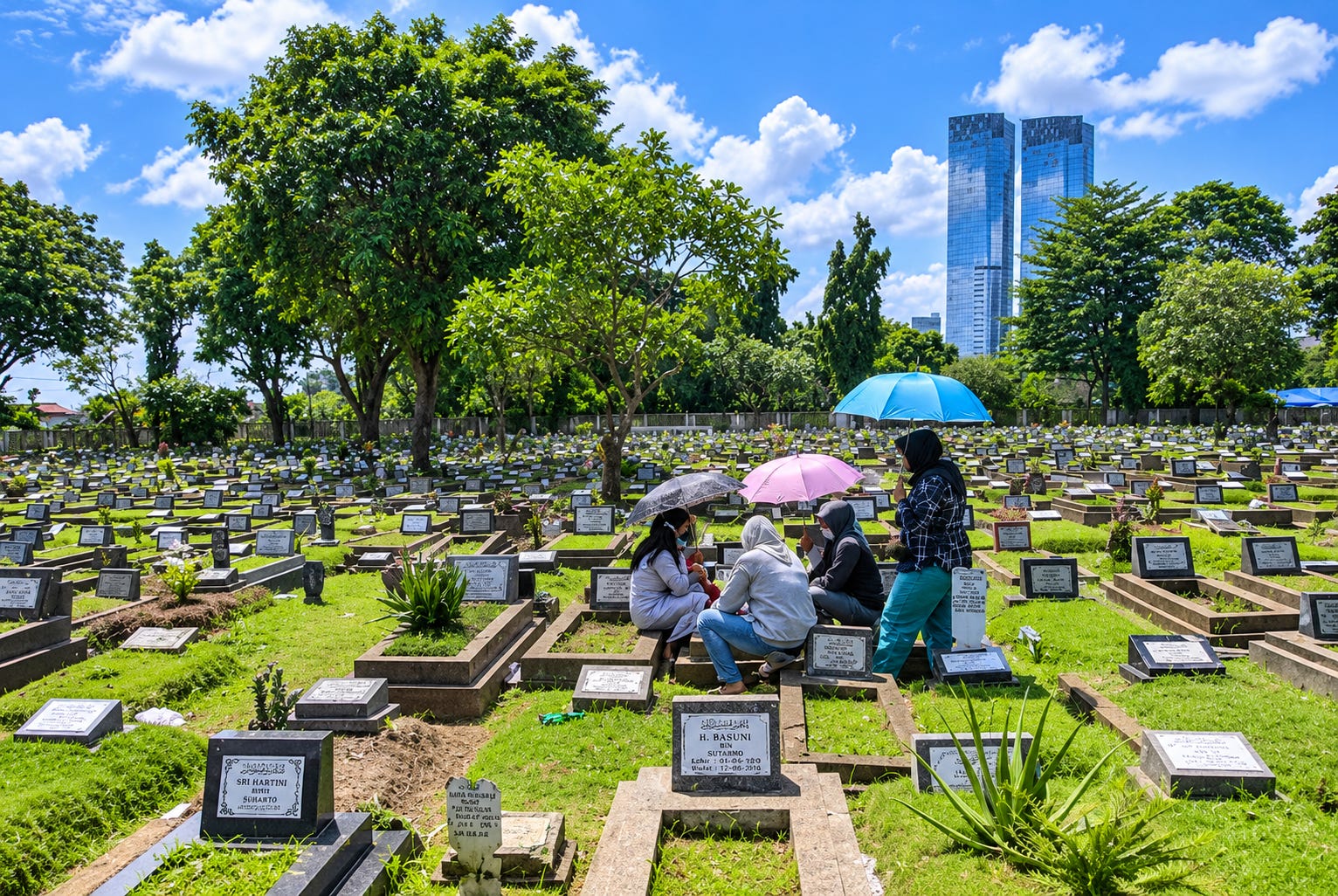
Another shared tradition is ziarah kubur, which refers to visiting the graves of deceased family members. Muslim communities in all three countries commonly observe this practice in the days leading up to Ramadan, before Eid al-Fitr, and during or after the celebrations.
During these visits, families clean their relatives’ graves, place flowers, recite verses from the Quran, perform dhikr (remembrance of Allah) and offer prayers for the deceased, seeking forgiveness and peace for their souls in the afterlife.
Malaysia’s Chinese community also observes Qingming Festival, an annual tradition usually held around 4–6 April. Families visit and clean their ancestors’ graves, offer food and drinks, burn incense and say prayers to express their respect, remembrance and gratitude to those who came before them.
🇰🇭 Cambodia, 🇱🇦 Laos: Gathering at Pagodas and Offering Food to Ancestors
As predominantly Buddhist countries, Cambodia and Laos have long-standing traditions of honouring deceased family members. Many Buddhists practise cremation rather than burial, with the ashes placed in urns kept at temples or family homes, or scattered in rivers or the sea.
Both countries have similar festivals dedicated to honouring and remembering deceased family members and ancestors.
In Cambodia, the festival is called Pchum Ben, which is observed by Cambodians with Khmer roots. It usually takes place over 15 days in September or October. Meanwhile, in Laos, it is known as Boun Khao Padapdin, or the Rice Festival. It is usually held in August or September, depending on the lunar calendar.
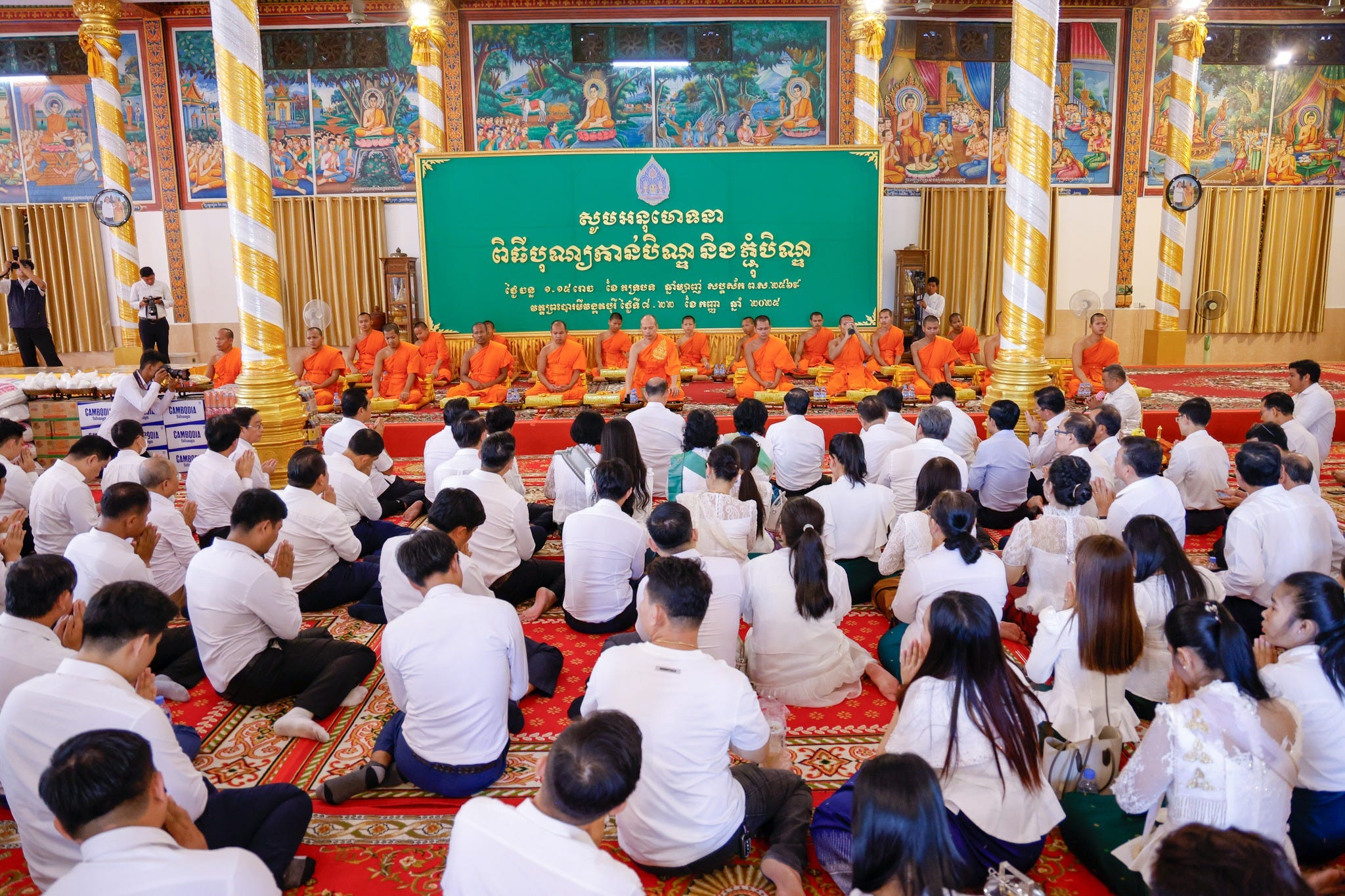
During Pchum Ben and Boun Khao Padapdin, monks and families gather at pagodas to perform religious rituals, offering food, drinks and donations for their ancestors and wandering spirits.
According to traditional beliefs, the spirits of deceased family members can return to the human world to visit the living during these festivals. Food offerings and prayers are believed to help them find peace in the afterlife, while bringing blessings, good fortune and wellbeing to surviving family members.
In addition, people of Chinese ancestry in both countries also observe the Qingming Festival, usually around 4–5 April. Families visit their ancestors’ graves to clean and decorate the tombs, offer food and drinks, burn incense and say prayers to show respect and gratitude to those who came before them.
🇲🇲 Myanmar: Family Reunions and Water-Cleansing Rituals
Similar to Cambodia and Laos, most people in Myanmar follow Buddhism, where cremation is generally preferred over burial.
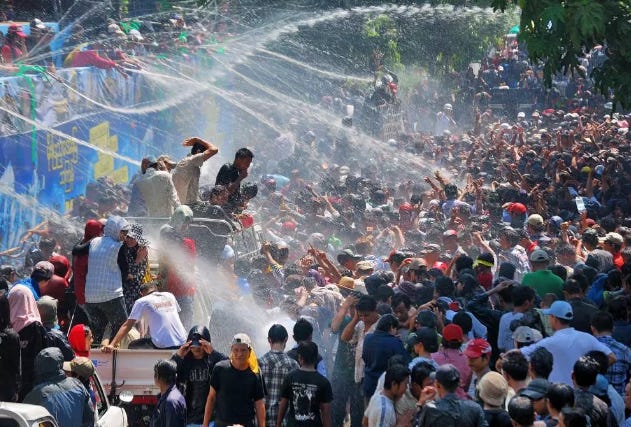
However, Myanmar also celebrates Atā Thingyan, its traditional New Year festival, held from 13 to 17 April. During the five-day national holiday, families across the country travel back to their hometowns to reunite with loved ones and celebrate the occasion together.
During the festivities, families decorate their homes with flowers and leaves arranged in vases to welcome the new year.
One main custom is pouring water over Buddha images and splashing water on each other as a symbol of cleansing, washing away past misfortunes, and welcoming good fortune.
Other activities include washing and caring for elderly family members, donating food, organising charity events, and enjoying traditional singing and dancing performances.
These activities make Atā Thingyan more than just a New Year celebration, as they also promote family bonds, generosity and respect for elders.
🇹🇭 Thailand: Qingming Festival and Ziarah Kubur
Although Thailand is a predominantly Buddhist country, it also has Muslim communities, particularly in the southern provinces, where burial is more commonly practised than cremation.
Thai people of Chinese ancestry also observe Qingming Festival, usually around 4–5 April. During the festival, families gather to visit their ancestors’ graves, clean and decorate the tombs, offer food and drinks, and say prayers to show respect and gratitude while wishing for happiness and good fortune.
Meanwhile, Thai Muslims with Malay roots also maintain the tradition of returning to their hometowns to reunite with family members during Eid al-Fitr. They also practise ziarah kubur, visiting the graves of deceased relatives, particularly in the days before Ramadan and around Eid al-Fitr.
During these visits, families clean the graves, place flowers, recite verses from the Quran, perform dhikr (remembrance of Allah) and offer prayers for their deceased loved ones, seeking forgiveness and peace for their souls in the afterlife.
🇸🇬 Singapore: Multicultural Traditions and Religious Celebrations
Singapore is home to a diverse mix of cultures and ethnic communities, mainly influenced by Chinese, Malay and Indian heritage. Its population follows several religions, including Buddhism, Christianity, Islam, Taoism and Hinduism.
As a result, family reunions and cemetery visits often take place around different religious festivals, with each community maintaining its own customs and traditions.
For example, Buddhist and Taoist communities observe the annual Qingming Festival, visiting their ancestors’ graves to clean and decorate them, offer food and drinks, and pay their respects.
Meanwhile, Christian families often reunite during Christmas, while Muslim families return to their hometowns or gather with relatives during Ramadan and Eid al-Fitr. Hindu families, meanwhile, celebrate Deepavali with family gatherings, prayers and festive activities.
Although these celebrations differ in religious meaning and customs, they share a common value: bringing families together, strengthening relationships, and keeping cultural traditions alive.
🇹🇱 Timor-Leste: All Saints’ Day and All Souls’ Day
Like the Philippines, Timor-Leste was once under Portuguese colonial rule, and Roman Catholicism remains the country's dominant religion.
As a result, Timorese families also maintain traditions of returning to their hometowns to celebrate All Saints’ Day (1 November) and All Souls’ Day (2 November), often travelling to visit and clean the graves of their deceased relatives.
During All Saints’ Day, Roman Catholic communities honour the saints of the Christian Church, including those who have not been formally canonised.
The following day, families remember their deceased loved ones by visiting cemeteries, offering prayers and lighting candles.
Through these traditions, Timorese Catholics pray for the souls of their departed family members, seeking peace for them and hoping they will reach heaven, according to Catholic belief.
🇻🇳 Vietnam: Ancestral Worship and Grave Visits
Although many Vietnamese people do not identify with an organised religion, ancestral worship remains an important part of the country’s cultural and family traditions.
Families honour deceased relatives through various customs, including cremation and placing their loved ones’ ashes in urns kept at family altars or temples.
Families also regularly offer food and light incense at household altars to honour the dead, remember their ancestors and maintain a spiritual connection with previous generations.
Another traditional burial practice involves initially placing the deceased in a coffin and burying the body for around three years.
The remains are then exhumed, cleaned and transferred to a smaller container before being buried again in a permanent resting place. This practice is known as cải táng, or secondary burial.
Vietnamese people of Chinese ancestry also maintain similar traditions, particularly during the Lunar New Year, usually in January or February, and the Qingming Festival, which falls in early April.
Families gather to clean and decorate their ancestors’ graves, light incense, and offer food and drinks to show respect, express gratitude, and remember those who came before them.
Meanwhile, Vietnam’s Roman Catholic community also observes All Saints’ Day on 1 November and All Souls’ Day on 2 November, just like Catholic communities in the Philippines and other parts of Southeast Asia.
During these observances, families visit cemeteries, pray for deceased loved ones and honour the saints of the Church.
📌 The Bottom Line
Undas is not just a Filipino tradition of remembering and honouring loved ones who have passed away;
It is also a special occasion for family reunions, bringing generations together to celebrate their shared roots and strengthen family bonds.
It is not just about visiting graves, offering prayers and lighting candles; it is also about keeping memories alive, showing gratitude and paying respect to family members who are no longer around.
Across the Philippines and Southeast Asia, traditions may differ in religious beliefs and cultural practices, but they share a common purpose: bringing families together, honouring ancestors and preserving cultural heritage.
From Undas in the Philippines to ziarah kubur in Indonesia, Malaysia and Brunei Darussalam, these customs show how family connections extend beyond life and death.
Ultimately, remembering the dead is not just about looking back at the past; it is also about teaching younger generations the importance of family, respect, love and togetherness.
Undas reminds us that although our loved ones may be gone, their memories, values and legacy live on through the families they leave behind.
🔎 Need More Angles?
Discover Laos, Boun Khao Padabdin: Honoring Ancestors Through Tradition
DZRH, All Saints’ Day vs. All Souls’ Day: What Sets the Two Observances Apart?
Majelis Ulama Indonesia, Hukum Tradisi Ziarah Kubur Jelang Ramadhan
Philippine Statistics Authority, 2025 Philippine Statistical Yearbook
SCJ Philippines Region, Undas: A Unique Tradition of Honoring the Dead in the Philippines
UNESCO, Myanmar Traditional New Year Atā Thingyan Festival
Visit to Cambodia, Pchum Ben – (Ancestors’ Day of Cambodia) Festivals in Cambodia
(NGO/QOB)