



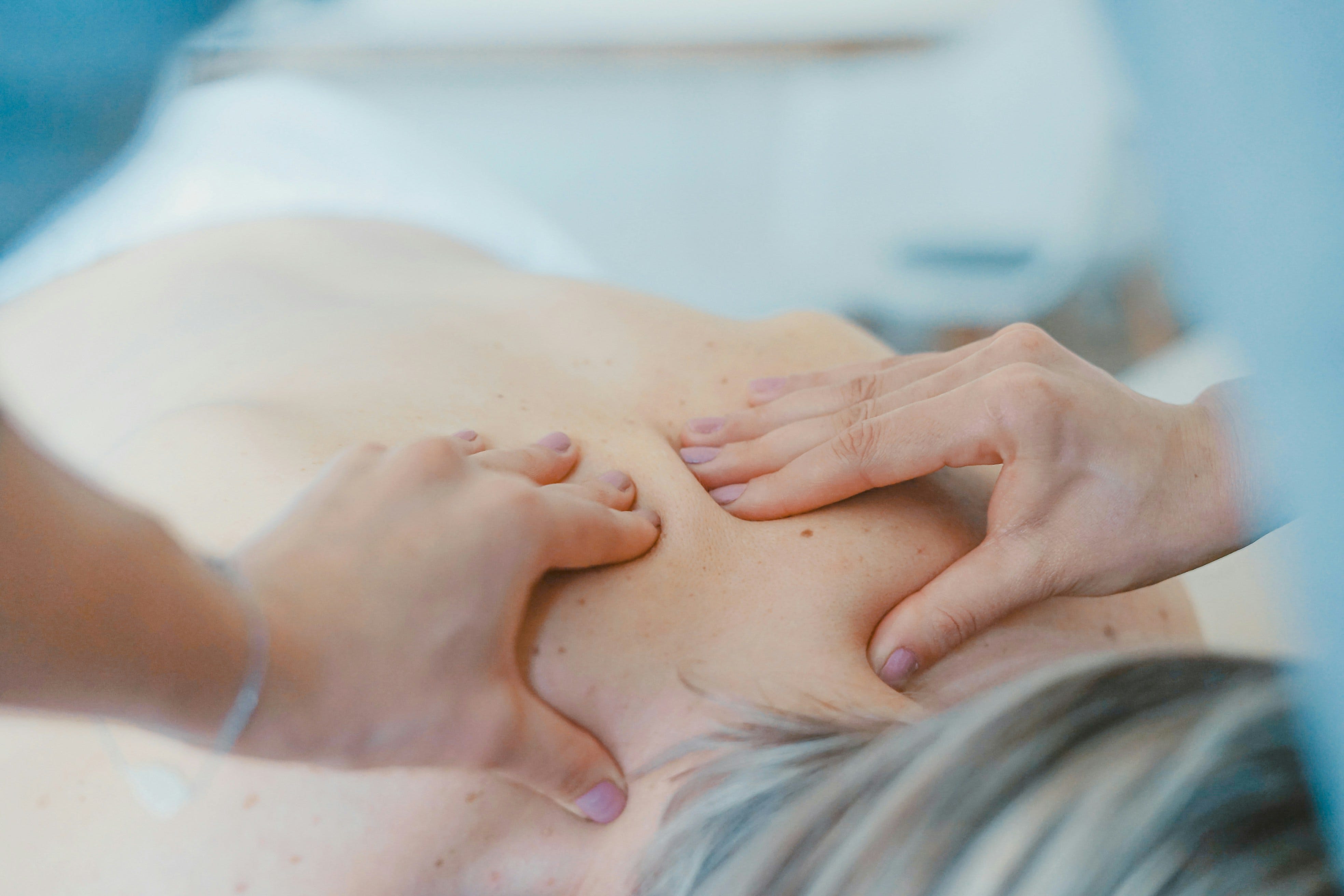
🎯 The Main Takeaway
Traditional healing practices are woven into daily life and belief. When people think of traditional medicine, Traditional Chinese Medicine (TCM) usually comes to mind first.
But have you heard of Kerokan, Hilot or Luk Pra Kob?
These are traditional health practices from Southeast Asia, using everything from coins to herbal compresses. If you grew up here, you may have had one done to you. A coin on your back when you felt “masuk angin” is a classic. People still use them today, not only to treat illness but also for general wellness and to ease everyday discomfort.
📡 Why It’s on Our Radar
These practices reflect the natural wealth, culture and beliefs of Southeast Asia. The many herbs involved show how communities draw on the plants around them, and how knowledge gets passed down through generations.
That makes them a good way to get to know Southeast Asian society, and a good reminder that “wellness” didn’t start with spa menus. People here have been doing it for generations.
🇮🇩 🇻🇳 🇱🇦 🇰🇭 Kerokan / Cạo gió / Khoud Lam
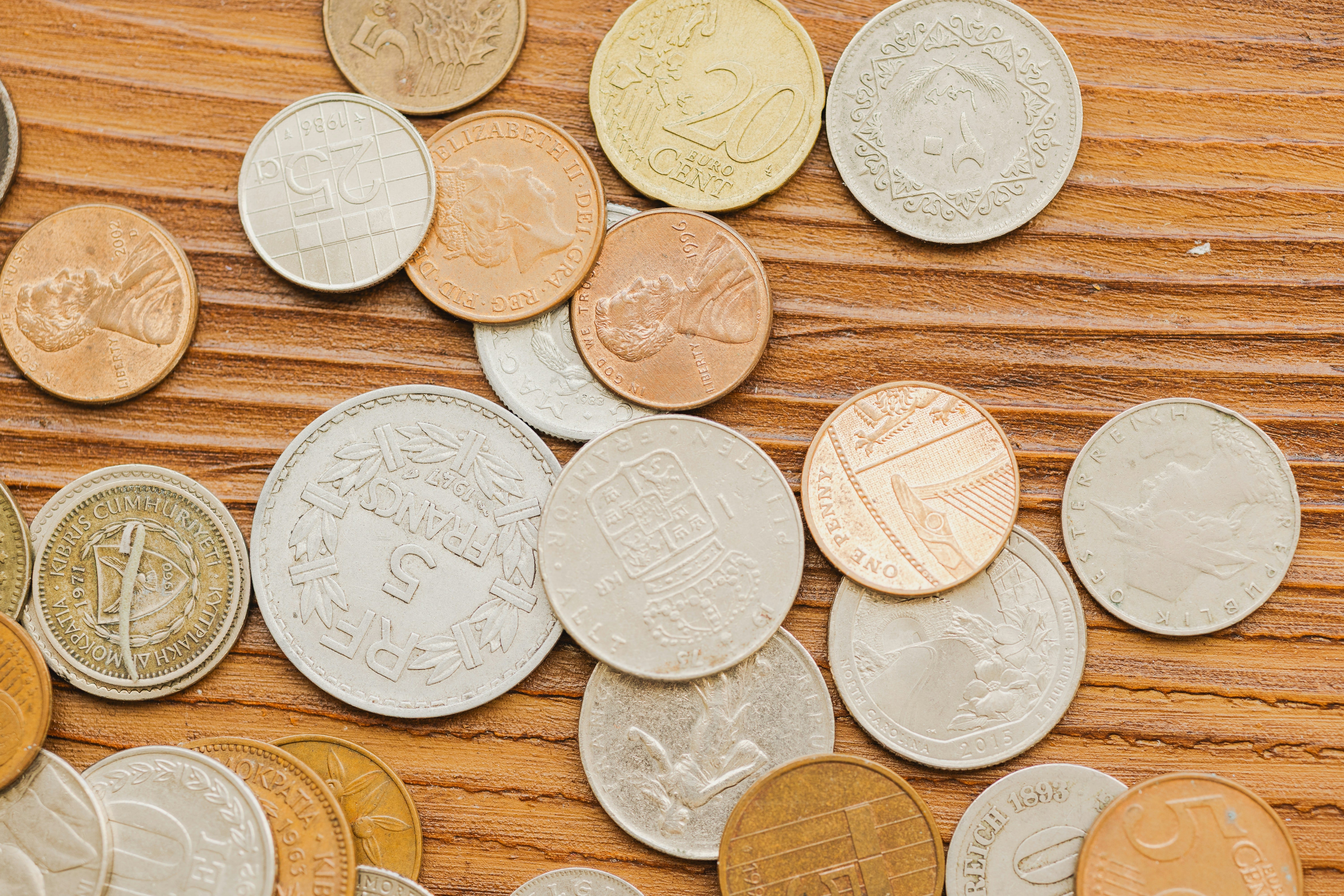
The Technique: Skin is oiled and repeatedly rubbed with a blunt object—usually a coin, spoon, or piece of jade until red streaks appear (which caused by broken capillaries).
The Philosophy: Known as kerokan (Indonesia), cạo gió (Vietnam), khoud lam (Laos), and kaos khyal (Cambodia), the name translates to “scraping the wind.” It targets the regional belief that illness stems from “catching wind” (masuk angin).
Benefits & Risks: Used to relieve muscle tension and fatigue by stimulating circulation. Avoid excessive heat when using oils, and consult a doctor if severe symptoms persist. Note: Scrapes resemble bruises and have occasionally been mistaken for physical abuse.
🇵🇭 Hilot
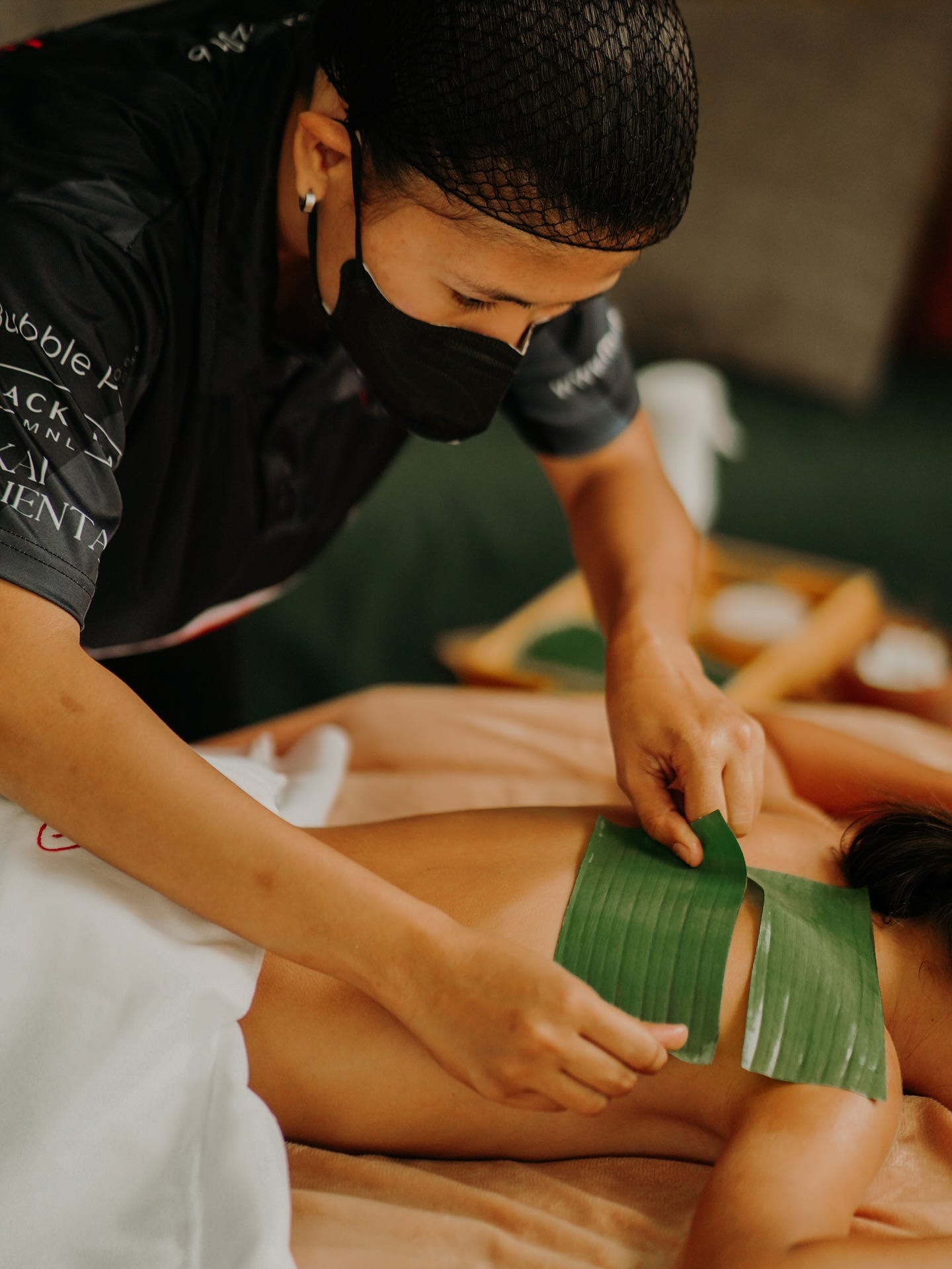
The Technique: A Filipino bodywork tradition performed by a manghihilot (community practitioner or traditional midwife). It combines targeted massage, warm coconut oil, medicinal plants, and sacred chants (bulong and orasyon).
The Ritual: The practitioner warms coconut oil over the body and scans the back using heated banana leaves. Leaves that stick, shrivel, or tear reveal areas of energetic imbalance.
Modern Context: Widely used in rural areas as accessible primary care, Hilot is now expanding into luxury spa menus worldwide.
🇹🇭 Luk Pra Kob (ลูกประคบ)
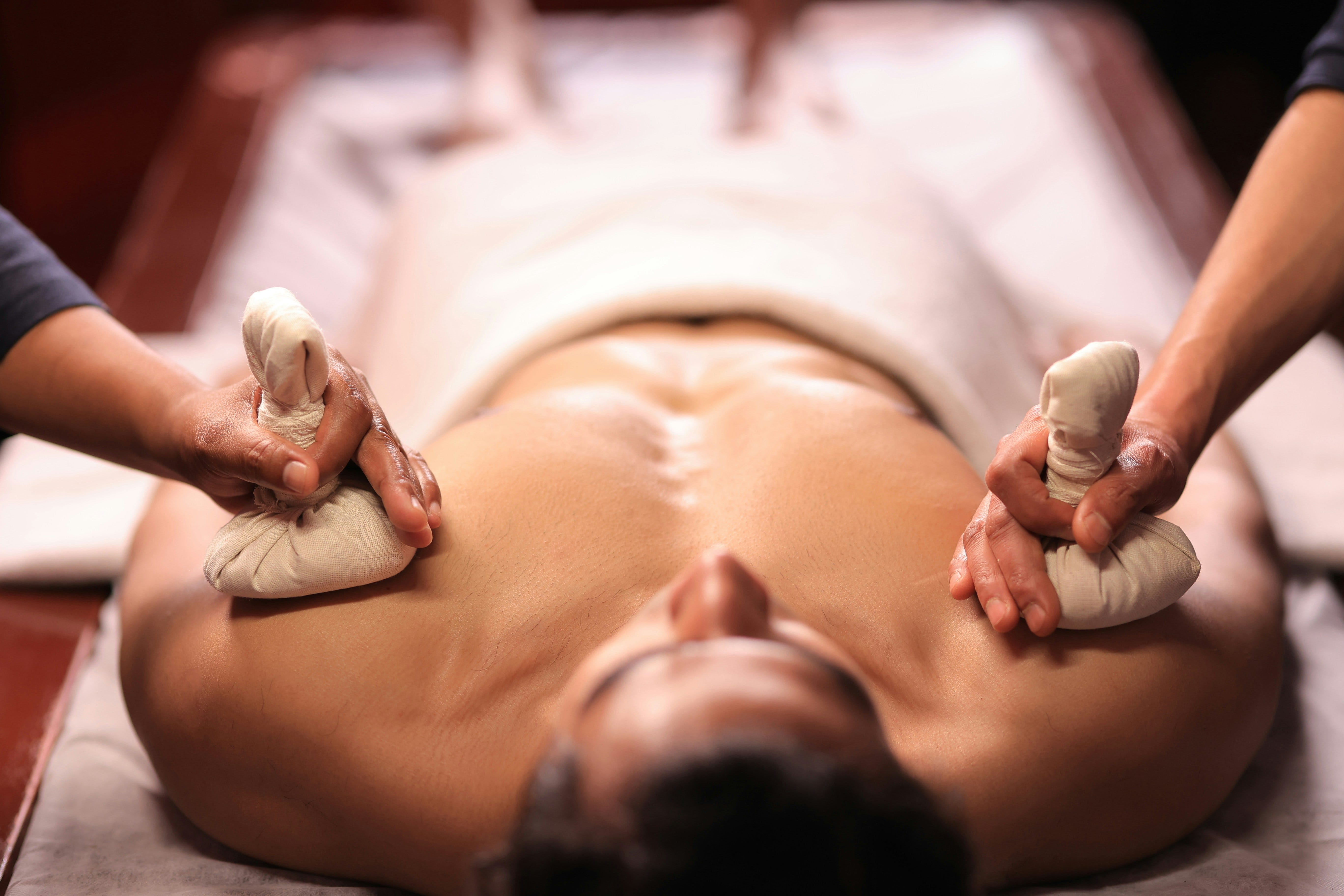
The Technique: Steamed muslin pouches filled with fresh medicinal herbs are pressed directly against tense muscles, often paired with traditional Thai massage.
Key Ingredients: A custom mix of plai (cassumunar ginger), turmeric, lemongrass, tamarind leaves, kaffir lime, acacia, sea salt, and camphor.
Benefits & Precautions: The heat, aroma, and botanical oils work together to soothe inflammation and ease joint pain. Exercise caution with heat levels, especially for individuals with reduced skin sensitivity or allergies to strong herbs.
🧭 The Bottom Line
From coins to banana leaves to herbal compresses, these practices might sound unusual, but many people find them relaxing. They’re best seen as comfort and wellness rituals, not replacements for medical care.
Sore muscles, or looking for a relaxing stop in Southeast Asia? These practices might be worth trying. Which one did your family use?
🔎 Need More Angles?
Forbes & Partners The Aromatic Art of Luk Pra Kob: Inside Thailand’s Therapeutic Herbal Compress Massage
Massage Championship World Tour Thai Herbal Compress (Luk Pra Kob)
Denver Integrative Massage School Thai Herbal Compress Treatment
Philippine Institute of Traditional and Alternative Health Care Hilot
L’Officiel Timeless Healing: Understanding the Ancient Art of Hilot
Badan Riset dan Inovasi Nasional (BRIN) Tradisi Kerokan di Era Kedokteran Modern
Soul Advisor Hilot
The Nod Mag Can rubbing a coin on your skin help you kick a cold?
Surabaya Physical Medicine and Rehabilitation Journal Review of Scraping Therapy (Kerokan) as a Traditional Therapy in Medical Aspects
(SAN/ZIL/ARS)