



🎯 The Main Takeaway

In Chinese culture, to eat is to remember. Food is a reflection of history, a concept that takes center stage during the Chinese New Year or Lunar New Year reunion dinner.
While deeply rooted in honoring ancestors, this tradition has found a new resonance across Southeast Asia. No longer just a family affair, it has blossomed into a cross-cultural phenomenon—a shared ritual of unity that defines the region’s spirit.
⚠️ Why It Matters
In Southeast Asia, the festival is more than a calendar event; it is a pillar of national culture.
Born from the historical tides of migration and proximity, it has evolved from a private family ritual into a public spectacle, recognized officially across borders. It serves as a vital anchor in Southeast Asia’s pluralistic societies.
While the lineage of the holiday is Chinese, its execution is uniquely regional. It is a time when boundaries blur, and the celebration becomes inclusive—a shared season where distinct cultures find common ground.
🔍 Why It’s on Our Radar
What truly sets the Southeast Asian celebration apart is its public magnitude. It is a festival that occupies the street as much as the spirit. Lantern-lit avenues, rhythmic dragon dances, and crowded temple courtyards turn the city itself into a communal venue.
In this way, tradition transcends the specific community; it becomes a living, breathing performance of culture that everyone—regardless of background—is invited to witness.
🌏 The Regional Stakes
While the spirit is shared, the execution varies, with each country adding a distinct local imprint:
🇸🇬 Singapore: The city-state transforms the holiday into a polished civic spectacle, anchored by the iconic Chinatown light-ups and the dazzling pyrotechnics of the River Hongbao.
🇲🇾 Malaysia: A harmony of religion and heritage, celebrations range from the bustling lantern festivals of Petaling Street to the nine-day prayer marathons at Thean Hou Temple and the unique Nyonya traditions of Melaka.
🇹🇭 Thailand: The heartbeat of the festival lies in Yaowarat, Bangkok, where dragon dances and royal participation underscore a deep history of peaceful coexistence.
🇮🇩 Indonesia: The archipelago marks the season with distinct regional flair—from Jakarta’s Glodok district to the dramatic Cap Go Meh processions in Singkawang that have become a bucket-list national event.
Across these borders, the festival proves its resilience—adapting to local rhythms while preserving its ancestral heart.
🔎 Beyond the Headlines: Food as Cultural Language Popular dishes reveal how symbolism travels and transforms
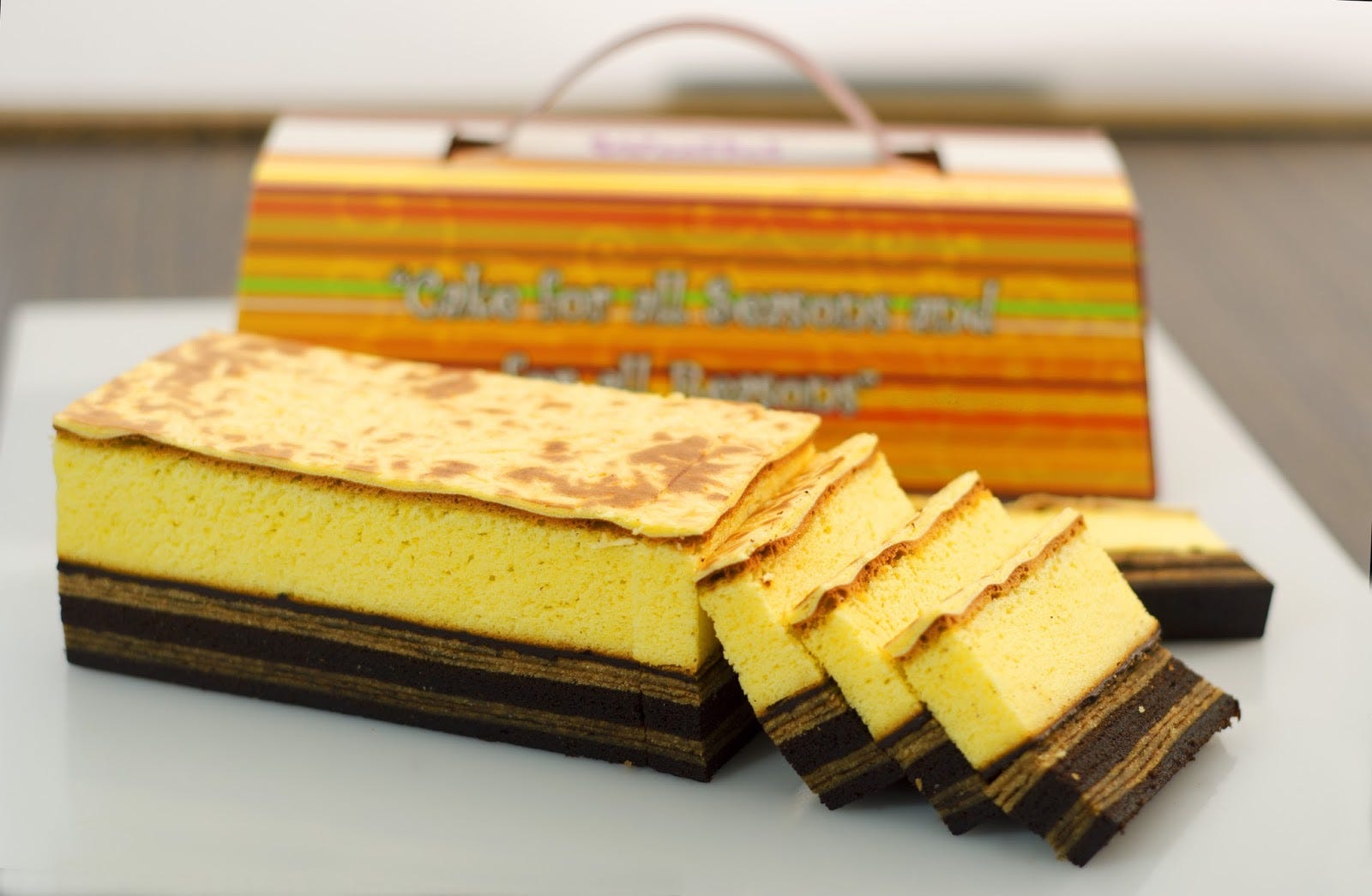
Lapis Legit (Spekkoek)
Known as the “thousand-layer cake,” this beloved delicacy is more than just a dessert; it is an edible wish for the future. Deeply rooted in the Indonesian Chinese community, its multitude of layers signifies the gradual, steady accumulation of fortune. To gift or eat it is to invoke a life of ascending success—one that becomes richer and more substantial with every step.
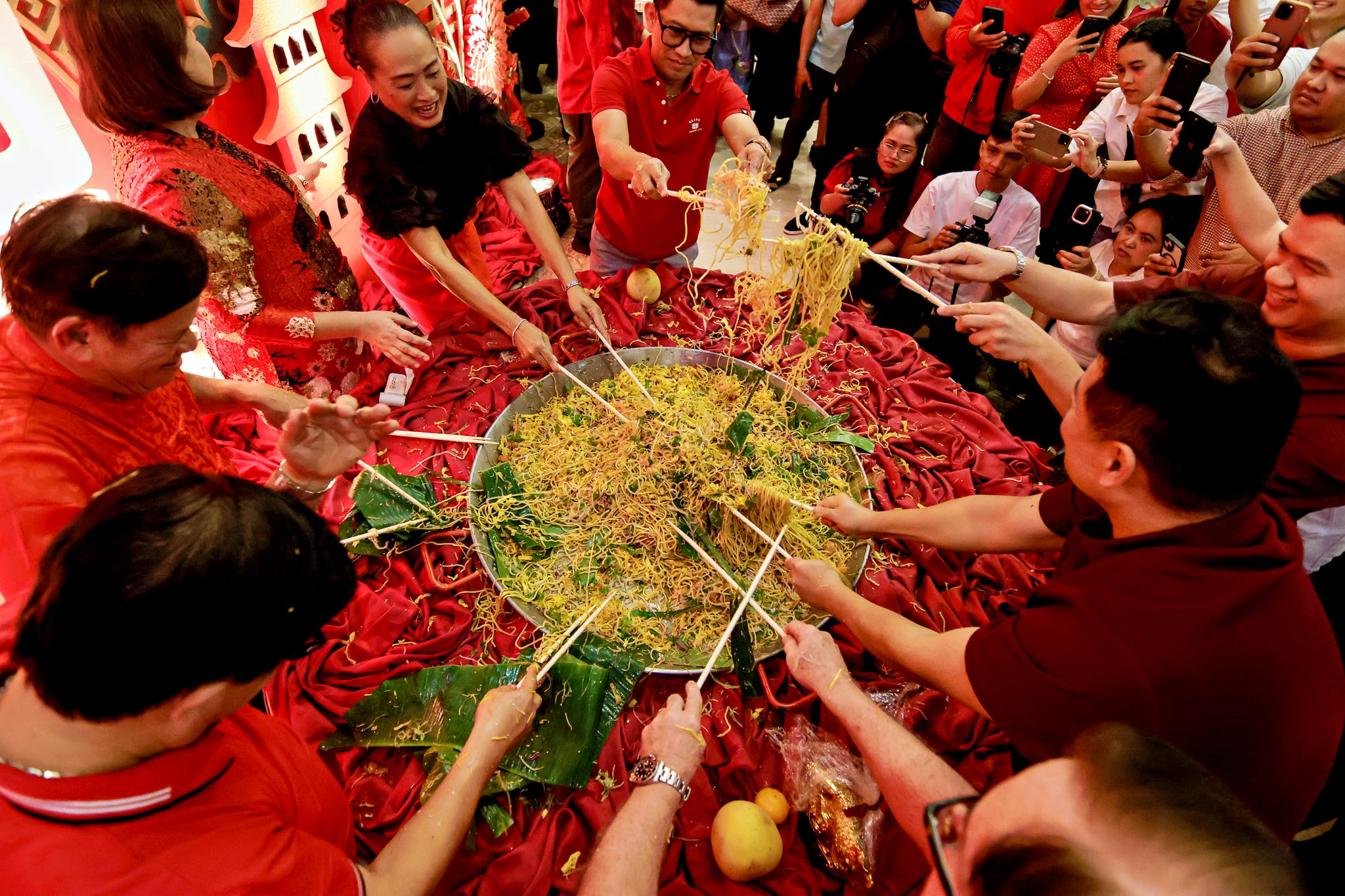
Yee Sang (Yusheng)
More than a meal, the lo hei is a ritual of shared ambition. This raw fish salad embodies the wish for rising fortunes, physically enacted by tossing ingredients high into the air while reciting auspicious idioms. Unique to the region, it blends ancient Chinese symbolism with Southeast Asia’s local ingredients, transforming a simple dish into a roaring, communal prayer for abundance.
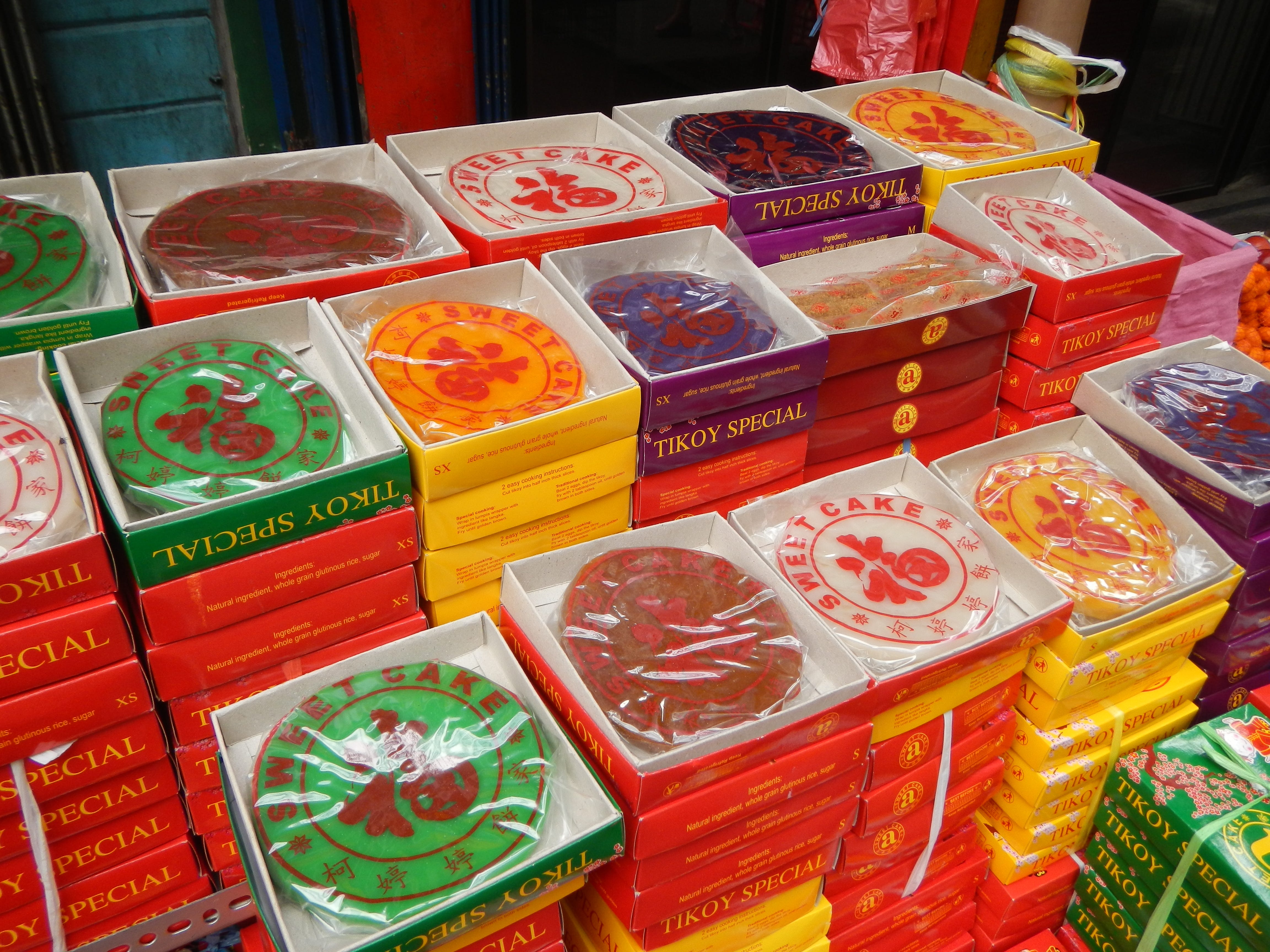
Tikoy (Nian Gao)
With a texture that refuses to let go, Tikoy embodies the resilience of the family bond. It represents a clan that “sticks together” against the odds. Beyond the home, it is a traditional offering to the Kitchen God—a sticky, sugary seal designed to ensure he reports only sweetness and prosperity to the celestial court.
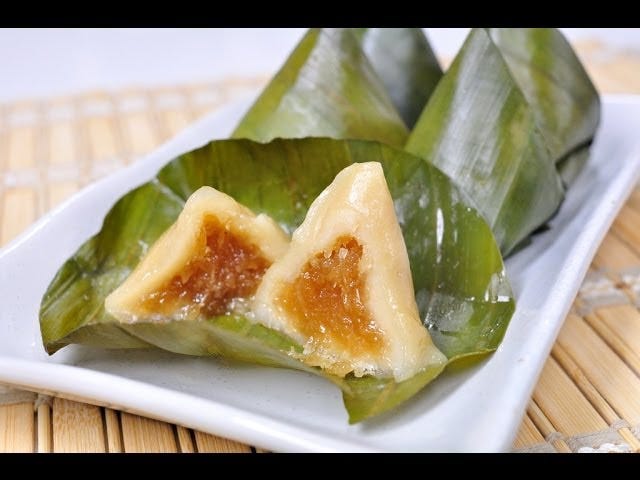
Khanom Thian (Candle Cake)
This pyramid-shaped delicacy is a testament to Thai-Chinese ingenuity. Adapting traditional rice cake methods, its peaked form represents rising ambition and the “upward momentum” of wealth. Beyond its shape, the chewy glutinous rice serves as an edible vow of cohesion, ensuring the family bond remains unbreakable and sticky throughout the year.
❤️ Why This Hits Home
Southeast Asia mirrors a global hope that often feels out of reach: unity in difference. The festival shows us that traditions can remain distinct while being socially embraced—where heritage becomes a common language and luck is a shared pursuit.
At the communal table, distinctions are not flattened, but celebrated. And in that simple, universal act of eating together, the region models a profound truth: there is always enough space.
📱 Where It’s Going
Today, the Lunar New Year exists in two realms: the physical and the digital. Shaped by the demands of social media and modern branding, the festival has evolved into a highly visible public event.
Livestreams capture the energy of the parades, while the intimacy of the reunion dinner is increasingly shared online. This shift offers a powerful platform for cultural exchange, yet it carries the risk of commodification.
The future of the tradition in Southeast Asia depends on how we navigate this new stage—using technology to amplify the festival’s heartbeat, rather than hollowing it out into a fleeting visual consumption.
Need More Angles?
Chowluckclub Yusheng: history, ingredients, significance, and those auspicious greetings
Cooking With Keasberry Spekkoek and Kue Lapis Legit differences revealed
Manila Bulletin Tikoy's sticky history
Panlangsang Pinoy Tikoy Recipe
Smithsonian Lunar New Year
I love the vibrancy and sheer variety of our cultures, languages and customs in Southeast Asia. A wonderful read!