



The Main Takeaway 🎯
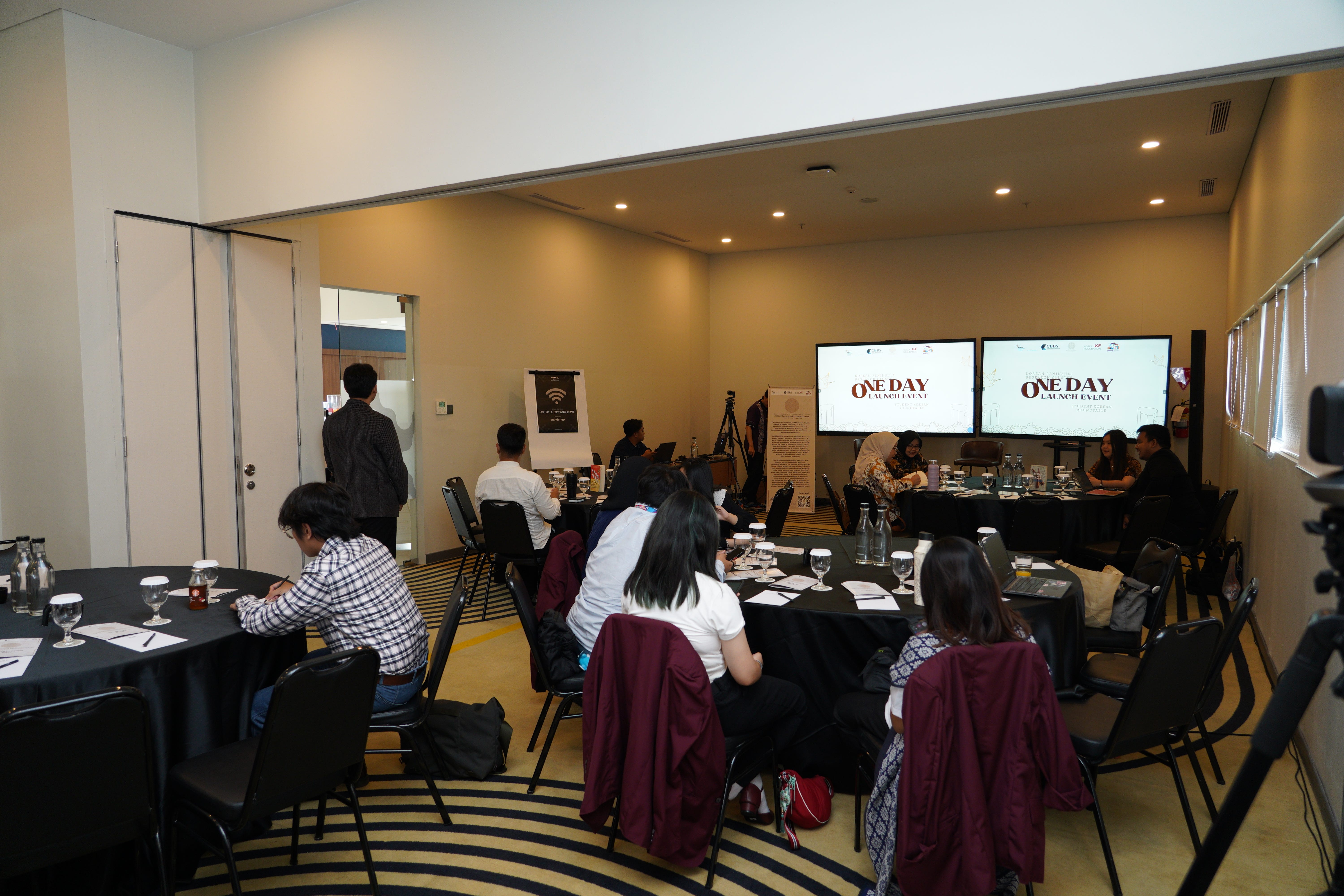
BINUS University has launched the Korean Peninsula Research Cluster (KPRC) — a new multidisciplinary platform under the Centre for Business and Diplomatic Studies (CBDS) that places students at the heart of research, dialogue, and cultural understanding between Indonesia and the Korean Peninsula.
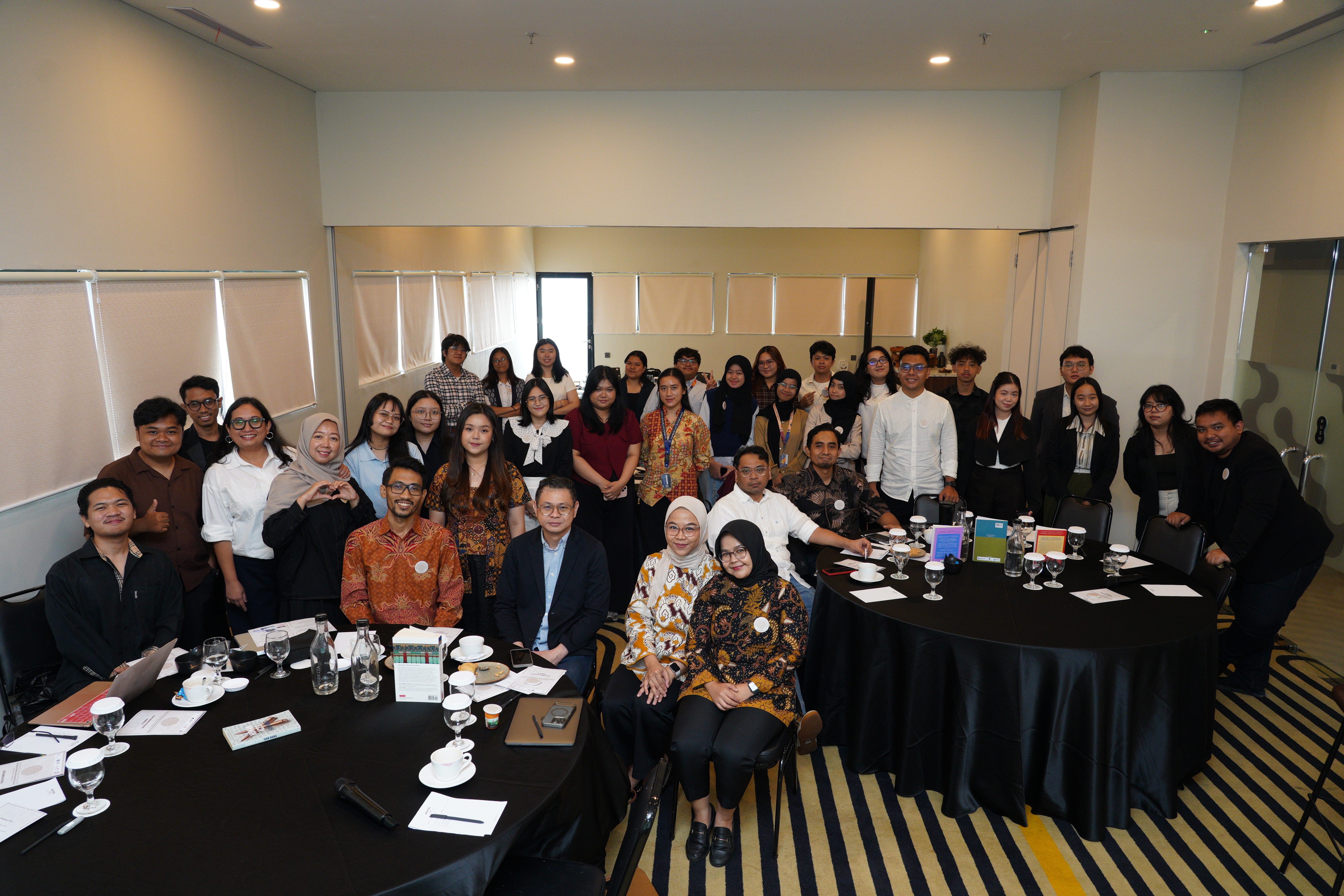
The launch brought together BINUS leaders, the Korea Foundation, Indonesia’s Education Attaché in Seoul, Dr. Amalia Fitri, and Universitas Padjadjaran’s Head of International Office, Anggia Utami Dewi, Ph.D., who also joins KPRC as Guest Research Fellow.
Why It Matters 🔑
Indonesia–Korea engagement is accelerating — academically, diplomatically, and demographically — and institutions are racing to keep up.
More institutions are investing in Korea-focused cooperation.
Beyond BINUS KPRC, Indonesia now has:The International Association of Korean Studies in Indonesia (INAKOS), with 300+ scholars and a journal series, shapes Korean studies in Indonesia.
Korea–Indonesia Center at the University of Indonesia, opened as part of a global Korea Foundation network, is the 47th center worldwide, and the 5th in Southeast Asia.
And more institutions, which signal that Korean studies are no longer marginal — it’s becoming an Indonesian academic field in its own right.
Indonesia–Korea ties are deeper than any other ASEAN country.
Indonesia is the only ASEAN state with a “Special Strategic Partnership” with the Republic of Korea — covering defense, EVs, smart cities, tech, education, and culture.
Demographic realities make this moment urgent.
South Korea is aging fast, while Indonesia is entering its demographic bonus:~3,000 Indonesians study in Korea
~27,300 ethnic Koreans live in Indonesia.
Indonesia is emerging as a source of human capital.
KPRC fills a gap: Indonesian-led perspectives on the Korean Peninsula.
It moves beyond pop culture or borrowed frameworks to builda homegrown analysis of one of Asia’s most strategic regions.
Why It’s on Our Radar 🔍
Southeast Asian universities are building their own research ecosystems, reducing reliance on external think tanks 🧩.
Students become producers of knowledge, not just consumers — an uncommon model in ASEAN educational programs🎓.
For the Korea Foundation, this signals a new bridge: future scholars, future exchanges, future diplomacy 🤝.
Across ASEAN, Korea’s footprint in education and research is visible — from the Korea International Cooperation Agency-led ICT programs in Indonesia and Cambodia to high-tech agricultural labs in the Philippines — but these initiatives largely operate at the government or faculty level, not at the student-led 📚🎒 level.
“Korea’s demographic shifts and the growing number of Southeast Asian students on its campuses demand deeper, locally grounded expertise.” Dr. Amalia, Indonesia’s Education and Cultural Attaché in Seoul
What’s at Stake ⚖️
If Indonesia develops its own Korean Peninsula expertise:
Policymakers gain contextual insight into Northeast Asia’s fault lines.
Students build cross-cultural fluency as Korean tech, culture, and industry reshape Southeast Asia.
Universities gain academic sovereignty, reducing dependency on foreign interpretations.
If not, Indonesia risks falling behind neighbors with stronger institutional capacity — Singapore, Thailand, Vietnam, Malaysia, and the Philippines.
The Regional Stakes 🌏
The peninsula matters for ASEAN since:
Stability in the peninsula affects trade routes and security planning. 🚢⚠️
Korea is a key partner in tech, education, and digital cooperation. 🔌🎓
Cross-cultural ties shape youth mobility and identity. 🎬🧭
Understanding Korea helps ASEAN navigate the U.S.–China–Japan triangle, where the Peninsula sits as a strategic chokepoint. 🔺👀
For Indonesia, it sharpens its Indo-Pacific compass. 🇮🇩🧭
The Big Picture 📸
Studying Korea is no longer niche — it’s a gateway into culture, strategy, demography, soft power, and diplomacy.
It anchors 20% of global semiconductor production and exported USD 141.9 billion in chips in 2024, shaping Asia’s tech economy.
Its cultural pull is global: Korean titles make up 8–9% of Netflix viewing hours, second only to the U.S.
Its campuses are filling fast — nearly 100,000 ASEAN students studied in Korea in 2023, an eightfold rise in a decade.
Across ASEAN, Korea supports ICT education, agricultural labs, TVET programs, and science-innovation hubs — but most initiatives remain government-to-government or faculty-led.
At the same time, Korea is aging while Indonesia enters its demographic bonus — creating natural pathways for new academic and talent partnerships.
KPRC gives Indonesian students a path to move from passive consumers of Korean culture to active producers of Korean Peninsula scholarship — signaling Indonesia’s shift from observing Northeast Asia to helping shape how the region understands it.
Why This Hits Home ❤️
Indonesia and South Korea share more than curiosity. Both are democracies shaped by rapid development, rebuilt after political turbulence, and juggle youth-driven culture while navigating the pull of larger powers.
Across ASEAN, Korea is a top Dialogue Partner, one of the region’s largest investors, a leading tech and digital collaborator, and a cultural force that shapes how youth dress, learn, and imagine their futures.
Beyond the Headlines ✨
Across ASEAN, Korea-related programs are rising:
Thailand hosts several Korea Studies Centers, deepening cultural and policy research.
Malaysia operates a Korea Research Center and continues to expand Korea studies at its universities.
Vietnam strengthens ties through collaborations with the Korea Institute of Science and Technology (KIST) and other science–innovation programs.
Singapore partners closely with Korean universities in tech, AI, and digital policy.
The Philippines is widening Korea-related programs within its humanities faculties.
BINUS’ KPRC enters this landscape with a distinctive model: a student-centered, multidisciplinary cluster designed to connect diplomacy, society, identity, and culture under one academic roof.
Need More Angles?
INAKOS (The International Association of Korean Studies in Indonesia) A Review on INAKOS Achievements and Its Current Projects
Invest Korea South Korea’s Semiconductor Industry and Investment Status
Statista Korean Shows Are Netflix’s Most Popular Non-U.S. Hits
The Korea Herald Korea opens Jakarta education center to expand Korean-language programs
(ZER/VRG/ELS)