



📌 The Main Takeaway
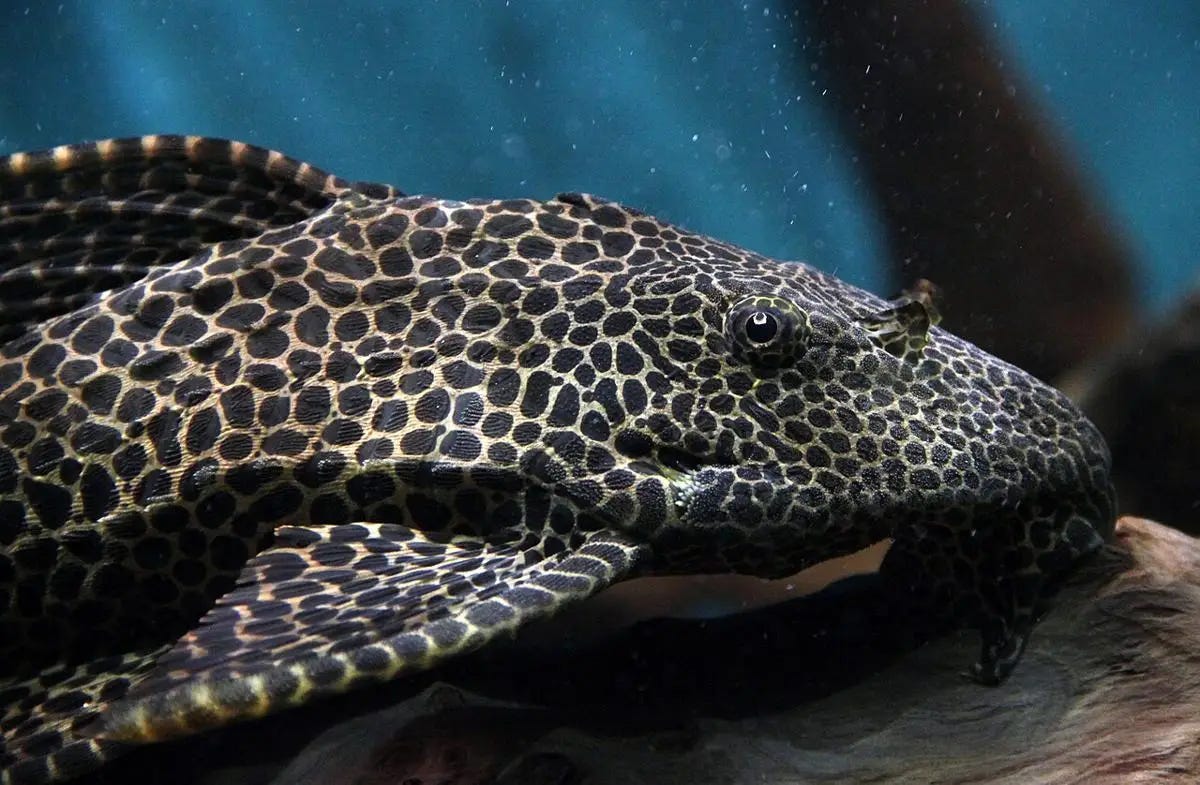
The dominance of the suckermouth catfish (Hypostomus sp. and Pterygoplichthys sp.) in Southeast Asian rivers like the Ciliwung in Indonesia and the Klang in Malaysia is a warning sign of severe ecological degradation.
These fish, originally from South America, thrive in polluted, low-oxygen environments where native species cannot survive, effectively acting as bio-indicators of a freshwater crisis.
📡 Why It’s on Our Radar
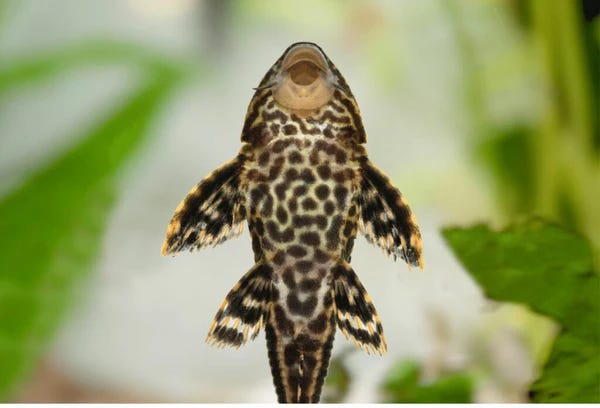
Originally introduced as a pet, this fish has thrived in Southeast Asia due to its lack of natural predators and high reproduction rate.
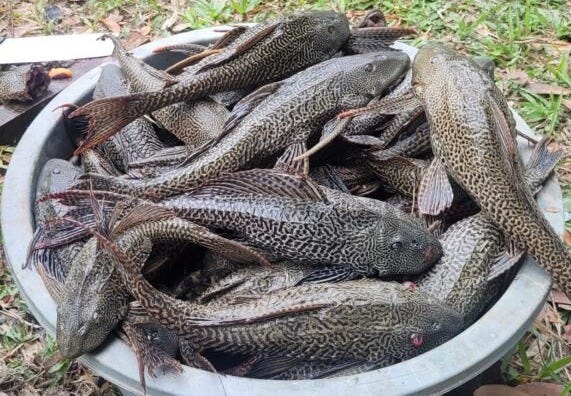
Populations are reaching staggering levels; in Peninsular Malaysia alone, specialized hunting squads has netted 75 tonnes of the species in the last two years.
The fish outcompete native species for food, destroy habitats, and pose a unique threat to human health if consumed without proper vetting.
⚖️ What’s at Stake
🌊 Ecological Collapse: The fish outcompetes native species like lampam and tengas for food and habitat, creating “monoculture” rivers with dangerously low biodiversity. In the Ciliwung River, even water birds like ayam-ayaman are disappearing because the fish have disrupted the entire aquatic food web.
🏙️ Infrastructure Damage: The catfish burrows one-meter deep nests into riverbanks, weakening them like a sponge. This significantly increases erosion and urban flood risks during heavy rains.
☠️ Toxic Bioaccumulation: Living in polluted waters, the fish absorbs heavy metals like lead (Pb) and microplastics. Prof. Amirrudin Ahmad, a biodiversity expert, warns: “The fish feeds on algae and moss, which absorb pollutants... We then consume these contaminants indirectly.” This poses a long-term public health threat through biomagnification.
🎣 Livelihood Loss: Local fishermen, like Arief Kamarudin in Jakarta, report catches now consist “9 times out of 10” of the invasive catfish, devastating income once earned from native species.
🌏 The Regional Stakes: A Shared Threat
Across Southeast Asia, the problem has moved from aquariums into the wild:
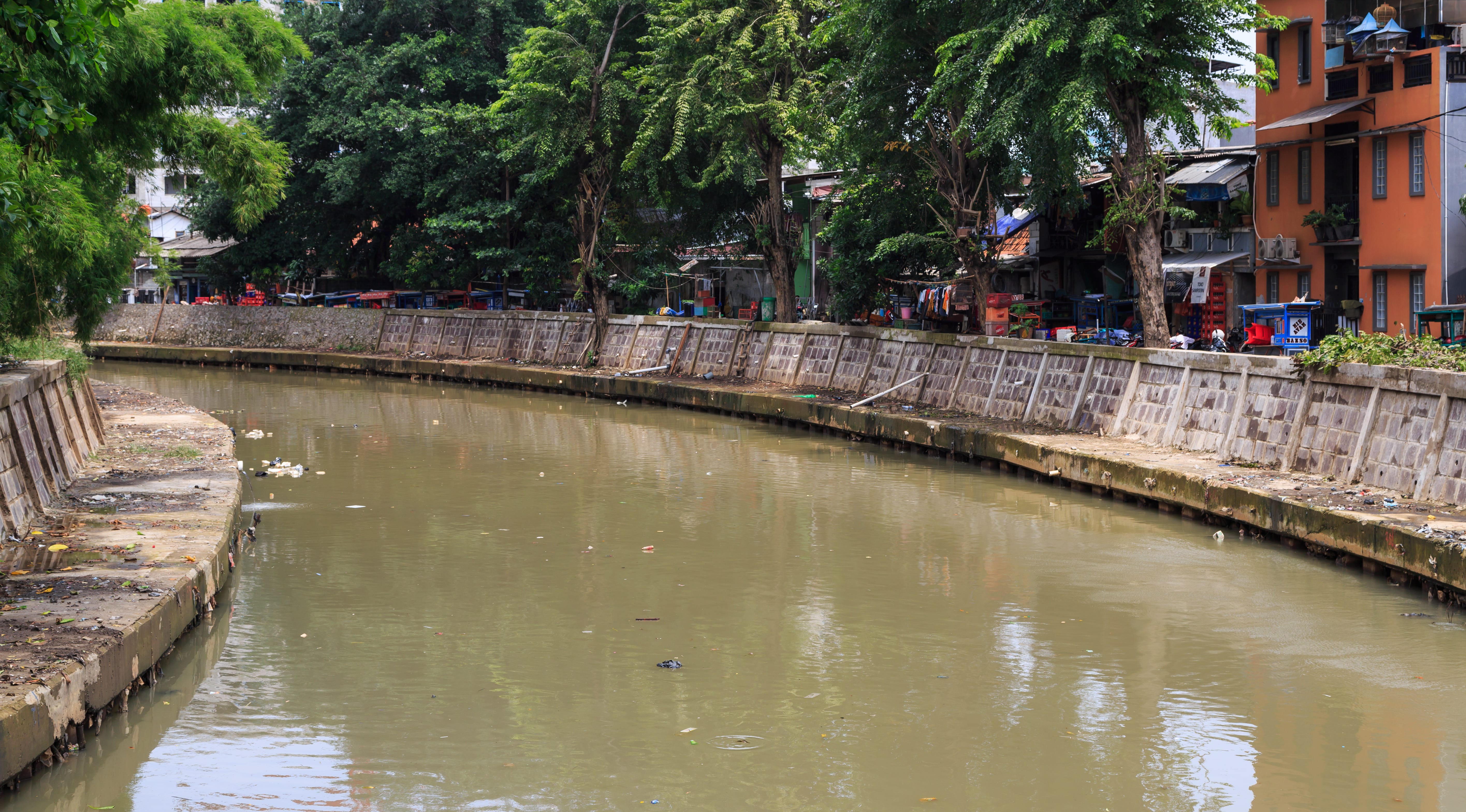
🇮🇩 Indonesia: In Jakarta, BRIN researchers report that the river’s “self-purification” capacity has been overwhelmed by domestic waste, allowing suckermouth catfish, or locally known as ikan sapu-sapu, to dominate.
🇲🇾 Malaysia: The government has tightened biosecurity rules, and states like Selangor are offering RM1 per kg to encourage residents to remove the fish locally known as ikan bandaraya from their rivers.
🇸🇬 Singapore: Experts warn that reservoirs and waterways remain vulnerable, as even a single released pet can alter a fragile ecosystem.
🍽️ The Consumption Debate: A Dangerous Trend?
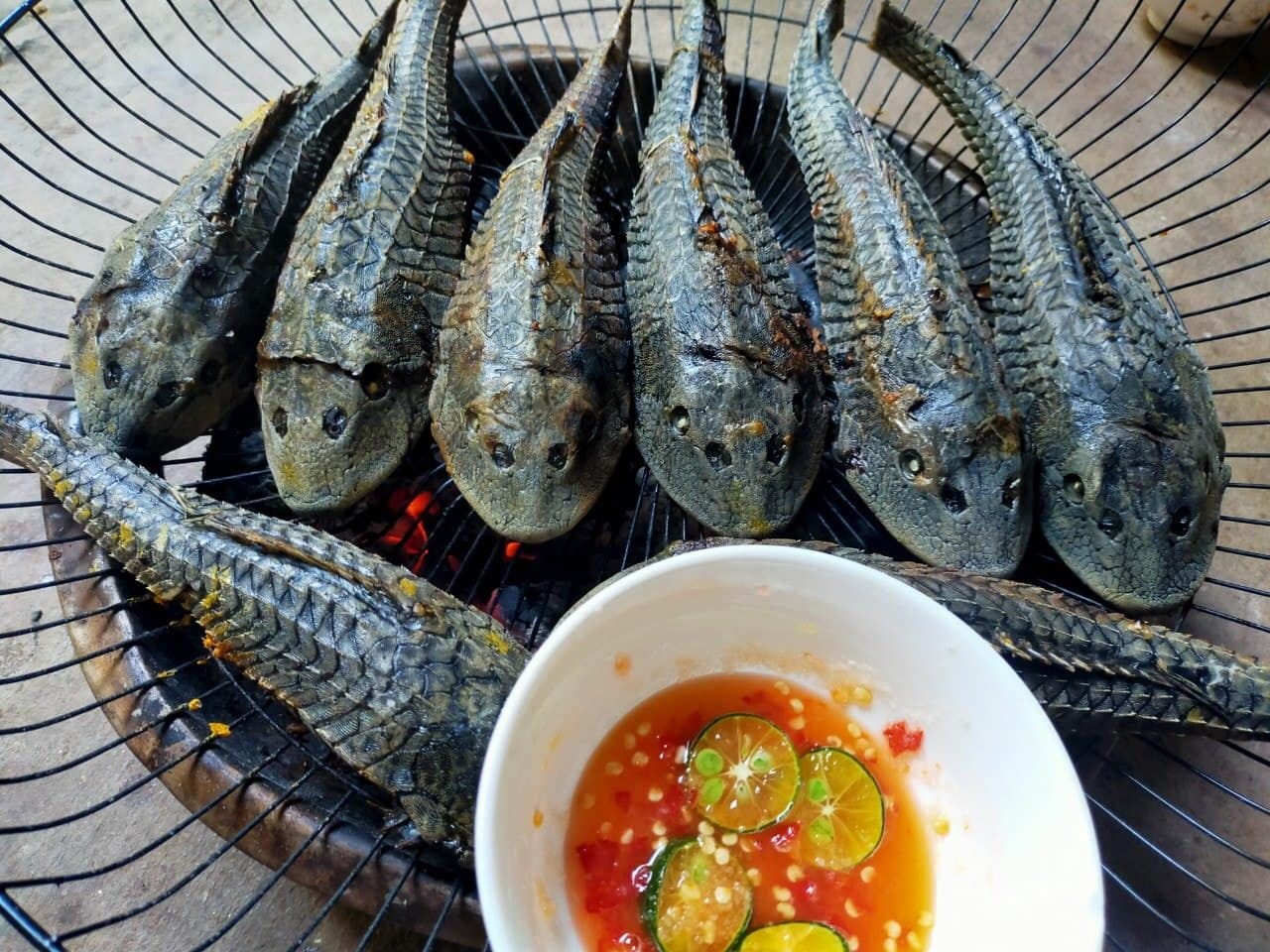
A social media trend promotes eating the fish, but experts unanimously warn against this:
“If it’s sourced from clean and clear waters, enjoy it. But in the Klang Valley, where the water is contaminated, it’s not advisable.”
Prof. Mohammad Noor Amal Azmai - Universiti Putra Malaysia
The consensus is clear: fish from urban rivers like the Ciliwung or the Klang River are unsafe. Heavy metals and pollutants accumulate in their flesh. Alternatively, safer uses include processing into agricultural fertiliser, fish feed pellets, or bait.
💡 Beyond the Headlines
Bio-Indicators, Not Solutions: Despite eating organic waste, these fish do not clean the river; their dominance simply proves the water is too toxic for anything else.
“Ikan sapu-sapu is a warning. If we are late in handling this, the cost of recovery will be much more expensive.” — Dyah Marganingrum, Senior Researcher at BRIN
👥 Grassroots Fightback
Communities are leading the response where institutional action is slow:
🎯 Malaysian Hunting Squads: Groups like SPIA Malaysia (1,000+ members) and Slingshot Fishing Malaysia (15,000+ followers) organize mass removals.
♻️ Circular Solutions: Catches are composted, turned into feed, or used in corporate CSR programs.
📢 Awareness Campaigns: Local activists in Indonesia use social media to highlight the crisis, pleading: ”Don’t just manage trash. Invasive fish are also a big problem.”
💡 The Bottom Line
The suckermouth catfish is not the cause, but a screaming symptom of a much larger crisis: the chronic failure to manage urban pollution, wastewater, and ecological balance in Southeast Asia’s freshwater systems.
Eradicating the fish alone is a costly, endless game of whack-a-mole. The real solution requires integrated river restoration: building proper sewage treatment, enforcing industrial waste controls, restoring riparian buffers, and launching public education against releasing aquarium species.
Need More Angles?
BERNAMA SPIA Malaysia Nets 75 Tonnes Of Ikan Bandaraya In Last Two Years
Kompas Ikan Sapu-sapu Kuasai Sungai Ciliwung, Rantai Makanan Kian Terputus
Malaymail Reeling in trouble: Malaysia nets 75 tonnes of invasive ‘ikan bandaraya’ nationwide
The Strait Times From pets to pests: How invasive fish species are threatening Malaysia’s rivers