



🎯 The Main Takeaway

The traditional clothes of Southeast Asia are not only about the aesthetics but it’s about what it represents which is the cultural heritage from where it originated.
For Southeast Asia’s traditional clothing represents centuries of cultural heritage 🌏. Indonesia’s Batik, for example, earned UNESCO recognition in 2009 as an Intangible Heritage of Humanity 🏆.
Yet, traditional garments are increasingly sidelined for special occasions 👗. To reverse this, Southeast Asian designers are innovating—transforming heritage textiles into everyday wear and global runway staples ✨.
👠Southeast Asia’s Designer’s Specialty
These featured designers share a unified mission: broadcasting Southeast Asian heritage globally 🌍.
They achieve this by exclusively using locally sourced materials 🧵, supporting indigenous artisans 🤝, and fusing traditional silhouettes with contemporary aesthetics ✂️.
Their success transcends individual brands. As global recognition grows, the fashion industry becomes an active vehicle for cultural preservation 🏛️.
📡Why Its on Our Radar
These designers aren’t just creating alternatives to Western luxury 👜; they are proving locally inspired fashion competes on global runways 🛫.
When designers showcase a collection, audiences see both high-end craftsmanship and deep cultural roots 🌿. This visibility drives a trickle-down effect: as heritage-blended designs gain popularity, smaller labels adopt similar aesthetics, accelerating cultural preservation 📈.
🎨Designers Across Southeast Asia
🇮🇩 Indonesia: Didiet Maulana (IKAT)
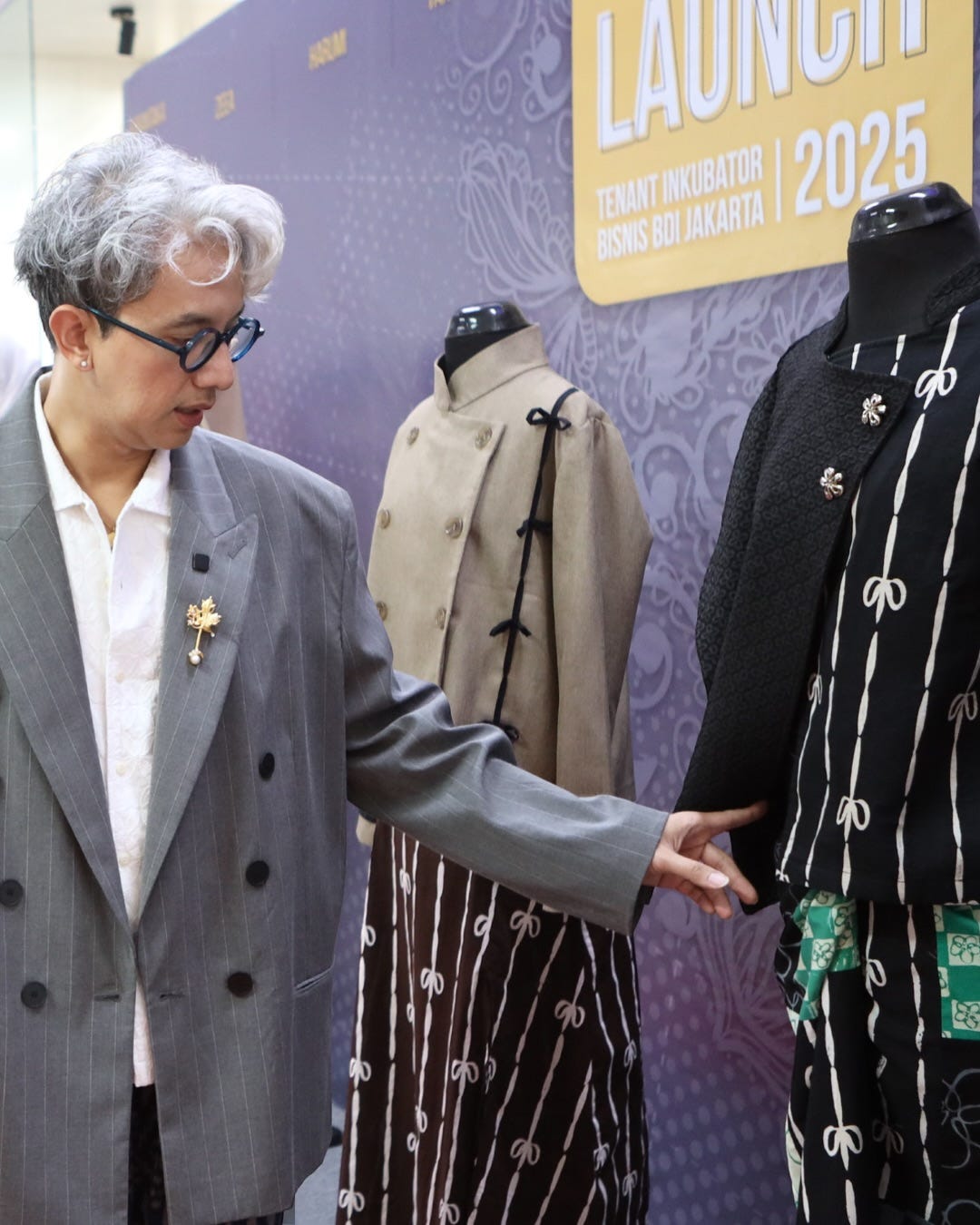
Established in 2011, IKAT centers on tenun ikat (hand-woven, tie-dyed threads) 🧶 and elevates the traditional kebaya blouse.
Maulana’s work redefines how younger generations view heritage attire. His “Wiron” collection debuted at New York Fashion Week 🗽.
🇲🇾 Malaysia: Bernard Chandran
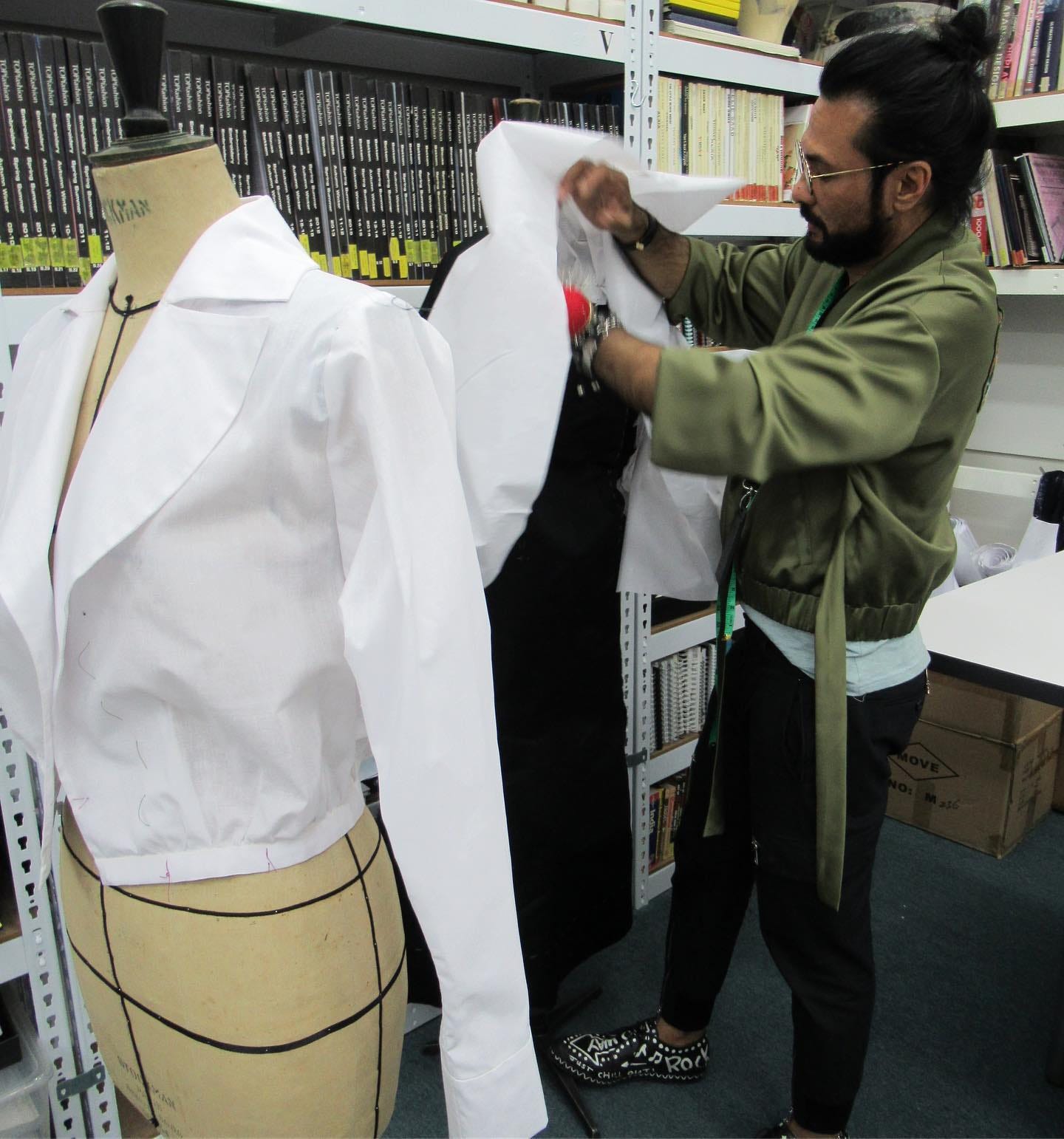
A defining force in Malaysian fashion since 1991 👑, Chandran was the first non-European to win the "Look of the Year 2000" European Contest.
His signature lies in modernizing traditional garments like the baju kurung and integrating songket textiles 🖼️.
🇹🇭 Thailand: Wisharawish Akarasantisook (WISHARAWISH)
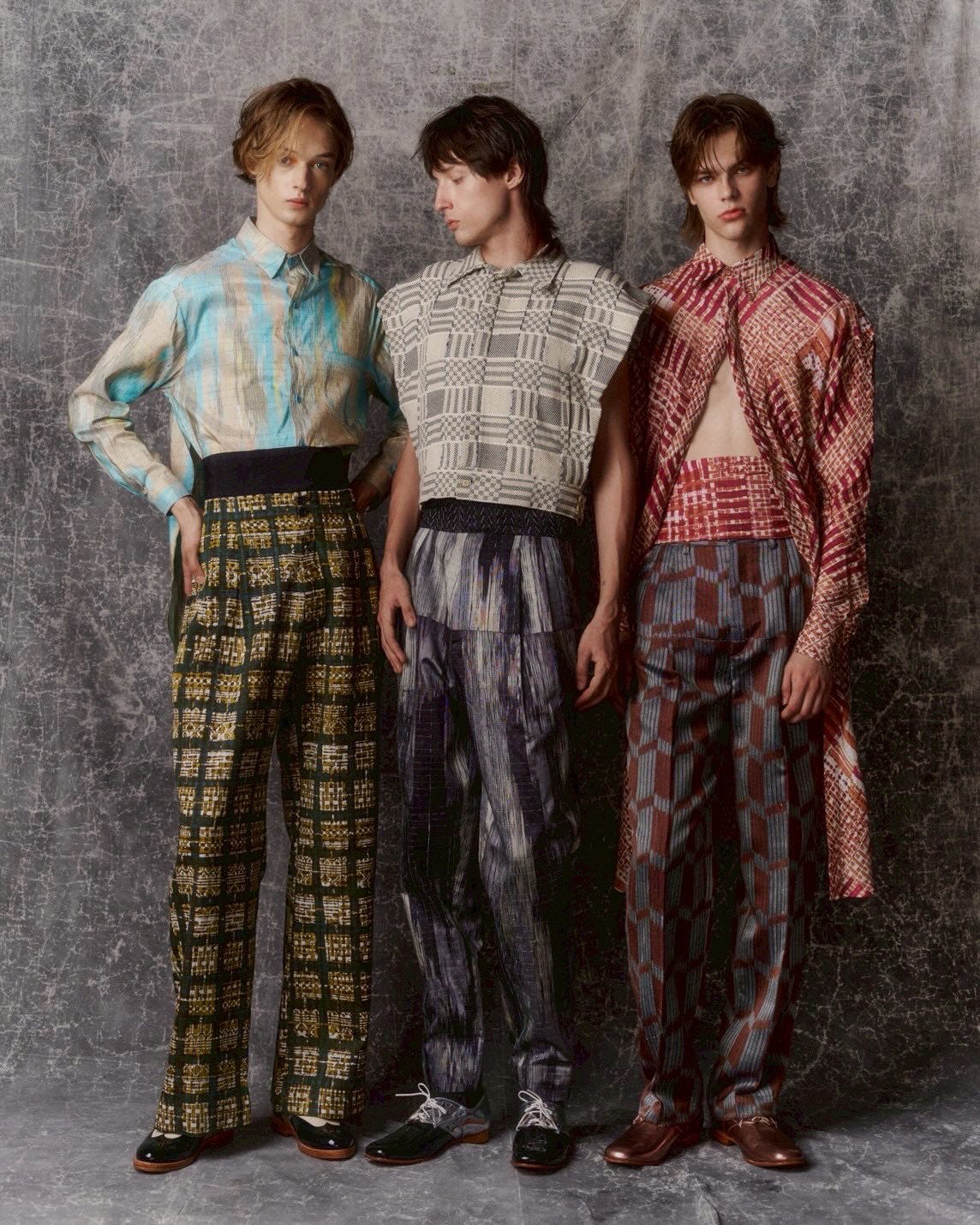
Rooted in Thai textiles like Khon Kaen's Mudmee silk 🐛, WISHARAWISH gained prominence after winning the 2012 Mango Fashion Awards. The brand integrates regional craftsmanship with contemporary silhouettes 👗 and recently featured at Rakuten Fashion Week Tokyo 🗼.
🇻🇳 Vietnam: Thao Vu (Kilomet 109)

Founded in 2012, Kilomet 109 pioneers slow fashion and sustainability ♻️. Thao Vu’s hyper-localized approach champions Hanoi’s artisans and indigenous materials 🍃, setting the regional standard for heritage-driven craftsmanship 📰.
🏠 Why It Hits Home
Fashion trends are fleeting, but the region's cultural heritage endures ⏳. By merging traditional textiles with modern design, these Southeast Asian visionaries are turning the fashion industry into a dynamic engine for cultural preservation ❤️🔥, taking heritage from local streets to glamorous runways 🌟.
📰 Need More Angles?
(FRD/ARS)