



🎯 The Main Takeaway
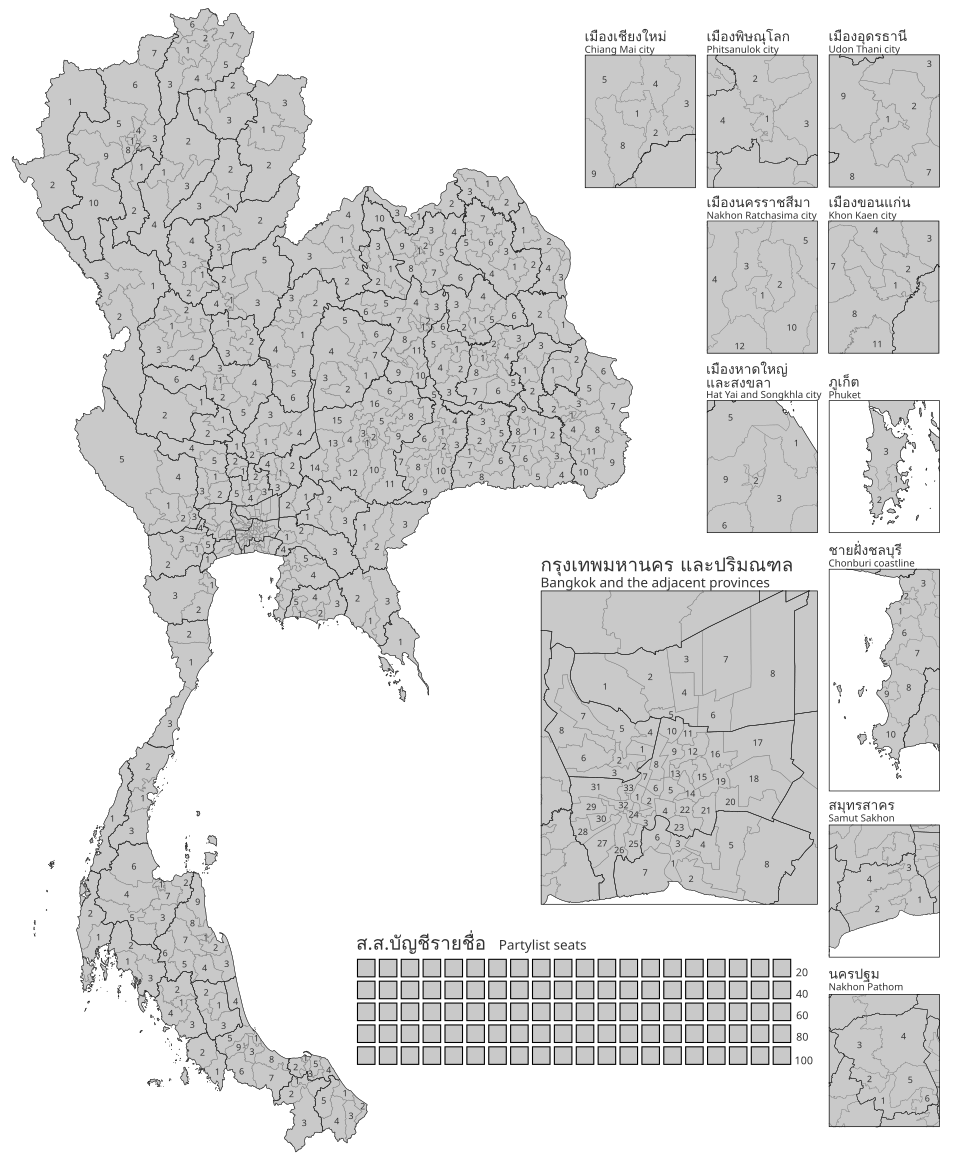
Thailand voted on 8 February 2026 to elect all 500 MPs — while also deciding whether to replace the 2017 military-drafted constitution.
For the first time, voters cast three ballots: district MP, party-list, and constitutional reform.
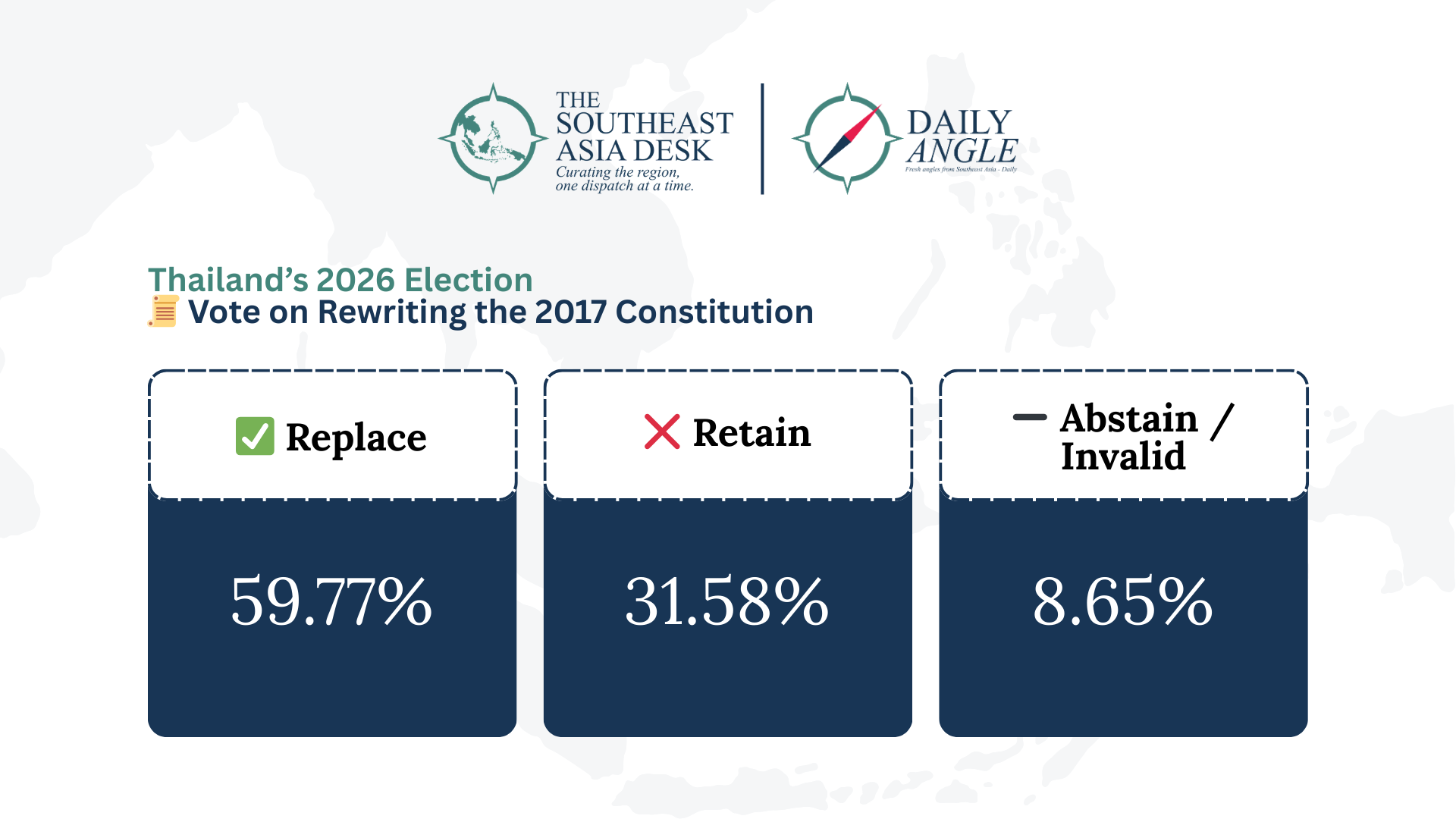
With 94% counted, no party secured the 251 seats needed to govern alone. Coalition talks will determine the next prime minister, as 59.77% backing for a new charter signals public appetite to revisit how power is structured.
⚠️ Why It Matters
In mainland Southeast Asia, shifts in Bangkok rarely stay domestic. The parliamentary math carries broader consequences:
🏛️ Coalition composition will determine economic reform, fiscal direction, and governance stability
📜 Constitutional change could rebalance elected authority and entrenched institutions
🌏 Thailand’s foreign policy posture affects ASEAN cohesion, Mekong cooperation, and border stability with Cambodia
🗳️ Key Highlights
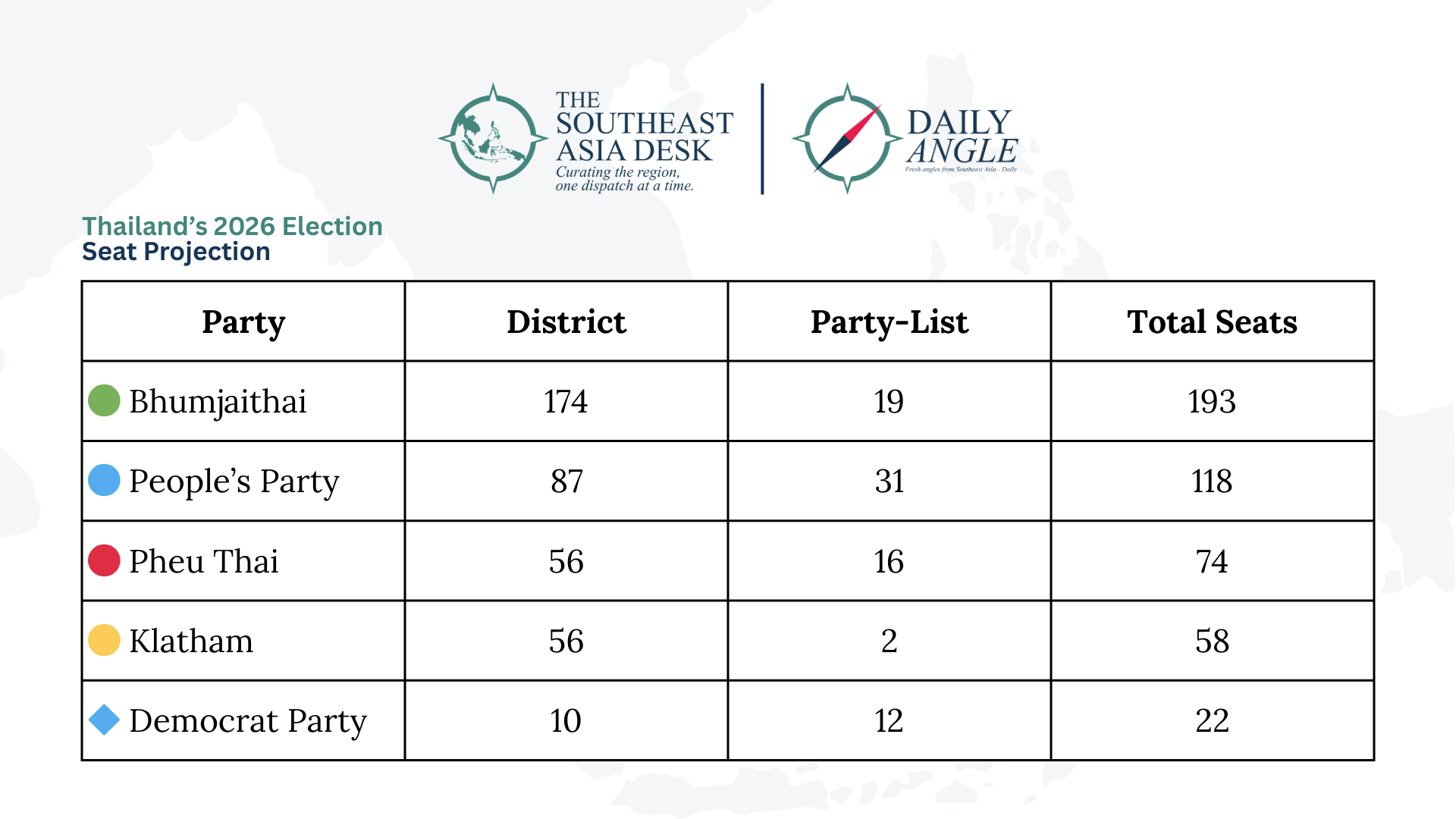
At least 60 political parties contested the race, with 94% of ballots counted as of 12 February. The result stand as follows:
👤 Prime Minister Anutin Charnvirakul’s Bhumjaithai Party secured a stronger-than-expected lead
🤝 The dynamic is now entering coalition negotiations
🚫 The progressive People’s Party has ruled out joining a Bhumjaithai-led bloc
📊 The frontrunner is ahead — but remains short of the 251-seat majority needed to govern alone
📜 Reforming the Rules
Voters also backed constitutional change. If certified, parliament will be mandated to draft a new constitution — a process expected to take at least two years, including two further referendums.
What could actually change?
🏛️ Senate powers: Reducing unelected participation in selecting the PM
⚖️ Constitutional Court authority: Revisiting removal and party-dissolution powers
🪖 Military-era safeguards: Rebalancing civilian supremacy
🧮 Electoral formula: Adjusting party-list seat allocation
🧾 PM eligibility rules: Clarifying MP requirements and term limits
In essence, the referendum is less about rewriting text — and more about redefining where power ultimately resides.
🔄 The Big Picture
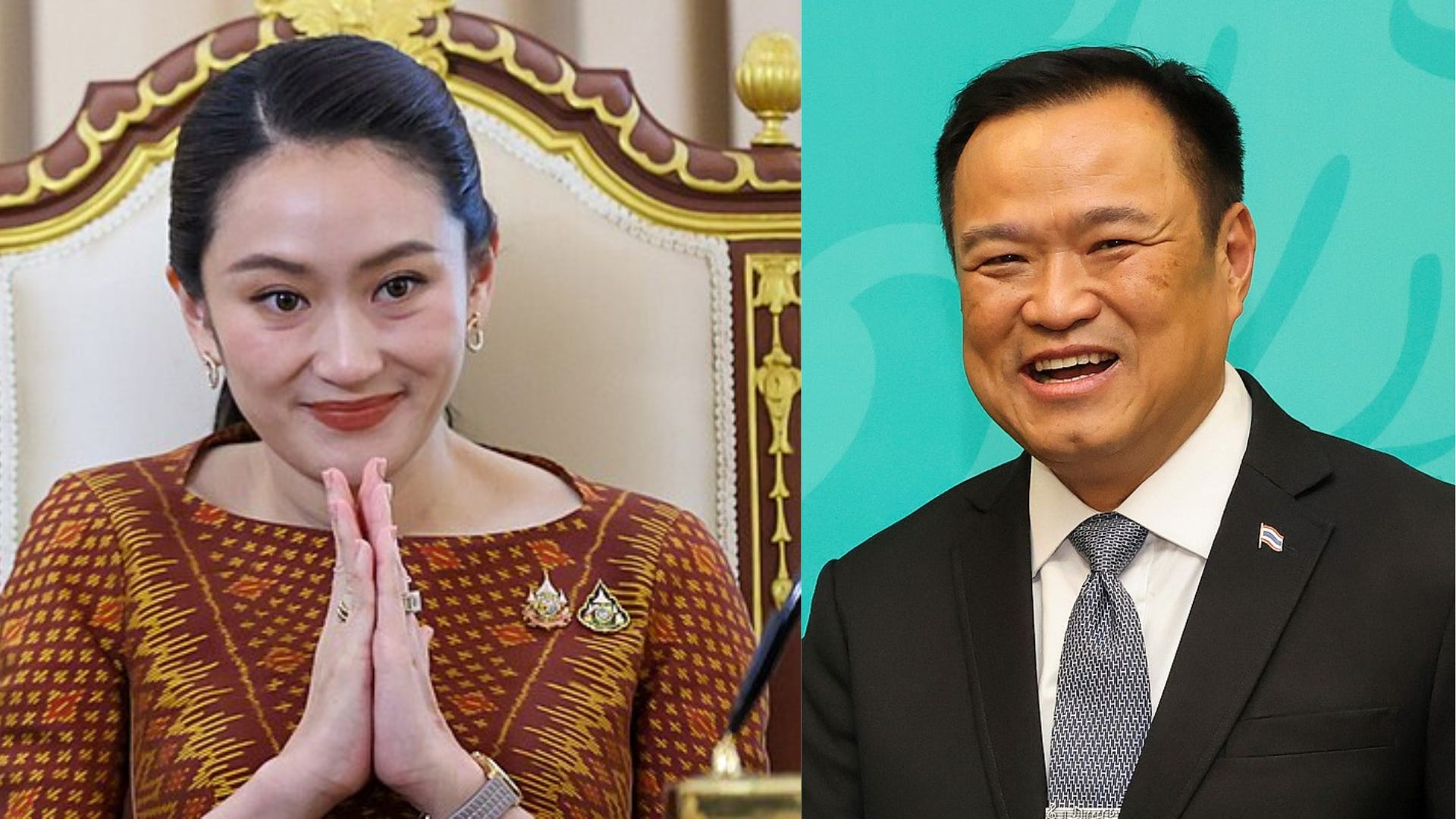
🧭 The 2026 election is part of Thailand’s recurring cycle of court rulings, leadership reshuffles, and electoral resets.
🗳️ 2023: Paetongtarn Shinawatra’s camp returned populist forces to power, extending the long-running contest between electoral majorities and conservative institutions.
⚖️ Late 2025: The Constitutional Court removed Paetongtarn from office, shifting the balance of power and deepening coalition fragility.
🔁 December 2025: Anutin Charnvirakul assumed the premiership and — with royal endorsement from King Maha Vajiralongkorn — dissolved parliament in under 100 days, triggering snap elections.
📉 The reset unfolded amid a looming no-confidence motion, economic strain, minority instability, and renewed border tensions with Cambodia.
💼 What’s at Stake
Campaign themes centered on:
💰 Cost of living
📈 Economic recovery
🧾 Political reform and corruption
📲 Online scams
⚖️ Social equity
For many voters, the expectation is pragmatic: steadier prices, fewer disruptions, clearer direction.
🌏 The Regional Stakes
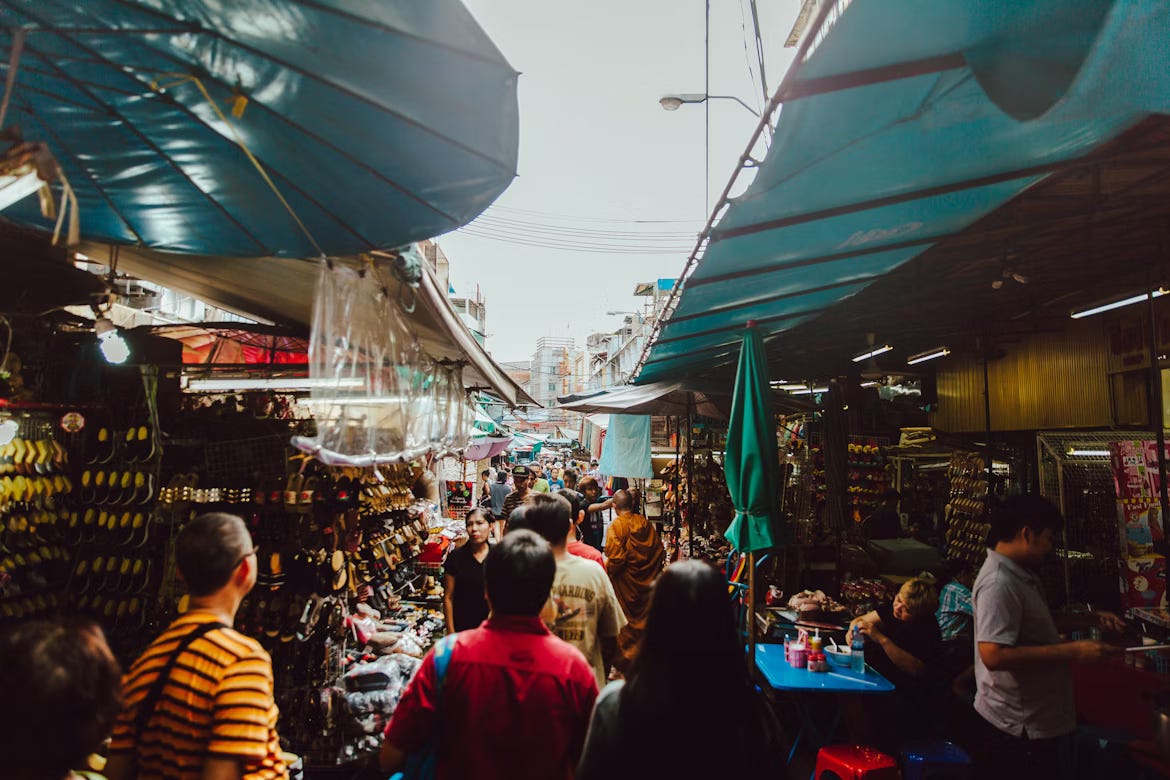
Thailand’s next prime minister will influence:
🇰🇭 Border diplomacy with Cambodia
🌊 Mekong sub-regional stability
🏛️ ASEAN consensus-building amid diverging political systems
ASEAN frequently navigates internal differences carefully. A steady — or inward-looking — Thailand could shift that balance.
🔍 Beyond the Headlines
📦 Unsealed ballot boxes were discovered in Chonburi province, triggering a standoff between local residents and election officials and raising fresh concerns about procedural integrity.
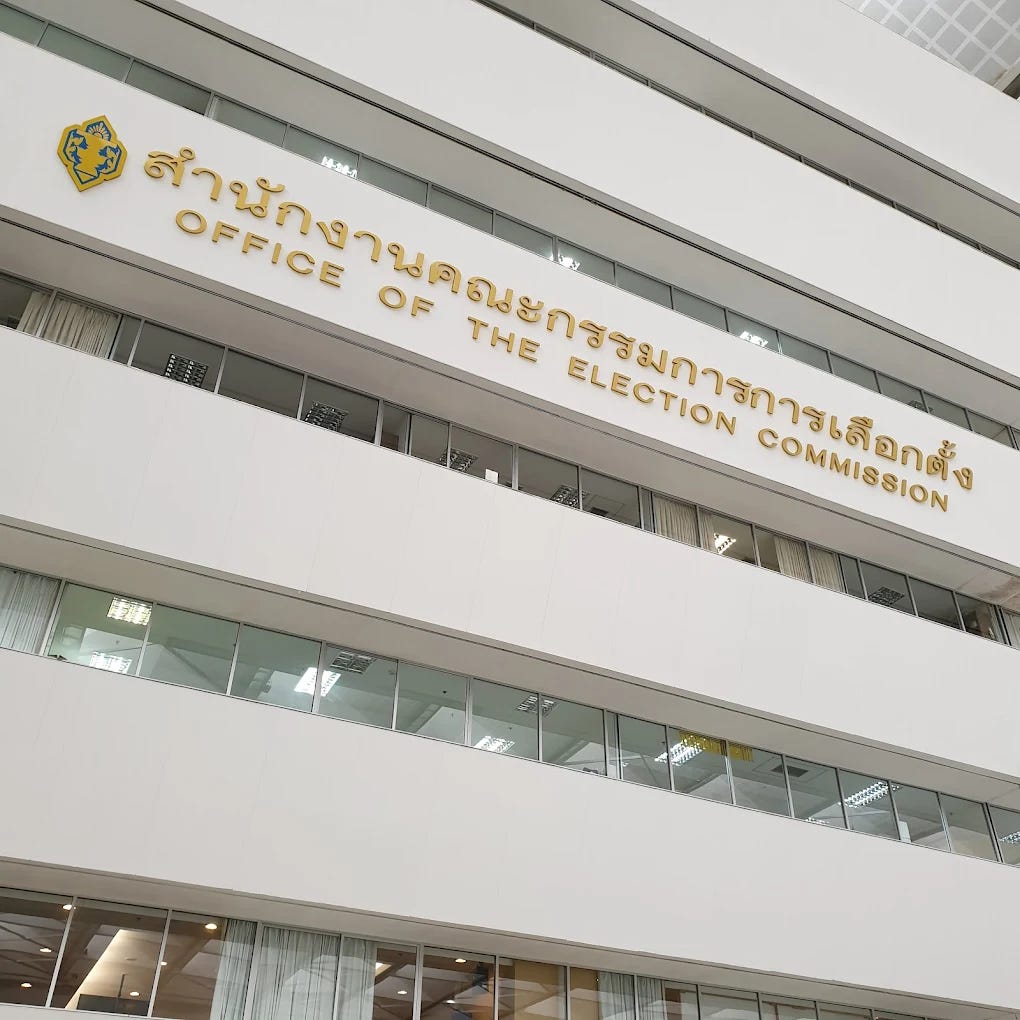
📢 Demonstrators gathered at the Election Commission office in Bangkok demanding a nationwide public recount, citing irregularities in vote tabulation.
🔁 The progressive People’s Party formally requested recounts in 18 constituencies.
🧭 The episode underscores a familiar pattern in Thai politics: electoral outcomes are not only contested at the ballot box, but also in public trust and institutional confidence.
❤️ Why This Hits Home
🇹🇭 For Thai citizens, this election is about economic security and political voice.
🌏 For Southeast Asia, it tests whether one of the region’s anchor economies can recalibrate institutions without destabilizing governance.
⏳ For ASEAN, it raises a structural question: can regional leadership remain steady amid domestic constitutional transition?
🔮 The Bottom Line
Thailand’s 2026 election is both a leadership contest and a constitutional crossroads.
Whether this moment delivers durable reform — or merely resets the cycle — will shape Thailand’s trajectory and the wider rhythm of mainland Southeast Asia.
The ballots are counted. The bargaining begins.
📰 Need More Angles?
BBC Thailand election: The result the polls never saw coming
CNA Thailand Election 2026: What to watch out for on polling day and beyond?
European Parliamentary Research Service Thailand ahead of the February 2026
Nation Thailand Fitch: coalition stability to decide Thailand’s credit outlook
(BRZ/ELS)