



🎯 The Main Takeaway
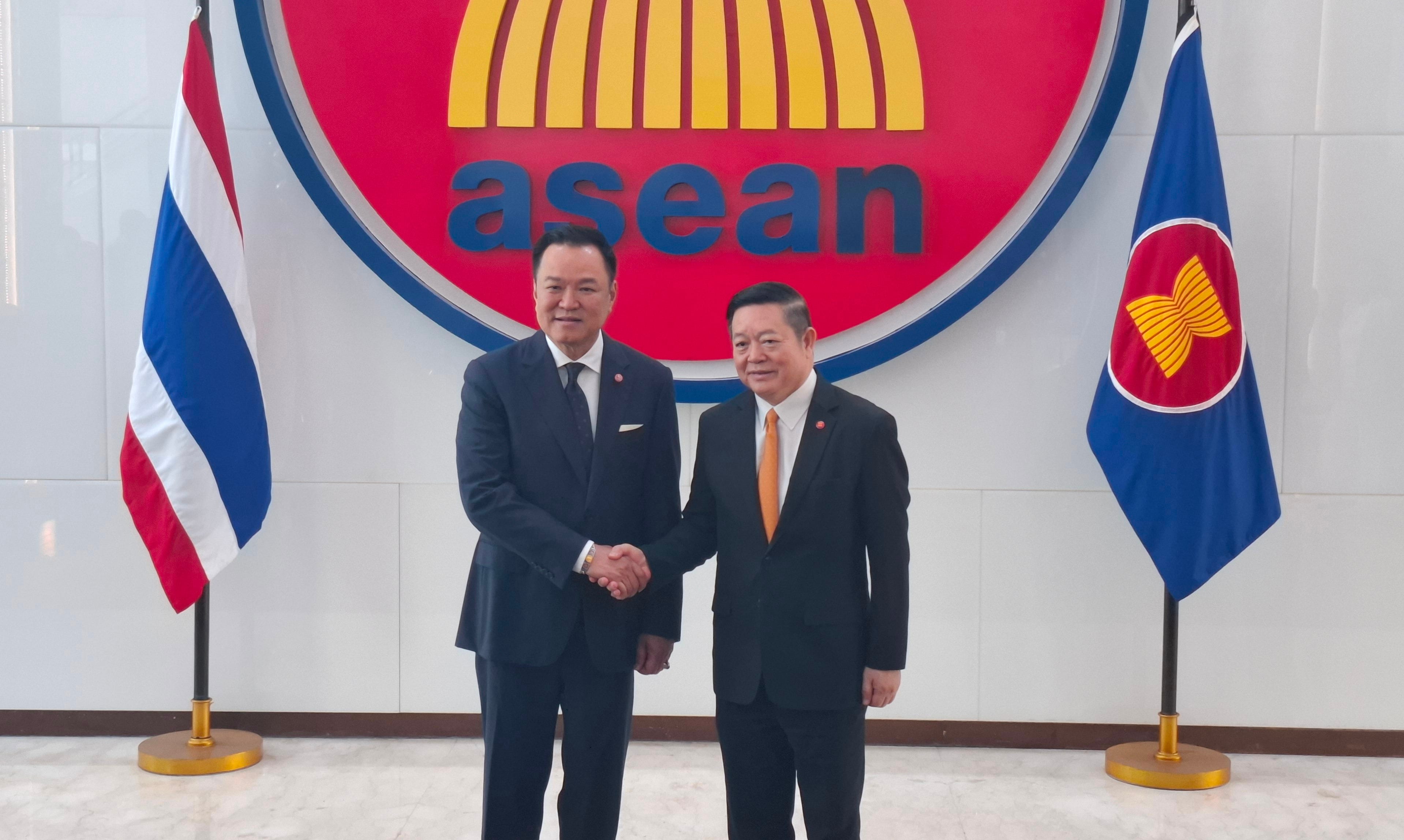
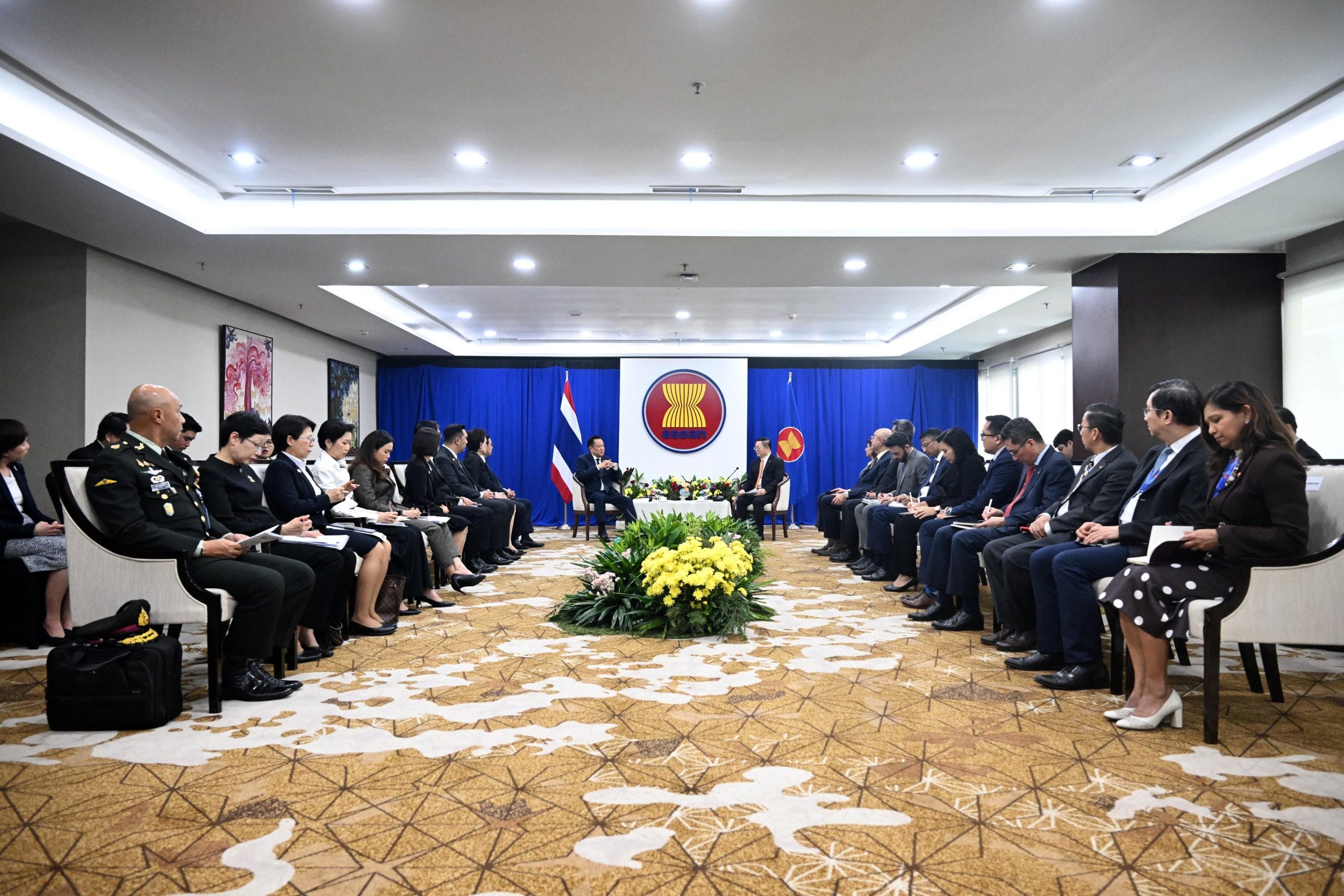
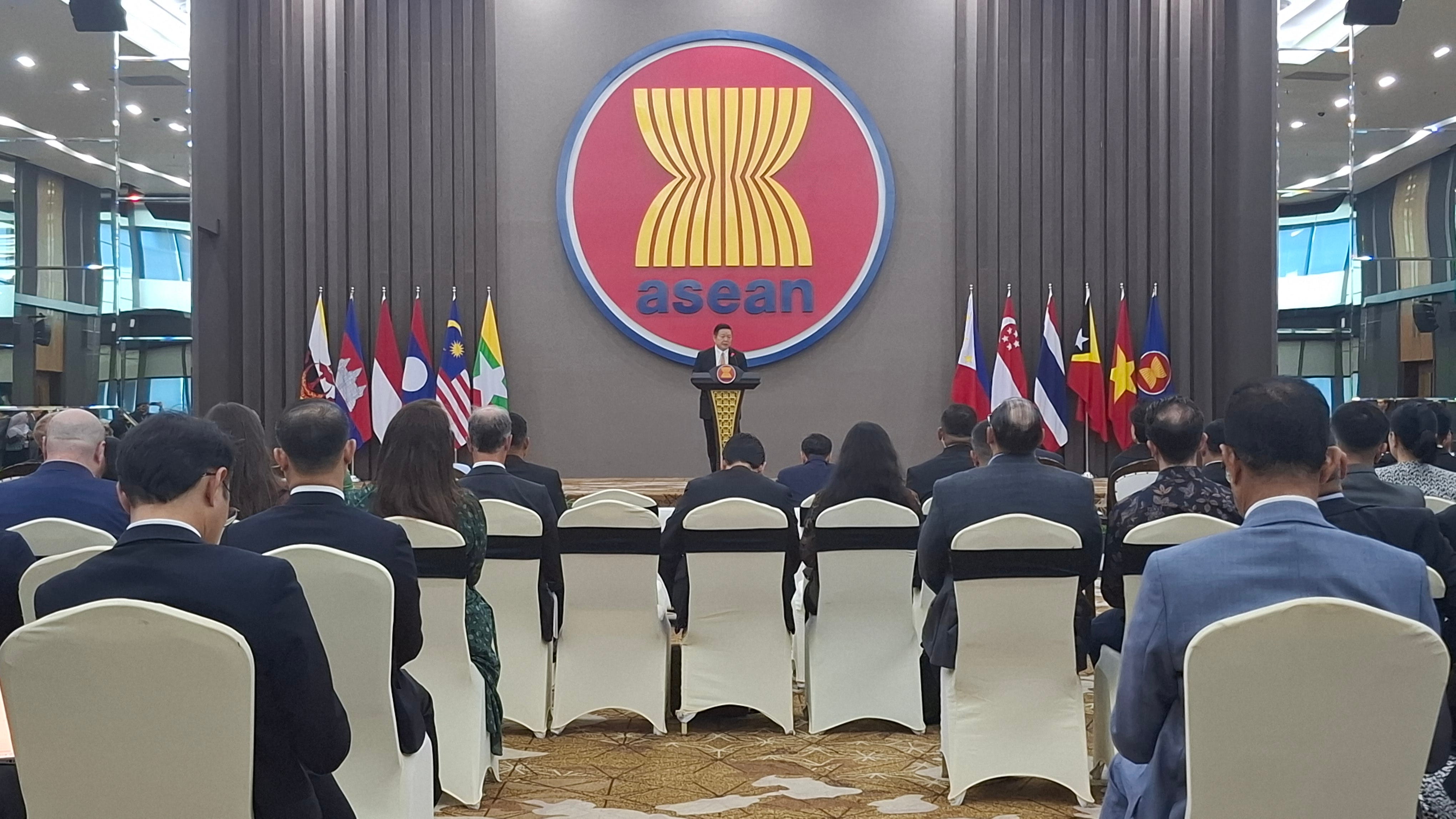
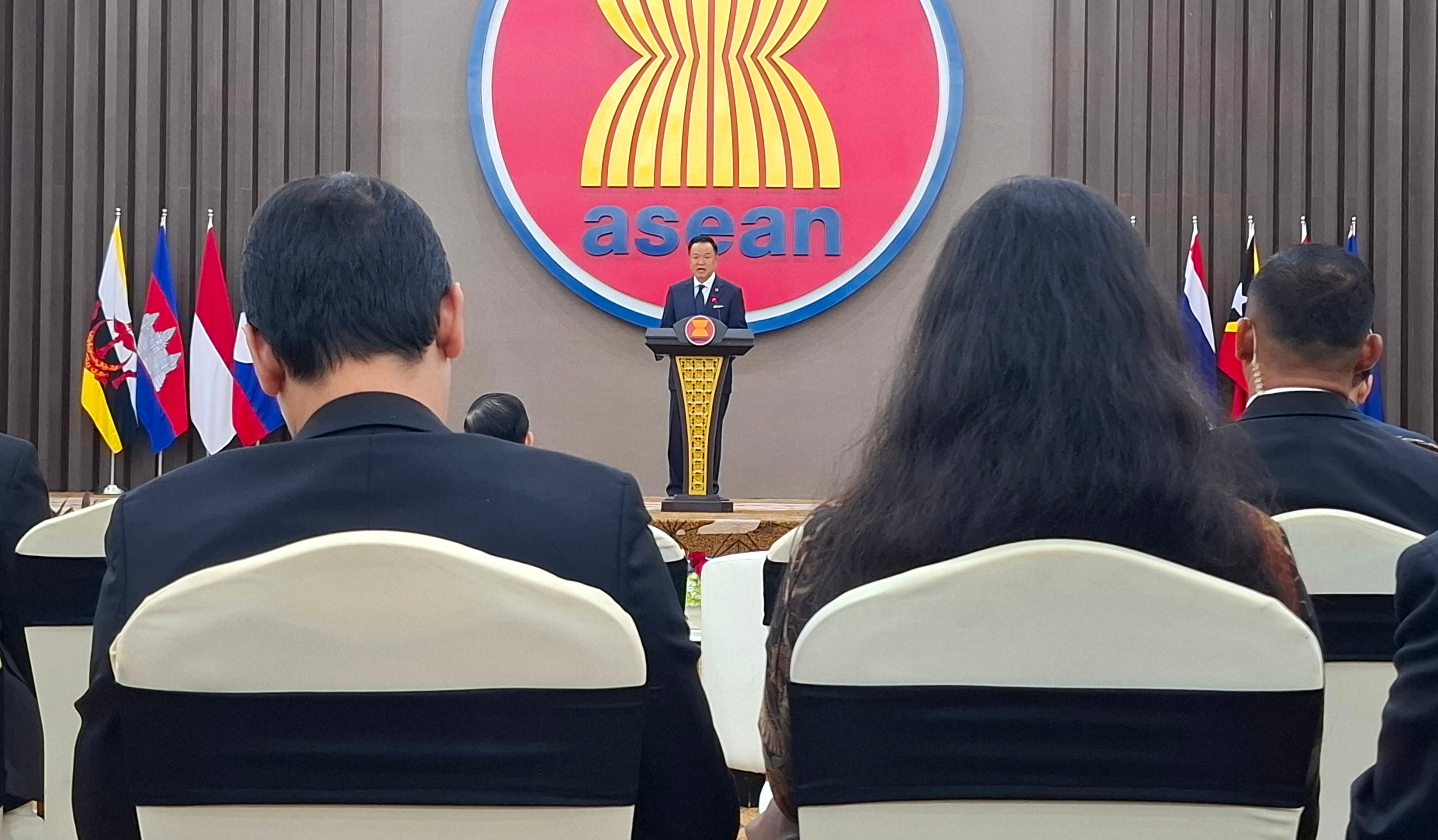
Thai Prime Minister Anutin Charnvirakul paid a two-day official visit to Indonesia on 3–4 August. During his visit, he met ASEAN Secretary-General Kao Kim Hourn at the ASEAN Headquarters in Jakarta on 4 August.
The visit marked a historic milestone, as Anutin became the first Thai Prime Minister to visit the ASEAN Headquarters in 17 years, following Abhisit Vejjajiva’s visit in 2009.
The two leaders exchanged views on regional and global developments and reaffirmed their commitment to strengthening ASEAN unity and enhancing regional co-operation to promote peace, stability, resilience, and prosperity in the face of current and future challenges.
📡 Why It’s on Our Radar?
Thailand has played a significant role in ASEAN since its founding, including:
Founding Member: Thailand, alongside Indonesia, Malaysia, the Philippines and Singapore, established ASEAN by signing the ASEAN Declaration in Bangkok on 8 August 1967.
Free Trade Initiator: Thailand proposed the ASEAN Free Trade Area (AFTA) in 1991, which came into force in 1993. The initiative aims to reduce tariff and non-tariff barriers, increase intra-ASEAN trade, enhance competitiveness, and deepen regional economic integration.
Regional Forum Pioneer: Thailand hosted the first ASEAN Regional Forum (ARF) in Bangkok in 1994. The forum promotes dialogue on political and security issues, builds confidence among participating countries, and supports preventive diplomacy across the Asia-Pacific.
Human Rights Champion: Thailand hosted the establishment of the ASEAN Intergovernmental Commission on Human Rights (AICHR) during the 15th ASEAN Summit in October 2009. The commission promotes and protects human rights across ASEAN, with particular attention to women, children, persons with disabilities, and older persons.
Since then, Thailand has remained a key contributor to ASEAN’s development, advancing regional connectivity, deepening economic integration, promoting sustainable development, and supporting initiatives that foster a more inclusive, resilient, and people-centred ASEAN Community.
⚠️ The Bilateral Meeting
The two leaders also discussed several key regional issues, including:
Myanmar Crisis: Political instability has persisted since the 2021 military coup, more than 100,000 people killed and millions displaced. General elections were held in late 2025, Min Aung Hlaing was elected President on 3 April 2026
Thailand–Cambodia Border Issue: Border clashes in July and December 2025 ended with a ceasefire agreement on 27 December 2025. The ASEAN Observer Team (AOT) is overseeing the implementation of the ceasefire.
Prime Minister Anutin Charnvirakul’s visit to the ASEAN Headquarters is expected to reinforce regional co-operation in addressing these challenges while promoting peace, economic resilience, and ASEAN unity.
“These realities sharpen the importance of ASEAN unity, centrality, and of our collective capacity to respond effectively to the evolving needs of our peoples. They also remind us that our strength rests on peace, mutual respect, restraint, and the peaceful settlement of disputes in accordance with international law, the ASEAN Charter, and the Treaty of Amity and Cooperation in Southeast Asia.” - Kao Kim Hourn, ASEAN Secretary General.
🇲🇲 Myanmar Crisis
According to Prime Minister Anutin Charnvirakul, Thailand has advocated a calibrated re-engagement approach that keeps dialogue open, responds to the realities on the ground, and encourages tangible progress towards resolving the crisis.
He also reaffirmed that ASEAN’s Five-Point Consensus remains the bloc’s primary framework for addressing the conflict and achieving lasting peace, stability, and national reconciliation in Myanmar.
The approach has shown encouraging progress. On 3 August, Arnaud de Baecque of the International Committee of the Red Cross (ICRC) met detained former Myanmar leader Aung San Suu Kyi in Naypyidaw for the first time since 2021. He checked her health, spoke with her in private, and gathered information to share with her family.
“A peaceful and stable Myanmar is not only in Thailand’s interest as a close neighbour. It is essential to ASEAN’s unity and regional stability. The same principle applies when differences arise between ASEAN members. They must be managed peacefully in good faith between the concerned parties.” - Anutin Charnvirakul, Thai Prime Minister.
🇹🇭🇰🇭 Thailand-Cambodia Border Issue
Thai Prime Minister Anutin Charnvirakul held a trilateral meeting with his Cambodian counterpart Hun Manet and Philippine President Ferdinand Marcos Jr., in his capacity as ASEAN Chair, on the sidelines of the 48th ASEAN Summit in Cebu, Philippines, on 7 May.
During the meeting, Thailand and Cambodia agreed to open a new chapter in their bilateral relations by rebuilding mutual trust and confidence, after months of border tensions.
The two countries also tasked their foreign ministers with continuing bilateral talks to resolve overlapping territorial claims, prevent further escalation, and safeguard the well-being of their people.
“Thailand stands ready to turn a new page with our neighbour. We remain committed to resolving differences peacefully and in accordance with international law while safeguarding ASEAN’s unity and shared regional agenda.” - Anutin Charnvirakul, Thai Prime Minister.
🚀 Moving Forward…
Prime Minister Anutin Charnvirakul urged ASEAN to focus on three key priorities as the region faces growing geopolitical and economic challenges:
Strengthen Regional Unity: ASEAN must preserve its unity and centrality while adopting a more flexible and pragmatic approach to addressing regional challenges through consensus and co-operation.
Build Greater Resilience: ASEAN must deepen partnerships with middle powers and countries of the Global South to diversify co-operation, reduce overdependence, strengthen supply chains, and enhance resilience in energy, food security, digital connectivity, and technology.
Ensure ASEAN’s Relevance: ASEAN must remain a trusted platform for constructive and mutually beneficial co-operation by tackling cross-border threats such as cybercrime, online scams, and human trafficking, while equipping young people with future-ready skills, and strengthening ASEAN institutions to translate commitments into action.
Together, these priorities are expected to keep ASEAN as a driving force for peace, stability, and prosperity in Southeast Asia, while reinforcing its role as a leading regional organisation and a credible partner in the global community.
“Thailand takes pride in having contributed to this journey. But ASEAN’s greatest success lies not only in what we have built, but in our collective resolve to adapt, overcome challenges, and emerge stronger together. That collective strength has carried our ASEAN through political tensions, financial crises, natural disasters, and pandemics. It will be just as important for the road ahead.” - Anutin Charnvirakul, Thai Prime Minister.
🤝 In Addition…
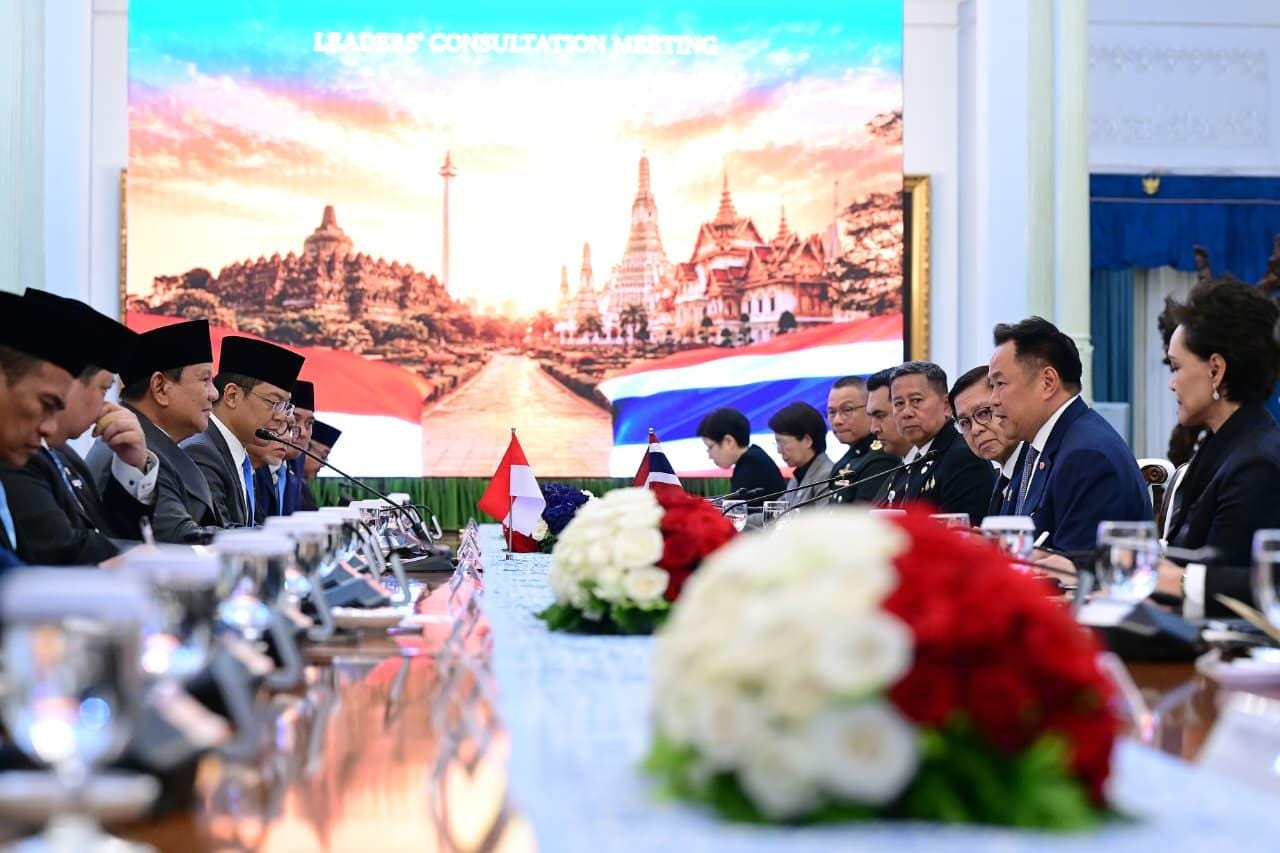
Prime Minister Anutin Charnvirakul also held a bilateral meeting with Indonesian President Prabowo Subianto at the Merdeka Palace in Jakarta on 3 August.
The visit marked another historic milestone, as Anutin became the first Thai Prime Minister to visit Indonesia in 15 years, following Yingluck Shinawatra’s visit in 2011.
The two leaders reaffirmed their commitment to strengthening Thailand–Indonesia co-operation across key sectors, including trade, investment, energy, connectivity, food security, and the halal industry.
💡 The Result…
Several co-operation agreements were reached following the meeting across the following sectors:
Defence and Security: Both countries agreed to strengthen co-operation in combating online scams, human trafficking, and drug trafficking. Thailand has helped repatriate around 1,000 Indonesians from scam centres, with another 500 currently awaiting repatriation. The two sides also agreed to expand intelligence sharing and enhance joint law enforcement.
Trade and Economy: Thailand agreed to increase bilateral trade to USD 20 billion by 2030 through the Indonesia–Thailand Strategic Partnership Roadmap 2026–2030. The roadmap aims to expand market access, boost investment, reduce trade barriers, and establish a Joint Trade Committee.
Energy Security: Indonesia and Thailand agreed to strengthen energy resilience through the Indonesia–Thailand Energy Forum and accelerate the transition to sustainable energy through closer collaboration between the public and private sectors, including the development of a regional power grid.
Food Security: Both countries agreed to strengthen supply chain resilience, improve logistics connectivity, and expand co-operation in agricultural technology and food processing.
Digital Economy: Both sides agreed to expand the Local Currency Transaction (LCT) framework for cross-border trade and investment to improve transaction efficiency and reduce exchange rate volatility.
Halal Industry: Indonesia and Thailand agreed to deepen co-operation in the halal industry by developing integrated halal supply chains for regional and global markets.
Connectivity: Both countries agreed to enhance connectivity by launching new flight routes between Bangkok and Jakarta and Phuket and Denpasar, with the aim of boosting tourism and business exchanges.
“As fellow founding members of ASEAN, Indonesia and Thailand share a responsibility to maintain peace, stability, and security, while promoting shared prosperity across the region. By deepening cooperation in these areas, we can further strengthen our bilateral partnership, and can contribute to a stronger and stable ASEAN.” - Prabowo Subianto, Indonesian President.
🧭 Beyond the Headlines
Thailand and Indonesia have maintained diplomatic relations for 76 years, with Thailand becoming one of Indonesia’s key economic partners and its fourth-largest trading partner.
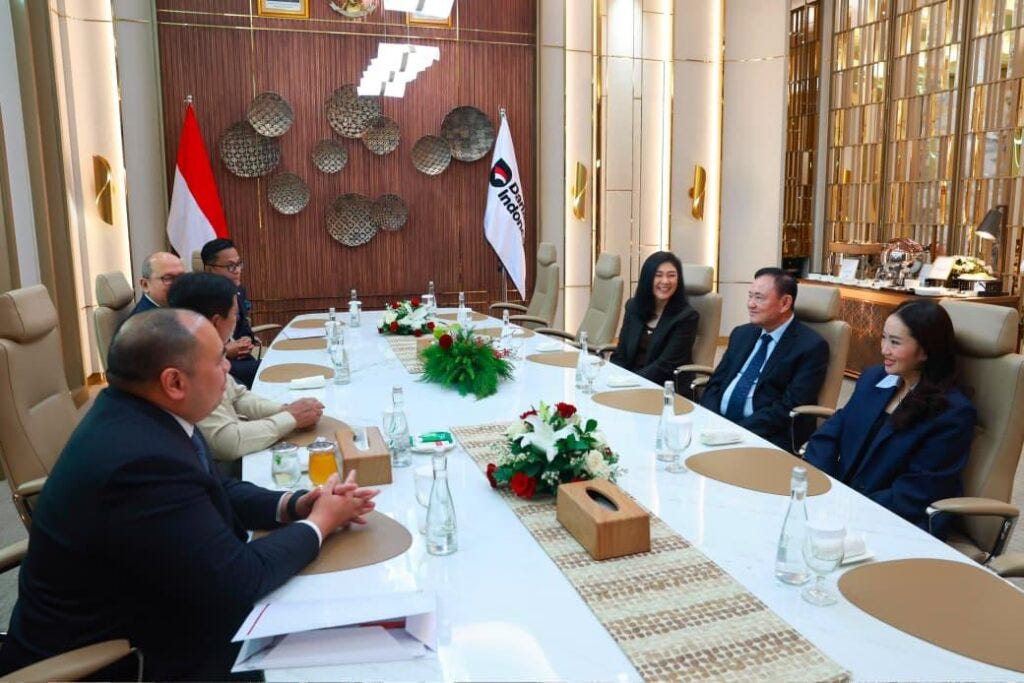
Reflecting the close ties between the two countries, President Prabowo Subianto appointed former Thai Prime Minister Thaksin Shinawatra as a member of the Advisory Board of Indonesia’s sovereign wealth fund, Danantara, in March 2025.
The strong relationship was further underscored when Thaksin and his family, including former Prime Minister Paetongtarn Shinawatra, visited Prabowo’s residence in Kertanegara, Jakarta, on 8 July to exchange views on regional and global developments.
A day later, Thaksin Shinawatra, Yingluck Shinawatra, and Paetongtarn Shinawatra met President Prabowo Subianto and Danantara officials in Jakarta to discuss ways to attract greater international investment, strengthen asset management, and support Indonesia’s long-term economic growth.
📌 The Bottom Line
Thailand is not just one of ASEAN’s founding members, but also a key contributor to the bloc’s growth. From promoting free trade and regional dialogue to advancing human rights, Thailand has helped shape ASEAN into a stronger and more connected community.
Today, Thailand is not just responding to regional challenges, but also helping ASEAN strengthen its unity, resilience, and co-operation. Through closer partnerships, Thailand aims to promote peace, stability, and sustainable development across Southeast Asia.
Looking ahead, Thailand’s role is not just to address today’s challenges, but to help build a more integrated, resilient, and people-centred ASEAN. By working closely with fellow member states, Thailand aims to ensure ASEAN remains a driving force for peace, stability, and prosperity across the region.
🔎 Need More Angles?
ASEAN Regional Forum About ARF
ASEAN Secretariat About ASEAN
ASEAN Secretariat ASEAN Chair’s Statement on the Meeting of Daw Aung San Suu Kyi with a Delegate from the International Committee of the Red Cross (ICRC)
ASEAN Secretariat Major Sectoral Bodies/Committees
BPMI Setpres Seskab Teddy: Pertemuan Presiden Prabowo dengan Tiga Mantan PM Thailand Perkuat Jejaring Persahabatan Internasional
Kementerian Sekretariat Negara Pertemuan Hangat Presiden Prabowo dan Thaksin di Kertanegara, Bahas Dinamika Kawasan hingga Isu Global
(NGO/JUN/QOB)