



📌 The Main Takeaway
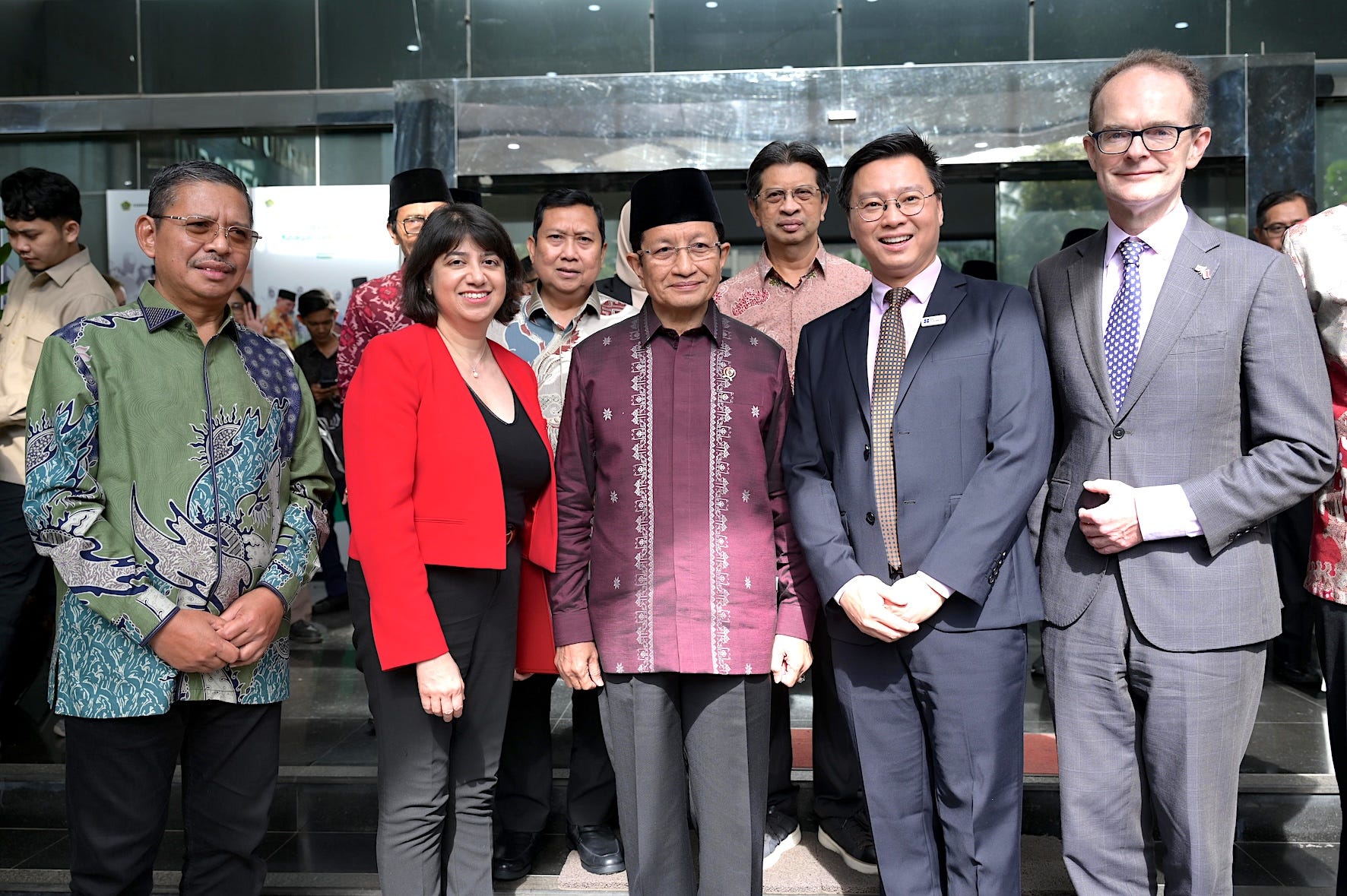
The Indonesian Ministry of Religious Affairs and the British Council have launched their first collaboration to strengthen English language teaching in Madrasahs, aiming to enhance teachers’ professional capacity and expand students’ global opportunities.
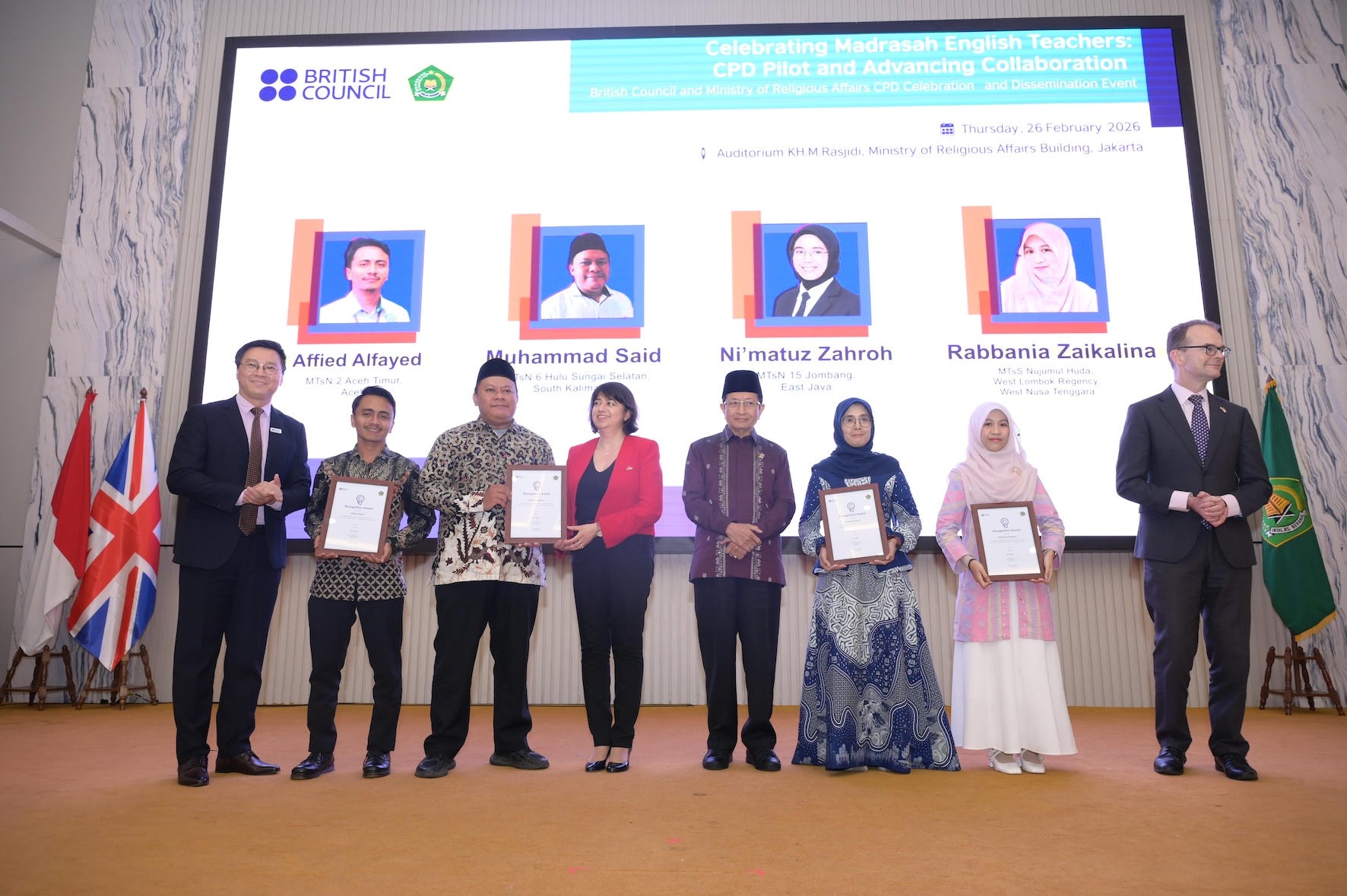
The initiative follows the signing of a Memorandum of Understanding in November 2025 and was implemented through an eight-week professional development program, which concluded with an in-person workshop at the Ministry of Religious Affairs in Jakarta on February 26, 2026.
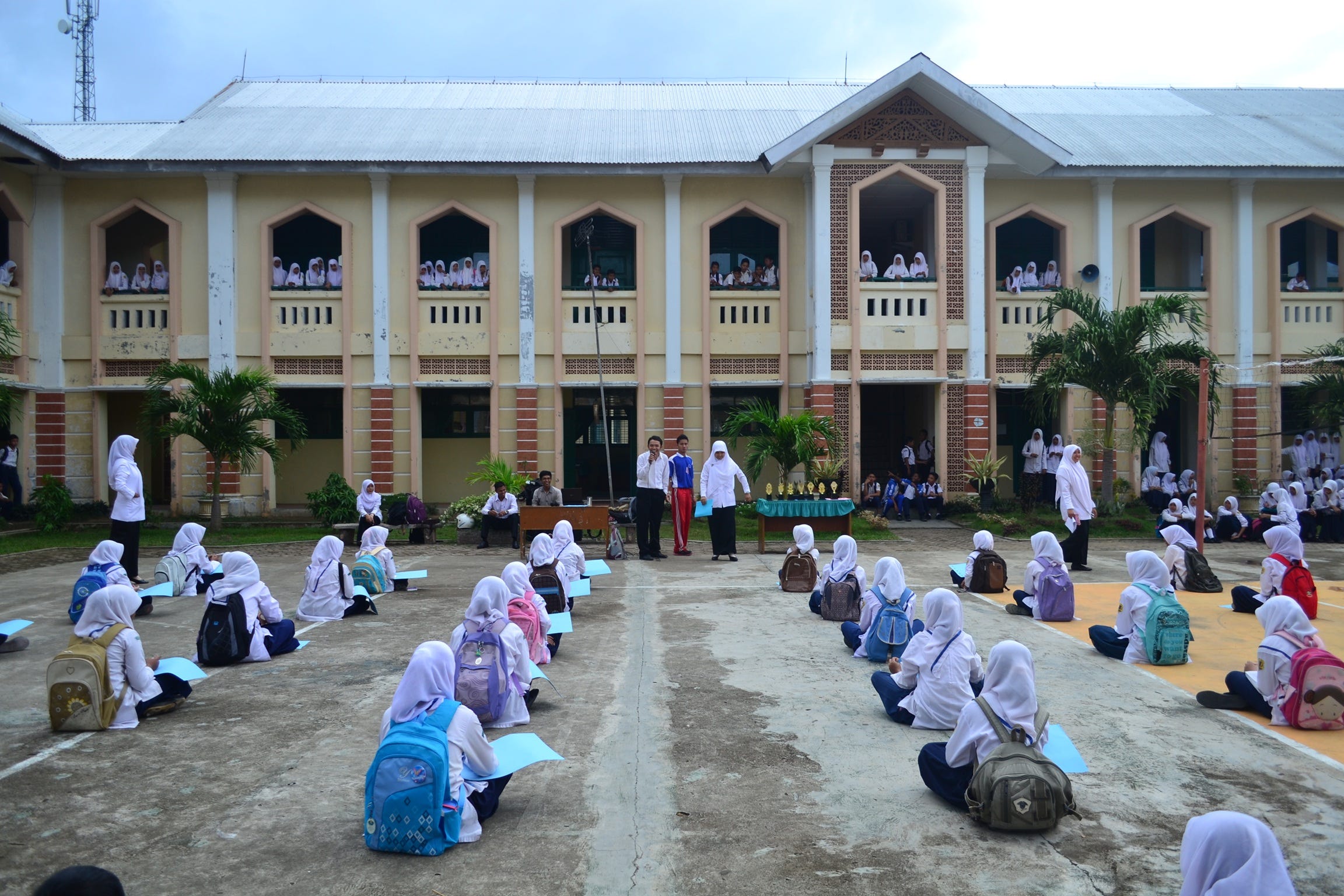
With 41,833 madrasah teachers across Indonesia, improving teacher competency is seen as a strategic step in responding to the evolving demands of global education.
📡 Why It’s on Our Radar
The initiative is part of a broader diplomatic context.
In January 2026, Indonesian President Prabowo Subianto and UK Prime Minister Keir Starmer signed the Indonesia–UK Strategic Partnership, where education was identified as a key pillar of cooperation.
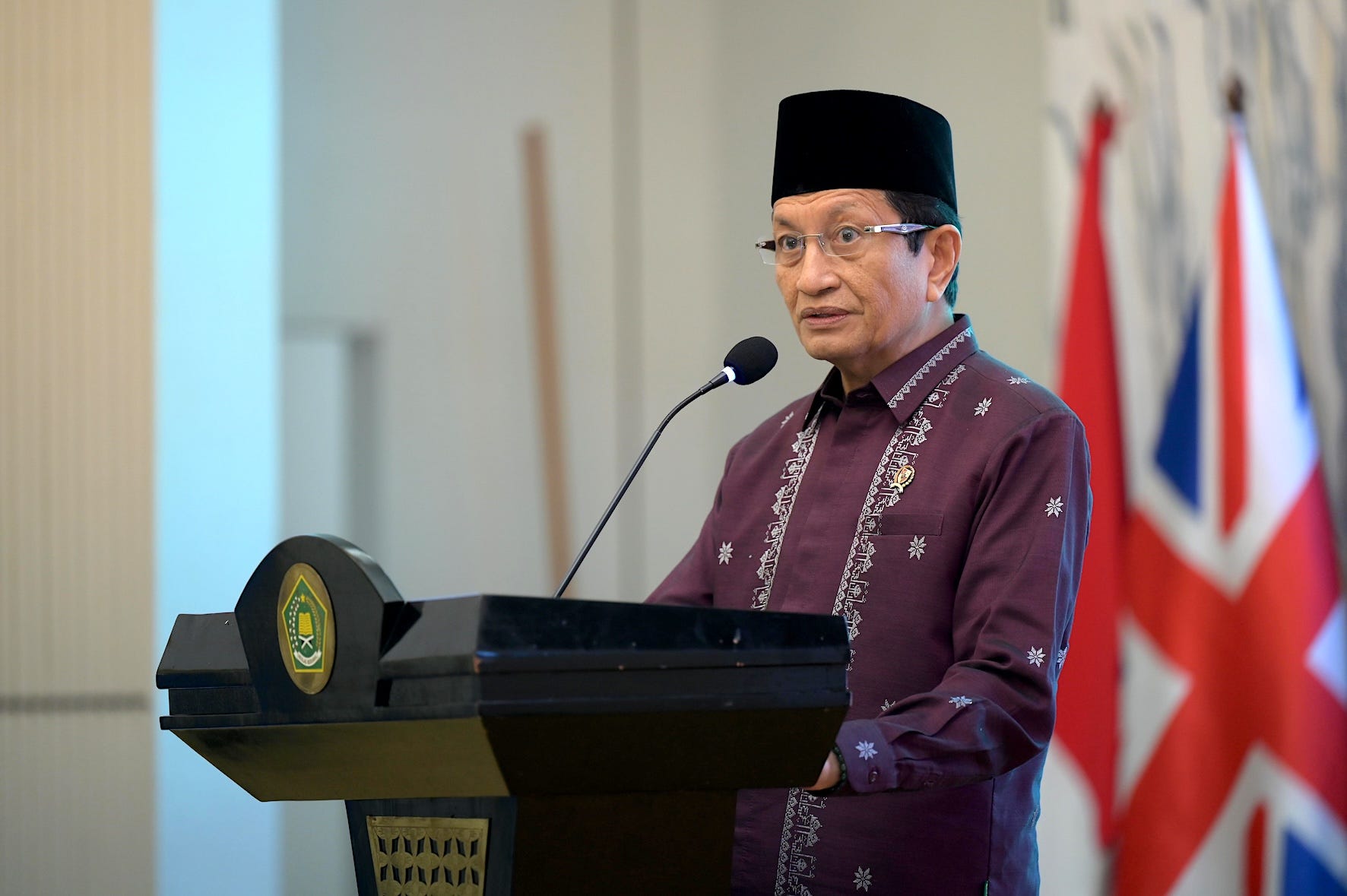
Indonesia’s Minister of Religious Affairs Nasaruddin Umar noted that the collaboration also supports the ministry’s Asta Protas strategic priorities, particularly in improving the quality of education in religious schools.
In practice, the initiative seeks to equip madrasah teachers with stronger English teaching skills so that students can better access:
🎓 International higher education opportunities
🌏 Global academic networks
📚 Cross-border knowledge exchange
“This collaboration represents a concrete step toward realizing the Ministry’s Asta Protas agenda while strengthening the Indonesia–UK Strategic Partnership in education.”
Nasaruddin Umar, Minister of Religious Affairs of Indonesia
📊 Madrasahs by the Numbers
Indonesia’s madrasah education system represents a significant part of the national learning landscape:
🏫 41,833 madrasah teachers nationwide
👩🏫 Teachers spread across junior secondary (MTs) and senior secondary (MA) Islamic schools
🌏 Increasing demand for English proficiency to access global academic networks
Strengthening teacher quality in this sector therefore carries system-wide implications for Indonesia’s education development.
⚠️ Why It Matters
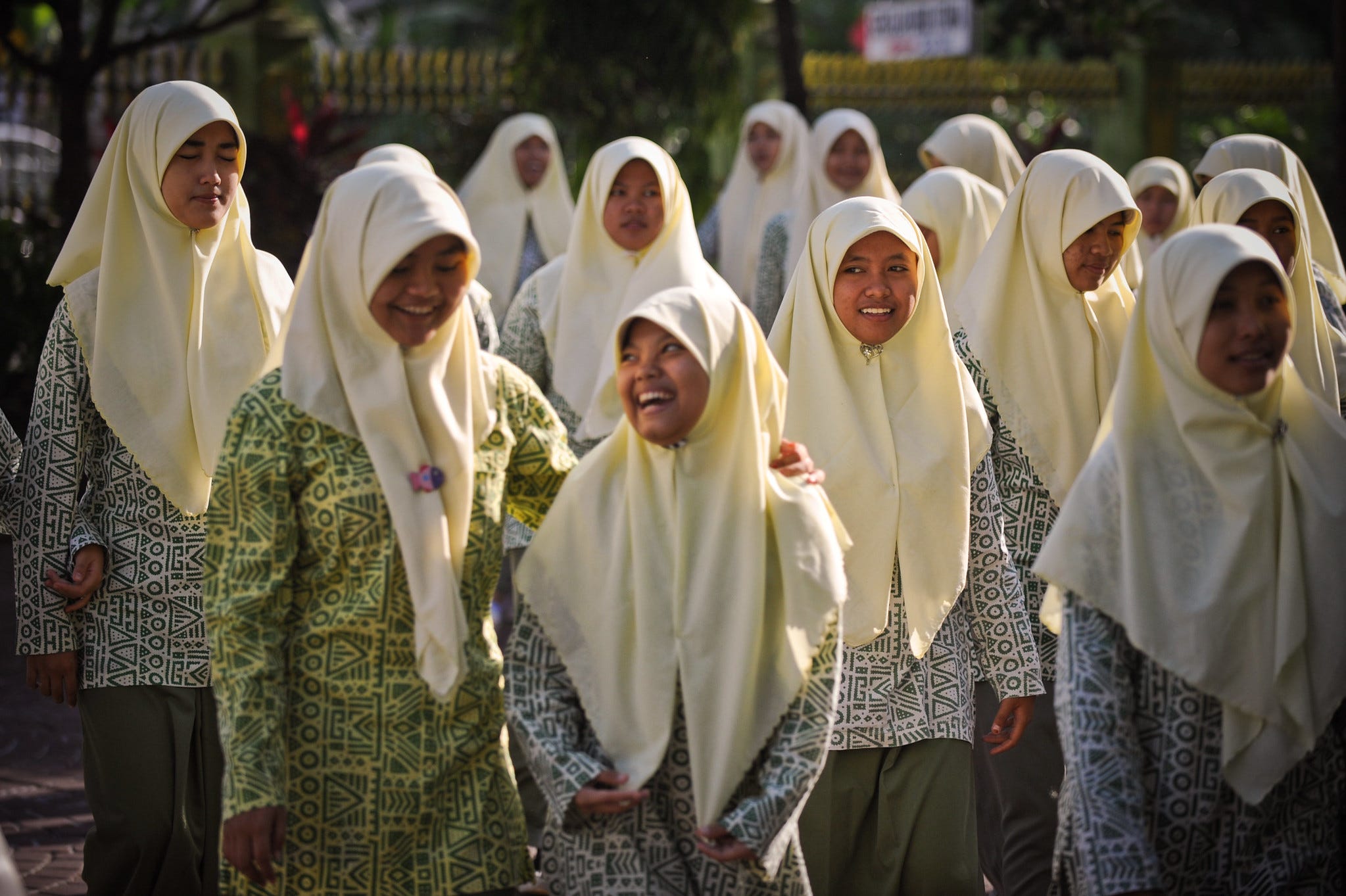
Madrasahs have a distinctive role in Indonesia’s education system.
They combine religious education with modern academic subjects, shaping students’ intellectual and moral foundations simultaneously.
Teachers in these institutions are therefore expected to:
🕌 Build strong religious values
📖 Deliver modern academic instruction
🌐 Prepare students for global engagement
As international academic mobility expands, English proficiency among educators is becoming a critical tool to help students navigate global opportunities.
Improving teacher capacity in this area is therefore closely linked to long-term human capital development.
🔍 What’s Inside the Program
The initiative began with a competency mapping process conducted by the Directorate of Madrasah Teachers and Education Personnel under the Ministry of Religious Affairs together with the British Council.
The mapping assessed:
📊 Pedagogical competencies
🗣️ English language proficiency among MTs and MA teachers
This assessment informed the design of a pilot Continuing Professional Development (CPD) program, delivered through structured online training.
A total of 613 teachers from nearly every province in Indonesia participated in the program.
The data gathered through this program will help inform future policy planning for teacher development.
“By delivering structured online training supported by e-moderators and weekly live sessions, we ensured that high-quality professional development could reach educators wherever they are.”
~ Summer Xia, British Council Country Director for Indonesia and Director for Southeast Asia
💡 What Changed in the Classroom
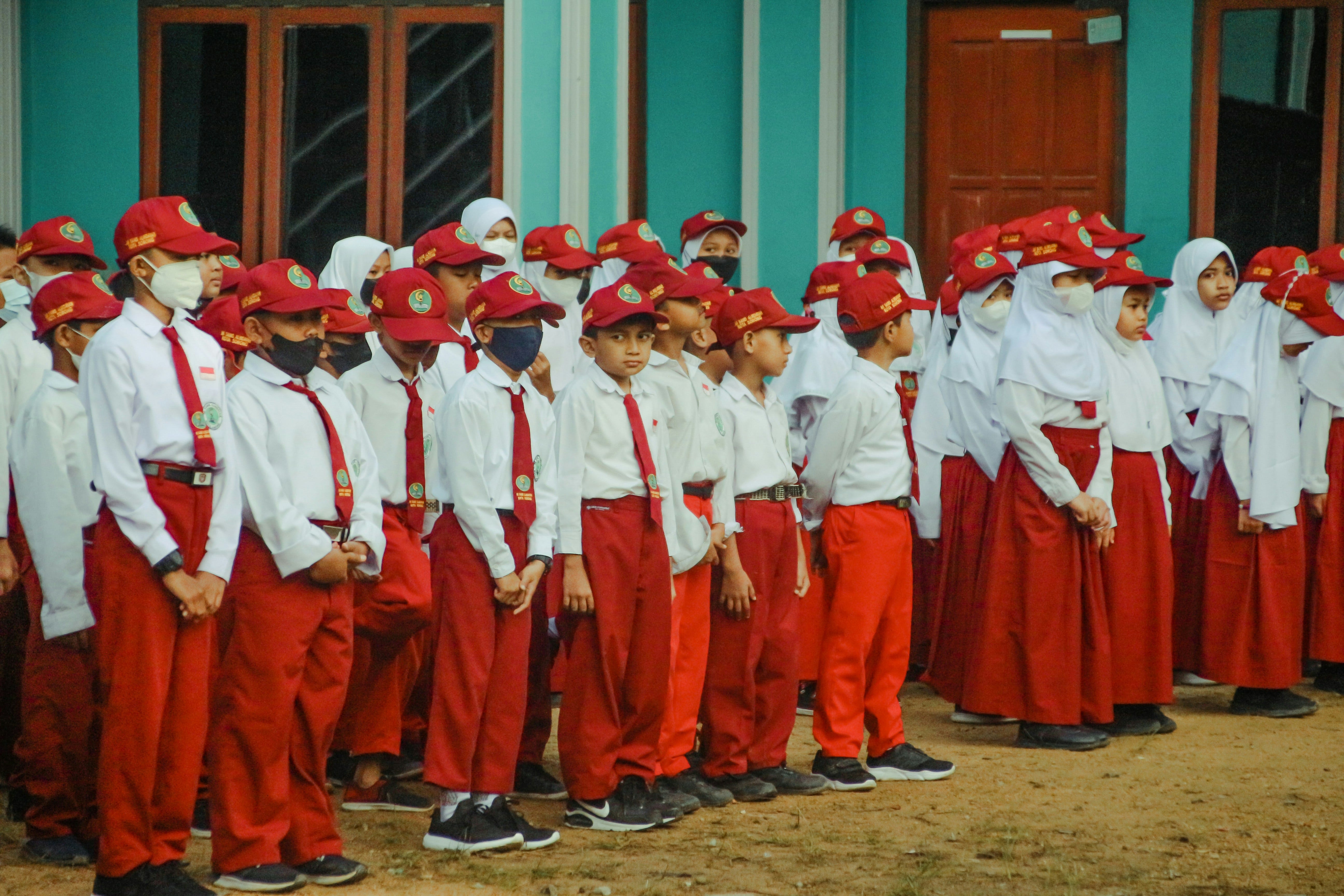
During the eight-week program, teachers began introducing new teaching methods that emphasize student participation and interaction.
Some early changes observed include:
👩🏫 More student-centered classroom approaches
💬 Increased interaction between teachers and students
🗣️ Greater teacher confidence in using English
These improvements also contributed to higher student engagement during lessons.
“Opportunities for professional development among madrasah teachers are still limited. Through this program, English teachers can create enjoyable learning experiences and inspire students to keep learning.”
~ Ni’Matus Zahroh, English teacher at MTsN 15 Jombang
🚀 What to Expect
As a pilot initiative, the current program represents only a small portion of Indonesia’s national teaching workforce.
However, the model provides a foundation for broader expansion in the coming years.
Potential next steps include:
📚 Expanding training access to more teachers nationwide
🤝 Establishing professional learning communities among madrasah educators
🔁 Replicating the CPD model in different regions
The ultimate aim is to create systemic improvements in teaching quality that can be scaled nationally.
🌍 The Bigger Picture
International cooperation in teacher development is becoming an increasingly important tool for strengthening education systems.
Such partnerships enable:
📈 Capacity building for educators
🌐 Knowledge transfer across countries
🎓 Better access to global education networks
For Indonesia, this collaboration reflects a broader effort to modernize education while preserving the unique role of madrasahs within society.
🚨 The Bottom Line
The collaboration between Indonesia’s Ministry of Religious Affairs and the British Council goes beyond a teacher training program.
It signals a strategic push to strengthen Indonesia’s education system, empower madrasah teachers, and expand students’ pathways to global learning opportunities — while deepening education cooperation within the Indonesia–UK strategic partnership.
(JUN/ELS)