



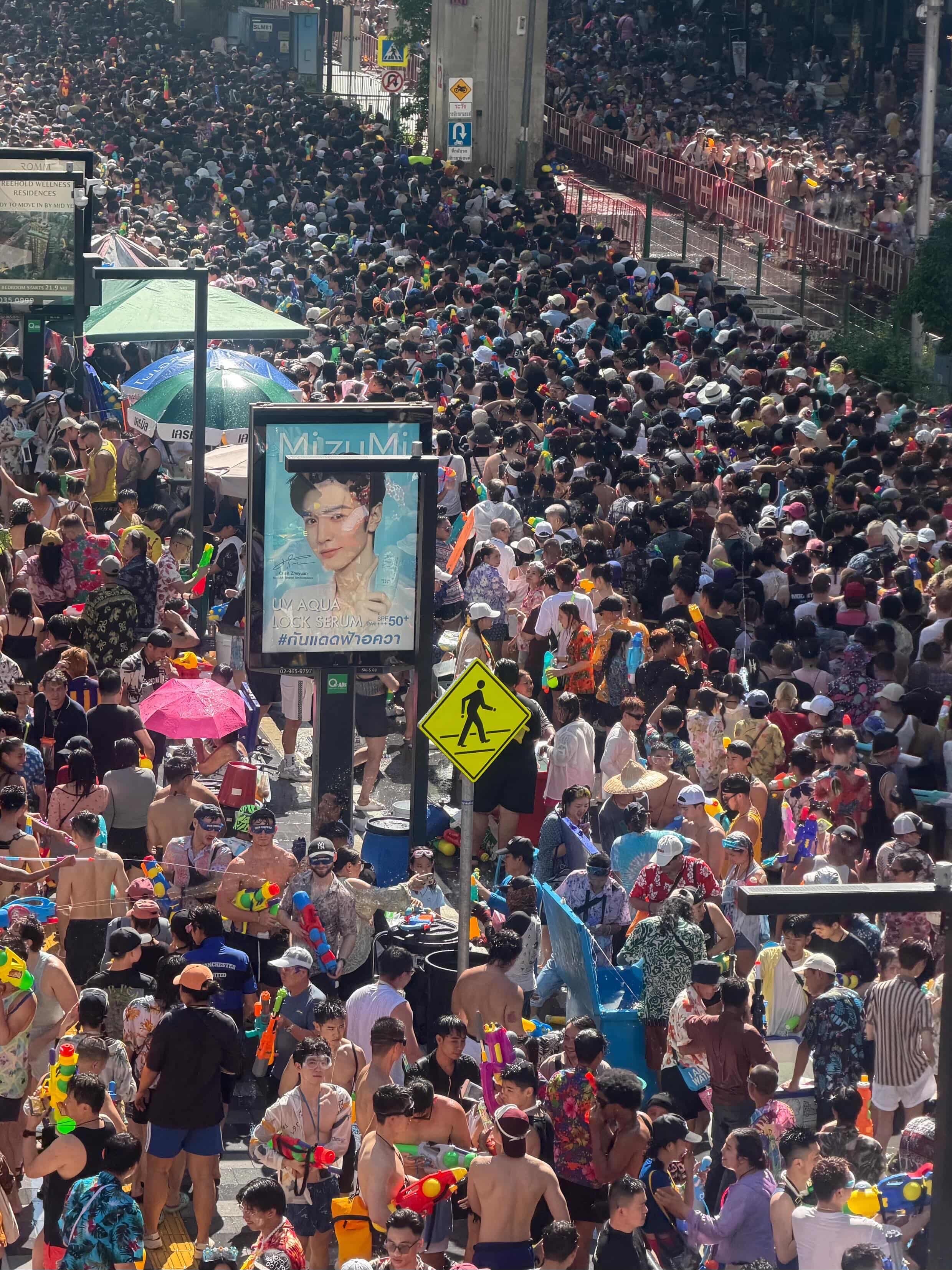
The world knows Thailand’s Songkran for its epic water fights.
But across Southeast Asia, the “New Year” isn’t just a splash—it’s a sophisticated regional engine of spiritual renewal and a massive economic catalyst.
🎯 The Main Takeaway
Songkran (13–15 April) marks the Maha Songkran, the sun’s astrological passage into Aries. It is a time of “cleaning house”—both literally and spiritually.
While it anchors a broader “Lunisolar New Year” ecosystem, it has evolved into a global tourism phenomenon that defines Thailand’s cultural soft power.
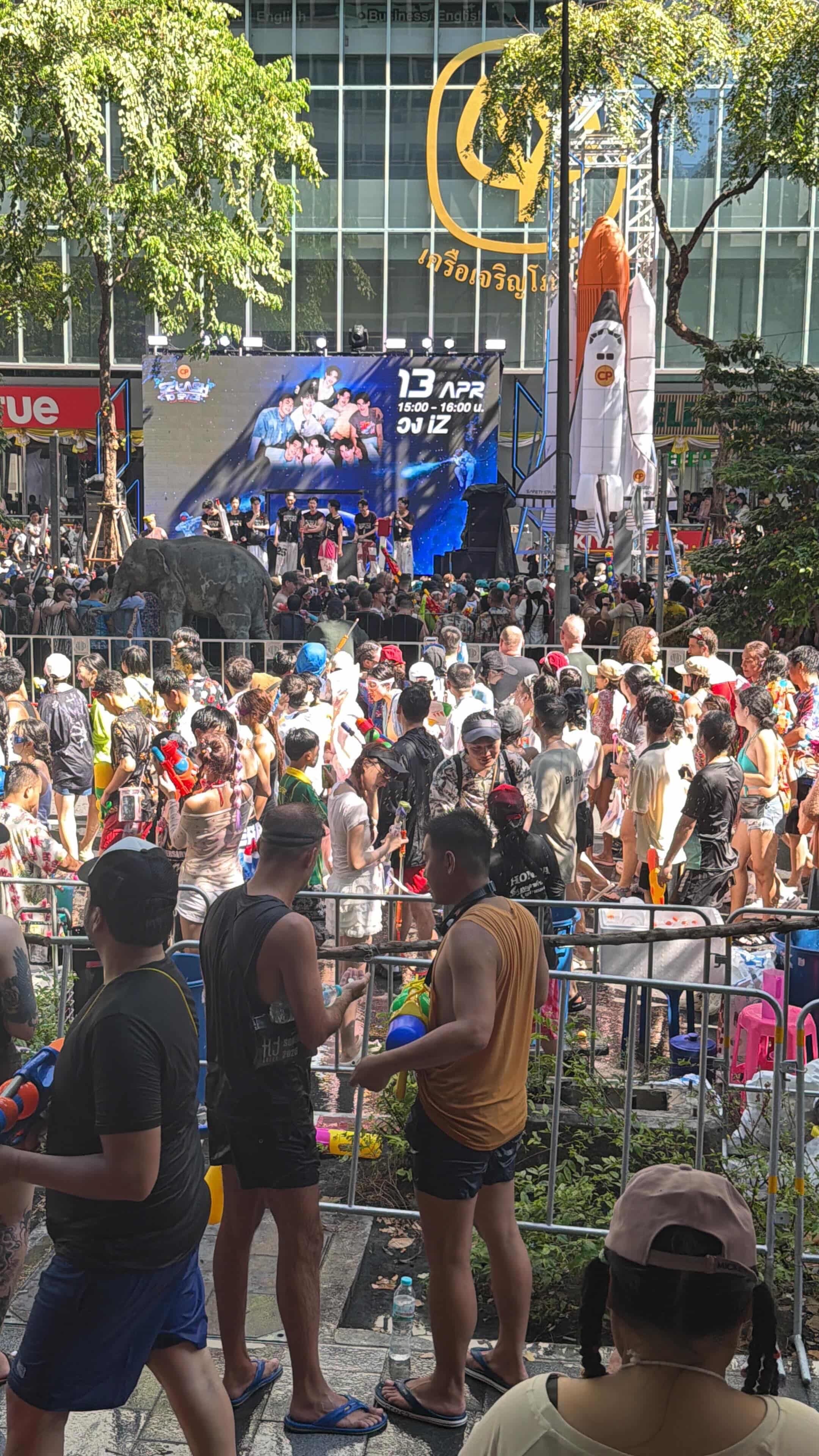
🔍 Why It’s on Our Radar
Thailand is currently seeing a massive influx of visitors. For the 2026 season, international arrivals have increased by approximately 20-25% compared to last year.
This surge is fueled by the festival’s status as a UNESCO Intangible Cultural Heritage, prompting travellers to seek out the “authentic” roots of the world’s most famous water festival.
🌏 The Big Picture: Southeast Asia’s Spiritual Resets
The “Water Festival” is a shared heritage across the Mekong region, though Thailand’s “Songkran” is the most globally recognised brand.
The concept of a “seasonal reset” is a universal human rhythm, manifesting in diverse ways:
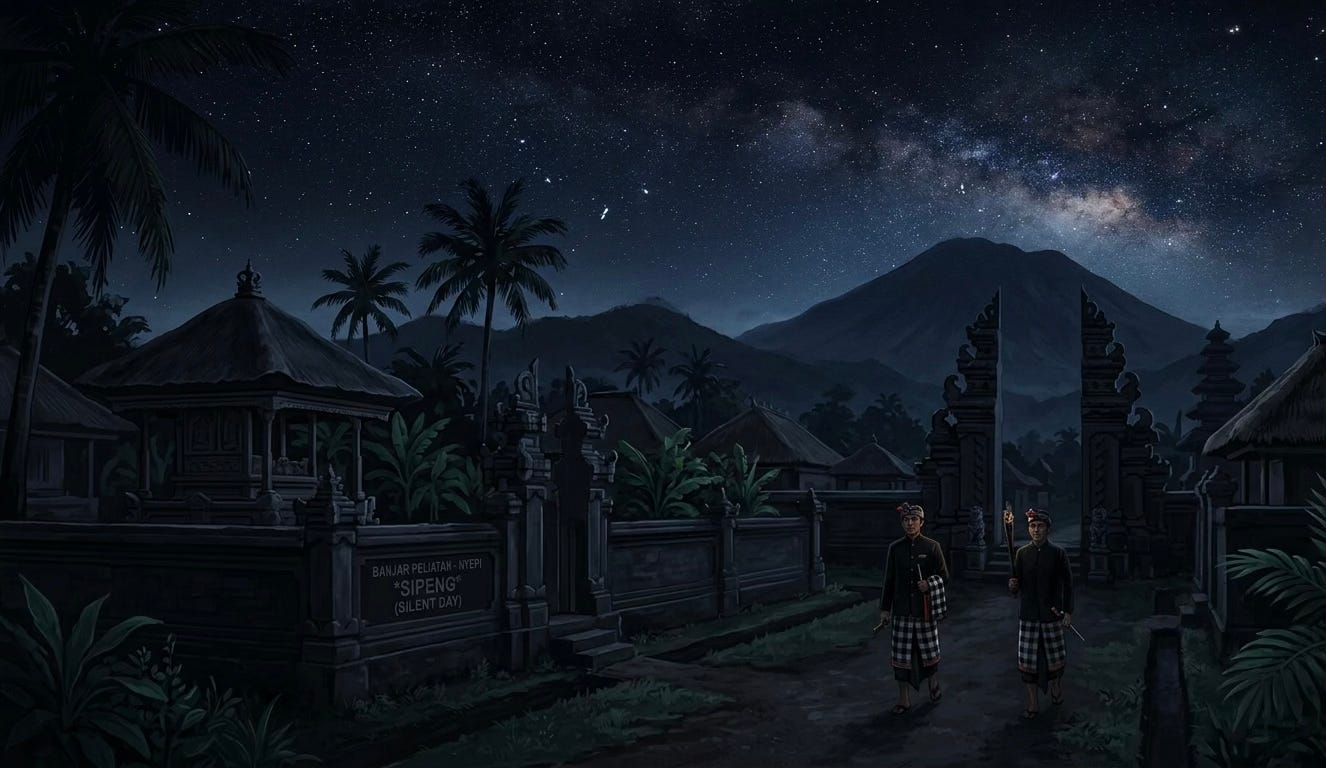
Indonesia (Nyepi): A “spiritual vacuum.” Observed in Bali (most recently on 19 March 2026), the island follows the Catur Brata Penyepian—four strict prohibitions: no fire or light, no work, no travel, and no entertainment.
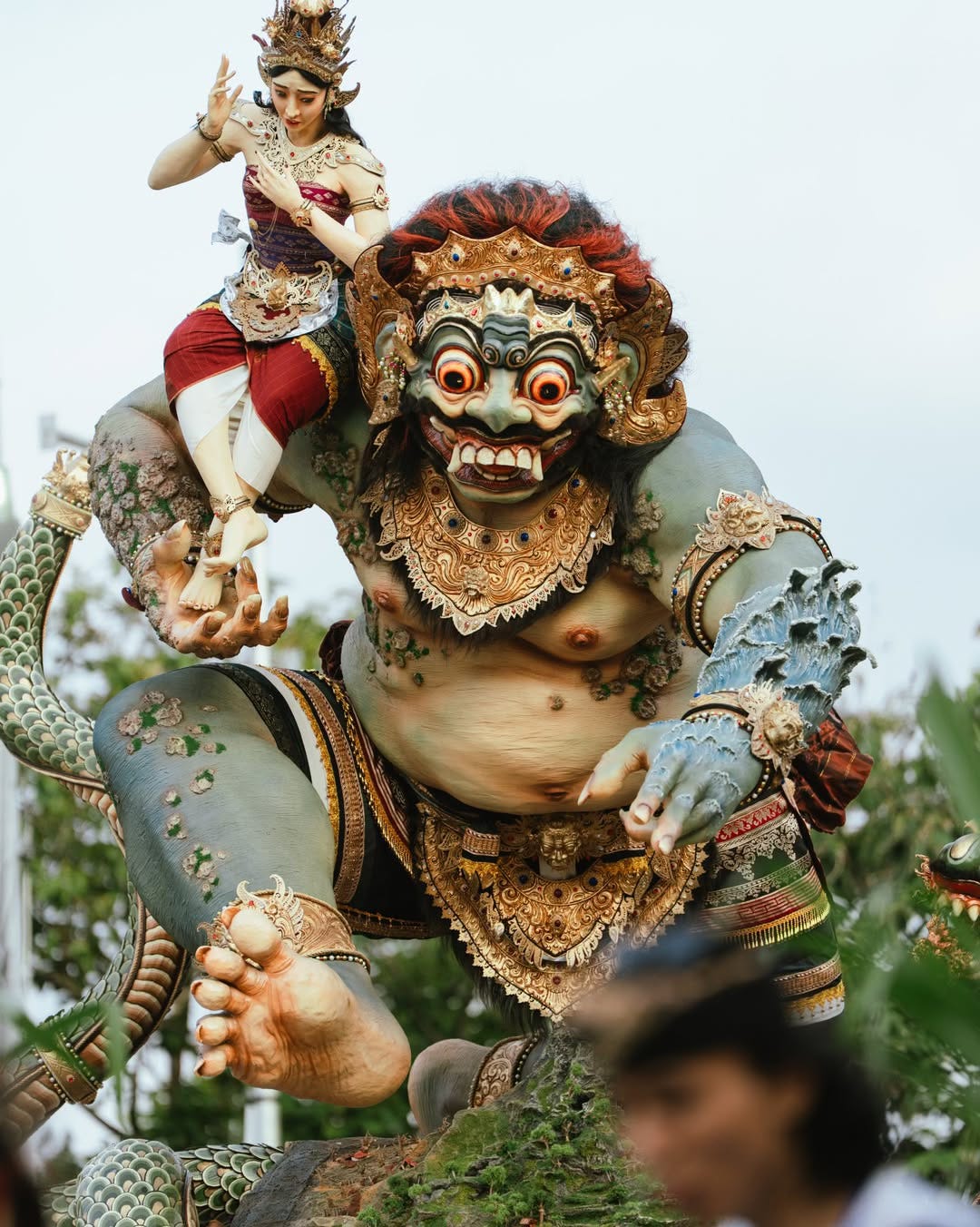
For 24 hours, the airport closes, and streets are patrolled to ensure total stillness. It is preceded by the Ogoh-Ogoh parade, where giant demonic effigies are burned to purge negative energy.
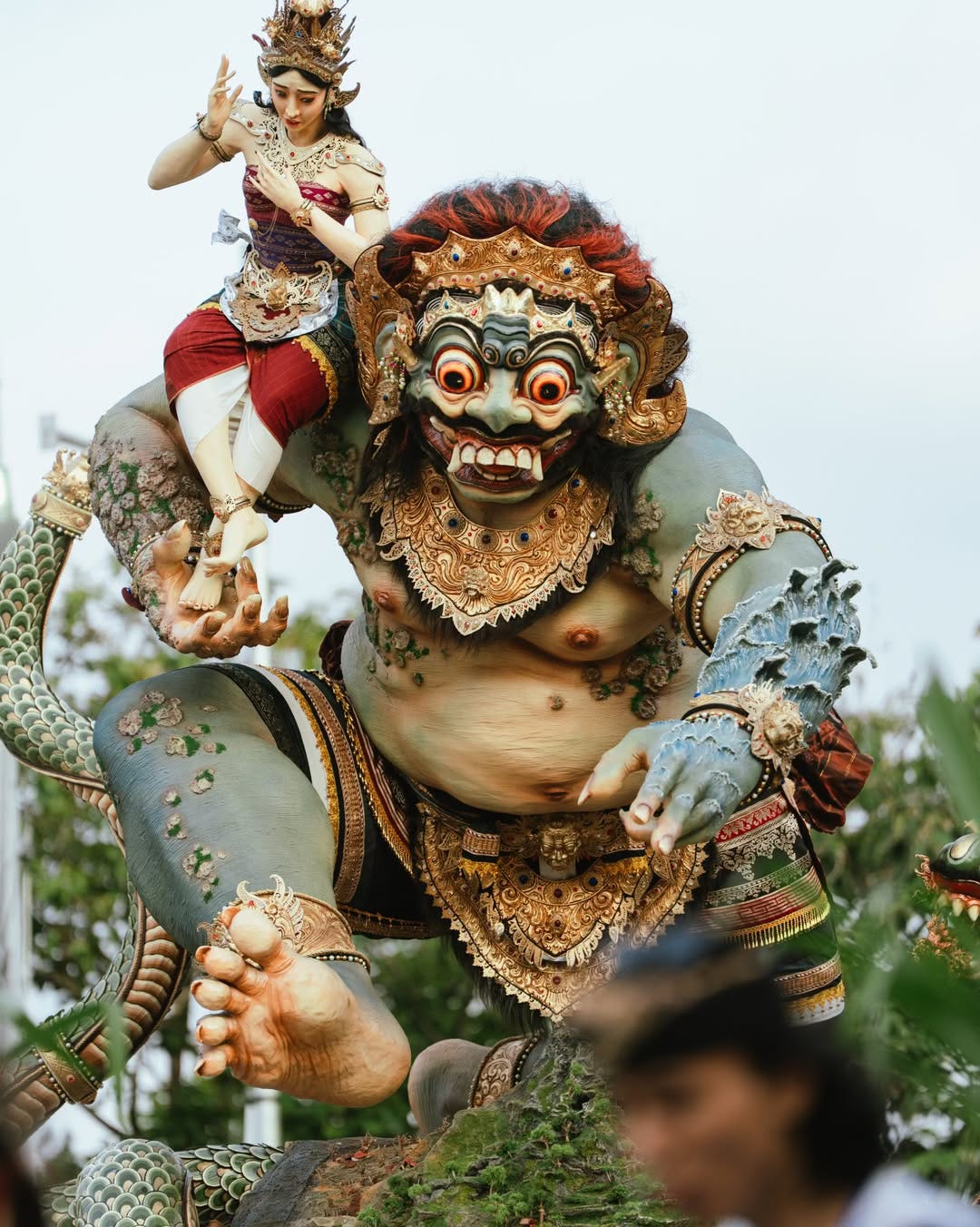
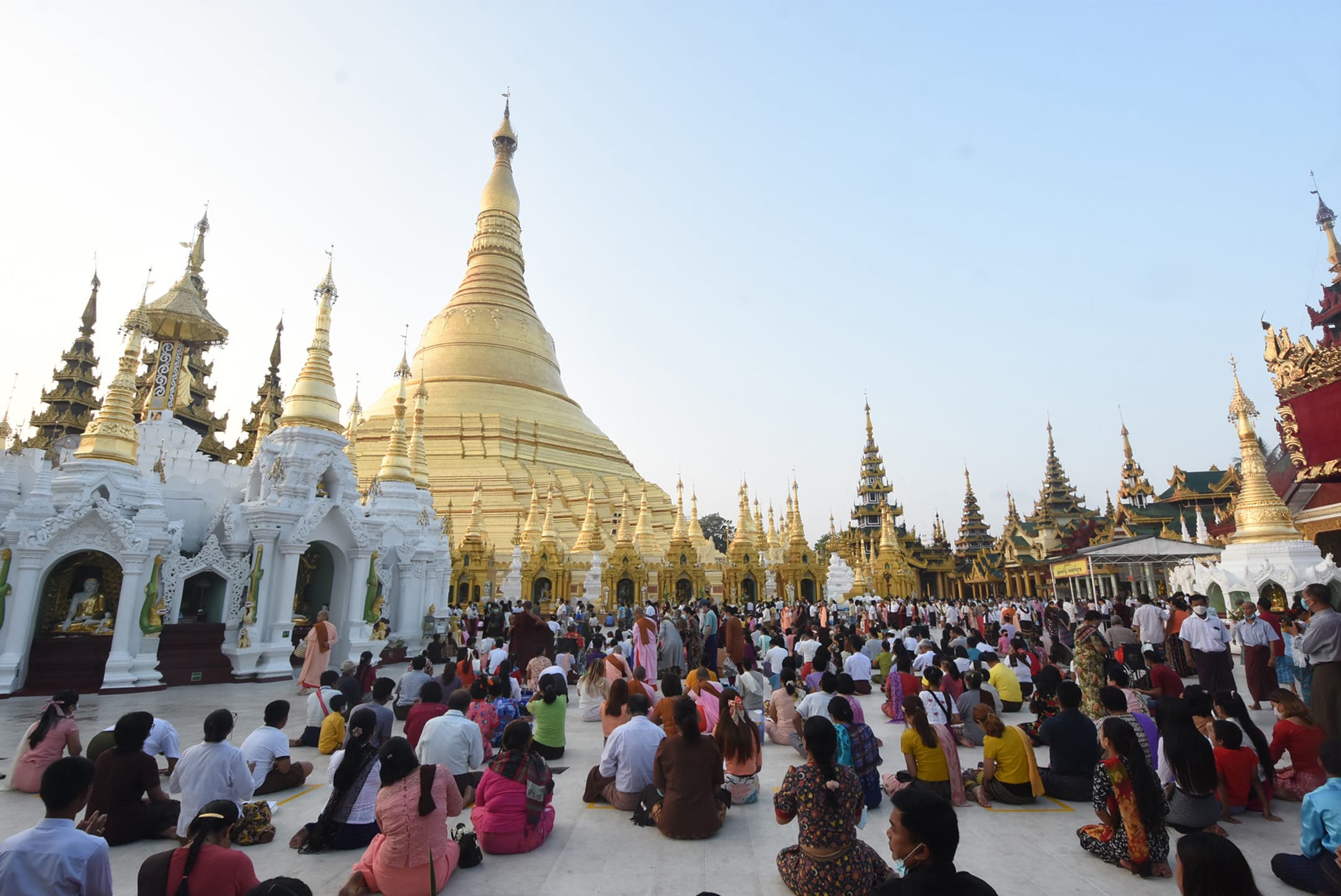
One of the intricate Ogoh-Ogoh creations featured in the parade. (Photo by Hallo Denpasar) Myanmar (Thingyan): Sharing Songkran’s DNA but driven by a distinct mythology. This five-day cycle centres on the King of Devas (Thagyamin) descending to Earth to record human deeds. A unique sensory highlight is the Padauk flower; blooming only during the first April rains, these golden blossoms are worn by women to signal the New Year’s arrival
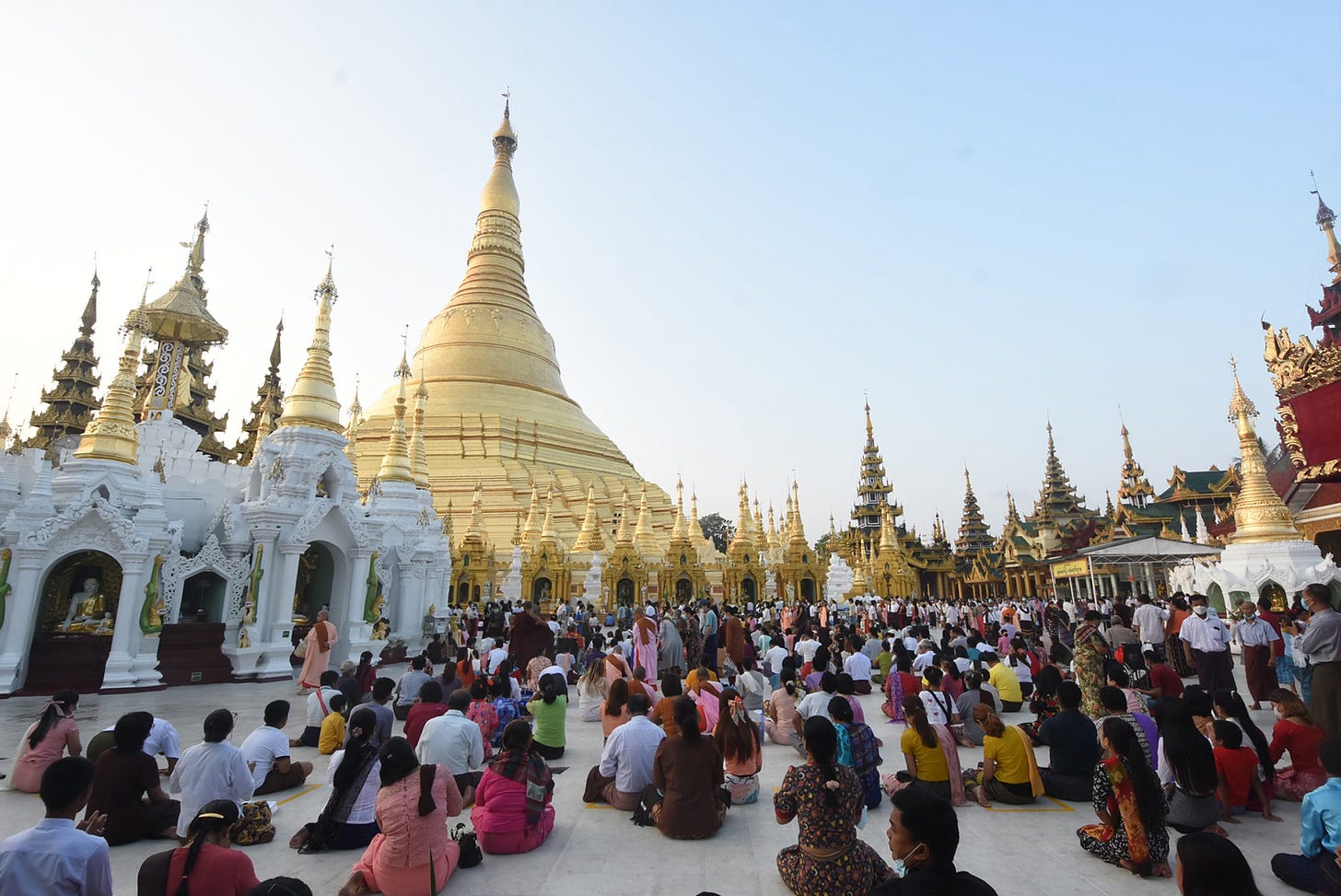
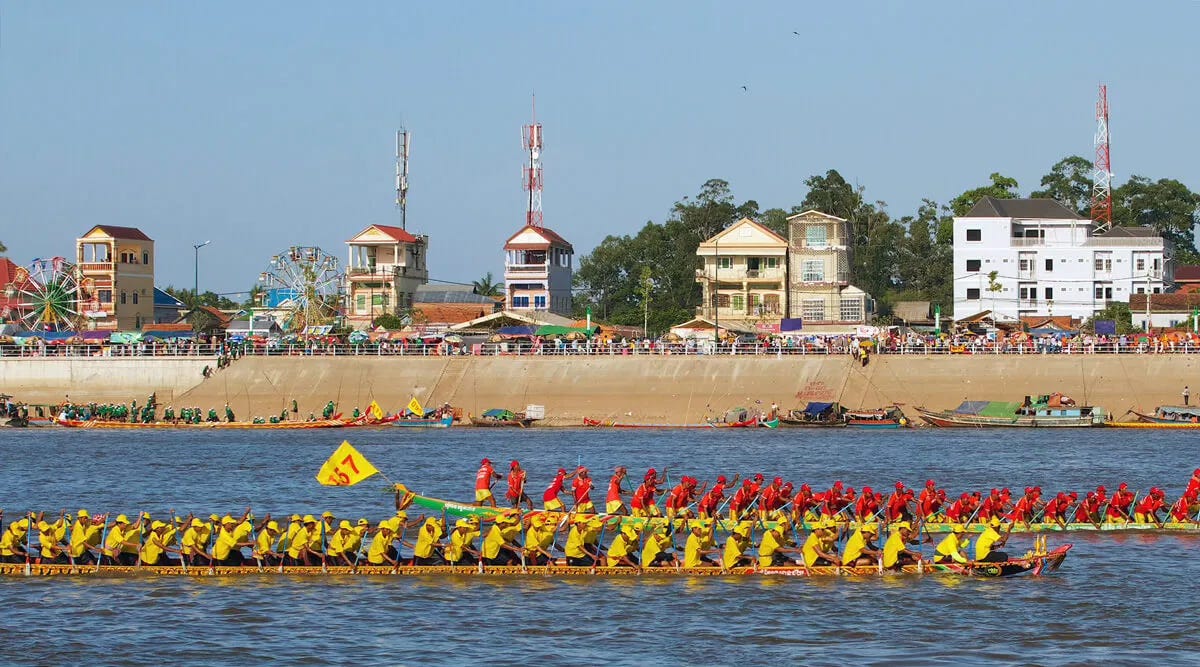
Myanmar traditional New Year Atā Thingyan festival. Photo: UNESCO.org Cambodia (Bon Om Touk): Southeast Asia’s other great water festival. Held in November, it marks the reversal of the flow of the Tonle Sap River. Unlike the street battles of Songkran, this reset is anchored by Ak Ambok, a ritual midnight meal eaten under the moon to signal a prosperous new cycle
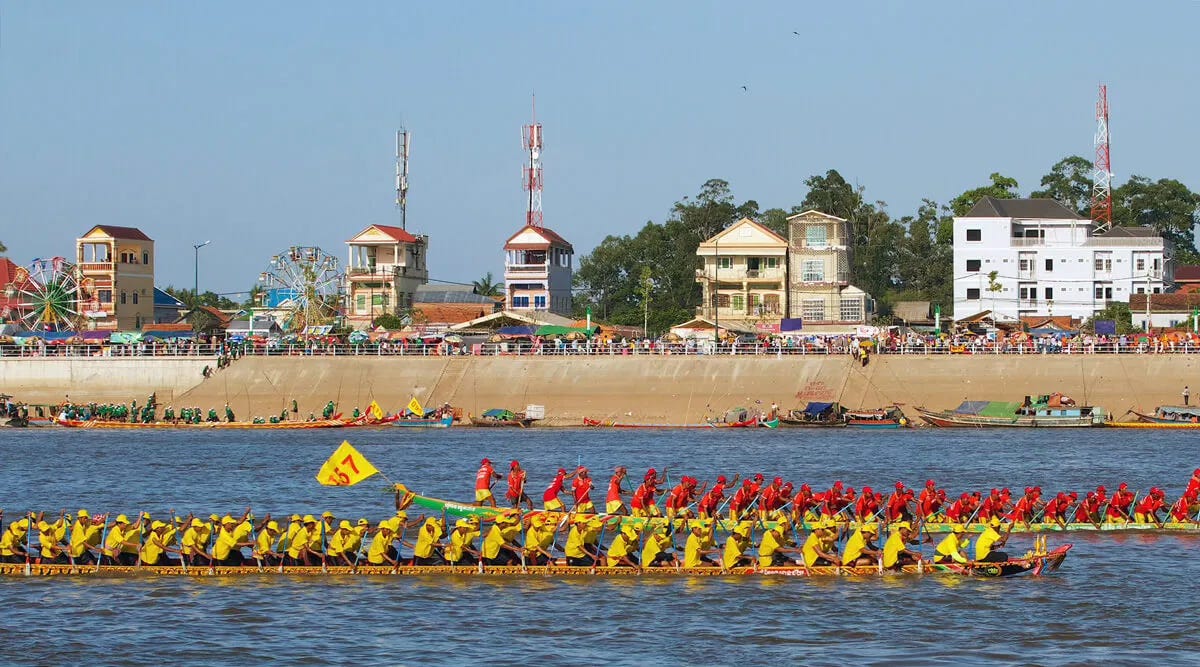
The legendary boat races of Cambodia’s Bon Om Touk. Image: Seth Wright / Flickr
⚖️ What’s at Stake
Economic recovery vs. cultural authenticity. With over 23,000 scheduled flights bringing millions into Thailand this week, the challenge is to maintain the festival’s sacred soul amid the demand for high-octane tourism.
The Bottom Line
Southeast Asia doesn’t just change the calendar date; it changes its state of being. With tourism numbers climbing annually, the region’s unique traditions offer the world a masterclass in the art of starting over—and a multibillion-dollar lesson in cultural tourism.
(ZIL/VBD)