



🎯 The Main Takeaway
Based on the 2026 Time Out World’s Best Cities index, Southeast Asia isn’t just rising in rankings — it’s seeing real tourism momentum.
Cities in Thailand, Singapore, and Vietnam are attracting millions by blending culture, affordability, and lived experience.
🔍 Why It’s on Our Radar
🇹🇭 Bangkok (#8) & Chiang Mai (#32)
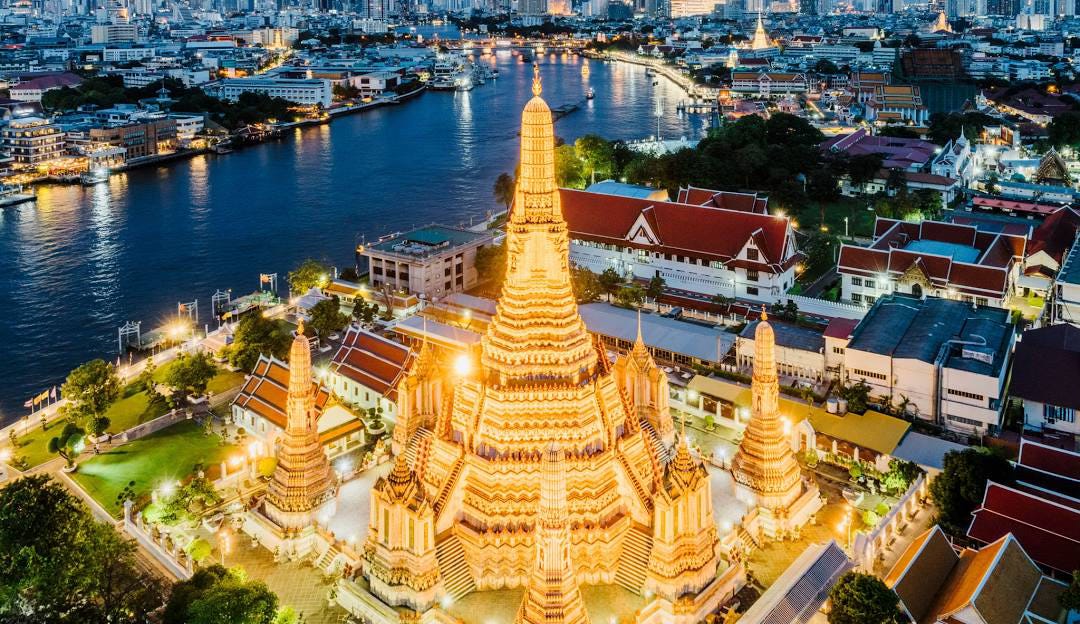
Thailand welcomed ~33 million international visitors in 2025 — one of the highest in the region
Bangkok alone draws tens of millions annually, making it one of the world’s most visited cities
What to do & where to go:
Culture: Grand Palace, Wat Phra Kaew
Lifestyle: Chatuchak Market, rooftop bars, Chao Phraya river cruises
Art revival: Bangkok Art Biennale
Chiang Mai: Wat Phra That Doi Suthep temples, night bazaars, mountain retreats
The vibe:
A cultural powerhouse where street food, nightlife, and global festivals collide.
🇸🇬 Singapore (#23)
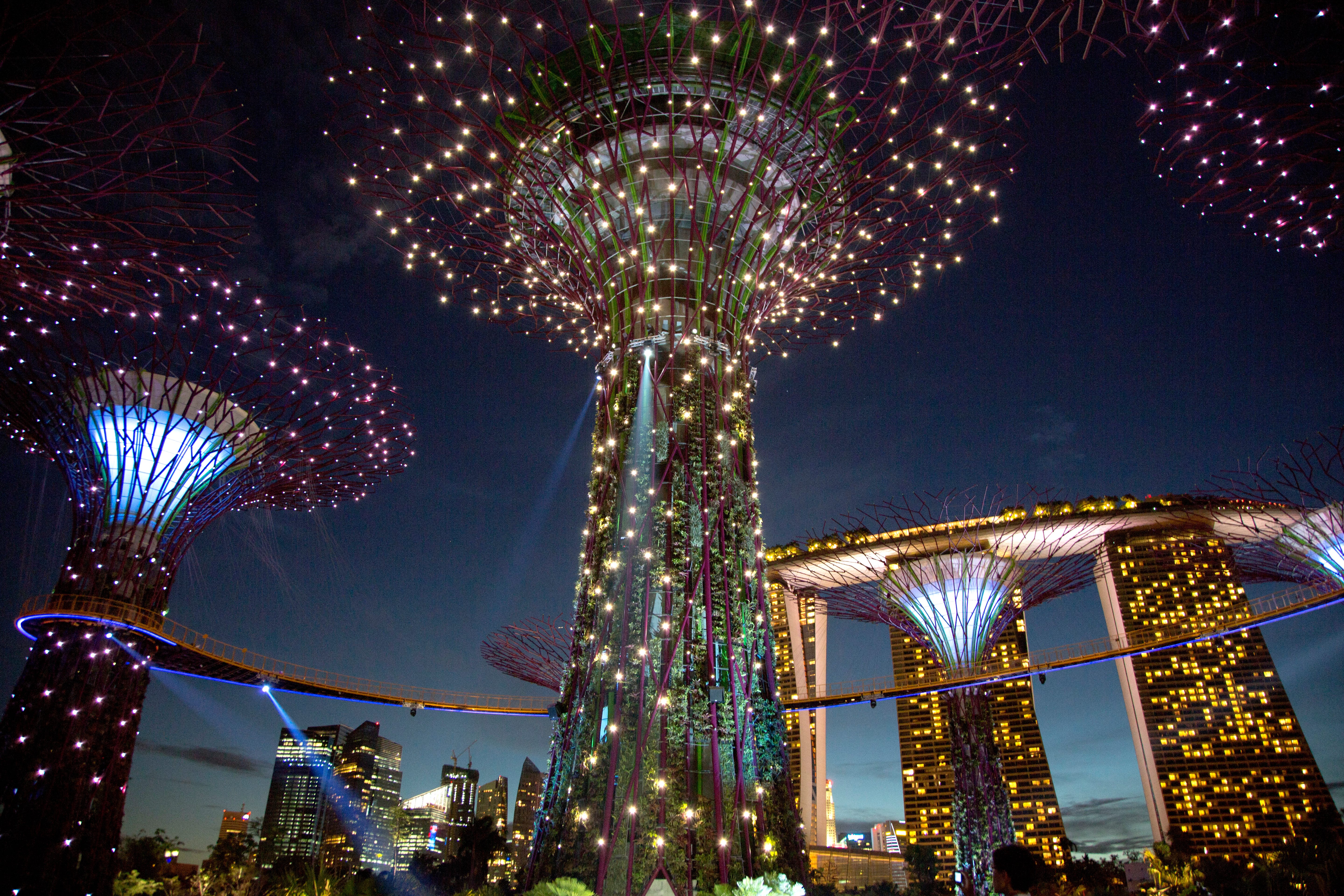
A consistent global magnet, driven by infrastructure, safety, and efficiency
Among the world’s most liveable — but also one of the most expensive
What to do & where to go:
Iconic: Marina Bay Sands, Gardens by the Bay
Culture: Chinatown, Little India, Kampong Glam
Nature: East Coast Park, MacRitchie Reservoir
The vibe:
A polished, future-ready city — where green space meets skyline.
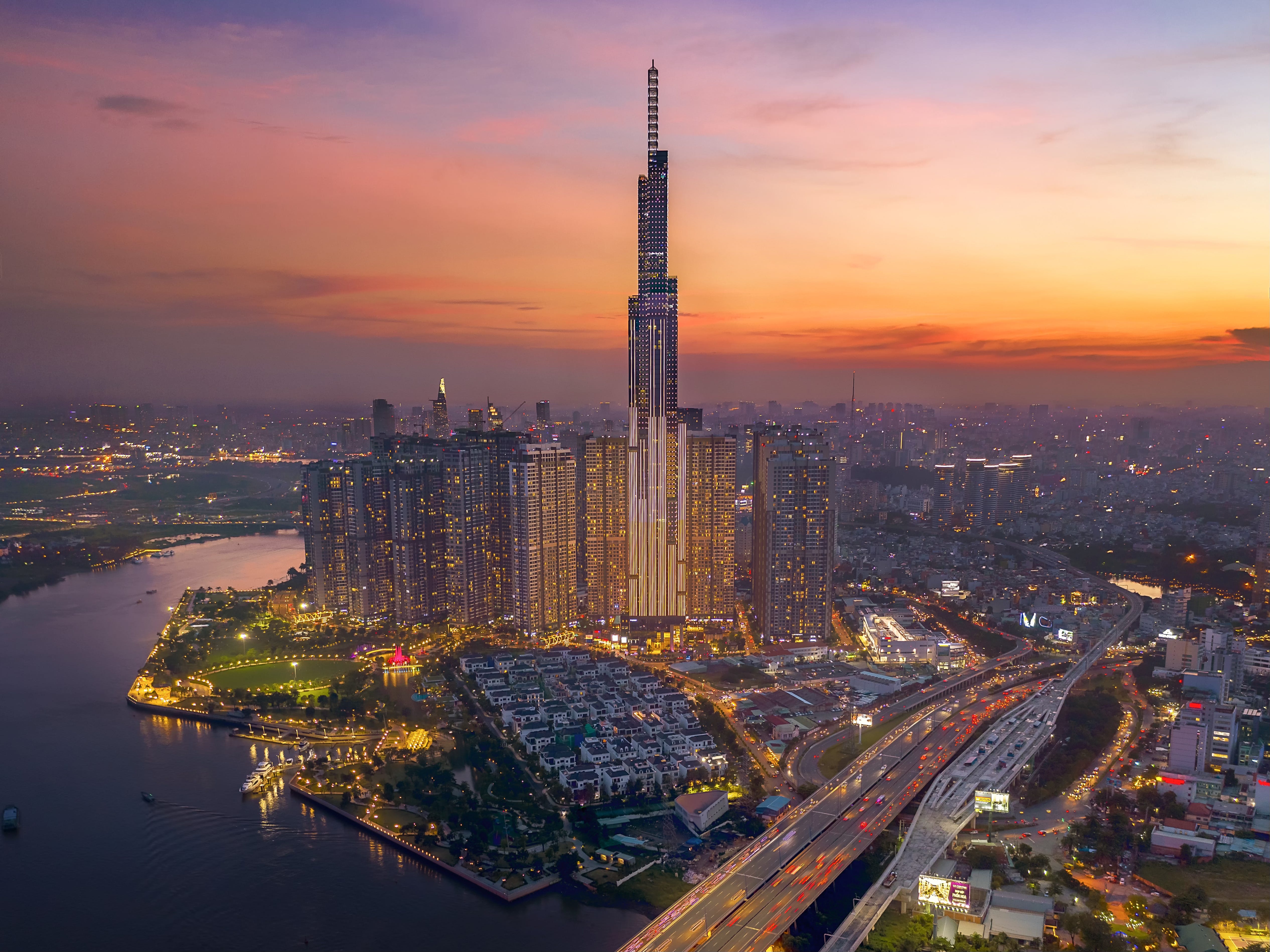
🇻🇳 Hanoi (#25) & Ho Chi Minh City (#38)
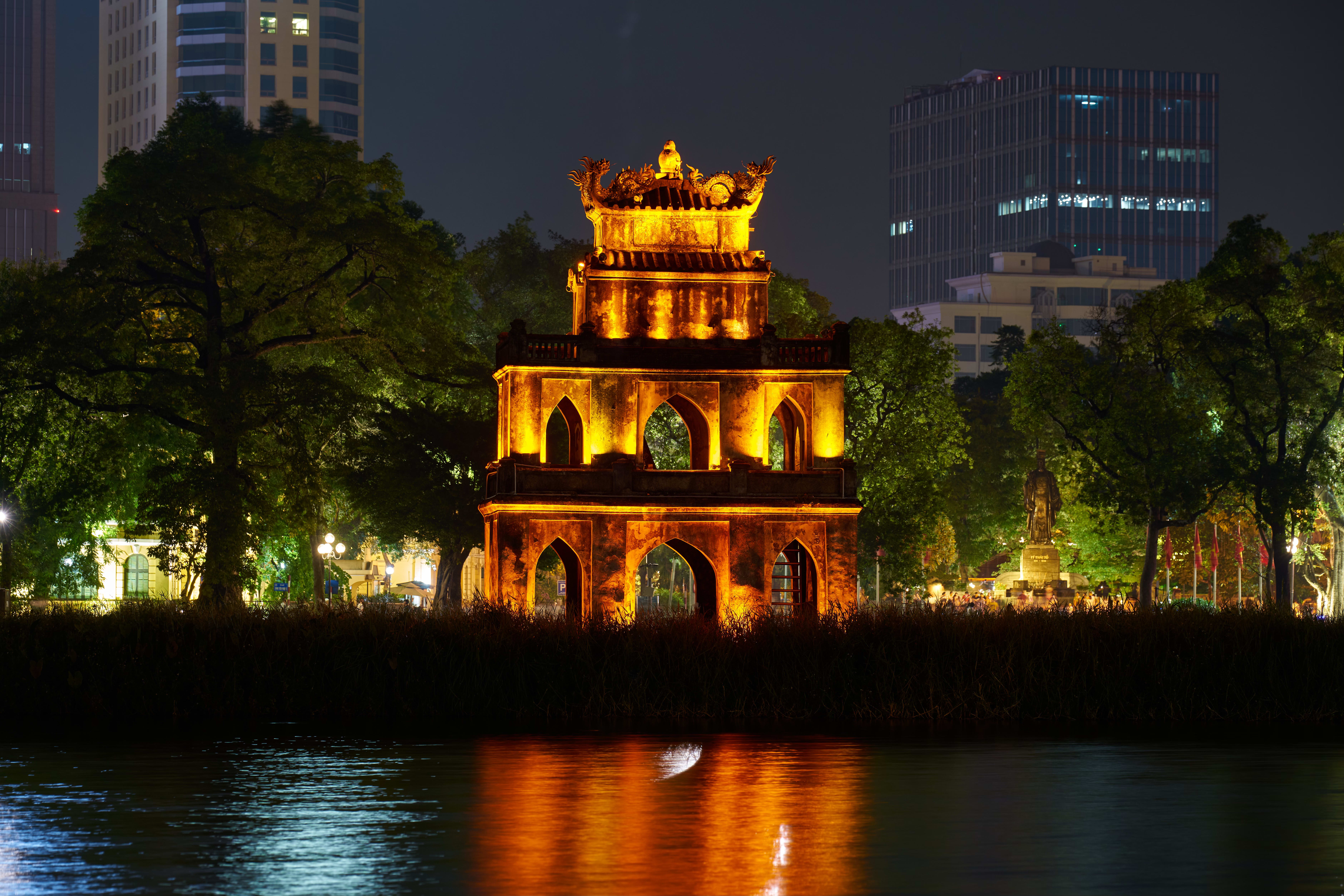
Vietnam is booming: record ~21 million foreign visitors in 2025
Hanoi alone expects 33.7 million total visitors
Ho Chi Minh City recorded 8.5 million international visitors in 2025
What to do & where to go:
Hanoi:
Culture: Old Quarter, Hoan Kiem Lake
Coffee scene: hidden cafés, train street
Ho Chi Minh City:
History: War Remnants Museum
Architecture: Notre-Dame Cathedral Basilica of Saigon
The vibe:
A creative, high-energy scene — where heritage meets rapid modernization.
⚖️ What’s at Stake
This isn’t just about rankings — it’s about how cities compete globally.
Tourism is shifting from volume to experience-led value
Cities that prioritize culture, affordability, and liveability will win in the long term
Rising costs — especially in Singapore — risk pricing out both residents and travelers
Rapid growth in Hanoi and Ho Chi Minh City could strain infrastructure and dilute authenticity
There’s also a deeper tension: how to scale global appeal without losing local identity—a challenge already facing Bangkok.
🌏 The Big Picture
Across Southeast Asia, cities are redefining success:
From sightseeing → to living like a local
From luxury → to value-for-money experiences
From static attractions → to cultural ecosystems
Why This Hits Home
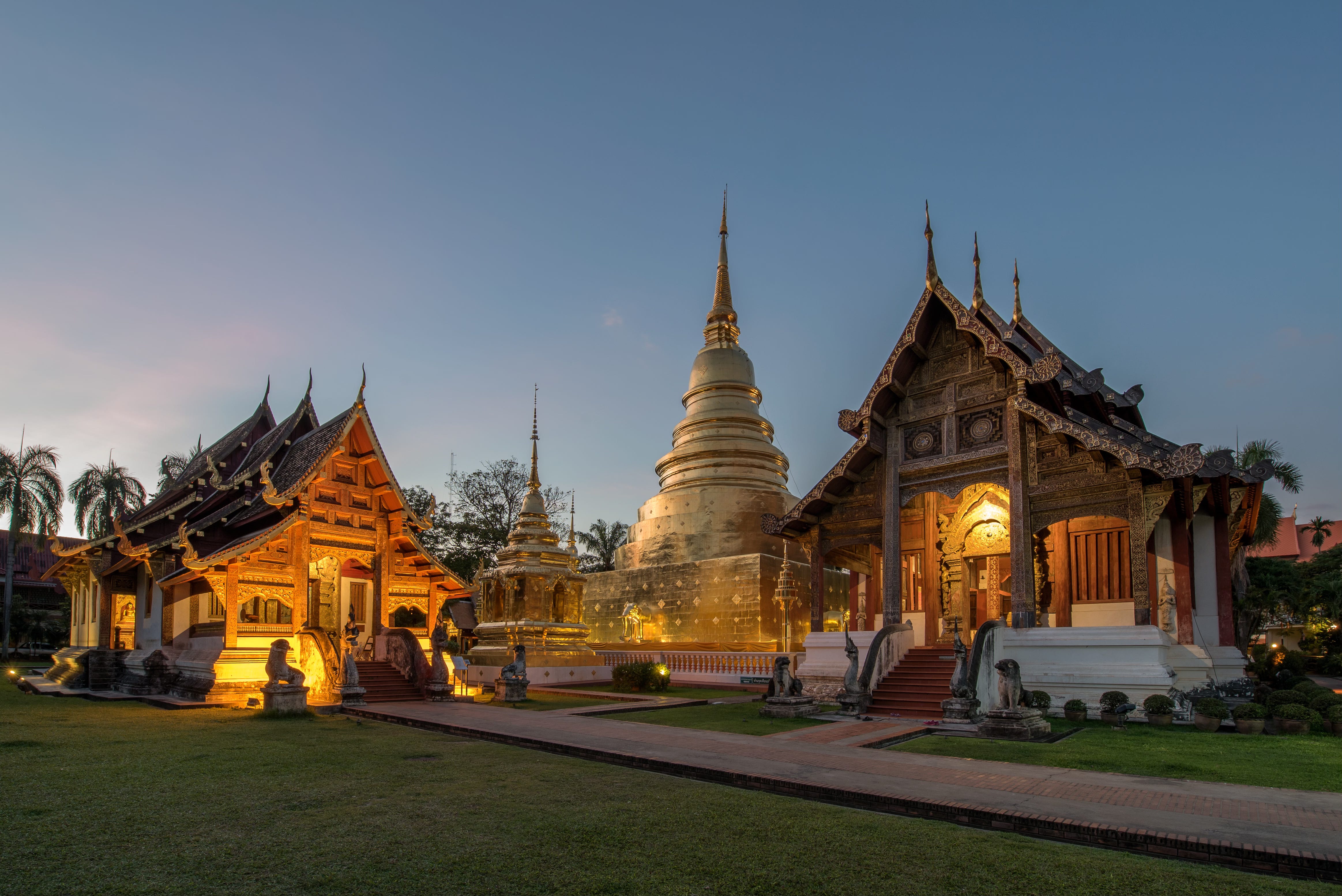
For travelers — especially within Asia — these cities offer something rare:
world-class experiences without losing their soul.
Think: coffee rituals in Hanoi, street food nights in Bangkok, and seamless urban life in Singapore.
They feel accessible and personal — not just places to visit, but places to belong, even briefly.
At the same time, there’s a shift toward slower, more meaningful travel: staying longer, exploring deeper, and connecting more.
The Regional Stakes
Tourism flows are shifting toward experience-rich destinations
Secondary cities (like Chiang Mai) are gaining ground
Creative economies — film, art, food — are becoming tourism drivers
The Bottom Line
Southeast Asia’s top cities aren’t just trending — they’re thriving at scale.
And as millions of travelers return, one thing is clear:
The region’s biggest advantage isn’t infrastructure or price — it’s authenticity you can actually feel.
(ZIL/VBD/QOB)