



How do we come to recognize the face of a country?
Perhaps through the expressions of its political leaders, its major public policies, its cuisine, or the amount of attention it receives in international news.
Yet national identity is also communicated through something far more ordinary: the images of cities and landmarks reproduced in postcards, advertisements, films, travel photographs, and even the magnets attached to our refrigerators.
A refrigerator in a Southeast Asian home may display Singapore’s Marina Bay Sands, Bangkok’s Grand Palace, Kuala Lumpur’s Petronas Twin Towers, Jakarta’s National Monument, or the old streets of Hanoi.
These images appear simple, but they perform an important representational function. They transform selected urban spaces into visual shorthand for entire countries.
Singapore’s skyline comes to represent Singapore. The Petronas Twin Towers stand in for Malaysia. The Grand Palace evokes Thailand, while Merlion Park, Marina Bay, and Changi Airport help reproduce an image of Singapore as orderly, connected, and technologically advanced.
Through repetition, these associations become naturalized. We often accept them without asking what these landmarks represent, whose identities they include or exclude, and how urban images shape understandings of the nation itself.
This question is especially important in Southeast Asia, where cities have become central to economic transformation, national development, tourism, diplomacy, and cultural representation.
The region’s major cities are not merely administrative capitals or population centers. They are increasingly important sites through which Southeast Asian states interact with global markets, institutions, corporations, media industries, and transnational communities.

Bringing Cities into International Relations
International Relations scholarship has traditionally treated sovereign states as the principal units of world politics. Cities have often appeared only as the locations where governments, organizations, and businesses operate.
Simon Curtis argues, however, that International Relations scholars have been slow to appreciate the rise of global cities: cities whose influence, networks, and economic activities extend across national boundaries. Reconsidering the historical relationship between cities and states can therefore help illuminate changes in the international system's organization (Curtis, 2010).
This perspective is particularly relevant to Southeast Asia. Singapore is simultaneously a city-state, a global financial center, a logistical hub, and a diplomatic actor. Jakarta functions not only as Indonesia’s political and economic center but also as the institutional center of ASEAN. Bangkok is embedded in regional tourism, manufacturing, aviation, healthcare, and creative industries. Kuala Lumpur, Manila, Ho Chi Minh City, and Hanoi similarly connect national economies to wider circuits of finance, production, migration, technology, and culture.
These cities provide the physical and institutional infrastructure through which globalization operates.
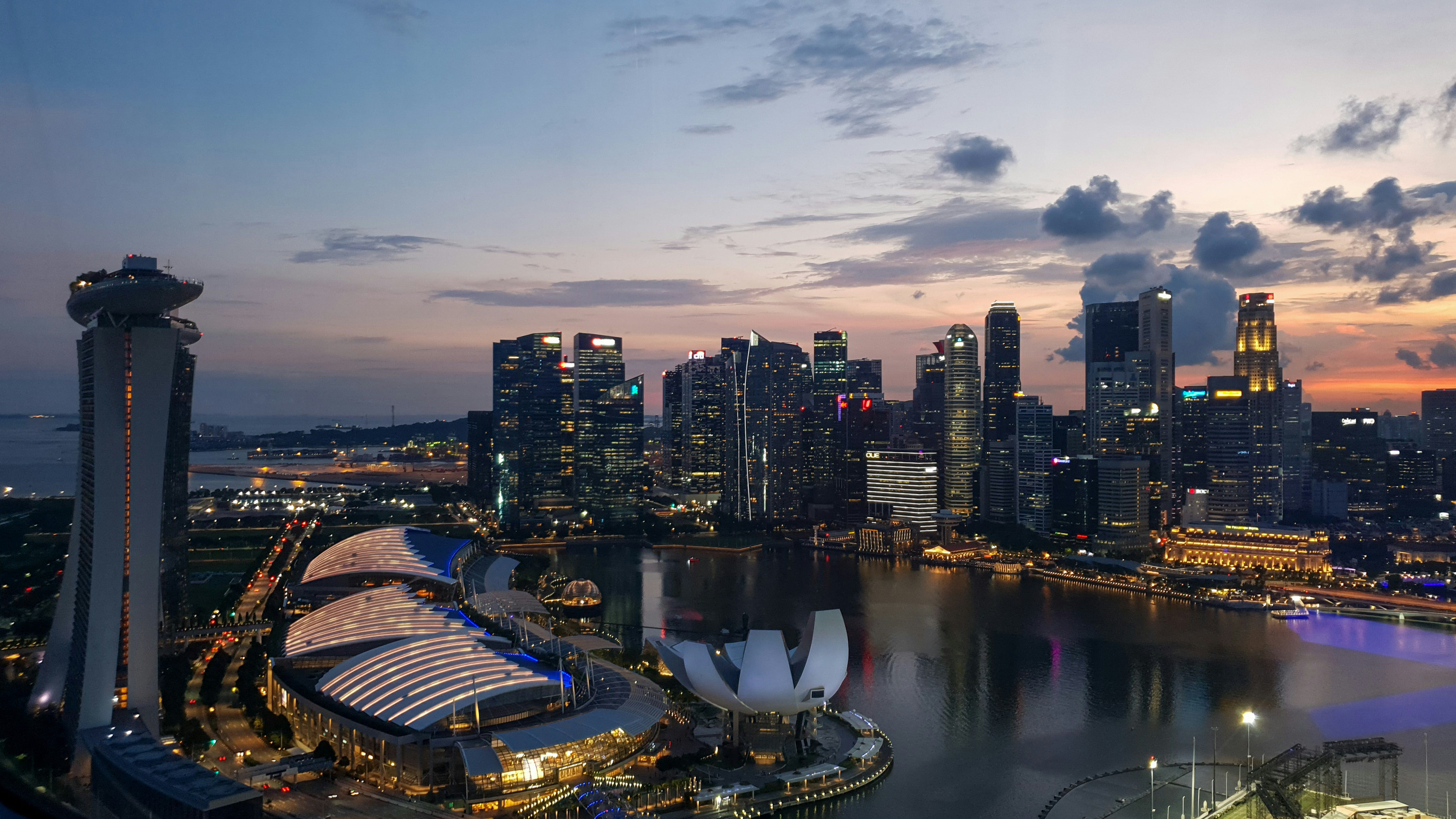
Global capital does not circulate in an entirely placeless environment. It moves through ports, airports, financial districts, industrial estates, data centers, transportation networks, corporate offices, and residential enclaves. Globalization, therefore, materializes in particular urban sites.
Saskia Sassen similarly cautions against treating the global economy as an abstract system sustained solely by transnational corporations and communication technologies. She argues that analyses of economic globalization must consider the places and labor processes through which the global economy is produced and managed (Sassen, 2005).
Cities are crucial because they concentrate financial services, information, specialized labor, corporate headquarters, transportation facilities, and political institutions. They generate what might be described as urban centrality: the capacity to coordinate activities and connect different geographical scales.
In Southeast Asia, this centrality is unevenly distributed. Singapore has become a command center for regional finance and corporate management. Bangkok and Kuala Lumpur operate as major transport and service hubs. Jakarta and Manila command enormous domestic markets, while Ho Chi Minh City has become deeply integrated into global manufacturing and investment networks.
These cities remain embedded in their respective national economies, but their global connections may increasingly distinguish them from surrounding regions. A financial professional in Singapore, a technology entrepreneur in Ho Chi Minh City, or a corporate executive in Jakarta may participate in networks that connect them more intensively to other global cities than to rural and peripheral areas within their own countries.
Sassen describes global cities as terrains in which multiple processes of globalization take concrete form (Sassen, 1991, 2005). From this perspective, globalization in Southeast Asia is not only a relationship between ASEAN member states and the wider international economy. It is also produced through networks connecting Singapore, Jakarta, Bangkok, Kuala Lumpur, Manila, Hanoi, and Ho Chi Minh City with cities such as Tokyo, Seoul, Shanghai, Dubai, London, and New York.
Cities as Emerging Diplomatic Actors
The international importance of cities extends beyond economic activity. Large cities and metropolitan governments are increasingly involved in diplomacy, environmental cooperation, investment promotion, cultural exchange, and transnational policy networks.
Pigman observes that urban governments increasingly conduct activities traditionally associated with diplomacy, including establishing representative offices, joining international networks, and arranging meetings between mayors and foreign counterparts (Pigman, 2010). Cities are particularly active in policy areas where national responses are limited or where problems require cooperation among local authorities.
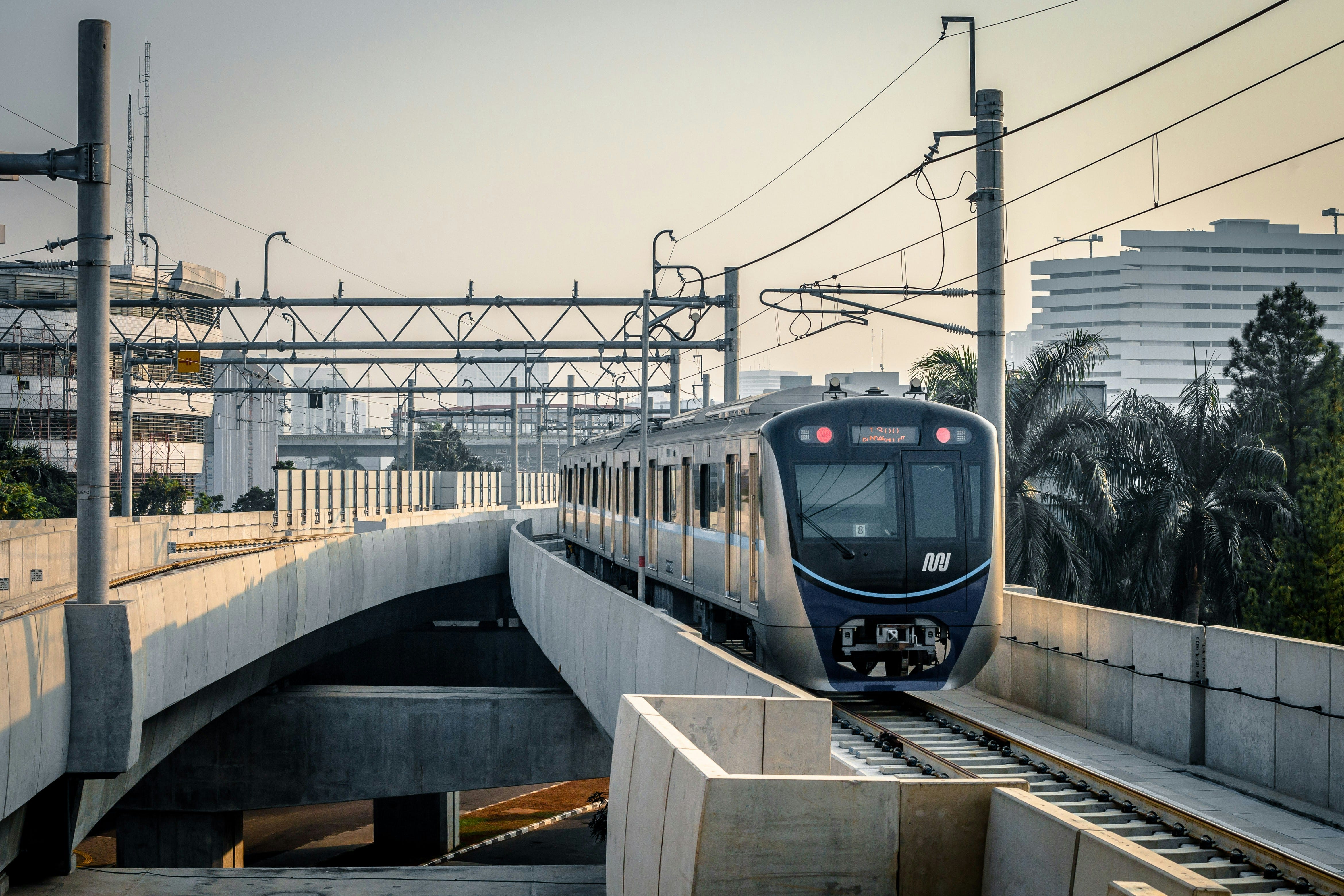
Southeast Asian cities face many such problems. Flooding, air pollution, traffic congestion, waste management, housing shortages, climate vulnerability, and public-health emergencies are simultaneously local and transnational. Jakarta’s experiences with land subsidence and flooding, Bangkok’s exposure to rising sea levels, Singapore’s experiments with urban sustainability, and Manila’s disaster-management challenges are relevant to cities across and beyond the region.
City networks can allow urban governments to exchange knowledge without waiting for comprehensive agreements between national governments. Participation in international climate and urban-governance networks also enables mayors and municipal authorities to increase their international visibility.
Nevertheless, the growing international role of cities does not necessarily mean that they will replace states. Curtis argues that changes in cities and states should be understood as part of the same process of rescaling relations among local, national, regional, and global spaces (Curtis, 2010).
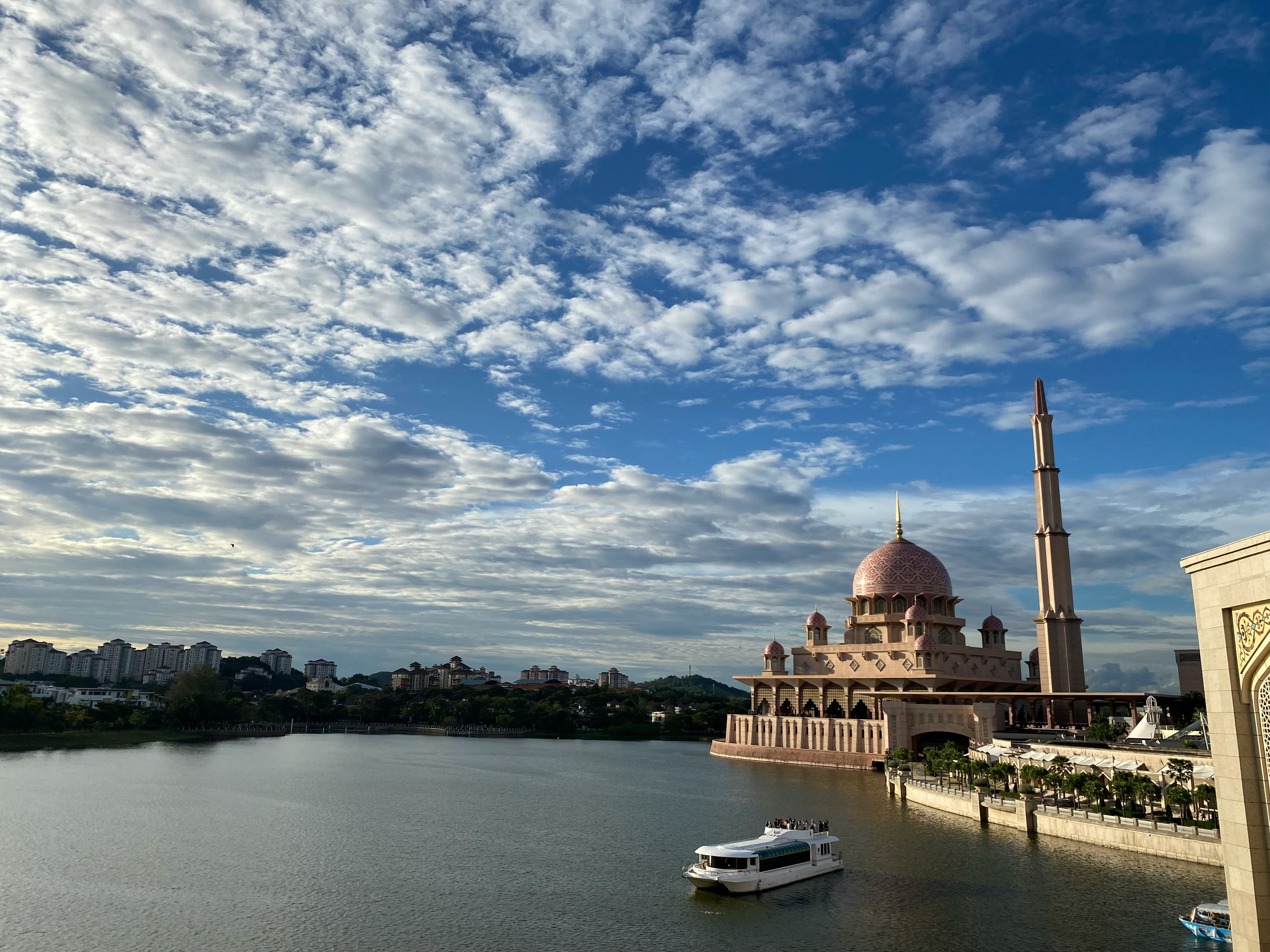
This is particularly evident in Southeast Asia, where central governments continue to exercise substantial control over urban development, infrastructure, investment, and diplomatic relations. The construction of new capitals and administrative centers—including Indonesia’s Nusantara, Malaysia’s Putrajaya, and Myanmar’s Naypyidaw—demonstrates that states remain deeply involved in producing urban space.
The relationship is therefore not simply one of competition between cities and states. Cities can reinforce national development strategies, represent countries internationally, and provide governments with platforms for attracting investment. At the same time, their growing economic importance may generate tensions concerning authority, inequality, resources, and political representation.
The Uneven Geography of Southeast Asian Globalization
The rise of global cities also raises questions about inequality within and between cities.
Global-city development is highly selective. Investment tends to concentrate in business districts, high-end residential areas, transport corridors, tourist zones, and technology clusters. Meanwhile, informal settlements, peripheral municipalities, rural communities, and less-connected regions may receive fewer benefits.
The result is an uneven urban geography. A city may simultaneously contain internationally connected financial districts and communities without secure housing, adequate sanitation, or reliable public transportation. The same skyline that communicates prosperity may obscure the labor and displacement that made its construction possible.
This contradiction is visible across Southeast Asia. Singapore’s carefully managed urban environment differs markedly from the fragmented metropolitan expansion of Jakarta or Manila. Bangkok combines globally oriented commercial districts with substantial spatial inequality. Kuala Lumpur’s iconic skyline exists alongside wider debates about mobility, affordability, and migrant labor. Ho Chi Minh City’s integration into global investment networks has transformed its physical landscape, but it has also intensified pressures on land, housing, and existing communities.
The global-city framework must therefore be applied carefully. Southeast Asian cities should not be measured solely by how closely they resemble London, New York, or Tokyo. Their trajectories are shaped by colonial histories, postcolonial state-building, authoritarian and democratic politics, informality, migration, regional inequality, and differing relationships between urban authorities and central governments.
The concept of “late development,” associated with Alexander Gerschenkron, may offer a useful analogy for understanding cities seeking to accelerate their global integration (Gerschenkron, 1962). Yet a city does not become global merely by constructing skyscrapers, convention centers, airports, luxury developments, or artificial waterfronts.
Such projects may create the appearance of globality without necessarily producing inclusive economic transformation. Indeed, competition for global-city status can encourage governments to imitate the visual forms of already established cities. Urban development then risks becoming a race to reproduce familiar symbols of modernity: glass towers, monumental bridges, integrated transit systems, waterfront business districts, shopping complexes, and spectacular cultural facilities.
Southeast Asia is filled with cities attempting to reposition themselves within regional and global networks. Alongside the established prominence of Singapore, Bangkok, Jakarta, Kuala Lumpur, and Manila, cities such as Ho Chi Minh City, Hanoi, Surabaya, Bandung, Johor Bahru, Penang, Da Nang, Cebu, Phnom Penh, and Vientiane are cultivating new identities as centers of technology, manufacturing, tourism, education, culture, and logistics.
The critical question is not simply whether these cities will become global. It is what form of globality they are pursuing, who benefits from it, and how their global ambitions transform relations with surrounding regions.
Southeast Asian Urban Phantasmagorias
Infrastructure and economic connectivity are only part of the competition among cities. Urban reputation has also become an increasingly valuable resource.
Cities seek to attract investment, visitors, skilled workers, international students, cultural events, and corporate offices. Their success depends partly on how they are imagined. Architecture, branding, film, television, advertising, and social media help produce these urban imaginaries.
The concept of urban phantasmagoria helps explain this process. An urban phantasmagoria can be understood as an assemblage of recurring images, narratives, technologies, and imagined experiences through which a city becomes visible and desirable. It is rooted in material reality but is also amplified through fiction, media, and spectacle (Duarte et al., 2014; Mennel, 2008).
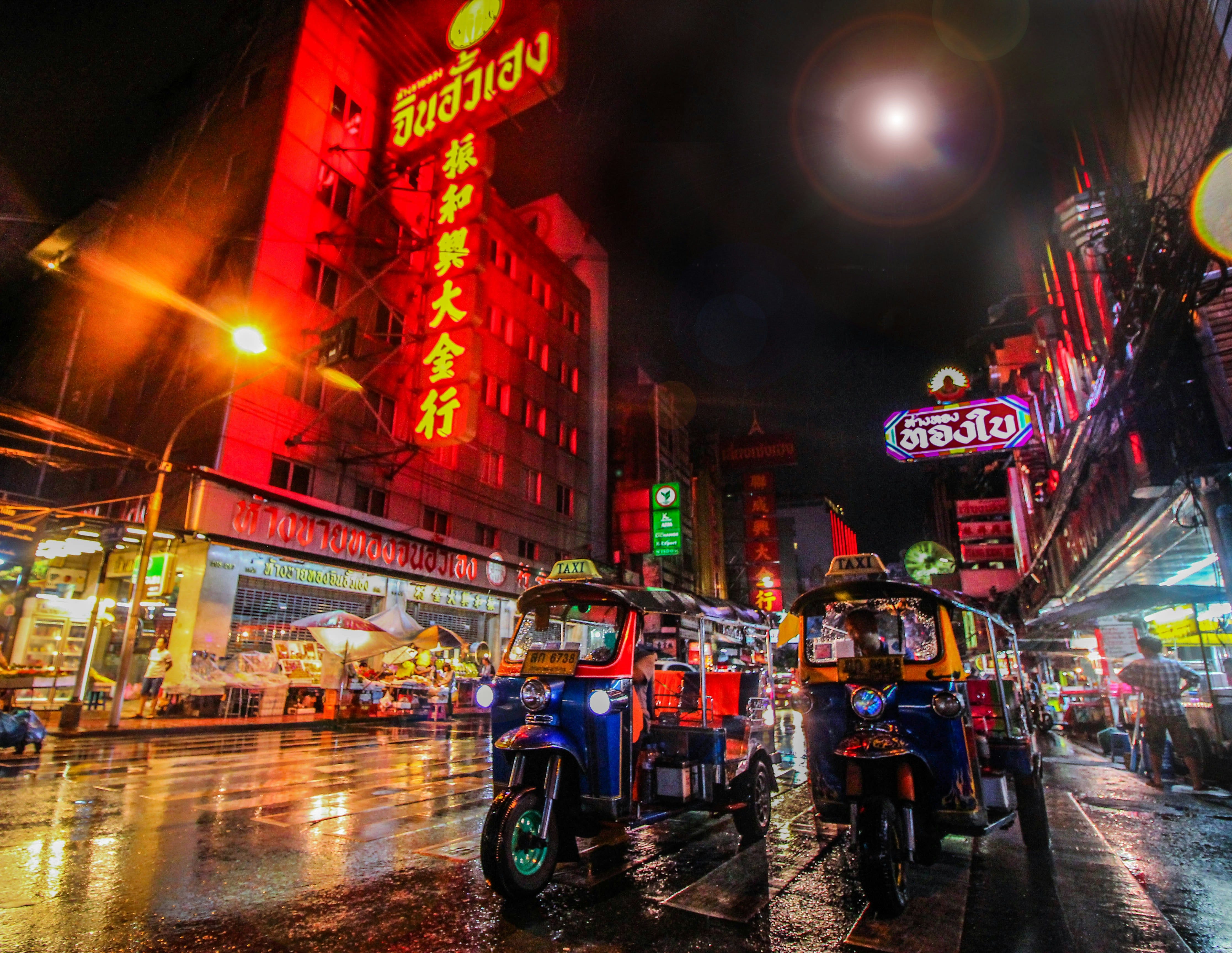
Southeast Asian cities have increasingly been represented through such phantasmagorias. Singapore is frequently portrayed as a futuristic city of architectural spectacle, technological efficiency, and controlled greenery. Bangkok appears alternately as a city of temples, street food, nightlife, congestion, luxury, and danger. Kuala Lumpur is represented through its towers and multicultural urbanism. Jakarta is depicted as a megacity of political power, relentless traffic, social inequality, and creative energy.
These representations do not merely describe cities. They shape expectations about them. A traveler may arrive in Bangkok already imagining neon-lit streets and temples. A businessperson may approach Singapore through its reputation for efficiency and connectivity. Jakarta may be understood through images of congestion and urban crisis before its diversity and cultural life are encountered.
Cinema plays an important role in creating and circulating these images. Films and television series transform urban landscapes into globally consumable settings. Singapore’s skyline in Crazy Rich Asians, Bangkok’s recurring presence in international thrillers and comedies, and the use of Indonesian, Vietnamese, and Philippine cities in regional productions all influence how audiences imagine Southeast Asian urban life.
Local film industries also produce competing interpretations. They can challenge externally imposed images by presenting cities through the experiences of residents, workers, migrants, women, young people, and marginalized communities. Cinema can therefore reinforce the marketed image of the global city, but it can also expose its contradictions.
Urban phantasmagorias are now produced not only by filmmakers and tourism agencies but also by ordinary users of digital platforms. Instagram posts, TikTok videos, YouTube travel content, food reviews, and location-based applications continuously reproduce selected versions of urban space. A café, night market, railway station, mural, or skyline can become a recognizable symbol through repeated digital circulation.
This changes the geography of urban reputation. A city no longer requires a centuries-old monument to become internationally visible. It may gain recognition through its food scene, music, creative industries, start-up ecosystem, environmental initiatives, or digitally mediated lifestyle.
For emerging Southeast Asian cities, this presents both an opportunity and a danger. Urban imagery can help secondary cities gain visibility without possessing the financial power of established global centers. Yet the pursuit of visibility may also reduce complex cities to marketable surfaces.
Beyond the Iconic Skyline
The study of global cities should therefore move beyond rankings, skyscrapers, financial flows, and airport connectivity. It must also examine representation, imagination, and the politics of visibility.
Which parts of a city are selected to represent it? Whose lives appear in its promotional images? Which communities are removed, hidden, or romanticized? Does the global image of a city reflect the experiences of its residents, or primarily the expectations of investors, tourists, and mobile elites?
These questions are particularly important in Southeast Asia because the region’s urban transformation is occurring alongside rapid economic change, climate vulnerability, mass migration, and persistent inequality.
The future Southeast Asian global city may not resemble the conventional model of New York, London, or Tokyo. It may be more polycentric, regionally networked, digitally mediated, climatically vulnerable, and dependent on complex formal and informal economies. Its globality may emerge not only through financial command functions but also through manufacturing, logistics, cultural production, migration networks, tourism, education, and regional diplomacy.
International Relations scholars should therefore examine cities not only as containers of national politics but as actors, infrastructures, representations, and contested social spaces. Urban studies scholars, meanwhile, can benefit from situating Southeast Asian cities within changing systems of regional and global power.
The refrigerator magnet remains an appropriate metaphor. It shows how easily a single landmark can come to represent a city and how a city can come to represent an entire nation. Yet the polished image on the magnet reveals only a fraction of urban reality.
Behind Marina Bay Sands, the Petronas Twin Towers, Monas, Bangkok’s temples, or Manila’s historic districts are histories of labor, migration, political authority, displacement, aspiration, and inequality. These histories must be brought into the analysis if we are to understand what Southeast Asian cities are becoming.
In the future, our refrigerators may hold magnets from Da Nang, Surabaya, Cebu, Johor Bahru, Phnom Penh, or Makassar alongside those from Singapore and Bangkok. Their presence would signal more than the expansion of tourism. It would reflect the emergence of new urban centers seeking a place within Southeast Asia’s increasingly dense networks of capital, culture, mobility, and imagination.
The central question, therefore, is not simply which Southeast Asian cities will become global cities.
It is what kinds of urban futures their global ambitions will produce, and whether the images through which they present themselves can accommodate the people, inequalities, and contested histories that exist beyond the skyline.
(QOB/ELS)