



🎯 Main Takeaway
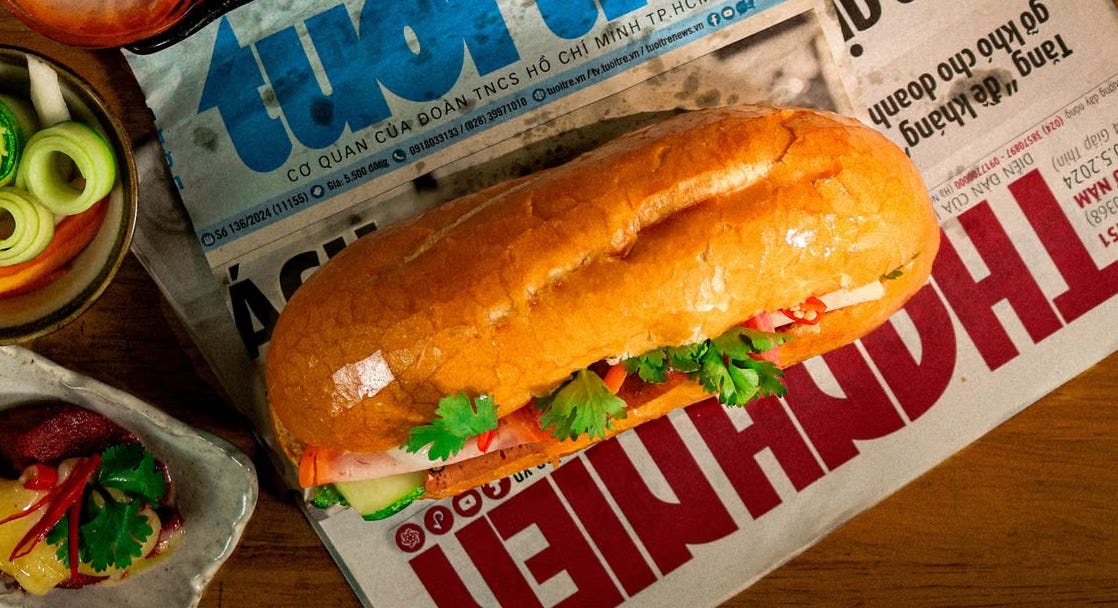
When Spider-Man: Brand New Day hit cinemas on July 31, 2026, Vietnamese fans had plenty to celebrate. Peter Parker was back 🕷️—and so was a beloved piece of home: bánh mì 🥖.
The film’s fleeting reference triggered cheers in cinemas across Vietnam. The excitement wasn’t just about a local staple making a Hollywood blockbuster; it was because the cast called it bánh mì instead of “a Vietnamese sandwich” 🗣️.
Southeast Asians have seen this before. From hawker stalls in Crazy Rich Asians to Bangkok street food in King the Land, regional food is steadily carving out space on screen 🎬.
When it happens, the reaction extends beyond “that looks delicious.” It’s a moment of shared pride: “That’s us.” 🌏
Because food isn’t just sustenance—it’s a cultural anchor.
📡 Why It’s on Our Radar
Food carries cultural identity on screen in four distinct ways 👁️:
🍜 Identity: Defines who characters are and where they belong.
✈️ Destination: Gives audiences a taste of a place, inspiring real-world travel.
🏠 Everyday Culture: Normalises local traditions without exoticising them.
👀 Recognition: Delivers the pride of seeing home on a global stage.
🎬The Big Picture
💎Crazy Rich Asians - Singapore 🇸🇬
Food as Identity 🍜
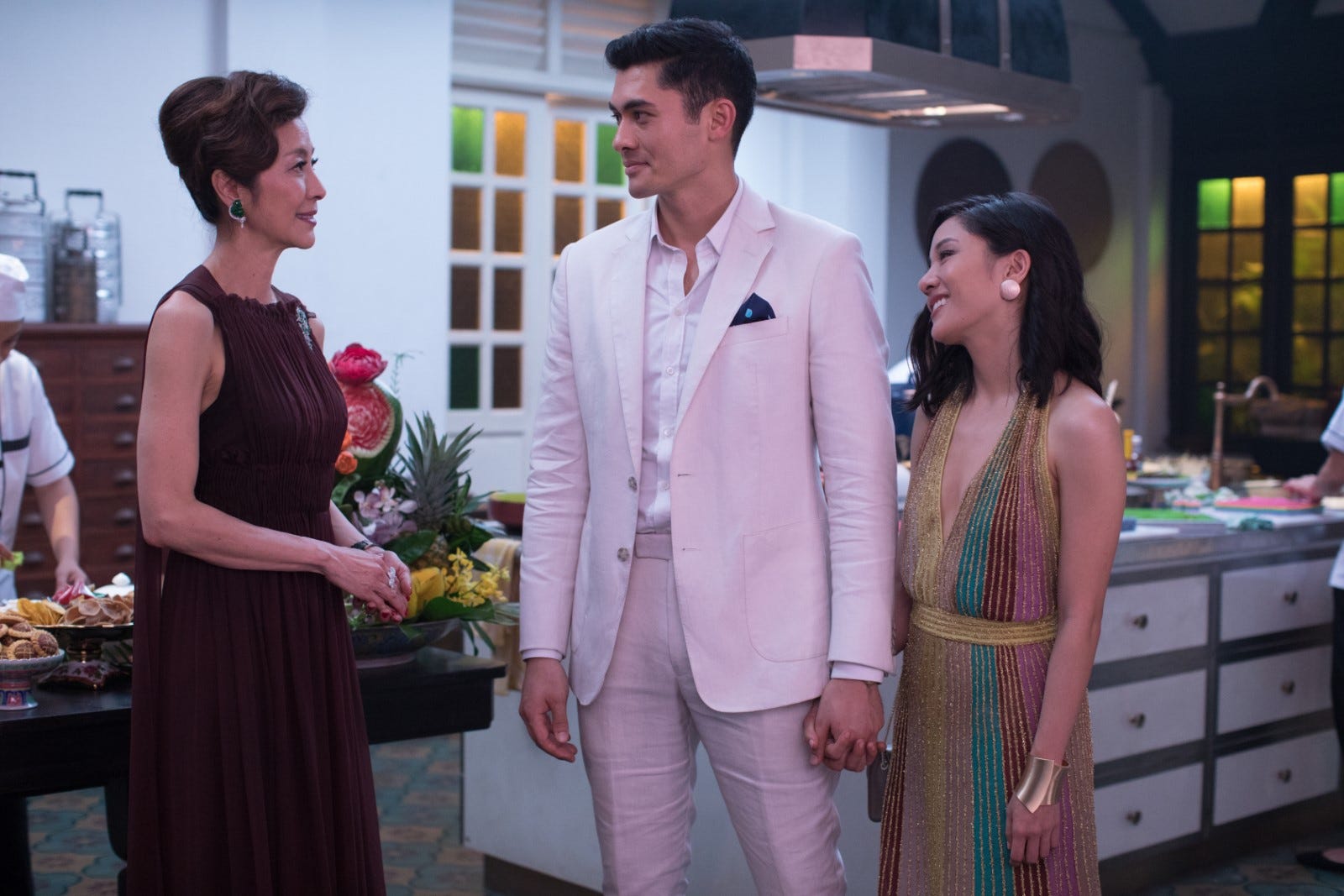
For a film titled Crazy Rich Asians, you might expect Singapore to be introduced via mega-yachts or billionaire mansions 🏰. Instead, the story heads straight to a hawker centre.
At Newton Food Centre, Rachel and Nick feast on satay 🍢, chilli crab 🦀, and laksa 🍲. Before audiences learn Nick is a wealthy heir, they see him as a Singaporean returning home—proudly noting that local street food hawkers earn Michelin stars ⭐.
In Kevin Kwan’s novel, this scene took place at Lau Pa Sat. By moving it to Newton, the film reinforces a core Singaporean truth: a shared love for hawker food brings everyone to the same table 🤝.
👑King the Land - Thailand 🇹🇭
Food as Destination ✈️
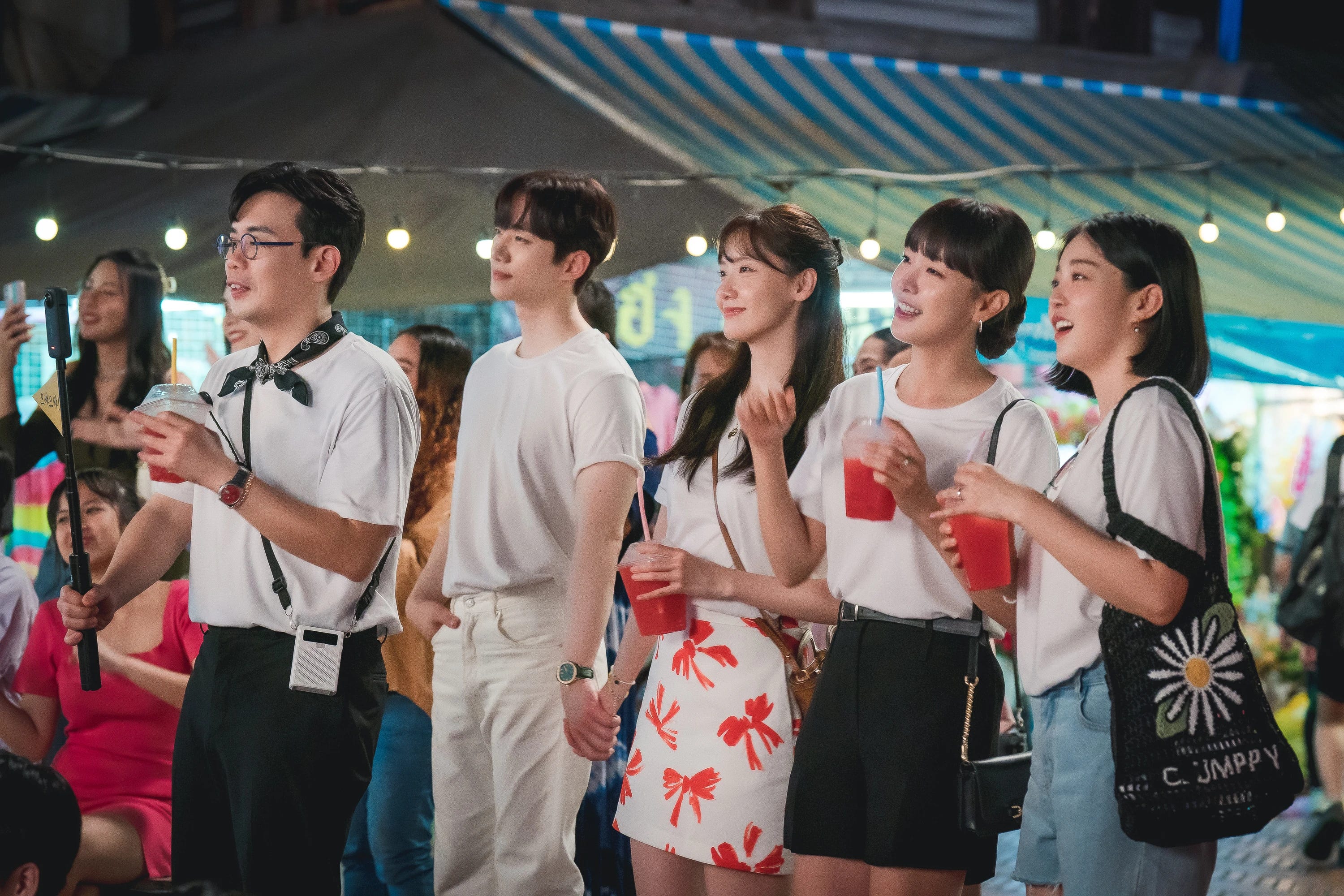
The hit K-drama King the Land turned Episode 10 into a full Bangkok travelogue 🌴.
The cast kicked off their culinary tour at Khun Daeng (famous for Vietnamese noodles on Phra Athit Road) before moving to Ong Ang Walking Street for Hat Yai fried chicken 🍗, Pad Thai 🥘, grilled fish 🐠, and fresh coconut 🥥.
Food became the primary engine of destination discovery 🗺️.
Thai viewers dubbed the episode an unofficial tourism campaign. The response was so strong that the Thailand Film Office published an official guide mapping all nine filming and dining locations for visitors 📍.
🧒Upin & Ipin - Malaysia 🇲🇾

Food as Everyday Culture 🏠
In the animated hit Upin & Ipin, nasi lemak 🍛, traditional kuih 🥮, and festive spreads are part of daily life in Kampung Durian Runtuh. The show never pauses to label these foods as “Malaysian”—they simply exist.
By embedding cuisine into ordinary routines, Upin & Ipin lets international audiences connect with Malaysian heritage organically ✨.
That natural approach makes it a powerful cultural ambassador 🇲🇾. While its setting and food are distinctly Malaysian, its themes resonate deeply across Indonesia and the wider region 🌏.
🕷️Spider-Man - Vietnam 🇻🇳

Food as Recognition 👀
Spider-Man doesn’t travel to Vietnam or depict Vietnamese daily life 🇻🇳.
The moment happens in MJ and Ned’s apartment when Ned gets hungry and brings up bánh mì. What struck a chord was linguistic accuracy: the cast pronounced “bánh mì” correctly in its native form 🥖.
Bánh mì already holds top spots on global food rankings 🏆 (with staples like bánh xèo and gỏi cuốn appearing in other shows like Can This Love Be Translated?).
For Vietnamese viewers, the thrill wasn’t discovering bánh mì through Spider-Man. It was seeing a familiar piece of home validated on a global platform 🌐.
📌 Bottom Line
From bánh mì in Spider-Man to hawker feasts in Crazy Rich Asians, Thai night markets in King the Land, and village meals in Upin & Ipin, Southeast Asian food is taking center stage 🍿.
We already know how these dishes taste 🌶️. The fun part is watching the rest of the world figure out what we’ve known all along.
(VNS/ZIL/ARS)