



🥥 Main Takeaway
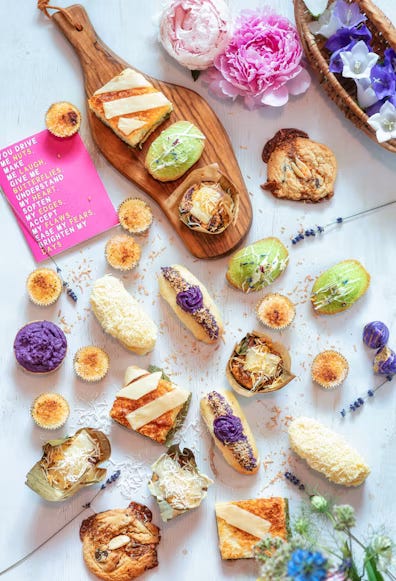
Ube, pandan, and palm sugar are becoming familiar names far beyond Southeast Asia.
These ingredients, long staples in home kitchens across the Philippines, Indonesia, Malaysia, and Thailand, now show up more often on café menus, in bakeries, and across food products worldwide.
This is more than a passing food trend.
It’s a sign that global appetite for Southeast Asian flavours has become a real force in the culinary world, from pandan-flavoured lattes to ube cheesecakes to palm sugar syrup in speciality coffee.
👀 Why It’s on Our Radar
🌿 Southeast Asian flavours are entering the global mainstream
Matcha, yuzu, and gochujang got there first, but ingredients native to Southeast Asia are catching up fast.
They're no longer confined to Asian restaurants, independent cafés, artisan bakeries, and international food brands are now reaching for them to give customers something new.
☕ Café is driving experimentation
Competition in the food and drink industry is pushing businesses to keep innovating.
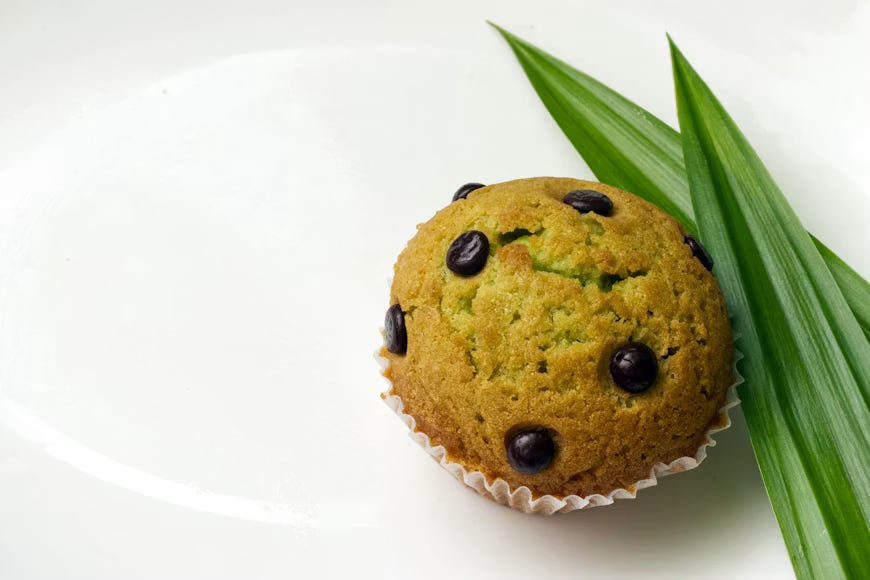
Pandan, with its distinctive aroma, has become a popular alternative to vanilla. Palm sugar is showing up as a premium sweetener in coffee. And Ube offers a colour and flavour that ordinary sweet potatoes simply can't match.
📱 Social media accelerates food trends
Social media has become the primary platform for menus featuring these distinctive ingredients to go viral, thanks to their eye-catching visuals.
The bright purple colour of ube, the natural green of pandan and its distinctive aroma, and drinks featuring palm sugar and calamansi all appear on social media, accelerating the spread of these trends to new locations.
These ingredients are made for social media. Ube's vivid purple, pandan's natural green and unmistakable scent, and drinks built around palm sugar and calamansi- all of it travels fast online, pulling the trend into new cities and markets almost as quickly as it appears.
🌟 The Rising Stars
🟣 Ube
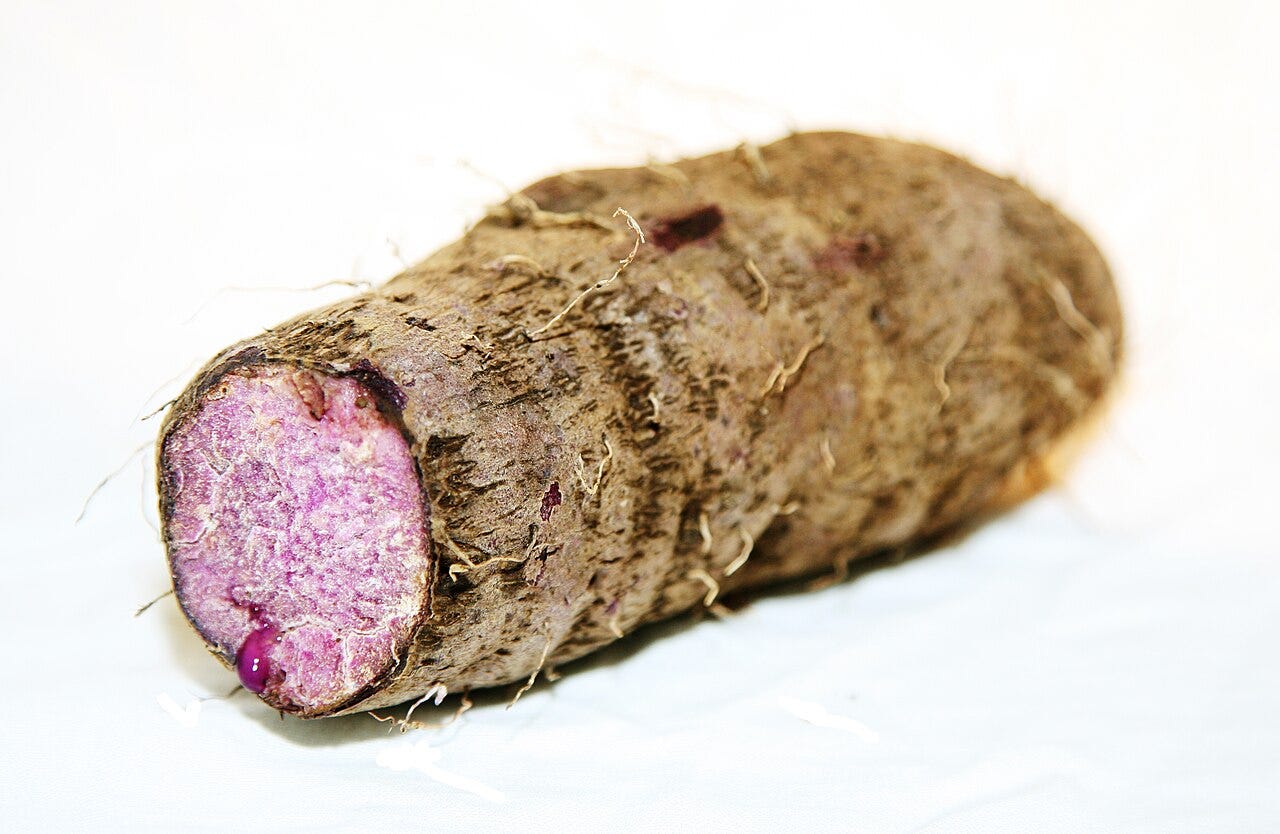
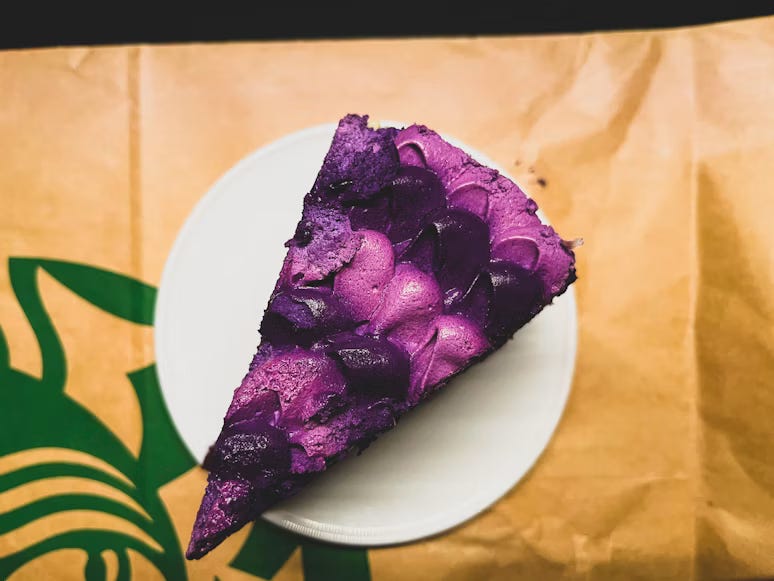
Ube, or purple yam (Dioscorea alata), grows across Southeast Asia, including Indonesia, Malaysia, and Vietnam, where it's known by names like khoai mỡ, but the Philippines turned it into a culinary icon.
There, ube isn't just an ingredient; it's a food identity, at the centre of desserts like ube halaya, halo-halo, and ube cheesecake.
Its naturally vivid purple colour and sweet, delicate flavour (somewhere between vanilla and nuts) set it apart from purple sweet potato and taro, which it's often mistaken for.
Filipino diaspora communities have played a major role in bringing it to cafés in the US, Canada, and beyond, which is largely why "ube" as a global dessert trend is so closely tied to Filipino cuisine, even though the plant has roots throughout the region.
🌿 Pandan
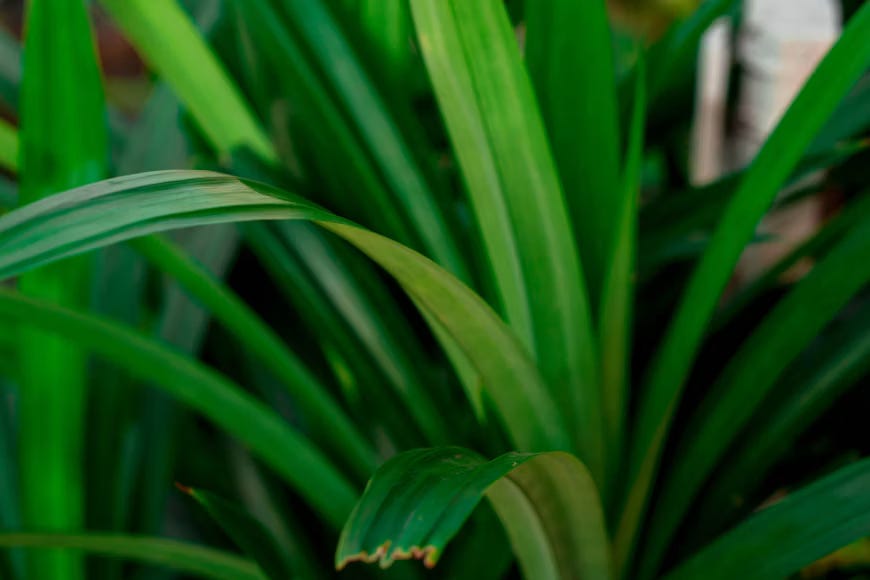
Known as "Asian vanilla," pandan brings a sweet aroma with floral and vanilla notes. Pandan leaves run through the cooking of Indonesia, Malaysia, Thailand, Vietnam, and the Philippines alike, in traditional cakes, rice dishes, and drinks, making it the most genuinely pan-regional ingredient on this list.
Its aroma works as an exotic substitute for vanilla in lattes, croissants, gelato, and chocolate, while the leaf extract doubles as a natural green food colouring.
🥥 Palm Sugar
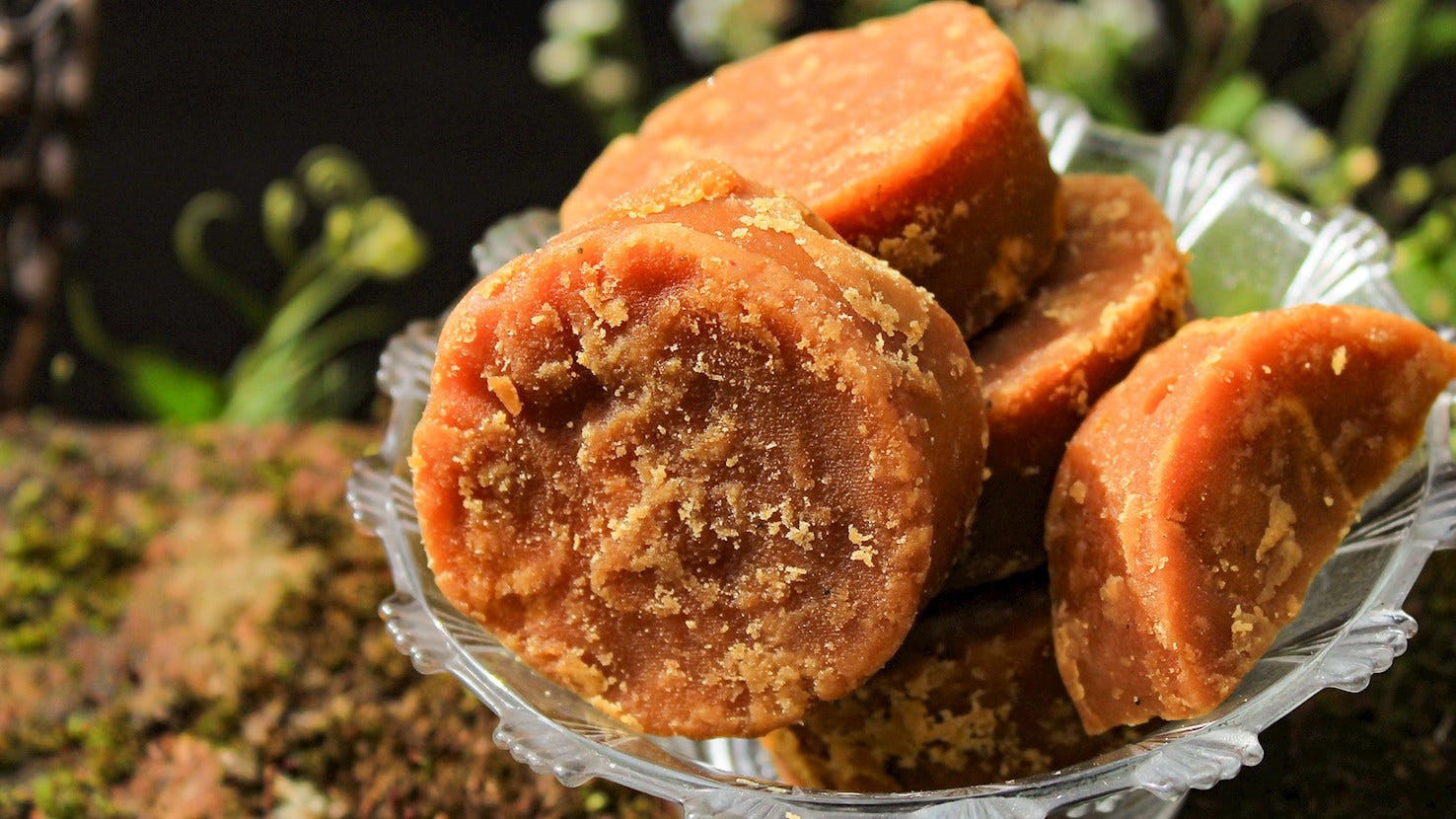
Palm sugar comes from the sap of the sugar palm or coconut palm, boiled down until it thickens, not, as sometimes assumed, from sago palm, which produces starch rather than sugar.
It has a rich, caramel-like flavour with smoky, earthy undertones that set it apart from white sugar.
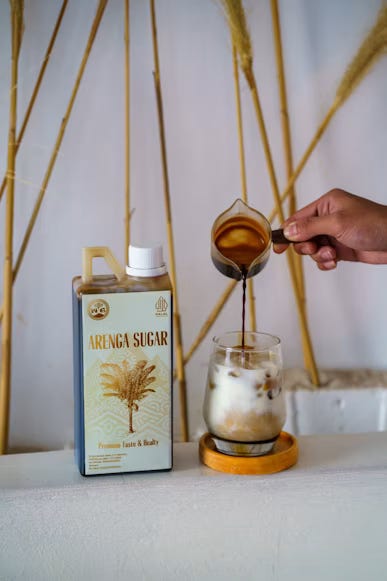
Across the region, it goes by different names: gula aren and gula jawa in Indonesia, and gula melaka in Malaysia and comes in several forms: solid blocks, liquid syrup, or crystallised sugar.
It's increasingly used to sweeten coffee, cocktails, sauces, and desserts, and its complexity has helped it earn a premium reputation in the food and drink industry.
🍋 Calamansi
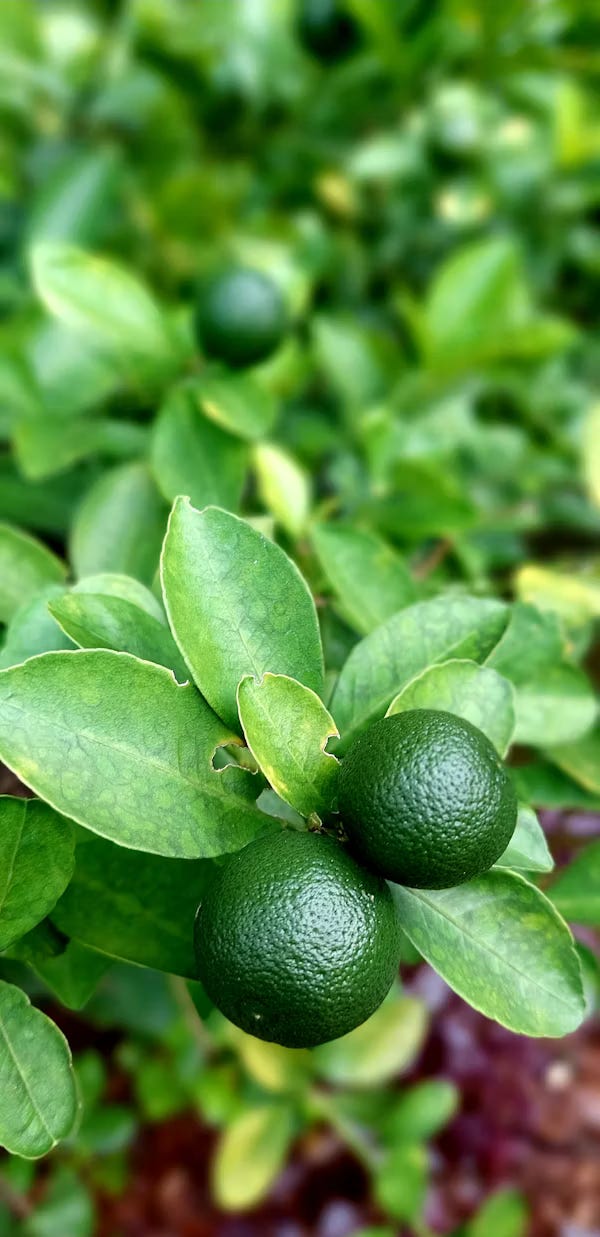
Calamansi is a small citrus fruit that splits the difference between lemon and lime, with a touch of sweetness underneath its tartness.
In Indonesia, it's known as jeruk kunci or jeruk sonkit depending on the region; it's also widely used in the Philippines and Vietnam.
Its bright citrus profile makes it a natural fit for drinks, sauces, marinades, and cocktails, and it's gaining recognition abroad as a more layered alternative to ordinary lemon or lime.
🌏 Bigger Picture
What’s happening with pandan, ube, palm sugar, and calamansi shows that Southeast Asia isn’t just exporting dishes; it’s exporting the building blocks of its flavours.
That’s a different, and arguably more durable, kind of culinary influence.
Social media has fueled global curiosity about authentic flavours and cross-cultural cooking, and that curiosity is pulling these ingredients onto café menus, into bakeries, and across international food products.
For the countries behind them- the Philippines with ube, Indonesia and Malaysia with palm sugar, and pandan across nearly the whole region- that visibility has real economic weight: it can drive exports of value-added products, strengthen local food industries, and boost culinary tourism.
It’s also a form of soft power. Food is one of the most accessible ways for a country to share its culture, and each ingredient carries a story about where it comes from.
💡 Bottom Line
From the scent of pandan leaves to the sweetness of palm sugar, ingredients that have shaped Southeast Asian kitchens for generations are now finding recognition on the world stage.
This isn't just about what's trending on menus right now; it's about a region's identity, traditions, and culinary depth claiming space internationally and proving that local flavours can become a global phenomenon.
(DHM/ZIL/ALV)