



🎯 The Main Takeaway
Hollywood’s closed-door franchise system has new architects.
Universal Pictures tapped Indonesian director Timo Tjahjanto to helm Nobody 2 (2025), marking his major American studio debut. The sequel earned massive critical acclaim and grossed $40 million against a $25 million budget.
Tjahjanto’s success shatters a historic Hollywood ceiling, proving Southeast Asian filmmakers can command high-stakes, mainstream global franchises. 💥
As their stories and visions cross the ocean, our local cultures are permanently stamping their mark on the global stage.
📡 Why It’s On Our Radar
Hollywood no longer restricts Southeast Asian talent to niche, region-specific storytelling. Studios now trust these directors with major financial backing and established intellectual property.
If Tjahjanto can leverage American budgets to direct Hollywood blockbusters, the industry may be on the verge of funding high-budget Southeast Asian narratives marketed directly to global audiences. 🌍💸
🎬A History of Southeast Asian Auteurs in Hollywood
Tjahjanto stands on the shoulders of visionary filmmakers who spent decades proving Southeast Asian cinema rivals American output in both critical prestige and commercial viability. Here are the pioneers who paved the way.
🇮🇩 Timo Tjahjanto
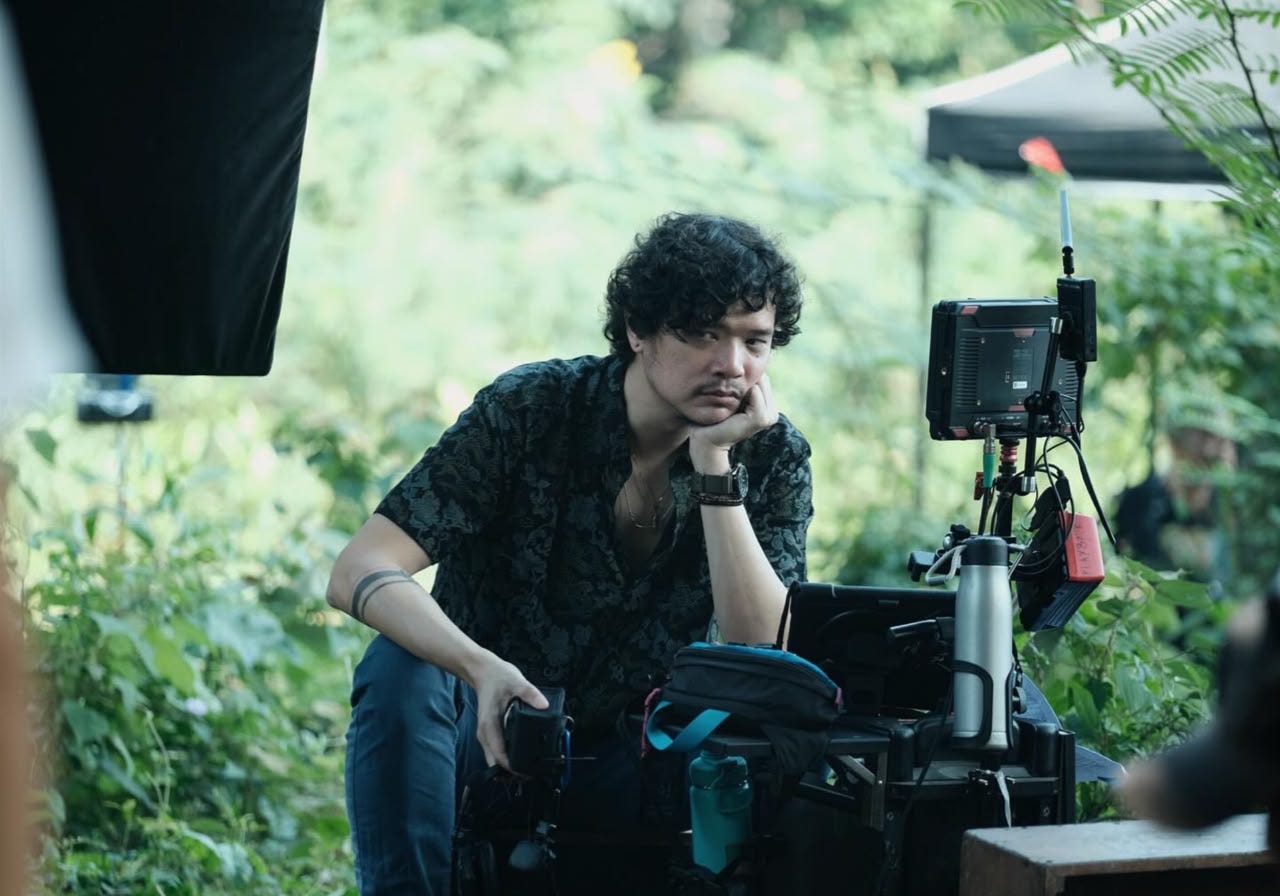
Tjahjanto built his reputation on unhinged, visceral horror. He debuted in Hollywood by writing, editing, and directing the "L is for Libido" segment in The ABCs of Death (2012).
He subsequently co-directed the universally praised "Safe Haven" segment in V/H/S/2 (2013) alongside Gareth Evans, before returning for V/H/S/94 (2021).
His absolute mastery of practical gore, kinetic camerawork, and relentless pacing made him a highly sought-after action director.
🇮🇩 Mouly Surya
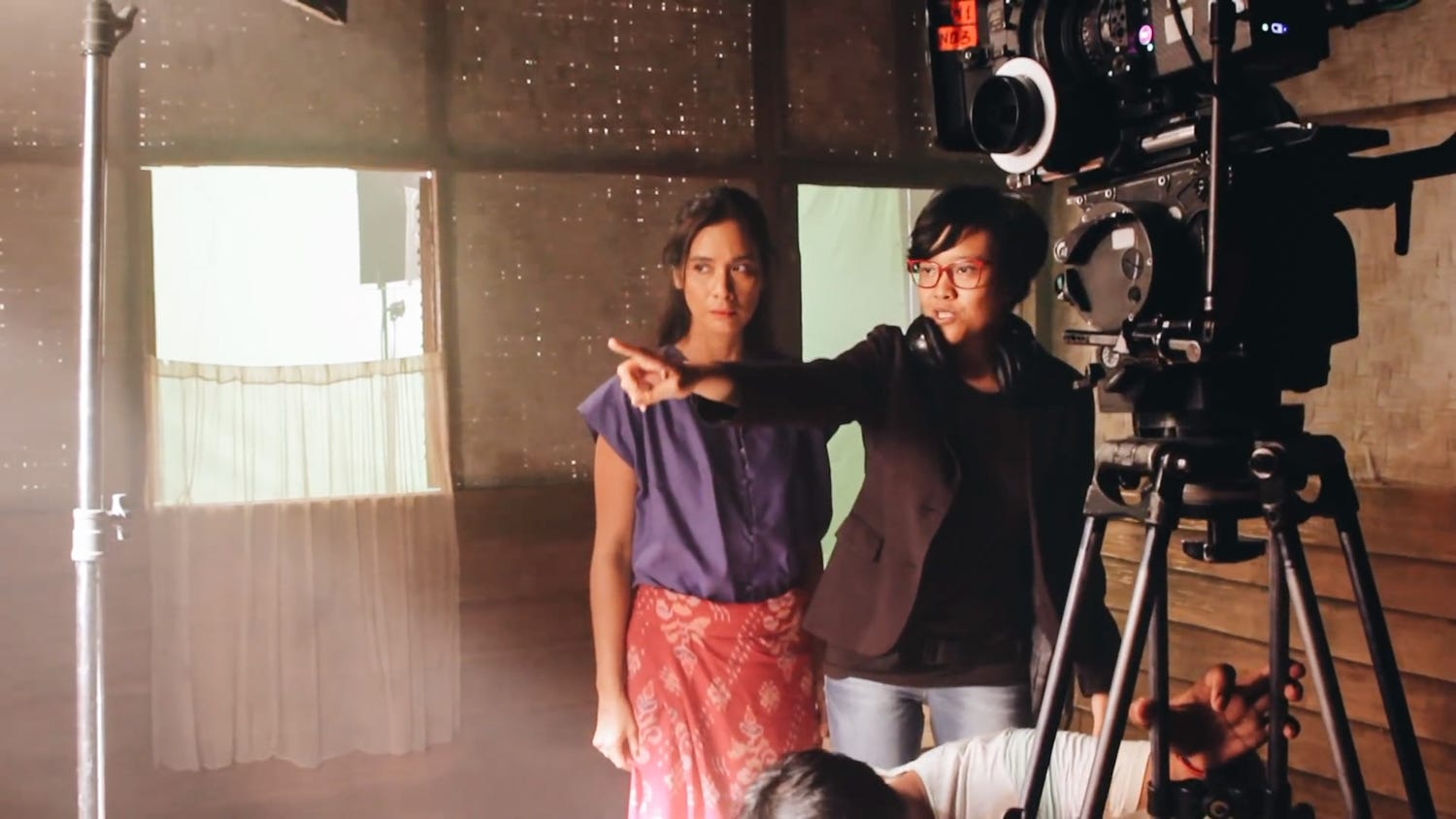
Surya shattered international expectations with Marlina the Murderer in Four Acts (2017), a feminist Western that premiered at the Cannes Film Festival.
She translated this auteur sensibility to Hollywood with the action-thriller Trigger Warning (2024), produced by the team behind John Wick.
Surya consistently subverts traditional gender tropes, grounding complex female protagonists in brutal, historically male-dominated genres.
🇵🇭 Ronnie del Carmen
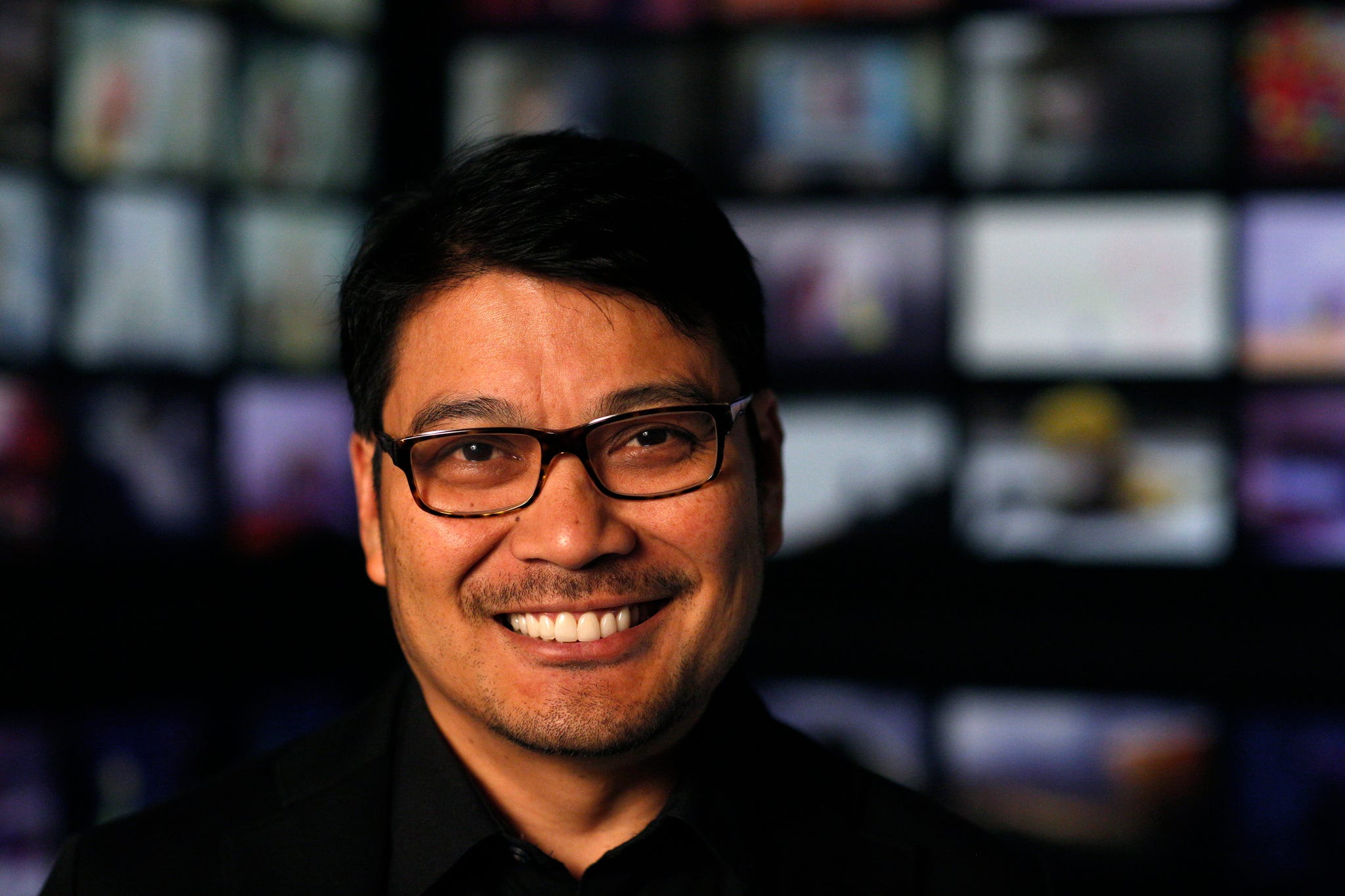
Filipino writer, director, and storyboard artist Ronnie del Carmen defined modern animation. He co-directed and co-wrote Pixar’s Inside Out (2015), earning an Oscar nomination for Best Original Screenplay.
Del Carmen synthesised complex neuroscience into heartfelt, accessible narrative arcs.
His foundational visual storytelling spans decades, encompassing story supervision on The Prince of Egypt (1998) and Up (2009), as well as early set work on Francis Ford Coppola’s Apocalypse Now (1979).
🇲🇾 James Wan
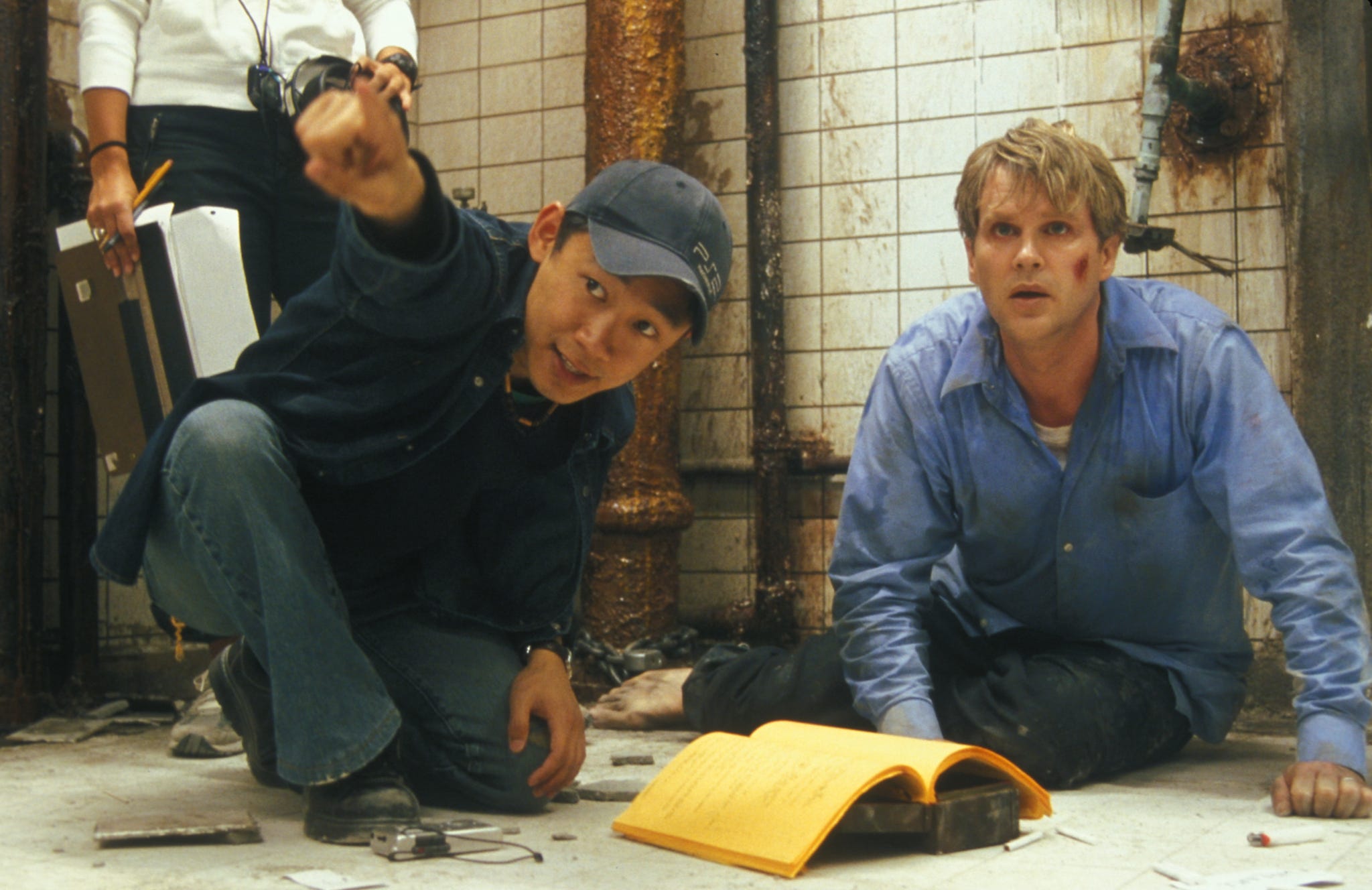
Malaysian-born James Wan fundamentally re-engineered Hollywood's commercial horror machinery.
He created the Saw, Insidious, and The Conjuring franchises—the latter now the highest-grossing horror universe in cinematic history.
Wan perfected the high-ROI model: his debut, Saw, cost under $2 million and grossed $104 million. He later proved his blockbuster versatility by directing billion-dollar popcorn flicks like Furious 7 (2015) and both Aquaman movies.
🇻🇳 Tony Bui
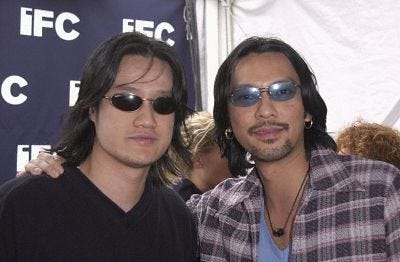
Bui captured Ho Chi Minh City's shifting socio-economic landscape in Three Seasons (1999).
The poetic drama made Sundance history, sweeping the Cinematography Award, Audience Award, and Grand Jury Prize.
Bui dedicated his career to reframing the Vietnamese narrative. He recently curated the Criterion Channel programme Legacies of War: Vietnam Across the Divides, deliberately amplifying civilian-focused Vietnamese cinema over traditional American GI perspectives.
🇻🇳 Tran Anh Hung
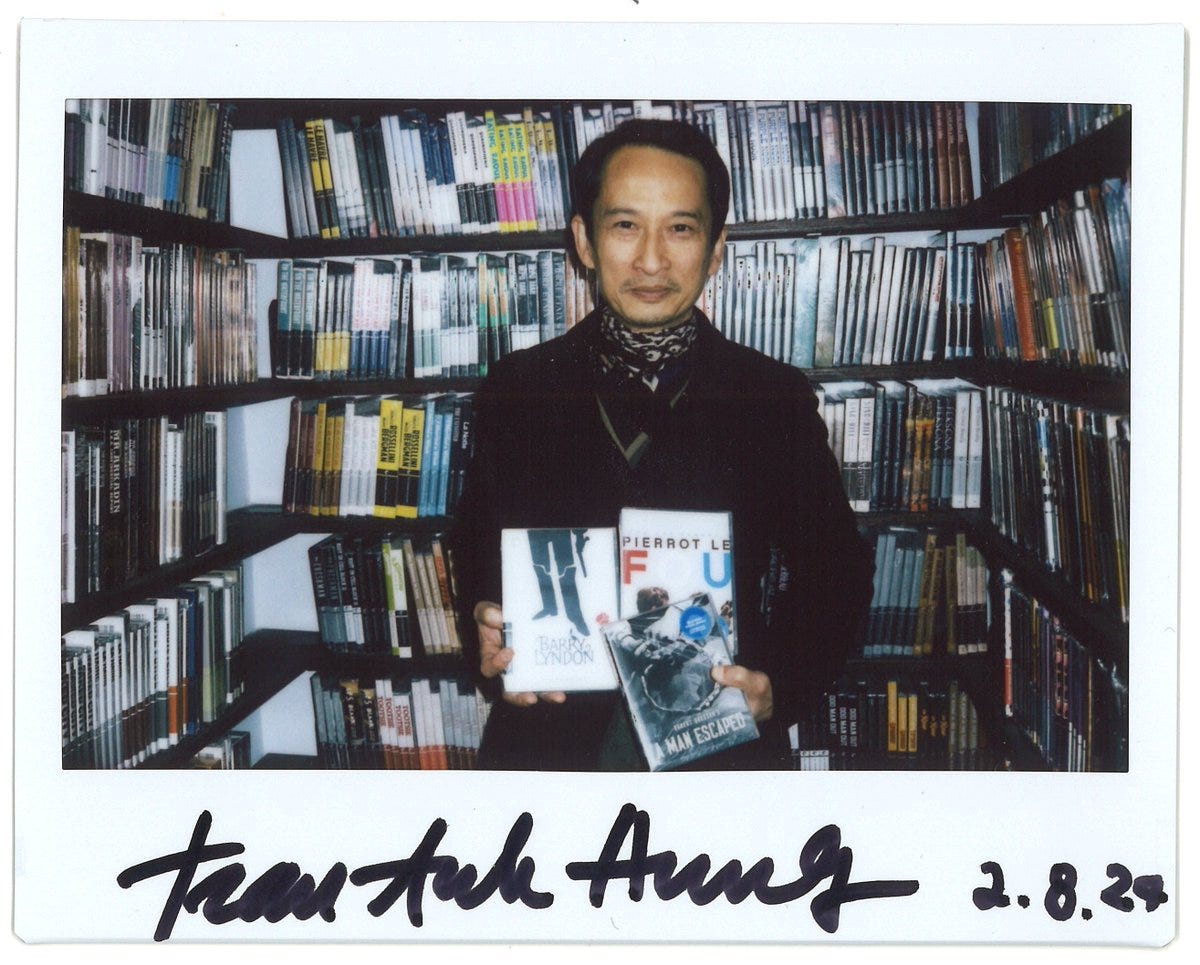
Vietnamese-French filmmaker Tran Anh Hung commands profound sensory storytelling. His debut, The Scent of Green Papaya (1993), won the Caméra d’Or at Cannes and secured an Academy Award nomination for Best International Feature Film.
Critics consistently praise his placid, meticulous direction, which relies on ambient emotion, meticulous sound design, and visual poetry rather than aggressive exposition.
🇻🇳 Bao Nguyen
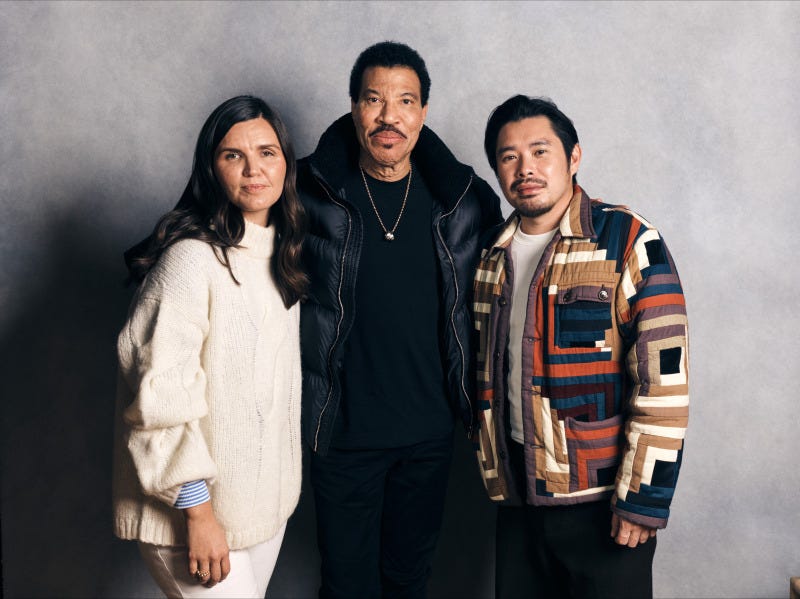
Vietnamese-American director Bao Nguyen dictates prestige non-fiction storytelling.
He weaves meticulous archival research with deep empathetic framing. Live From New York! (2015) dissected Saturday Night Live's 40-year cultural dominance, while Be Water (2020) examined Bruce Lee’s legacy and Asian representation.
His 2024 feature, The Greatest Night in Pop, swept the documentary awards circuit, paving the way for his May 2026 release, BTS: The Return.
🕸️The Connective Tissue: How the Network Operates
Crucially, these filmmakers do not operate as isolated success stories; they actively pull each other up the Hollywood ladder. Their collective rise relies on a highly interconnected ecosystem of festival circuits, streaming platforms, and strategic collaborations that bypass traditional studio gatekeepers.
The Godfather Effect: Heavyweights like James Wan use their immense studio leverage to open doors for emerging regional talent. Wan’s production banner actively recruited Tjahjanto to direct the highly anticipated American remake of Train to Busan, effectively bridging the gap between Asian cinema and Hollywood blockbusters.
The Indie Sandbox: Global anthology projects act as collaborative launchpads. The V/H/S horror franchise let Tjahjanto co-direct alongside The Raid architect Gareth Evans. These low-risk, high-reward indie spaces let Southeast Asian filmmakers share crews, cross-pollinate visual styles, and prove their concepts to Western executives.
The Streaming Bridge: Platforms like Netflix and Shudder fundamentally altered the global pipeline. Rather than waiting for a legacy theatrical rollout, directors now utilise international co-productions to beam region-heavy narratives directly into American living rooms. This digital infrastructure creates a unified network where Southeast Asian storytellers consistently champion and elevate one another on the global stage.
🏁 The Bottom Line
Southeast Asian directors no longer solely cater to local crowds; they dictate the trajectory of global cinema.
From auteur-driven intimate dramas to billion-dollar horror franchises and high-octane action, these storytellers actively expand Hollywood's narrative palette.
The industry has shifted permanently, handing the steering wheel of mainstream global entertainment to a new generation of Southeast Asian visionaries. 🚀✨
(MHS/QOB/ARS)