




🎯 The Main Takeaway
From regional commodities to the global market, a few Southeast Asian brands have been known to elevate their status, not only as major economic actors but also as cultural agents to the outside world.
This consumer expansion beyond the regional market shows that, with the right strategy and enough capital, they can successfully bring their own identity and culture to the West-dominated market.
This signal is not only the changing sphere of Southeast Asia brand as a manufacturing production hub to a source of culture and originality, but also the important role of Southeast Asia in the globalization era.
🔍Why it’s on our Radar
What distinguishes Southeast Asian brands from traditional multinational corporations is their strategy, which allows them to enter markets more easily and effectively.
Hyper-Localization: Southeast Asia brands that have gone international are known to be flexible as they adapt the flavor, approach, and branding, depending on the market
Diaspora Networks: The Southeast Asian community is known as one of the largest migrant workforces in the world. With it, they bring their culture to the place they stay, creating genuine exposure from the community.
Price-to-Value: Most Southeast Asian brands that have entered the global market are known for being affordable alternatives that offer decent quality. This is especially important in developing economies and cost-sensitive segments
⚖️ What’s at stake
This shows up as a sign of the rise of Southeast Asia in the global market, a brand that operates in different areas both domestically and internationally
Soft power: Consumer of the product will associate the product with the country, creating a form of influence that is persistent and embedded, without any forced feelings
Economic Impact: This allows a bigger economic opportunity as it allows a bigger critical mass for long-term development
Cultural Transformation: In the world of Western product domination, this will create and reshape consumption patterns, raising awareness of cultural homogenization, particularly in food consumption.
🇮🇩 Indomie - Indonesia
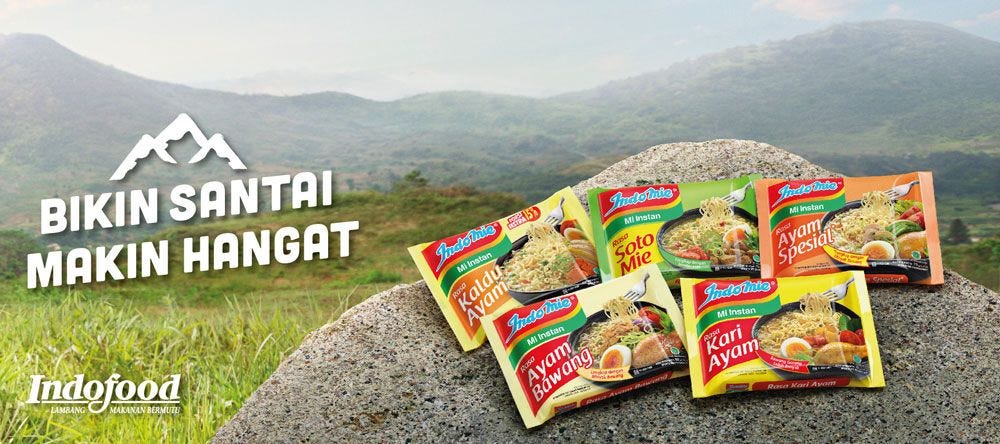
Launched in 1969 by Indofood, it arrived as a domestic solution for affordable, tasty quick meals in Indonesia's urbanizing economy.
First breakthrough from the introduction of the variety “Mi Goreng,” with many more to come. As the main strategy revolves around flavor innovation, this also applies to the global strategy.
This can be seen as Indomie's first global expansion, which took place in Nigeria, adapting to local tastes such as the variety of “chicken pepper soup.”
🇲🇾 OldTown White Coffee - Malaysia
Founded in 1958 and incorporating White Coffee in 1999, OldTown White Coffee was based on the idea of industrializing the traditional kopitiam experience.
From Ipoh’s localized white coffee heritage and culture into a standardized sachet coffee, cafe experience, and retail model. By leveraging heritage, culture, and nostalgia, OldTown White Coffee successfully captured the hearts of global consumers.
bringing a simplified and curated version of the Malaysian kopitiam experience with ease. This model of success hinges on balancing the authenticity factor with scalability.
🇵🇭 Jollibee - The Philippines
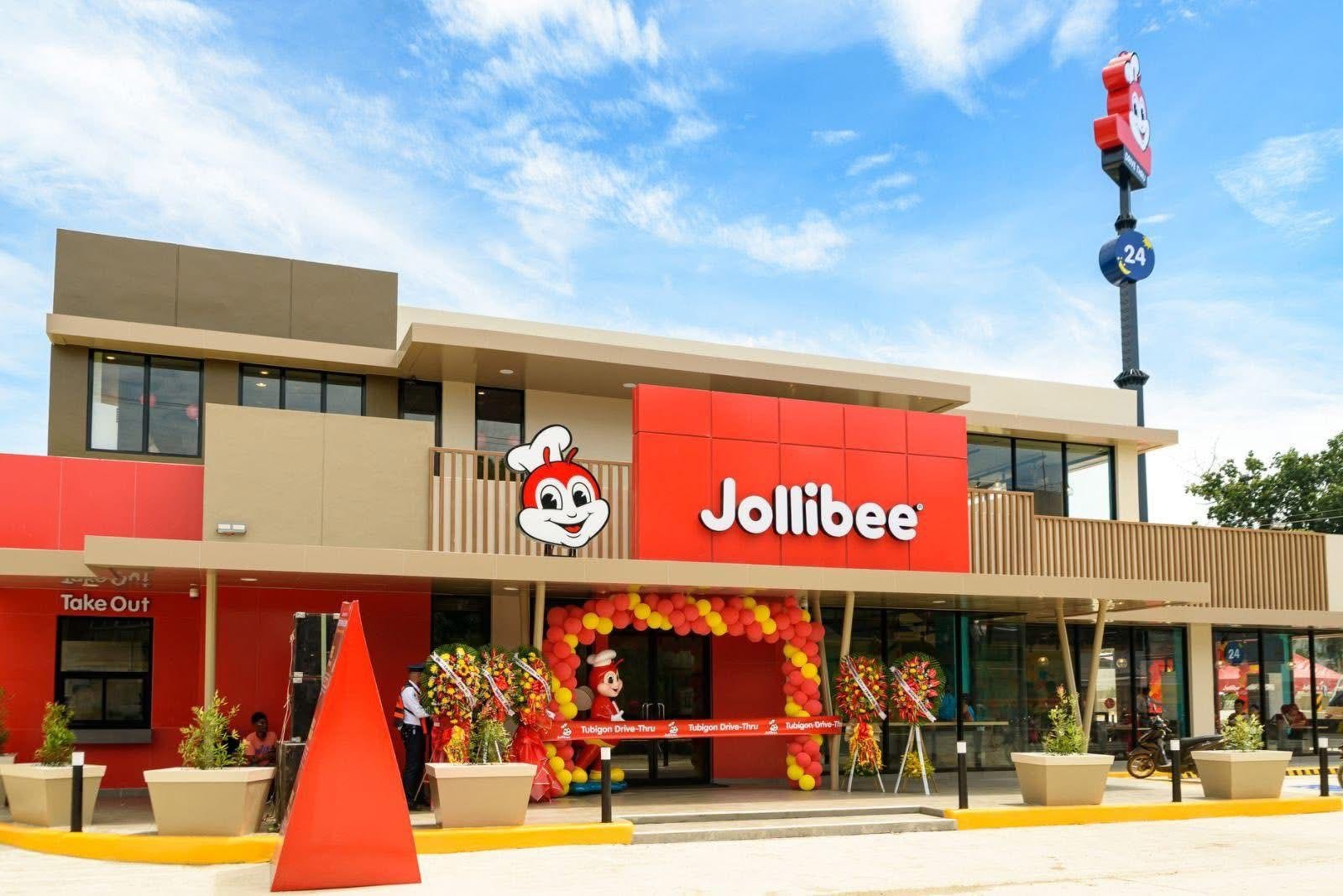
Founded as a small ice cream parlor in 1978, Jollibee has now become an iconic fast food brand from the Philippines, known for its localized version of the Western fast food model.
Introduced by the Philippine Diaspora, establishing an outlet in areas with large Filipino communities. Jollibee's success lies in its strategy of securing loyal Filipino customers before expanding outward.
This not only makes Jollibee taste just like back home, but also secures its identity without any changes to suit the global market, bringing that localized Western food to the West.
🇸🇬 Tiger Beer - Singapore
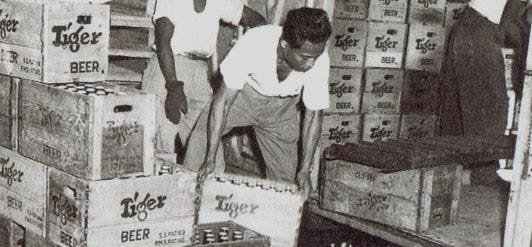
Brewed first brewed in 1932 as one of the earliest internationally marketed beer brands from Asia. The brand identity has been tied to Singapore's strategic location and its role as one of the world's largest trading hubs.
Tiger Beer emerged during the colonial era mainly to serve colonial expansion and networks, providing immediate exposure to international standards, logistics systems, and other practices.
Tiger Beer positions itself as a premium brand associated with Asian urban sophistication instead of a colonial Legacy product, a symbol of change after Singapore's independence.
🇹🇭 Tao Kae Noi - Thailand

Founded by Itthipat Peeradechapan at 19, Taokaenoi transformed seaweed from a traditional Asian ingredient into a modern snack with broad consumer appeal.
Taokaenoi’s growth was driven by its focus on unique flavors, innovative production methods, and a strategic partnership. This distribution network helped turn Taokaenoi into a company holding more than 70% of the domestic market.
Today, Taokaenoi positions itself as a globally recognized Thai snack brand, combining local food culture with modern branding and mass-market accessibility. Its international expansion reflects the growing global popularity of Asian snack foods and Thailand’s increasing influence in the global food and beverage industry.
🇻🇳 Trung Nguyen - Vietnam
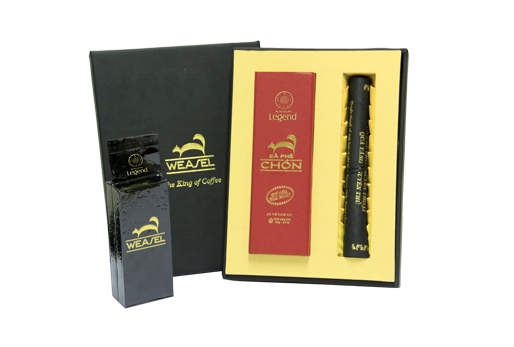
Founded in 1996 by Dang Le Nguyen Vu in Vietnam’s coffee capital of Buon Ma Thuot, Trung Nguyen was established with the vision of bringing Vietnamese coffee culture to the global market.
Trung Nguyen’s growth was driven by its integrated production model, controlling coffee cultivation, processing, and distribution to ensure consistent quality. The launch of G7 instant coffee and its successful expansion into markets such as Japan, Singapore, the United States, and China strengthened its position as Vietnam’s leading coffee brand and a major competitor in the global coffee industry.
Today, Trung Nguyen positions itself as more than a coffee company, promoting coffee as a symbol of creativity, innovation, and cultural identity.
🏁 The Bottom Line
The rise of Southeast Asian brands reflects a shift in global culture and the economy, as the region is no longer confined to producing brands but is now standing on its own with its own brands.
Southeast Asia navigates the global market with complex choices between globalization and authenticity, expansion and identity, influence and dependency. In the end, Southeast Asia brands still have a long way to go, but this is a good start to penetrate the global market.
Need More Angles?
Indomie: The Noodle Revolution: How an Indonesian Brand Became Nigeria’s Cultural Icon
Jolibee: History and Milestones | Jollibee Group
OldTown White Coffee: Background Of Old Town White Coffee
Tiger Beer: Tiger Beer’s 100-year history: From Singapore birth to global production
Taokaenoi: About Us - Taokaenoi Global
Trung Nguyen: MILESTONES - Trung Nguyen Legend
(DEV/QOB)