



🎯 The Main Takeaway
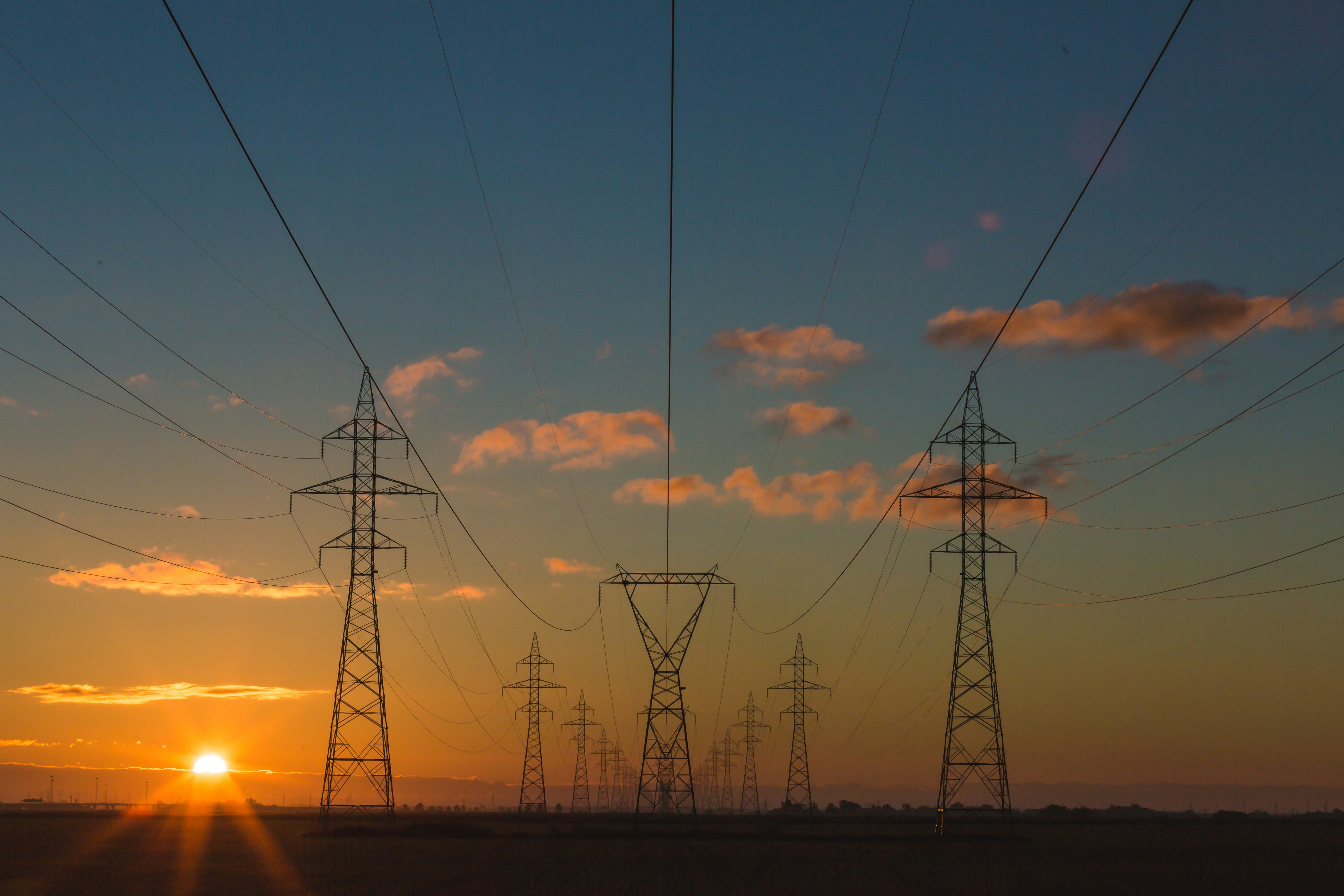
The Middle East crisis that began in March 2026 has exposed Southeast Asia’s vulnerability to fossil fuel supply shocks. According to the International Energy Agency’s (IEA) energy outlook for Southeast Asia in 2026, 60% of the region’s crude oil and a third of its gas imports came from the Middle East before the crisis.
Governments have responded with subsidies and cooperation agreements to cushion the impact of rising prices on households and firms. But these measures create their own problems. Southeast Asia’s energy import bill could rise to US$245 billion by 2035, up from US$80 billion in 2024—without addressing the underlying issue of import dependence.
The result is a race toward renewable energy that promises both energy security and environmental sustainability. Across the region, initiatives are emerging: nuclear and solar power, wind energy, hydropower in Laos, and waste-to-energy projects in Indonesia, Malaysia, Thailand, Singapore, and Vietnam.
With the climate clock ticking, top officials, global envoys, and 10,000 citizens gathered in Jakarta to demand immediate, concrete implementation of net-zero targets. 👉 Read more
📡 Why It’s on Our Radar
Waste-to-energy has become one of the region’s most popular approaches to tackling two major issues at once. As renewable energy demand surges, governments are investing in projects that can reduce waste while generating power—particularly attractive for densely populated urban centres in Singapore, Indonesia, Malaysia, Thailand, and Vietnam.
The Bali waste-to-energy project, launched on 8 July 2026 by Danantara Investment Management, is one of Indonesia’s flagship programmes. Malaysia’s Malakoff launched the Sungai Udang plant on 2 April 2026. Thailand’s On Nut plant achieved first synchronization on 10 April 2026. Singapore expanded the Tuas South Incineration Plant on 19 March 2026. And in Vietnam, a new plant in Hung Yen province was announced on 6 March 2026.
⚠️ Why It’s Important
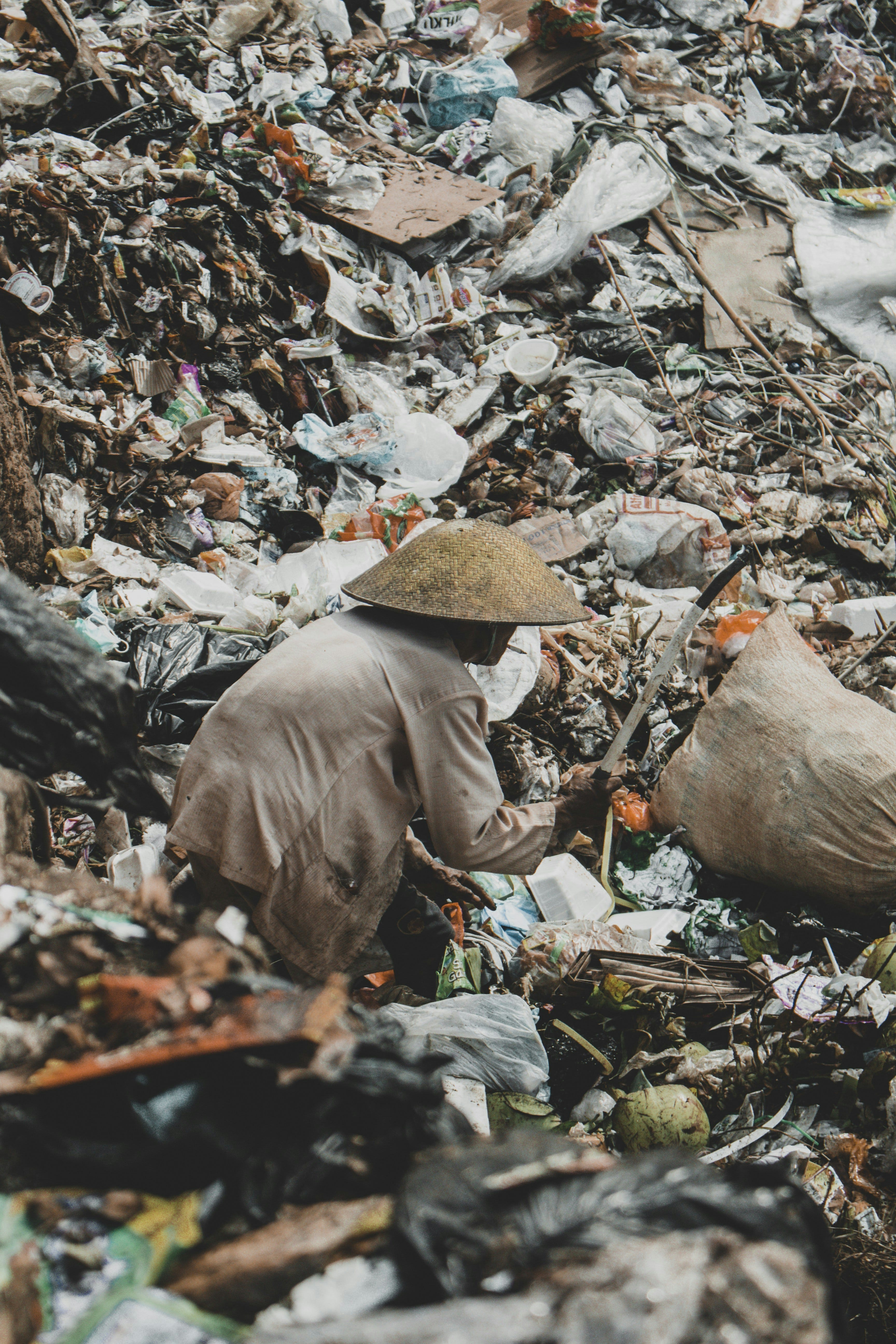
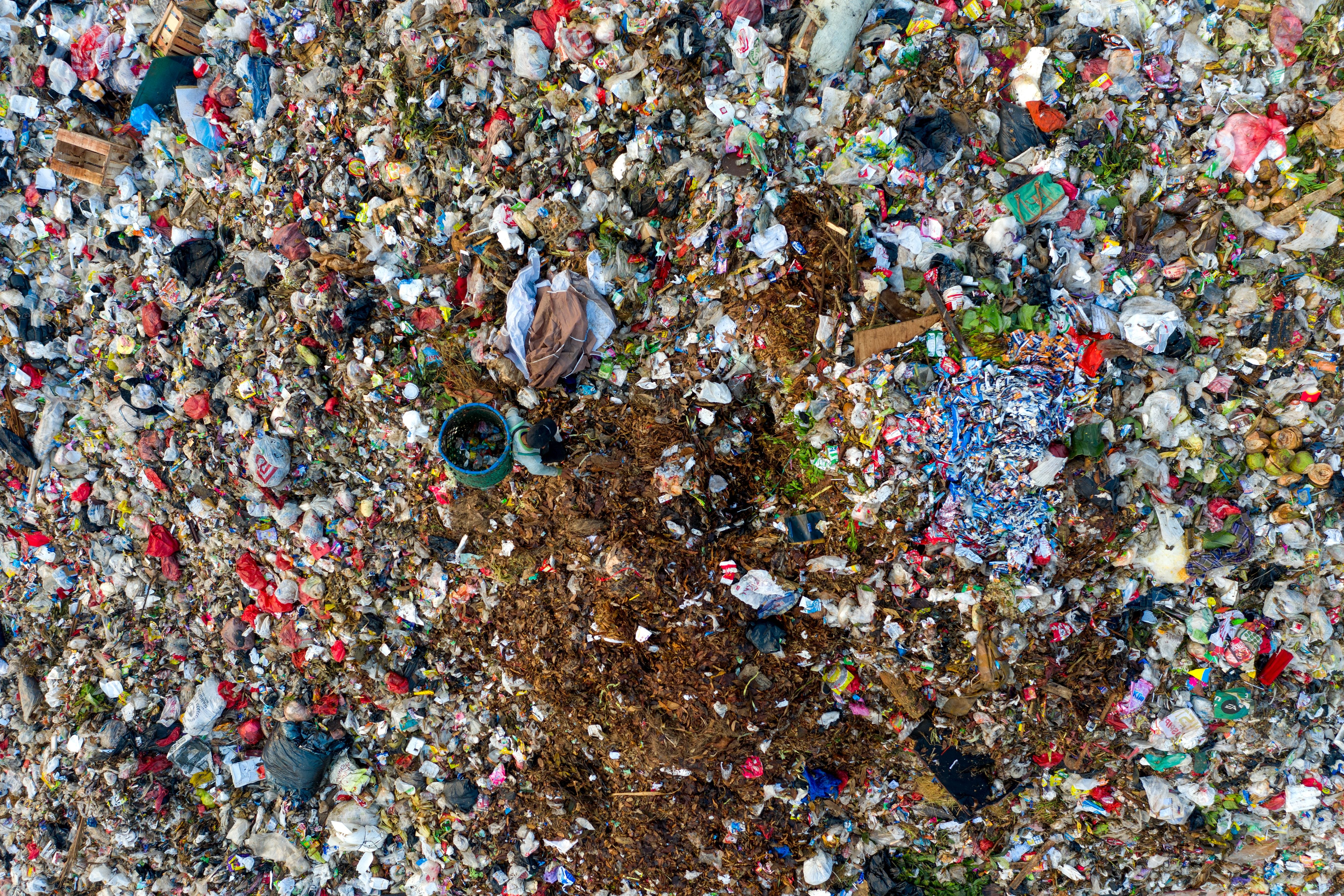
The waste crisis is urgent. According to Greenpeace in 2026, six out of ten ASEAN countries generate 31 million tonnes of plastic waste annually, harming health and disrupting economic sectors. Waste-to-energy, if done correctly, can help address both the energy and waste crises.
But experts warn of risks. 8mSolar, a renewable energy construction firm, cautions that improper management can further degrade the environment and increase pollution. Emissions from waste-to-energy facilities—including nitrogen oxides and sulfur dioxide—require proper emission controls and residue management to minimise environmental harm.
🇮🇩 Indonesia: Bali Waste-to-Energy Project
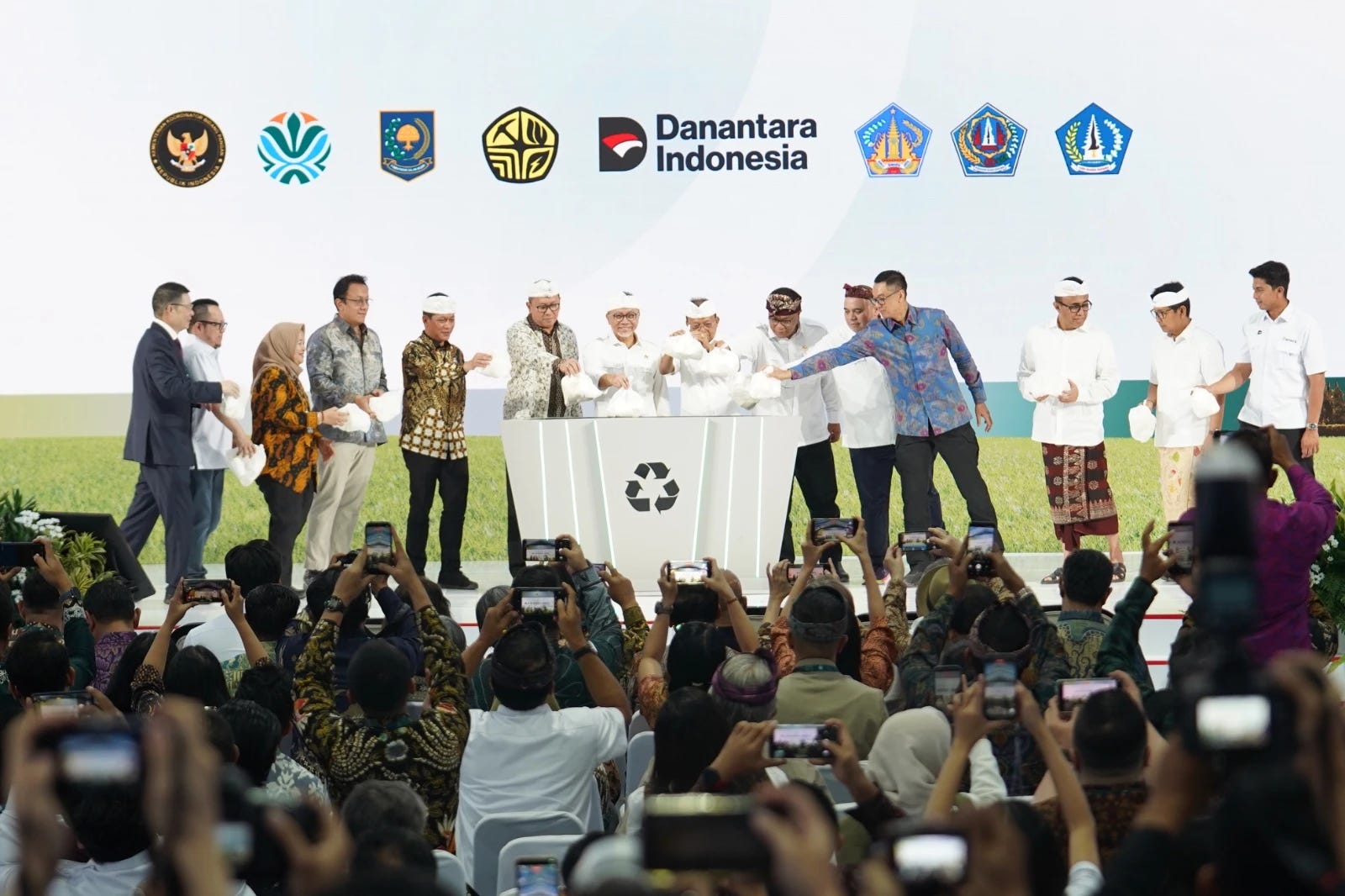
On 8 July 2026, Danantara Investment Management (DIM) began construction on a waste-to-energy power plant in Denpasar, Bali. The facility will process more than 500,000 tonnes of waste annually with an investment of IDR 3 trillion (roughly US$184 million), built through Danantara in partnership with China’s Weming Group.
Officials said Bali was chosen to help preserve the island’s tourism economy. The plant is expected to be completed by late 2027.
🇲🇾 Malaysia: Sungai Udang Plant
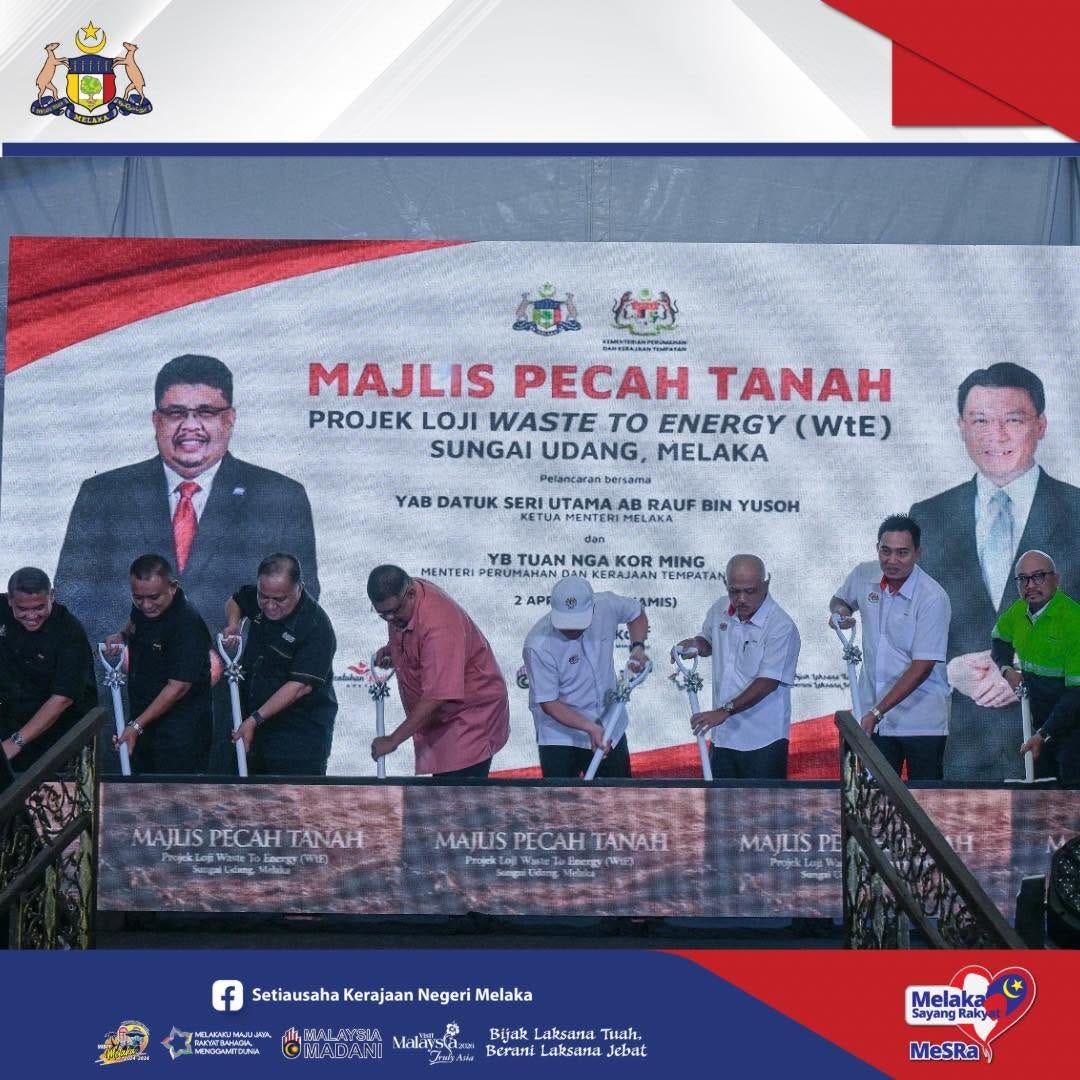
On 2 April 2026, Malakoff—Malaysia’s largest independent power producer—announced the launch of the Sungai Udang plant as part of the country’s integrated waste management strategy. The move was supported by the Chief Minister of Malacca and the Minister of Housing and Local Government.
The plant is designed to process 1,056 tonnes of municipal solid waste daily and generate 22 MW of gross renewable energy.
🇹🇭 Thailand: On Nut Plant
On 10 April 2026, the managing director of New Sky Energy (Bangkok) announced that the On Nut plant had achieved first synchronization. The facility can process 1,000 tonnes of municipal solid waste daily.
The plant is set to become operational on 14 November 2026 and is expected to generate 35 MW of electricity per month.
🇸🇬 Singapore: Tuas South Incineration Plant Expansion
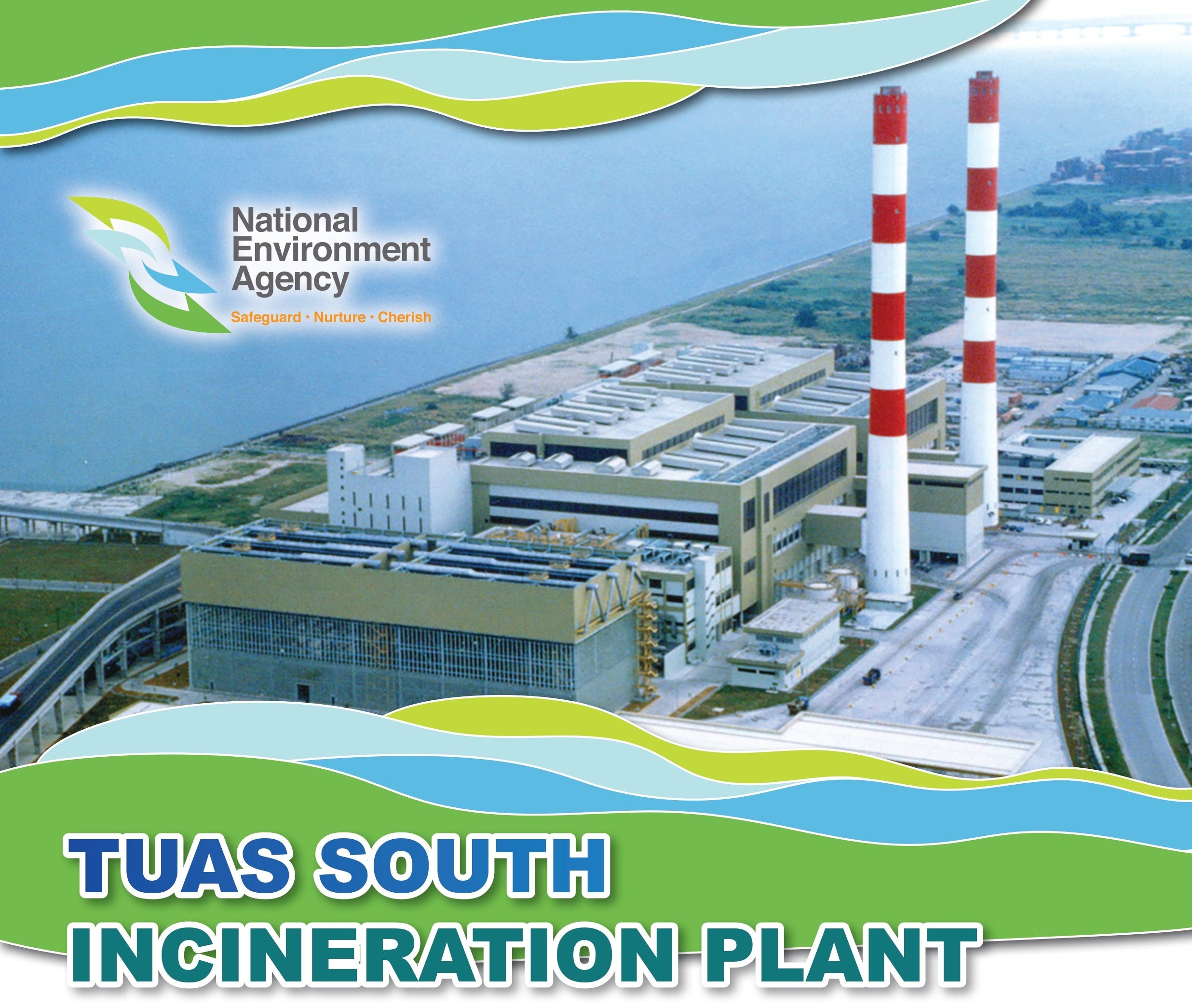
On 19 March 2026, Singapore’s National Environment Agency (NEA) contracted an upgrade for the Tuas South Incineration Plant (TSIP)—the city-state’s second-largest waste-to-energy facility—to extend its operation until 2035.
The upgrade, valued at approximately SGD 890 million, will enable the plant to incinerate 3,000 tonnes of waste daily and treat high-calorific waste, safeguarding reliability over the next decade.
🇻🇳 Vietnam: Hung Yen Plant
On 6 March 2026, the northern province of Hung Yen announced a new waste-to-energy plant covering seven hectares in Doan Dao commune. The plant will treat 1,600 tonnes of waste daily and generate 40 MW of electricity, invested by China’s CNTY-EUZY Group through Thien Y-Huy Anh Environment Energy JSC.
Hung Yen province has a population of about 3.5 million, generating an estimated 3,000 tonnes of waste daily from households and businesses. The plant is expected to be completed by the second quarter of 2027.
🏠 Why This Hits Home
For Southeast Asian households, waste-to-energy projects represent a shift in how cities manage daily life. In densely populated urban centres, waste collection and disposal are persistent challenges. These plants promise to turn a local problem—overflowing landfills and plastic pollution—into a local solution: electricity that powers homes and businesses.
But the risks are equally local. Communities near waste-to-energy plants have expressed concerns about emissions, air quality, and health impacts. Without transparent regulation, rigorous monitoring, and genuine community consultation, these projects risk repeating the environmental injustices that have accompanied industrial development elsewhere.
The success of waste-to-energy in Southeast Asia will depend not just on technology and investment, but on whether governments can earn the trust of the people living closest to these facilities.
🏁 Bottom Line
Waste-to-energy initiatives present a potential solution to two of Southeast Asia’s most pressing problems: energy dependence and waste pollution. But they are not without risks. The emissions and residue from these plants require careful management. Without proper safeguards, the cure could be worse than the disease.
Southeast Asia must step up—not only to sustain economic growth but also to ensure the shift toward renewable energy is both effective and safe.
#WasteToEnergy #RenewableEnergy #SoutheastAsia #EnergyTransition #PlasticWaste #CircularEconomy #GreenEnergy #ASEAN #Sustainability #CleanEnergy #WasteManagement #Indonesia #Malaysia #Singapore #Thailand #Vietnam
Need More Angles
International Energy Agency Southeast Asia Energy Outlook 2026
(FRD/ELS)