



💡 What is a Virtual YouTuber?
A virtual YouTuber (Vtuber) is an online content creator who performs behind a digital avatar, usually in 2D or 3D and typically in anime style.
The technology behind these avatars enables real-time movement and facial tracking, while the person behind the screen provides the voice, personality, and movements for the avatar, allowing creators to stay anonymous.
The idea of using an avatar as your persona while making content can be traced back as early as 2011 by a YouTuber called ‘Ami Yamato,’ although the concept would later be defined in the industry in 2016 by a VTuber named Kizuna AI, who is credited with coining the term “Virtual YouTuber”.
The concept of VTubers originated and evolved in Japan; early VTubers such as Ami Ayato and Kizuna AI came from Japan, and the industry's foundation also came from Japan, with big names like Hololive and Nijisanji, launched in 2017-2018.
📊 The Global Vtuber Boom
Like other forms of online content, Vtubers reached new highs during the pandemic era.
As YouTube data shows, views on content creators marked as Vtubers grew to over 1.5 billion per month by October 2020; this impacted not only individual creators but the concept as a whole.
As many new audiences from different nations came to give VTuber content a try, what was once a trend in Japan became a global sensation.
Corporate brands such as Hololive and Nijisanji seized the opportunity to expand their reach.
The two giants of the industry mainly focused on Japan, but with the overseas boom, Hololive quickly created an English branch, officially launching in August 2020, while Nijisanji followed suit in May 2021.
This move addresses language barriers, as most Japanese Vtubers before this expansion weren’t fluent in English, except for a few, such as Kiryu Coco.
One Vtuber became a symbol of overseas success: Gura, who reached 4 million subscribers. With this proven overseas success, Vtubers expanded into other regions, including Southeast Asia.
🔍 Why Southeast Asia Became a Vtuber Hub
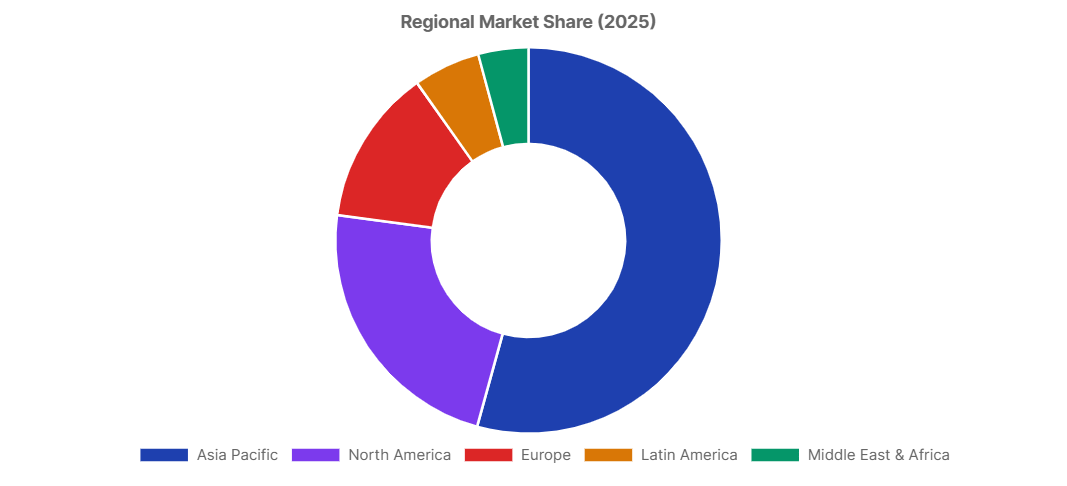
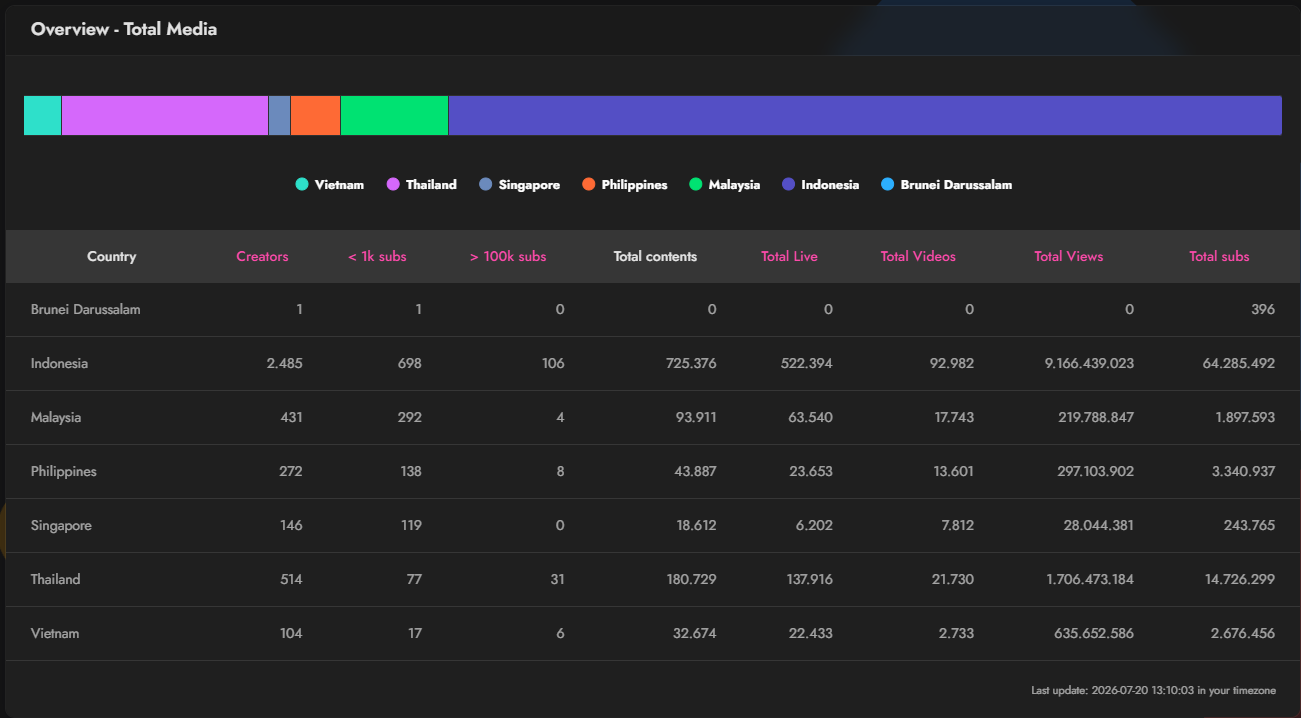
As both a market and a talent pool for Vtubers, Southeast Asia is among the top contributors, especially Indonesia, Thailand, the Philippines, and Vietnam.
As a market: Southeast Asia emerges as a high-potential growth frontier within the wider Asia Pacific market. This is signaled by the creation of Hololive and Nijisanji branches in Indonesia, established years before their English counterparts. This is driven by a youthful demographic, expanding smartphone penetration, and increasing exposure to Japanese and Korean virtual content.
As a talent pool, Southeast Asian VTubers are mostly independent talents. Individual successes such as Mythia Batford have shown what the Southeast Asian VTuber talent pool can achieve, creating content that resonates culturally with Southeast Asia.
🎙️ More Than Streamers: Creative professionals, rising demand
Projected to grow from $3.8 billion in 2025 to over $14.6 billion by 2034, the global VTuber market is growing alongside technology and the evolving entertainment industry.
Vtuber is not just about the talent speaking into a microphone; it is built on Business-to-Business (B2B), as a single virtual avatar requires a supply chain of creative professionals, illustrators, Live2D riggers, 3D modelers, audio engineers, and others, to support a Vtuber's activities.
For creative professionals across Southeast Asia (SEA), this opportunity has unlocked unprecedented income potential, as client commissions are almost universally priced in USD.
SEA creative professionals can earn anywhere from $50 to over $5,000 depending on the service they provide.
While this is considered fairly cheap for American- or European-based clients, a single project can easily cover a week or even months of food for a SEA creative professional.
Currency differences let creative professionals stay internationally competitive while earning incomes that exceed many local market rates.
In SEA, creative professionals have long been treated with side-eye, seen as unstable and as something to do only on the side or as a hobby.
The rapid expansion of the Vtuber industry has begun to improve the image and perception of creative professionals.
As dedicated production teams and independent creators publicly discuss commission prices worth hundreds or even thousands of dollars, careers that once existed on the margins of the digital economy are increasingly recognized as legitimate professions.
The Illustration Market & Artstyle Mechanics
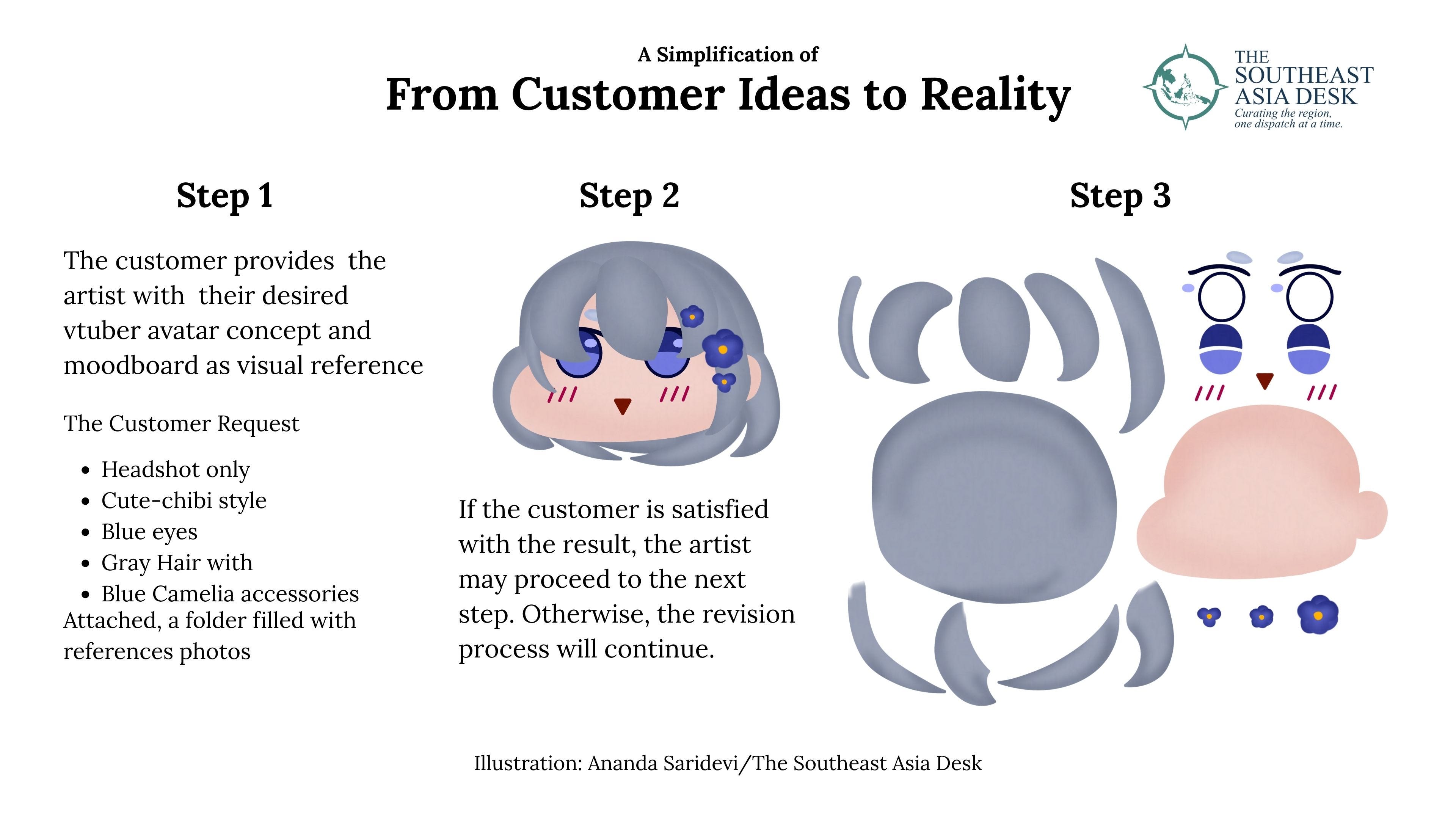
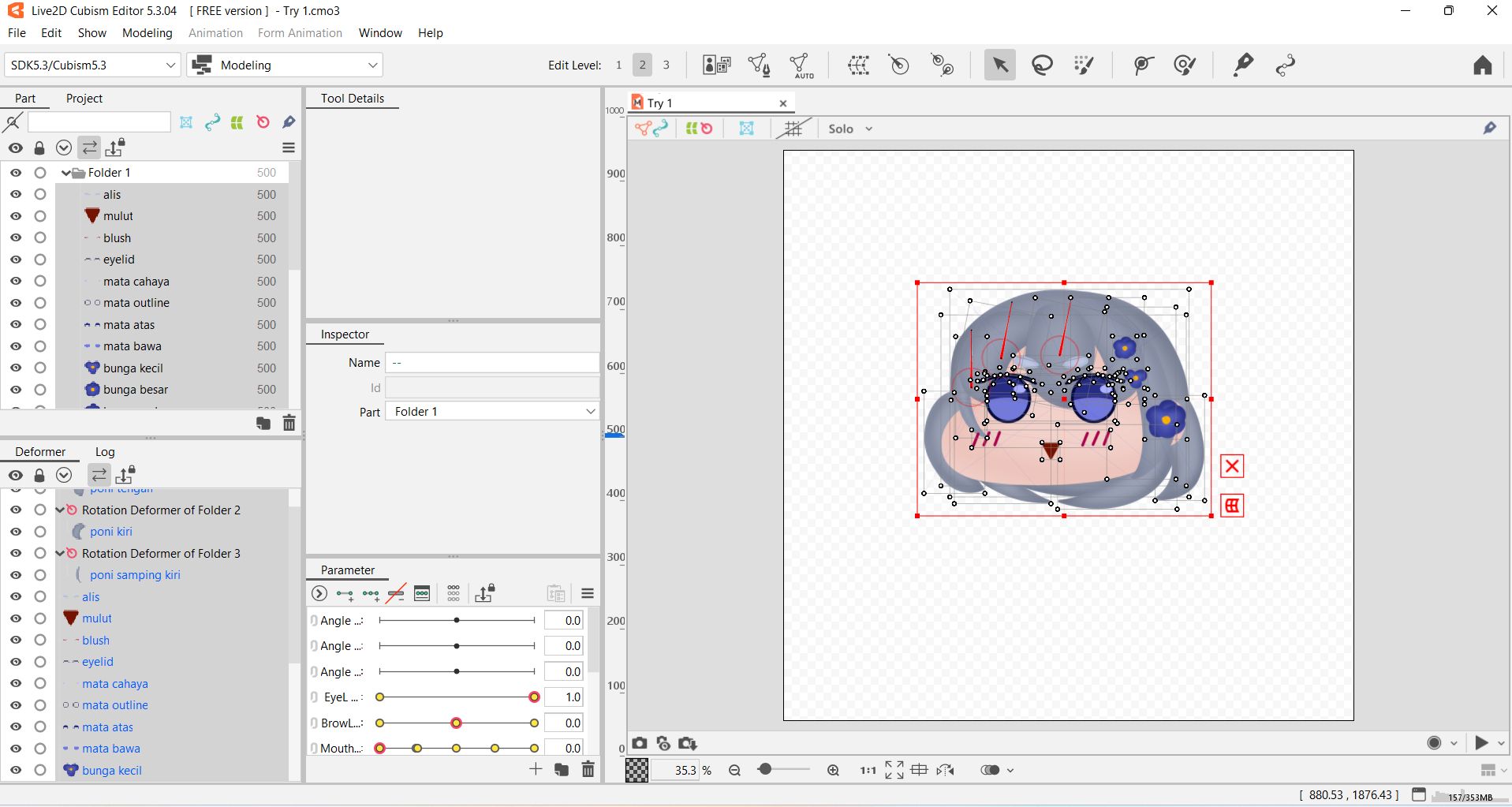
In the avatar production process, the Vtuber illustrator responsible doesn't stop when drawing is finished; to make a working avatar, they must engineer a multi-layered source file.
A single Vtuber illustration PSD (Photoshop Document) must be sliced into hundreds of distinct, overlapping layers, each separating a single detail.
The rigger must make every hair strand, eyelash, iris, piece of clothing, joint, and mouth available for animation.
Those with more purchasing power often commission highly personalized character designs rather than buying a pre-made VTuber model or a pre-made customizable VTuber model, to establish a recognizable identity.
Prices vary widely based on artistic complexity, commercial licensing rights, and the illustrator's reputation.
The Technical Rigger Market
If the illustrator creates the avatar’s appearance, the Live2D or 3D rigger brings it to life by adding movement.
They transform static artwork into an animated avatar that can move its body and express emotions that reflect the person behind it. The rigger maps facial-tracking software outputs to thousands of art meshes, translating real-time webcam data into the model.
A properly rigged Vtuber avatar matters because it directly affects audience immersion. When the person behind the avatar laughs or smiles, the Vtuber model should naturally reflect those expressions, and that is the rigger’s job.
The smoother and more detailed the rigging, the more lifelike and engaging the avatar appears to viewers
The Ancillary Material Ecosystem
Beyond the core VTuber model, launching and maintaining a brand requires more.
Music producers compose original opening themes and background music, graphic designers create logos and streaming overlays, artists design illustrations and emotes for streaming platform membership, and merchandising products range from acrylic stands to apparel.
These services matter because they complement one another, forming a secondary creative economy surrounding VTubing.
Their importance grows during celebrations, seasonal events, and major milestones, where demand extends beyond the stream itself.
VTubers often release song covers, special merchandise, or host giveaways, creating recurring opportunities for artists, musicians, designers, and other creative professionals.
📈 Streaming Southeast Asia to the World
Elevating the Regional Indie Game Production Scene
Gaming accounts for roughly 62% of all Vtuber content output globally, and has turned Vtuber into a channel for Southeast Asia’s indie game developers.
When a Vtuber showcases a local game, the stream becomes a live endorsement that can connect small studios with overseas viewers who can become fans and potential buyers.
The region does not lack quality, but it lacks visibility outside its home market.
From horror games to visual novels and more, Southeast Asia indie game production covers every genre, with interesting stories and visuals.
For SEA VTubers and SEA indie game producers, streaming SEA-made games becomes a two-way relationship: indie developers get free, enthusiastic exposure and real-time viewer feedback, while VTubers get interesting, unique, distinctive, and culturally resonant content amid the sea of global AAA titles.
This organic cross-promotion functions as a mutually reinforcing ecosystem that increases global visibility for regional creative industries.
Everyday Culture, Food, and Hyper-Local Life
Beyond gaming, VTubers also do “Free Talk” streams, casual streams where they talk about their day, meals, activities, interests, or whatever comes up for them or the viewers.
For SEA VTubers, some have become a mundane activity in their life; to an international audience, it becomes an interesting topic of authentic insights into the society that they might never encounter.
A stream where they talk about jeepney traffic, describe the taste of certain regional foods or drinks, discuss cultural celebrations and festivals, and share things exclusive to their regions becomes an unscripted documentary and promotion.
In this way, everyday conversation becomes an unexpected way to become familiar with a culture. Through repeated interaction, this develops curiosity about regional cuisine, slang, local traditions, or travel destinations.
Over time, this builds a far richer picture of the region than most traditional media coverage can convey, one casual conversation at a time.
A story and experience from a real local person in real time, rather than a filtered, produced piece of media.
Incorporating Culture into Character Lore and Design
Standing out in an increasingly crowded VTuber space takes more than a nice art style; character lore is one of VTuber culture's defining features.
A character concept and backstory that people actually remember.
Many SEA VTubers draw inspiration from rich regional folklore, mythology, and historical aesthetics, giving characters depth beyond visual novelty.
By adapting these narratives into modern digital entertainment, creators preserve cultural heritage while simultaneously presenting it to global audiences through accessible storytelling formats.
⚡ The Vtuber Soft Power
Exposure is not the same thing as influence, but it is the raw material influence is made from, and that is precisely where soft power comes in.
For a region like Southeast Asia, where individual countries rarely rival global military or economic giants, soft power built through culture contributes to their countries' cultural visibility and international image.
VTubers fit that logic very well because they are intimate, repeatable, and globally accessible.
Cultural Exchange, Digital Diplomacy, and Language Proliferation
VTuber livestreams act as informal language labs and cultural exchange nodes. Multilingual streams, where creators effortlessly blend local languages with English and Japanese.
Viewers become exposed to unfamiliar languages, customs, humor, and social norms through repeated interactions rather than formal education.
Unlike traditional cultural diplomacy, these exchanges emerge organically from entertainment-driven communities.
Academic research into agencies like Hololive Indonesia highlights how VTubers function as modern public diplomacy actors, projecting a positive image of a diverse, creative, and tech-savvy nation to millions of global subscribers.
Mainstream Corporate Validation
When bigger companies, agencies, or sponsors recognize VTubers as serious media actors, the whole scene gains legitimacy.
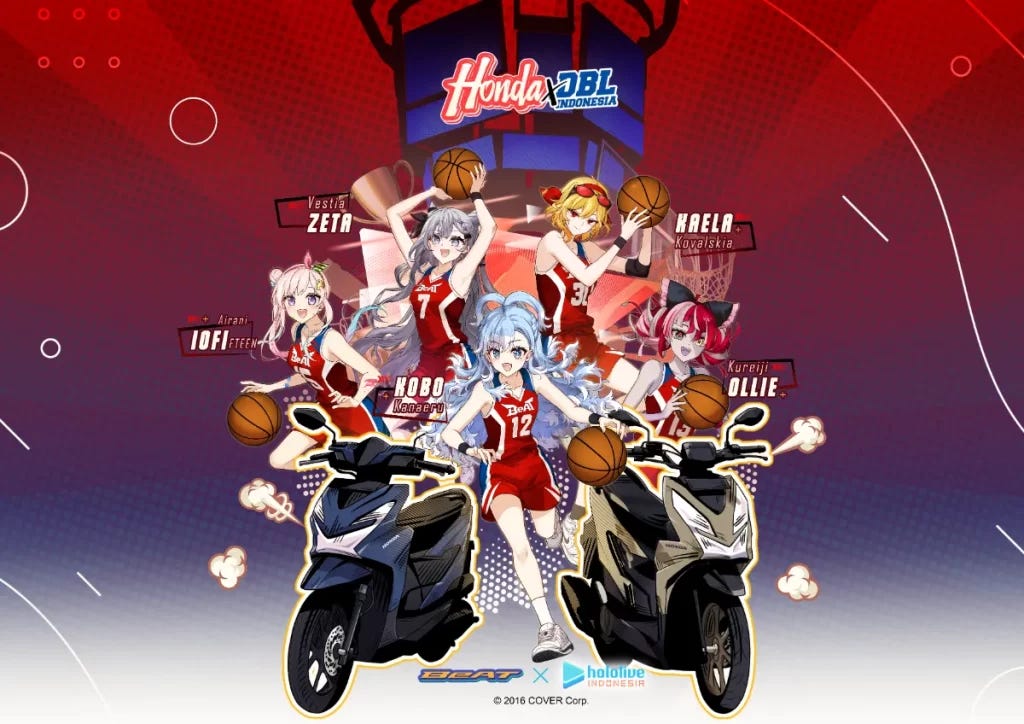
For example, Hololive Indonesia’s talents have appeared in campaigns for major Indonesian household brands, including instant noodle giant Indomie, a televised commercial for the Honda BeAT scooter, and a snack-brand collaboration with Pocky.
These aren’t niche otaku-market tie-ins; they’re mainstream Fast-Moving Consumer Goods (FMCGs) and automotive brands treating VTubers as a legitimate marketing channel with real reach into Indonesian and international audiences alike.
🏁 The Next Frontier: Tech Innovation and the Future of VTubing
Democratization of Tracking and Motion Capture
Before the rise of VTubing, 3D VTubing required full-body optical tracking setups and dedicated studio space that can cost tens of thousands of dollars.
Today, consumer-grade inertial sensors, mobile, and camera-based tracking are dramatically lowering the entry barriers with good quality and affordability.
Lightweight, wearable full-body trackers let independent creators stream a variety of activities using their 3D model, from high-energy dance routines to intricate physical comedy, directly from a home setup.
Simultaneous Global Reach via Real-Time Translation
Language barriers once hindered talent expansion.
Breakthroughs in stream-integrated translation apps like VoxShift and LiveTL, using AI-powered real-time subtitling, allow VTubers to stream in their native language while instantly outputting translated text overlays in languages such as English or Japanese
***
🔍 Need More Angles?
Binus University Virtual YouTuber (VTuber): The Character Design Phenomenon Earning Billions of Rupiah
Intelmarket Research Asia-Pacific Vtuber Live Streaming Platform Market 2026 to 2034
Market Intelo VTuber Market Research Report 2034
Portal Virtual Creator Statistics: Portal Virtual Creator
Rajiv Gopinath via Medium The VTuber Phenomenon in 2025: From Niche Fandom to Global Powerhouse
(DEV/FRD/QOB)