



🎯 The Main Takeaway
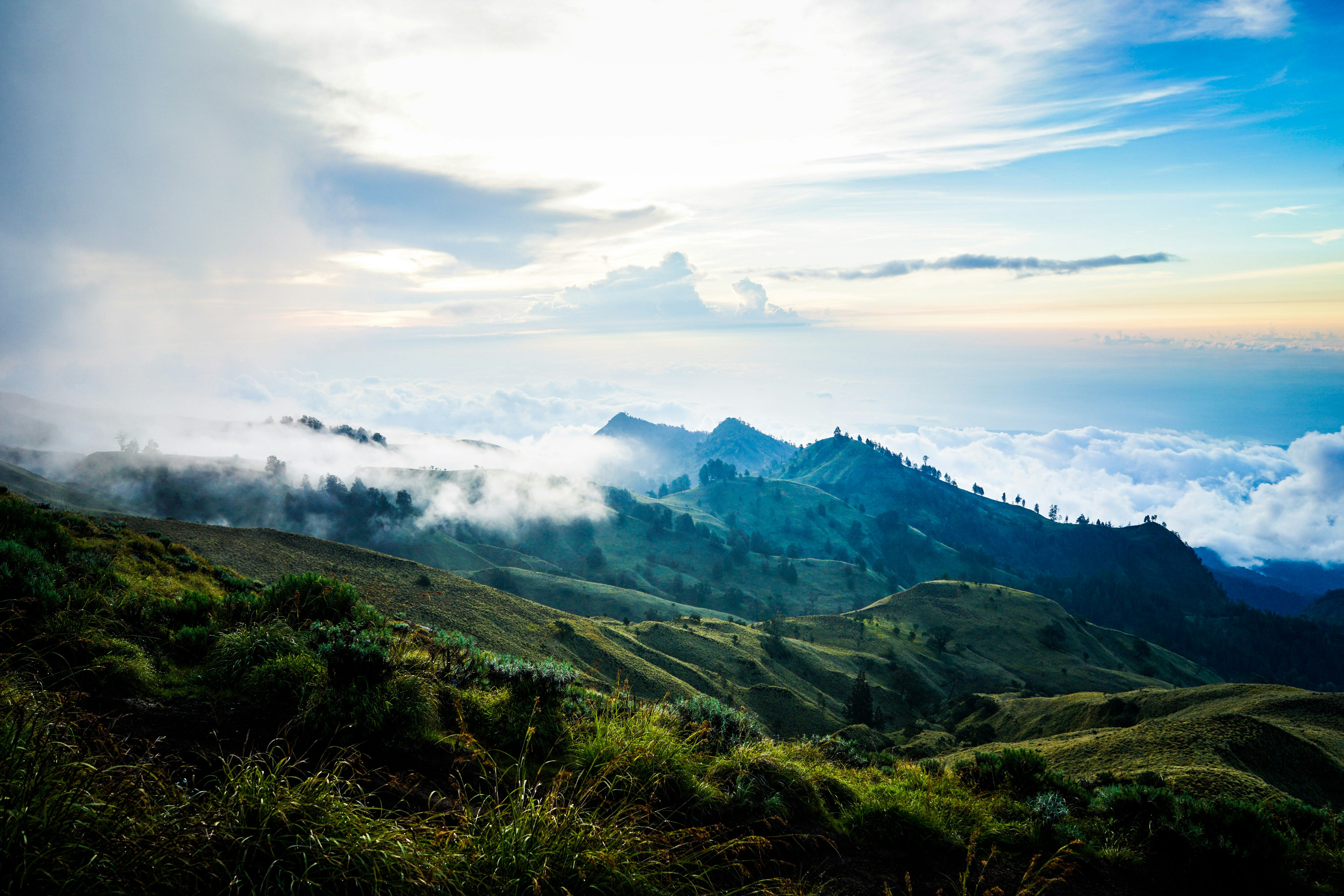
Southeast Asia is globally celebrated for its tropical beaches and vibrant cities, but its peaks offer an equally compelling narrative.
From relaxed scenic strolls to multi-day endurance tests, the region’s mountains reveal extraordinary geographical diversity, unique ecosystems, and deep cultural histories, catering to every skill level and adventure appetite.
📡 Why It’s on Our Radar
As overtourism pushes travellers to seek physically engaging, off-grid experiences, regional mountain trekking has surged. Sunrise over a crater lake simply lands differently than sunrise over a resort pool.
Here are our trekking recommendations, ranked from easiest to the toughest in Southeast Asia:
🟢 Easy - Mount Faber - 🇸🇬 Singapore
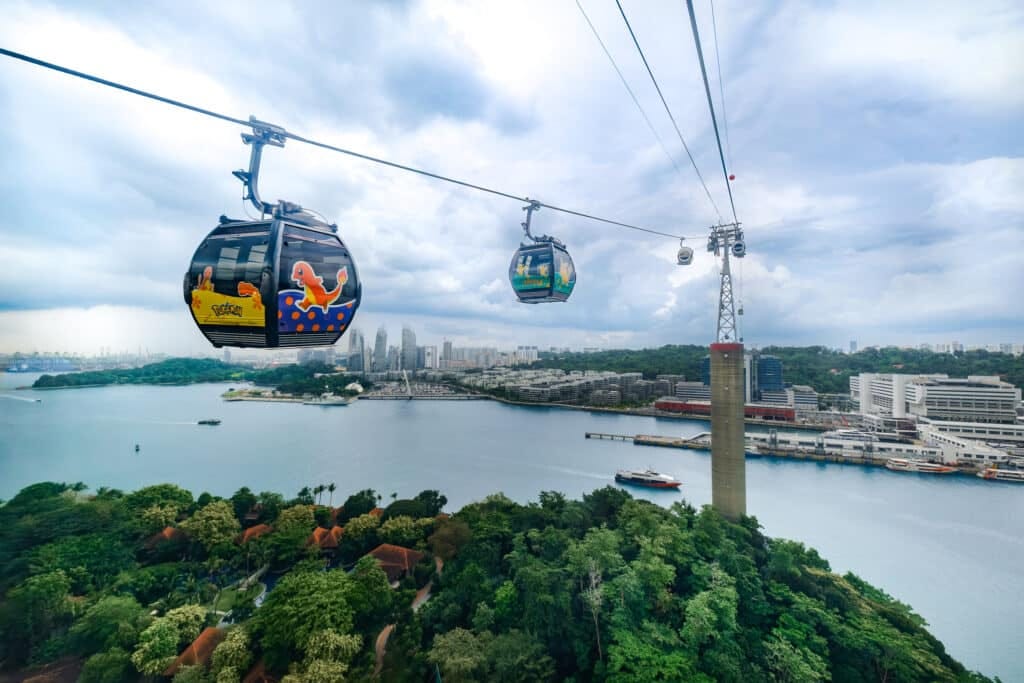
Rising just 105 metres above sea level, Mount Faber proves memorable adventures do not require extreme elevation. It delivers paved trails, panoramic views of the Singapore skyline, and lush secondary forest right in the heart of the city-state.
Accessible and requiring zero technical skill, the summit park offers lookout points and cafes for a relaxed finish, providing a refreshing urban escape.
Looking for a quieter side of Southeast Asia? Read our guide to 6 off-grid escapes here.
🟡Moderate - Mount Ijen - 🇮🇩 Indonesia
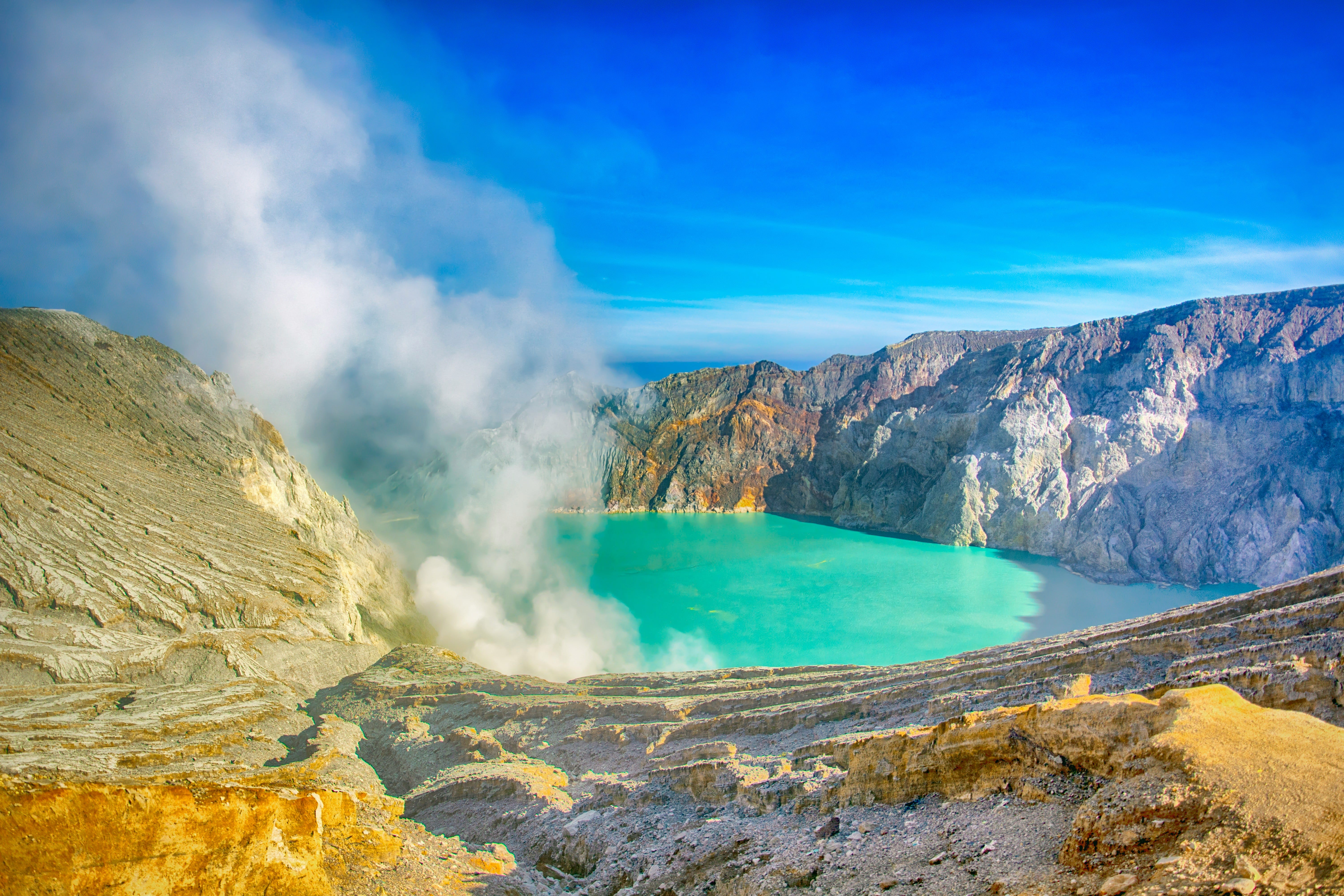
Mount Ijen in East Java is world-renowned for its pre-dawn blue fire phenomenon and the world’s largest highly acidic turquoise crater lake.
Trekkers typically start their three-kilometre volcanic ascent in the dead of night to catch the eerie glow before dawn. The trek is a moderate climb with a massive payoff, manageable for anyone with basic fitness, though descending into the crater demands caution and a gas mask against thick sulphur fumes.
🟡 Moderate - Mount Pulag - 🇵🇭 Philippine
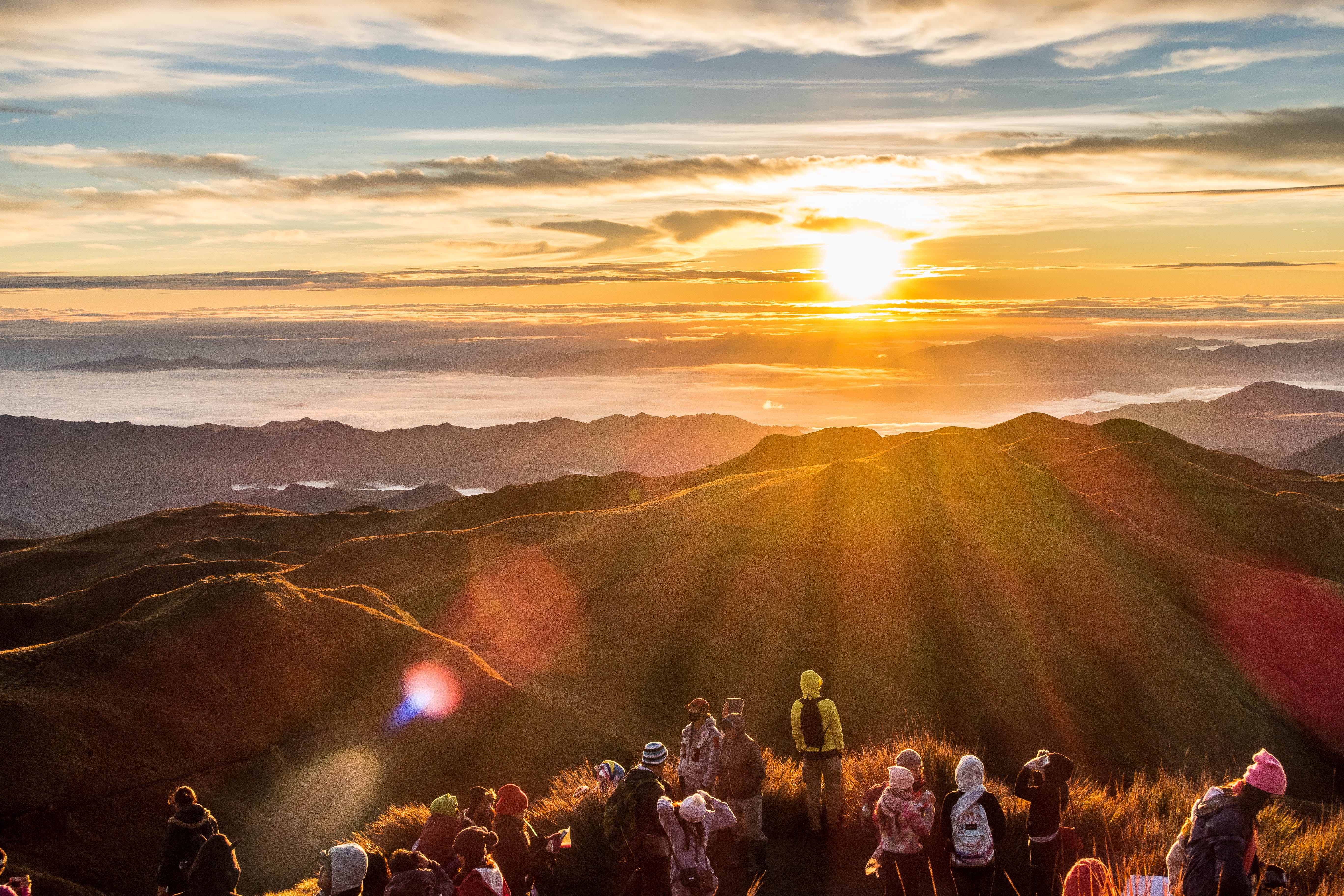
Luzon's highest peak is famous for its rolling grasslands and breathtaking "sea of clouds," creating a landscape far removed from typical tropical imagery.
The Ambangeg trail features gentle inclines accessible to first-time trekkers, while other routes accommodate seasoned hikers. While the physical demand is moderate, freezing nighttime temperatures require strict thermal preparation.
🟠 Moderate to Hard - Fansipan - 🇻🇳 Vietnam
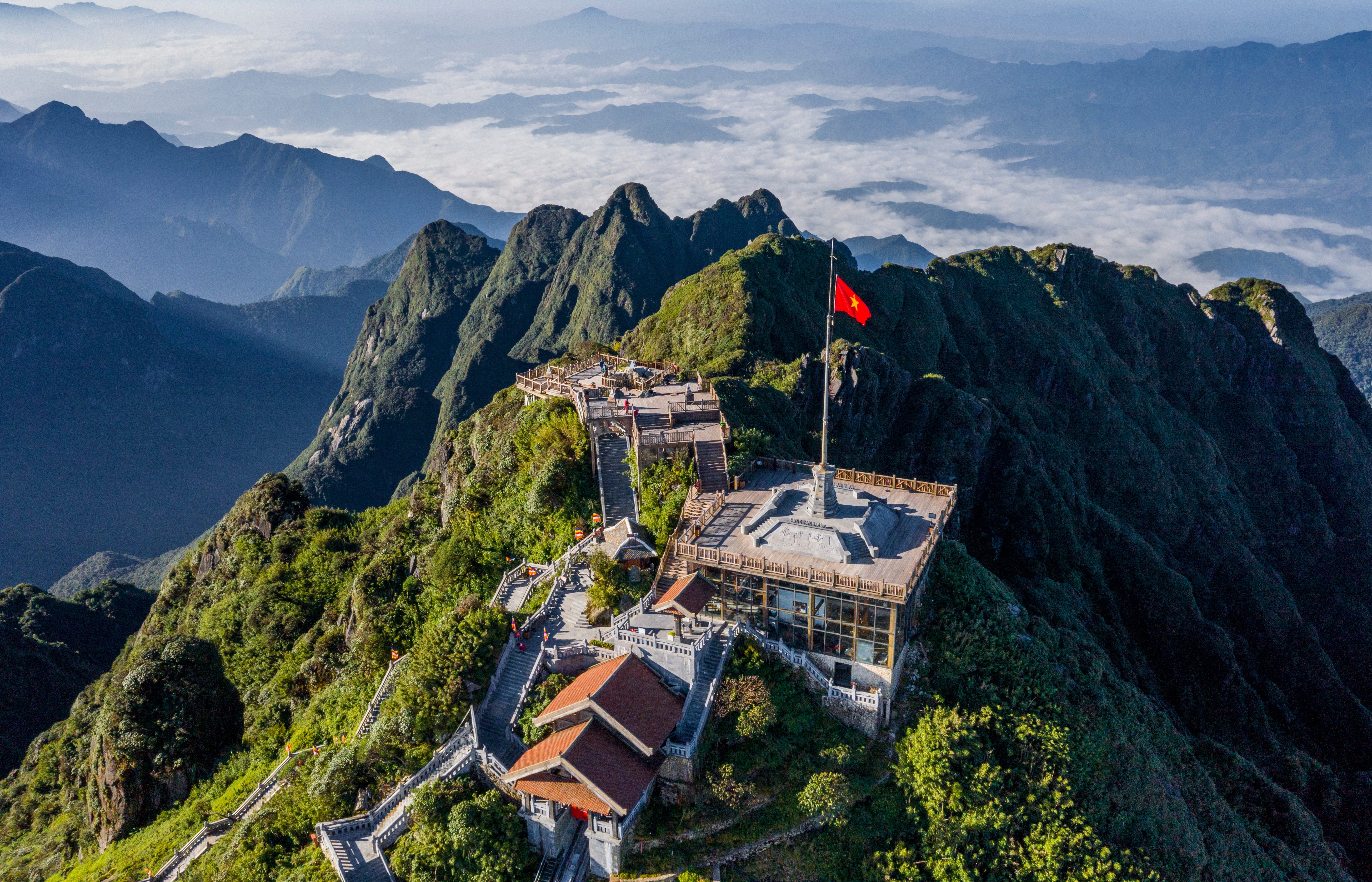
Rising 3,147 metres above Sa Pa, Fansipan is the highest peak on the Indochinese Peninsula. Traditional trekking routes wind through dense bamboo forests and steep, muddy terrain, demanding solid stamina.
Weather shifts rapidly, making proper gear essential. At the summit, grand Buddhist temples emerge dramatically through the alpine mist—though a cable car provides a rapid alternative for tourists.
🔴 Hard - Mount Matebian- 🇹🇱 Timor-Lest
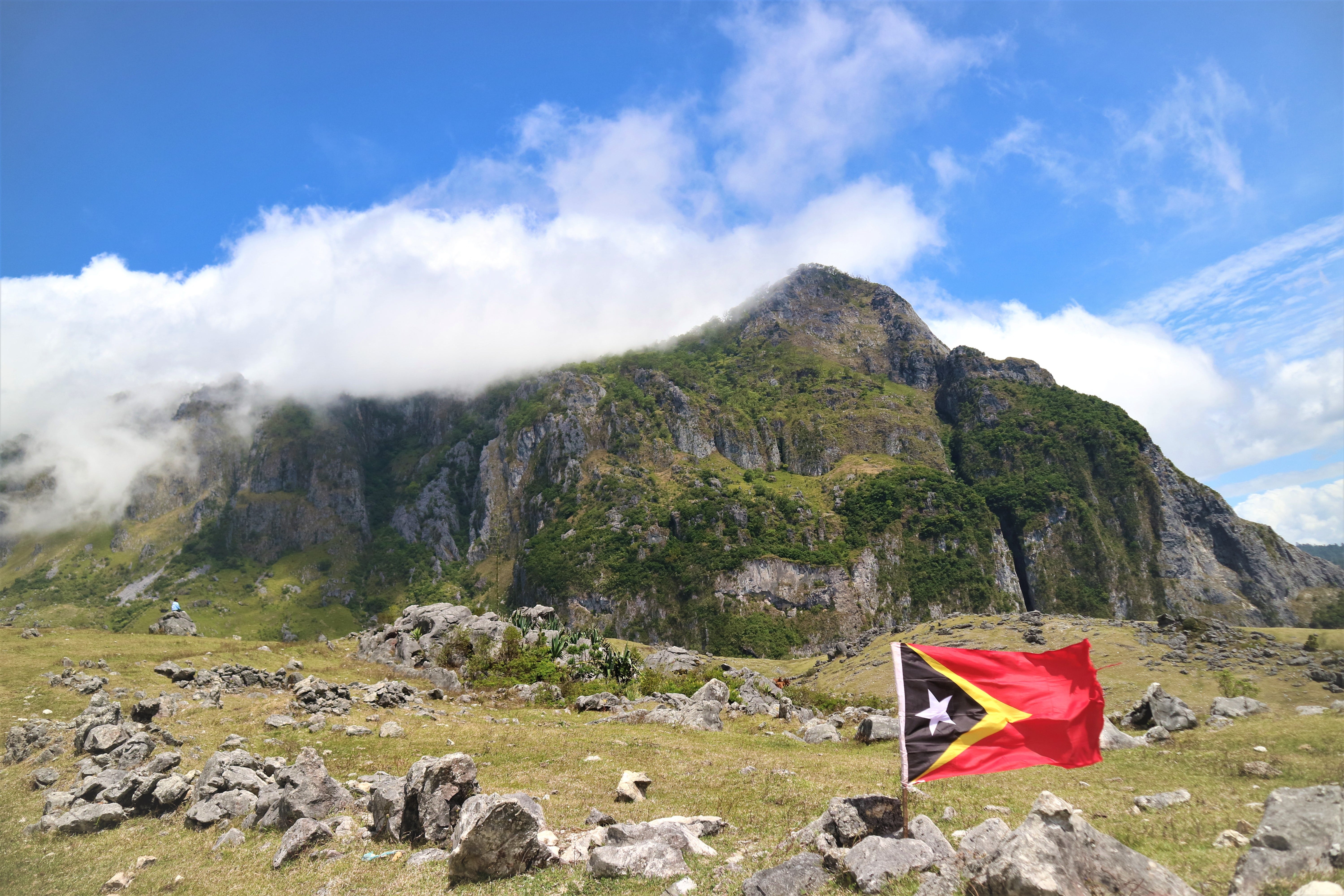
Mount Matebian is as much a spiritual pilgrimage as a physical test. The ascent carries the heavy historical weight of Timor-Leste's struggle for independence and deep respect for sacred cultural sites.
The demanding trek involves steep, unpaved tracks, unpredictable weather, and limited infrastructure. Hikers must arrange supplies well in advance and rely on local guides to navigate the unforgiving terrain before arriving at panoramic views of the mountainous interior.
⚫ Very Hard & Technical - Mulu Pinnacles - 🇲🇾 Malaysia
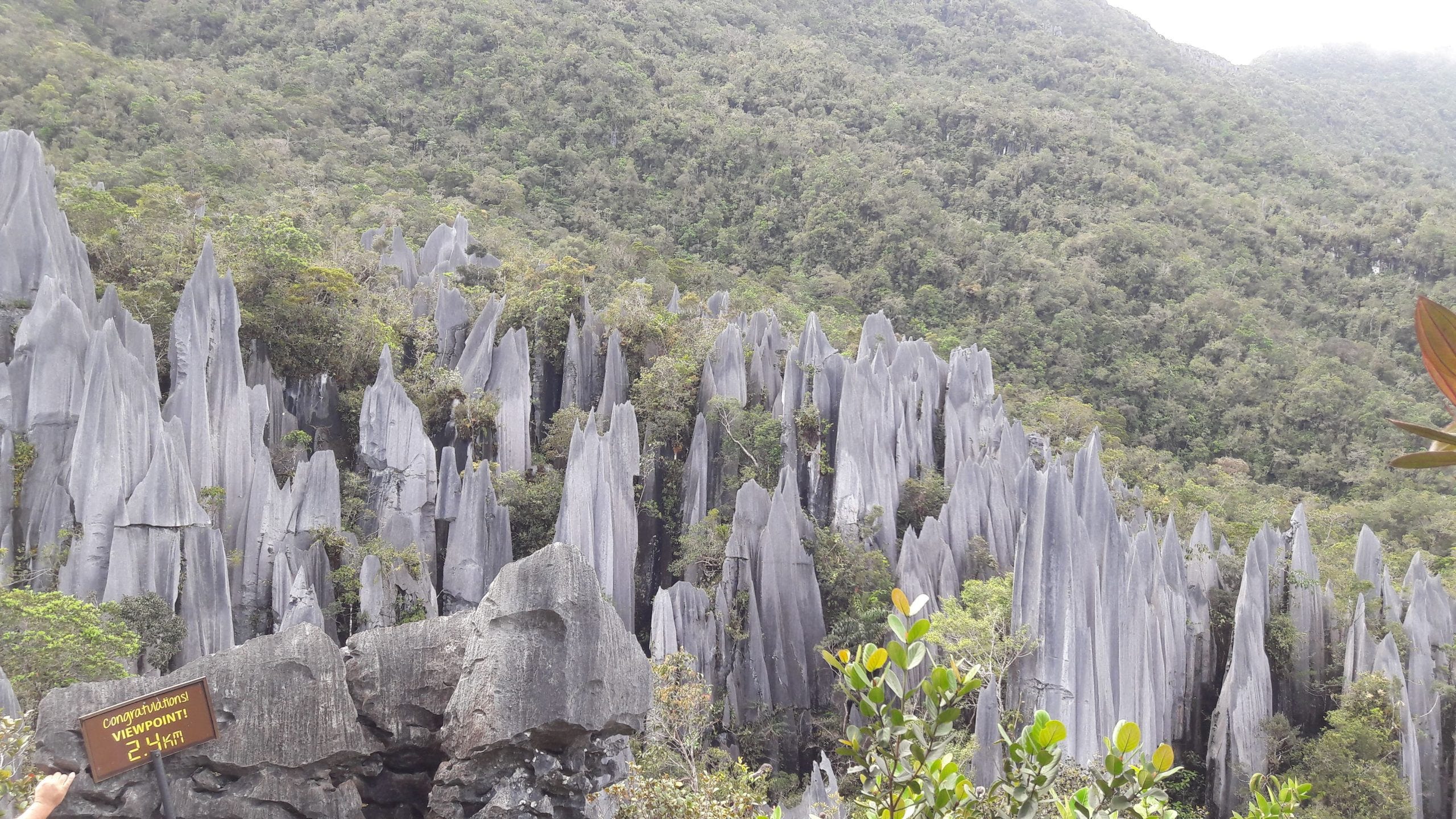
Located within Sarawak’s Gunung Mulu National Park, a UNESCO World Heritage Site, the Mulu Pinnacles are a jagged formation of towering limestone spires shaped by millions of years of geological erosion.
Universally considered one of the toughest hikes in Southeast Asia, it operates more as a vertical scramble than a standard trek, packing brutal elevation gain into a short distance. Access is strictly regulated; independent climbs are forbidden, and a licensed guide is mandatory.
📌 The Bottom Line
The true beauty of Southeast Asia's mountains lies in their diversity. From Singapore’s gentle urban hills to Malaysia’s brutal limestone scrambles, the summit offers a distinctly different vantage point for understanding the region.
(DEV/ELS/ARS)