



🎯 The Main Takeaway
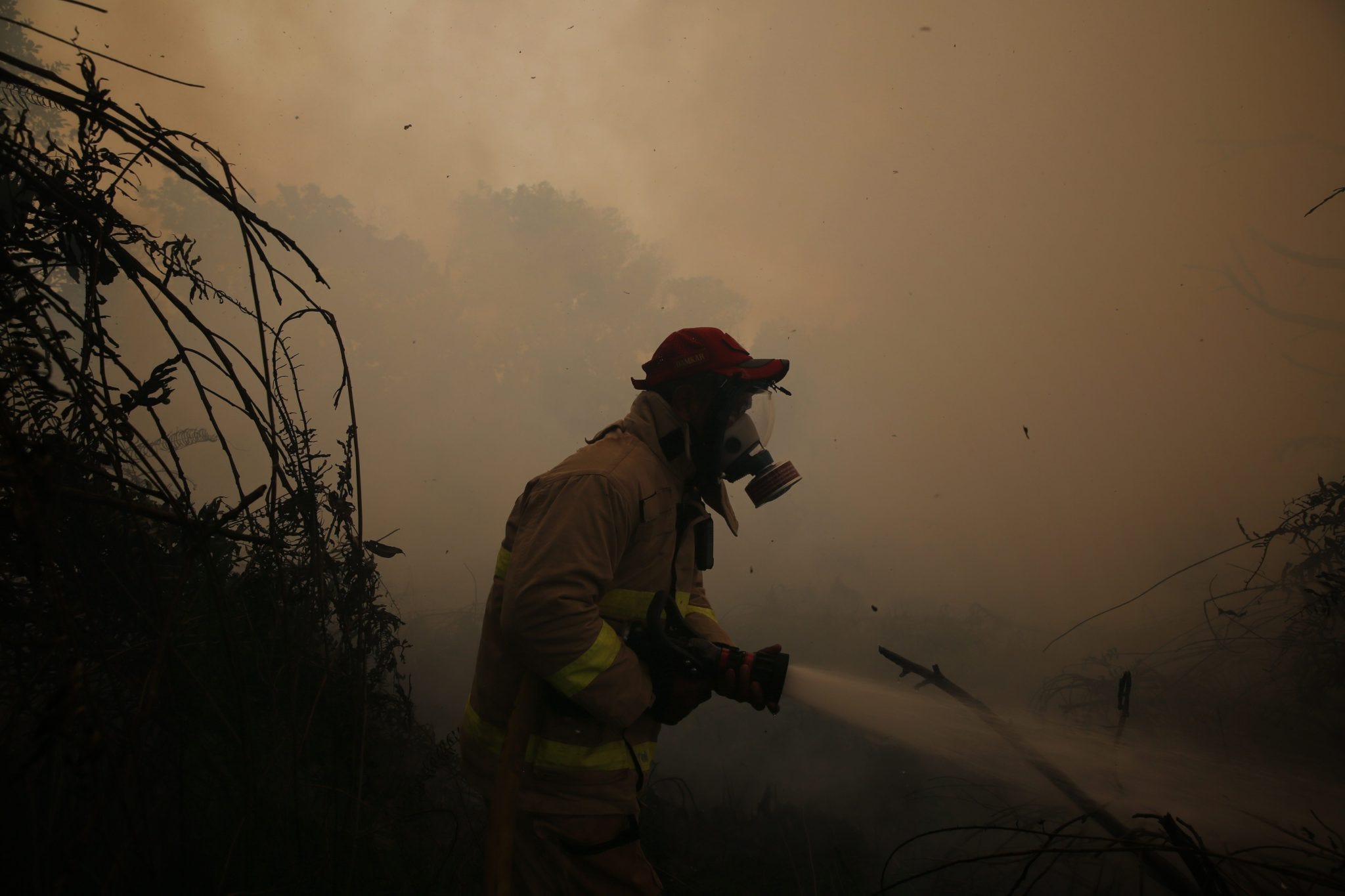
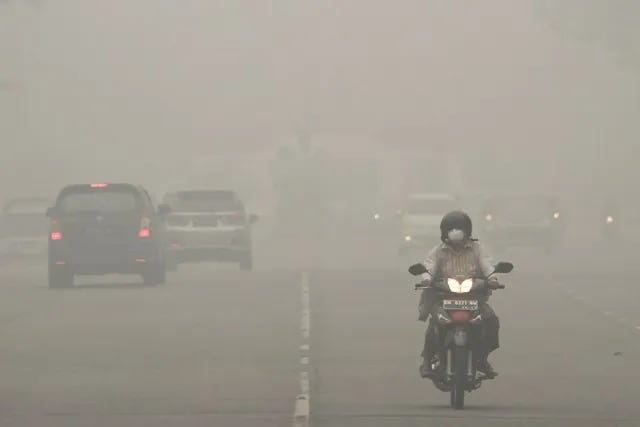
Indonesia is burning again, and with it, the region is suffocating. As of 27 August 2026, the ASEAN Specialised Meteorological Centre has activated its highest transboundary haze alert (Level 3), with widespread smoke from Kalimantan and Sumatra drifting across the region.
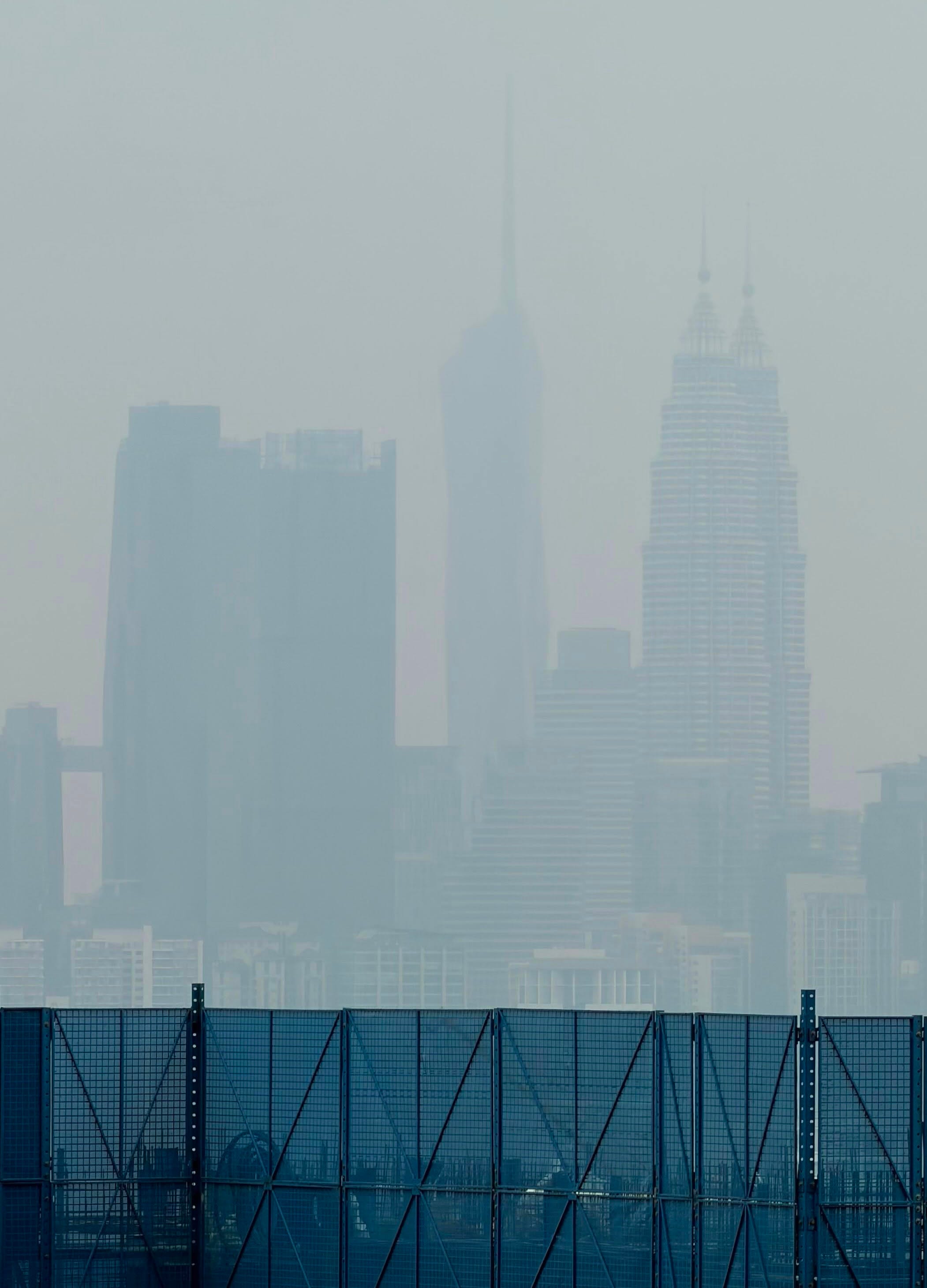
Four areas in Malaysia have recorded unhealthy API readings, and Singapore is bracing for a potential haze crisis.
Over 81,000 hectares have burned so far this year, and thousands of hotspots have been detected across Sumatra and Kalimantan. Yet the government’s response remains focused on reactive firefighting and cloud-seeding, while the structural drivers of the crisis: weak enforcement, corporate impunity, and cheap land-clearing practices remain largely untouched.
This is not merely a natural disaster. It is a policy failure. And the region is paying the price.
📡 Why It’s on Our Radar
The scale of this crisis is staggering, but what makes it worthy of sustained attention is not just the numbers—it’s the fact that this pattern has repeated itself for decades with no meaningful structural change.
What the data shows:
3.4 million people in seven provinces are at risk of acute respiratory infections (ISPA), with Palembang recording 9,313 ISPA cases in August alone.
202,000 hectares of land burned between January and July 2026—a figure that already exceeds the totals of previous El Niño years.
Indonesia has deployed thousands of personnel and water-bombing aircraft, but containment remains a challenge due to difficult terrain and shrinking water supplies.
The government has arrested 72 individuals suspected of illegal burning and is investigating four companies in West Kalimantan.
President Prabowo Subianto has vowed to “go after” corporations if proven guilty, warning of licence revocations and heavy fines. But promises are not policies. And history suggests these threats rarely materialise into meaningful action.
Curious about the broader climate crisis behind the haze? Read more: Southeast Asia's dangerous heat and haze crisis.
⚠️ What’s at Stake
❤️🩹 Public Health
Across Indonesia, Malaysia, and Singapore, the haze is causing a surge in respiratory illnesses. Indonesia’s Ministry of Health has distributed over 260,000 masks and urged online learning in affected areas.
In Malaysia, four areas recorded unhealthy API readings, with Samarahan in Sarawak hitting 164. Singapore has activated its haze preparedness plans, with nursing homes and preschools preparing for vulnerable groups.
Yet these are reactive measures. They do not prevent the crisis—they merely manage its symptoms.
👥 Regional Relations
Malaysia’s Deputy Prime Minister has called the situation “alarming” and warned that Indonesia’s credibility as a regional partner is at stake. The haze crisis is once again testing ASEAN’s capacity for cooperation, with mechanisms like the ASEAN Agreement on Transboundary Haze Pollution proving ineffective in practice.
🌿 Environmental Justice
WALHI’s data shows that hotspots are consistently concentrated within concession areas, yet enforcement remains weak. This is not just an environmental failure—it’s a failure of justice. Corporations that profit from land clearing are rarely held accountable, while smallholders are disproportionately blamed.
🌏 Country-by-Country Impact
🇮🇩 Indonesia
Hotspots: Thousands of hotspots detected across the archipelago
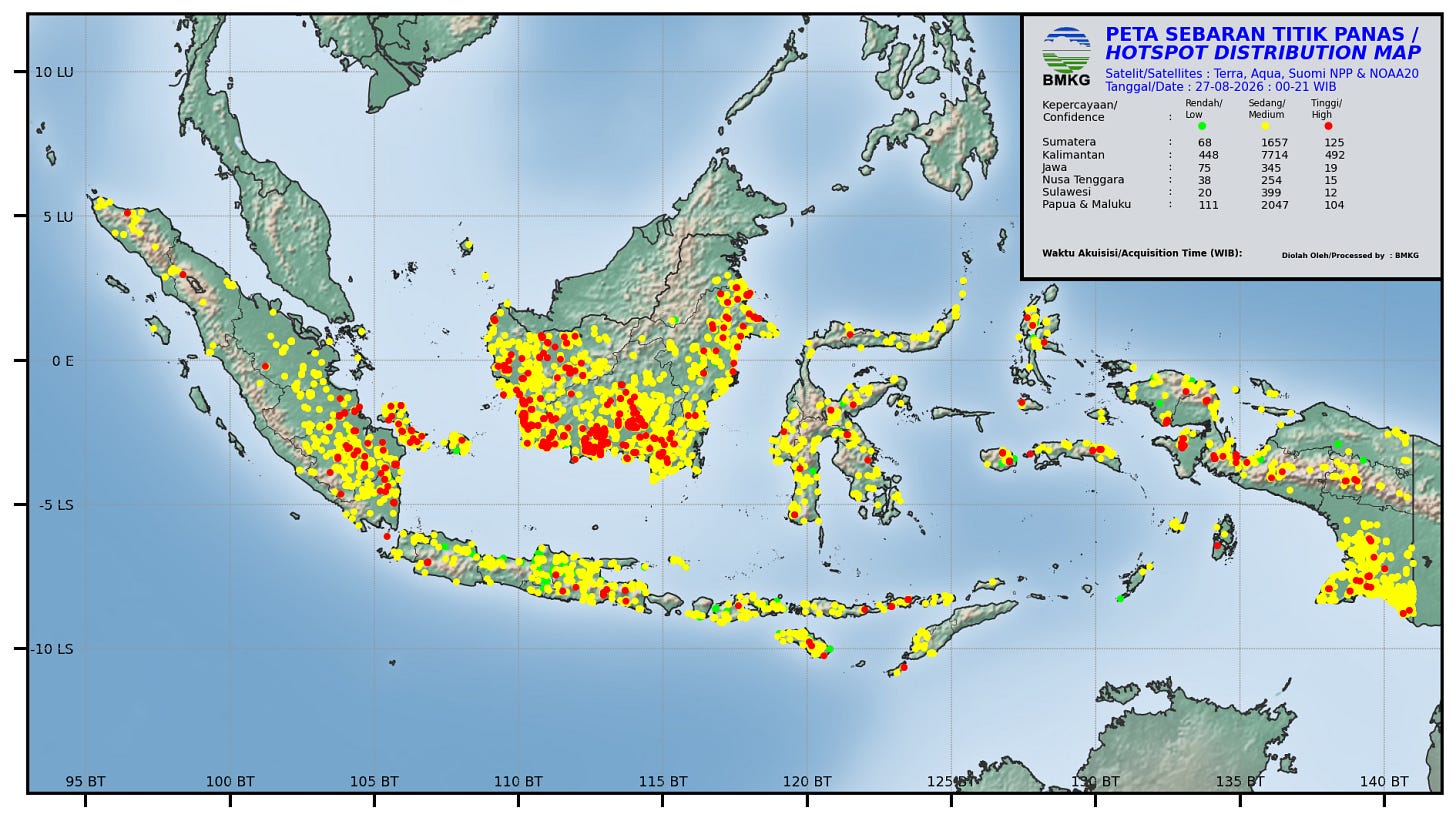
Thousands of hotspots across Indonesia were still visible in satellite imagery on August 27, 2026. (Source: BMKG) Health: Millions people at risk of ISPA
Education: Online learning urged in affected areas
Response: Dozens of arrests, several companies under investigation, water-bombing operations ongoing
🇲🇾 Malaysia
Air Quality: Four areas recorded unhealthy API readings as of 27 August
Highest API: Samarahan (164), IPD Serian (162), Sri Aman (155), Cheras (117)
National Day Parade: Penang may cancel if haze worsens (API > 200)
Health Response: Ministry of Health preparing for surge in haze-related cases
Diplomatic Action: Malaysia and Brunei to raise haze issue at ASEAN
🇸🇬 Singapore
Air Quality: Moderate PSI (56-64) as of 27 August, but precautions activated
Preparedness: Nursing homes, preschools, and construction firms preparing for vulnerable groups
Care Packs: Singapore Red Cross to distribute supplies to 1,000 families from 16 September
Haze Ward: Thye Hua Kwan Nursing Home prepared a four-bed haze room with air-filtration system
Worker Protection: Construction firms identifying vulnerable workers and securing N95 masks
🌏 Regional (ASEAN)
ASMC Alert: Level 3 activated (highest alert) for southern ASEAN
ASEAN Response: Expressed concern and called for cooperation
Indonesia-Malaysia Cooperation: Indonesia allowed Malaysia to conduct cloud-seeding operations over its territory, marking a diplomatic breakthrough
🔍 The Root Causes: Why the System Fails
Cheap Land Clearing
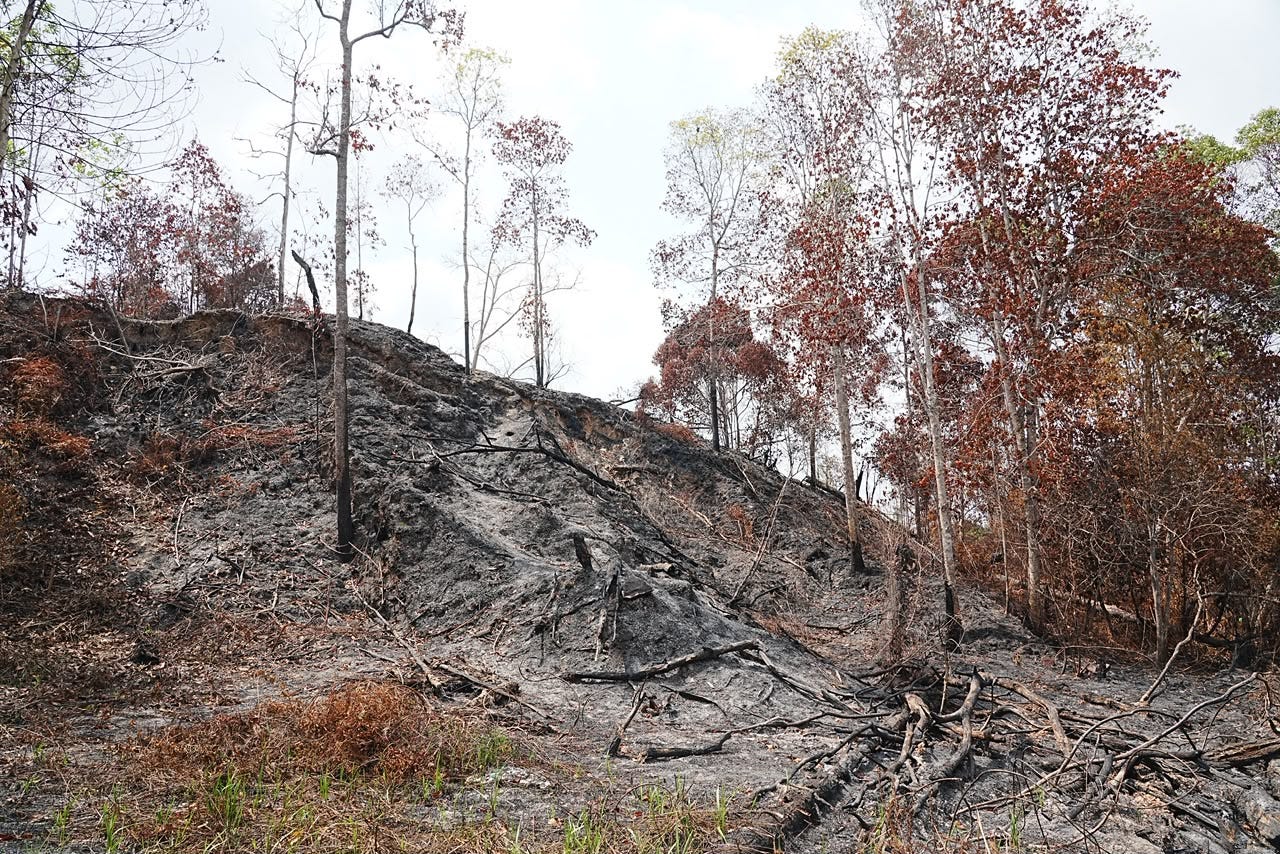
Fire is the cheapest way to clear land for agriculture and plantations. Until this changes, the fires will continue.
Peatland Degradation
Drained peatlands are highly combustible. Once they catch fire, they burn underground for months, releasing vast amounts of carbon and toxic smoke. Restoration efforts have been insufficient to match the scale of degradation.
Weak Enforcement
Despite regulations, enforcement remains weak, and companies act with impunity. Indonesia’s record of prosecuting corporations for environmental crimes is poor, and legal processes often drag on for years.
The Accountability Gap
President Prabowo’s promise to revoke licences and impose fines is welcome, but past efforts have failed. The government must demonstrate that it is willing to act decisively and without fear or favour.
🌏 The Regional Stakes: A Test for ASEAN Cooperation
The haze crisis is a critical test of ASEAN’s ability to address transboundary environmental issues effectively.
The bloc has mechanisms for cooperation, including the ASEAN Agreement on Transboundary Haze Pollution, but the recurring nature of the problem shows that implementation remains a challenge.
Key points:
Indonesia’s burden: Indonesia bears the primary responsibility for preventing and fighting the fires on its territory. The scale of the problem strains its national capacity.
Neighbouring countries’ vulnerability: Malaysia and Singapore are at the mercy of Indonesia’s firefighting efforts and wind patterns, underscoring their vulnerability to the actions of a neighbour.
The limits of diplomacy: While cloud-seeding operations and diplomatic discussions are important, they are short-term fixes. A true solution requires sustained political will and a significant shift in land-use practices in Indonesia.
🏠 Why This Hits Home
For ordinary citizens across Southeast Asia, the haze is not just a news story—it is a health emergency and a disruption to daily life.
Children, the elderly, and those with pre-existing conditions are most vulnerable. Schools are closed, outdoor activities are restricted, and millions are at risk of respiratory illnesses.
The anxiety and helplessness felt by communities across the region are compounded by the knowledge that this crisis is preventable.
🛑 The Failure of Bans and Reactionary Measures
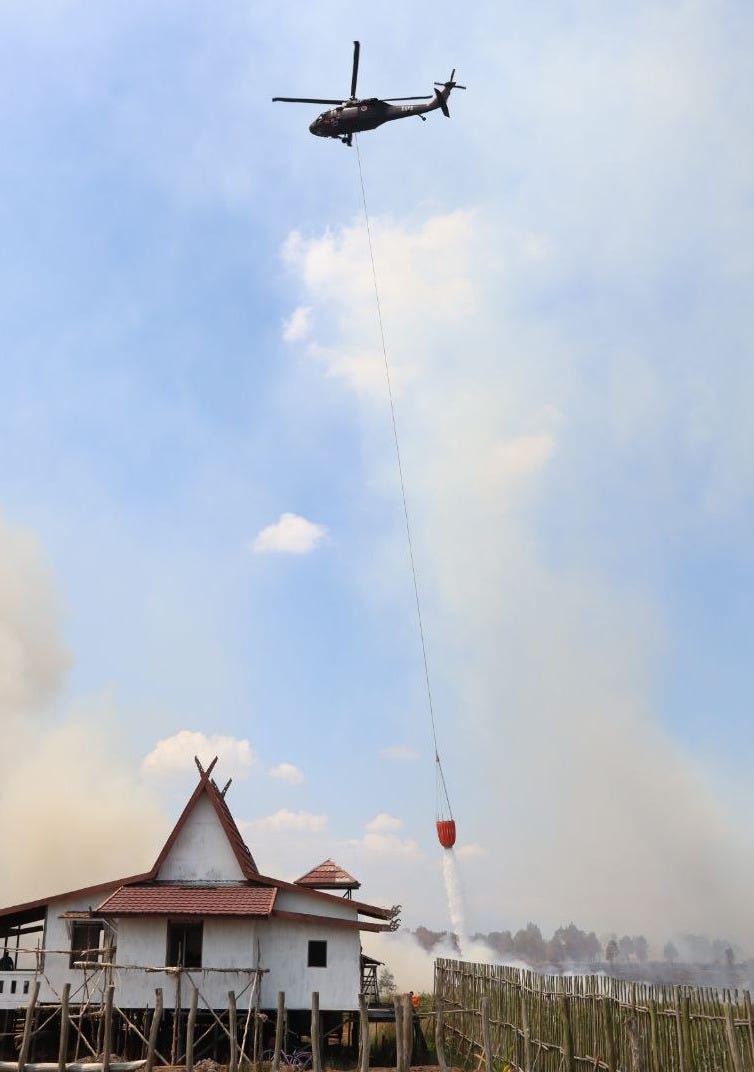
Reactive measures, such as cloud-seeding and water-bombing, are not a solution.
The cycle of fires and haze will continue as long as the economic incentives for land clearing remain.
The real solution requires:
Stronger enforcement: Holding companies and individuals accountable for illegal land-clearing. The government must be willing to prosecute and penalise offenders, regardless of their political or economic power.
Sustainable land management: Ending the practice of draining peatlands and promoting sustainable agriculture. This requires significant investment in alternative land-use practices and restoration efforts.
Transparency: Companies must be transparent about their supply chains, and there must be accountability for those who contribute to the problem. The government should make concession data publicly available to enable independent monitoring.
Economic alternatives: Providing farmers and communities with alternatives to burning. This requires investment in rural development and support for sustainable livelihoods.
🏁 The Bottom Line
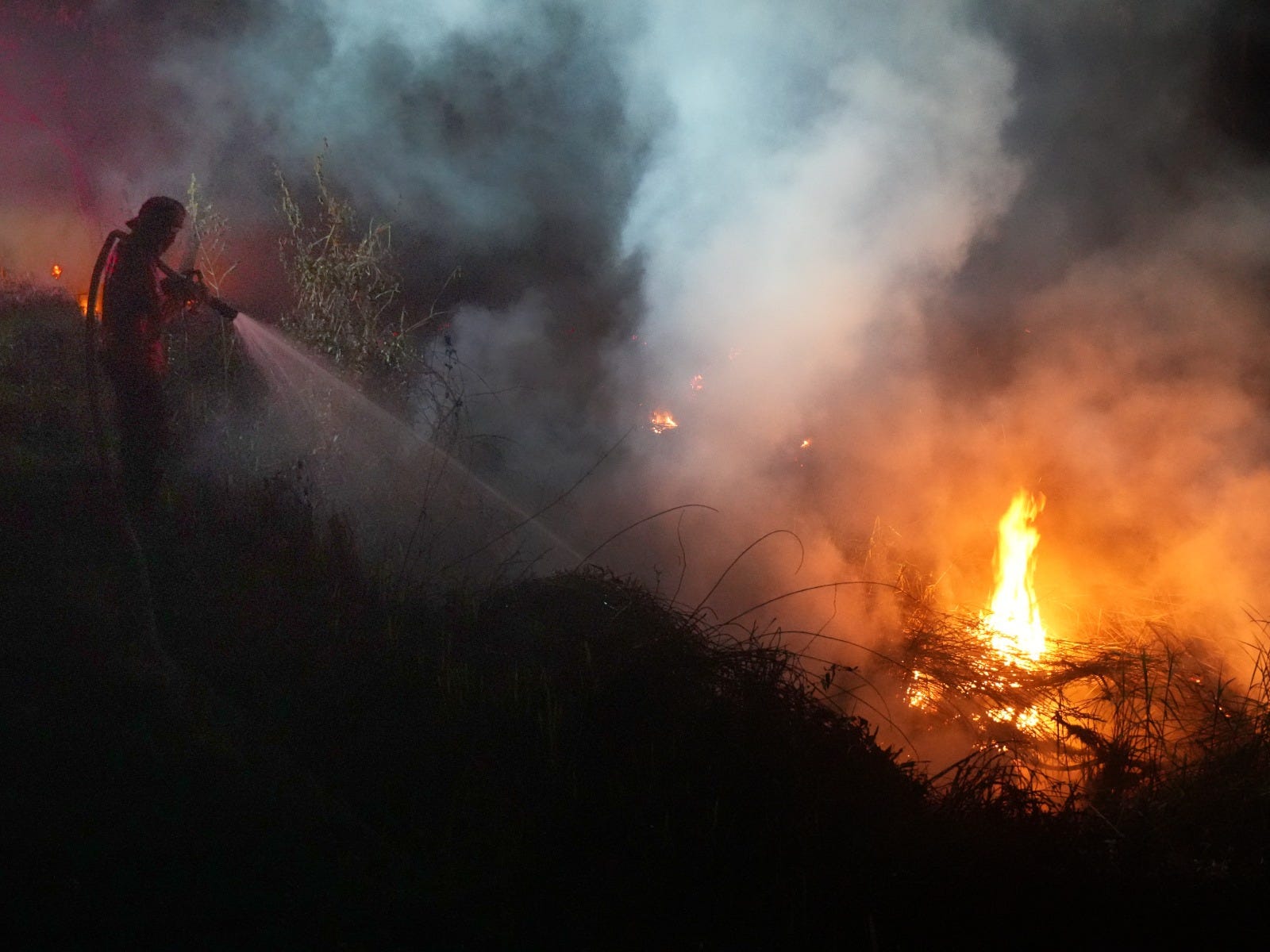
Indonesia’s wildfire crisis is a regional tragedy, causing severe health and environmental consequences and testing the limits of ASEAN cooperation.
The haze is a symptom of a failure to implement sustainable land management and enforce existing laws.
The haze is not a one-off event but a recurring crisis that will continue until the underlying causes are addressed.
Each year, the region braces for the same cycle of fires, smoke, diplomatic tension, and health emergencies. Without a fundamental shift in how land is managed and how laws are enforced, the pattern will repeat indefinitely.
While Indonesia bears the primary responsibility for preventing and fighting the fires on its territory, the problem is a regional one that requires a collective response.
Neighbouring countries like Malaysia and Singapore are at the mercy of wind patterns and Indonesia’s firefighting efforts, underscoring their vulnerability.
ASEAN has mechanisms for cooperation, but the recurring nature of the crisis shows that implementation remains a challenge.
The solution lies in addressing the root causes of the fires—land-use practices and weak enforcement—not just reacting to the smoke. Reactive measures such as cloud-seeding and diplomatic discussions are short-term fixes. True prevention requires stronger enforcement against illegal burning, sustainable land management that ends peatland drainage, corporate accountability, and providing economic alternatives to farmers who currently rely on fire to clear land.
The fires will eventually be extinguished, but the haze will likely return next year unless Indonesia and its ASEAN partners commit to a more aggressive and sustained effort to prevent them.
The question is whether the region will continue to accept this annual cycle of crisis.
📰 Need More Angles?
AP Indonesia intensifies aerial firefighting as wildfire haze spreads to Malaysia
CNA Ahead of National Day celebrations, Malaysia to step up haze mitigation measures with Indonesia
CNA Prabowo orders permits to be revoked for firms linked to Indonesia forest fires
Jakarta Post, The Malaysia, Brunei to raise cross-border haze issue at ASEAN
Jakarta Post, The Pressure piles on Indonesia to contain wildfire haze
Star, The Health Ministry prepares for surge in haze-related cases
Strait Times, The Coconut water distribution, haze ward among S’pore’s precautions to deal with air pollution
South China Morning Post As toxic haze spreads, can Indonesia make land burners pay?
#IndonesiaFires #HazeCrisis #SoutheastAsia #TransboundaryHaze #ASEAN #ElNino #Wildfire #AirPollution #Kalimantan #Sumatra #ClimateCrisis #PublicHealth #CloudSeeding #Peatland
(ELS/QOB)