



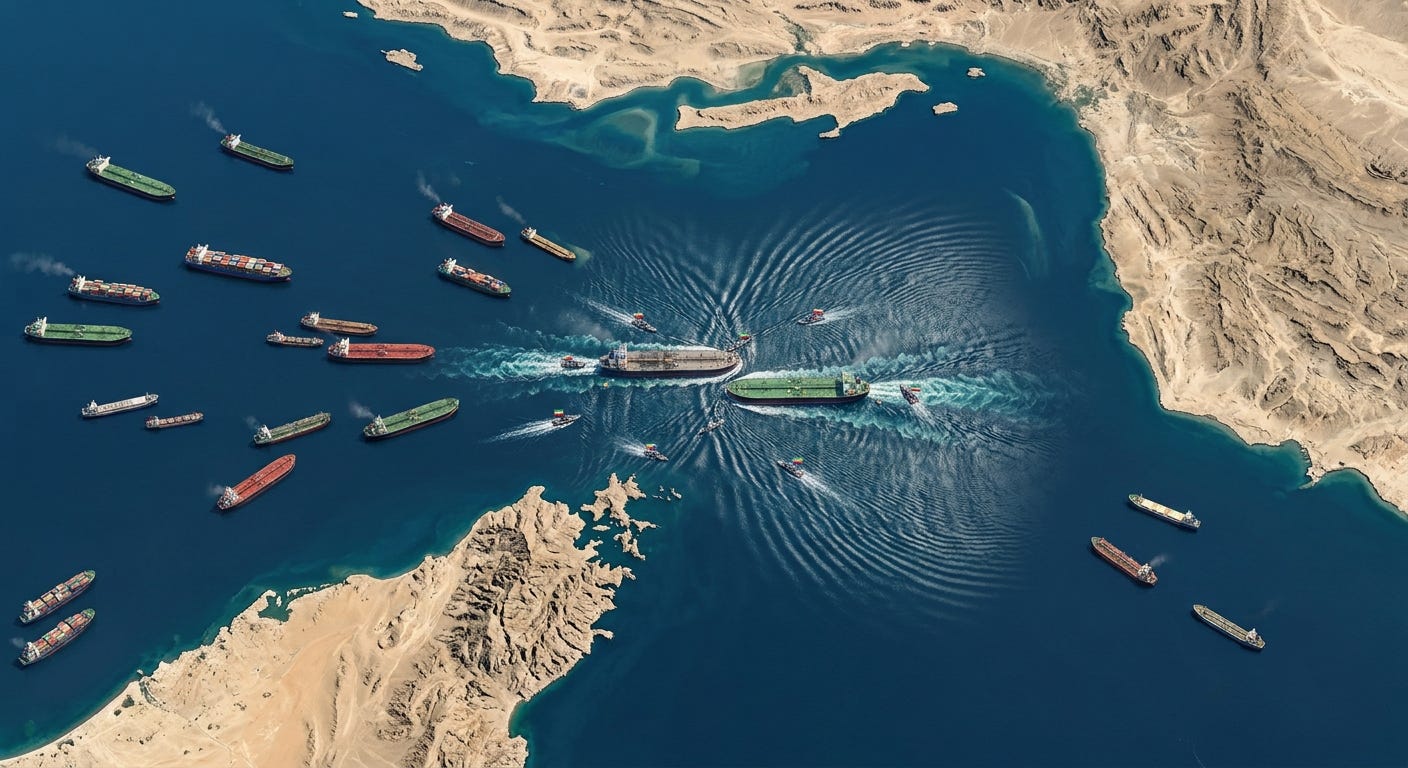
🎯 The Main Takeaway
The Asia Group released its latest report, “No Safe Harbor: Asia’s Continued Exposure to the Strait of Hormuz,” on June 29.
The report provides an in-depth analysis of how disruptions in the Strait of Hormuz could affect major Asian economies across key sectors in the short, medium, and long-term periods.
The assessment is expected to help governments, businesses, central banks, and policymakers prepare response strategies and scenario plans to reduce potential risks and ease the impact of a possible crisis.
📡 Why It’s on Our Radar
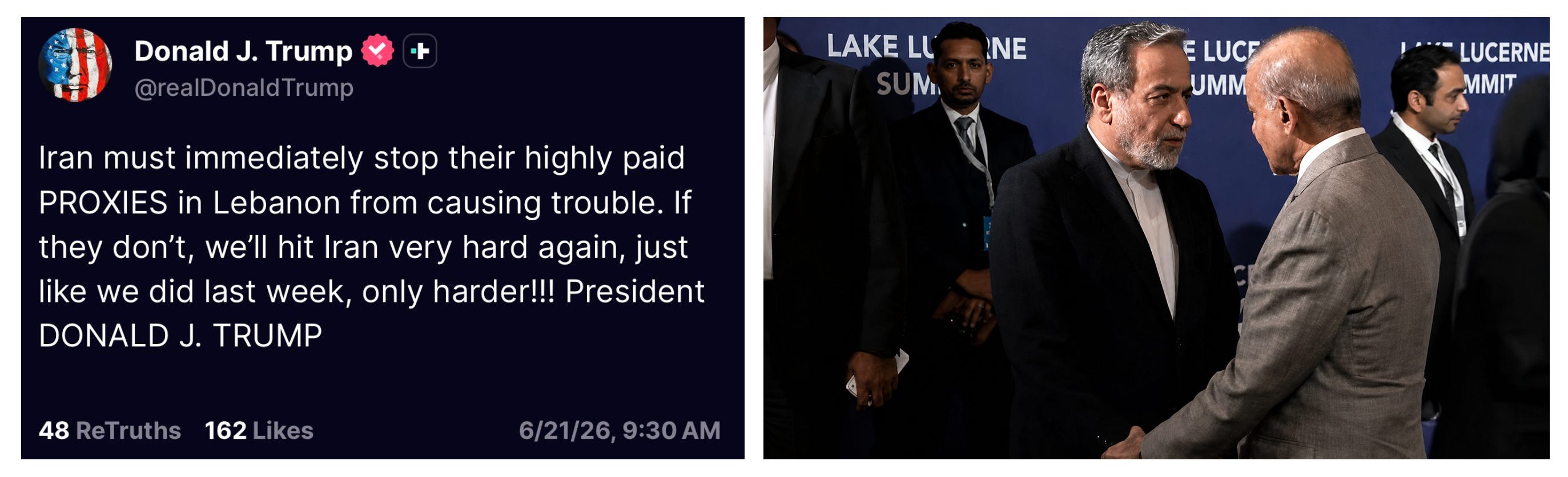
Iran has announced plans to close the Strait of Hormuz again, after its delegation walked out of the U.S.-Iran peace talks on Monday (6/22) in Bürgenstock, Switzerland.
The negotiations, mediated by Pakistan and Qatar, ended after Iran protested the U.S. President Donald Trump’s threat to resume attacks on the Islamic Republic if Hezbollah’s actions in Lebanon continue.
Iran has temporarily closed the Strait of Hormuz to international shipping, including oil tankers and commercial vessels since the conflict began, following the killing of Iran’s Supreme Leader Ali Khamenei on February 28.
The restrictions have continued through the fragile U.S.-Iran and Israel-Lebanon ceasefire, along with fragile peace talks in April, as well as the escalating tensions over alleged Israeli attacks on Lebanon in June.
Any ship wishing to pass through or transit the Strait of Hormuz must coordinate with the Islamic Revolutionary Guard Corps (IRGC) and pay a service fee to receive a designated safe-passage route from the authorities.
⭐ However...
Both sides agreed to continue negotiations over the future of the Strait of Hormuz, after signing a Memorandum of Understanding (MoU) on June 17, to extend the ceasefire for another 60 days.
During this period, Iran agreed to allow ships to transit the Strait of Hormuz free of charge, subject to strict security protocols and monitoring.
However, the negotiations are currently on hold and are continuing through indirect talks in Doha, with Qatar serving as the mediator.
In addition, the negotiations also include discussions on the release of Iran’s USD 6 billion in frozen assets, sanctions relief, and the continuation of its nuclear program.
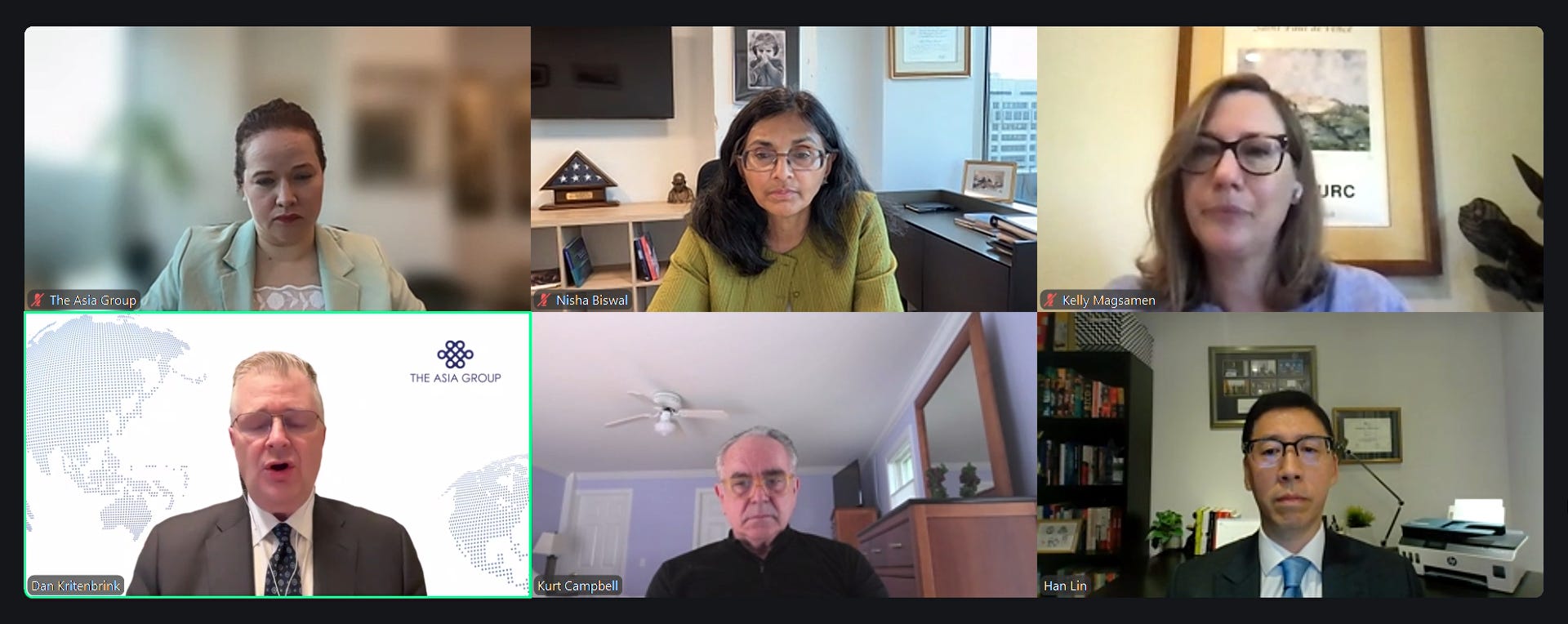
“The Strait is really not just about oil. This is not just an oil story. You know, this is really about the inputs to all of the major economies in the world, including the United States. And so this is not just an energy shock. This is an industrial supply chain shock that’s going to continue to unfold over time and across many different sectors that you wouldn’t expect.“ - Kelly Magsamen, Senior Advisor, The Asia Group; former DoD Chief of Staff.
⚠️ Why It Matters?
The Strait of Hormuz is the world’s most important energy chokepoint. Around 25% of global oil and 20% of liquefied natural gas (LNG) shipments pass through the strait, with up to 90% of these exports destined for Asian markets. Supply disruptions could increase the risk of energy shortages and crises in many countries.
Beyond oil and gas, the Strait of Hormuz is also a key transit route for petrochemicals, plastics, aluminum, helium, and sulfur. These commodities are essential raw materials for the manufacturing, agriculture, and consumer goods industries, making the strait critical to global supply chains and economic stability.
📉 As the Result...
Any disruption in the Strait of Hormuz could trigger widespread disruptions across global supply chains, affecting multiple sectors, including:
Artificial Intelligence: AI depends on semiconductors, copper, aluminum, steel, and helium to produce microchips and build data centers. Qatar supplies around 30% of the world’s helium, so any disruption could slow AI development and data center expansion.
Clean Energy: The EV industry needs nickel, lithium, cobalt, manganese, graphite, steel, and aluminum to make batteries and vehicles. Supply disruptions could slow EV production and the clean energy transition.
Medicine and Healthcare: India supplies around 20% of the world’s generic medicines, including key Active Pharmaceutical Ingredients (APIs). Supply chain disruptions could delay the production and delivery of essential medicines and medical products worldwide.
Metals and Critical Minerals: Around 25% of the world’s sulfur is produced by Gulf countries, and about 50% of global sulfur trade passes through the Strait of Hormuz. Sulfur is essential for processing critical minerals used in the electric and manufacturing industries.
These conditions could push up the prices of energy, commodities, and raw materials, leading to higher inflation. As a result, financial markets could become more volatile, business competitiveness could decline, investment could slow, and economic growth could weaken, particularly across Asia.
“The first thing that businesses will do, will seek to basically raise internal stockpiles. And so that means that some degree of shortages in inflation would continue, and higher prices almost no matter what. And so that’s probably the first element of strategy that businesses would follow.” - Kurt Campbell, Chairman & Co-Founder, The Asia Group; former U.S. Deputy Secretary of State.
🧭 The Big Picture
The report examines the macroeconomic, political, and geopolitical repercussions of a potential closure of the Strait of Hormuz, as well as its impact on Asia’s manufacturing, agriculture, and energy sectors.
To provide a more focused analysis, the research covers Asia’s four largest economies—China, India, Japan, and South Korea—as well as five major Southeast Asian emerging economies: Indonesia, Malaysia, the Philippines, Thailand, and Vietnam.
🏡 Why This Hits Home?
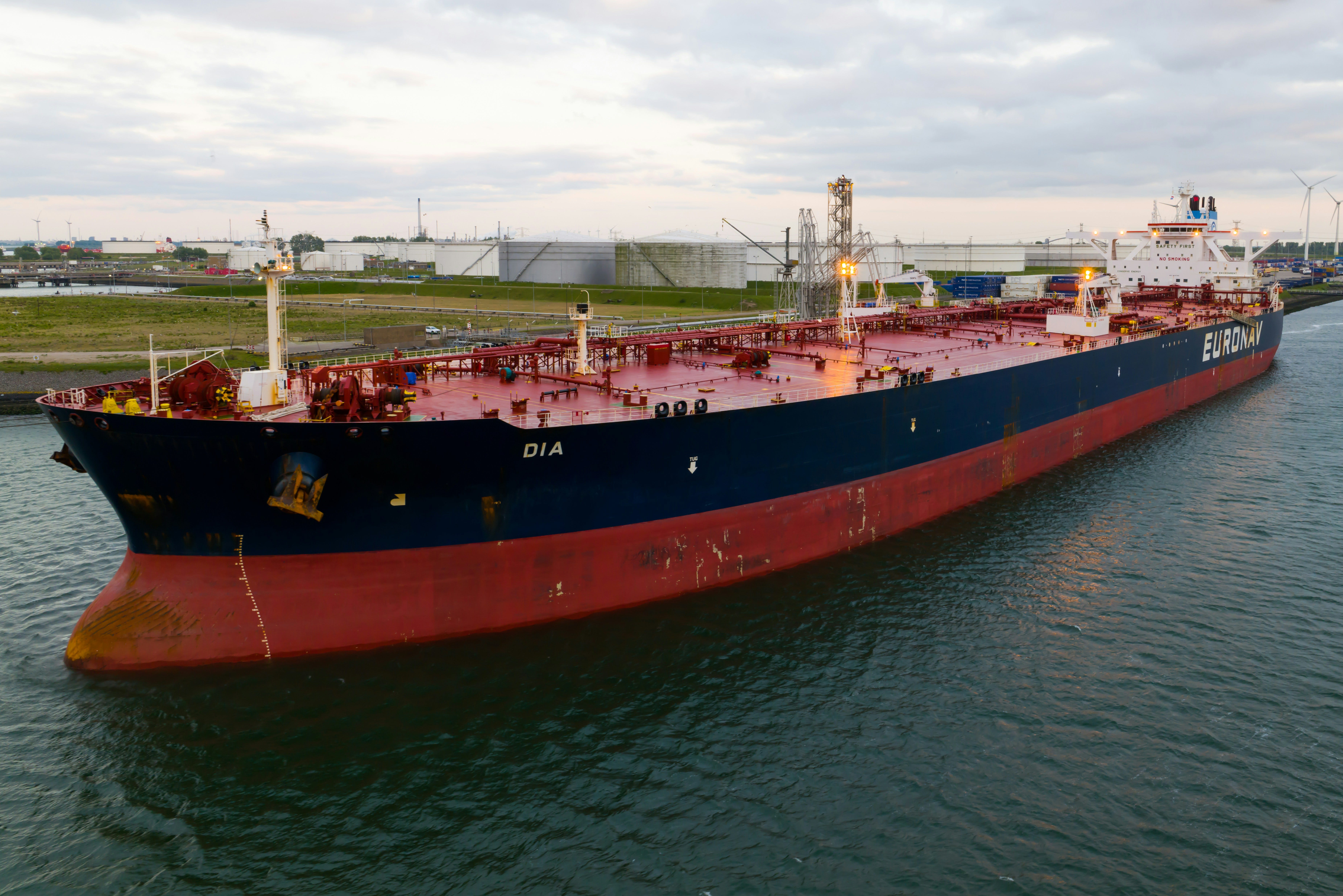
Southeast Asia relies heavily on the Strait of Hormuz for its energy supply. Around 60% of the region’s crude oil and 30% of its liquefied natural gas (LNG) are imported from West Asia and the Arabian Peninsula, through this key shipping route.
Any disruption could increase the risk of an energy crisis and put more pressure on government budgets. As oil and gas prices rise because of tighter supply, governments may need to spend more on fuel subsidies to keep domestic energy prices stable.
A closure of the Strait of Hormuz could also hurt Southeast Asia’s manufacturing sector. Higher shipping costs and supply chain disruptions would increase production costs and slow industrial activity.
In addition, countries such as Indonesia, Thailand, the Philippines, and Vietnam export key raw materials—including nickel, lithium, cobalt, rubber, coal, palm oil, rice, coffee, filament, and fiber—that support industries such as automotive, agriculture, food, textiles, energy, and manufacturing across Asia and the world.
🌍 The Insights on Southeast Asia
The report highlights several key insights for Southeast Asia, including:
Growing Fiscal Challenges: Southeast Asian countries have fewer financial resources and commodity reserves than Asia’s advanced economies. As energy prices rise, governments may have to spend more on fuel subsidies, putting greater pressure on state budgets.
Growing Cost Pressures: Rising energy prices are increasing costs across Southeast Asia for manufacturing, logistics, and construction. As living costs continue to rise, inflation could also create political pressure in several countries.
Growing Manufacturing Challenges: Southeast Asia remains an attractive manufacturing hub, but its reliance on imported energy could reduce its competitiveness. Countries that diversify their energy supply will be better positioned to attract investment.
Shifting Foreign Policy: As the conflict impacts the economy, Southeast Asian governments are adopting a more balanced stance between the United States and China. Many countries are also strengthening ties with other regional partners to protect their economic and strategic interests.
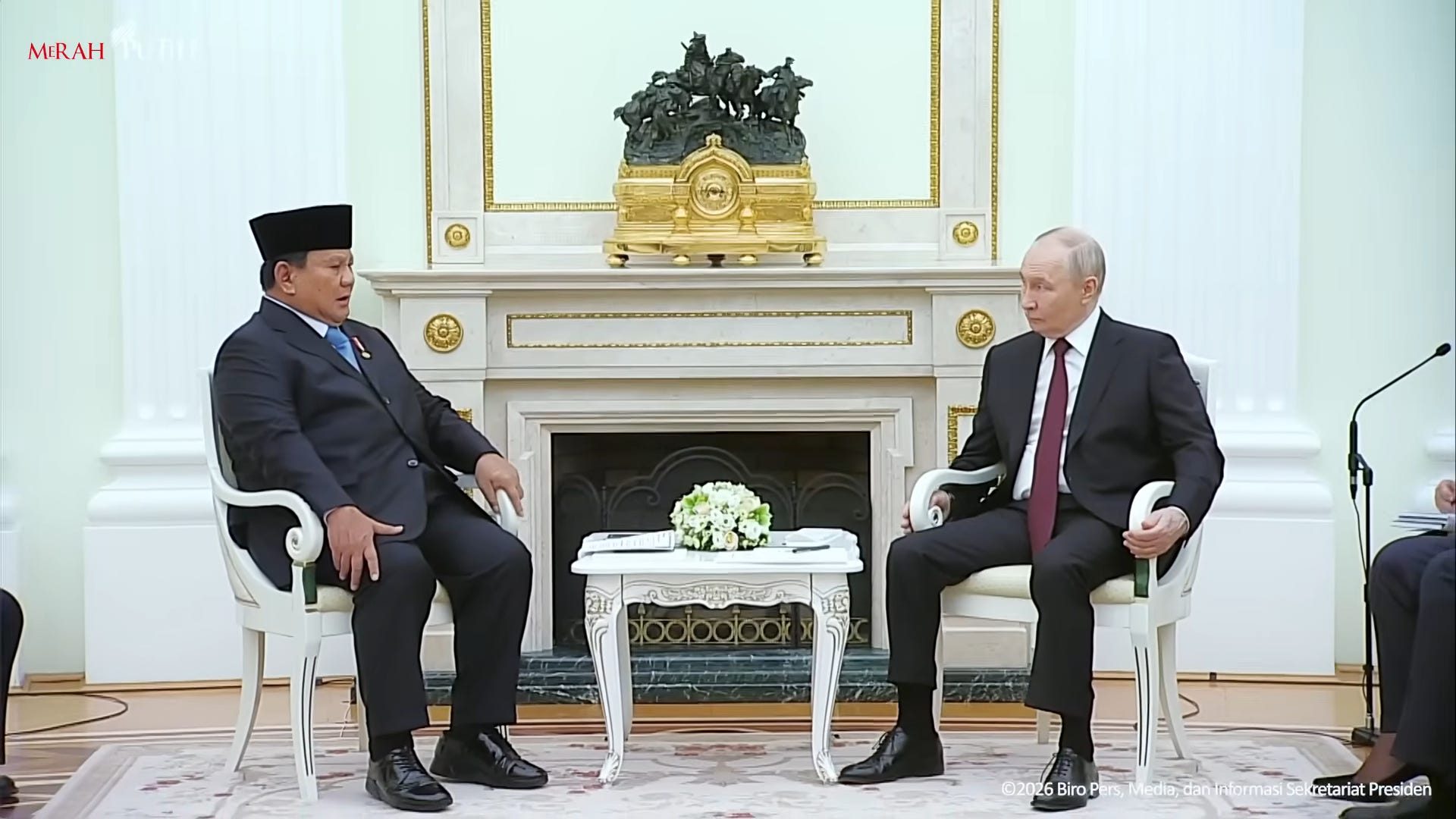
🇮🇩 Indonesia: The Energy Challenge
Indonesia has diversified its energy sources, but the Strait of Hormuz crisis has exposed its vulnerability as a net energy importer. Rising global oil prices continue to put pressure on the country’s energy supply and economy.
To keep domestic fuel prices stable, the government has committed around USD 14 billion in fuel subsidies. It has also proposed increasing royalties on coal, nickel, and several other commodities to generate an additional USD 8.9 billion in state revenue.
While these measures have increased pressure on the state budget and raised concerns about fiscal sustainability and investor confidence, they are expected to support economic growth. Indonesia’s GDP growth forecast for 2026 has been revised up from 4.9% before the conflict to 5.0%, while inflation is projected to rise slightly from 2.9% to 3.0%.
🇲🇾 Malaysia: The Fiscal Pressure
Malaysia is better protected than many Southeast Asian countries, because it is a net energy exporter. However, rising LNG prices and crude oil supply disruptions are putting pressure on its refining and petrochemical industries.
Higher energy prices have sharply increased the government’s fuel subsidy costs. Although Petronas benefits from stronger export revenues, the fuel subsidy bill has grown tenfold, creating significant pressure on the country’s fiscal budget.
Despite these challenges, Malaysia’s economic outlook has improved. The country’s GDP growth forecast for 2026 has been revised up from 4.0% before the conflict to 4.7%, while inflation is projected to ease slightly from 2.2% to 1.9%.
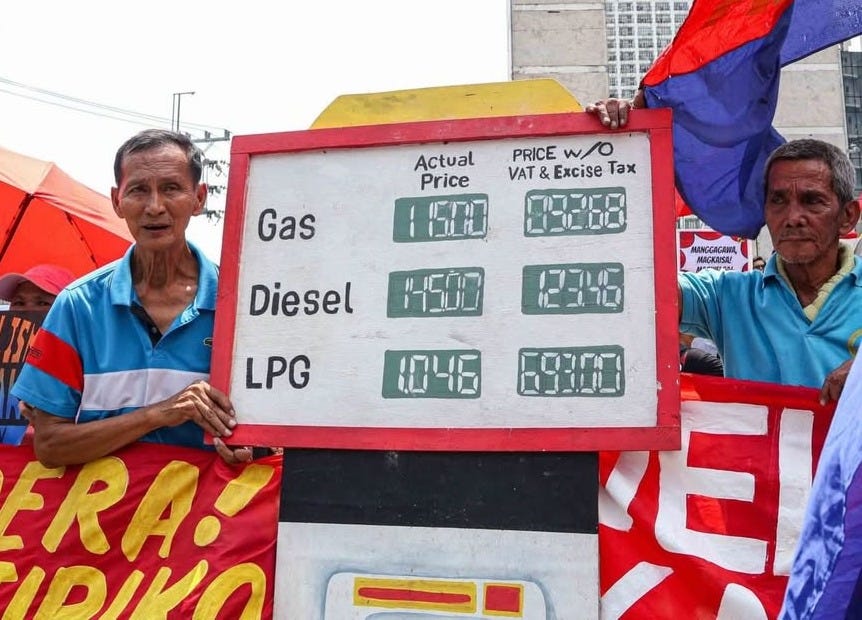
🇹🇭 Thailand: The Growth Challenge
Thailand entered the crisis with weak domestic demand and slower economic growth than many of its regional peers. The Strait of Hormuz crisis has added pressure by increasing living costs and weakening consumer confidence.
The crisis is unlikely to trigger major political instability, but it has added to public concerns over weak economic growth, high household debt, and rising prices. To support the economy, the government approved a USD 12.2 billion emergency borrowing package.
Despite these measures, Thailand’s GDP growth forecast for 2026 has been revised down from 1.6% before the conflict to 1.5%, while inflation is projected to rise slightly from 0.7% to 0.9%.
🇵🇭 The Philippines: The Energy Burden
The Philippines depends heavily on the West Asia and Arabian Peninsula for its oil supply, importing more than 95% of its crude oil from the region before the Strait of Hormuz crisis. Its economy also relies on remittances from overseas workers in the Gulf.
As fuel prices increased, the government declared a national energy emergency and provided USD 350 million in fuel and transport subsidies. Higher living costs have also forced many households to rely more on credit cards and short-term loans.
Despite these measures, the Philippines’ GDP growth forecast for 2026 has been revised down from 5.7% before the conflict to 4.1%, while inflation is projected to rise from 2.6% to 4.3%.
🇻🇳 Vietnam: The Energy Strategy
Vietnam has responded to the Strait of Hormuz crisis by expanding its strategic oil reserves, lowering fuel import tariffs, and diversifying its crude oil supplies. However, the country still faces challenges if the disruption continues for a long period.
To keep fuel prices stable, the government has cut fuel import tariffs and used its fuel price stabilization fund. However, higher inflation and energy costs could reduce investment in technology and advanced manufacturing industries.
Despite these challenges, Vietnam’s GDP growth forecast for 2026 has been revised up from 5.6% before the conflict to 7.1%, while inflation is projected to rise from 3.2% to 4.9%.
💡 The Solutions and Countermeasures
The Asia Group recommends several short- and long-term measures to help Southeast Asian countries maintain energy and commodity supplies and reduce the risk of future crises.
Short-term: Increase fuel subsidies through additional government funding or debt if necessary, and use strategic energy reserves to meet temporary demand and stabilize domestic prices.
Long-term: Diversify energy imports by expanding partnerships with suppliers in Russia, Africa, and other regions, while accelerating investment in renewable energy to reduce dependence on the Strait of Hormuz.
“I think the long-term game is all about diversification, and that’s sources of energy, that’s geographical sources of energy as well. I’ve seen many Southeast Asian leaders, for example, flying all over the world from the Middle East to North America to Russia and elsewhere to Africa to sign agreements to secure more diverse sources of energy. So these are the steps that I think countries are taking.” - Dan Kritenbrink, Partner, The Asia Group; former Assistant Secretary of State for East Asian and Pacific Affairs.
📌 The Bottom Line
The Strait of Hormuz is not only an energy route, but also a key link in global supply chains. Any disruption could affect industries ranging from artificial intelligence and clean energy to healthcare and manufacturing.
For Southeast Asia, the issue is not only how to respond to today’s crisis, but also how to prepare for the next one. Countries that build stronger energy security and more resilient supply chains will be better placed to protect growth, attract investment, and stay competitive.
🔍 Need More Angles?
Bloomberg Technoz Bahlil Buka Taktik Tutup Beban Subsidi BBM: Lewat Royalti Minerba
International Energy Agency Southeast Asia Energy Outlook 2026
International Monetary Fund World Economic Outlook: Global Economy in the Shadow of War
The Asia Group NO SAFE HARBOR: Asia's Continued Exposure to Disruptions in the Strait of Hormuz
(NGO/QOB)