



🪶 The Main Takeaway
The World Happiness Report reveals that although Nordic countries dominate global happiness rankings, Southeast Asia shows a distinct regional pattern: Singapore sits highest among ASEAN nations, while Vietnam, Thailand, the Philippines, and Malaysia perform solidly.
Indonesia, while lower in the ranking, reflects broader regional trends in social support and community wellbeing that aren’t fully captured by income measures.
🌏 Why It’s on Our Radar
The happiness index offers insight into the quality of life beyond economic output — a critical factor in Southeast Asia, where rapid economic growth often overshadows social well-being indicators.
With ASEAN aiming for sustainable, inclusive development, these results provide a valuable benchmark for policymakers and societies to consider wellbeing in future planning.
💡 What’s at Stake
🇫🇮🇩🇰🇸🇪 Global context: Nordic nations like Finland, Denmark, and Sweden again top the world happiness rankings — long associated with strong social support and trust.
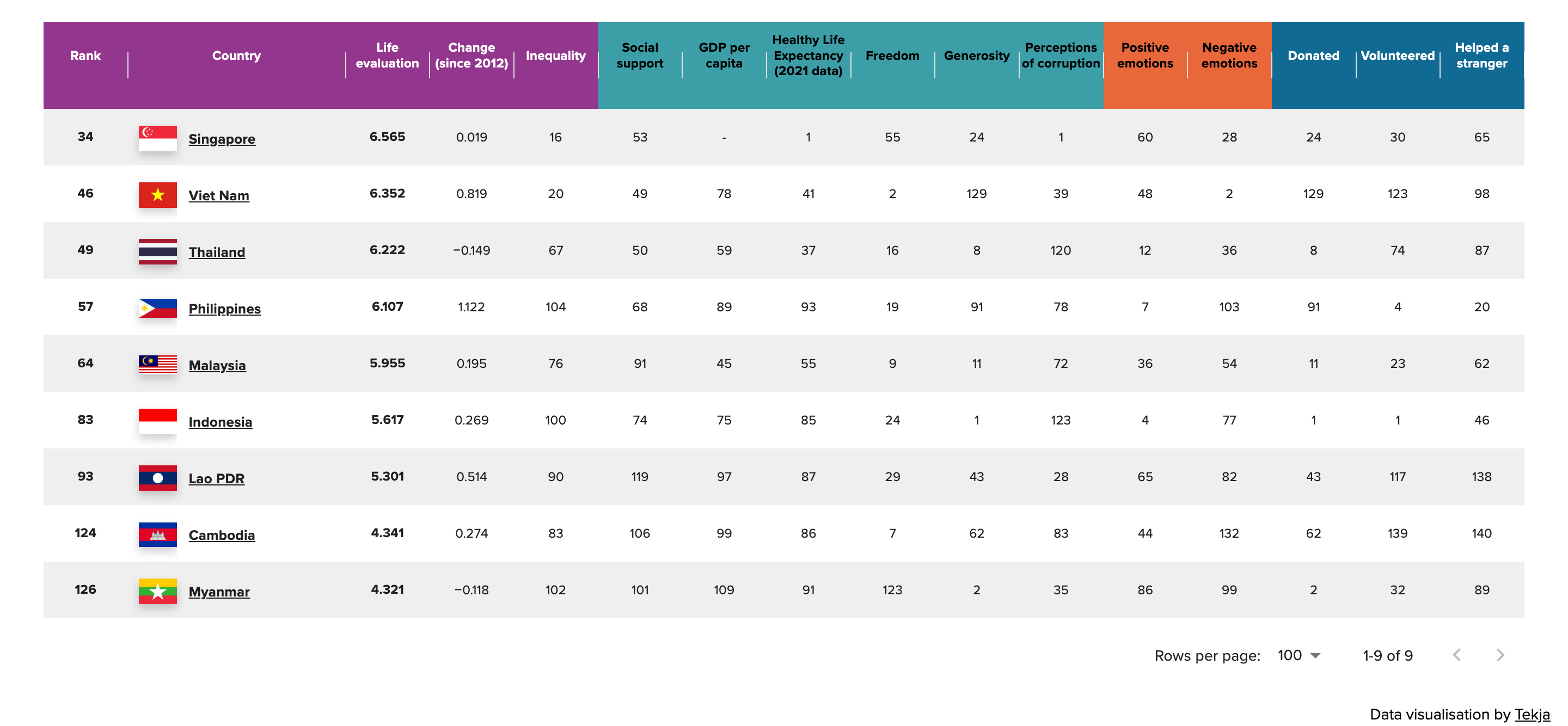
🇸🇬 Singapore ranks highest in Southeast Asia (in the mid-30s globally), reflecting strong governance, safety, and quality of life factors.
🇻🇳 Vietnam (rank ~46) and 🇹🇭 Thailand (rank ~49) show robust community wellbeing scores despite middle-income status.
🇵🇭 Philippines (rank ~57) and 🇲🇾 Malaysia (rank ~64) land solidly mid-tier, buoyed by strong social ties.
🇮🇩 Indonesia (rank ~83) trends lower than regional peers, prompting questions about urban pressures, inequality, and access to mental health resources.
While income per capita correlates with well-being in wealthy countries, in Southeast Asia, community ties, family networks, and cultural resilience often play a bigger role — a dynamic the raw GDP measures don’t fully describe.
📸 The Big Picture
Across the globe, countries with strong social support, trust in institutions, and solid work-life balance consistently appear near the top of happiness rankings.
In contrast, regions experiencing rapid transition, urbanization, and wage inequality often see more mixed results — even if economic growth is strong.
Southeast Asia presents a compelling case:
Social connection and family bonding are commonly cited in public surveys as key drivers of personal well-being — consistent with cultural norms such as extended-family living and shared meals.
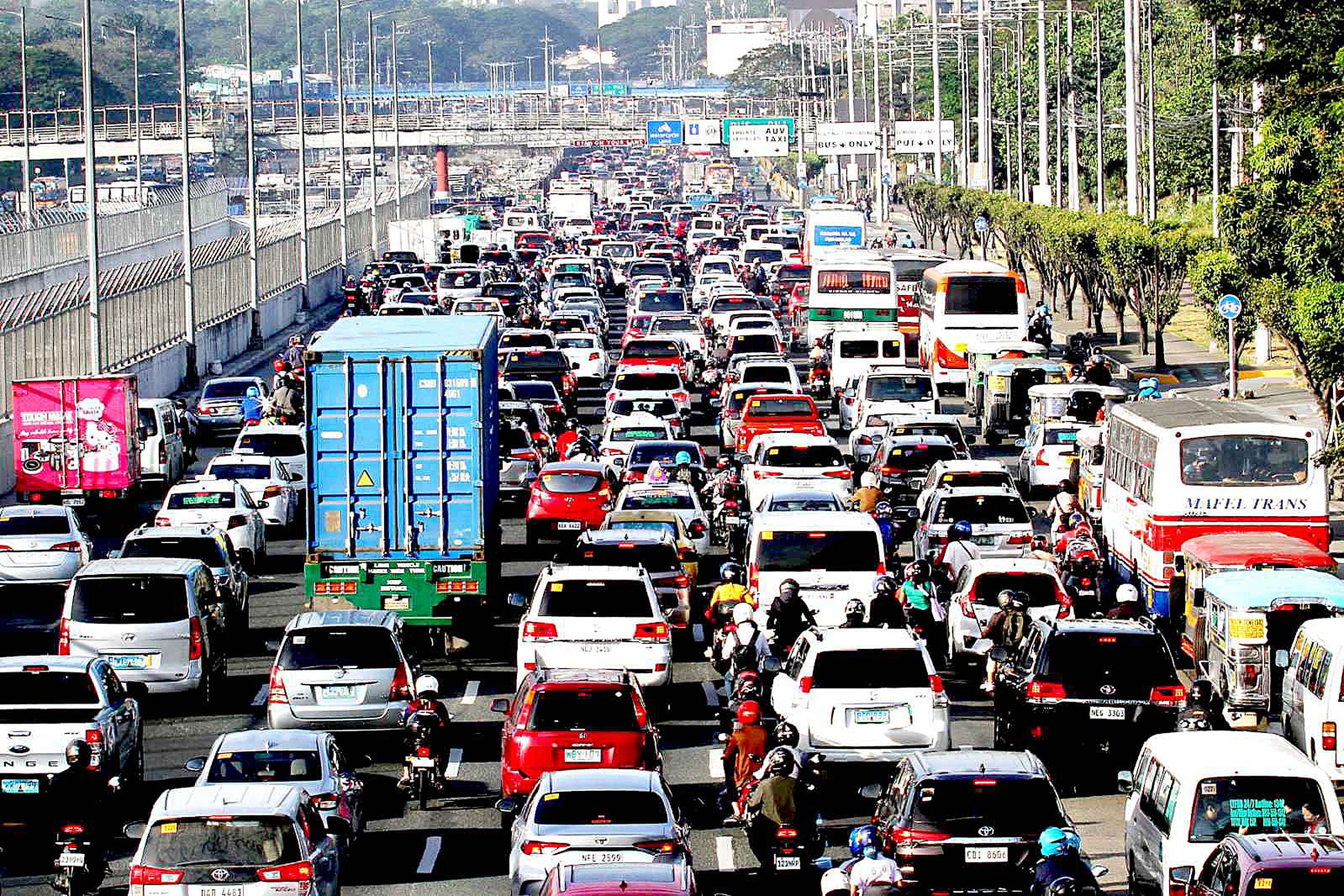
Urban stressors (traffic, housing costs, work hours) may temper overall life satisfaction scores despite economic gains.
Countries with hybrid welfare systems and strong informal support networks (e.g., Vietnam) often outperform their higher-income neighbors on life-satisfaction measures.
🌐 The Regional Stakes
For ASEAN nations, happiness rankings highlight how well-being priorities differ across societies:
In wealthier city-state contexts like Singapore, life satisfaction often reflects infrastructure, safety, and the quality of governance.
In middle-income economies such as Vietnam and Thailand, social cohesion and cultural values act as buffers against material insecurity.
Lower relative rankings in Indonesia suggest areas for investment in mental health services, employment quality, and urban policy to support sustained wellbeing.
Regional cooperation frameworks like the ASEAN Work Plan on Youth, Social Welfare, and Inclusive Development may find new resonance with this data, pointing to wellbeing as a shared policy agenda.
🏠 Why This Hits Home
Happiness data is more than just rankings — it speaks to how everyday life feels for millions across Southeast Asia. These figures underscore that:
Economic growth alone doesn’t guarantee happiness
Social support and cultural practices matter deeply
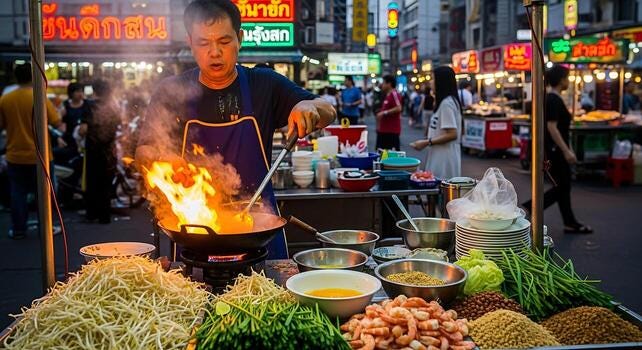
Nations with shared social rituals, tight community networks, and family structures often report stronger subjective well-being than income-based predictions would suggest.
For public policy thinkers, urban planners, and social innovators in ASEAN, the report encourages adding well-being indicators to future planning alongside GDP, infrastructure, and investment.
✨ Beyond the Headlines
🌍 Nordic countries dominate global happiness rankings again in 2025.
🇸🇬 Singapore is the happiest country in Southeast Asia.
🌱 Vietnam, Thailand,the Philippines, and Malaysia reflect strong community wellbeing amid middle-income growth.
🇮🇩 Indonesia’s lower ranking highlights areas for social policy focus and holistic development metrics in ASEAN.
📰 Need More Angles?
CNBC Singapore ranking and Asia context — CNBC coverage of Asia happiness trends
Diplomatic Press Agency World Happiness Report 2025: Finland remains the world’s happiest country — Press Agency.
Jagran Josh Global happiness context — Jagran Josh on the happiest countries worldwide
Time Out World Happiness Report 2025: Singapore ranks second in Asia — TimeOut Singapore.
World Happiness Report World Happiness Report 2025 global data
(VRG/QOB)