



🎯 The Main Takeaway
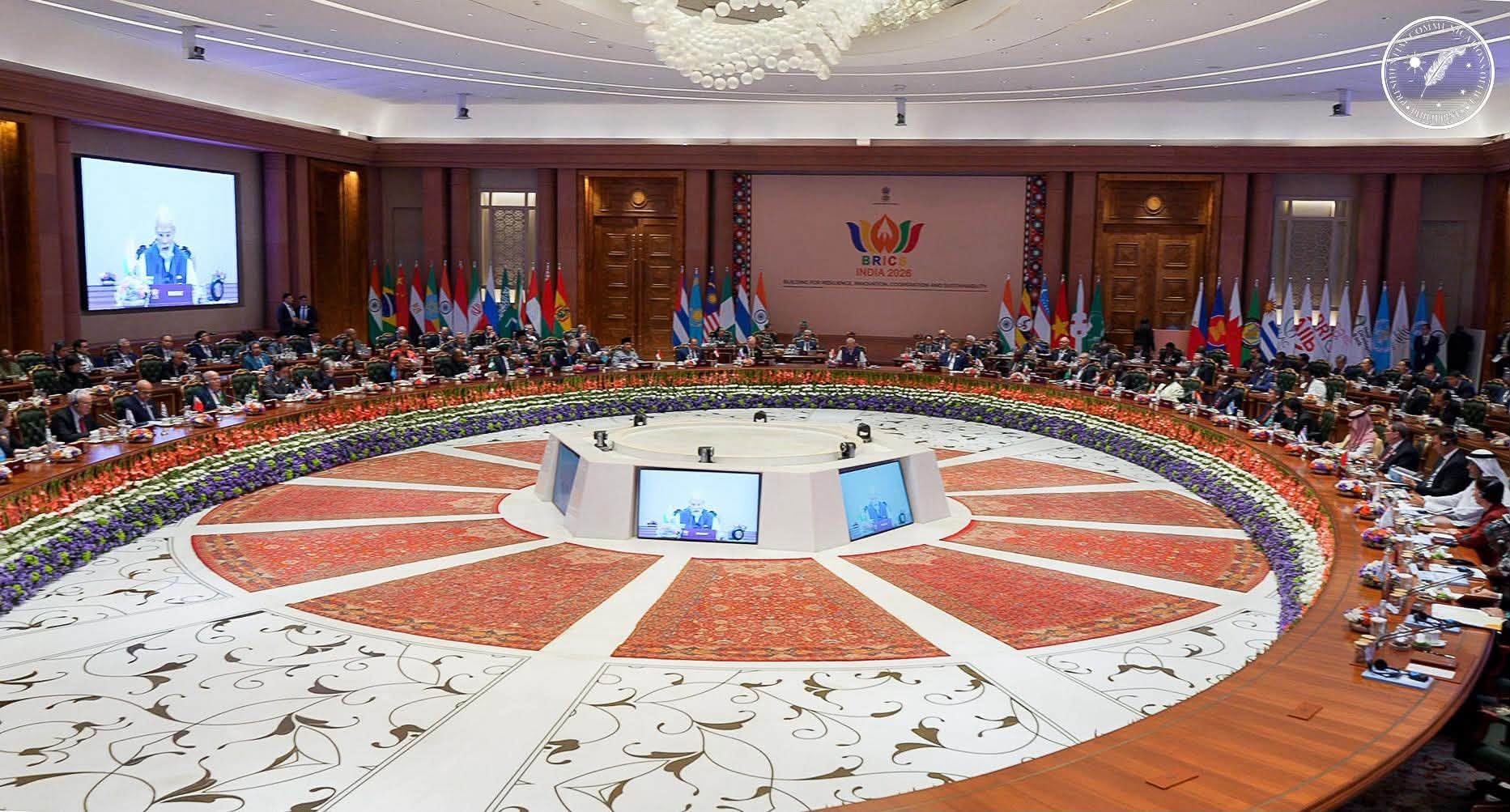
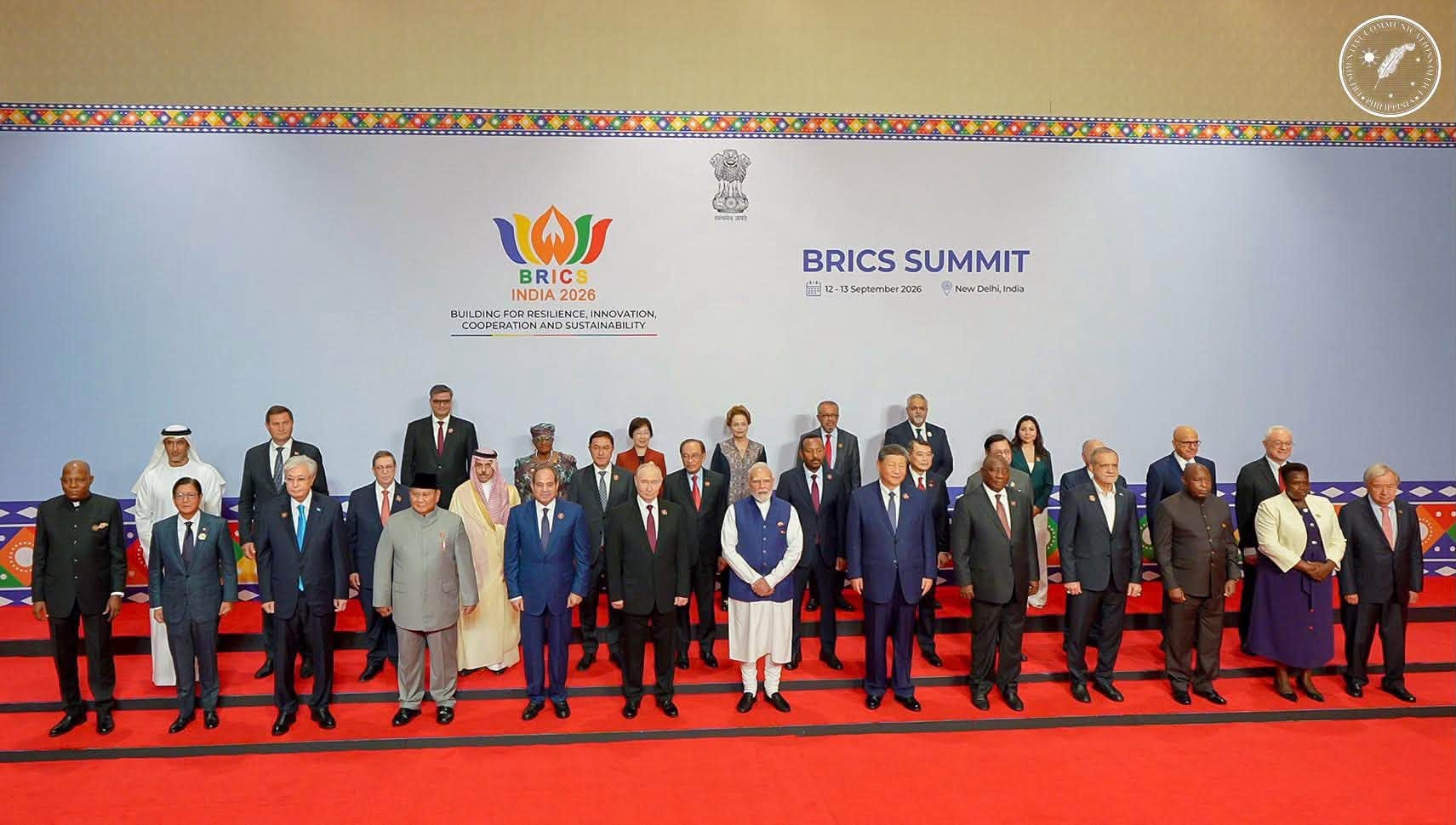
India, as the BRICS Chair in 2026, hosted the 18th BRICS Summit from 12 to 13 September at the Bharat Mandapam Convention Centre in New Delhi. BRICS member states, partner countries, and international organisations attended the summit.
Under the theme “Building for Resilience, Innovation, Cooperation and Sustainability”, BRICS leaders discussed key global issues, including politics and security, the economy and finance, and cultural and people-to-people exchanges.
🗺️ What is BRICS?
BRICS is a group of major emerging economies established in 2006 by Brazil, Russia, India, and China. South Africa joined the group in September 2010.
BRICS membership has continued to grow. The group expanded to 11 members after Egypt, Ethiopia, Iran, Saudi Arabia and the United Arab Emirates (UAE) joined in January 2024, followed by Indonesia in January 2025.
Together, BRICS countries represent around 3.9 billion people, or 49.5% of the world’s population. They also account for around 26% of global trade and 40% of global GDP, and have already surpassed that of the G7, which accounts for around 28% of global GDP.
BRICS also has 10 partner countries: Belarus, Bolivia, Cuba, Kazakhstan, Malaysia, Nigeria, Thailand, Uganda, Uzbekistan and Vietnam. These countries are emerging economies from the Global South.
The group aims to strengthen economic and financial cooperation among its members, including by reducing reliance on the U.S., promoting trade in local currencies, and promoting multilateralism.
📡 Why It’s on Our Radar?
BRICS leaders discussed several global issues during the two-day summit, covering international security, global governance, multilateralism, and economic affairs. These issues include:
Global conflicts: Ongoing conflicts involving Russia-Ukraine, the US-Israel-Iran, Israel-Palestine, Myanmar, and several countries in Africa.
Limited participation: Emerging markets and Least Developed Countries (LDCs) still have limited participation in global decision-making and international forums.
Less multilateralism: Some major powers tend to act independently to pursue their own interests rather than prioritise dialogue and diplomatic efforts.
US dollar dominance: The US dollar remains widely used for international payments, increasing economic vulnerability when local currencies weaken.
⚠️ Why It Matters?
These global issues are having a major impact on many countries, pushing them to look for solutions:
Global uncertainty: The Russia-Ukraine and US-Israel-Iran conflicts can drive up energy and commodity prices, disrupt supply chains, and push countries to diversify their energy sources. Meanwhile, conflicts in Palestine, Myanmar, and several African countries have caused thousands of deaths and humanitarian crises, including the forced displacement of millions of people and food shortages.
More representation: More groups and forums are needed to give emerging markets and Least Developed Countries (LDCs) a stronger voice in global discussions and ensure their concerns are heard and considered in global decision-making.
Promote multilateralism: Countries need to work together to promote multilateralism, address global issues, and use dialogue and diplomacy to find solutions.
Alternative payment systems: Alternative payment systems are needed to reduce dependence on the US dollar and help strengthen the use of local currencies.
🏡 Why This Hits Home?
Five Southeast Asian countries were involved in the BRICS Summit: Indonesia, Malaysia, Thailand, Vietnam, and the Philippines.
Indonesia is the only full BRICS member from Southeast Asia, after officially joining the group on 6 January 2025. Meanwhile, Malaysia, Thailand, and Vietnam are among the 10 BRICS partner countries, a status they gained on 24 October 2024.
The Philippines also joined the BRICS Summit as a guest from an outreach country, following its role as the ASEAN Chair in 2026.
📜 The New Delhi Declaration
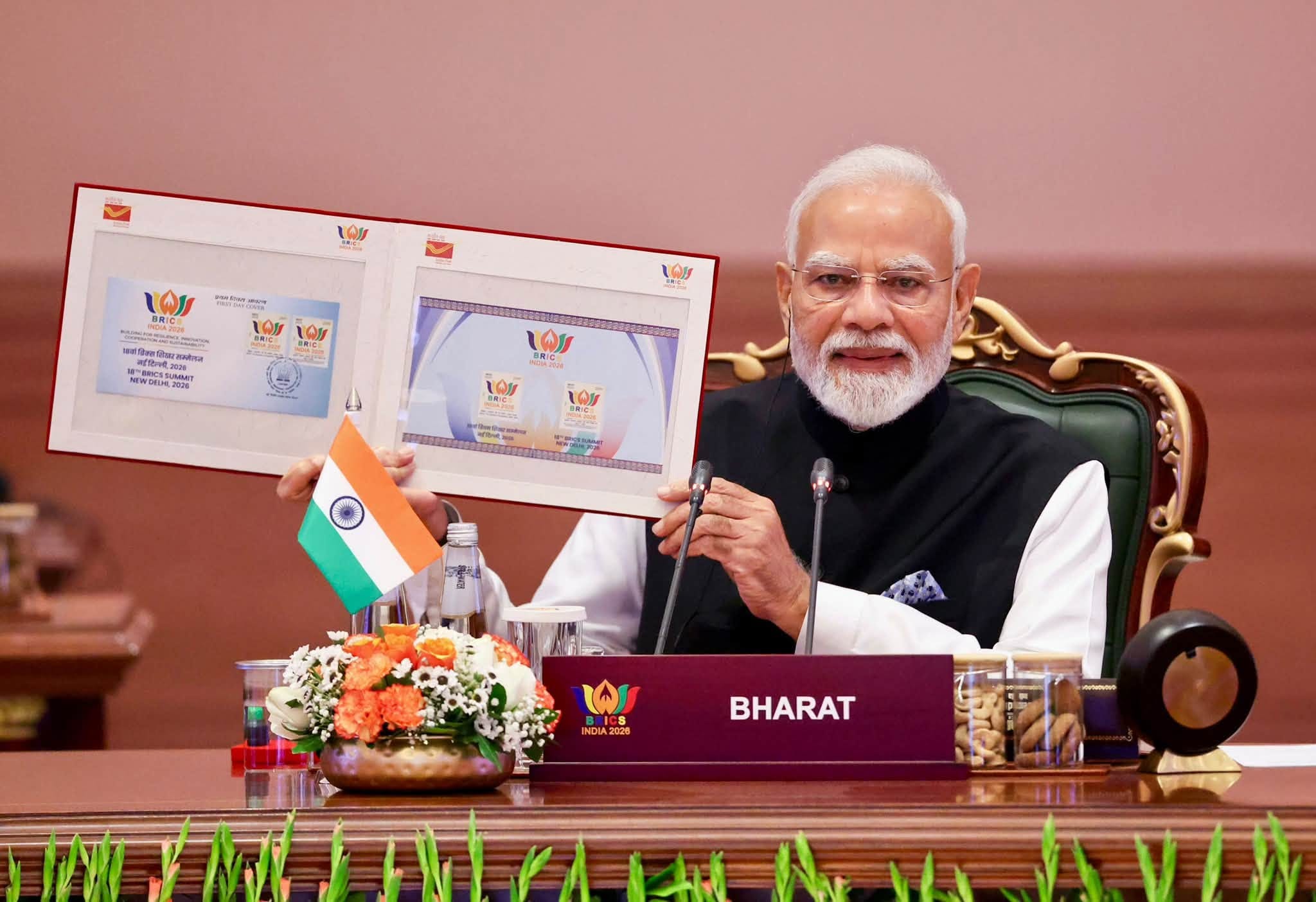
The summit produced the New Delhi Declaration on Saturday (12/9), which was agreed by the leaders of BRICS member states. The declaration will serve as a roadmap to turn their commitments into concrete actions and results through cooperation and mutual support.
“We must work through partnership and collective action to bridge the gap between commitment and outcomes. The ‘New Delhi Declaration’ adopted today provides a clear direction for our collective resolve. It is now our responsibility to translate these commitments into tangible results.” — Narendra Modi, Indian Prime Minister and BRICS Chair
🤝 The Shared Commitment
BRICS leaders reaffirmed their commitment to the BRICS spirit of mutual respect, equality, solidarity, openness, inclusiveness, cooperation, and consensus.
The group also agreed to strengthen cooperation in three areas: politics and security, economic and financial matters, and culture and people-to-people ties. They aim to work together to promote peace, multilateralism, fairer global cooperation, sustainable development, and inclusive growth.
The bloc also recognised the important contribution of Partner countries. It said stronger cooperation with Emerging Markets and Least Developed Countries (LDCs) can help promote solidarity and international cooperation.
💡 Global Conflict Solution
BRICS leaders expressed concern about ongoing conflicts in many parts of the world, which are increasing fragmentation in the international order and spreading to neighbouring countries.
The group urged all parties involved in conflicts to respect each state's sovereignty and territorial integrity, in line with the purposes and principles of the UN Charter, while stressing the need to protect civilians and civilian infrastructure.
The bloc encouraged efforts through dialogue and diplomacy to achieve lasting peace, security, and stability. It also called for maximum restraint and urged all sides to avoid actions that could worsen the situation.
BRICS countries also committed to supporting Palestine’s full UN membership and reaffirmed their commitment to the two-state solution, with an independent Palestinian state covering territories including Gaza and the West Bank, with East Jerusalem as its capital.
🏛️ Improving Global Governance
On the 20th anniversary of BRICS, BRICS leaders reaffirmed their commitment to reforming global governance and making international cooperation fairer, more effective, representative, democratic, and accountable.
The group also called for greater participation of Emerging Markets and Developing Countries (EMDCs) and Least Developed Countries (LDCs), especially from Africa, Asia, and Latin America and the Caribbean, in global decision-making and international forums.
The bloc reiterated its support for reforming the United Nations (UN), including its Security Council, to make it more democratic, representative, effective, and efficient in addressing global challenges.
🌍 Strengthen Multipolarism
BRICS leaders recognise that strengthening multipolarism can create more opportunities for Emerging Markets and Developing Countries (EMDCs) to grow and benefit from fair and sustainable economic cooperation.
As a result, the group called on emerging markets and developing countries to strengthen dialogue and consultations to promote fairer global governance and mutually beneficial relations among nations.
The bloc also committed to upholding multilateralism to address global challenges that could threaten the world in the future, including climate change, terrorism, radicalisation, human trafficking, and transnational crime.
In addition, BRICS countries aim to strengthen partnership in knowledge sharing, capacity building, agriculture, food security, healthcare, disaster management, and energy diversification to drive innovation and create mutual benefits.
💰 The Local Currency Transaction
BRICS leaders recognised the BRICS Payment Task Force (BPTF) for its work on practical solutions for efficient cross-border payments among BRICS countries.
The group supported efforts to connect payment and messaging systems to promote trade and investment using local currencies, while respecting each country’s priorities.
The bloc encouraged the BPTF to continue developing fast, low-cost, accessible, efficient, transparent, and secure cross-border payment solutions among BRICS countries.
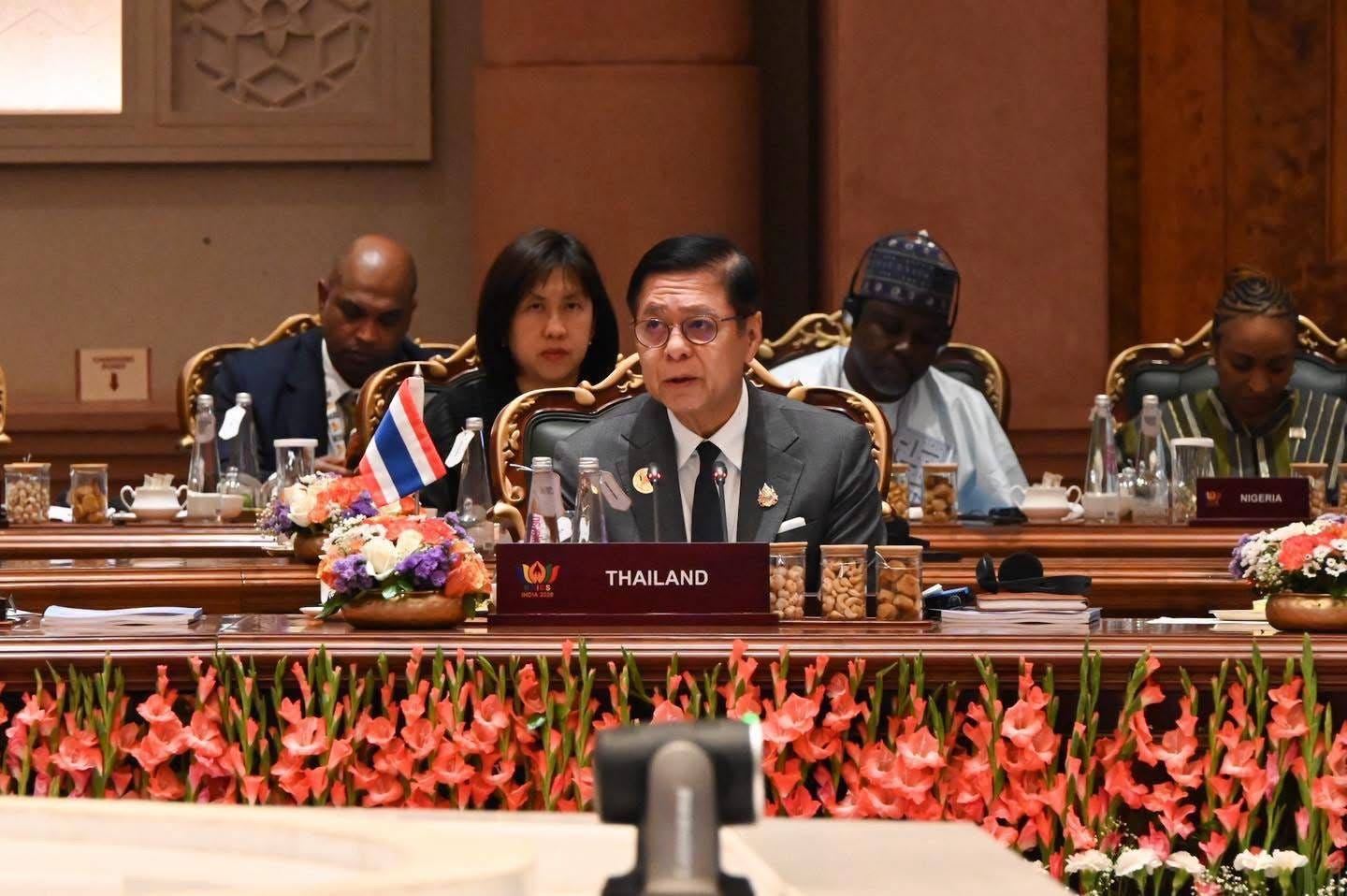
Five Southeast Asian countries also shared their views during the summit, highlighting the need for UN reform, respect for sovereignty, unification, and cooperation.
🇮🇩 Indonesia: Highlighting UN Reform
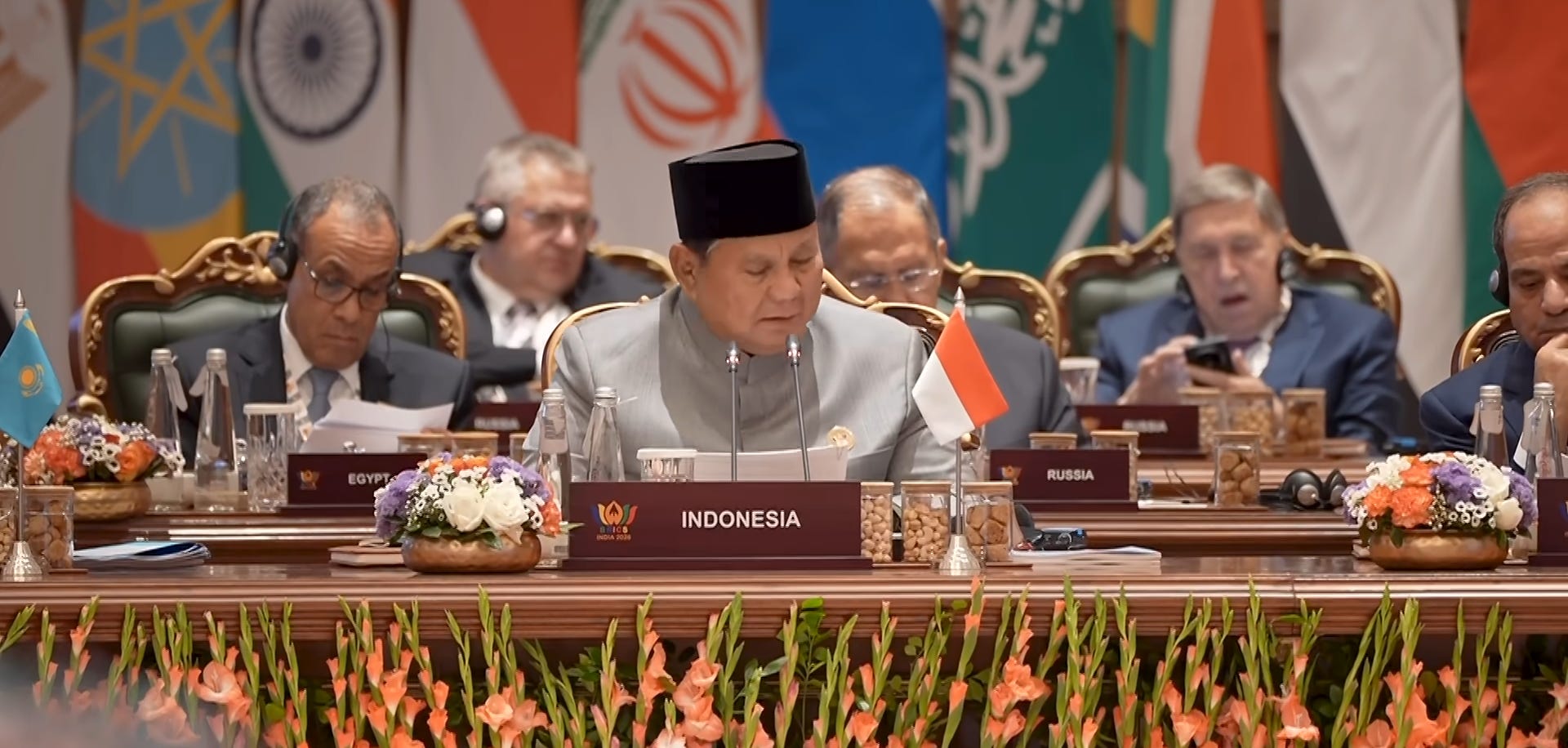
President Prabowo Subianto brought the message of the Bandung Spirit to bring the Global South together, especially countries from Asia and Africa that have gained independence. He called for their voices to be gathered and amplified so they can be heard more clearly in global decision-making.
He also shared his vision of building resilient nations by ensuring people have enough food, providing access to education, strengthening energy security by connecting energy systems, and promoting joint industrialisation to use resources better.
Prabowo also highlighted the need to reform the UN and international financial institutions to make them more representative, responsive, supportive, and focused on delivering concrete results for people, helping strengthen global resilience through multilateralism.
“Together we can build a stronger multilateral system that supports the needs and the interests of all nations, big and small, strong or weak. For this to succeed, we must keep the United Nations at the center of that system because the United Nations remains the only multilateral institution where all nations come together as equals.” - Prabowo Subianto, Indonesian President.
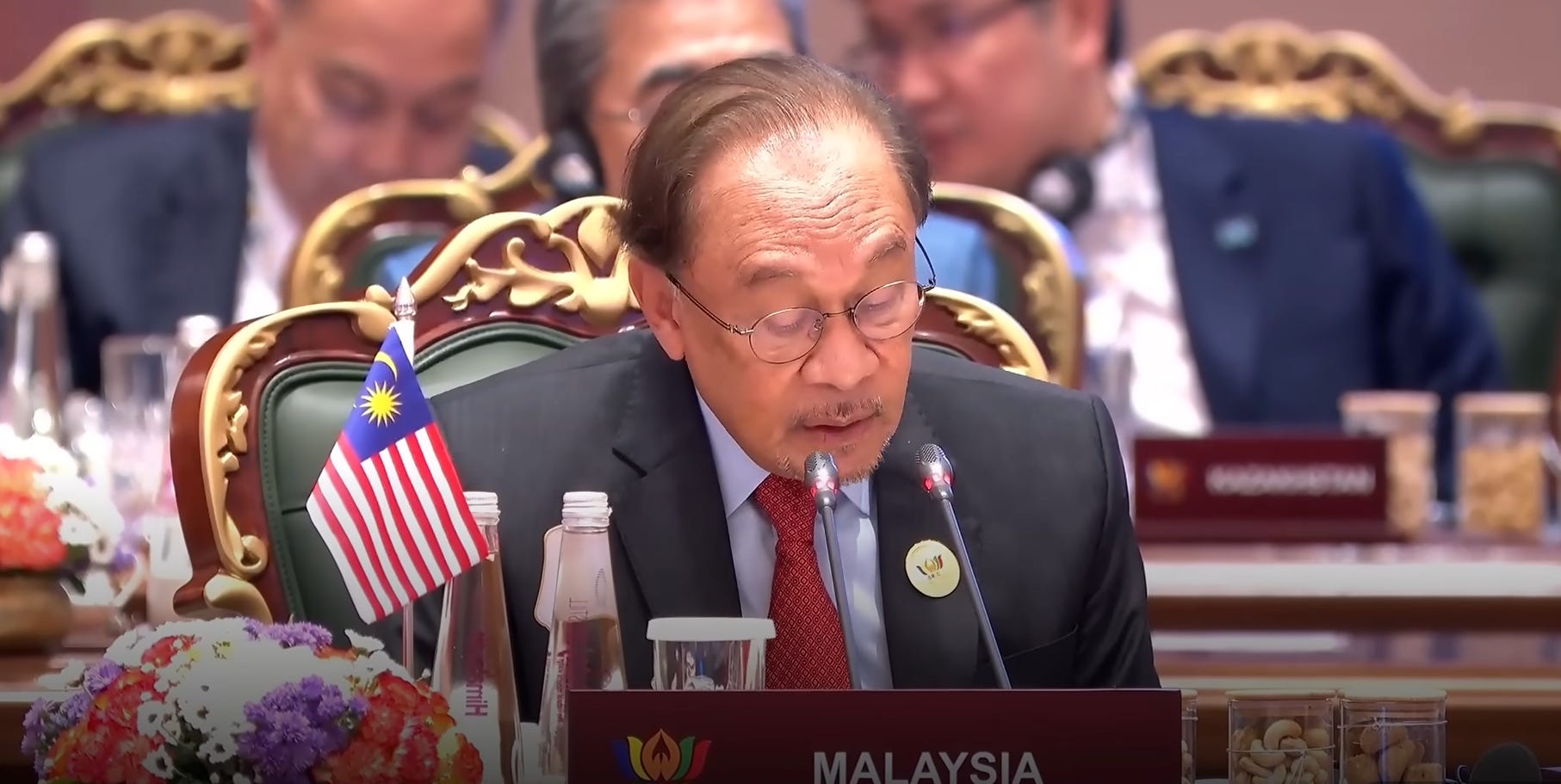
🇲🇾 Malaysia: Highlighting Sovereignty, Rejecting Colonialism
Prime Minister Anwar Ibrahim said progress on the UN 2030 Agenda for Sustainable Development remains uneven, as many countries face debt and financial difficulties.
He stressed that development financing should meet people’s basic needs and provide public goods without leaving countries with unsustainable debt.
He added that BRICS can offer geoeconomic benefits to its members by creating an integrated market, diversifying trade, and reducing overreliance on Western markets.
Anwar also highlighted that Israel’s aggression in the Middle East has gone too far, causing insecurity, higher inflation, and economic uncertainty in other countries. He urged an end to the aggression, respect for sovereignty, and the protection of civilians.
“Our position is clear. Sovereignty must be respected, civilians protected, and the arteries of the global economy kept out of the battlefield. Malaysia hopes BRICS will say plainly and unequivocally that any form of aggression against fellow countries, occupation, settler colonialism, or more in point, settler terrorism, cannot become destiny and no life weighs less for where it is lived.” - Anwar Ibrahim, Malaysian Prime Minister.
🇹🇭 Thailand: Highlighting Global South Unification
Deputy Prime Minister and Foreign Affairs Minister Sihasak Phuangketkeow stressed that, amid a changing world order, Global South countries must work together to achieve concrete results.
Thailand supports a rules-based international order, stronger regional cooperation, and multilateralism. He also highlighted Thailand’s interest in working with BRICS on trade, investment, emerging technologies, artificial intelligence, risk management, and financial reform.
He also mentioned the potential ASEAN-BRICS cooperation in food security, supply chains, and the digital economy. Thailand is ready to act as a bridge between the two regions.
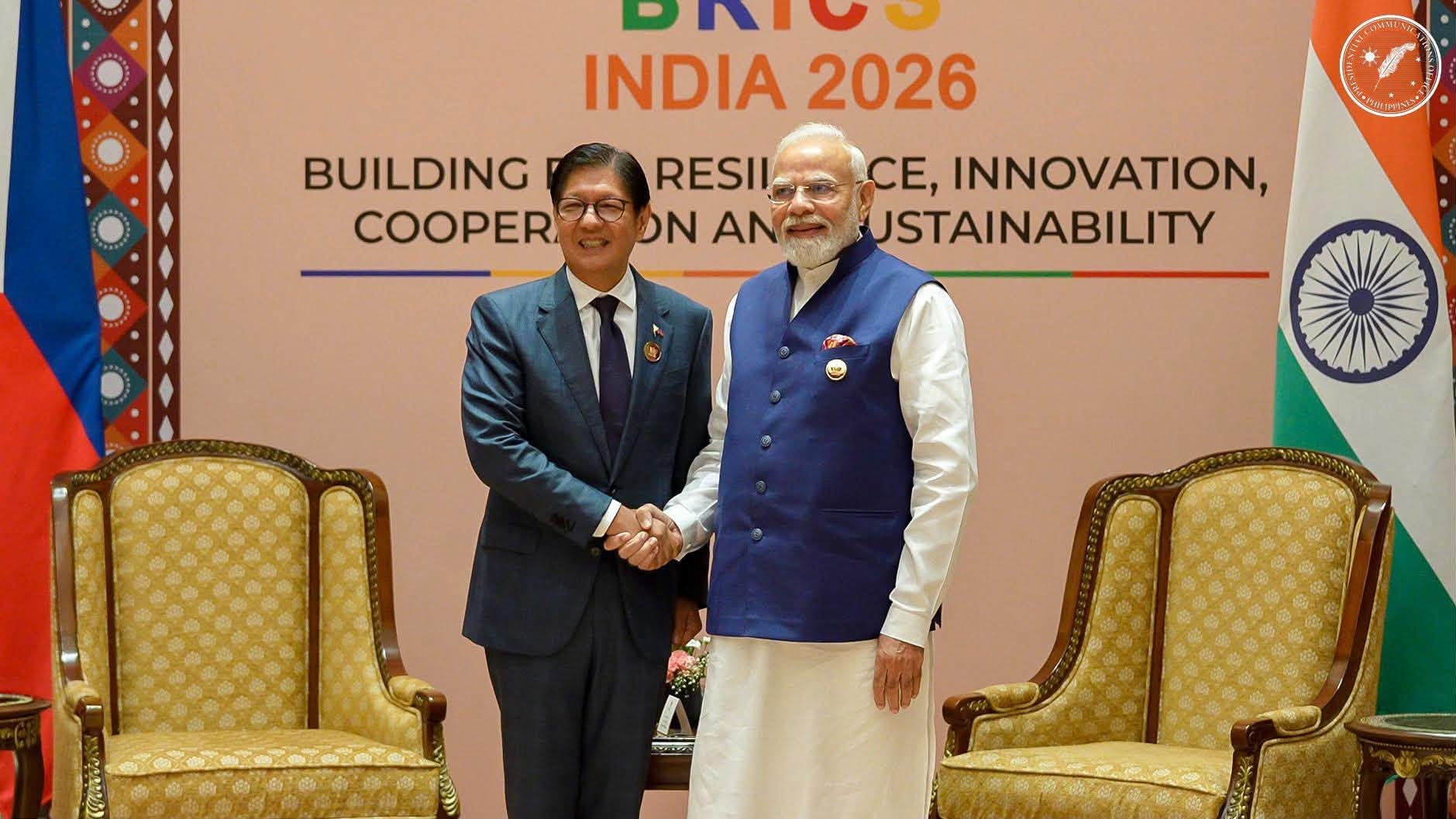
🇵🇭 The Philippines: Highlighting ASEAN Priorities
President Ferdinand Marcos Jr. highlighted ASEAN priorities on peace and security, economic prosperity, and people empowerment during the summit.
On peace, security, and stability, Marcos said regional and global peace depends on ASEAN centrality and continued dialogue based on international law. He highlighted the need for cooperation on maritime issues, disaster management, and climate security.
On economic prosperity, Marcos said ASEAN is improving regional connections to support inclusive growth, while strengthening supply chains, energy, and food security. ASEAN is also promoting green investment and climate-ready agriculture to support sustainability.
On people empowerment, Marcos stressed that ASEAN’s development agenda must remain centred on its people. This includes investing in young people, digital literacy, and resilient families, while protecting vulnerable groups to build strong and lasting social resilience.
“ASEAN’s enduring strength lies in consensus, bridge building, and constructive engagement across regions. By anchoring peace and stability, expanding prosperity corridors, and empowering our people, we turn shared aspirations into tangible realities,” - Ferdinand Marcos Jr., Philippine President.
🇻🇳 Vietnam: Highlighting Development and Cooperation
Prime Minister Le Minh Hung said Vietnam supports closer cooperation between BRICS and other regional and global organisations to promote peace, stability, and development. He also called for fair development opportunities, stronger dialogue, and multilateral system reform to better support developing countries.
He proposed three key actions: making economies more resilient and self-reliant; creating new and sustainable sources of growth; and turning cooperation in science, technology, and innovation into practical projects.
Through BRICS cooperation, Vietnam will strengthen trust and understanding while exploring opportunities in trade, investment, science and technology, energy, infrastructure, healthcare, education, tourism, and culture.
Looking ahead, Vietnam will work with BRICS members and partners to support economic resilience, self-reliance, and new growth drivers, while strengthening multilateral institutions to better serve developing countries.
📌 The Bottom Line
The 18th BRICS Summit was not just a meeting of emerging economies, but also a platform to address global issues through cooperation, dialogue, and shared solutions for shared prosperity and mutual benefit.
Multilateralism is not only about giving countries a voice, but also about working together to promote peace, strengthen global governance, and create fairer opportunities for developing countries.
BRICS focuses not only on economic cooperation, but also on building stronger partnerships in trade, technology, energy, food security, and other areas to support resilience and sustainable development.
🔍 Need More Angle?
Anwar Ibrahim, 18th BRICS Leaders’ Summit - Open Session
BRICS, About BRICS
Ministry of External Affairs, Government of India, BRICS New Delhi Declaration: Building for Resilience, Innovation, Cooperation and Sustainability (September 12, 2026)
Ministry of Foreign Affairs of Vietnam, PM’s attendance at BRICS Summit in India advances Vietnam’s multilateral diplomacy: FM
Ministry of Foreign Affairs, Kingdom of Thailand, Deputy Prime Minister and Minister of Foreign Affairs leads Thai delegation to the 18th BRICS Leaders’ Summit in New Delhi, Republic of India
Presidential Communications Office, President Marcos highlights ASEAN priorities at 18th BRICS Summit Open Session
Sekretariat Presiden, Pernyataan Presiden Prabowo dalam Sesi Terbuka KTT BRICS India, 13 September 2026
(NGO/JUN/QOB)