



🎯 The Main Takeaway
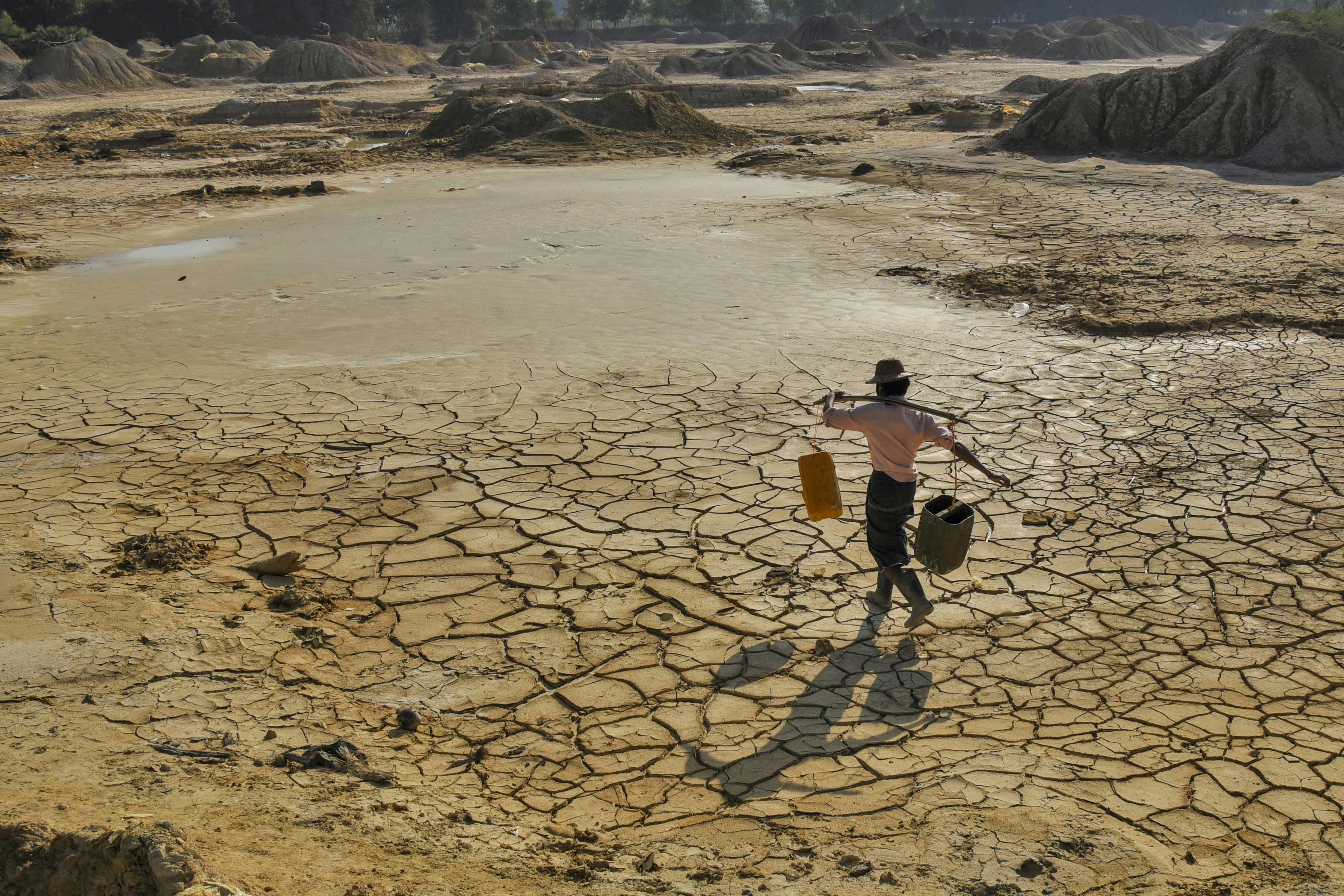
A potential “Godzilla” or super El Niño is forecast to develop in the second half of 2026, threatening Southeast Asia with prolonged drought, extreme heat, and heightened wildfire risk.
While the term “Godzilla” is informal, scientists use it to describe an exceptionally strong El Niño event where sea surface temperatures in the equatorial Pacific rise at least 2°C above average.
The National Oceanic and Atmospheric Administration (NOAA) estimates a 62% chance of El Niño emerging between June and August 2026, with roughly a one-in-three chance it could become strong by October-December.
”The most recent El Niño, in 2023-24, was one of the five strongest on record, and it played a role in the record global temperatures we saw in 2024.”
— Celeste Saulo, Secretary-General of the World Meteorological Organization (WMO)
📡 Why It’s on Our Radar
For Southeast Asia, El Niño is not a distant climate curiosity—it is a direct threat to food security, water supply, and public health.
The region is already experiencing above-normal temperatures between March and May 2026, according to the ASEAN Specialized Meteorological Center (ASMC).
In Malaysia, temperatures have soared above 37°C in Perlis, Perak, and Kedah, while Jakarta reached 35.6°C during the recent Hari Raya holiday week.
The potential return of a super El Niño—comparable to the devastating events of 1997-98 and 2015-16—could push these impacts into crisis territory.
⚠️ What’s at Stake
Water Scarcity (🔴 High threat)
Reduced reservoir levels across the region
Potential water rationing in cities and rural areas
Stress on agriculture and hydropower generation
Agriculture (🔴 High threat)
Lower yields for rice, sugar, and palm oil—staple crops across Southeast Asia
Rising food prices as supply tightens
Reduced farm incomes, particularly for smallholder farmers
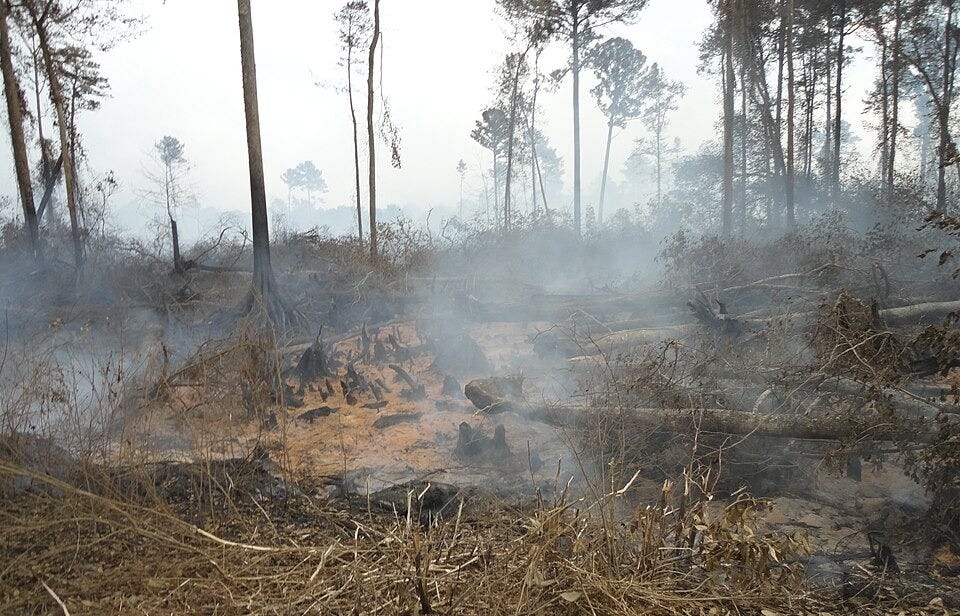
Wildfires (🟠 Moderate-High threat)
Increased hotspots already detected in Indonesia (1,601 as of early April 2026)
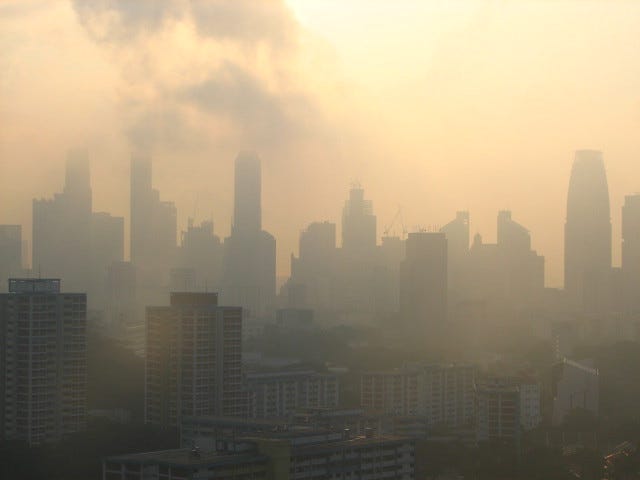
Transboundary haze affecting Malaysia, Singapore, and Thailand
Elevated PM2.5 pollution causes respiratory illnesses
Public Health (🟠 Moderate-High threat)
Heatstroke, dehydration, and heat exhaustion
Respiratory illnesses from wildfire haze
Increased dengue fever risk as warmer temperatures create breeding grounds for mosquitoes
Energy (🟡 Moderate threat)
Higher electricity demand for cooling (air-conditioning, fans)
Reduced hydropower generation as water levels drop
Increased strain on power grids during peak hours
🌍 El Niño vs. La Niña: Understanding the Difference
Many people confuse El Niño and La Niña, but they are opposite phases of the same climate pattern—the El Niño-Southern Oscillation (ENSO) . Here is a simple breakdown:
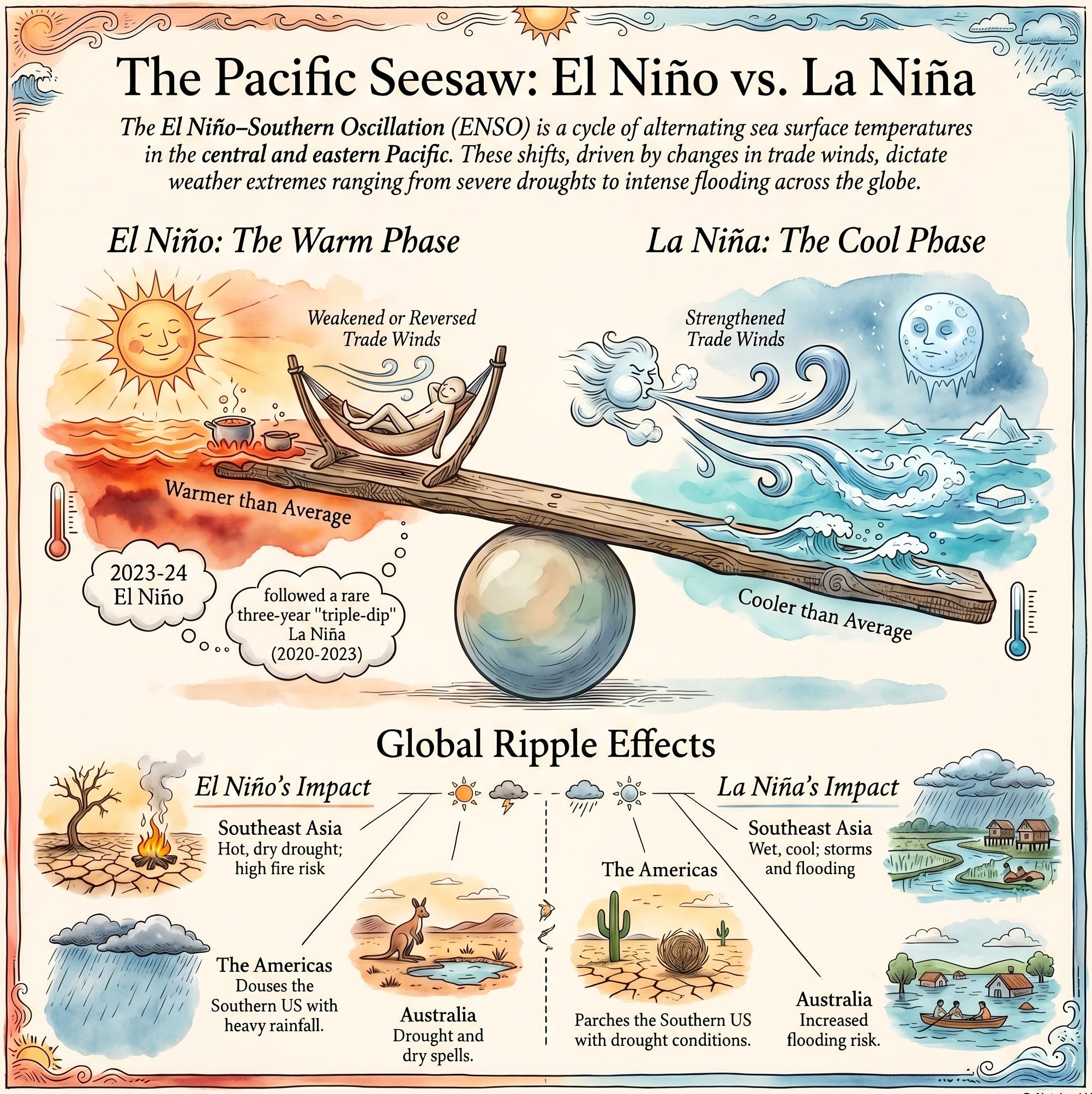
Simple memory trick: Think of El Niño as "the little boy" (Spanish) who brings hot temperatures and dry conditions. La Niña is "the little girl" who brings cool tears (rain).
🗺️ Country-by-Country Snapshot
🇰🇭 Cambodia
Entering dry season with a fully import-dependent fuel supply (complicating drought response)
Drought threatens agricultural output
Pressure on hydropower generation
🇮🇩 Indonesia
Currently transitioning to dry season (April to October 2026)
1,601 hotspots already detected as of early April
Severe drought threatens southern regions (Java to Nusa Tenggara), including national rice-producing areas
Forest fire risk is highest in Sumatra and Kalimantan
BRIN warns of a combination with a positive Indian Ocean Dipole (IOD), worsening dry conditions
🇱🇦 Laos
Dry conditions expected
Water shortages likely
Food security concerns, as agriculture depends on predictable rainfall
🇲🇾 Malaysia
Ongoing heatwave with temperatures above 37°C in northern states
Ten dams at “cautionary” levels (below 70% capacity)
Delivery riders are reporting a 20-30% reduction in daily orders due to heat fatigue
Health ministry warns of heatstroke, dehydration, and dizziness
Kuala Lumpur is placed under a Level 1 heatwave alert (35-37°C for three consecutive days)
🇲🇲 Myanmar
Limited climate data and forecasting capacity
Drought risk unknown but potentially severe
Political instability complicates disaster response
🇵🇭 Philippines
La Niña ending; dry season onset expected March-April
Intensified habagat (southwest monsoon) before drought sets in
Fewer tropical cyclones expected, but those that form may be stronger (typhoon or super typhoon category)
Heat index values are high; potential for 40°C daytime temperatures in Cagayan Valley
PAGASA warns of rising nighttime temperatures (trend increasing faster than daytime highs)
🇸🇬 Singapore
La Niña fading; warmer weather expected from July 2026
Potential 40-80% rainfall reduction in some months (based on past strong El Niños)
Haze risk from Indonesian fires
National heatwave response plan activated with islandwide cooling centers
MSS forecasts El Niño possible from July 2026
🇹🇭 Thailand
Entering the “mid-phase” of El Niño, it could shift to full El Niño by May 2026
Water shortages expected across multiple regions
Agricultural stress on rice, sugar, and palm oil
Elevated PM2.5 and heatwave risks
Southern and lower eastern regions face the highest heatwave risk
🇻🇳 Vietnam
ENSO-neutral shifting to the warm phase by late 2026
Earlier, longer, and more intense heatwaves are expected
Saltwater intrusion in the Mekong Delta during the dry season
Below-average rainfall in southern regions in the final months of 2026
Fewer storms, but those that form may have complex, rapidly changing tracks
🔬 The Science Behind “Godzilla” El Niño
The term “Godzilla” El Niño was first popularised by NASA scientist Bill Patzert in 2015 to describe an exceptionally strong event.
It is not an official scientific term, but has been revived by Indonesia’s National Research and Innovation Agency (BRIN) to warn of a potential combination of strong El Niño and positive Indian Ocean Dipole (IOD) between April and October 2026.
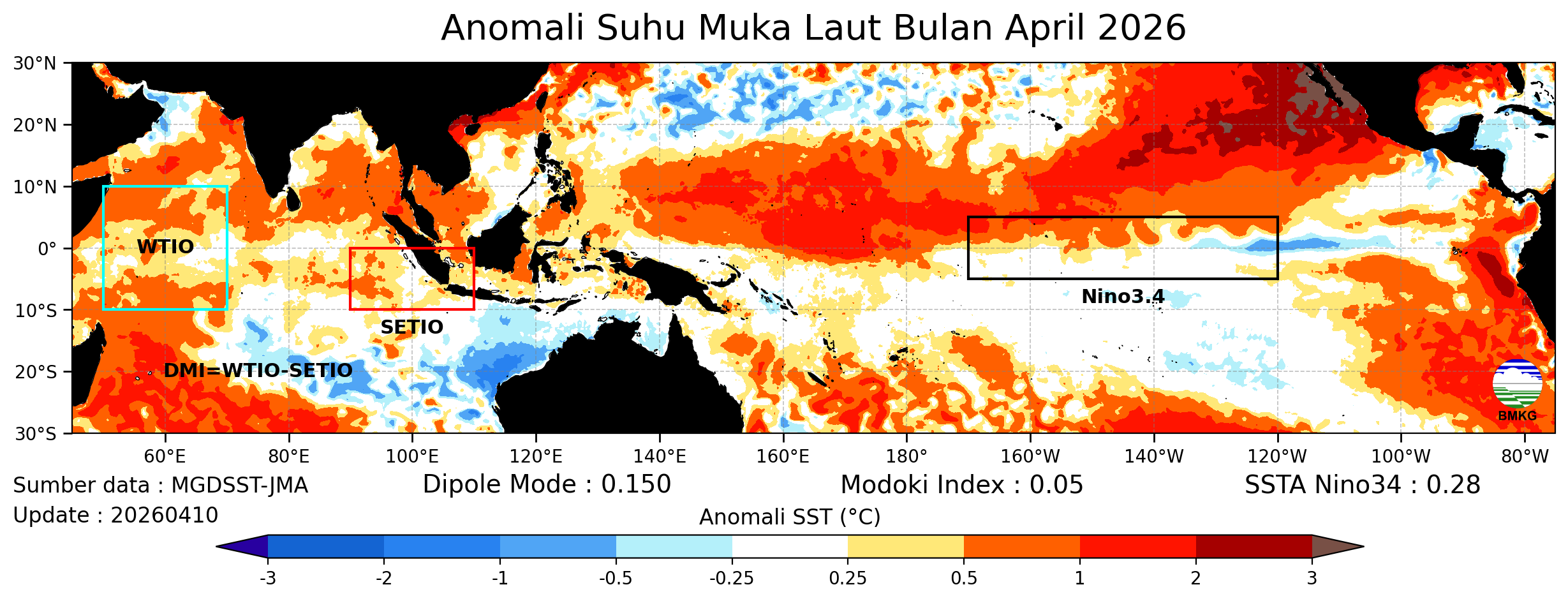
Key scientific drivers:
Unusually powerful westerly wind bursts are pushing warm water rapidly into the eastern Pacific
Accumulated subsurface heat from the recent La Niña period is ready to be released
Climate change is raising the baseline, making each El Niño potentially more impactful than previous ones
🏠 Why This Hits Home
For ordinary citizens across Southeast Asia, a super El Niño would mean:
💸 Higher food prices as crops fail and supply chains tighten
🚰 Water rationing in cities and villages alike
😓 Health risks from heatstroke, dehydration, and worsening air pollution
📉 Lost income for farmers, delivery riders, outdoor workers, and tourism staff
🛠️ Mitigation Measures Underway
🇮🇩 Indonesia
400 water pumps deployed to support farmers during the dry season
Health protocols issued for heat and haze (masks, limited outdoor activity, clean living habits)
Weather modification operations for peatland rewetting to prevent fires
Bulog targeting 4 million tonnes rice reserve (currently 4.4 million tonnes—highest in history)
BRIN advises the government to optimize salt production in southern regions for 2026-2027 self-sufficiency
🇲🇾 Malaysia
Shopping malls are adjusting air-conditioning and ventilation systems
Work-from-home encouraged for civil servants (selective, staged)
Health ministry warnings to avoid outdoor activities between 11 am and 4 pm
Malls are adding exhaust systems in car parks and portable coolers for al-fresco dining areas
Some co-working spaces report increased electricity bills and air-conditioning strain
🇵🇭 Philippines
PAGASA is issuing daily heat index forecasts
Government subsidies for affected sectors (transport drivers, farmers)
Emergency powers granted to the president to suspend or reduce excise taxes on oil (indirectly helping fuel costs for drought response)
🇸🇬 Singapore
National heatwave response plan with islandwide cooling centers (community centers, indoor sports halls)
Heat-reflective paint on all HDB blocks targeted by 2030
Cooling vests with ventilation systems for police and firefighters (developed by HTX)
myENV app for checking heat stress levels before outdoor activities
Schools allowed dress-down attire (dri-fit uniforms) during heatwaves
Additional and more powerful fans in all classrooms by 2027
🇹🇭 Thailand
Government monitoring water levels and reservoir capacity
Public advisories on heat and drought
Expert calls for advanced water allocation planning covering storage, irrigation, and crop adjustments
GISTDA warning on potential food supply pressures from lower yields in Thailand, Vietnam, and Indonesia
🇻🇳 Vietnam
Flexible fuel price management to stabilize costs during heatwaves
Water allocation planning across reservoirs and irrigation systems
Crop adjustment strategies to plant more drought-resistant varieties
Acceleration of renewable energy (wind, solar) under the revised Power Development Plan VIII
🔮 The Bottom Line
The potential return of a super or “Godzilla” El Niño in late 2026 poses a severe and multifaceted threat to Southeast Asia.
While forecasts still carry uncertainty due to the “spring predictability barrier” —when model accuracy is historically lower—the direction of travel is clear: hotter, drier, and more volatile conditions are coming.
Governments are preparing, but individuals must act as well.
Conserve water, avoid peak heat hours, wear masks when air quality deteriorates, and support vulnerable neighbors.
The question is no longer whether El Niño will return, but how strong it will be—and how ready Southeast Asia truly is.
Need More Angles
ABS-CBN ‘Normal’ dry season expected, but rising El Niño risk could intensify habagat
Antara Indonesia’s Health Ministry warns of ‘Godzilla’ El Niño impacts
Antara BMKG warns of potential El Niño impact in second half of 2026
Asia News Network Super El Niño could bring severe drought to ASEAN and push 2027 to record heat
Guardian, The Are we heading for ‘super El Niño’ – and what could we expect?
Lao Dong El Niño may return extremely strongly, far beyond a super El Nino
Nation, The Possible “Super El Niño” puts ASEAN on alert for severe heat and drought
Nation, The Super El Niño threat looms: Thailand and Asean brace for climate shock
Star, The Five ways hotter weather will affect Singapore - and what you can do to cope
Straits Times, The Hotter weather due to El Nino expected in Singapore from July, says Met service
Tuoi Tre News Vietnam braces for rising heat, lower storm count in 2026
Vietnam Plus Thailand faces rising risk of heatwaves: expert
(ELS/QOB)
Warnings of a potential “Super El Niño” one of the strongest in over a century are being framed as an extreme climate event.
This framing is incomplete.
The Contrarian Insight
El Niño is not just a weather pattern.
It is a multiplier of systemic stress.
Extreme heat is the visible layer.
Beneath it lies a chain reaction across:
agriculture
water systems
energy demand
public health
The Systemic Failure
Current responses to climate events remain:
reactive (post-impact relief)
localized (region-specific responses)
temporary (short-term mitigation)
But El Niño operates differently.
It synchronizes stress across multiple systems at once.
This creates overlapping pressures:
crop failures leading to food price spikes
water shortages impacting both populations and industry
increased energy demand straining grids
The system is not designed for simultaneous shocks.
The Shift in Thinking
Global leaders must move from:
Event response → System preparedness
Climate policy → Infrastructure resilience
Short-term relief → Long-term adaptation design
The goal is no longer to respond to extreme events.
It is to function despite them.
The Uncomfortable Truth
Extreme climate events are no longer rare disruptions.
They are becoming baseline conditions.
Systems designed for stability will increasingly fail under this new reality.
A Realistic Path Forward
Resilience requires:
climate-adaptive infrastructure
integrated water, energy, and food system planning
predictive models tied directly to policy action
global coordination for synchronized risk management
This is not about preventing El Niño.
It is about ensuring systems don’t break when it happens.