



💄Main Takeaway
Look at what’s in your makeup bag 👛. Chances are, it was designed for someone else’s skin—and someone else’s weather.
Southeast Asian beauty brands are no longer staying home 🌏. They’re stepping onto a global stage long dominated by Western giants, K-beauty, and C-beauty.
The region is transforming from a target market into an innovation hub. Year-round humidity, intense UV rays, and diverse skin tones have created unique demands that foreign brands often overlook ☀️.
Now, the ambition extends far beyond local dominance 🏆. The goal is making what works in Jakarta, Manila, or Bangkok essential in Kuala Lumpur, Los Angeles, or Dubai ✨.
👀 Why is it in our radar?
The global beauty landscape is decentralising 🔓. K-beauty and C-beauty proved Asian cosmetics travel well. Now, Southeast Asian brands are claiming their space 🌟.
It isn’t just nimble, digital-first startups expanding overseas 📲. Established legacy names are taking climate-tested formulas to global audiences for the first time ✈️.
Exporting physical products is easy. The real test is proving what these brands offer that consumers can’t get elsewhere 💡.
🎀 Brands to Watch
Southeast Asia’s beauty scene features distinct local strategies 💖:
🇮🇩 Wardah (Indonesia): Built on halal-conscious beauty
🇵🇭 Sunnies Face (Philippines): Driven by shade inclusivity
🇹🇭 Srichand (Thailand): Engineered for tropical climates 🌿
Together, they prove that deep local roots can yield global appeal 📈.
🇵🇭 Sunnies Face
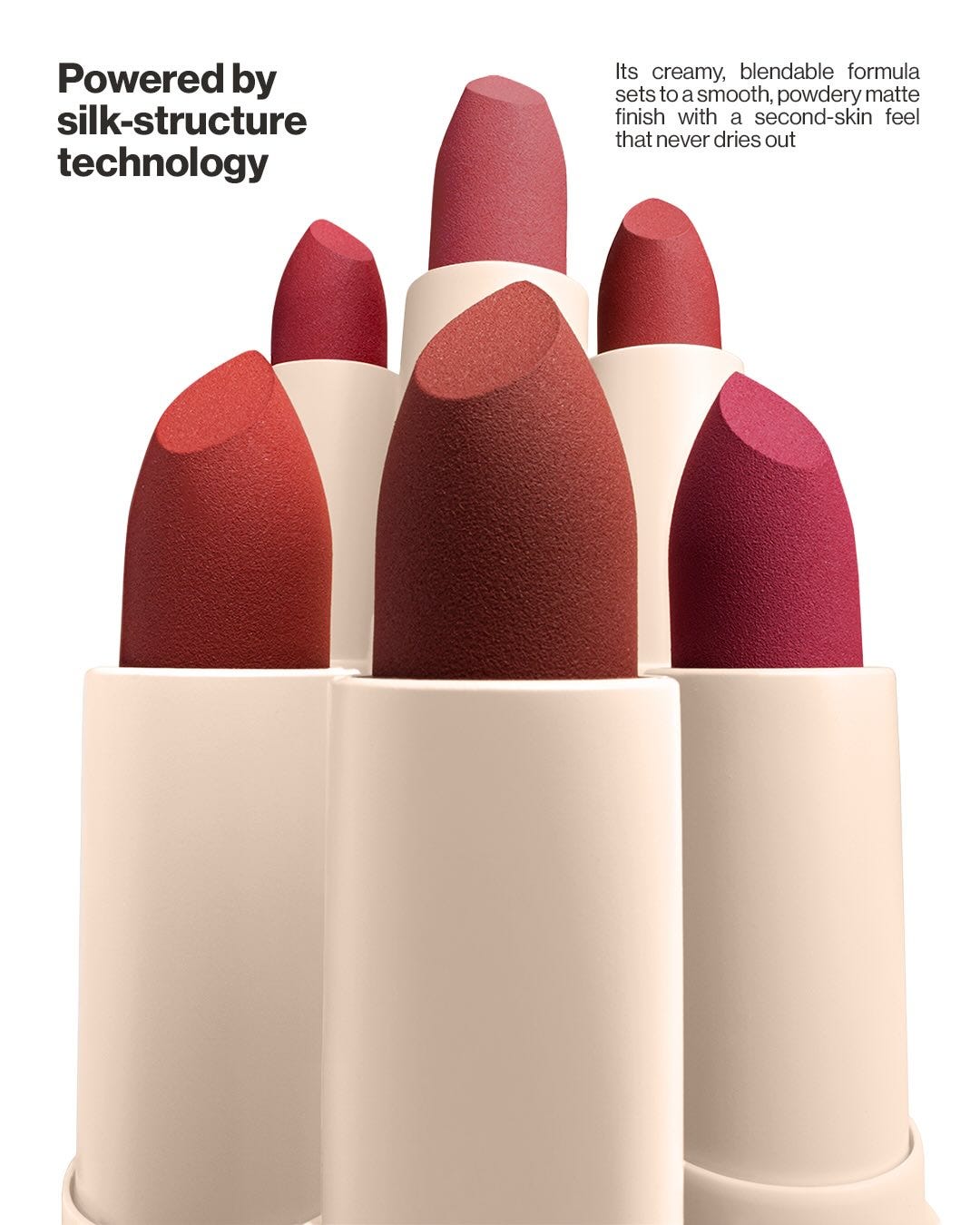
If you’ve struggled to find lipstick for morena skin, you understand why Sunnies Face exists ✨.
The brand didn’t abandon its Filipino identity to go global. Its core promise remains “beauty that gets you.” 🤝 The founders tested 350 colours and 22 formulas before launching with nine tailored shades for fair to deep morena tones 💋 (later expanded by six).
The global strategy paid off quickly:
2018 Launch: The website crashed under 3 million views, selling out launch-party inventory in 10 minutes ⏰.
2022 Milestone: Fluffmatte became the first Filipino product to win an Allure US Best of Beauty Award 🏆.
Global Footprint: Expanded to the US (2022) and Vietnam (2024). Partnered with Minor Group in Thailand to open five Sunnies World stores in Bangkok since October 2025 🛍️.
🇮🇩 Wardah
Wardah is the undisputed pioneer of halal beauty in Indonesia 🌙. Its international expansion started earlier than most, entering Malaysia in 2012 before securing major shelf space at Watsons and Giant 🛒.
Export Volume: Parent company Paragon shipped Rp22.9 billion worth of Wardah products to Malaysia in October 2020 alone—its 53rd container that year 📦.
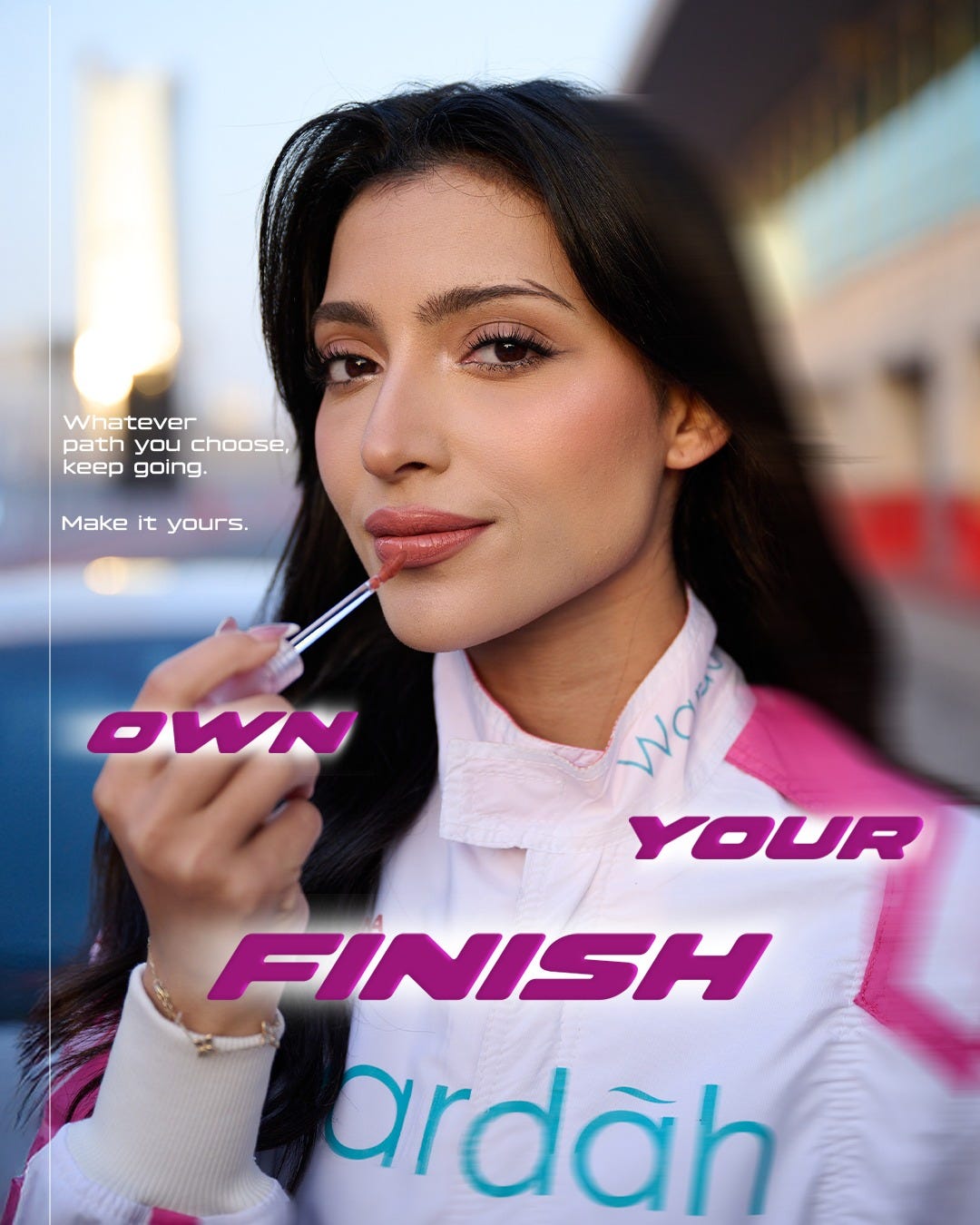
Global Sponsorship: In April 2026, Wardah named Emirati racing driver Amna Al Qubaisi its Global Face 🏎️✨. As the first woman in the Porsche Carrera Cup Asia Pro class, her car carries Wardah branding across Shanghai, Zhuhai, Fuji Speedway, Bangsaen, Sepang, and Marina Bay 🏎️💨.
“Whatever path you choose, keep going. Make it yours.” — Amna Al Qubaisi
Launched alongside the StayLock lip line, the “Own Your Finish” campaign pairs modest beauty with women’s empowerment—sending a clear signal to Muslim consumers worldwide 🌍.
🇹🇭 Srichand
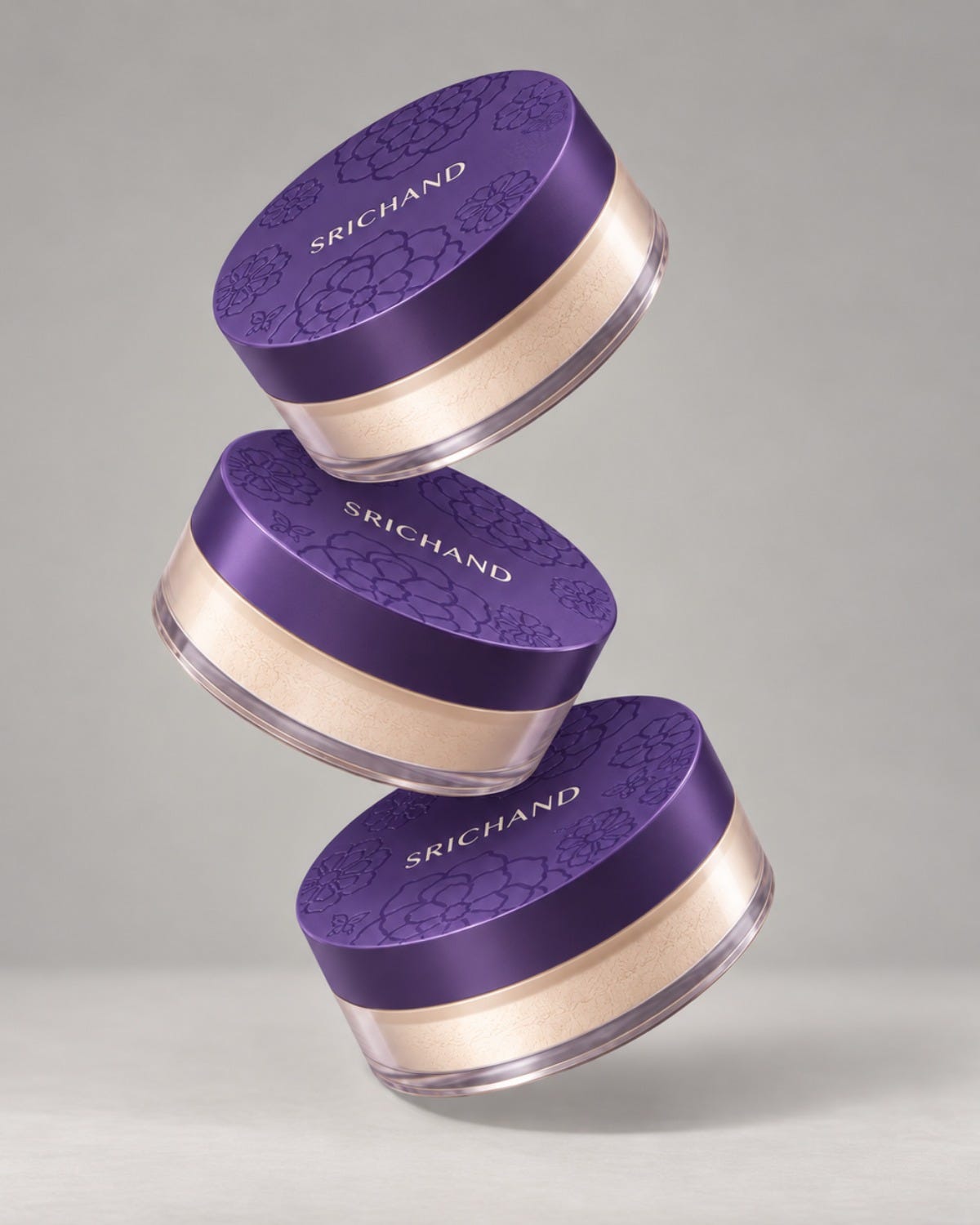
Srichand has been a fixture of Thai daily life for over 76 years, successfully modernising without losing its identity 🏛️.
Its edge is simple: oil-control and sweat-proof formulas designed for high heat ☀️💦.
Sales: 2,055.5 million baht 💰
Net Profit Growth: +34% 📈
International Business (2024–2025): +135% overall (+162% in Laos) 🚀
Srichand is now expanding into Japan, the Philippines, and Myanmar 🗺️.
The brand relies heavily on Thai pop culture 🎶. Alongside sister brand Sasi, it uses 13 cultural ambassadors—including BamBam (GOT7), Baifern Pimchanok, PROXIE, and Zee Pruk & NuNew Chawarin 🌟. Srichand is betting that T-Pop soft power and tropical skincare are a winning combination 🎬.
🌏 The Regional Lens
Each brand leverages a distinct native advantage 🛡️:
Wardah: Uses halal certification to unlock Muslim-majority markets.
Sunnies Face: Capitalises on shade inclusivity and modern aesthetics.
Srichand: Relies on climate-specific formulas backed by Thai soft power.
The Shared Belief: Products engineered for Southeast Asian skin, weather, and culture carry an authenticity foreign imports cannot replicate 💯.
🧭 The Bottom Line
This is as much a cultural shift as a commercial move 📈. Southeast Asian beauty brands succeed abroad not by copying global playbooks, but by owning their local origins: halal values, heat-tested formulas, and inclusive shade ranges.
Fierce competition from C-beauty giants remains a threat ⚔️. But for now, Southeast Asia’s message is loud and clear: relevance beats imitation. ⚡
🧩 Need More Angle?
Allure Filipino Makeup Brand Sunnies Face Makes Just One Lipstick and It's Constantly Selling Out
The Story Thailand Srichand unveils 3 strategies for global T-Beauty expansion
Inside Retail Sunnies World debuts in Thailand, eyes rapid expansion
The Halal Times The Challenges and Opportunities in Taking Indonesia’s Largest Cosmetics Company Global
T-Beauty’s $9 Billion Test: Can Thai Cosmetics Scale Beyond Southeast Asia? nationthailandthairath
(ANN/ZIL/ARS)