



🎯 The Main Takeaway
Southeast Asia has officially swept the 2026 global tourism rankings.
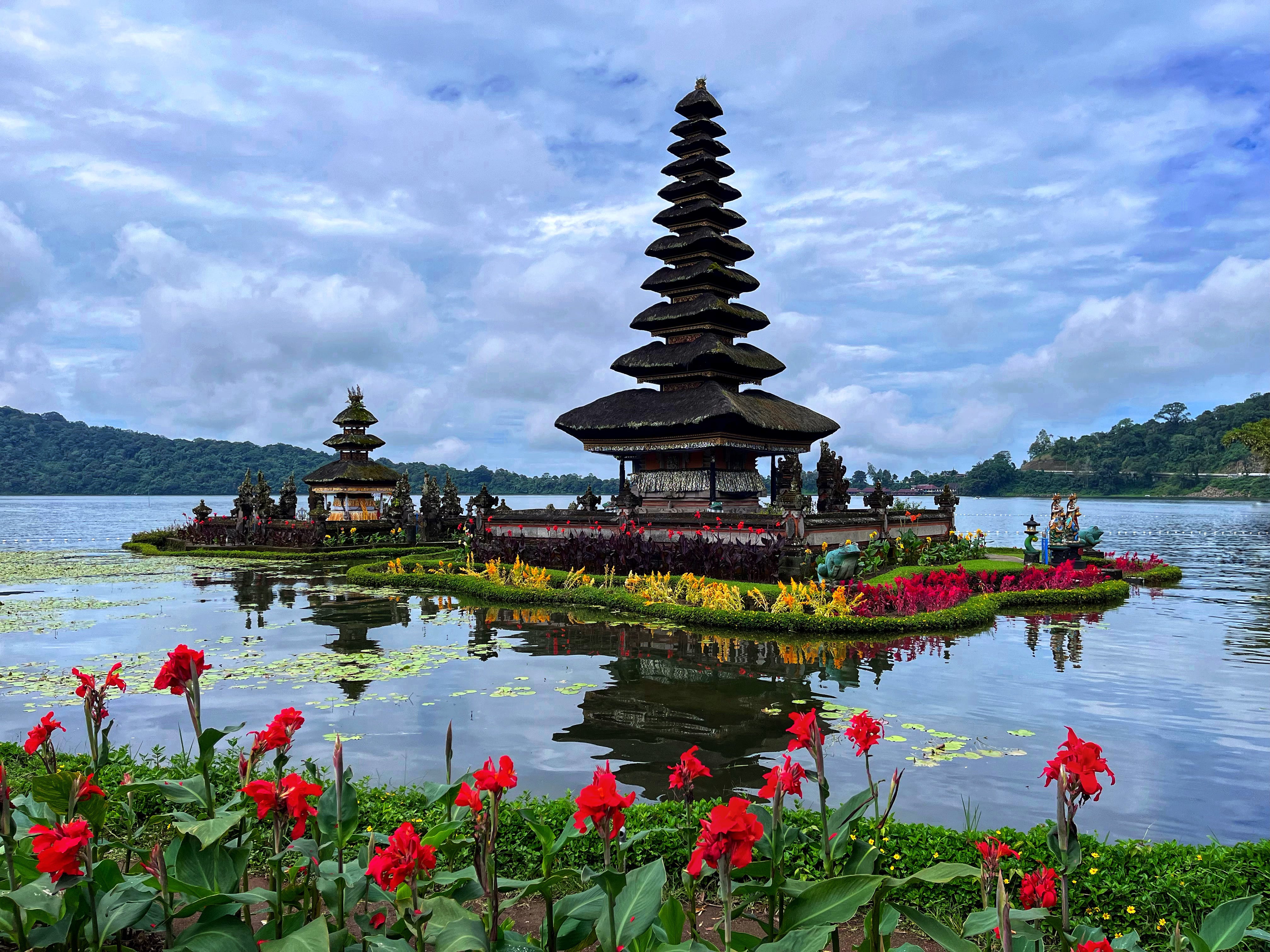
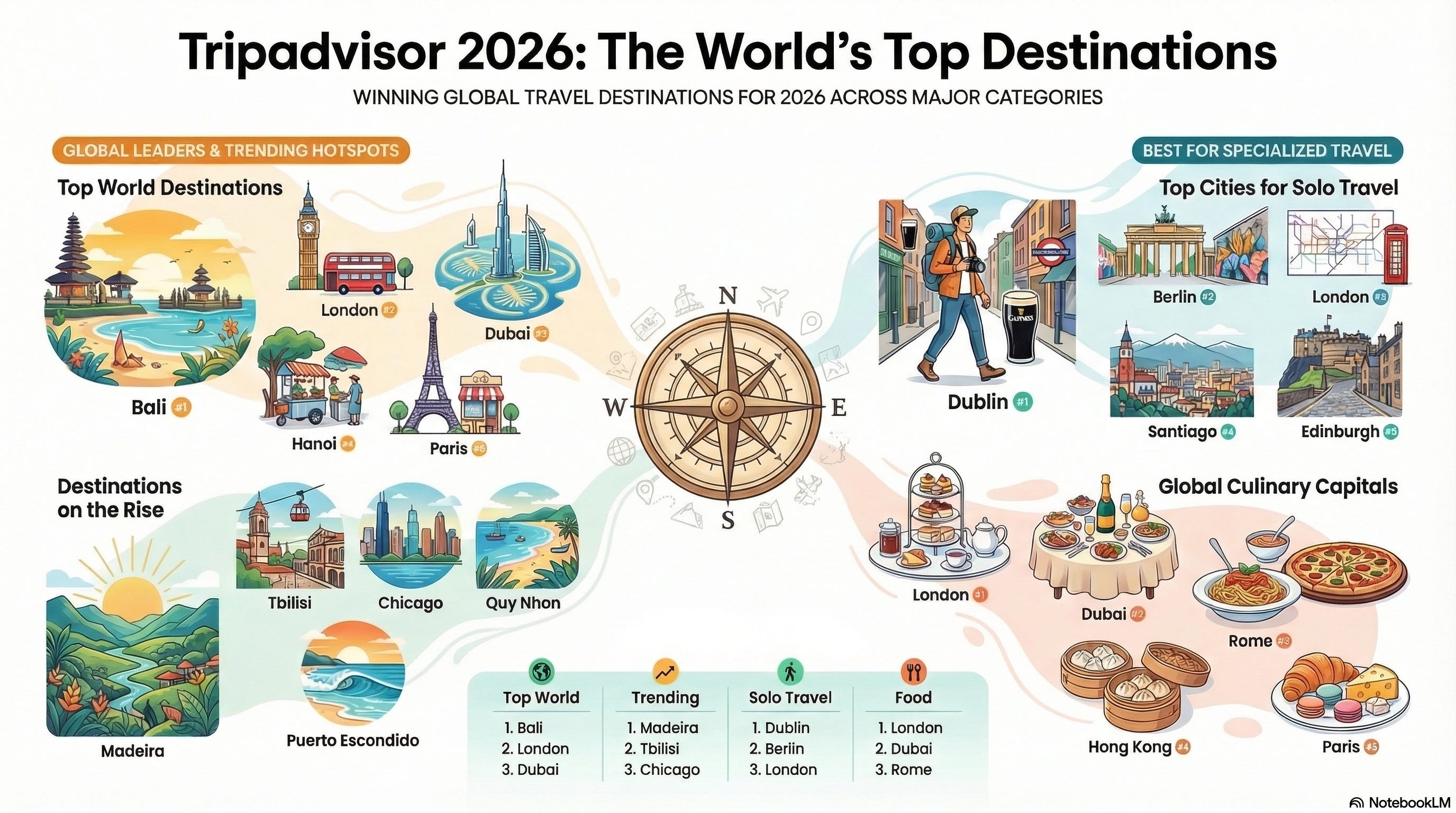
According to the latest TripAdvisor Travellers’ Choice Awards, the region now hosts three of the world’s top seven destinations, with Bali securing the #1 spot globally.
🔍 Why It’s on Our Radar
The 2026 data reveals a dual-track trend: while iconic hubs like Bangkok and Hanoi are seeing record-breaking numbers, there is a surge in “high-fidelity” hidden gems.
Travellers are no longer just ticking boxes; they are seeking technical climbs (Thailand) and untouched vistas (Indonesia) that offer better value and fewer crowds than traditional tourist traps.
⚖️ What’s at Stake
For the first-time visitor or the seasoned nomad, the stakes are authenticity versus over-tourism.
With Bali back at #1, the challenge for travellers is balancing the “living postcard” experience with the rising costs of popularity.
Choosing the right “alternative” spot—like Lan Ha Bay over Ha Long—is now the hallmark of a savvy itinerary.
🌏 The Big Picture
The region is shifting from a budget backpacker’s haven to a world-class luxury and spiritual destination.
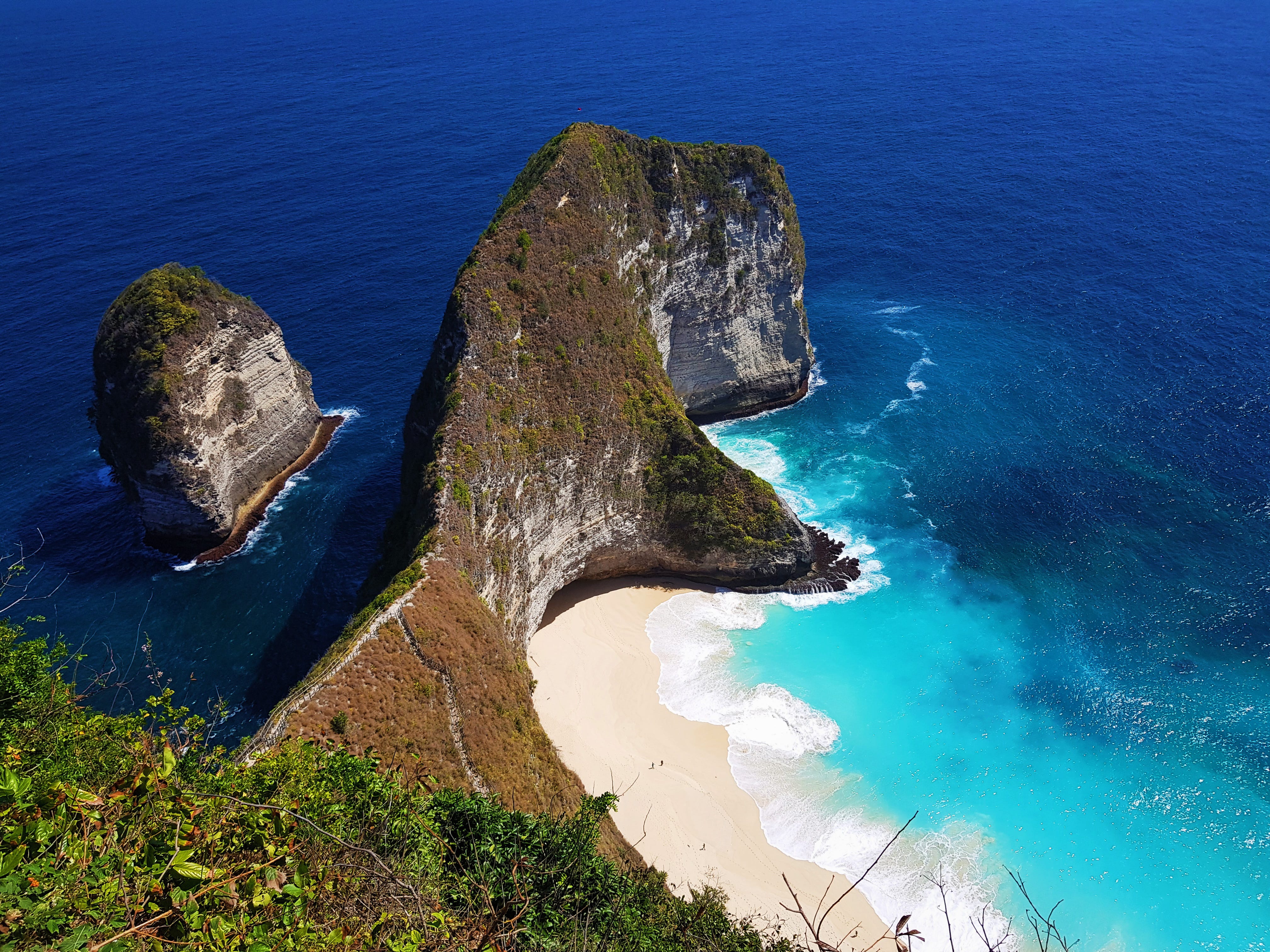
Indonesia: Reclaiming global dominance via Bali’s honeymoon appeal.
Vietnam: Cementing its status as a culinary powerhouse (Hanoi at #4).
Thailand: Maintaining its grip as the world’s premier urban and nightlife hub.
📍 Why This Hits Home: The Top Tier
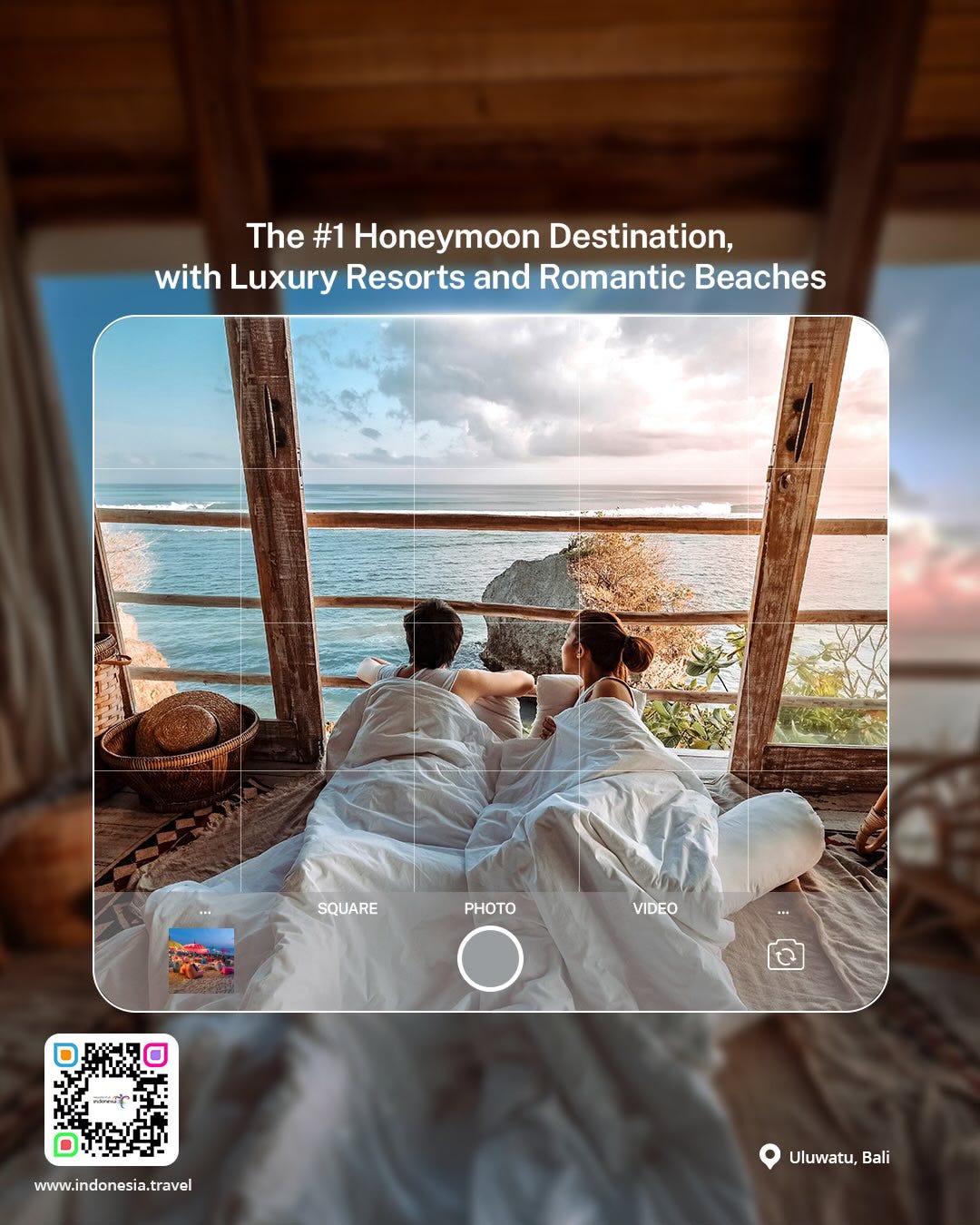
Bali, Indonesia (#1 in the World) The global leader for 2026. Beyond its status as the world’s premier honeymoon destination, it offers a dual-identity experience: the deep, spiritual serenity of Ubud contrasted with high-end coastal luxury.
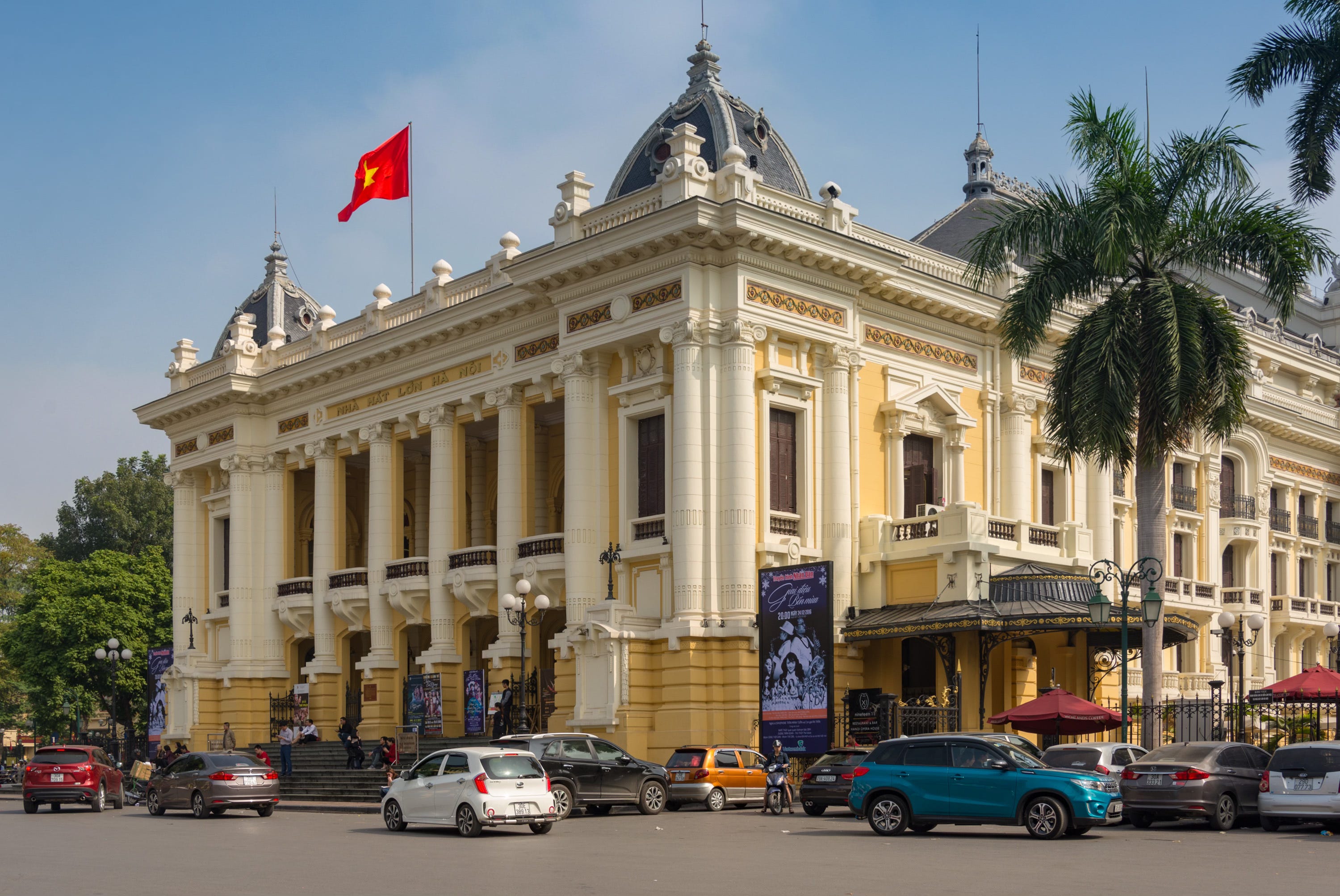
Hanoi, Vietnam (#4 in the World) A masterclass in sensory travel. It remains a top pick for its beautifully preserved colonial architecture and a street food scene that is widely considered world-class.
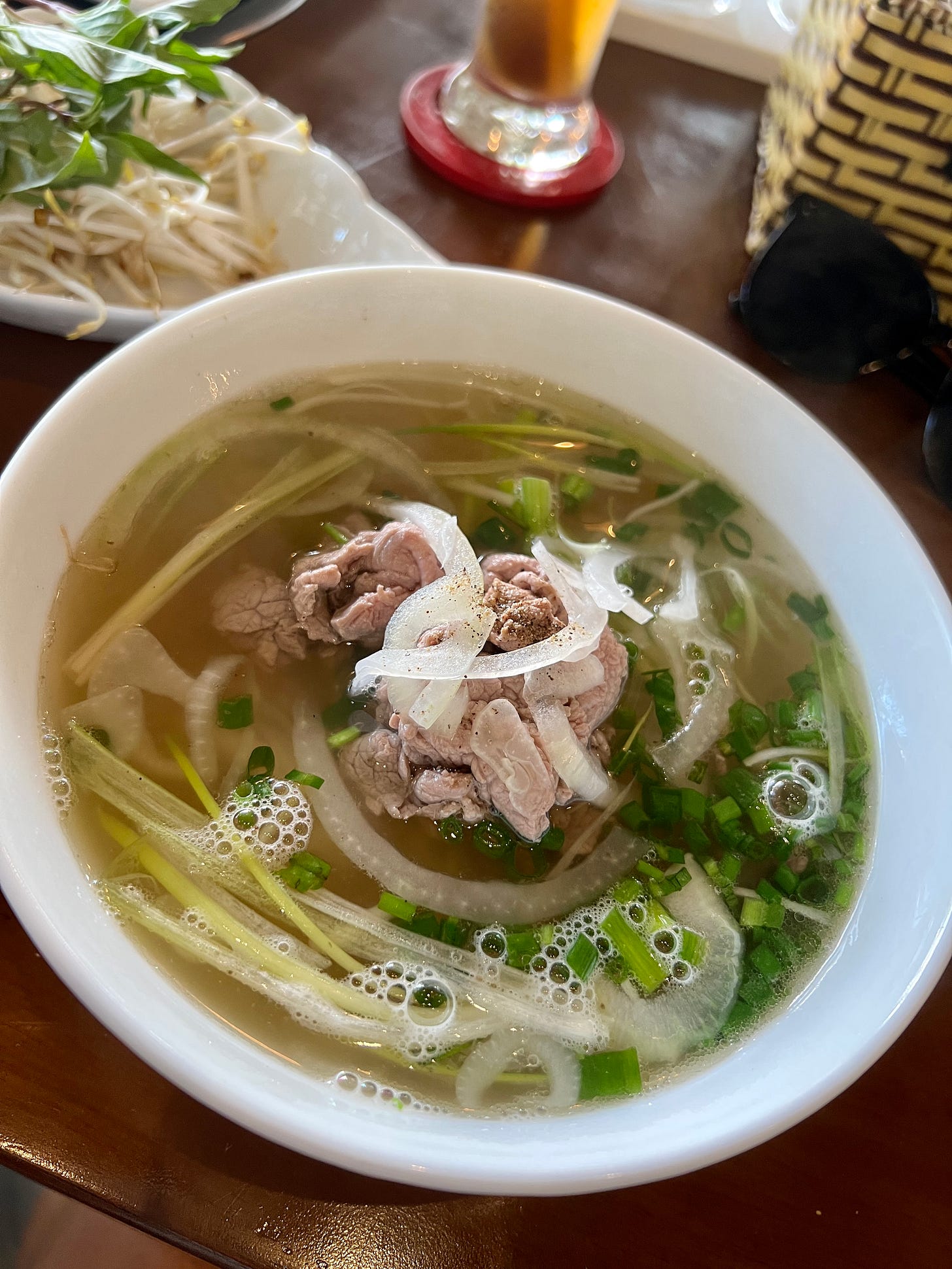
The famous Pho become one of top of mind culinary in Vietnam (Photo: The Southeast Asia Desk/Nazila Fitri) Bangkok, Thailand (#7 in the World) The region’s ultimate urban heartbeat. It continues to draw millions by blending traditional culture—ornate shrines and temples—with a legendary, high-octane nightlife and shopping scene.

🗺️ The Regional Stakes: Hidden Gems
For those looking to escape the “Top 10” crowds, the 2026 data highlights three “unspoilt” alternatives:
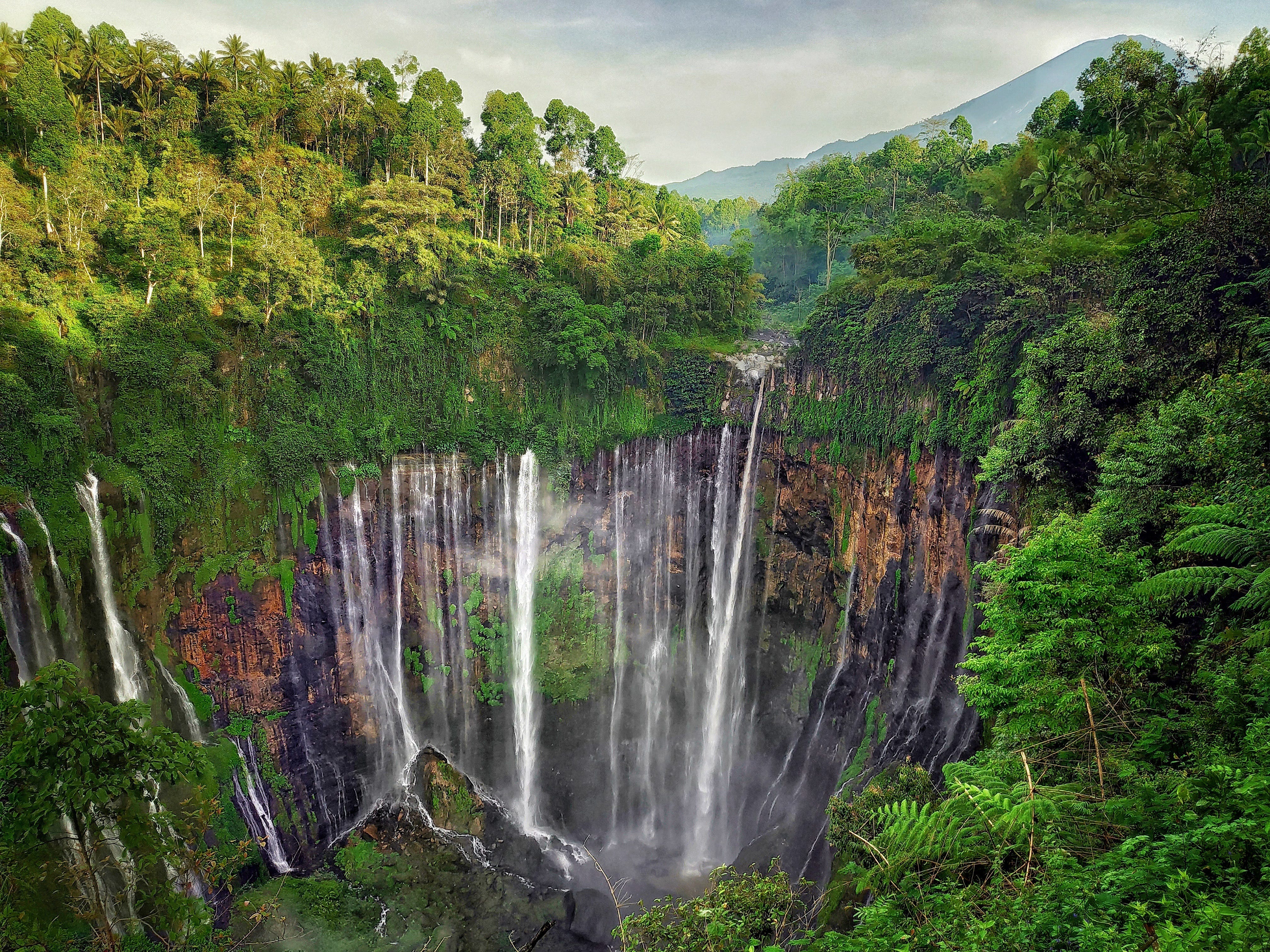
Indonesia: Tumpak Sewu (East Java)
The Vibe: A “thousand-fold” curtain of water at the foot of a volcano.
The Draw: Rated 4.8/5, it’s a rugged, affordable alternative to Bali’s commercial waterfalls.
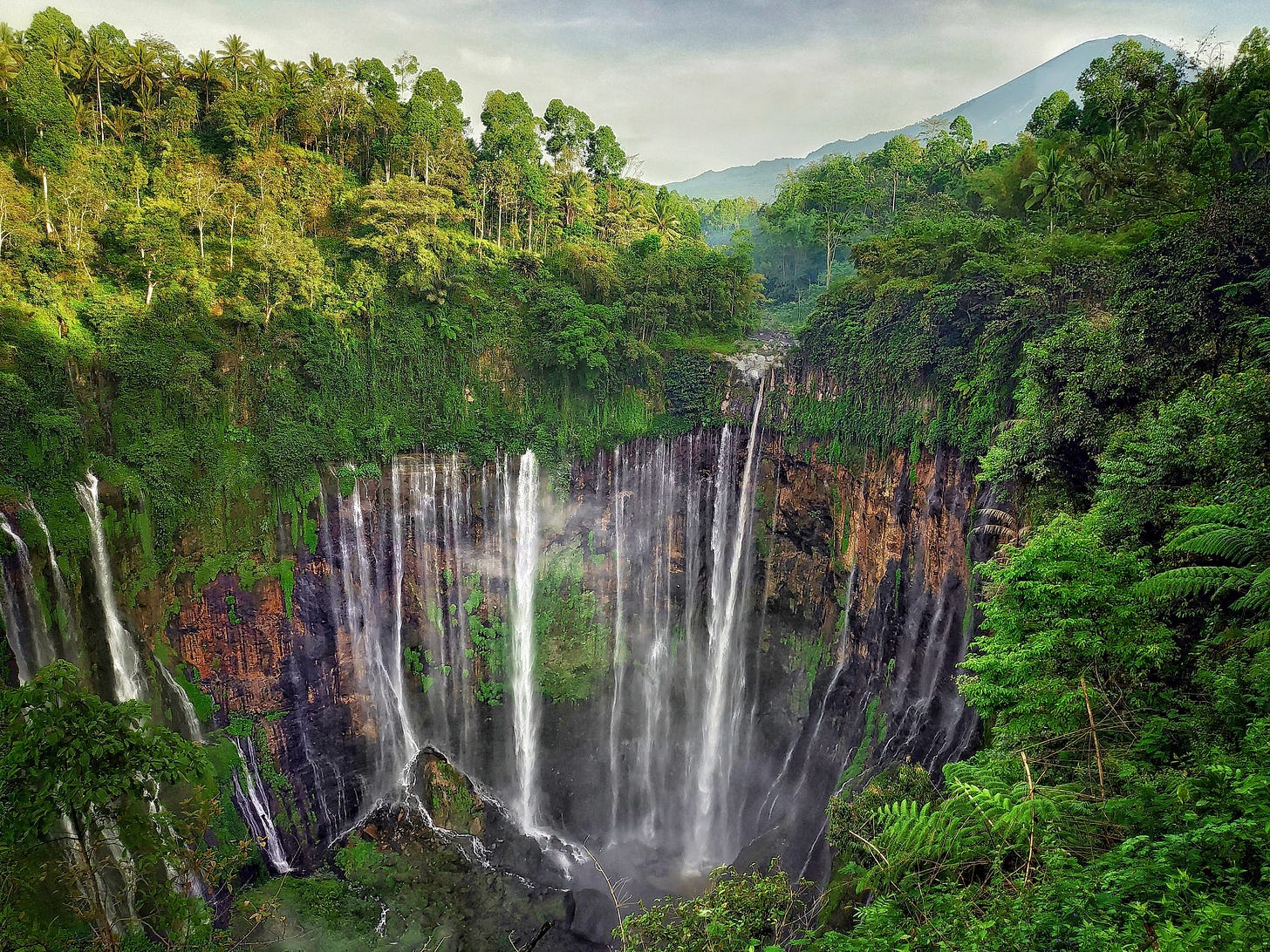
One of Hidden Gem in Indonesia is Tumpak Sewu Waterfall in East Java. (Photo: Wikipedia)
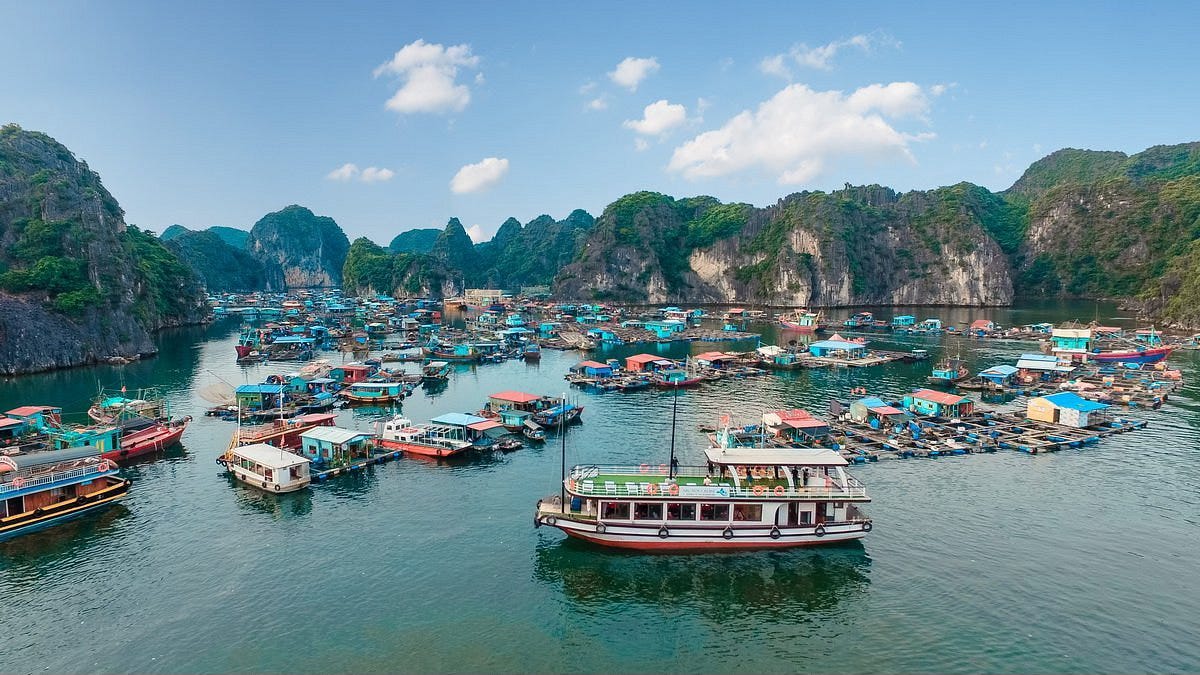
Vietnam: Lan Ha Bay (Hai Phong)
The Vibe: All the emerald water and limestone karsts of Ha Long, with 50% fewer ships.
The Draw: Kayaking through “Dark and Bright” caves in pristine silence.
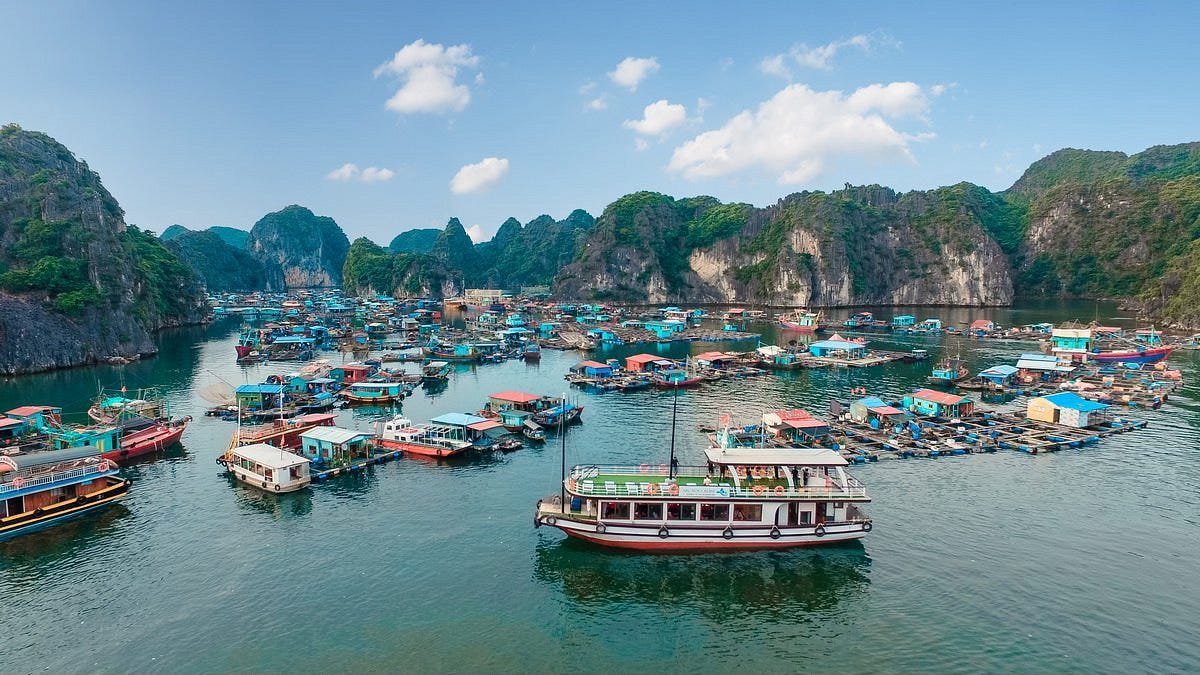
One of Hidden Gem in Vietnam is to float on boat in Lan Ha Bay (Hai Phong). (Photo: Tripadvisor)
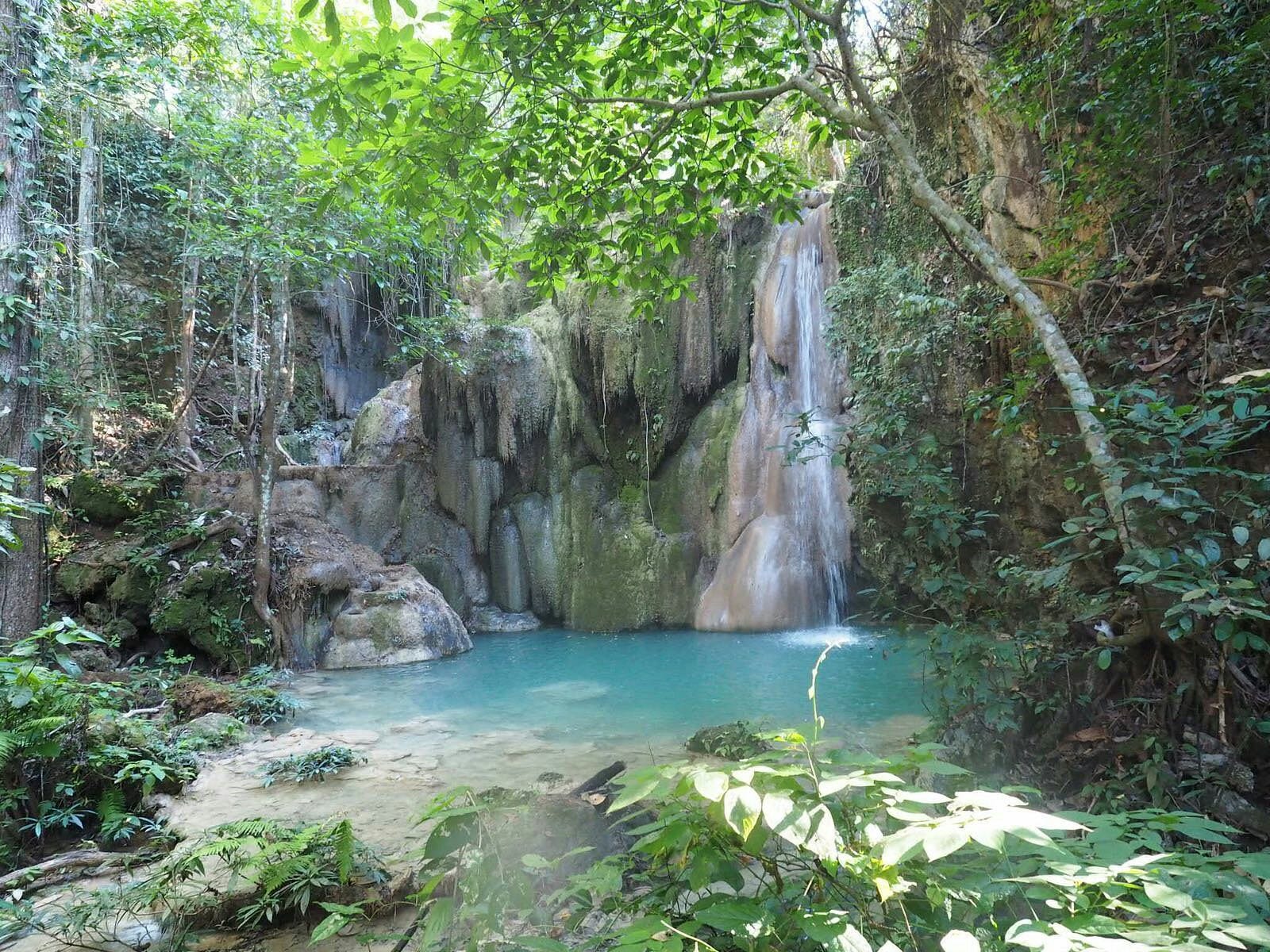
Thailand: Bua Thong Waterfalls (Chiang Mai)
The Vibe: The “Sticky Waterfalls” where limestone allows you to walk up rushing water.
The Draw: A unique, often free, tactile experience away from the city heat.
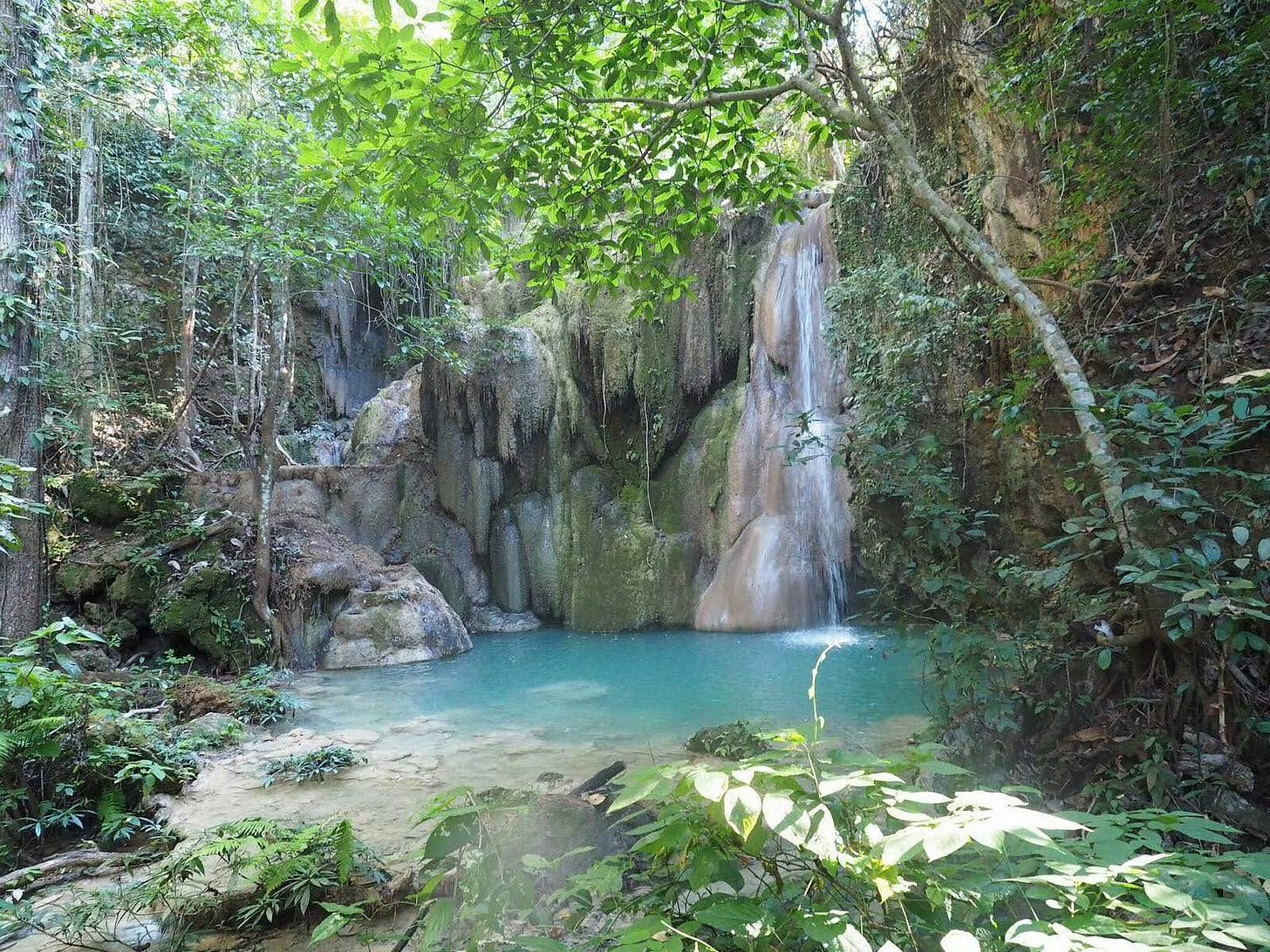
One of Hidden Gem in Thailand is to visit the sticky Bua Thong Waterfalls in Chiang Mai. (Photo: Tripadvisor)
🌱 The Green Shift: Eco-Friendly Tourism
With Bali and Hanoi reaching record numbers, 2026 marks a turning point for Regenerative Tourism. Travelers are moving beyond "eco-friendly" to "nature-positive" experiences.
Reef Restoration in Bali: Visitors can now get hands-on with coral restoration projects to rebuild local marine ecosystems.
Zero-Waste Dining: Thailand and Vietnam’s legendary street food scenes are pivoting toward plastic-free markets, where using your own reusable kit is the new gold standard for travelers.
💰 The Investment: 2026 Estimated Pricing
Costs are per person, per day (excluding international flights).
Backpacker ($30 – $50) Ideal for those watching the pennies. Covers comfortable hostel dorms, legendary street food feasts, and getting around via local buses or rented scooters.
Mid-Range ($80 – $130) The “sweet spot” for most. Includes boutique hotels (often with stunning pools), a mix of trendy cafes and local restaurants, and the convenience of Grab or private cars.
Luxury ($250 – $500+) The world-class experience. Covers ultra-premium 5-star resorts (like Mandapa in Bali), fine dining, and bespoke private guided tours.
Pro Tip: Vietnam remains the most budget-friendly of the three, offering incredible value for money. Conversely, Bali’s premium beach club and high-end villa lifestyle can quickly push a daily budget into the luxury bracket.
📜 The Traveller’s Protocol: Do’s & Don’ts
✅ DO:
Dress the Part: Carry a lightweight sarong. Shoulders and knees must be covered in temples.
Use Your Right Hand: In Indonesia and Thailand, the left hand is traditionally for hygiene; use the right for giving or receiving.
Master the “Smile”: It is the universal tool for de-escalating any situation in SE Asia.
❌ DON’T:
Touch the Head: It’s considered the most sacred part of the body; never touch anyone’s head, even a child’s.
Point Your Feet: Feet are seen as “dirty.” Don’t point them at people, statues, or religious icons.
Drink Tap Water: Stick to bottled or filtered water. Even “ice” in rural spots can be risky.
📲 Crossing Borders Without the Glitch
In 2026, physical SIM cards are becoming travel essential.
For a seamless transition between these countries, modern travelers are opting for Regional Southeast Asia eSIMS.
These allow you to cross the border from Thailand to Vietnam without losing your Grab connection or Google Maps access for a single second.
🏁 The Bottom Line
Southeast Asia isn’t just a travel destination in 2026; it is the global benchmark.
Whether you want the #1 ranked honeymoon in Bali or a $5 trek through a Javanese jungle, the region offers a depth of experience that Europe and the Americas are currently struggling to match in terms of value and variety.
(ZIL/AKO/VBD/QOB)