



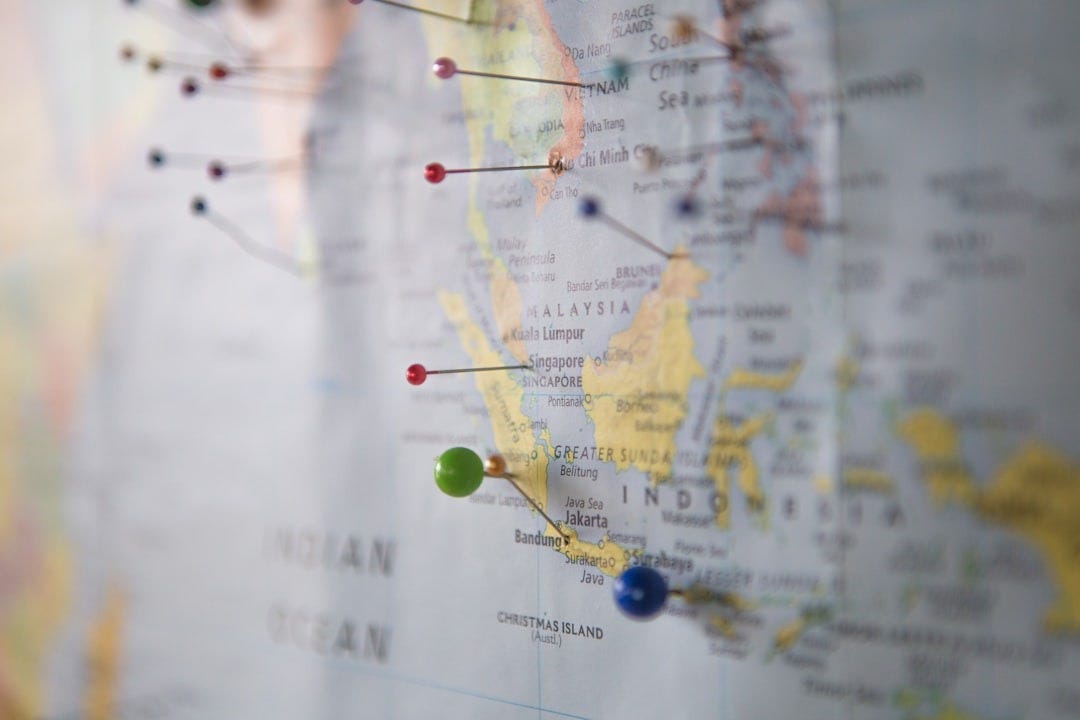
As Southeast Asia closes the chapter on 2025, the region enters 2026 burdened by unresolved questions rather than settled conclusions.
Border tensions, contested political transitions, and ASEAN’s own credibility crisis continue to define the strategic mood.
Will the simmering tensions along the Thai–Cambodian border find a diplomatic endgame or merely a pause?
Can Myanmar’s promised electoral roadmap produce legitimacy rather than prolong military entrenchment?
And, perhaps most critically, can ASEAN reassert itself as a relevant regional anchor amid rising geopolitical and internal pressures?
These are not abstract questions.
They form the strategic backdrop of Southeast Asia’s subsequent political and economic cycle.
ASEAN in 2026: A Test of Relevance
The Philippines is set to assume the ASEAN Chairmanship in 2026, following Myanmar’s decision to opt out.
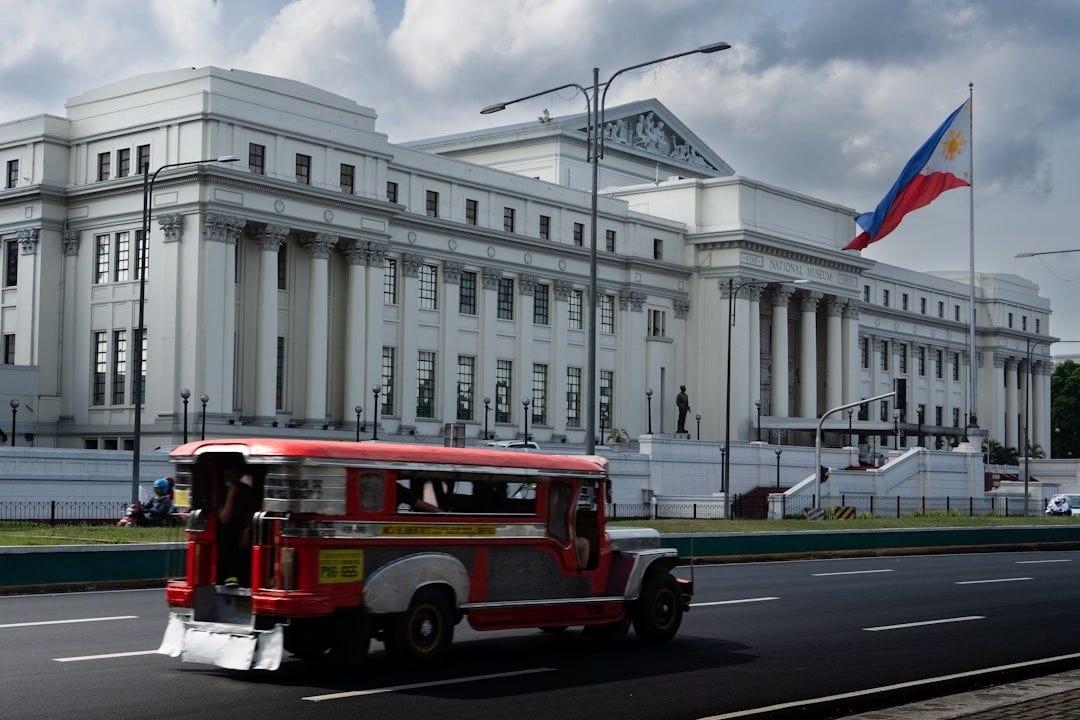
The timing is symbolically and strategically significant: it coincides with the 10th anniversary of the 2016 South China Sea arbitral ruling, returning maritime security and international law to the center of regional diplomacy.
For Manila, the chairmanship will be more than ceremonial. It will test whether ASEAN can maintain unity on issues where member states’ interests diverge sharply (particularly in the South China Sea and Myanmar) while navigating intensifying major-power competition.
Political Transitions to Watch
The year ahead will be dense with political milestones:
Thailand is scheduled to hold a general election on 8 February 2026, with civil–military relations and constitutional reform once again in focus.
Vietnam will convene its 14th Communist Party National Congress in mid-January, setting leadership succession and development priorities for the next five years.
Laos is expected to conduct national and provincial representative selections in early 2026, a quieter but consequential process for governance continuity.
Myanmar’s military authorities continue to signal a phased election process beginning in January 2026, a move widely questioned by regional and international observers regarding its inclusiveness and credibility.
Together, these transitions will shape Southeast Asia’s political balance—testing stability in some states and legitimacy in others.

Economic and Strategic Shifts
Economically, the region enters 2026 with cautious optimism. Growth projections place Vietnam as ASEAN’s fastest-growing economy, followed by the Philippines and Indonesia, reflecting relative resilience amid global uncertainty.
These figures, however, remain contingent on external demand, supply-chain restructuring, and domestic political stability.
At the regional level, ASEAN is preparing to launch its 2026–2030 ASEAN Economic Community Strategic Plan, aiming to deepen integration while addressing digital transformation, supply-chain security, and uneven development.
Technology will loom large. Analysts increasingly describe 2026 as the year artificial intelligence shifts from experimentation to operational infrastructure across Southeast Asia.
Major data-center investments in Malaysia and Thailand signal not just technological ambition, but also competition over digital sovereignty and energy resources.
Strategically, ASEAN will also undertake a five-year stocktaking of its Comprehensive Strategic Partnerships with major partners, including China and Australia—an exercise that may quietly redefine the bloc’s external posture.

Culture, Soft Power, and Global Visibility
Beyond geopolitics and economics, 2026 will also be a year of symbolic projection:
Tomorrowland Thailand will mark the first time the global EDM festival lands in Southeast Asia, underscoring Thailand’s ambition to position itself as a cultural hub.
Visit Malaysia Year 2026 aims to revive and rebrand national tourism through sustained, year-long programming.
The Formula 1 Singapore Grand Prix, scheduled for September, will return with an upgraded circuit, reinforcing the city-state’s global sporting profile.
Ho Chi Minh City will host Directions ASIA 2026, reflecting Vietnam’s growing role in the regional tech and enterprise ecosystem.
These events matter. They signal how Southeast Asian states seek influence not only through diplomacy and growth figures, but through culture, branding, and global connectivity.

We Return Stronger in 2026
We enter 2026 with renewed energy—and a much larger collective force.
From a team of five, The Southeast Asia Desk has grown into nearly two dozen dedicated individuals, united by a shared commitment: to curate, contextualize, and tell the most compelling stories from across Southeast Asia with care and rigor.
We will continue to stand firmly by our identity as a non-profit, independent newsroom and news lab. Our editorial direction is guided not by political or commercial interests, but by verification, balance, and regional responsibility. Our readers should never have to question where we stand—or why we publish what we do.
What makes this next phase even more meaningful is your role in it.
Our readers are not just audiences; you can also become patrons of The Southeast Asia Desk, supporting independent journalism that prioritizes depth over speed and substance over spectacle.
As we begin to monetize one of our social media channels responsibly, we also open the door for readers who wish to invest their trust—and their resources—into a newsroom and news lab they believe in.
In 2026, our presence will expand. Beyond Instagram and LinkedIn, The Southeast Asia Desk will be accessible through Threads and Facebook, widening our reach while maintaining our editorial standards.
We are also preparing to launch a new product: “The Centripetals.” This longform series is designed for readers who want to go deeper—carefully reported, richly contextualized stories that move inward to the core of Southeast Asia’s most pressing and overlooked issues.
As the year comes to a close, we will take a short editorial break from 24 December and return to dispatch stories on 5 January.
Thank you for walking this journey with us.
Have a blessed holiday—and we’ll see you in 2026.
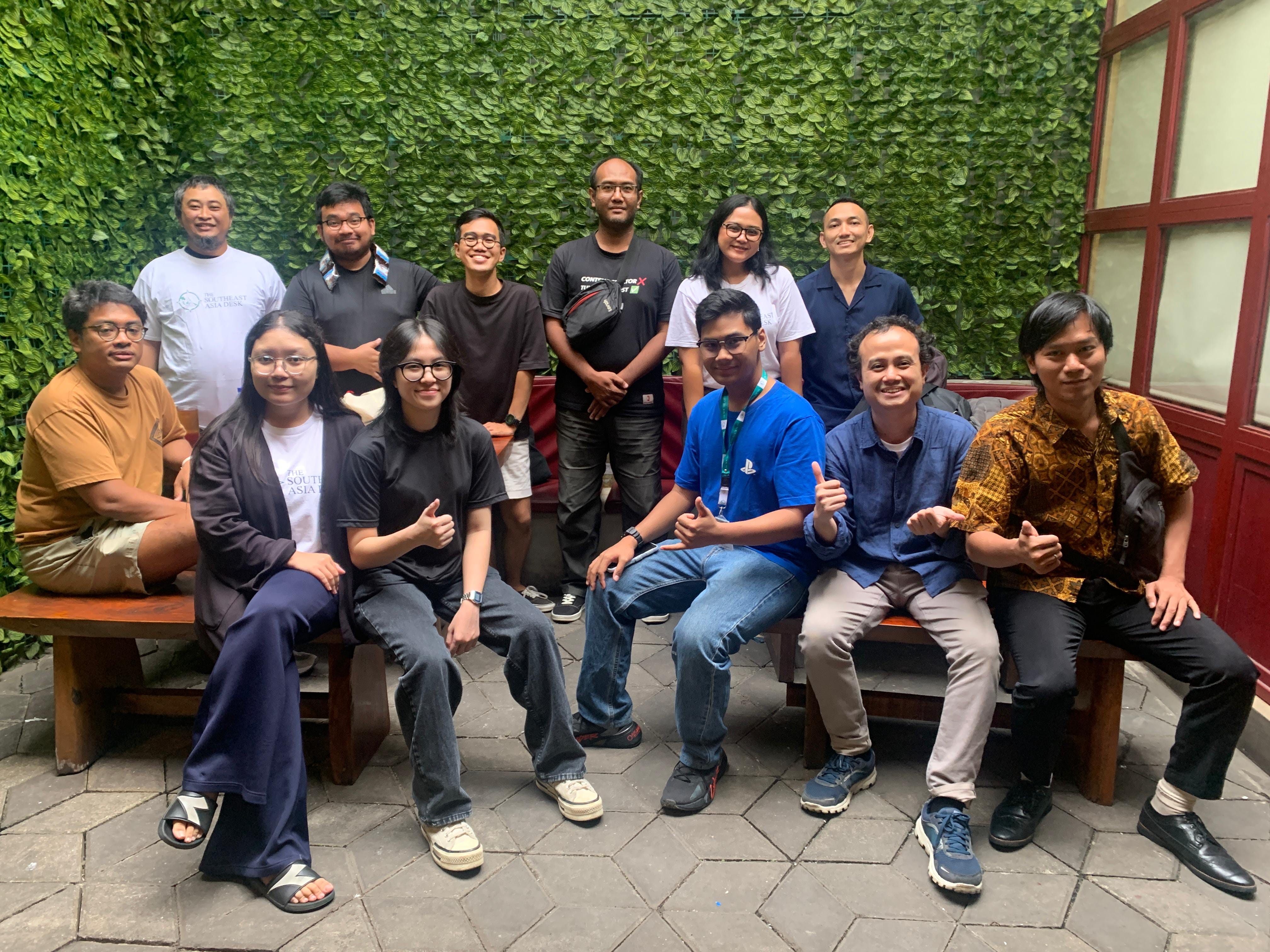
Editorial Team,
The Southeast Asia Desk