



🎯 The Main Takeaway
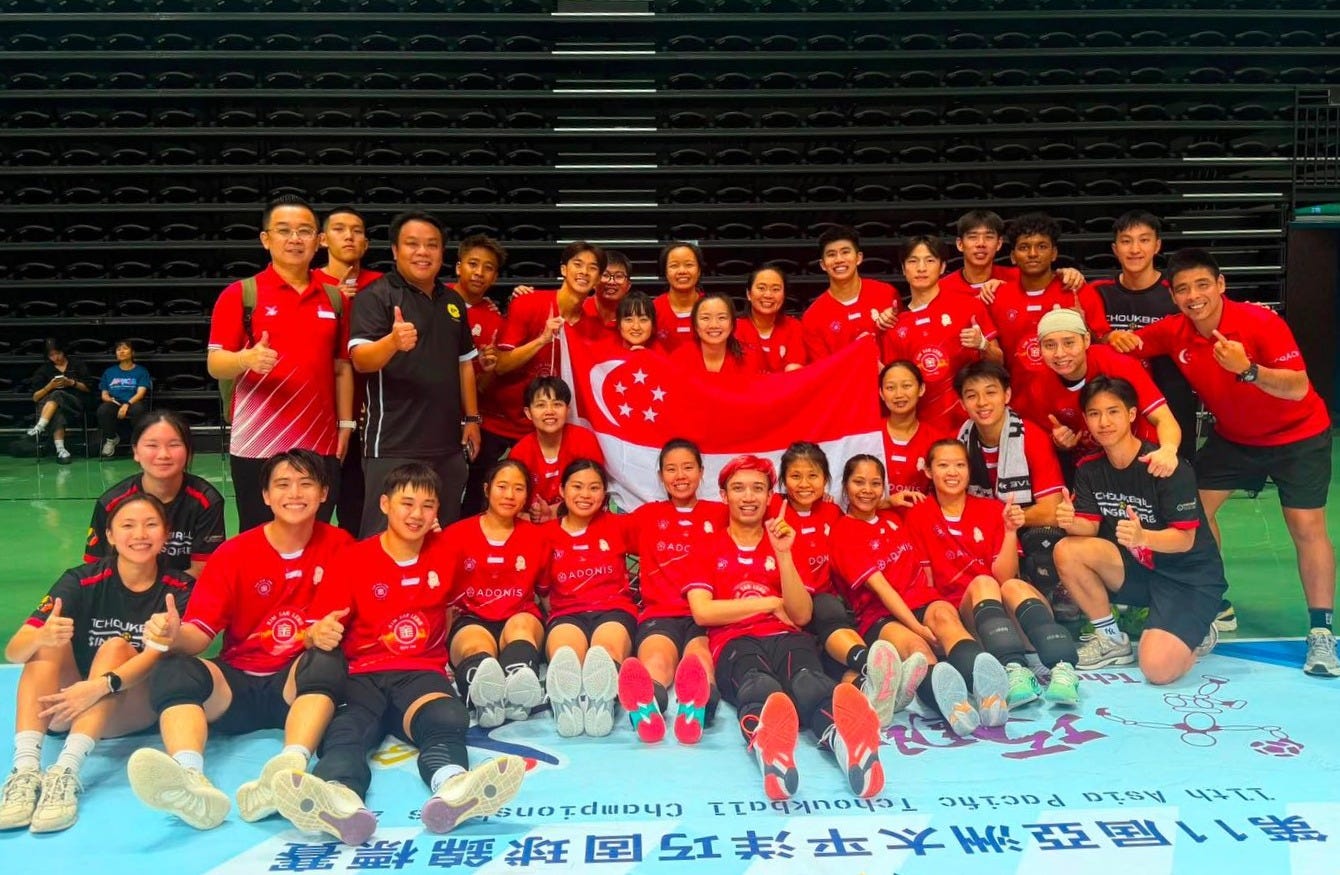
Southeast Asia is emerging as a competitive hub for tchoukball, a fast-paced, non-contact indoor sport, following Singapore’s gold and bronze medal finishes at the Asia Pacific Tchoukball Championships (APTC 2026) on 9 July 2026.
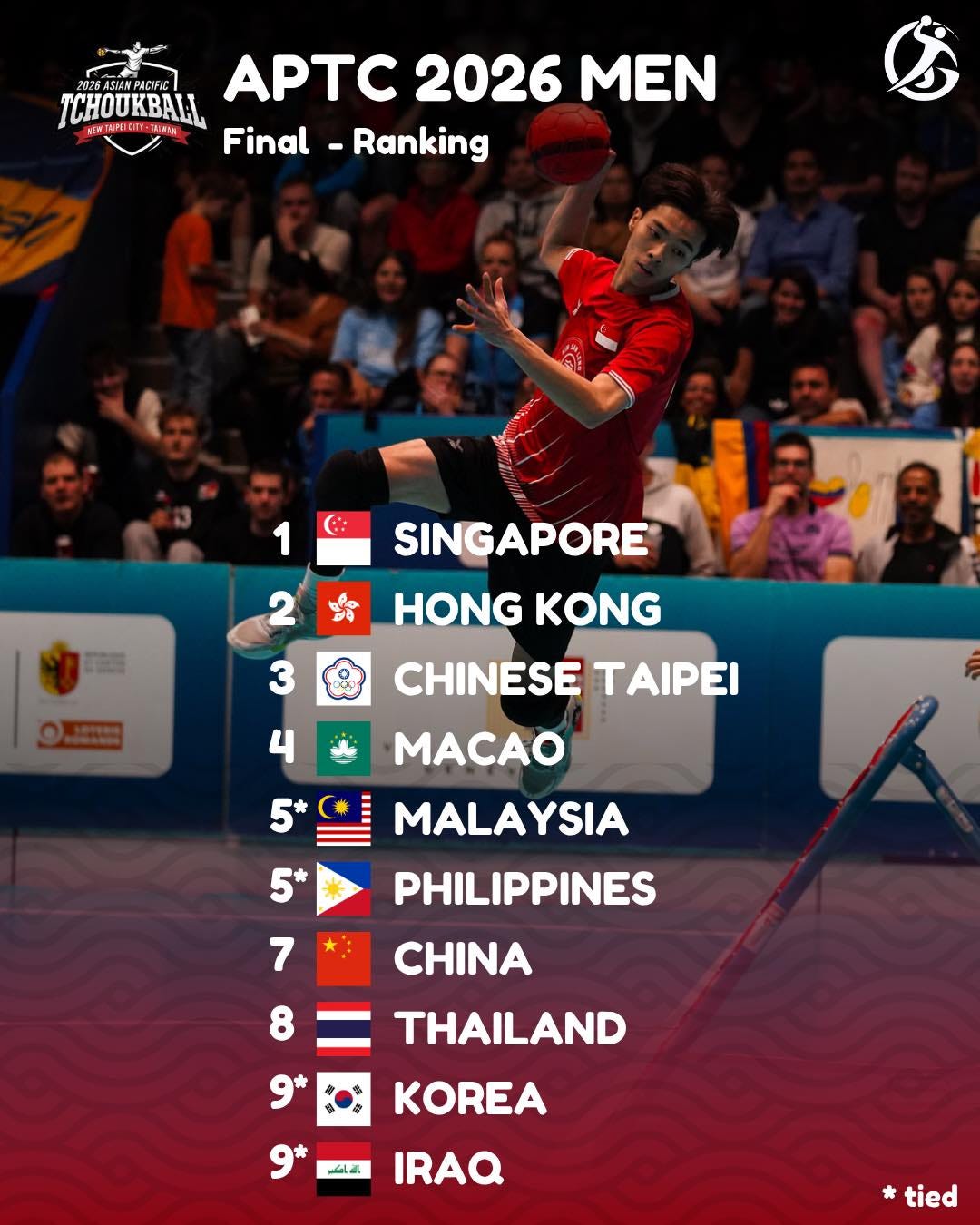
Singapore’s men’s team finished first, while Malaysia and the Philippines shared fifth place. In the women’s division, Singapore took third, with the Philippines and Thailand finishing fifth and seventh respectively.
The results underscore a growing regional presence in a sport that has long been dominated by Chinese Taipei and European nations, and point to a wider shift in Southeast Asia’s sporting landscape.
⚽ What is Tchoukball?
Tchoukball is a fast-paced, non-contact indoor team sport invented in the 1970s by Swiss biologist Dr Hermann Brandt. It was designed to reduce physical injuries and aggressive competition often seen in other mainstream sports.
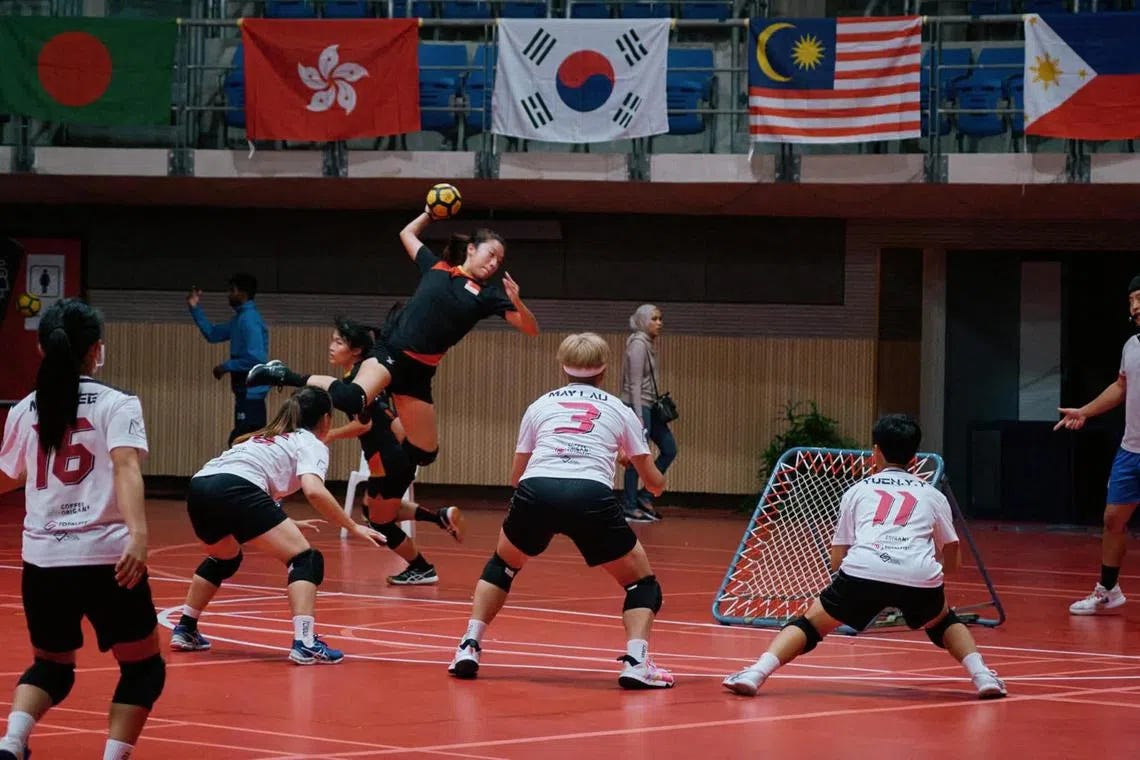
A defining feature is the use of a springy, trampoline-like goal post—called the “tchouk” or frame—instead of a conventional net or hoop.
How to play: Two teams of seven players compete. The attacking side throws the ball at the frame, and as it ricochets back, the defending team must catch it before it hits the ground. Possession changes when the defending team touches the ball before it lands, the ball misses the frame, hits the frame’s dead spot, or lands outside the court’s boundary.
📡 Why It’s on Our Radar?
Tchoukball offers an unusually safe and inclusive alternative to contact sports—mixed-gender and mixed-age participation is possible, which many mainstream sports lack.
Southeast Asia is home to the sport’s regional powerhouse: Singapore has dominated tchoukball since 2009 in both men’s and women’s divisions. The city-state’s success has inspired growing interest across the region, with Malaysia, Thailand, the Philippines, and Indonesia steadily improving their international standings.
The sport’s accessibility and low injury risk make it particularly well-suited for Southeast Asian schools and community programmes, where participation rates are rising.
🔭Beyond the Headlines
Beyond international competitions tchoukball has slowly become ingrained into Southeast Asia especially in Singapore over the past years. With Singapore being keen to further develop the sport through Tchoukball Association of Singapore (TBAS) which was officially recognized in 2023 with an objective to facilitate the development of tchoukball.
Moreover, Singapore is growing to be a regional hub for the sport as in 2025, the nation hosted Asia Pacific Schools Tchoukball Championships (APSTC) by TBAS which is participated by school teams from Indonesia, The Philippines, Malaysia, Thailand, Hong Kong, Macau, and Chinese Taipei. Showing a commitment to further develop the sport within the region.
🏆 Southeast Asia’s Competitive Landscape
Singapore leads the region and ranks among the world's best. As of January 2026, the International Tchoukball Federation (FITB) ranked Singapore second globally in the women's division and first in the men's division.
Internationally Singapore’s team overcame the giant of the sport Chinese Taipei during 2022 APTC in the women division and 2026 APTC in the men’s division for first place and currently ranked globally in second place and first place by the International Tchoukball Federation (FITB) as of January 2026.
With Thailand and Malaysia being the clear rival to Singapore in the region, both currently ranked 9th and 15th globally while the Philippine, Indonesia. and Laos not far behind within the top 30 as January 2026 according to FITB.
🏁 Bottom Line
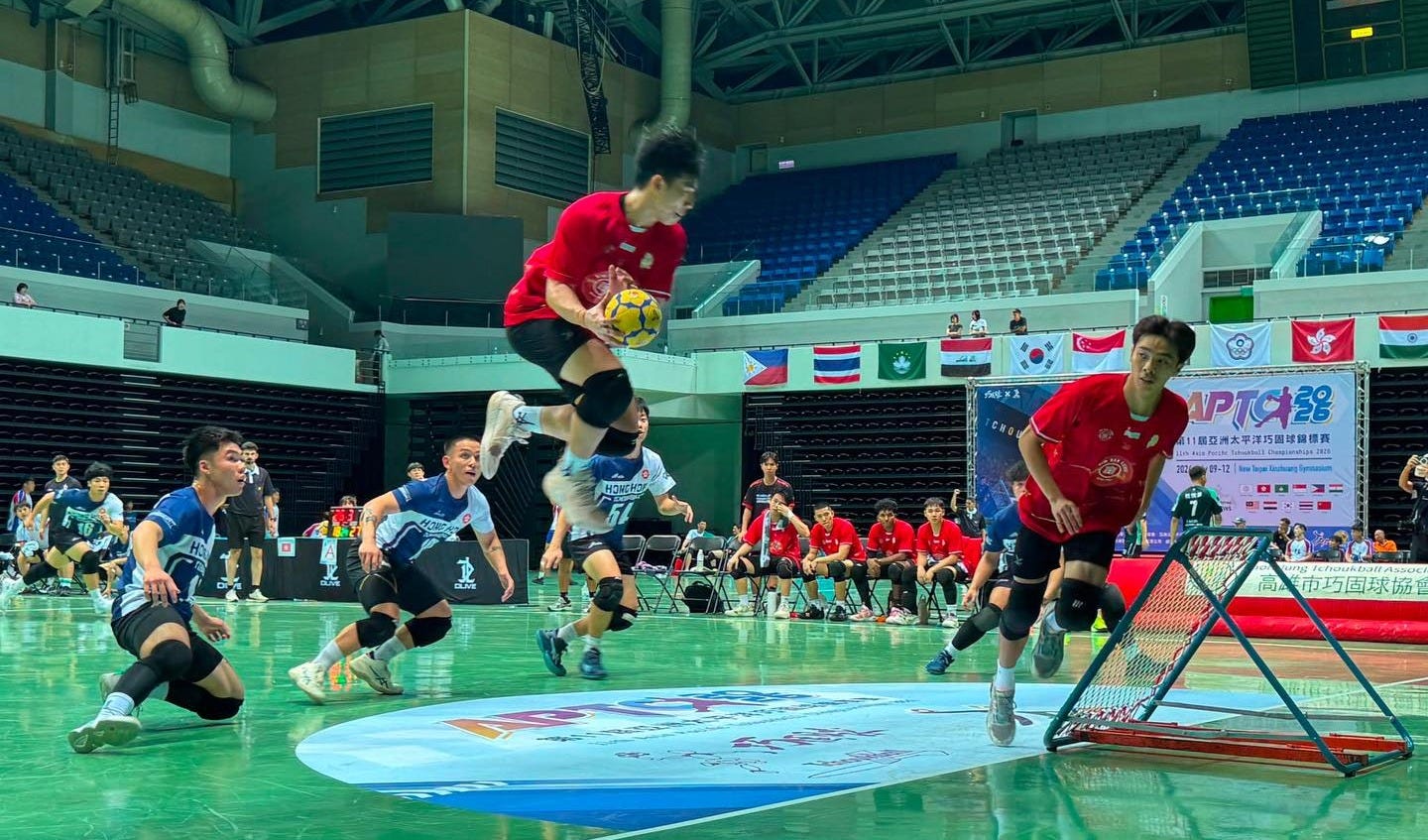
Singapore’s gold and bronze at APTC 2026 highlight tchoukball’s growing footprint in Southeast Asia. While the city-state remains the region’s undisputed leader, Malaysia, Thailand, and the Philippines are closing the gap.
The sport’s rise across the region points to a wider shift: Southeast Asian nations are expanding their sporting ambitions beyond traditional disciplines, embracing new opportunities for regional competition and international recognition.
🔎Need More Angles?
Straits Times, The S’pore men’s tchoukball team clinch first Asia Pacific C’ship title, women bag bronze
Strait Times, The Tchoukball: Five things to know about the sport
(FRD/ELS)