




🎣 Opening
Quick question.
If someone mentions “river crisis,”
What comes to mind?
Plastic bags?
Black water?
Maybe the smell?
What about… a fish?
Because right now, across Southeast Asia, our rivers are being taken over by a creature that looks like it belongs in an aquarium — not in the wild.
It sticks to rocks.
It survives filth.
And it refuses to die.
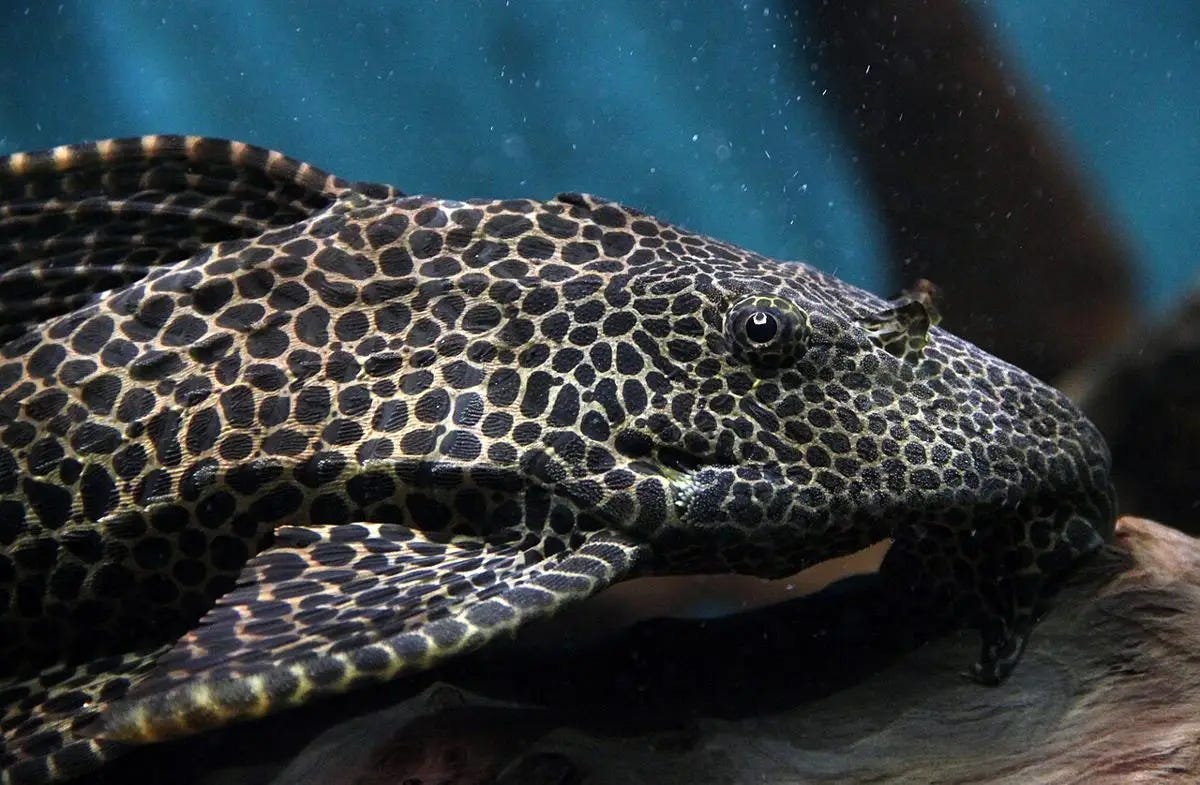
Meet the suckermouth catfish.
A pet fish turned invader—and a surprisingly honest mirror of how broken our rivers really are.
Curious? Let’s talk about it!
Hello, and welcome to The Southeast Asia Desk Weekly Dispatch Podcast. I’m Cecilia Setiawan. This is where we slow down the headlines and make sense of the stories shaping our region.
🐟 The Fish
So, the suckermouth catfish isn’t supposed to be here…at all!
It comes from South America.
And it arrived in Southeast Asia not through nature, but through aquariums.
At first, it was just an aquarium pet.
A bottom-feeder, sold as a “cleaner fish.”
But once released into rivers like the Ciliwung in Jakarta or the Klang River in Malaysia, it did something remarkable.
It thrived. So much better than native fish.
While native fish struggled to survive, the suckermouth catfish multiplied.
Fast.
No natural predators.
High reproduction rates.
And a special ability to live in polluted, low-oxygen water.
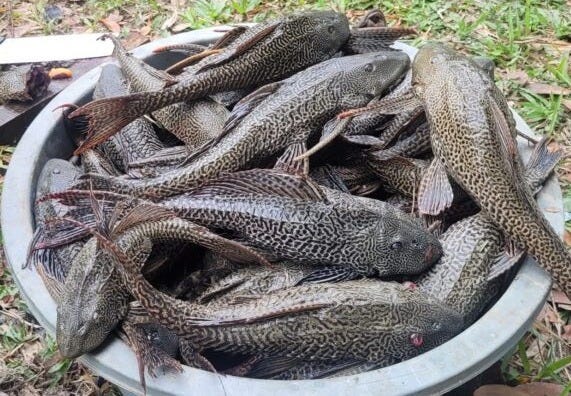
In Malaysia alone, hunting squads have removed more than 75 tonnes of these fish in just two years.
That’s not an invasion.
That’s domination.
⚖️ What’s at Stake
And this isn’t just about biodiversity.
First, ecology.
These fish outcompete native species like lampam and tengas for food and space, creating what scientists call “monoculture rivers.”
In Jakarta’s Ciliwung River, even water birds are disappearing because the entire food chain has been disrupted.
Second, infrastructure.
The catfish digs deep burrows into riverbanks—sometimes up to a meter deep.
That weakens the soil, increases erosion, and raises flood risks in already vulnerable cities.
Third, health.
Living in polluted rivers, the fish absorb heavy metals and microplastics.
Which means when humans eat them, those toxins move straight up the food chain.
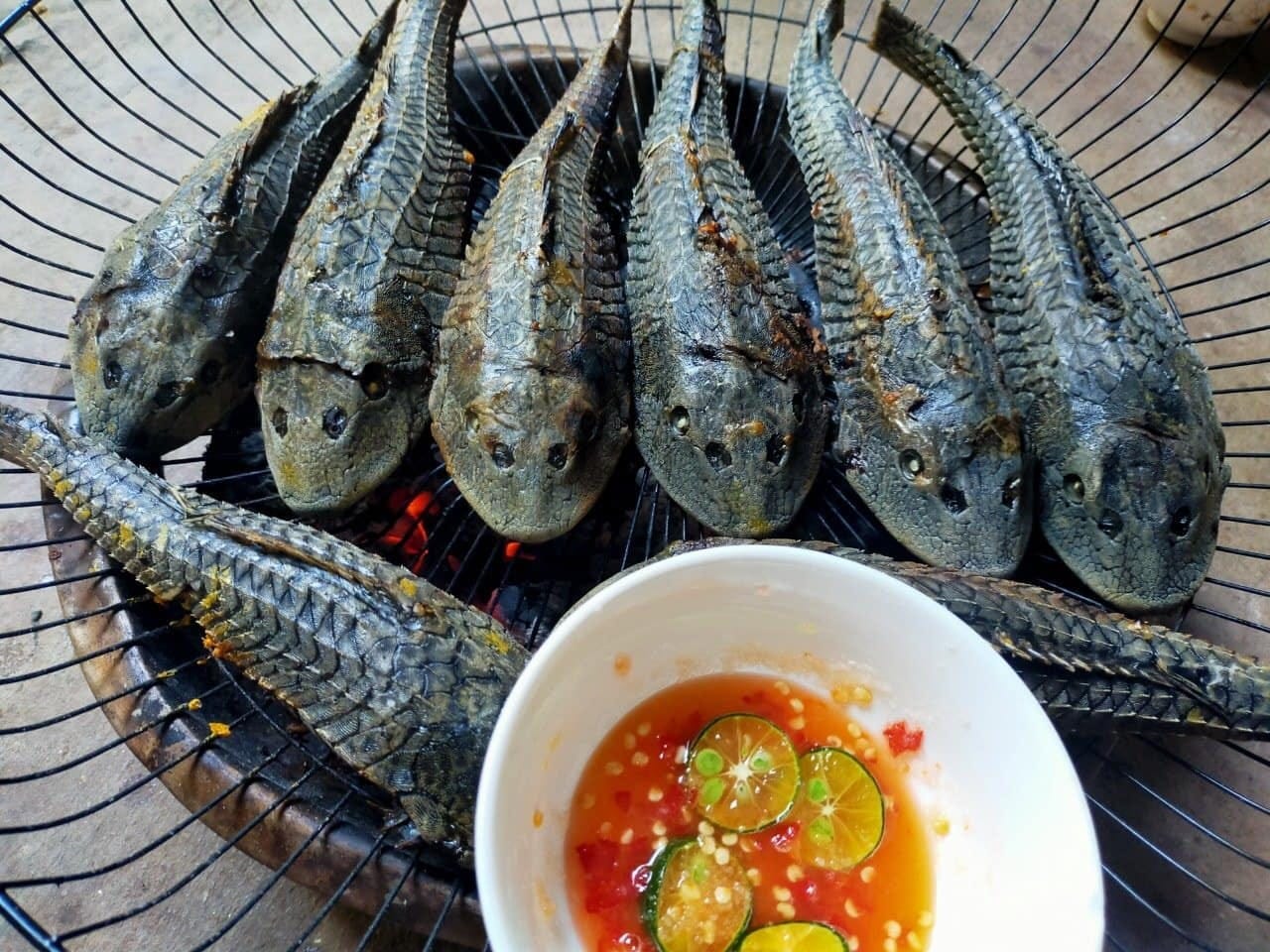
And yet, on social media, people are turning them into street food.
Experts are clear:
Fish from urban rivers are not safe to consume.
🌏 A Regional Problem
This isn’t just Indonesia’s problem.
In Malaysia, the fish, known as ikan bandaraya, are now so widespread that some states pay residents to catch them.
In Singapore, scientists warn that one released pet fish can disrupt fragile freshwater life.
Different countries. Same pattern.
Polluted water.
Collapsing native species.
Invasive fish are filling the gap.
💡 The Bigger Meaning
Here’s the twist.
The suckermouth catfish is not the real problem.
It’s the symptom.
These fish don’t clean rivers. They don’t restore ecosystems.
They simply survive where everything else has failed.
Their dominance is a biological warning sign.
It tells us that Southeast Asia’s freshwater systems are being overwhelmed by sewage, waste, and weak environmental enforcement.
You can remove the fish. Again and again.
But unless the rivers themselves are restored—with proper wastewater treatment, pollution control, and public awareness—they will always come back.
🎙️ The Wrap
I guess this story isn’t really about a random freshwater fish; it’s about urban pollution, public health, food security, and how close we are to the ecological tipping points.
The suckermouth catfish didn’t break our rivers. Our rivers were already broken in the first place. The fish just made it visible and impossible to ignore.
I’m Cecilia Setiawan, and this has been The Southeast Asia Desk Weekly Dispatch Podcast, where we slow down the noise and follow the region’s compass.
If you enjoyed this episode, subscribe to our newsletter at thesoutheastasiadesk.com,
and join us again next weekend, for stories to linger over—one weekend at a time.


